TD
TD
Key Takeaways
- One to two weeks is normal, two to four weeks is common, and beyond four weeks usually means no - though not always.
- Understanding why silence happens is the difference between "I'm being ignored" and "a process is running".
- Following up helps at the right moment and hurts at the wrong one.
- The first response is only the first wait - knowing the later timelines stops each silence feeling like a reversal.
- Silence after you have already interviewed feels worse because you have something to lose, but it is usually still procedural.
You applied on a Tuesday. By Thursday you're checking your email before you're fully awake. By the following week you're re-reading the posting wondering whether you misread something. By week three you've decided you didn't get it, and you're still checking.
The waiting is one of the most corrosive parts of a job search, largely because nobody tells you what normal looks like. So you invent a timeline, the invented timeline is always too fast, and every day past it feels like a rejection. This guide gives you the real numbers, explains what's actually happening in the silence, and covers what to do with the wait — including the part most people get wrong.
The Realistic Timeline
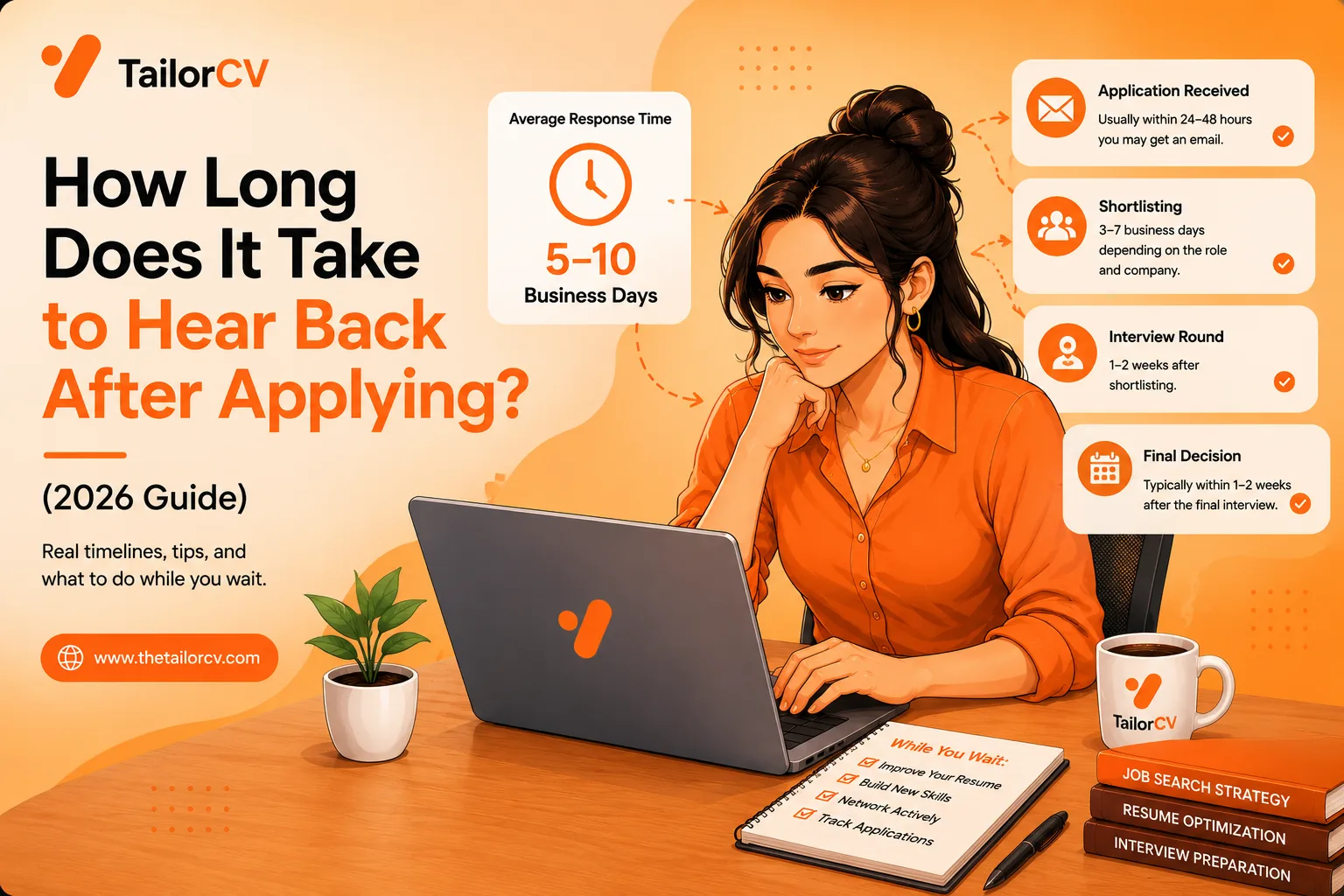
One to two weeks is normal. Two to four weeks is common. Beyond four weeks usually means no, though not always.
Roughly:
- Days 1-3: an automated confirmation, if the system sends one. This is a receipt, not a signal — it means the form submitted.
- Week 1: fast-moving companies and agency recruiters may reach out. Startups and small firms sometimes move within days.
- Weeks 1-2: the most common window for a first response on a well-run process.
- Weeks 2-4: still entirely normal, especially at larger organisations, and particularly when the role has just closed for applications.
- Weeks 4-6: less likely but not dead. Roles get reopened, shortlists fall through, and stalled requisitions restart.
- Beyond 6 weeks: treat it as closed. Occasionally someone resurfaces months later; you can't plan around that.
What moves these numbers. Small companies are faster than large ones. Agency recruiters are fastest of all, because they're paid on placement. Senior roles take longer than junior. Hiring slows sharply around major holidays and quarter boundaries. And a role posted with a closing date usually doesn't get screened until that date passes — which alone explains a great many two-week silences.
Why the Silence Happens
Understanding this is the difference between "I'm being ignored" and "a process is running."
Applications pile up faster than they're read. A visible posting can gather hundreds of applications in days. Screening starts when someone has time, not when you press submit.
The ATS filters first. If your resume didn't match well, a human may never see it. That isn't a slow decision — it's an early one that produces the same silence as a slow one, which is exactly why silence is such a poor diagnostic signal. How the ATS works explains what happens before the wait even starts.
The hiring manager is doing their actual job. Reviewing candidates competes with the work they were hired to do, and it usually loses to a deadline.
Internal delays. Budget freezes, an internal candidate being considered, a reorganisation, someone on leave. These are common and invisible from outside.
They batch. Many teams review in one sitting after a set period rather than continuously. Everyone hears back at once — including you, on day nineteen.
Rejection notices are inconsistent. Some systems send them automatically, some send them only at later stages, and many never send anything. The absence of a rejection is not encouragement.
When and How to Follow Up
Follow-up helps at the right moment and hurts at the wrong one.
Timing. Wait one to two weeks after applying. Earlier than a week reads as impatient and lands before anyone has looked. If there was a stated timeline in the posting, wait until it passes before following up at all.
Where. Email is best if you have a named contact. Otherwise a short, polite LinkedIn message to the recruiter or hiring manager works. Applying through a portal and never surfacing anywhere else is the most invisible thing you can do.
What to say. Short, specific, no pressure. Name the role, note when you applied, restate one concrete reason you're a fit, and offer anything useful. How to follow up after applying has the full templates, and cold-emailing a recruiter covers reaching someone you don't know.
How often. Once. If there's no reply, a second note two weeks later is acceptable. A third is not. Persistence past that point converts a maybe into a no.
After an interview the rules change — that window is shorter and a thank-you note is expected. See how to follow up after an interview.
The most effective follow-up isn't a follow-up at all: a referral from someone inside routes around the queue entirely. A referral message on LinkedIn is often worth more than three polite reminders, and referral applications get read at a different rate than cold ones.
The Thing Most People Get Wrong While Waiting
Here's the important part.
If you're anxiously tracking one application, you don't have a waiting problem — you have a pipeline problem. The stress of silence is almost entirely a function of how much is riding on that one outcome. Five live applications makes any single silence tolerable. Twenty makes it barely noticeable.
Pipeline is the actual fix. Decide a sustainable daily volume — how many jobs to apply to per day has realistic numbers — and keep applying while you wait. Track everything so you're not carrying it in your head, which is also what makes follow-up timing manageable rather than anxious.
But volume alone is a trap, and this is where many people go wrong. Sending fifty generic applications produces fifty silences, because a generic resume loses to a tailored one at the filter stage — and the resulting silence feels like bad luck rather than a fixable cause. The combination that works is enough volume to stay sane, with enough tailoring to actually convert. That's only possible if tailoring is fast, which is the entire argument for tailoring in five minutes rather than an hour, and for matching a posting quickly on every application rather than the ones you feel best about.
Use the Wait Productively
Concrete things worth doing instead of refreshing:
Diagnose, don't guess. If you're getting silence at high volume, the problem is usually upstream of the wait. Run your resume against one of the postings you applied to with a free ATS score. A low match on roles you're genuinely qualified for means your resume isn't being read at all — fix that and every future application improves. How to increase your ATS score, keyword matching, the keywords that matter, and formatting mistakes that break parsing are where the fixes live.
Strengthen the resume itself. Quantify your achievements, use better action verbs, sharpen your summary, check the structure and length, trim old roles, and make sure soft skills are evidenced rather than listed.
Prepare for the interview you haven't been offered yet. This is the highest-value use of the wait, because the call often comes with two days' notice. Build a story bank using the STAR method, rehearse tell me about yourself, why do you want this job, why should we hire you, your greatest weakness, and why you left your last job. Prepare questions to ask them, work out what to wear, and run a mock interview. The full prep guide covers behavioural questions, video, and panel formats.
Build channels that don't involve waiting. Networking and informational interviews generate opportunities that never appear as postings. Keep your LinkedIn headline working as a search tag so recruiters find you.
Protect yourself. Long silences make people less careful. Know how to spot a job scam before an unusually eager "recruiter" reaches out.
Watch the toll. Extended silence is what turns a job search into job search burnout, and prolonged rejection needs managing deliberately.
Timelines at Each Later Stage
The first response is only the first wait. Knowing the rest helps you plan and stops each subsequent silence feeling like a reversal.
After a recruiter screen: typically a few days to two weeks before the next step. Recruiters usually tell you the timeline here, and they're generally reliable about it — ask if they don't.
Between interview rounds: one to two weeks is standard. Longer often means they're still seeing other candidates rather than that you've been ruled out. If you're moving to a second interview, expect scheduling itself to take time when more people are involved, as with panel formats.
After a final interview: one to two weeks for a decision, sometimes longer if approvals or budget sign-off are involved. Send your post-interview follow-up within a day, then wait out the stated timeline before chasing.
After a verbal offer: a few days to a formal written one. Don't resign anything until you have it in writing — and use the interval to prepare for salary negotiation and to think through your salary expectations properly.
Total time to offer: commonly one to three months from first application, longer for senior roles. Referral-driven searches run substantially shorter, which is the strongest argument for weighting your effort that way — see how to find a job fast.
When It Goes Quiet Mid-Process
Silence after you've already interviewed feels worse than silence after applying, because you have something to lose. It's usually still procedural.
What optimizing actually does to your resume
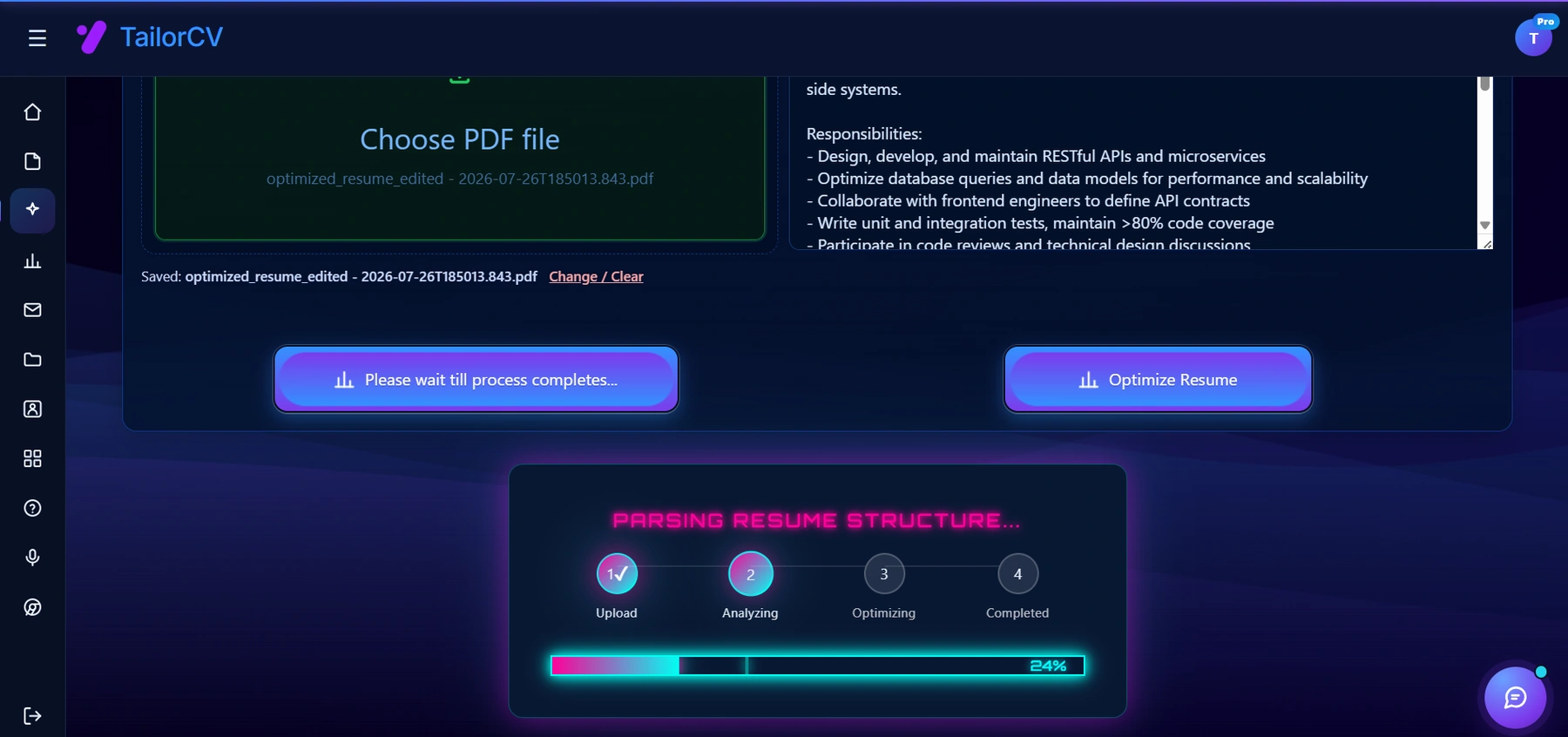
The tool parses your resume the way an ATS would before it changes anything, so the edits it suggests are grounded in the posting itself.
Common causes: the preferred candidate is in final stages and you're the backup, an internal approval is stalled, a key interviewer is on leave, the role's budget is under review, or the requirements changed. None of these are about you, and all of them are invisible from outside.
What to do: send one polite check-in after the stated timeline has passed, referencing the date they gave you. If they gave no timeline, wait a week after the interview. Then, crucially, behave as though it's not happening — keep applying, keep networking, keep the pipeline full. Candidates who stop searching during a promising process lose weeks when it falls through, and it does fall through more often than people expect.
If a role genuinely goes dead, it sometimes revives. Roles get reposted, shortlists collapse, and hires fall through in their notice period. A candidate who stayed pleasant throughout is the obvious person to call. That's a real reason to keep follow-ups warm rather than pointed, even when you're frustrated — and to handle the rejection gracefully if one arrives.
Frequently Asked Questions
How long does it normally take to hear back after applying? One to two weeks is typical, and two to four weeks is common at larger companies. Beyond four weeks, treat it as unlikely; beyond six, treat it as closed. Small companies and agency recruiters move fastest, senior roles slowest.
Is no response after two weeks a rejection? Not necessarily. Two weeks is well within normal, especially if the posting had a closing date that hasn't passed. It becomes a likely no after four weeks and a practical no after six.
When should I follow up on a job application? One to two weeks after applying, once. A second note two weeks later is acceptable; a third is counterproductive. If the posting stated a timeline, wait for it to pass before following up.
Why do companies not send rejection emails? Some systems send them automatically, many only at later stages, and plenty never do. Volume and inconsistent processes explain most of it. The absence of a rejection carries no information either way.
Should I keep applying while waiting to hear back? Yes — always. Anxiety about a single application is a symptom of a thin pipeline. Keep applying, but keep tailoring each one, since volume without tailoring just produces more silence.
Putting It All Together
One to two weeks is normal, two to four is common, past four is probably a no, and past six it's closed. Follow up once at the one-to-two week mark, politely and specifically, then let it go.
The more useful reframe: silence is not feedback. It's the default output of a process with too many applicants and too little time, and it looks identical whether you were filtered in second one or narrowly missed in week three. That means you can't diagnose anything from silence — you can only fix the things you control. A pipeline deep enough that no single application matters, and a resume tailored well enough that it's actually read.
Check the second one now. Run your resume against a posting you're still waiting on with a free ATS score — if the match is low on a job you're genuinely qualified for, the silence was decided long before anyone chose not to reply.
What is your resume scoring right now?
Scan it against a job description and get your ATS match score in about a minute.
Drop your resume here or choose a file
PDF only. Max 2 MB.
We never share your data or use it to train AI models.

Was this guide useful?
Average 5.00 / 5.00 · 1 rating