 TD
TD
Key Takeaways
- Be cautious of any job offer that requires upfront payment for equipment, training, or background checks, as legitimate employers do not ask for this.
- Red flags include overly enthusiastic communication, rapid job offers without proper vetting, and requests for sensitive information early in the process.
- Common scam formats include check-cashing scams, task scams that bait with small payments, and data-harvesting schemes that collect personal information without a real job.
- Verify job opportunities by checking the company's official careers page, searching for the recruiter's name, and inspecting email domains for authenticity.
- Trust your instincts; if something feels off about the pacing or communication style, it may be a scam.
Job scams have gotten more sophisticated as remote hiring has grown - fake recruiters now use real company branding, cloned LinkedIn profiles, and convincing interview processes to steal personal information or money from job seekers. Knowing the specific red flags can save you from a scam that looks, at first glance, exactly like a real opportunity.
Scammers succeed by exploiting two things every job seeker feels: urgency and hope. When you have been applying for weeks, a fast, friendly, well-paid offer is exactly what you want to believe. This guide breaks down the red flags, the common scam formats in 2026, how to verify any opportunity in minutes, and what to do if you have already shared information. While you verify any opportunity, keep your actual job search moving with the free ATS score checker so a scam does not cost you momentum on legitimate applications.
The Biggest Red Flags
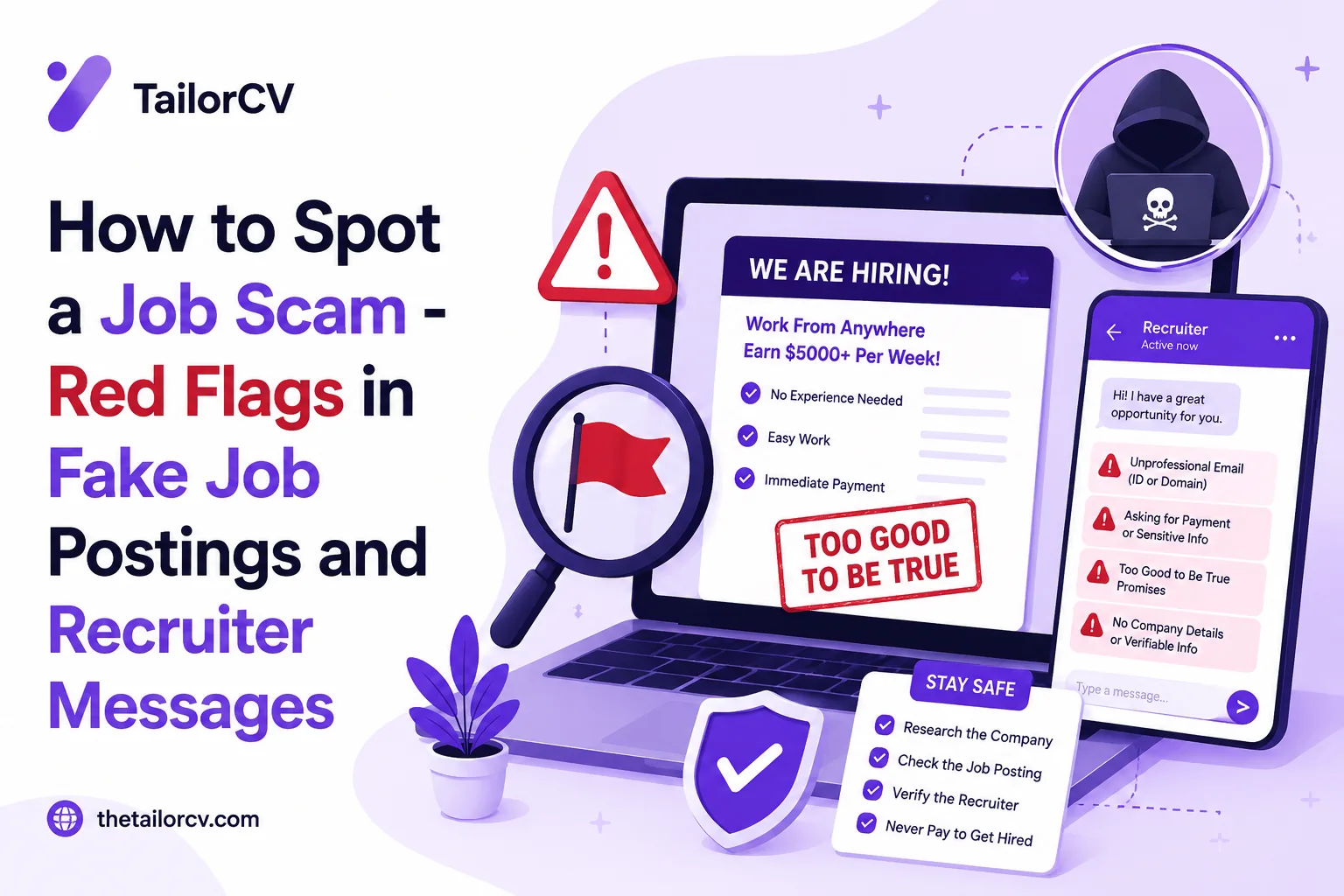
- They ask you to pay for anything - equipment, training, background checks, or "processing fees." Legitimate employers never ask candidates to pay upfront.
- The interview happens entirely over chat, with no video call and a rushed, overly enthusiastic tone
- An offer arrives unusually fast, often within hours of a first "interview," with no real vetting
- They ask for sensitive information early - bank details, Social Security number, or a copy of your ID before any formal offer
- The recruiter's email domain doesn't match the company's real domain - check it carefully against the company's actual website
- The job posting has vague responsibilities but promises unusually high pay for minimal qualifications
- You're asked to buy your own equipment and get "reimbursed" later via a check that later bounces
Any one of these deserves caution. Two or more together is almost always a scam.
Common Job Scam Formats in 2026
Scams tend to follow a handful of repeatable scripts. Recognizing the format helps you spot the trap even when the details are convincing:
- The check-cashing / equipment scam. You are "hired," mailed a check to buy a laptop from a specific vendor, and asked to send back the difference. The check bounces days later and your money is gone.
- The task or "training" scam. You are asked to complete paid micro-tasks or a paid onboarding course. The early payments are tiny bait; the real goal is a larger deposit or your banking details.
- The data-harvesting scam. There is no job at all - the "application" simply collects your ID, address, and Social Security number for identity theft. Watch for forms that demand sensitive data before any interview.
- The cloned-recruiter scam. A real company's branding and a real employee's name are copied onto a fake email domain. The role looks legitimate because the company is - only the contact is fake.
If a message matches one of these patterns, stop and verify before doing anything else.
Warning Signs in the Message Itself
Before you even check domains, the writing often gives a scam away. Look for generic greetings ("Dear Applicant"), pressure to move to WhatsApp or Telegram immediately, grammar that swings between polished and broken, and an offer that skips every normal step. Real recruiters reference your specific background and the specific role; scammers stay vague because they are messaging thousands of people at once. Treat any cold message the same way you would evaluate a cold email to a recruiter - legitimate outreach is specific and verifiable.
How to Verify a Job Is Real
- Check the company's official careers page directly - don't rely solely on the link in the message you received.
- Search the recruiter's name and company together to confirm they appear in legitimate contexts, like the company's LinkedIn page.
- Call the company's main line directly (not a number provided in the suspicious message) to confirm the role and recruiter exist.
- Inspect the email domain character by character - scammers use lookalikes such as
@company-careers.cominstead of@company.com. - Never send money or sensitive documents before a verified, in-person or video-confirmed offer process.
- Trust your instincts on pacing - real hiring processes almost always include multiple structured steps, not an instant offer.
A real process can survive scrutiny. If verifying makes the "recruiter" defensive or rushed, that is your answer.
What to Do If You've Already Engaged With a Scam
- Stop all communication immediately once you suspect it's fraudulent
- Do not send any money or documents you haven't already sent
- If you shared banking details, contact your bank immediately to monitor or freeze the account
- Report it to the platform where you found the listing (LinkedIn, Indeed, etc.) and to your country's relevant fraud reporting agency
- Change any passwords you may have shared or reused during the process
- Place a fraud alert or credit freeze if you shared government ID or a Social Security number
Acting within the first 24 hours dramatically limits the damage, so move quickly rather than waiting to be sure.
Protecting Yourself Going Forward
- Keep your resume and portfolio focused on what's necessary - avoid oversharing personal identifiers publicly
- Apply through official company career pages and verified job boards when possible
- Use the job application tracker template to keep a record of every legitimate application, so a suspicious outlier stands out faster
- Keep your LinkedIn profile public and complete so real recruiters can verify you - and so you can verify them back
- Never reuse the password from any account tied to your job search
A well-organized search is also a safer search: when you know exactly which real applications are in your pipeline, a random "offer" you never applied for stands out instantly.
Real-Life Scenarios: Spotting Job Scams
Understanding job scams is crucial, but seeing real-life scenarios can help solidify your knowledge. Here are three hypothetical situations to illustrate how to identify scams effectively:
Scenario 1: The Too-Good-To-Be-True Offer
You receive an email from a company claiming to be a Fortune 500 firm offering you a managerial position with a salary that’s significantly higher than industry standards. The catch? They request that you pay for a background check or training materials upfront.
Red Flags:
- Unsolicited job offer with no prior application.
- Request for payment before employment.
- Salary that seems excessively high compared to your experience.
Scenario 2: The Phishing Attempt
A recruiter reaches out on LinkedIn, expressing interest in your profile and offering a job that matches your skills perfectly. However, the message contains numerous grammatical errors and asks you to click a link to view the job description.
Red Flags:
- Poor language and spelling mistakes.
- Request to click on an unknown link.
- Lack of a professional company email address.
Scenario 3: The Vague Job Description
You find a job posting online with minimal details about the role and responsibilities. It emphasizes immediate hiring and encourages applicants to apply quickly. The application process involves filling out a form that asks for sensitive personal information, like your Social Security number.
Red Flags:
- Vague job descriptions with no specifics.
- Urgency to apply without proper vetting.
- Requests for personal information early in the process.
Step-by-Step Checklist for Evaluating Job Postings
When you come across a job posting or a recruiter message, follow this straightforward checklist to assess its legitimacy:
What optimizing actually does to your resume
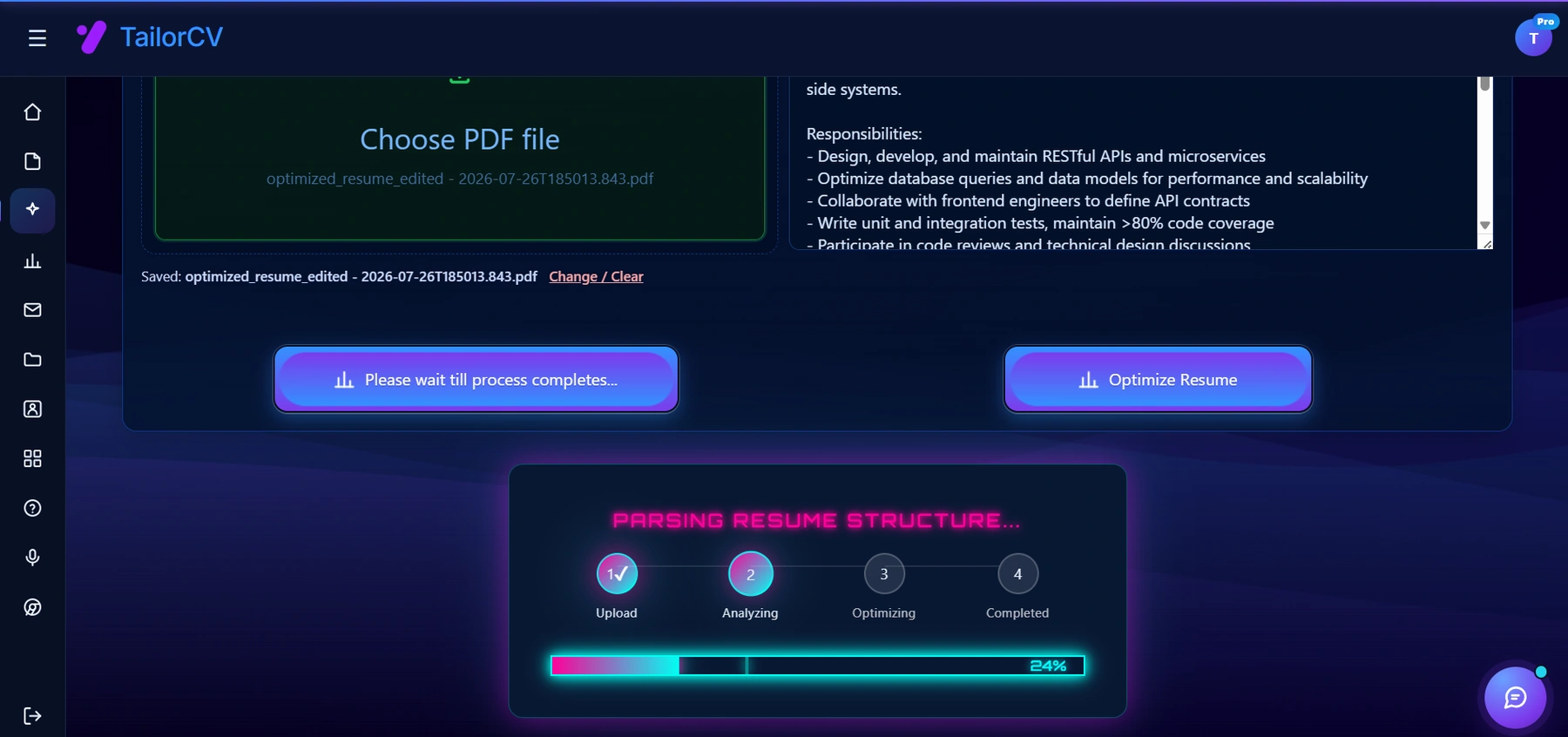
The tool parses your resume the way an ATS would before it changes anything, so the edits it suggests are grounded in the posting itself.
-
Research the Company: - Look up the company’s official website. - Check for a legitimate contact number and email. - Search for employee reviews on platforms like Glassdoor.
-
Analyze the Job Description: - Ensure it contains detailed responsibilities and qualifications. - Compare the salary range with industry standards using resources like Glassdoor or Payscale.
-
Check the Application Process: - Legitimate companies typically do not ask for personal information upfront. - Confirm that the application method aligns with the company’s official process.
-
Evaluate the Communication: - Be wary of generic greetings and poorly written messages. - Check the recruiter's LinkedIn profile for authenticity.
-
Verify Contact Information: - Cross-reference the email domain with the official company website. - Use a search engine to verify phone numbers or addresses.
Common Mistakes to Avoid When Job Searching
Avoiding common pitfalls can save you time and protect you from scams. Here are a few mistakes to steer clear of:
-
Ignoring Red Flags: Don’t overlook inconsistencies in job postings or recruiter messages. Trust your instincts if something feels off.
-
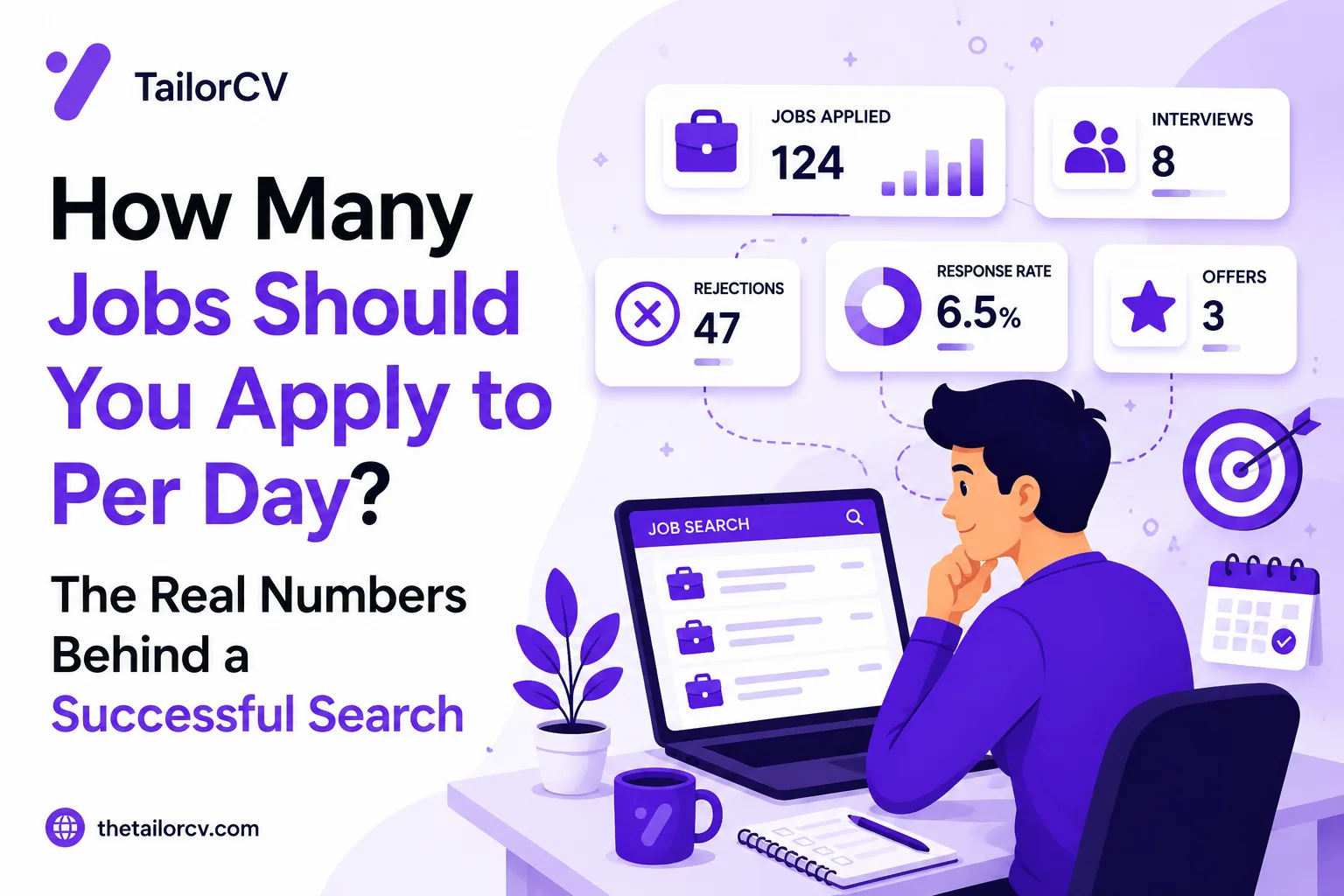
Applying to Every Job: While it’s important to apply for jobs, spreading yourself too thin can lead to overlooking scams. Instead, focus on quality applications. For guidance, check out our article on How Many Jobs Should You Apply to Per Day? The Real Numbers Behind a Successful Search.
-
Not Utilizing Tools: Take advantage of available resources to verify job postings. Use tools like our ATS checker to ensure your resume is optimized and reduce the chances of falling for scams.
-
Neglecting Background Checks: Always conduct a background check on companies that contact you. If a job seems too good to be true, it probably is.
Do's and Don'ts of Job Searching
Do's:
- Do Trust Your Instincts: If something feels off, investigate further.
- Do Keep Records: Save all correspondence with recruiters and employers.
- Do Follow Up: If you suspect a job is a scam, report it to platforms like LinkedIn or job boards.
Don'ts:
- Don't Share Personal Information: Avoid giving out sensitive information until you are sure of the job's legitimacy.
- Don't Rush into Decisions: Take your time to evaluate offers and postings.
- Don't Ignore Your Network: Reach out to your professional network to verify job postings or companies.
By following these guidelines and scenarios, you'll be better equipped to navigate the job market safely and avoid falling victim to scams. For more specific advice on tailoring your applications, check out our guide on How to Tailor Your Resume for Every Job - ATS Friendly Guide 2026.
Frequently Asked Questions
Are remote jobs more likely to be scams?
Remote postings are targeted more often simply because there's no in-person verification step, but most remote jobs are completely legitimate. Apply the same verification steps regardless of format - see the remote job search guide and keep applying to verified roles with the free ATS checker.
Is it a scam if they want a video interview?
No - a real video interview is actually a good sign. Be cautious of the opposite: a process that avoids video entirely and stays only in text chat. If you do get a real interview, prepare properly with the interview preparation guide.
Can a scam happen even on legitimate job boards?
Yes - scammers post on real platforms using stolen company branding. Always verify independently through the company's own careers page before sharing any information, and track legitimate applications with the job application tracker so fakes stand out.
What if I already gave my Social Security number?
Contact the relevant credit bureaus to place a fraud alert or credit freeze immediately, and monitor your accounts closely for unusual activity. Then reset any reused passwords and continue your search safely through verified channels like the official ATS checker.
How fast should a real offer come?
Real offers usually follow multiple structured steps over days or weeks, not hours. An instant offer after one chat is one of the clearest red flags that something is wrong.
Make This Practical
Protect your search by focusing your energy on verified opportunities. Keep your resume ready with the free ATS score checker, apply directly through official channels, and track every real application with the job application tracker template so scams stand out immediately against your legitimate pipeline.
Conclusion
Job scams rely on urgency and unusual requests - slow down, verify independently, and never pay to get hired. A little caution protects both your money and your job search momentum. Keep applying to real roles, keep your resume ATS-ready, and treat any offer that skips the normal steps as guilty until proven legitimate.
What is your resume scoring right now?
Scan it against a job description and get your ATS match score in about a minute.
Drop your resume here or choose a file
PDF only. Max 2 MB.
We never share your data or use it to train AI models.

Was this guide useful?
Be the first to rate it.