 SS
SS
Key Takeaways
- Job rejection is common and does not reflect your worth; it often indicates a mismatch or stronger competition.
- Understanding the type of rejection can help you identify areas for improvement, such as resume optimization or interview skills.
- For application stage rejections, ensure your resume matches job descriptions and includes relevant keywords.
- Technical interview rejections may stem from gaps in problem-solving skills; consistent practice and mock interviews can help.
- After final round rejections, seek feedback and reflect on your performance to enhance future interviews.
Job rejection is the most common experience in a job search - and one of the least talked about. Most candidates who eventually land great jobs were rejected dozens of times first. Getting rejected does not mean you are not good enough. It usually means the match was wrong, the timing was off, or there was a stronger candidate for that specific role at that specific moment.
What separates candidates who recover fast and land offers from those who get stuck is how they process rejection, what they learn from it, and how quickly they get back to applying.
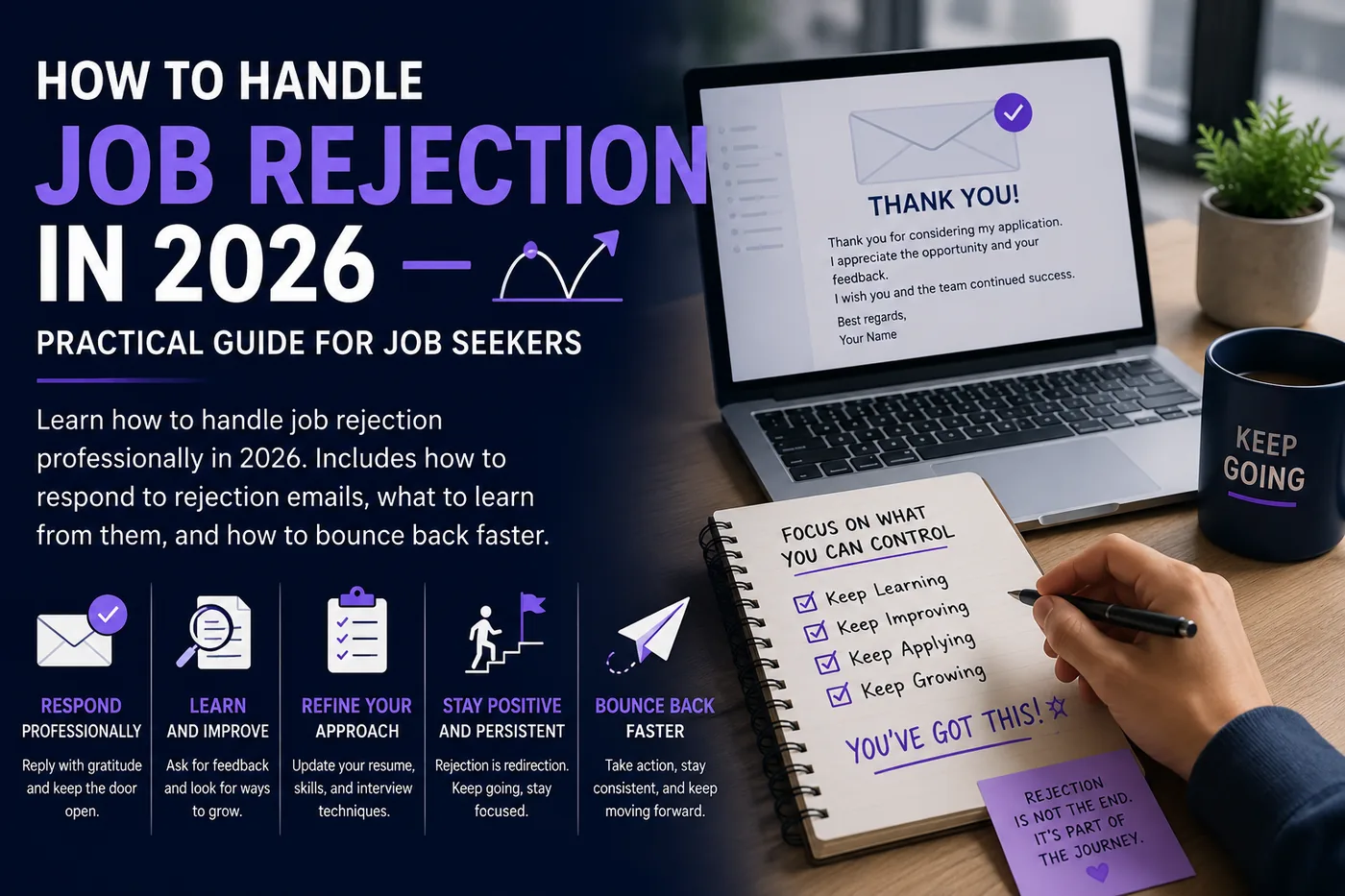
This guide covers how to respond to rejection professionally, how to extract useful signal from it, and how to rebuild momentum after a difficult stretch.
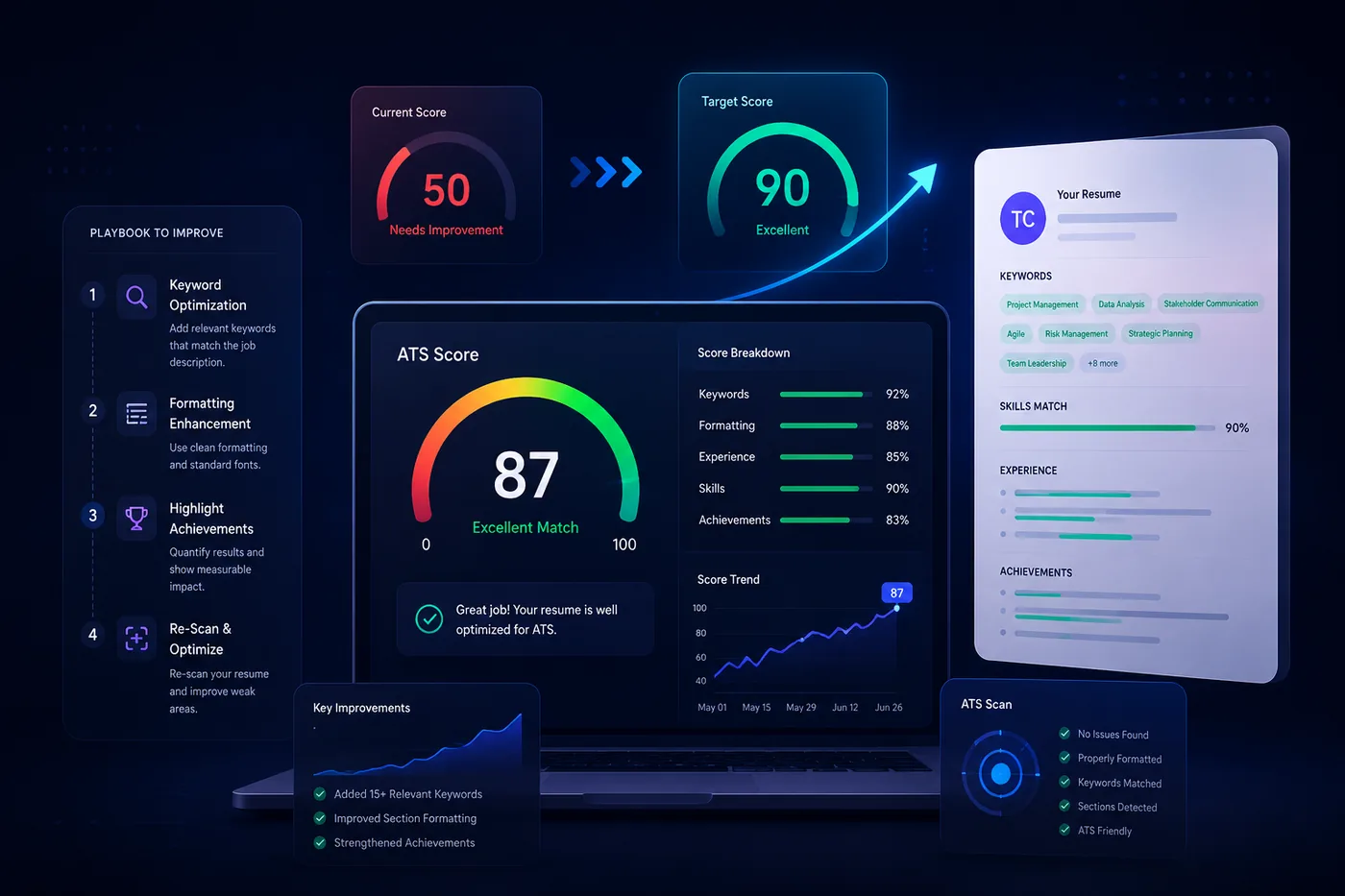
Before the next application, make sure your resume is as strong as possible. Use the TailorCV ATS score checker to optimize keyword matching, use an ATS-friendly template, and read the resume optimization guide.
Types of Rejection and What They Mean
Resume / Application Stage Rejection
You applied, never heard back, or received an automated "We've decided to move forward with other candidates" email.
What it likely means:
- ATS keyword mismatch - your resume did not match the job description well enough
- Too many applicants - companies receive hundreds of applications for single roles
- Experience gap - you were under or over-qualified
- Role was filled internally or cancelled
What to do:
- Run your resume through the ATS score checker against that specific job description
- Check the job posting for keywords your resume missed
- Add any missing certifications or projects that would address experience gaps
Phone Screen Rejection
You had a 15-30 minute recruiter call and did not advance.
What it likely means:
- Compensation expectations mismatch
- Communication or clarity issues in the phone screen
- Red flag from a specific question (unclear about role, poor research on company)
- You were not specific enough about your experience
What to do:
- Reflect on questions you struggled with - were you too vague? Too salary-focused too early?
- Prepare a tighter "Tell me about yourself" answer
- Research the company more thoroughly before your next phone screen
Technical Round Rejection
You completed a coding test, technical interview, or case study and did not advance.
What it likely means:
- DSA gaps - unfamiliar problem patterns
- Incorrect solution without catching your own errors
- Poor problem-solving communication (not thinking aloud)
- system design gaps for senior roles
What to do:
- Practice LeetCode consistently - aim for 3-5 problems per week minimum
- Practice talking through your logic with the mock interview tool
- Review problems you could not solve and understand the pattern
- For system design: study common patterns (load balancing, caching, databases, queues)
Final Round Rejection
You made it to the final interview and received a rejection after.
What it likely means:
- Another candidate was marginally better fit for this specific team
- Culture or values misalignment observed
- Compensation gap discovered late
- One answer or question landed poorly
This rejection is the hardest and the most random. At the final round, you have already proven ability. The decision is often marginal.
What to do:
- Request feedback - in final rounds, companies are more likely to share it
- Reflect on whether anything felt off during the interview
- Do not over-interpret it - a final round rejection usually means you were qualified, just not the winner of that particular competition
How to Respond to a Rejection Email
Most rejection emails are generic automated messages. But when a real person reaches out, how you respond matters.
Template Response to a Rejection Email
"Thank you for letting me know. I genuinely enjoyed the process and learning more about [Company] and the role. I have a lot of respect for what the team is building. If a relevant position opens up in the future, I would welcome the chance to reconnect."
This response:
- Is professional and gracious
- Leaves the door open for future opportunities
- Takes less than 30 seconds to read
- Costs you nothing and can benefit you
Companies sometimes revisit runner-up candidates when hiring opens again. Being the person who responded gracefully is a real advantage.
Asking for Feedback After Rejection
Most companies will not give feedback due to legal risk. But it is always worth asking politely.
"Thank you for letting me know. If there is any specific feedback you are able to share about my candidacy or areas for improvement, I would be very grateful - even a general area would help me grow. I completely understand if you are unable to share more. Thanks again for your time."
About 10-20% of the time, you will get useful feedback. Sometimes it is actionable. Often it is vague ("We went with a candidate with more X experience") - but even that tells you something.
What to Actually Learn from Rejection
Not all rejection has a lesson. Sometimes you did everything right and lost to bad luck. But some rejections have patterns worth analyzing:
Pattern: Rejected at resume stage repeatedly -> Your resume is not passing ATS or not relevant enough. Fix it.
Pattern: Phone screen to technical round dropout -> Your technical communication is weak. Practice out loud.
Pattern: Technical round elimination multiple times -> Specific skill gaps. Identify which problem types and practice them.
Pattern: Final round rejection after final round rejection -> May be behavioral, may be cultural fit, may be salary range. Get feedback.
Pattern: No response to applications -> Your outreach strategy needs work. Read the cold email guide and the LinkedIn optimization guide.
Maintaining Momentum After Rejection
The practical antidote to rejection is pipeline. If you have only one active application at a time, each rejection feels enormous. If you have 10-15 active applications at different stages, each rejection is a manageable data point.
Rules for managing rejection psychologically:
- Never emotionally invest in a role until you have a written offer. Even offers can fall through.
- Track everything. A spreadsheet with application stages shows you have momentum even when it does not feel that way.
- Separate effort from outcome. You control your resume quality, preparation, and application rate. You cannot control hiring manager preferences.
- Take breaks. A job search sustained over months is exhausting. Schedule recovery time - no applications on weekends if that is what you need.
- Talk about it. Job searching in isolation feels worse. Talk to friends, family, mentors, or communities (LinkedIn, Reddit r/cscareerquestions, etc.).
Common Rejection Recovery Mistakes
Mistake 1: Applying to fewer roles after rejection
The temptation is to slow down after rejection. The right move is usually to maintain or increase your application rate while improving quality.
Mistake 2: Blaming external factors entirely
"The market is terrible" and "companies only hire people with connections" are partially true but not completely true. If your resume is weak, rejection is predictable. Fix what you control.
Mistake 3: Reapplying to the same company too quickly
Wait at least 6 months - ideally longer - before reapplying to a company that rejected you. In some cases, reapplying with improved skills a year later is successful.
Mistake 4: Not updating your skills after repeated rejections
If you are consistently failing technical rounds, the answer is not just to apply more - it is to practice more. Targeted skill improvement between application cycles accelerates success significantly.
Related Guides
- How to Decline a Job Offer Professionally
- How to Write a Cold Email to a Recruiter
- Networking Tips for Job Search
- Remote Job Search Guide
- How to Build a Professional Portfolio
- How to Negotiate a Salary Offer
- How to Use LinkedIn for Job Search
- LinkedIn Profile Optimization Guide
- Work-Life Balance Tips for Professionals
- Cover Letter Guide
- How to Follow Up After a Job Interview
- How to Get a Job With No Experience
- How to Explain Resume Gaps in 2026 - Honest Strategies That Work
- Data Analyst vs Data Scientist in 2026 - Which Career Is Right for You?
- Freelancing vs Full-Time Employment in 2026 - Honest Comparison
Make This Practical
Turn the career advice into a stronger application system. Start by checking your resume with the free ATS score checker, align it with the role using How to Tailor Your Resume for Every Job, and keep your profile consistent with LinkedIn Resume Tailoring Sync.
When you are ready to apply, build the supporting pieces around the resume. Use the AI cover letter generator for targeted outreach, practice with the AI mock interview tool, and review Why Your Resume Gets No Responses if applications are not converting.
Conclusion
Job rejection is a process, not a verdict. Every successful candidate has a rejection story. The ones who land offers are the ones who process rejection quickly, learn what they can, fix what they can, and keep going.
Make your resume as strong as possible before each application cycle - use the TailorCV ATS score checker, use an ATS-friendly template, and read the resume optimization guide. Prepare for interviews using the behavioral interview guide and the mock interview tool.
Frequently Asked Questions
How should I respond to a job rejection email?
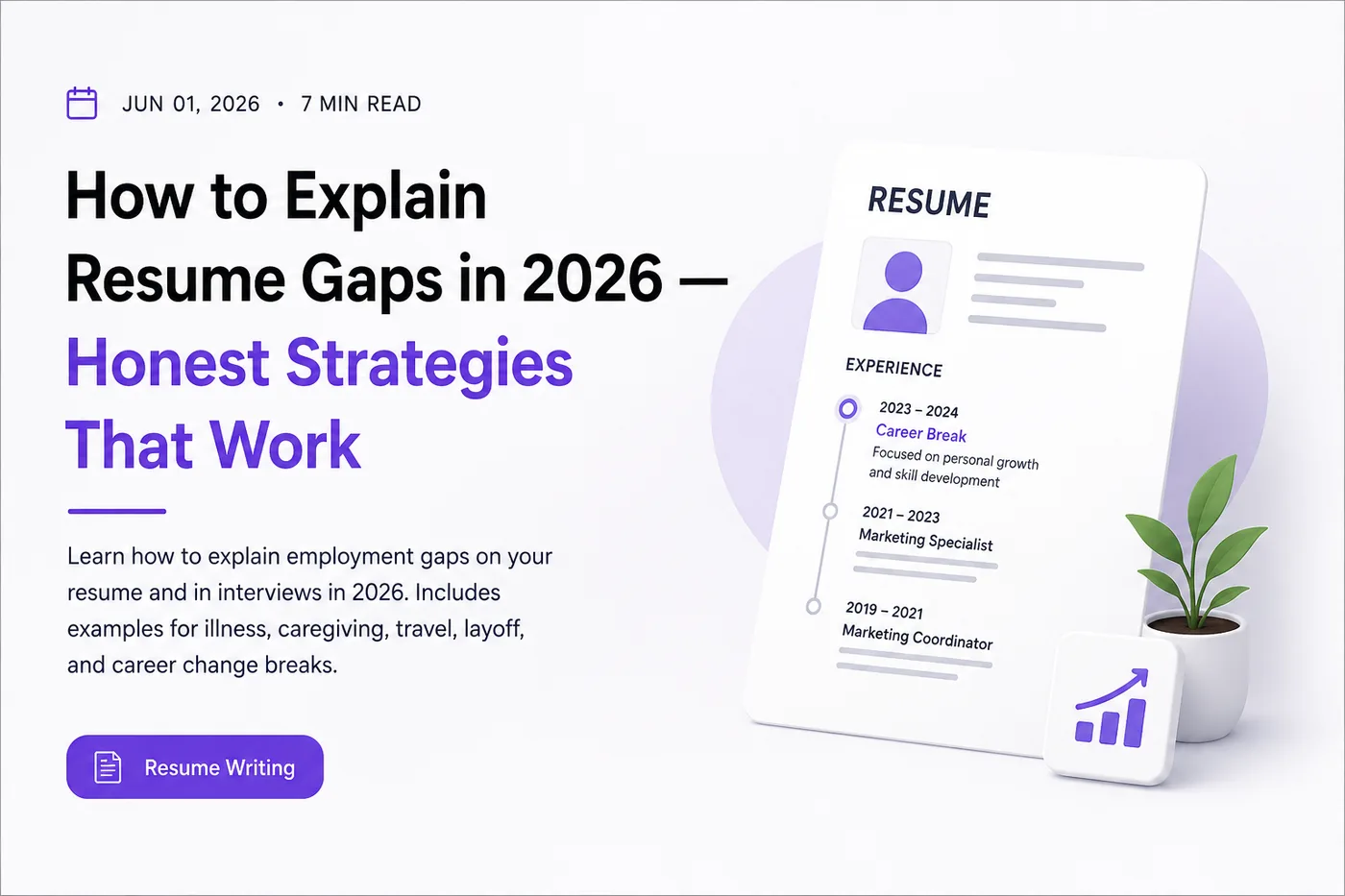
You should respond to a job rejection email professionally and graciously. A simple thank-you note expressing appreciation for the opportunity can leave a positive impression. You might also ask for feedback on your application or interview performance, which can help you improve for future applications. For more tips on how to bounce back, check out our guide on how to explain resume gaps.
What can I learn from a job rejection?
Job rejection can provide valuable insights into your application process. It may highlight areas where your resume or skills could be improved, such as keyword matching with the job description. Using our free ATS score checker can help you identify and address these gaps to enhance future applications.
How can I stay motivated after multiple job rejections?
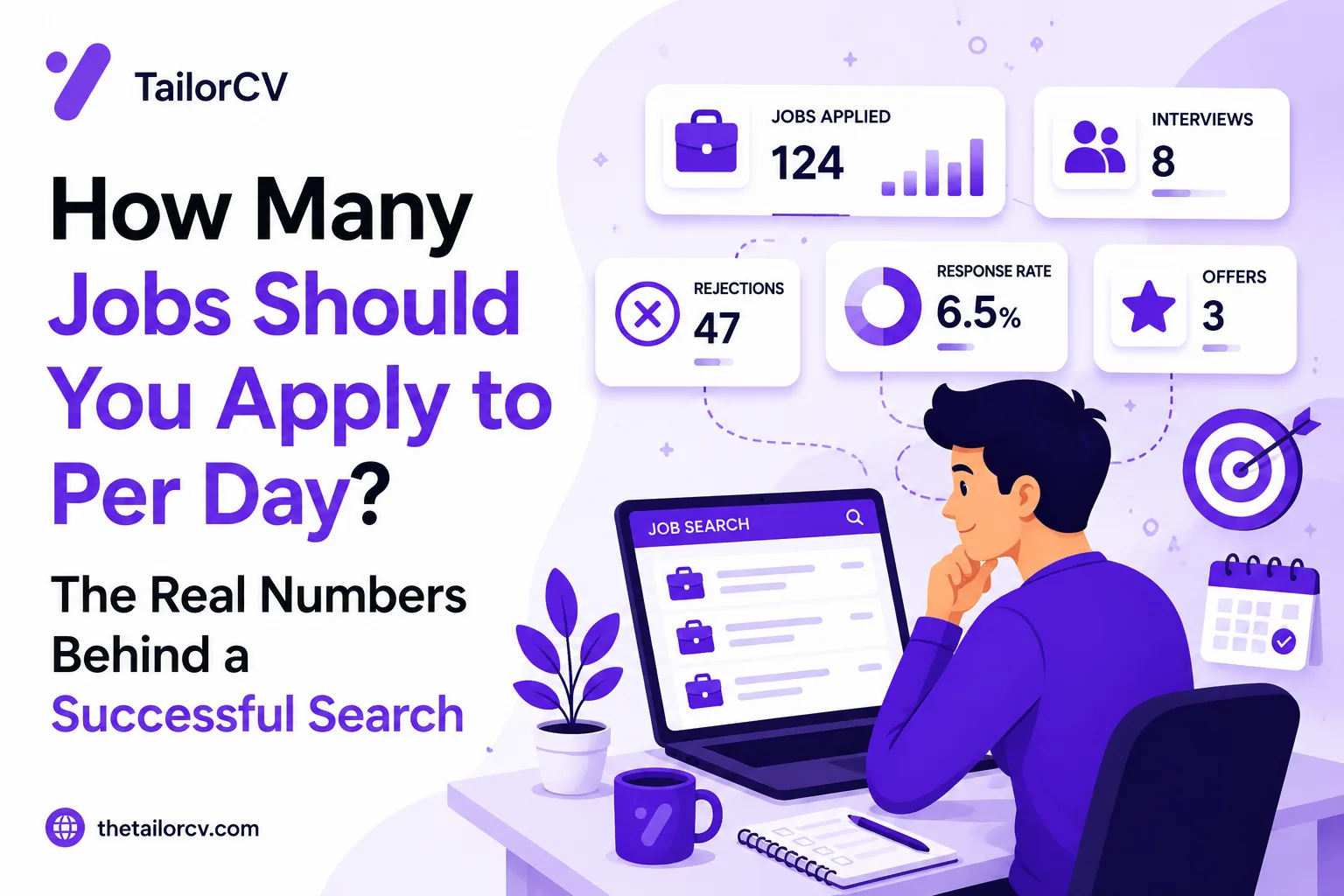
Staying motivated after facing multiple job rejections can be challenging, but it’s essential to maintain a positive mindset. Focus on the lessons learned from each experience, and set small, achievable goals to keep your momentum going. For practical strategies on managing your job search, consider our post on how many jobs should you apply to per day.
Is it normal to feel discouraged after being rejected?
Yes, it’s completely normal to feel discouraged after receiving a job rejection. Many candidates experience similar feelings, but it’s important to remember that rejection is a part of the job search process. Emphasizing resilience and actively seeking feedback can help you recover faster and continue pursuing your goals.
How can I improve my resume for future applications?
Improving your resume is crucial for increasing your chances of landing interviews. Tailor your resume to each job description by incorporating relevant keywords and experiences. Utilizing our resume templates and the AI cover letter generator can also streamline your application process and help you stand out to employers.
Find out why your score is low
Scan your resume against the job description and see exactly which checks fail.
Drop your resume here or choose a file
PDF only. Max 2 MB.
We never share your data or use it to train AI models.

Was this guide useful?
Be the first to rate it.