 SS
SS
Key Takeaways
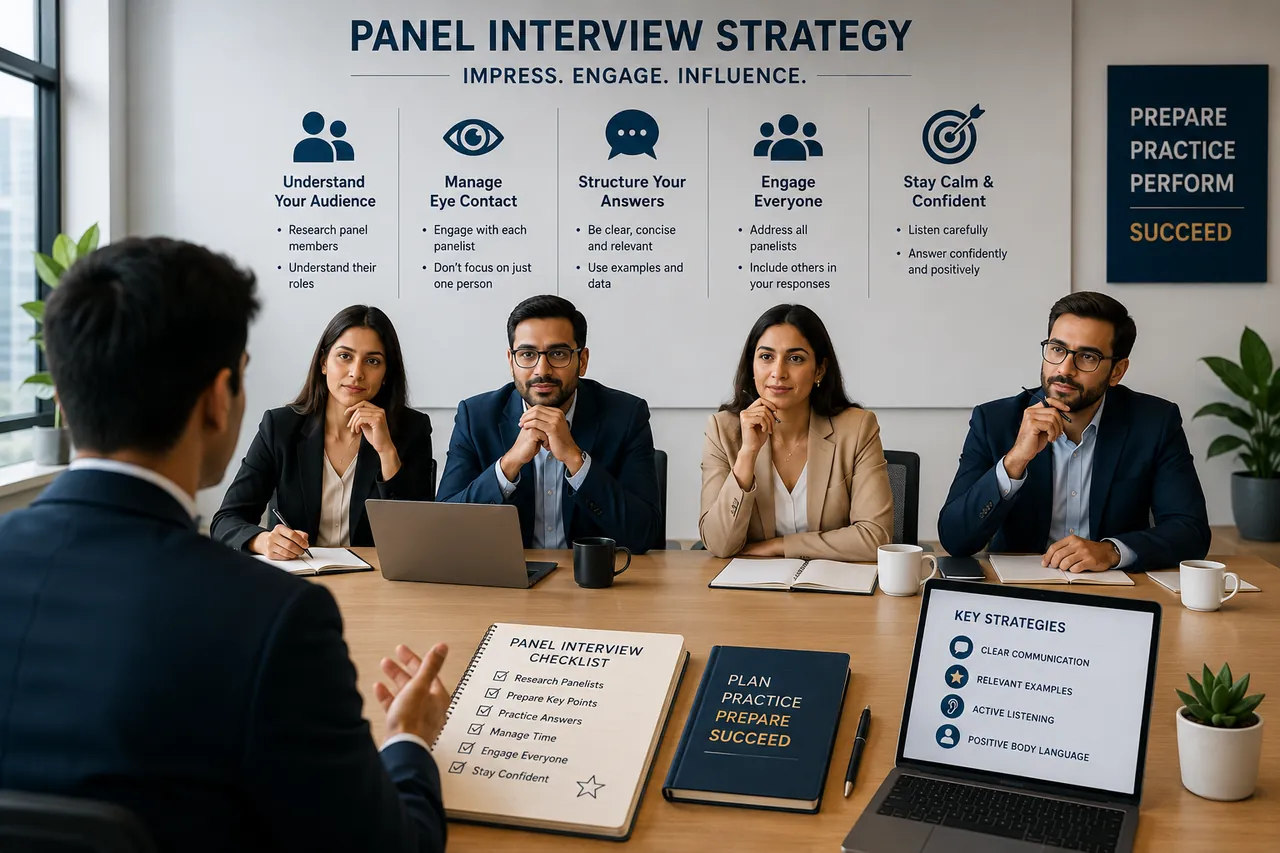
- Research each interviewer’s role to tailor your responses effectively during the panel interview.
- Use the STAR method to prepare structured answers for behavioral questions, ensuring consistency across panelists’ evaluations.
- Keep answers concise, aiming for 90 seconds to 2 minutes, to respect the time constraints of a panel format.
- Address the entire panel initially, then focus on the person who asked the question while including others during key points.
- Take notes during the interview to reference specific panelists and show engagement with their contributions.
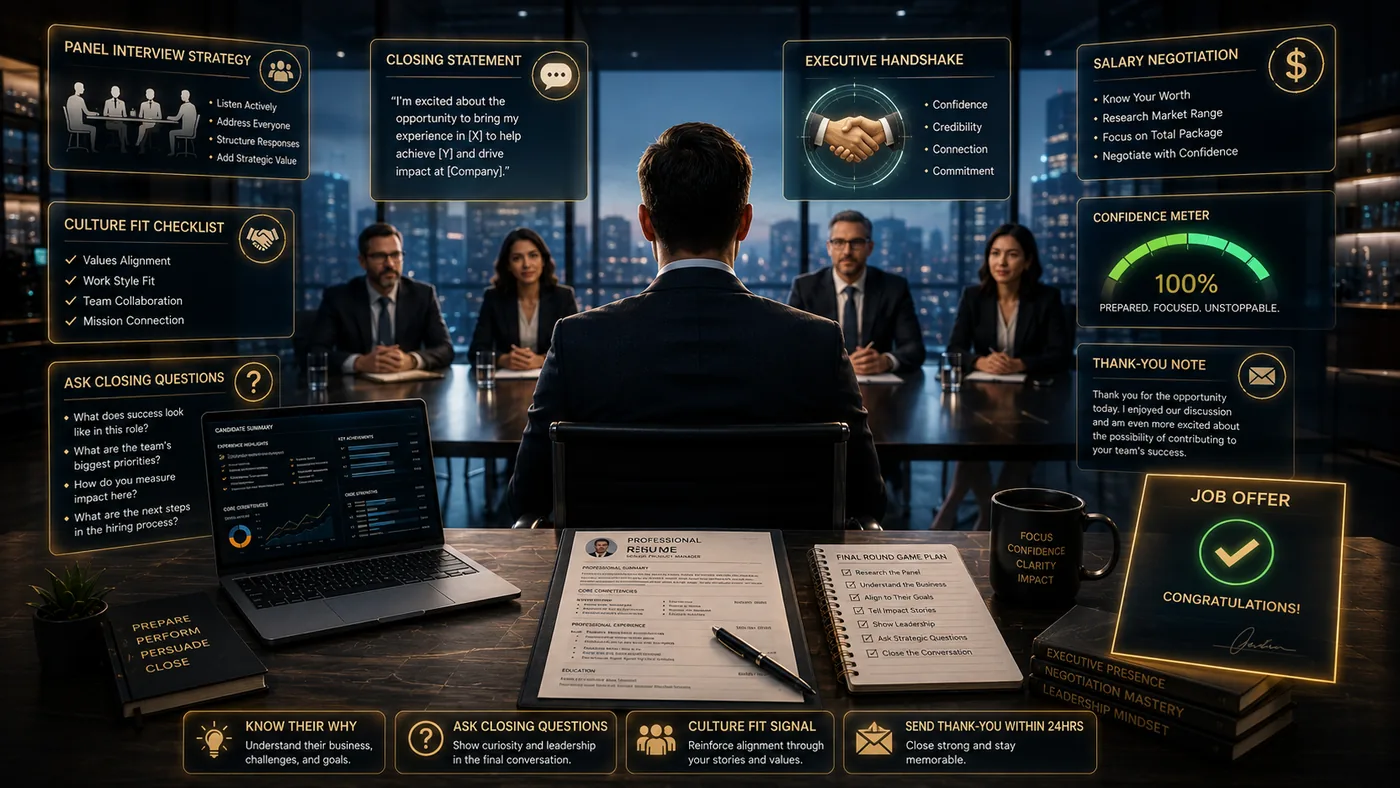
A panel interview puts you in front of two, three, or sometimes six interviewers at once. Each person may evaluate different things - technical skills, culture fit, leadership potential, communication. It can feel intimidating, but with the right strategy, a panel interview is actually an opportunity to show consistency and confidence across an entire team.
This guide covers panel interview tips for 2026 - before, during, and after - plus how to practice with AI mock interviews.
Prepare with the complete interview guide, STAR method, and company research tips. Ensure your resume earned you the panel with the TailorCV ATS checker.
What Is a Panel Interview?
A panel interview is a single interview session with multiple interviewers - often a hiring manager, team member, HR representative, and sometimes a senior leader. Common in:
- Enterprise and government roles
- Academic and healthcare positions
- Final-round interviews at tech companies
- Final round interview stages
Related formats: group interviews (multiple candidates) vs. panel (multiple interviewers, one candidate).
Before the Panel Interview
Research every interviewer (when possible)
LinkedIn is your friend. Know each person's role so you can tailor examples:
- Engineering manager - impact, ownership, technical depth
- HR partner - culture fit, behavioral questions
- Peer engineer - collaboration, day-to-day skills
Prepare structured answers
Use STAR method answers for every behavioral question. Panelists compare notes afterward - consistent, structured answers stand out.
Practice with mock interviews
Run sessions on the AI mock interview tool focusing on clarity and brevity - panel interviews have less tolerance for rambling.
Prepare questions for each person
"What does success look like in the first 90 days?" for the manager. "How does the team handle code review?" for the peer. See questions to ask in an interview.
During the Panel Interview
Address the whole panel, then focus on the asker
When answering:
- Make brief eye contact with everyone when you start
- Focus on the person who asked the question
- Glance at others during key points to include them
Read interview body language tips for virtual panels too - remote interview prep applies.
Keep answers concise
With multiple interviewers, time is tighter. Aim for 90 seconds to 2 minutes. Practice trimming with tell me about yourself timing.
Take notes
Write down names and roles when introduced. Reference specific panelists when asking questions: "Sarah, you mentioned the migration project - could you tell me more about the team's approach?"
Stay calm when interrupted
Panelists may jump in with follow-ups. Pause, listen, and respond directly. Manage stress with interview anxiety tips.
Common Panel Interview Questions
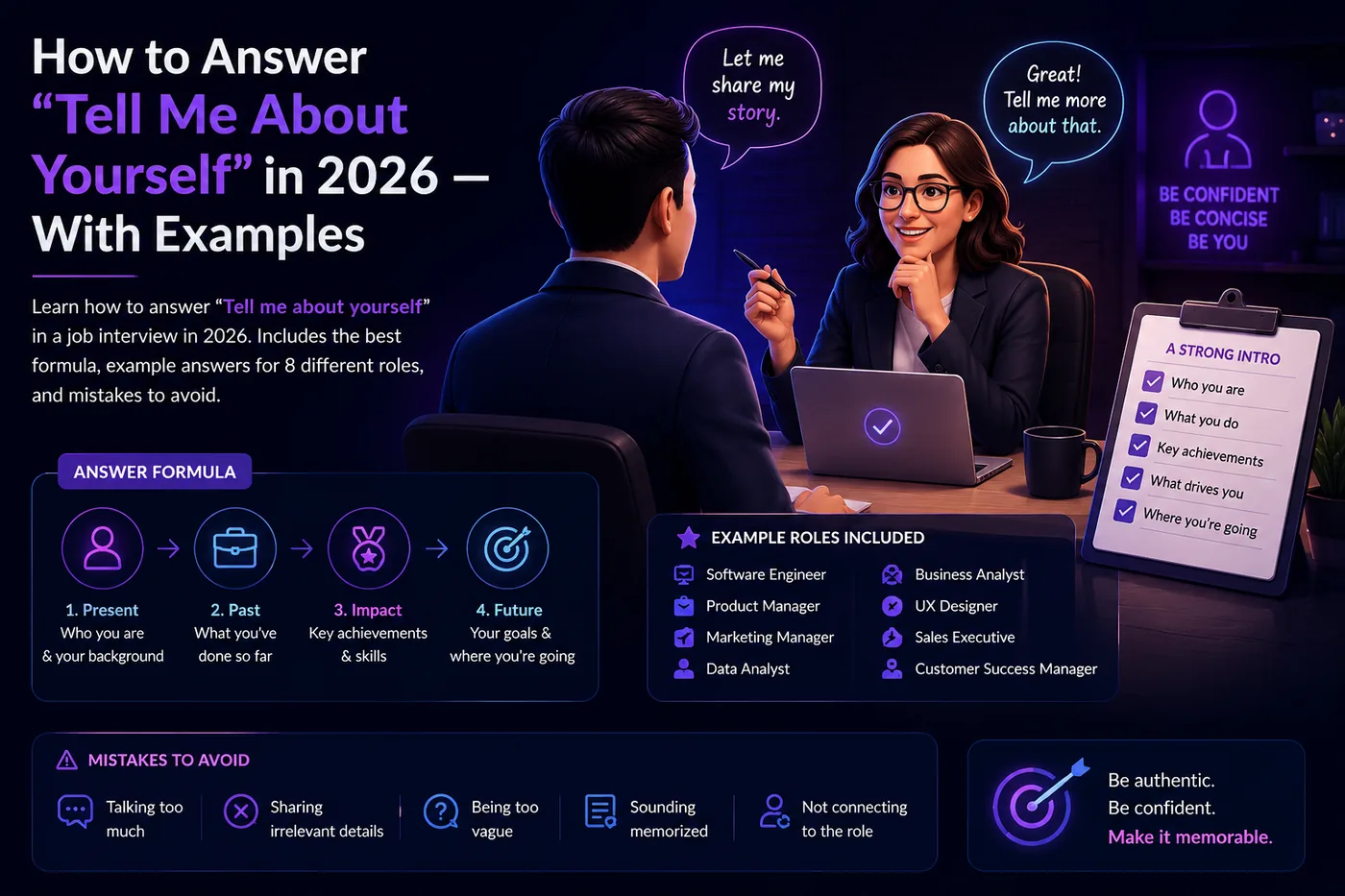
- Tell me about yourself - full guide here
- Why should we hire you? - answer guide
- Describe a conflict with a colleague - use STAR
- How do you handle tight deadlines?
- Where do you see yourself in 5 years?
- Do you have questions for us?
See it in action: a resume-based mock interview
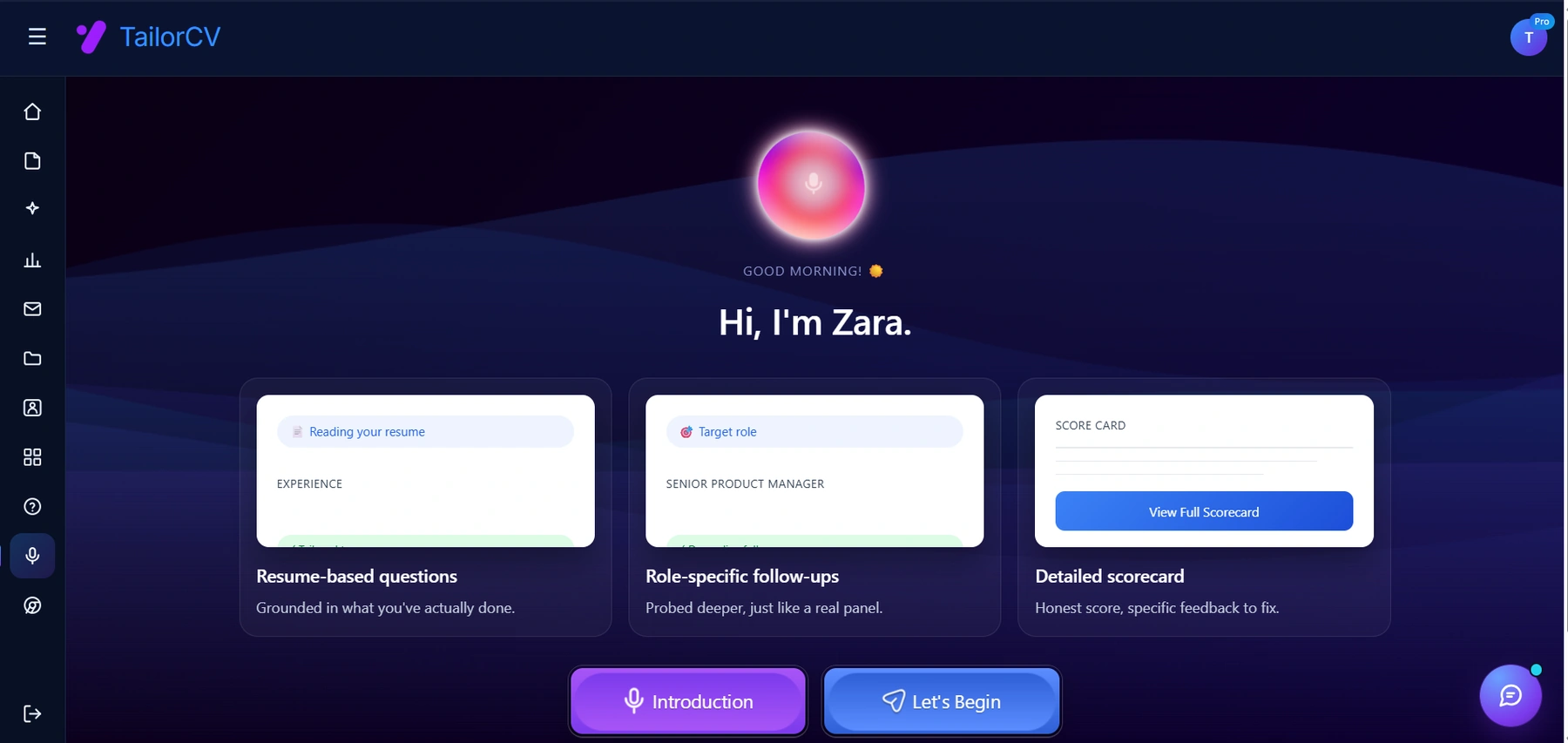
You can rehearse this before the real thing. The interviewer reads your resume first, so the questions come from your actual experience rather than a generic list.
For HR-specific versions, see HR round interview questions. For manager-specific depth, see manager round guide.
Panel Interview vs. Other Formats
| Format | Key difference |
|---|---|
| Phone interview | One interviewer, no body language |
| Virtual interview | May be panel over video |
| Group interview | You compete with other candidates |
| Case interview | Problem-solving focus |
Avoid common interview mistakes - especially badmouthing former employers in front of a group.
After the Panel Interview
Send personalized thank-you notes if possible - or one email referencing the panel collectively. Follow the post-interview follow-up guide.
If you advance to offer stage, read salary negotiation guide.
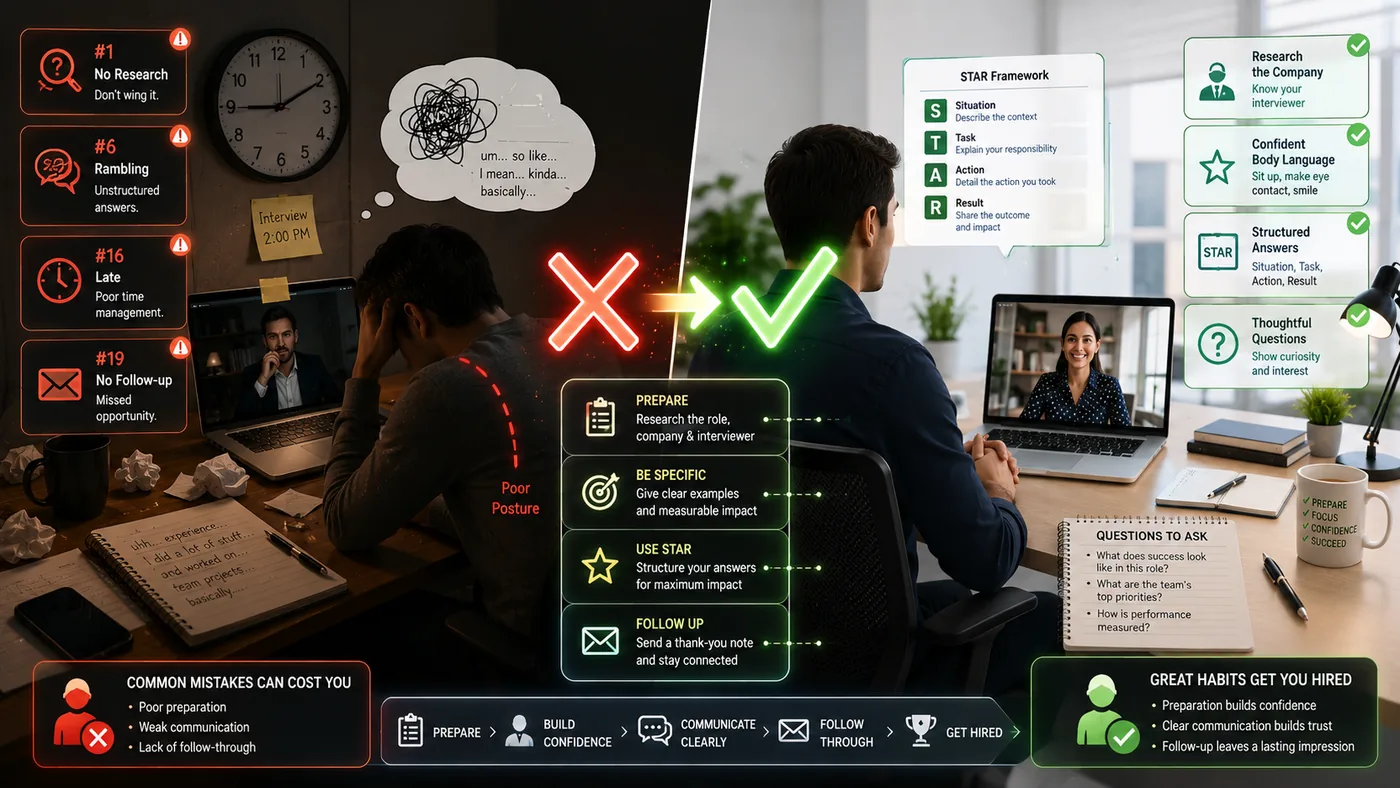
Common Mistakes to Avoid in Panel Interviews
When preparing for a panel interview, being aware of common pitfalls can significantly enhance your performance. Here are several mistakes to steer clear of:
-
Neglecting Individual Interviewers: Treating the panel as a single entity rather than acknowledging each interviewer can come off as disengaged. Make eye contact and address questions to the specific person who asked them.
-
Failing to Research Panel Members: Not knowing who will be interviewing you can lead to missed opportunities to connect. Research each member’s role and background to tailor your responses.
-
Overlooking Body Language: Focusing solely on one interviewer can lead to negative body language from others. Keep an open posture and engage with all panel members, shifting your gaze periodically.
-
Not Preparing for Group Dynamics: Panel interviews often have a dynamic that differs from individual interviews. Be prepared for interruptions, follow-up questions, and perhaps even a debate among panelists.
-
Ignoring the Follow-Up: Many candidates forget to follow up after a panel interview. Sending a thank-you email to each panel member can reinforce your interest and professionalism. For tips on this, check out our article on Final Round Interview Tips 2026.
Step-by-Step Guide to Preparing for a Panel Interview
To ensure you're ready for your panel interview, follow this structured preparation guide:
-
Research the Company and Role: Understand the company’s mission, culture, and the specific role you’re applying for. This will help you tailor your responses effectively.
-
Know Your Interviewers: Use LinkedIn or the company website to learn about the panel members. Take note of their roles, interests, and any shared connections.
-
Practice Your Responses: Prepare answers to common panel interview questions, focusing on how your skills and experiences align with the job. Use the STAR method (Situation, Task, Action, Result) to structure your responses.
-
Mock Interviews: Conduct mock interviews with friends or use services like mock interview to simulate the panel experience. This practice can help you become more comfortable with the format.
-
Prepare Questions: Have a list of insightful questions ready to ask the panel. This not only shows your interest but can also help you gauge the company culture and expectations. Check out our list of the Best Questions to Ask in a Job Interview in 2026 for inspiration.
-
Plan Your Attire: Choose professional attire that aligns with the company culture. Dressing appropriately can boost your confidence.
Do’s and Don’ts for Panel Interviews
Do’s
| What | Details |
|---|---|
| Engage with Everyone | Make an effort to connect with all panel members, not just the one asking questions |
| Listen Actively | Show that you are listening by nodding and responding to comments made by each member |
| Be Concise | Keep your answers focused and relevant. Avoid rambling to maintain the panel's attention |
| Follow Up | After the interview, send personalized thank-you notes to each member, expressing your appreciation for their time and insights |
Don’ts
| What | Details |
|---|---|
| Don’t Speak Over Others | Allow each panel member to finish their thoughts before responding. Interrupting can be perceived as disrespectful |
| Don’t Show Nervousness | If you feel nervous, practice deep breathing techniques beforehand to help calm your nerves |
| Don’t Over-Prepare | While preparation is crucial, overly rehearsed answers can sound robotic. Aim for a natural conversation style |
| Don’t Ignore Non-Verbal Cues | Pay attention to the panel's body language and adjust your responses accordingly |
Scenarios for Effective Responses
Consider these scenarios to help prepare your responses during a panel interview:
-
Scenario: One panelist asks about a time you faced a significant challenge at work. - Response Strategy: Use the STAR method to outline the situation, your task, the action you took, and the result. Be specific and highlight your problem-solving skills.
-
Scenario: A panelist seems skeptical about your experience. - Response Strategy: Address their concern directly by providing concrete examples and quantifiable results from your previous roles.
-
Scenario: Questions shift towards team dynamics and collaboration. - Response Strategy: Share a story that demonstrates your ability to work within a team, emphasizing your communication skills and how you resolved conflicts.
Quick Checklist for Panel Interview Success
- unchecked: Research the company and panel members.
- unchecked: Prepare STAR responses for common questions.
- unchecked: Conduct mock interviews to practice.
- unchecked: Prepare thoughtful questions to ask.
- unchecked: Choose appropriate interview attire.
- unchecked: Plan follow-up thank-you emails.
By implementing these strategies, avoiding common mistakes, and preparing effectively, you can enhance your confidence and performance in a panel interview setting. For more insights on interview preparation, explore our guide on 20 Common Interview Mistakes to Avoid in 2026.
Frequently Asked Questions
How many people are usually on an interview panel?
Typically 2-5. Larger panels are common in academia, healthcare, and government.
Should I bring copies of my resume for a panel?
Yes - bring one per interviewer plus extras. Your resume should be optimized - resume optimization guide.
Can I practice panel interviews with AI?
AI mock interviews help you practice answer structure, timing, and confidence - the core skills panel interviews test.
Practice panel interview answers with TailorCV's AI mock interview.
Make This Practical
Use this advice as interview practice, not just reading material. Start a role-specific session with the AI mock interview tool, prepare your opening with How to Answer Tell Me About Yourself, and structure evidence-heavy answers with the STAR Method Interview Answers Guide.
Before the interview, make sure the resume that earned the call is still aligned with the role. Check it with the free ATS score checker, review Common Interview Mistakes to Avoid, and use How to Follow Up After an Interview once the conversation is over.
Was this guide useful?
Be the first to rate it.