 SS
SS

Key Takeaways
- Keywords and skills matching account for 30-40% of ATS scoring, making them crucial for resume success.
- Include a variety of keyword types such as hard skills, tools, certifications, job titles, methodologies, and domain terms.
- For technology roles, essential keywords include programming languages, cloud platforms, and Agile methodologies.
- In data and analytics, focus on analytics tools, programming languages, and data concepts.
- Marketing resumes should highlight channels, tools, metrics, and relevant skills to improve ATS performance.
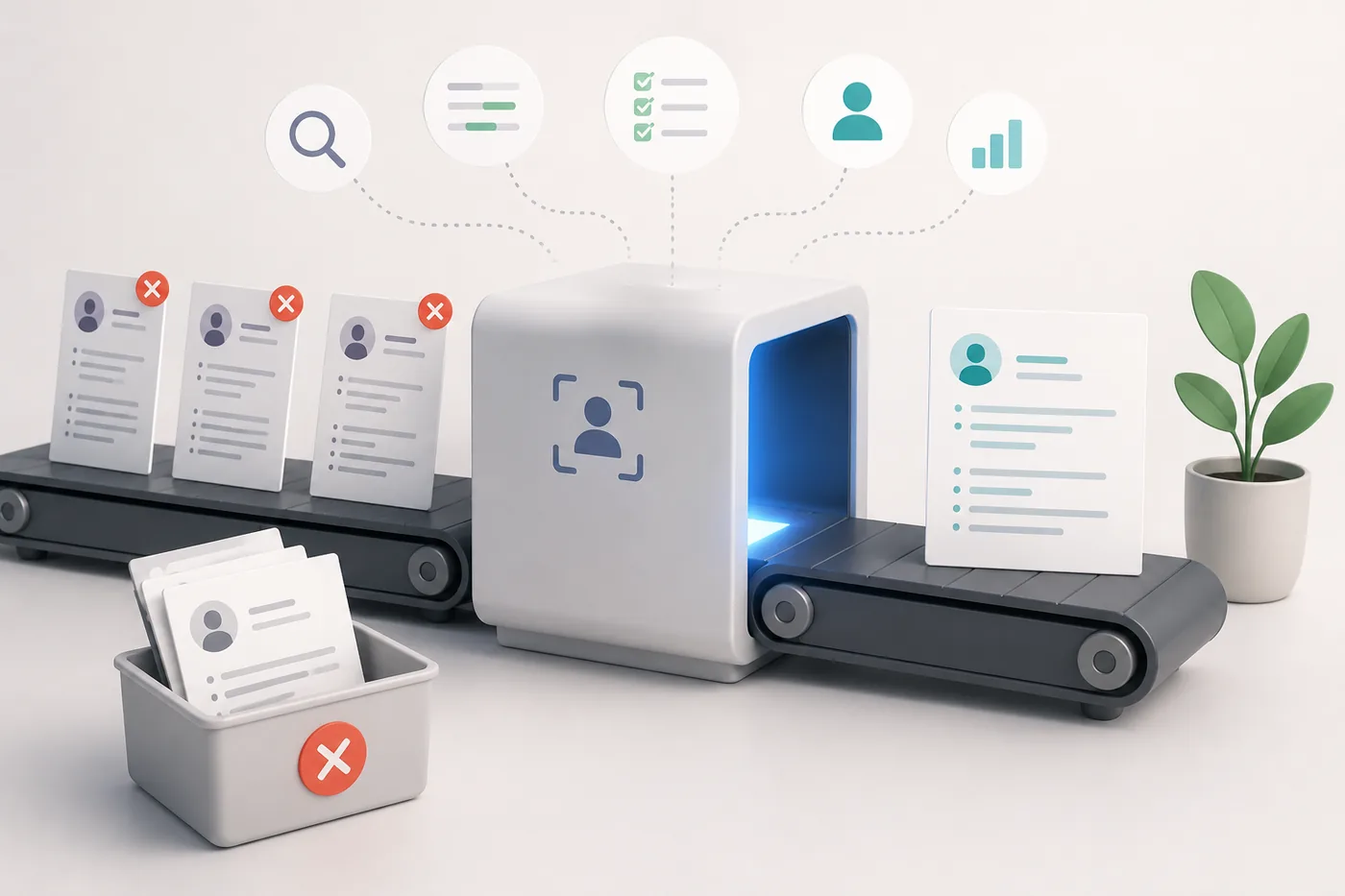
Your resume could be perfectly formatted and full of strong experience - and still get filtered out because it is missing the specific words an ATS is looking for. This guide covers the best resume keywords to beat ATS systems in 2026, how to find the right ones for your specific role, and how to add them without keyword stuffing.
Find your missing keywords instantly with the free ATS checker.
Why Keywords Are the Biggest ATS Factor
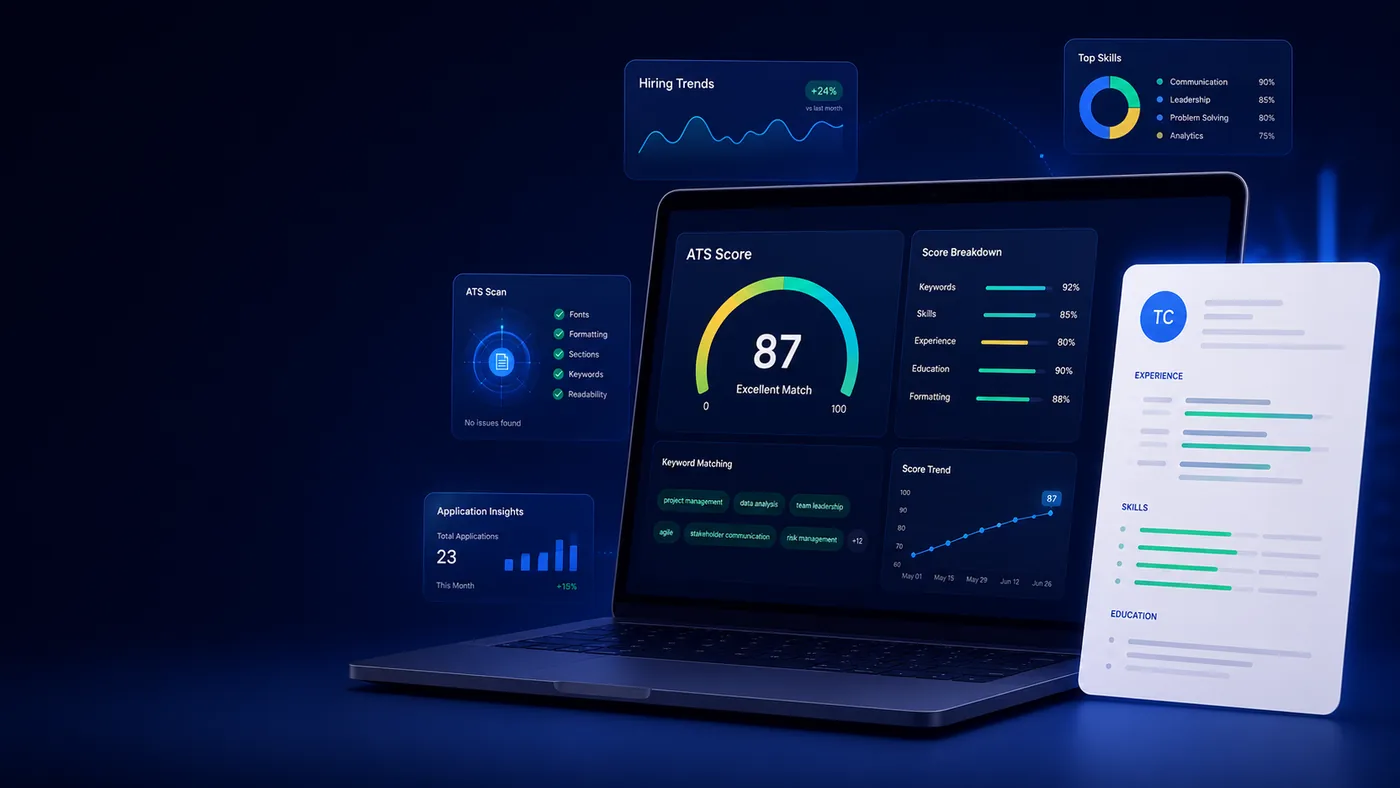
Keyword and skills matching accounts for 30-40% of most ATS scoring formulas - the largest single factor. That means the difference between a 55% score and an 80% score often comes down to whether specific terms from the job description appear in your resume.
For the full picture of what else contributes to your score, see the ATS score guide.
The 6 Types of Keywords ATS Systems Look For
| Keyword Type | What It Covers | Examples |
|---|---|---|
| Hard Skills | Technical abilities specific to the role | Python, financial modeling, UX design |
| Tools & Software | Specific platforms and applications | Salesforce, Figma, AWS, Excel, Jira |
| Certifications | Formal credentials | PMP, CFA, AWS Certified, CISSP |
| Job Titles | Role names and variations | Product Manager, Data Analyst, SRE |
| Methodologies | Frameworks and processes | Agile, Scrum, Six Sigma, Lean |
| Domain Terms | Industry-specific language | churn, CAC, LTV, MRR, SLA, TTM |
Every resume should include keywords from multiple categories - not just hard skills.
Best Keywords by Industry
Technology
Must-have keywords for tech roles:
- Programming languages: Python, JavaScript, Java, TypeScript, Go, Rust, SQL, C++
- Cloud platforms: AWS, Azure, Google Cloud, Kubernetes, Docker, Terraform
- Methodologies: Agile, Scrum, CI/CD, DevOps, TDD
- Databases: PostgreSQL, MySQL, MongoDB, Redis, BigQuery
- Tools: GitHub, Jira, Confluence, Datadog, Grafana
For role-specific guidance: full stack developer resume, data engineer resume, devops engineer resume.
Data & Analytics
- Analytics tools: Tableau, Power BI, Looker, Google Analytics, Mixpanel
- Languages: Python, R, SQL
- Concepts: A/B testing, regression analysis, data modeling, ETL, data pipeline
- Platforms: Snowflake, BigQuery, dbt, Spark, Airflow
For role-specific guidance: data analyst resume, data scientist resume.
Marketing
- Channels: SEO, SEM, content marketing, email marketing, paid social, affiliate
- Tools: HubSpot, Marketo, Google Ads, Meta Ads, Salesforce Marketing Cloud
- Metrics: CAC, LTV, CTR, ROAS, conversion rate, engagement rate, churn
- Skills: A/B testing, copywriting, funnel optimization, brand strategy, CRO
For role-specific guidance: digital marketing resume, marketing manager resume.
Finance
- Hard skills: financial modeling, DCF analysis, valuation, M&A, budget management
- Tools: Excel, Bloomberg, Capital IQ, SAP, QuickBooks
- certifications: CFA, CPA, FRM, ACCA
- Metrics: P&L, EBITDA, ROI, NPV, IRR, working capital
For role-specific guidance: financial analyst resume, accountant resume.
Project Management
- certifications: PMP, PRINCE2, PMI-ACP, Scrum Master, CAPM
- Methodologies: Agile, Waterfall, Kanban, SAFe, Lean
- Tools: MS Project, Smartsheet, Asana, Monday.com, Jira
- Skills: stakeholder management, resource allocation, risk management, budget oversight
General / Universal High-Value Keywords
These terms appear in high-performing resumes across industries when backed by evidence:
- Cross-functional collaboration
- Stakeholder management
- Process improvement
- Revenue growth / cost reduction
- Scalability / scale
- Data-driven decision making
- Strategic planning
- KPIs / OKRs
- Team leadership
Critical rule: Only add keywords you can support with a real bullet point. An ATS may score you, but a recruiter will ask about everything you listed.
Where to Place Keywords in Your Resume
Keywords in the right places score more than keywords buried at the bottom.
| Section | Priority | What to Include |
|---|---|---|
| Resume headline | Highest | Exact job title, 1-2 key skills |
| Professional summary | Very high | Top 3-5 skills, domain terms |
| Skills section | High | Full list of tools, certs, methodologies |
| Experience bullets | High | Keywords inside achievement statements |
| Education / Certs | Medium | Certification names, academic focus areas |
For a complete placement strategy, read how to add ATS keywords to boost your score.
How to Find the Right Keywords for Your Specific Job
The general lists above are starting points. The keywords that matter most are the ones in the specific posting you're applying to.
Step-by-step:
- Paste the job description into a document and highlight every skill, tool, and qualification
- Note which terms appear more than once - those are weighted higher
- Mark every "Required" term you actually possess
- Add those terms to your resume using the exact wording in the posting
The fastest method: use TailorCV's free ATS checker. Paste your resume and the job description, and it automatically surfaces the keywords you are missing - in under 60 seconds.
Also see how to match resume keywords to job description and job description keyword extraction guide.
Keyword Mistakes to Avoid
- Stuffing: Listing "Python Python Python" will be flagged and looks terrible to recruiters
- Acronyms only: Write "Search Engine Optimization (SEO)" not just "SEO" - match both forms
- Skills you don't have: ATS gets you in the door but recruiters will probe every claim
- Ignoring exact wording: "Customer Success" != "Client Relations" in ATS matching - use the posting's exact terms
For a comprehensive list of keyword mistakes, see ATS keyword mistakes.
Frequently Asked Questions
How many keywords should I add?
No fixed number. Include every must-have keyword you genuinely possess. Quality beats quantity - keywords with evidence (in an achievement bullet) score higher than bare listings.
Do soft skills count as ATS keywords?
Occasionally, but far less than hard skills and tools. Prioritize technical terms and domain language first.
What if I don't have all the required keywords?
Only add what you genuinely have. If you're missing critical skills, that is a gap to address - not to paper over. Use the ATS checker to see your score gap clearly.
How do I know if my keywords are working?
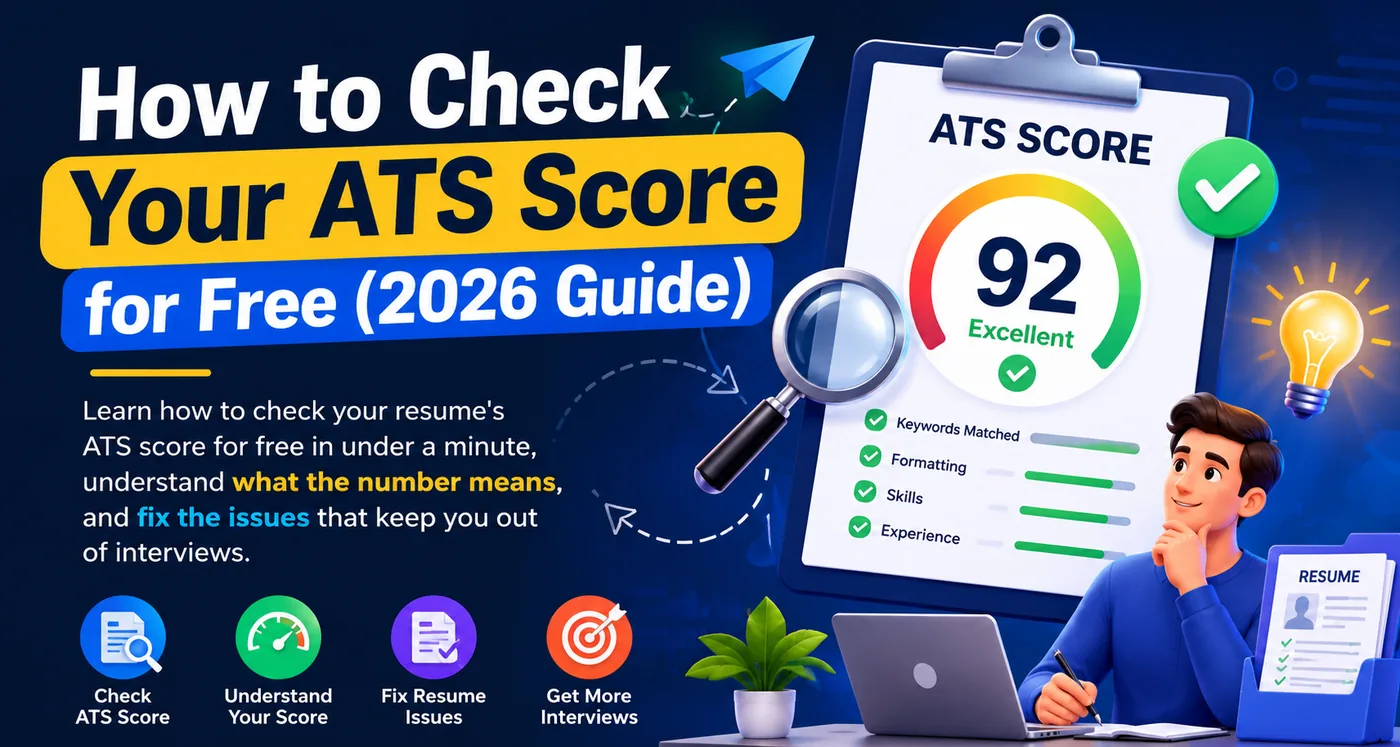
Check your ATS score with a tool. A score above 75% means your keyword match is strong. For more insights, consider reading about how to check your ATS score for free.
Related Guides
- ATS Keywords - How to Find and Add Them to Boost Your Score
- How ATS Detects a Generic Resume
- How Recruiters Spot Generic Resumes
- ATS Keyword Mistakes
- Job Description Keyword Extraction Guide
- How to Match Resume Keywords to Job Description
- ATS Score Guide for 2026
- How to Increase Your ATS Score
- Best Action Verbs for Resume
- How to Tailor a Resume in 5 Minutes
- Does My Resume Pass ATS? A 12-Point Checklist
- Resume Matching With Job Description - Complete Guide
- The Best Free Chrome Extension to Beat the ATS (2026)
Make This Practical
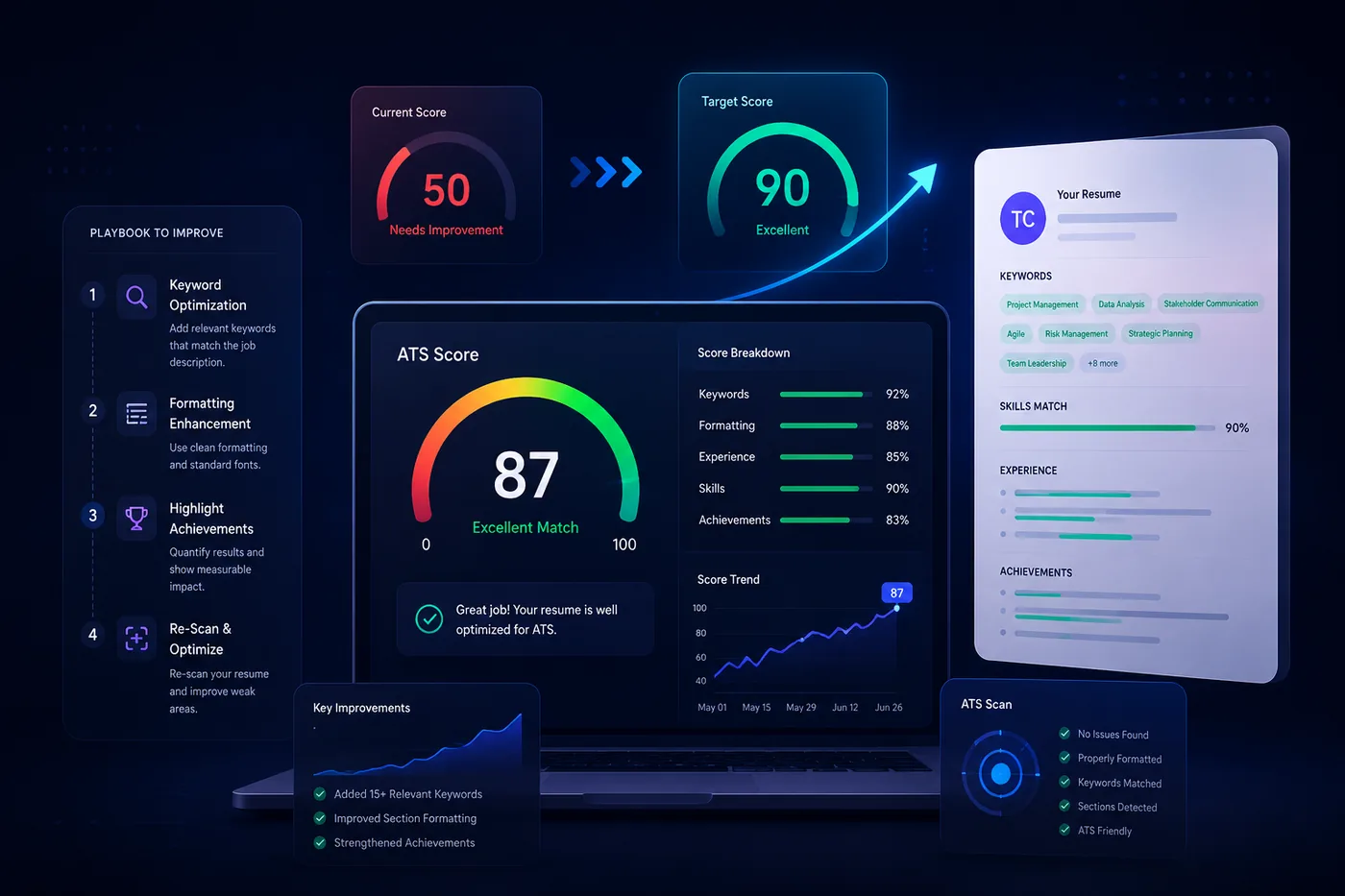
Do not guess whether the resume is ready. Upload it to the free ATS score checker, compare the result with the ATS Score Guide, and fix formatting issues using ATS Resume Formatting Mistakes and ATS Resume Parser Friendly Format.
After the technical cleanup, improve relevance. Use Resume Matching With Job Description, strengthen keyword coverage with the Resume Keywords Guide, and avoid overdoing it by checking ATS Keyword Mistakes. If the layout itself is weak, rebuild with an ATS-friendly resume template.
Conclusion
The best resume keywords to beat ATS are the ones inside the specific job posting you're targeting. Start with the industry lists above to audit your resume, then use the actual posting to fine-tune. Verify your match score with a tool, and don't stop at just the skills section - weave keywords into achievement bullets where they carry the most weight.
Find your missing keywords - free
See which keywords you are missing
Scan your resume against the posting and get the exact terms it did not find.
Drop your resume here or choose a file
PDF only. Max 2 MB.
We never share your data or use it to train AI models.

Where those keywords actually go
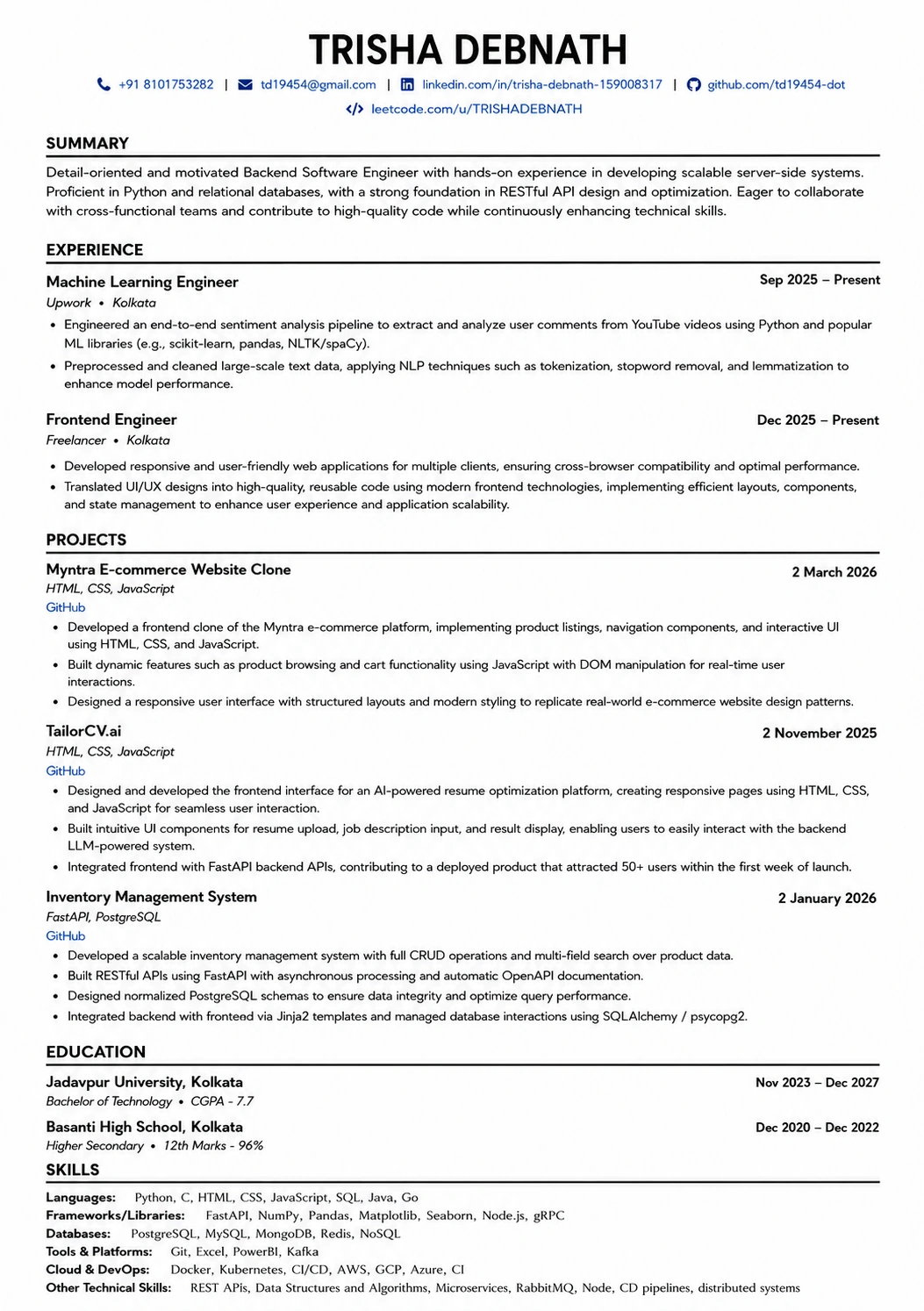
A layout with a real skills section gives the parser somewhere clean to find every term you just added.
Was this guide useful?
Be the first to rate it.