 SS
SS
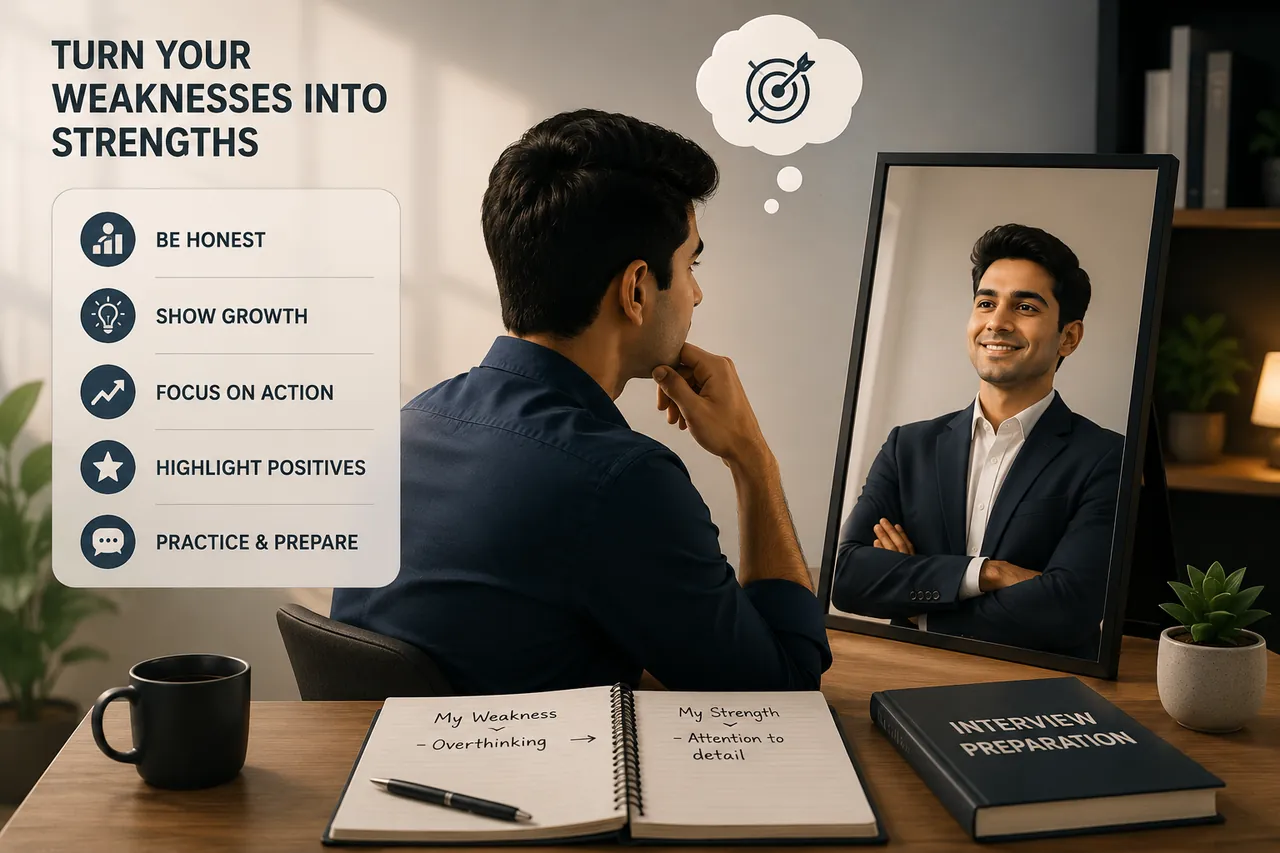
Key Takeaways
- Answering "What is your greatest weakness?" requires a real weakness paired with genuine improvement efforts to demonstrate self-awareness and a growth mindset.
- Use the formula: name a real weakness, explain the context, show specific actions taken to improve, and share evidence of progress.
- Avoid mentioning weaknesses that are core to the job, as they can disqualify you from consideration.
- Bad answers include clichés, lack of self-awareness, and weaknesses unrelated to improvement efforts, which can raise red flags for employers.
- Freshers can discuss weaknesses related to limited experience or decision-making skills, highlighting their learning process.
"What is your greatest weakness?" is the interview question everyone dreads - because a wrong answer can undo twenty minutes of strong performance. Too honest and you disqualify yourself. Too fake ("I'm a perfectionist") and the interviewer rolls their eyes.
The key is a real weakness paired with genuine improvement efforts. This guide shows you how in 2026.
Practice your answer with AI mock interviews. Also prepare tell me about yourself, why should we hire you, and behavioral questions. Check your resume with the TailorCV ATS checker.
What Interviewers Are Testing
- Self-awareness - do you know your development areas?
- Honesty - can they trust you?
- Growth mindset - are you working on it?
- Judgment - did you pick a weakness that disqualifies you from this role?
This question appears in HR rounds, manager rounds, and competency-based interviews.
The Best Formula for Weakness Answers
- Name a real weakness - not a disguised strength
- Explain context briefly - when does it show up?
- Show what you are doing about it - specific actions
- Share progress - evidence of improvement
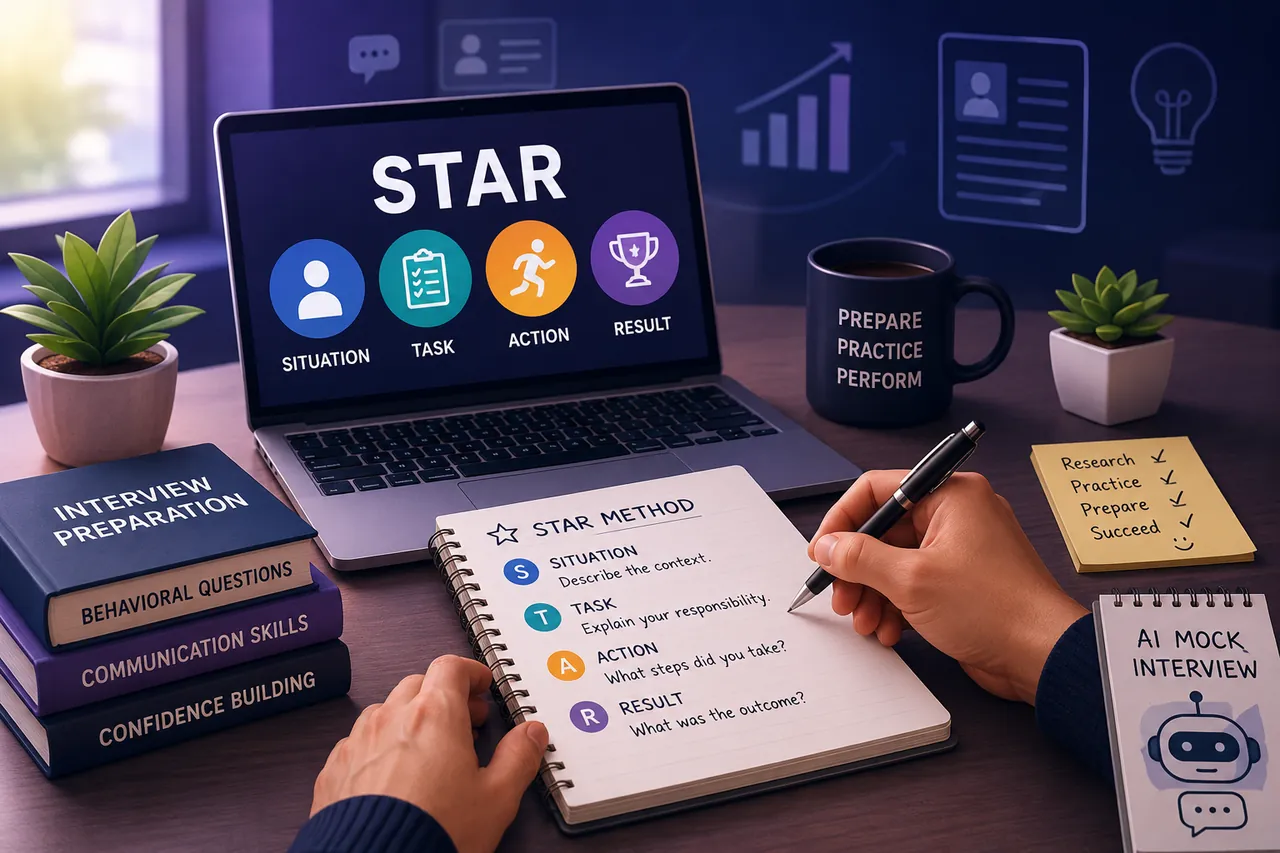
Structure with STAR method when giving examples of how you are improving.
Good Weakness Answer Examples
Public speaking (for non-presentation roles)
"Public speaking has never come naturally to me. In my last role, I volunteered to present our sprint demo every two weeks to force practice. I also joined a local Toastmasters group. I'm not where I want to be yet, but my manager noted my presentations improved significantly over six months."
Delegation (for senior roles)
"Early in my leadership career, I tried to do too much myself because I wanted quality control. I've learned to trust my team by setting clear expectations and check-in points. Last quarter, I delegated our migration project entirely and it shipped two weeks early."
Saying no to requests (for collaborative roles)
"I used to say yes to every request, which sometimes hurt my priorities. I've started using a prioritization framework with my manager and communicating trade-offs when new requests arrive. My on-time delivery rate improved from 70% to 95%."
Weaknesses to Avoid Mentioning
Do not name a weakness that is core to the job:
- software engineer: "I'm bad at coding under pressure"
- data analyst: "I'm not detail-oriented"
- Manager: "I avoid difficult conversations"
- Customer-facing role: "I'm not good with people"
Match weakness to role requirements from the job description - use resume matching tips.
Bad Answers (And Why)
| Bad answer | Problem |
|---|---|
| "I'm a perfectionist" | Cliché disguised strength |
| "I don't have weaknesses" | Shows no self-awareness |
| "I'm always late" | Raises reliability concerns |
| "I struggle with authority" | Red flag for every employer |
| Weakness unrelated to any improvement effort | No growth mindset |
See more pitfalls in common interview mistakes.
Weakness Questions for Freshers
freshers can discuss:
See it in action: a resume-based mock interview
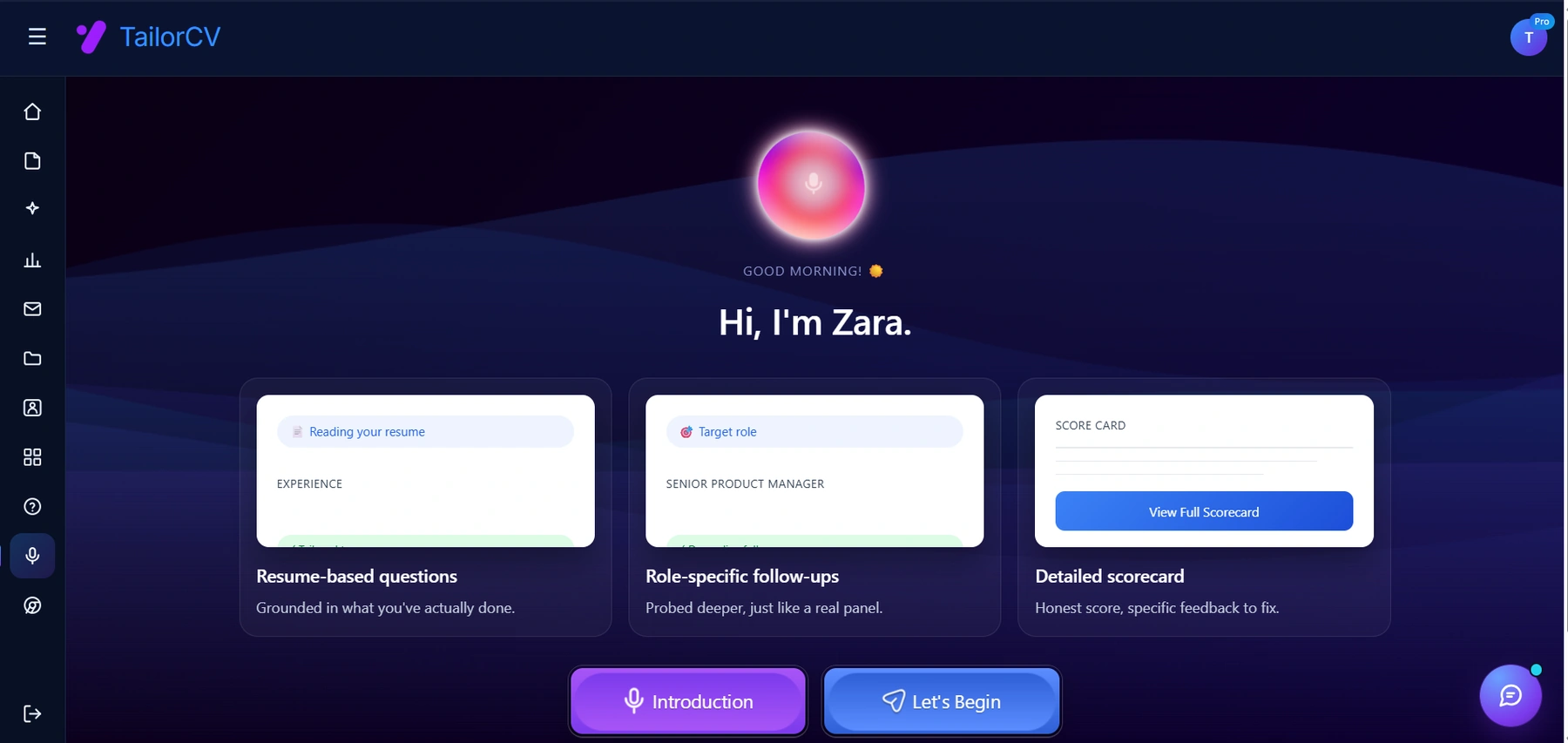
Practising out loud is the part most people skip. Here the session is built from your own resume and target role, and ends with a scorecard naming what to fix.
- Limited professional experience (offset with projects and internships)
- Over-researching before acting (show you are learning to decide faster)
- Difficulty with technical communication
Read first job interview tips for freshers.
How to Practice
- Write 2-3 weakness answers for different role types
- Practice aloud - not just in your head
- Run mock interview sessions
- Get feedback on tone - confident, not apologetic
- Manage delivery with body language tips
For related tough questions, see why leaving current job and explain career gap.
Step-by-Step Guide to Crafting Your Answer
-
Identify Your Weakness: Start by reflecting on areas where you struggle. Consider feedback from peers, performance reviews, or self-assessment. Choose a weakness that is genuine but not detrimental to the job you are applying for.
-
Contextualize Your Weakness: Frame your weakness within a specific context. For example, if you struggle with public speaking, mention a past scenario where this was evident. This adds credibility to your answer and shows you are self-aware.
-
Show Improvement Efforts: Discuss the steps you’ve taken to address your weakness. This could include taking a course, seeking mentorship, or practicing specific skills. Use the STAR Method for Interview Answers to structure this part of your answer effectively.
-
Highlight Progress: Emphasize any progress you've made. For instance, if you’ve improved your public speaking skills through practice, mention any successful presentations you’ve delivered since then.
-
Connect to the Role: Conclude by linking your improvement to the job you are applying for. Explain how overcoming this weakness has made you a better candidate and how it will positively impact your performance in the new role.
Common Mistakes to Avoid
-
Choosing a Fatal Flaw: Avoid mentioning a weakness that is essential to the job. For example, if you’re applying for a sales position, saying you dislike networking could be detrimental.
-
Being Vague: Don’t give generic answers like “I’m a perfectionist” without further explanation. Interviewers can see through this and may question your authenticity.
-
Neglecting to Show Progress: Failing to mention how you are working on your weakness can make it seem like you are not proactive or self-improving.
-
Overemphasizing the Weakness: While it’s important to be honest, don’t dwell too much on the weakness itself. Keep the focus on how you are overcoming it.
Do's and Don'ts for Answering the Weakness Question
Do's
| What | Details |
|---|---|
| Be Honest | Choose a real weakness that you are genuinely working to improve |
| Be Specific | Provide concrete examples and details to support your answer |
| Be Positive | Frame your weakness in a way that shows you are proactive about personal growth |
| Practice Your Delivery | Rehearse your answer to ensure you can deliver it smoothly and confidently |
Don'ts
- Don’t Blame Others: Avoid attributing your weakness to external factors or other people.
- Don’t Overexplain: Keep your answer concise and to the point. Aim for a clear structure in your response.
- Don’t Use Clichés: Steer clear of overused phrases that may come off as insincere or rehearsed.
Mini Checklist for Your Answer
- unchecked: Have I chosen a genuine weakness that won’t hinder my chances for this role?
- unchecked: Did I provide a specific example to illustrate my weakness?
- unchecked: Have I clearly outlined the steps I’m taking to improve?
- unchecked: Did I highlight any progress I’ve made in overcoming this weakness?
- unchecked: Is my answer connected to the role I’m applying for, demonstrating how it has made me a better candidate?
Scenario Examples
Scenario 1: If you are applying for a project management role and your weakness is time management, you might say:
"In my previous role, I found that I occasionally struggled to manage my time effectively, especially when juggling multiple projects. I recognized this challenge and enrolled in a time management workshop. Since then, I’ve implemented techniques such as prioritizing tasks and using digital tools to track deadlines. As a result, I’ve improved my efficiency and successfully led projects that were delivered ahead of schedule."
Scenario 2: For a marketing position where your weakness is being overly critical of your work, you could respond:
"I’ve always been very detail-oriented, which sometimes leads me to be overly critical of my marketing campaigns. To address this, I started seeking feedback from colleagues before finalizing any project. This collaborative approach has not only helped me to be more confident in my decisions but also improved the overall quality of our campaigns through diverse perspectives."
By following these guidelines and examples, you can craft a compelling answer to the weakness question that resonates with interviewers and showcases your commitment to personal and professional growth. For further interview preparation, check out our resources on mock interviews and situational interview questions.
Frequently Asked Questions
Can I mention a weakness I have already fixed?
Yes - frame it as past weakness with current improvement: "I used to struggle with X. I addressed it by Y, and now Z."
How long should the answer be?
60-90 seconds. Brief weakness, more time on improvement actions.
Does AI mock interview help with this question?
Absolutely - TailorCV mock interview lets you practice until the answer sounds natural.
Practice your weakness answer with free AI mock interviews.
Make This Practical
Use this advice as interview practice, not just reading material. Start a role-specific session with the AI mock interview tool, prepare your opening with How to Answer Tell Me About Yourself, and structure evidence-heavy answers with the STAR Method Interview Answers Guide.
Before the interview, make sure the resume that earned the call is still aligned with the role. Check it with the free ATS score checker, review Common Interview Mistakes to Avoid, and use How to Follow Up After an Interview once the conversation is over.
Was this guide useful?
Be the first to rate it.