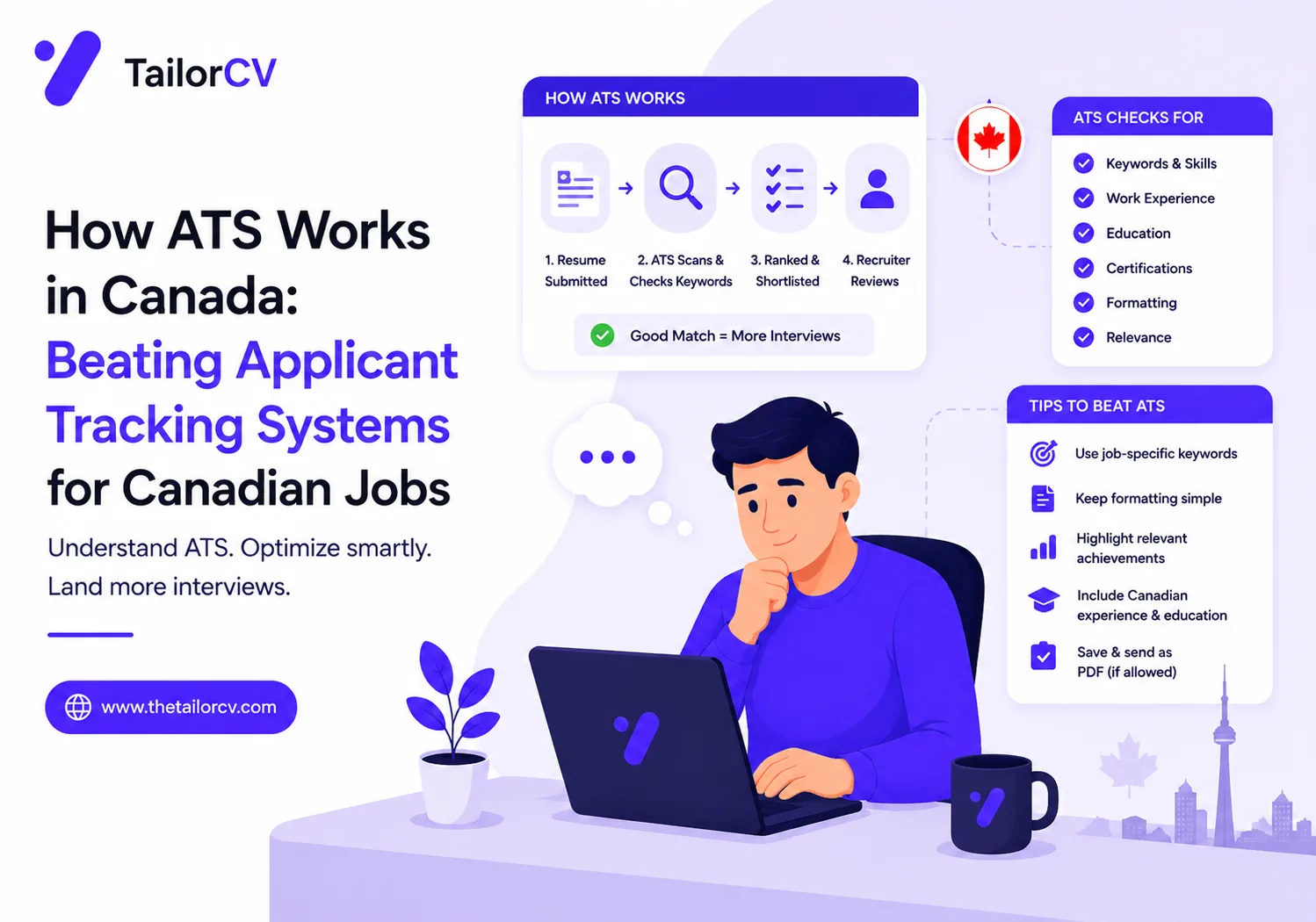
 SS
SS
Key Takeaways
- You do not beat an ATS with tricks - hidden white keywords and stuffing get you rejected by the human who reads next.
- Singapore recruiters and agencies lean heavily on ATS software, so parser-safe single-column formatting is non-negotiable.
- Parseable gets you read; matched gets you ranked - carry the posting's required skills in the posting's own language.
- One generic resume fired at every posting is the mistake that sinks most Singapore applications.
- Score your resume against the posting before you submit instead of applying blind.
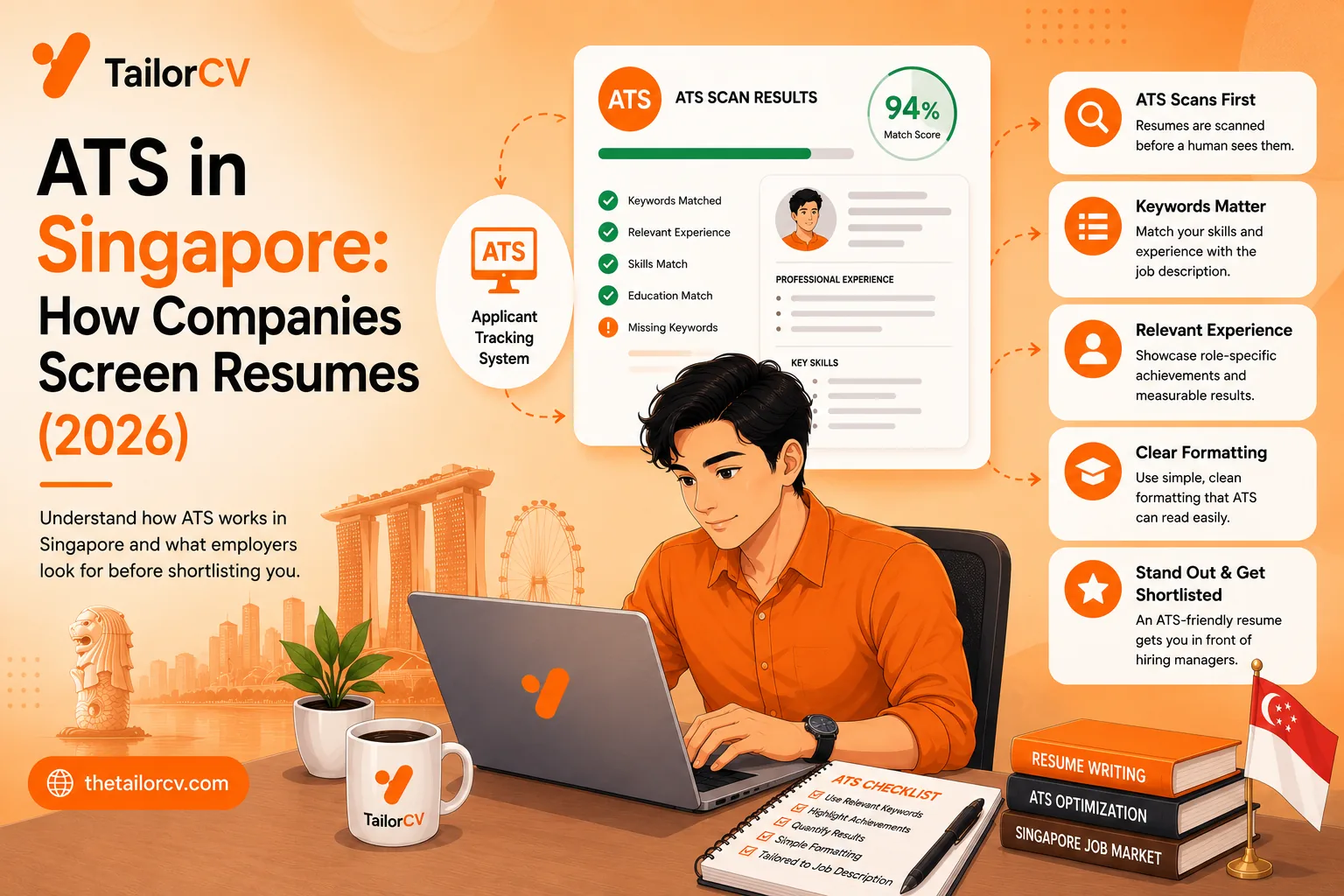
In Singapore's competitive market, being qualified is not enough — your resume has to get past the software first. Most MNCs, banks, and recruitment agencies here screen applications through an applicant tracking system that parses your resume into data and filters it against the job before any recruiter sees it. A resume that isn't ATS-friendly is rejected in seconds, silently. This guide shows you how to build one that clears the filter for Singapore roles — formatting, keywords, and the tailoring that actually gets you shortlisted.
What "ATS-Friendly" Actually Means
There is a lot of bad advice about "beating" the ATS. You do not beat it with tricks — hidden white keywords and stuffing get you rejected by the human who follows, and modern systems flag them. You make a resume ATS-friendly by doing two honest things: making it parseable so the software can read it, and making it matched so it ranks for the role.
When you apply, your resume is parsed into structured fields and compared, by exact language, against the job description. If your resume can't be parsed or doesn't carry the posting's terms, you're filtered out. That's the whole mechanism, and passing the ATS in 2026 is about getting both right.
Formatting: Make It Parseable
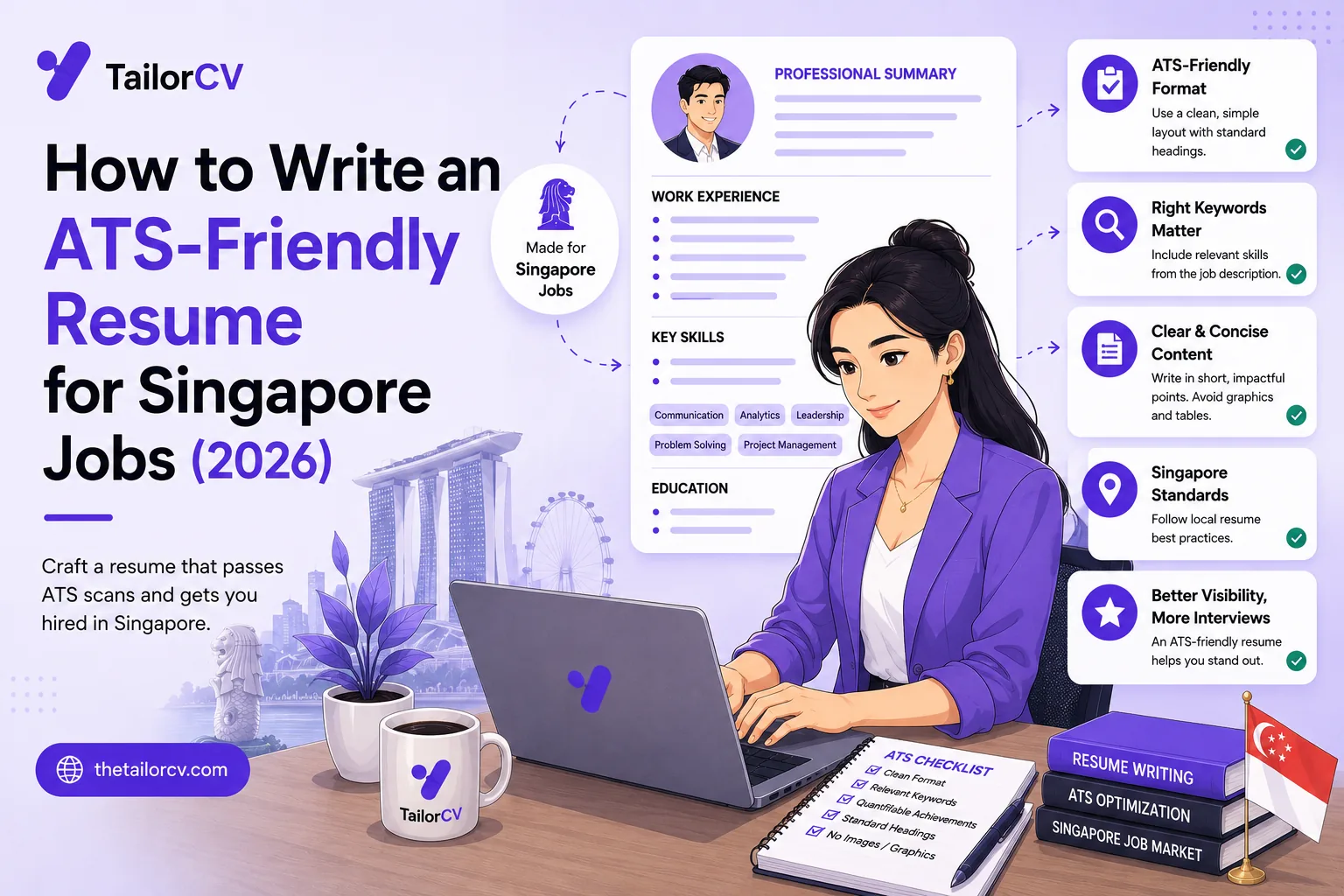
Singapore recruiters and agencies lean heavily on ATS software, so parser-safe formatting is non-negotiable.
- Single column. Two-column resumes get read straight across and scramble into nonsense.
- No tables, text boxes, or graphics carrying information — parsers skip or mangle them.
- Standard section headings — "Work Experience", "Skills", "Education" — not creative labels the ATS won't recognise.
- Standard fonts, black text, simple bullet points.
- Contact details in the body, not the header or footer (some parsers drop those).
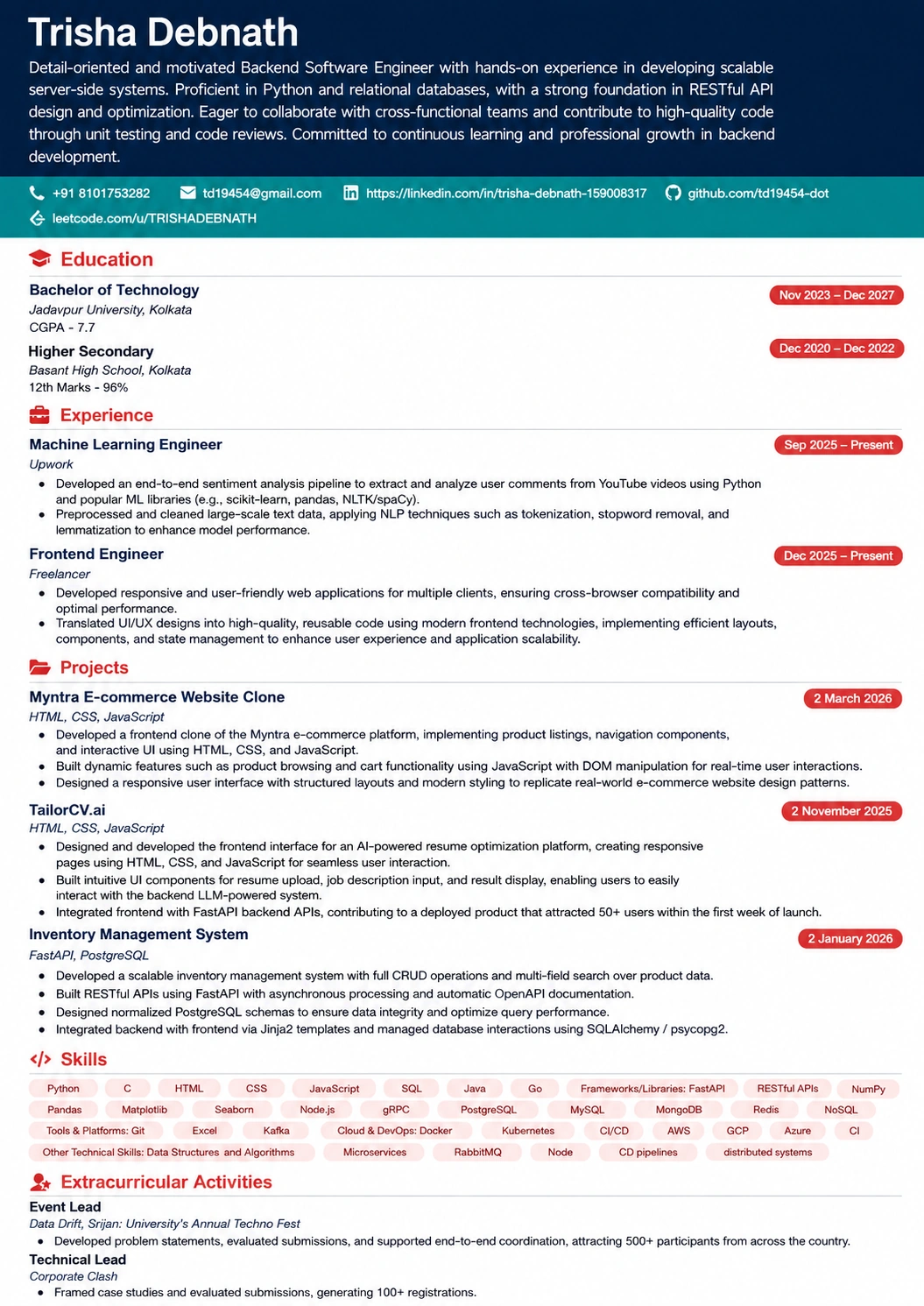
- No photo, icons, or skill bars. A "Python ████░" bar parses as nothing. Even where a Singapore employer might expect a photo, it hurts the parse — leave it off.
- PDF file (unless the portal asks for Word), named sensibly.
The full checklist is in how to make your resume ATS-friendly, and the formatting mistakes guide covers what sinks otherwise-good resumes. Beautiful designer templates are the biggest trap — clean and parseable beats pretty-and-scrambled every time, which is why choosing the right template matters.
Keywords: Make It Matched
Parseable gets you read; matched gets you ranked. The ATS scores your resume by how many of the posting's required skills and phrases you carry, in the posting's own words.
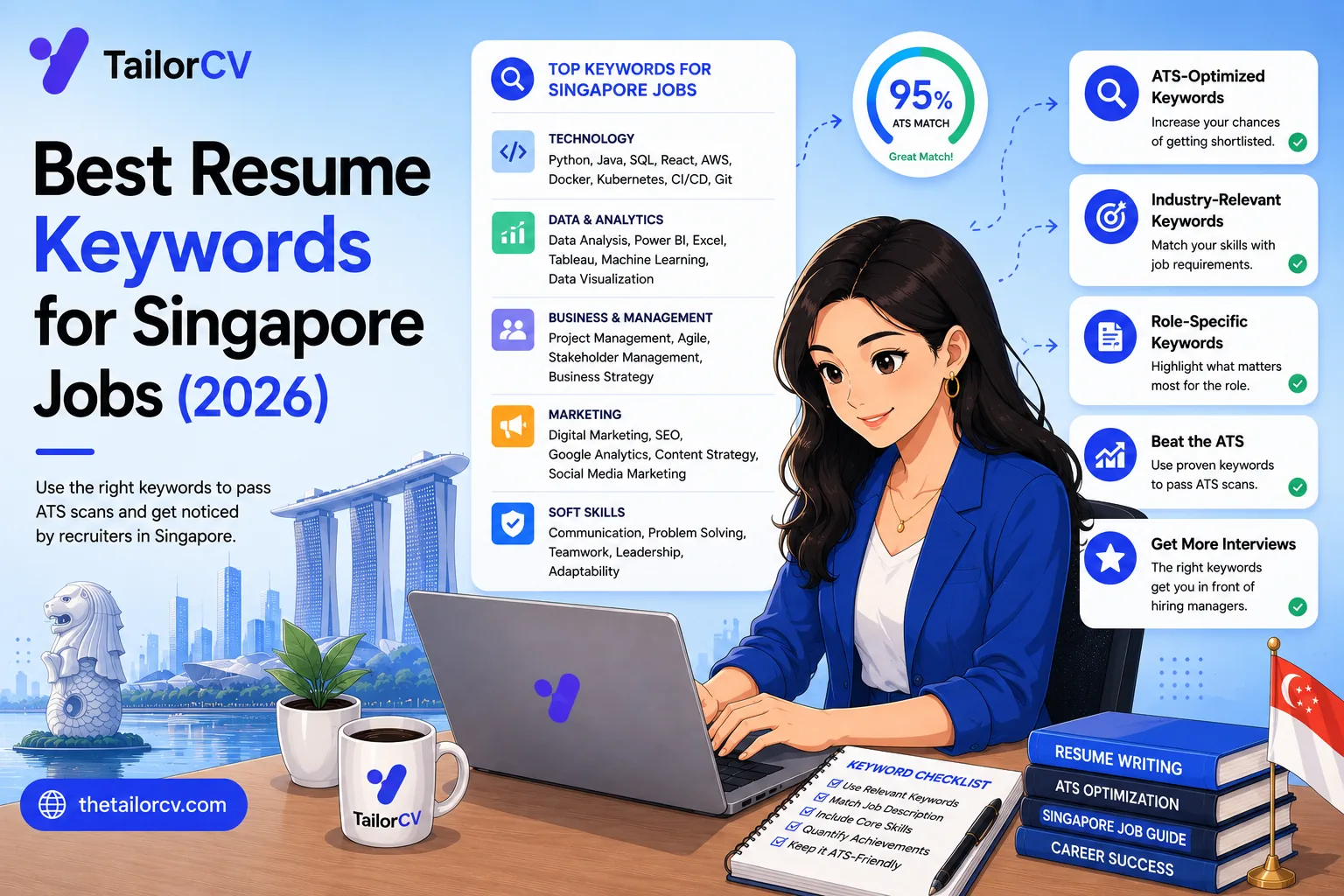
Pull the specific skills, tools, and terms from each Singapore job description and work the ones you genuinely have into your resume — especially your summary and skills section, which recruiters search directly. Use the keywords that beat the ATS and the terms that boost your score, but never stuff them — a wall of tools with no evidence in your bullets reads as hollow to the human who follows. The best keywords for Singapore jobs specifically are worth a dedicated look. Keep the wording in your own voice, and quantify your achievements so the matched keywords sit on real, measurable results.
The Step Most People Skip: Tailoring
Here is the mistake that sinks most Singapore applications: one generic resume, fired at every posting. It feels efficient and it fails, because the filter matches language, not meaning. "Worked with stakeholders across the region" won't match a posting asking for "APAC stakeholder management" unless you use their words.
What optimizing actually does to your resume
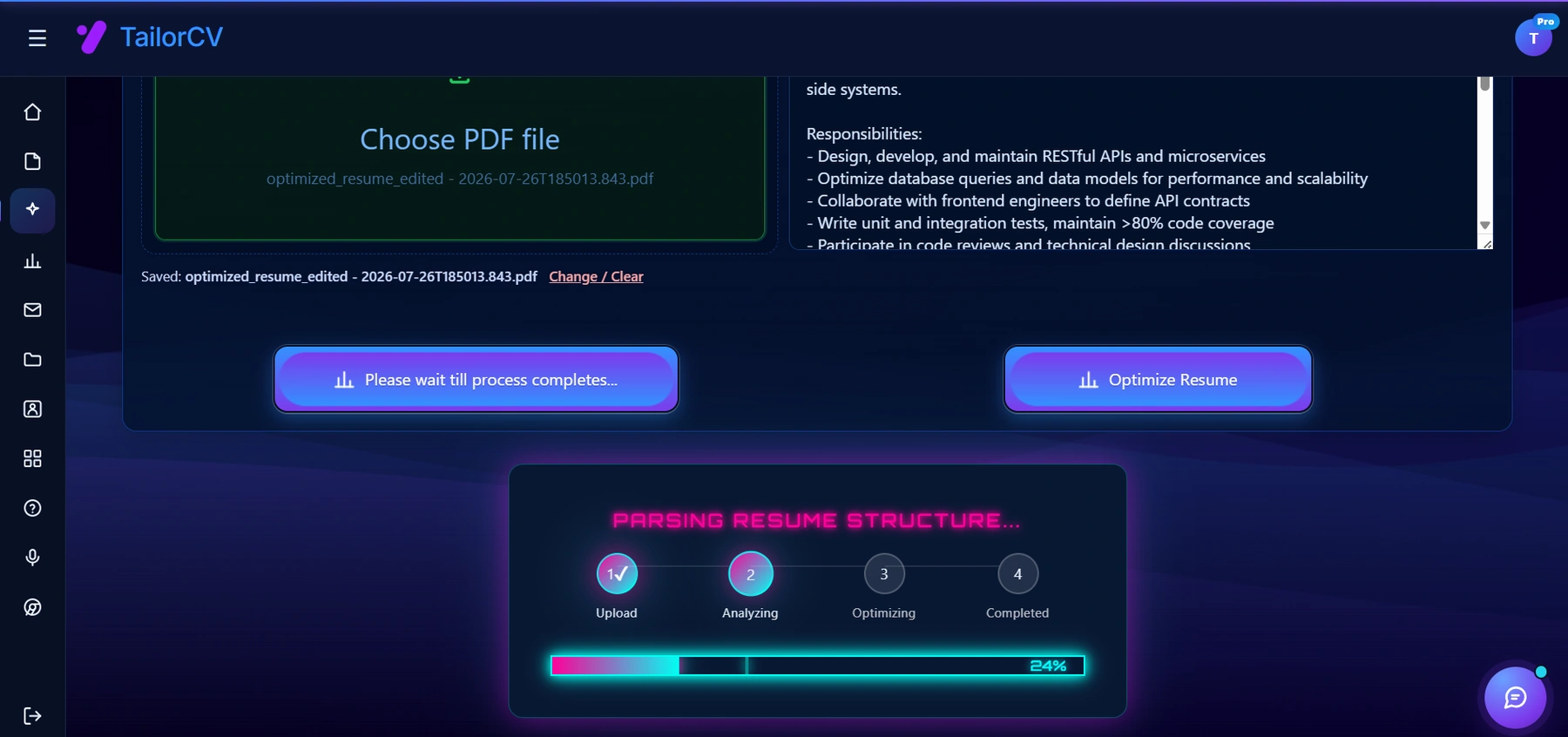
Checking against the real job description - rather than optimising in the abstract - is the step that actually moves the score.
So tailoring isn't optional — it's the difference between getting read and getting filtered. Our tailored vs generic resume piece shows the gap in practice. Do it for every role you actually want: how to tailor for every job, in five minutes, and matching your resume to a job description fast. Keep it honest — good tailoring re-expresses your real experience in your voice, it doesn't invent it. And do not confuse volume with progress; how many jobs to apply to per day is fewer, matched, not many, generic.
Check Before You Apply
The most useful thing you can do in a Singapore job search is stop applying blind. Before you submit, run your resume against the posting with a free ATS score and read the number plus the missing keywords. If you land at 80%+, you're well matched; in the 55–75% middle, you're losing to better-matched candidates; below 55%, you're being filtered out. The ATS score guide explains what the number can and can't tell you, and how to increase your ATS score covers closing the gap. This is faster than guessing — and understanding how the ATS reads your resume makes every fix obvious.
Singapore-Specific Notes
A few things unique to Singapore that affect how your resume is screened:
- State your PR/citizenship status. Local employers commonly screen on it (Citizen, PR, or pass eligibility), so putting it up front helps rather than hurts. The full formatting norms are in the Singapore resume format guide.
- British English. Match local spelling (organise, optimise, programme).
- Leave off NRIC, DOB, address, marital status — unnecessary and a privacy risk in 2026.
- Multilingual is an asset. If you have genuine working proficiency in a second language, list it — it's often relevant in Singapore's regional roles.
Whether you need a resume or a CV depends on the role and sector; the broader ATS landscape in Singapore is worth understanding too.
For Freshers and Career Changers
If you're a fresh grad from NUS, NTU, SMU, or a polytechnic, your ATS score as a fresher leans on projects that get interviews and a portfolio site rather than years of experience — especially for a first tech job or landing a role with no experience. Career changers should address any employment gap briefly and honestly. Startups weight breadth differently from MNCs — the startup vs enterprise difference applies in Singapore too.
After the Resume
Getting past the filter is step one of the Singapore job search. Add a Singapore cover letter where allowed, keep your LinkedIn optimised with a strong headline since recruiters here rely on it, and know how to get a job in Singapore end to end. Send a follow-up after applying and after the interview. Prepare properly: research the company, rehearse behavioural questions, tell me about yourself and why do you want this job, and run a mock interview; the full interview prep guide has the rest. When an offer comes, negotiate it; when one doesn't land, handle the rejection. And watch for job scams.
Frequently Asked Questions
Do Singapore companies really use ATS? Yes — most MNCs, banks, and recruitment agencies, and increasingly local firms and startups. Your resume is parsed and filtered by software before a recruiter reads it, so parseable formatting and matched keywords are essential.
How do I make my resume ATS-friendly for Singapore jobs? Use a single-column layout with standard section headings, no tables/graphics/photo, and a PDF file; then tailor it to each posting by working in the specific skills and terms the job names. Parseable plus matched is the whole formula.
Should I use a photo on my Singapore resume? Better not to in 2026. A photo can confuse ATS parsers and most modern employers don't expect one. Do state your citizenship or PR/pass status, which local employers commonly screen on.
How do I know if my resume will pass the ATS? Run it against the specific job with a free ATS score before applying. It shows your match percentage and the exact keywords you're missing, so you can fix the gap rather than apply blind.
Putting It All Together
An ATS-friendly resume for Singapore is parseable and matched: single-column and clean so the software can read it, and tailored to each posting so the software ranks it. Add the local touches — PR status stated, British English, personal-detail clutter removed — and you clear the two gates most applicants trip on without ever knowing it.
The formula never changes: make it readable by the machine, then matched to the job. Do both, on every role you actually want, and your applications stop vanishing. Start by scoring your current resume against a real Singapore posting with a free ATS score — the missing-keywords list will tell you exactly what to fix first.
What is your resume scoring right now?
Scan it against a job description and get your ATS match score in about a minute.
Drop your resume here or choose a file
PDF only. Max 2 MB.
We never share your data or use it to train AI models.

Templates that keep this structure intact
This template is ATS-tested — start from it and the formatting rules in this guide are already handled.
Was this guide useful?
Be the first to rate it.