TD
TD
Key Takeaways
- Your resume and portfolio work together; the resume claims your skills while the portfolio proves them with tangible work.
- A resume is designed to pass ATS filters and be quickly scanned, focusing on clarity, keywords, and quantified results.
- A portfolio showcases completed projects and outcomes, demonstrating your skills and providing concrete discussion points for interviews.
- In 2026, most fields require both a resume and a portfolio due to increased competition and the importance of demonstrated proof.
- Ensure your resume, LinkedIn, and portfolio tell a consistent story to avoid confusing recruiters.
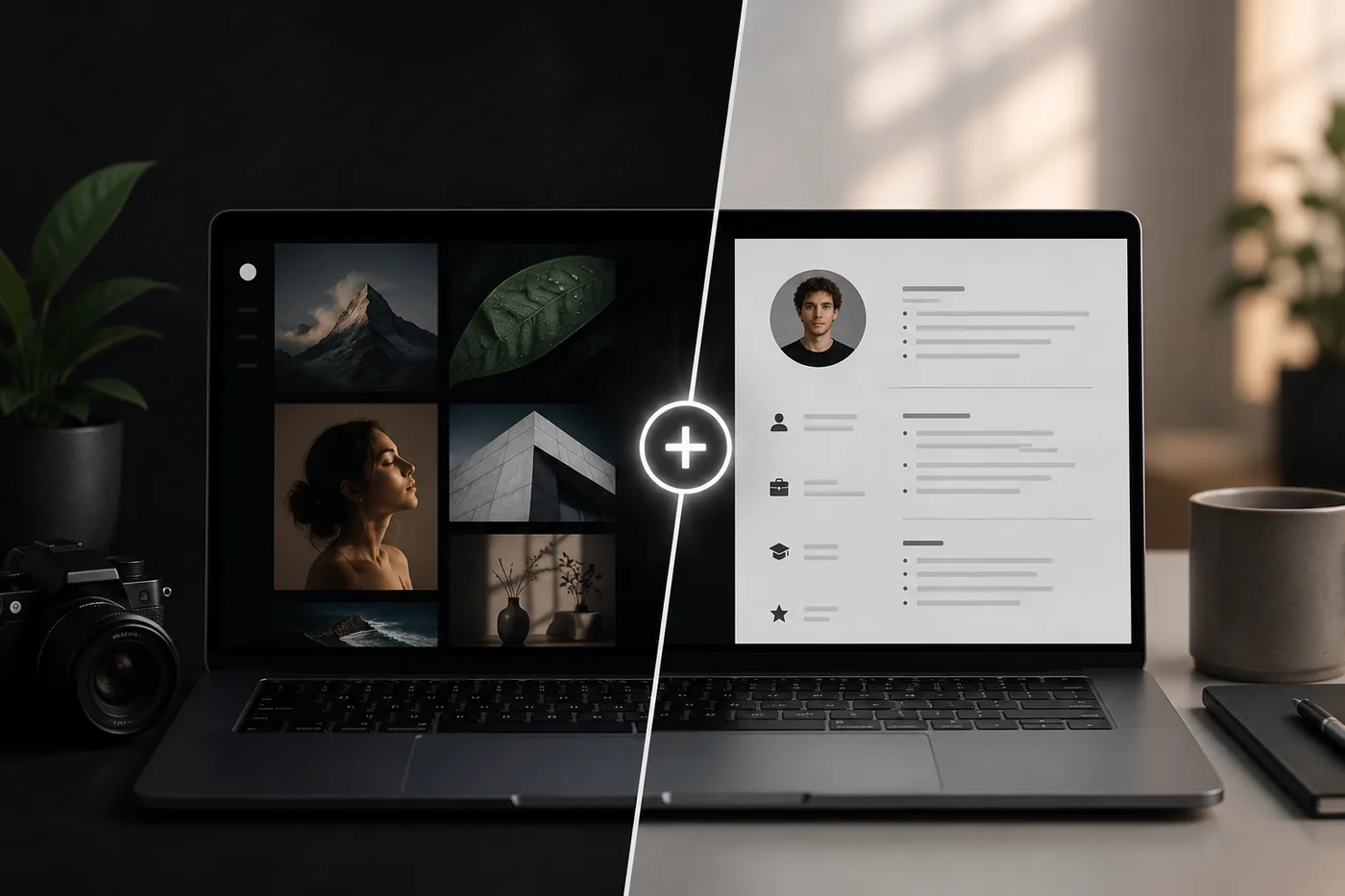
Your resume and your portfolio are not competitors - they are teammates. Your resume claims your skills in one scannable page. Your portfolio proves them with real, clickable work. In 2026, the candidates who get the most interviews use both, and they link the two together so every recruiter touchpoint reinforces the same story.
This guide breaks down exactly what each asset does, when each one matters most, and how to combine them into a single job-search engine that keeps working while you sleep.
What a Resume Actually Does
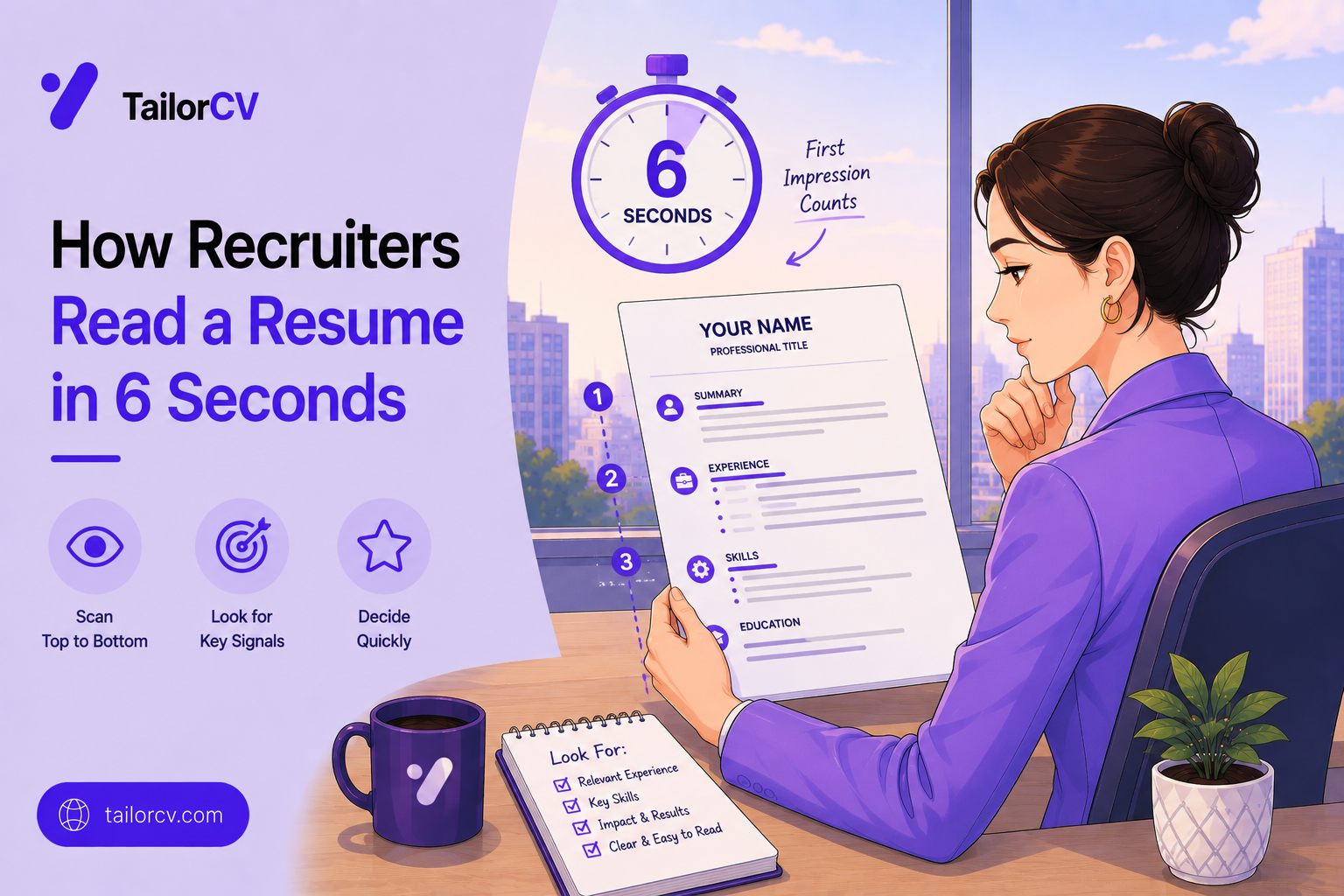
A resume is a fast, ATS-readable summary that a recruiter scans in about seven seconds. Its only job is to get you past the filters and onto the shortlist. It is dense, structured, and keyword-aware on purpose.
- It is parsed by Applicant Tracking Systems before a human sees it
- It is skimmed top-to-bottom in seconds
- It rewards clarity, keywords, and quantified results
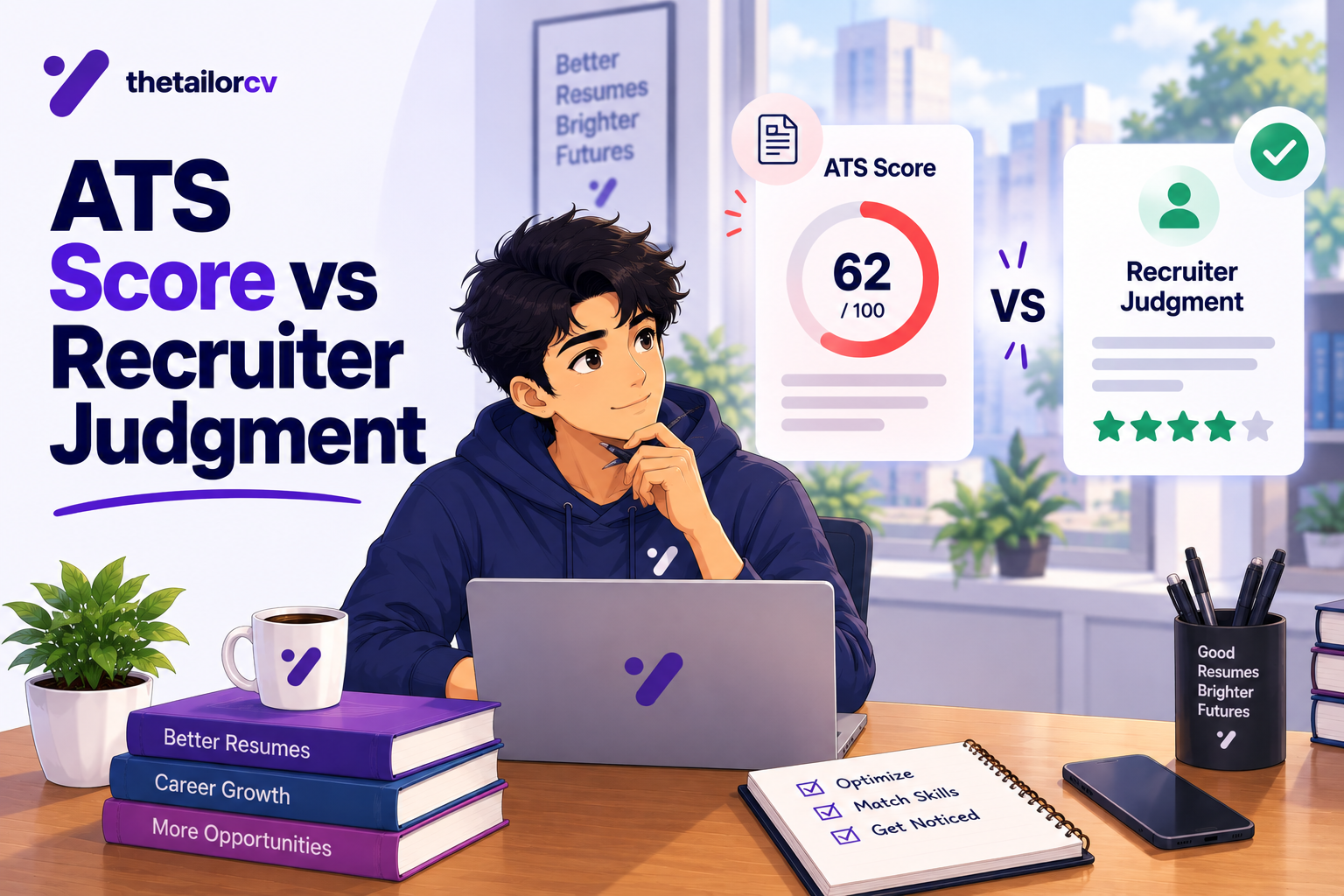
If your resume is not generating responses, fix that before anything else. Run it through the free ATS score checker, switch to an ATS-friendly template, and read How to Write a Resume Summary and How to Write a Resume Headline to sharpen the top third of the page.
What a Portfolio Actually Does
A portfolio removes doubt. Once your resume earns a shortlist spot, hiring managers Google you - and a portfolio is the proof that turns "looks okay on paper" into "let's talk to this person."
Turning a resume into a portfolio site
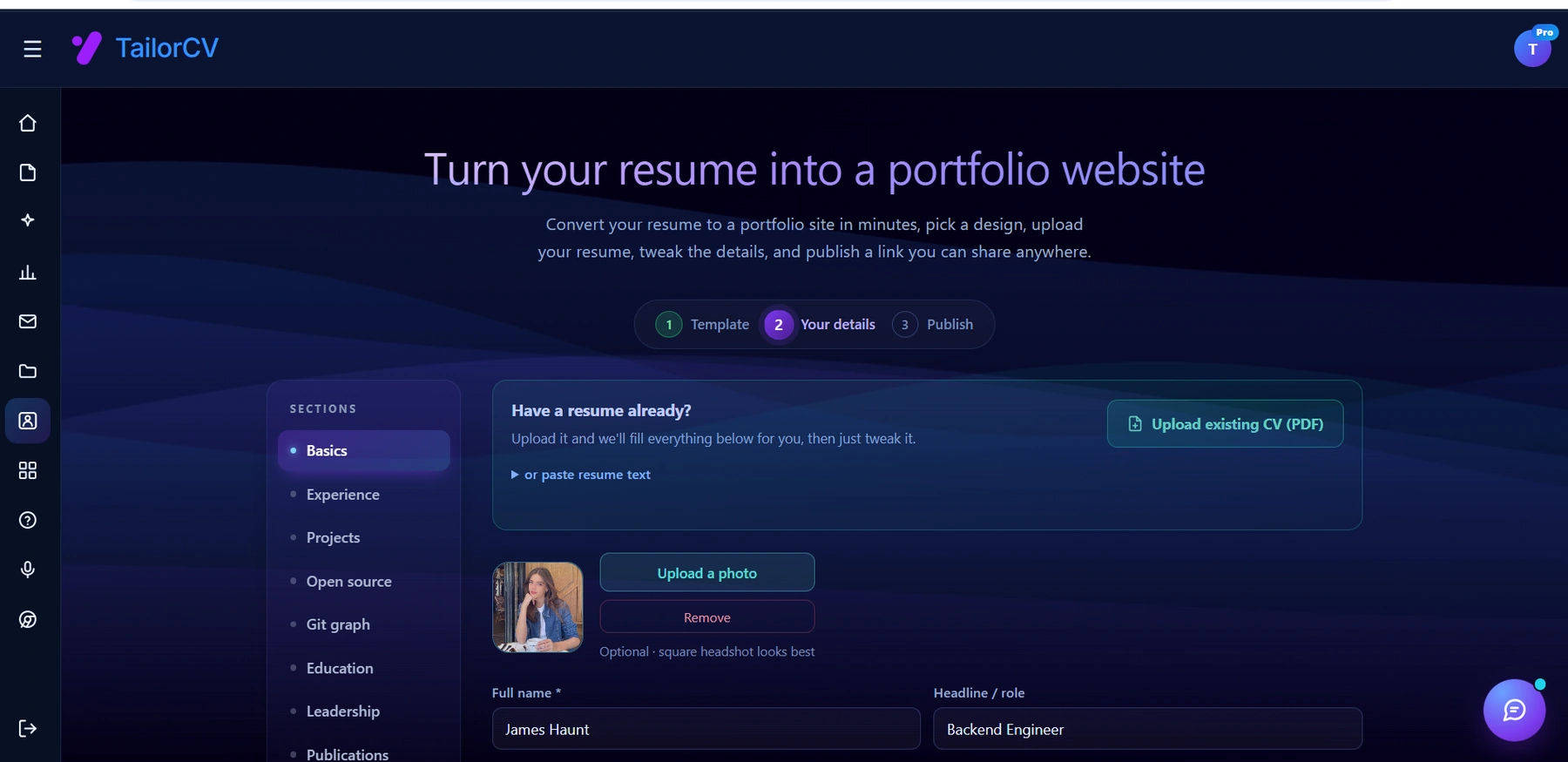
You upload the resume you already have and the sections fill themselves in - basics, experience, projects, education - so building the site is editing rather than starting from an empty page.
- It shows finished projects, case studies, and outcomes
- It demonstrates taste, craft, and judgment a resume can only claim
- It gives interviewers concrete things to ask about (so you steer the conversation)
For a full walkthrough of building one, see How to Build a Professional Portfolio.
Do You Actually Need Both?
For most fields in 2026, yes. The overlap of remote hiring, AI-inflated resumes, and intense competition means demonstrated proof matters more than ever.
| Metric | What it tells you |
|---|---|
| Developers | a live site plus a clean GitHub is close to mandatory. See Frontend Developer Portfolio Guide, Backend Developer Portfolio Guide, and GitHub Portfolio Optimization |
| Designers | case studies are the whole game. See UX Designer Portfolio Guide and Graphic Designer Portfolio Guide |
| Writers & marketers | samples and results win clients and jobs. See Content Writer Portfolio Guide and Marketing Portfolio Guide |
| Data professionals | dashboards and notebooks beat bullet points. See Data Analyst Portfolio Guide and Data Scientist Portfolio Guide |
| PMs and corporate roles | even here, a portfolio sets you apart. See Product Manager Portfolio Guide |
Even if your industry has never traditionally required a portfolio, having one is a competitive advantage precisely because so few of your peers will bother.
Keep Your Resume and Portfolio in Sync
Your resume, your LinkedIn, and your portfolio should tell the same story - same name, same headline, same top projects - just at different levels of depth. A recruiter who sees a 'Full Stack Developer' resume and a portfolio headlined 'Aspiring Designer' gets confused, and confusion loses interviews. Lock the resume down first with the ATS score checker and an ATS-friendly template, then mirror that exact positioning in your portfolio. When they reinforce each other, every recruiter touchpoint pushes you forward. See How to Add Your Portfolio Link to Your Resume for placing the link correctly.
How to Use Them Together (The Playbook)
- Build a tailored resume and get it ATS-clean.
- Generate a matching portfolio from that resume with the portfolio builder.
- Put the portfolio URL in your resume header and LinkedIn - see How to Add Your Portfolio Link to Your Resume.
- Link individual resume projects to live demos in your portfolio.
- In interviews, walk the interviewer through a portfolio case study - see How to Write a Portfolio Case Study.
Pro Tips
- One strong portfolio link beats three weak ones; curate ruthlessly (Portfolio Mistakes to Avoid).
- Make the portfolio load fast and look great on mobile - most first views are on phones.
- Audit every link before each application with the Portfolio Checklist Before You Apply.
Frequently Asked Questions
Is a portfolio really necessary if I already have a strong resume?
A resume gets you shortlisted; a portfolio closes the gap between shortlisted and interviewed. Even strong-resume candidates win more interviews when a hiring manager can see the work. If you are short on time, the fastest path is to Turn Your Resume Into a Portfolio in Minutes.
What if my field does not usually use portfolios?
That is an advantage. When few peers have one, yours stands out. A simple personal site with two or three case studies is enough - see Personal Website vs Portfolio.
Where do I host it and what do I name it?
A free host plus a custom domain looks most professional. See How to Host Your Portfolio for Free and the Portfolio Domain Name Guide.
Build Your Portfolio Now
You do not need to code a site from scratch or spend a weekend wrestling with a website builder. Turn your existing resume into a live, shareable portfolio website in minutes with the TailorCV portfolio builder - choose a template, upload your CV, tweak the details, and publish a link you can drop straight onto your resume and LinkedIn. Before you start applying, run your resume through the free ATS score checker and switch to an ATS-friendly template so your portfolio and resume tell one clean, consistent story to every recruiter.
Related Guides
- How to Build a Professional Portfolio
- How to Add Your Portfolio Link to Your Resume
- Turn Your Resume Into a Portfolio in Minutes
- Personal Website vs Portfolio
- Projects on a Resume
- LinkedIn Profile Optimization Guide
- How to Write a Resume From Scratch
- Portfolio Checklist Before You Apply
- Portfolio Mistakes to Avoid
- How to Make a Resume ATS-Friendly
- Resume vs CV
- Best Portfolio Website Builders 2026
Make This Practical
If this topic connects to your work samples, turn the advice into a live proof page with the TailorCV portfolio builder. After publishing, add the link correctly using How to Add Your Portfolio Link to Your Resume, tighten the page with the Portfolio Checklist Before Applying, and make sure recruiters can contact you through a clean Portfolio Contact Section.
Your portfolio works best when it supports the resume, not when it replaces it. Run the resume through the free ATS score checker, choose an ATS-friendly resume template, and use Portfolio SEO: Get Found so your name, role, and strongest projects are easier to discover.
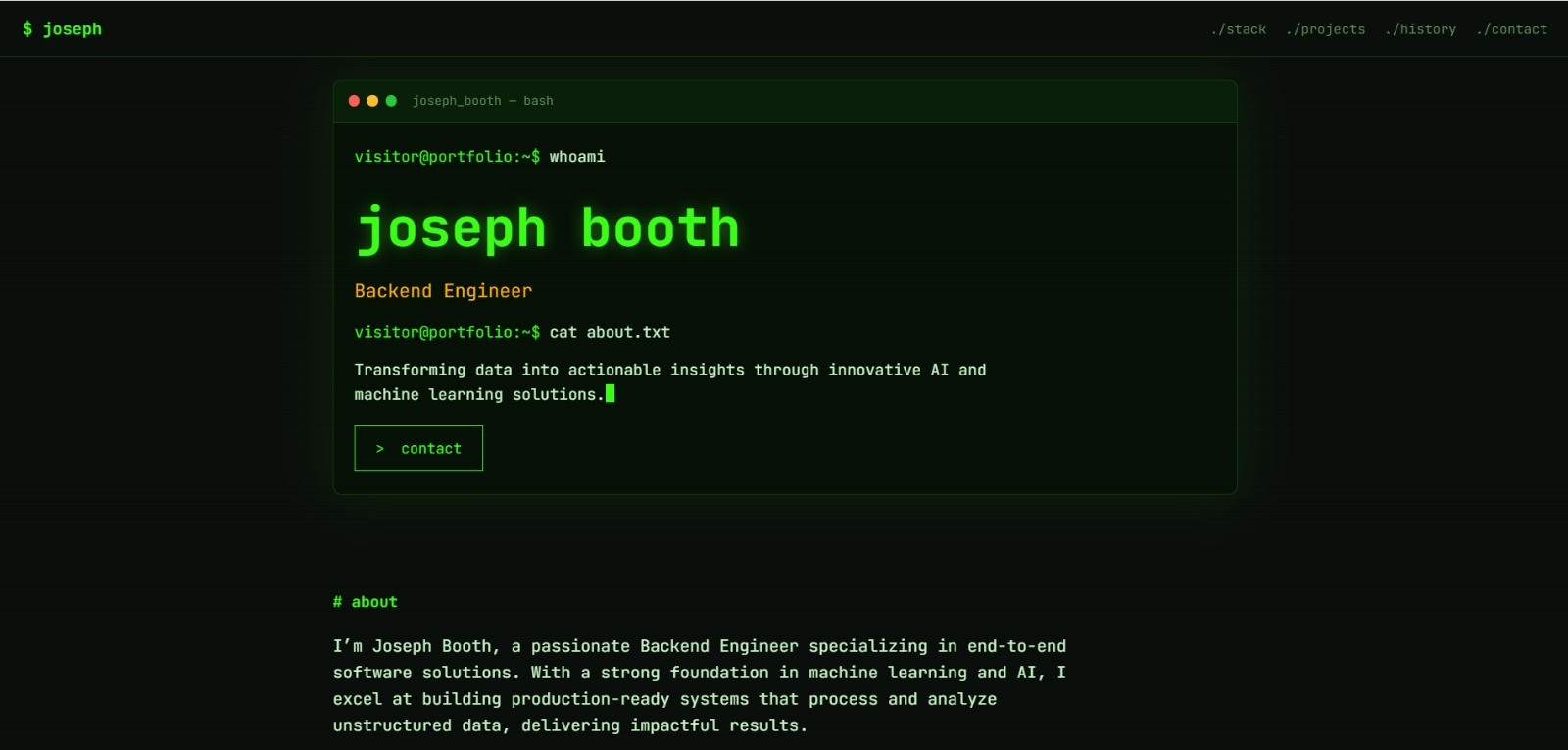
See what your portfolio could look like
This theme is built straight from your resume — pick one and your portfolio is live in minutes.
Was this guide useful?
Be the first to rate it.