 SS
SS
Key Takeaways
- Curate 10-15 relevant writing samples that align with the types of projects you want to attract, ensuring they demonstrate your skills across various formats.
- Attach measurable results to your work samples to highlight your effectiveness, such as rankings, open rates, or conversion increases.
- Organize your portfolio for quick navigation by grouping samples by format or industry and providing context for each piece.
- Maintain consistency across your resume, LinkedIn, and portfolio to present a cohesive professional narrative and avoid confusing potential employers.
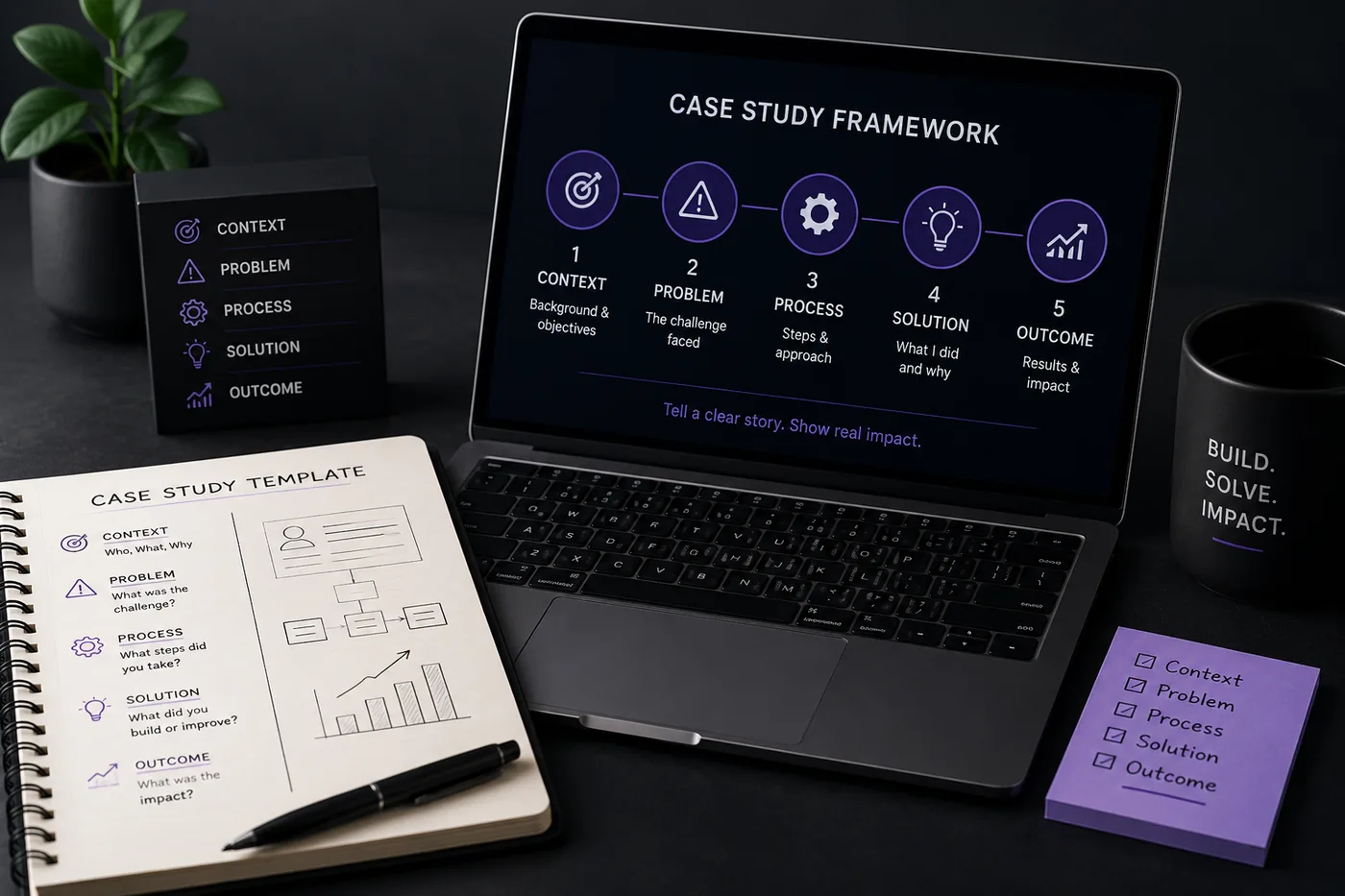
- Include detailed case studies in your portfolio that outline the challenges faced, your approach, and the results achieved to enhance credibility.
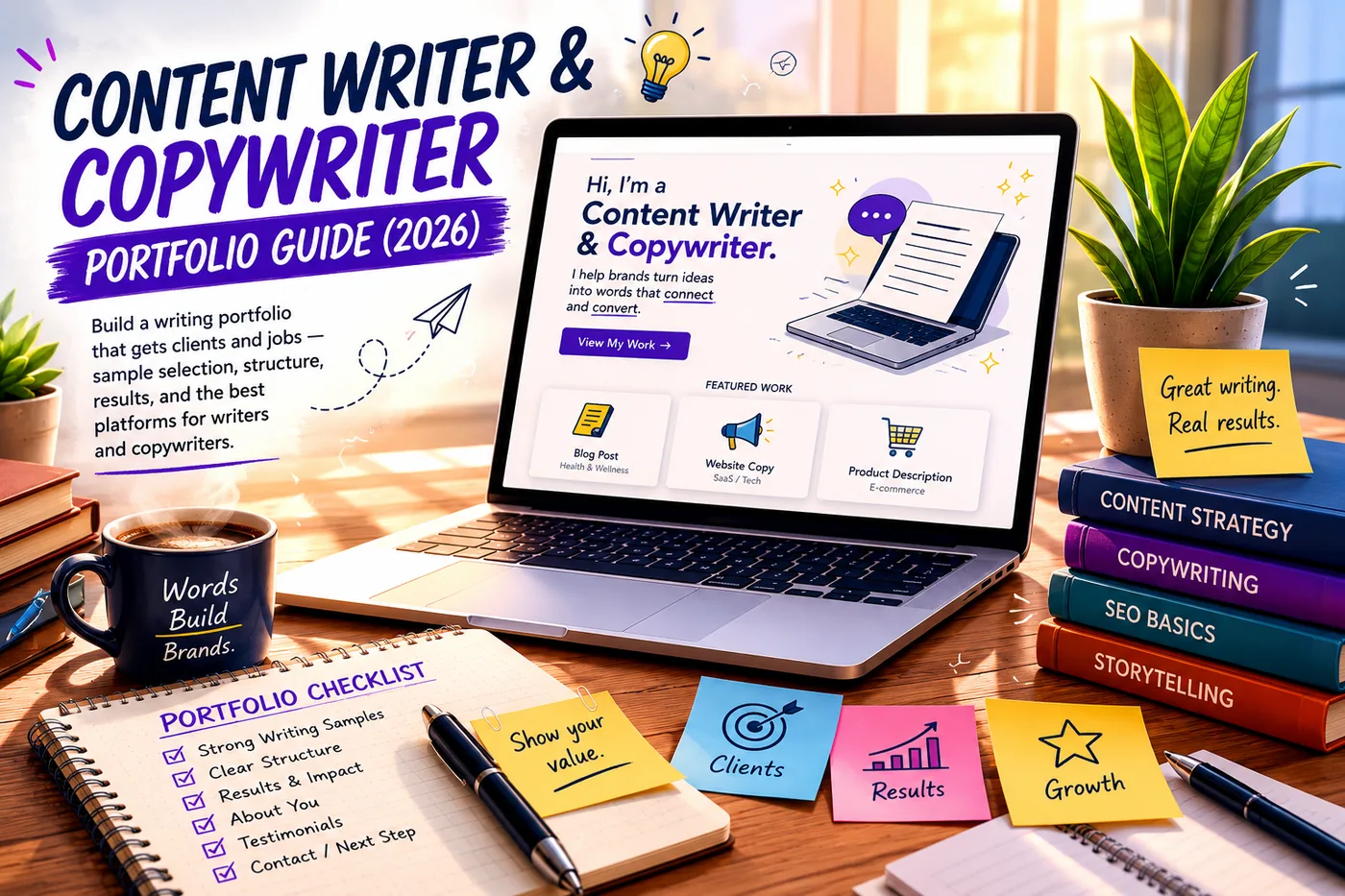
A writing portfolio is proof that you can write for a purpose - to rank, to convert, to explain, to sell. The trick is curation: show samples that match the work you actually want, and back them with results wherever you can. Pair this with How to Build a Professional Portfolio and Marketing Portfolio Guide.
Choose the Right Samples
Show 10-15 pieces across the formats you want to be hired for, and cut everything off-target:
- SEO blog articles
- Email and lifecycle copy
- Ad and social copy
- Landing pages
- Technical documentation
- Long-form / white papers
Show Range and Results
Where possible, attach outcomes: a post that ranked on page one, an email with a strong open rate, a landing page that lifted conversion. Numbers separate professionals from hobbyists - see How to Quantify Resume Achievements.
Structure for Fast Scanning
Group by format or industry so a client finds relevant work in seconds. Add a one-line context note to each piece: who it was for and what it achieved.
Platforms
- A personal site is the most professional (Best Portfolio Website Builders 2026, How to Host Your Portfolio for Free)
- Contently / Clippings.me for fast starts
- A clean Google Drive early on
- The LinkedIn Featured section for reach (LinkedIn Profile Optimization Guide)
Write a Strong About + Contact
Your Portfolio About Me Section sets your voice and niche; your Portfolio Contact Section makes hiring you effortless.
Keep Your Resume and Portfolio in Sync
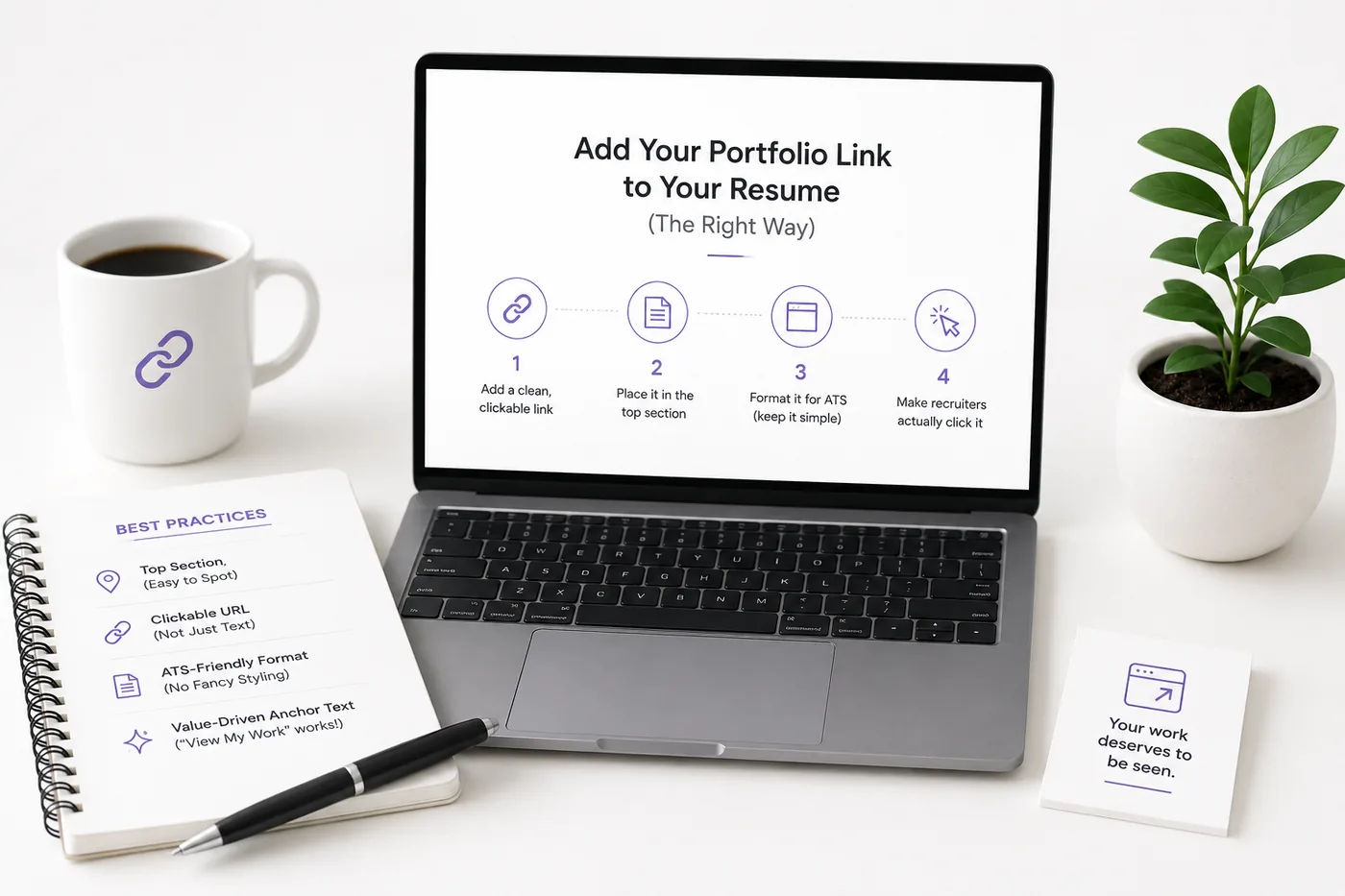
Your resume, your LinkedIn, and your portfolio should tell the same story - same name, same headline, same top projects - just at different levels of depth. A recruiter who sees a 'Full Stack Developer' resume and a portfolio headlined 'Aspiring Designer' gets confused, and confusion loses interviews. Lock the resume down first with the ATS score checker and an ATS-friendly template, then mirror that exact positioning in your portfolio. When they reinforce each other, every recruiter touchpoint pushes you forward. See How to Add Your Portfolio Link to Your Resume for placing the link correctly.
Turning a resume into a portfolio site
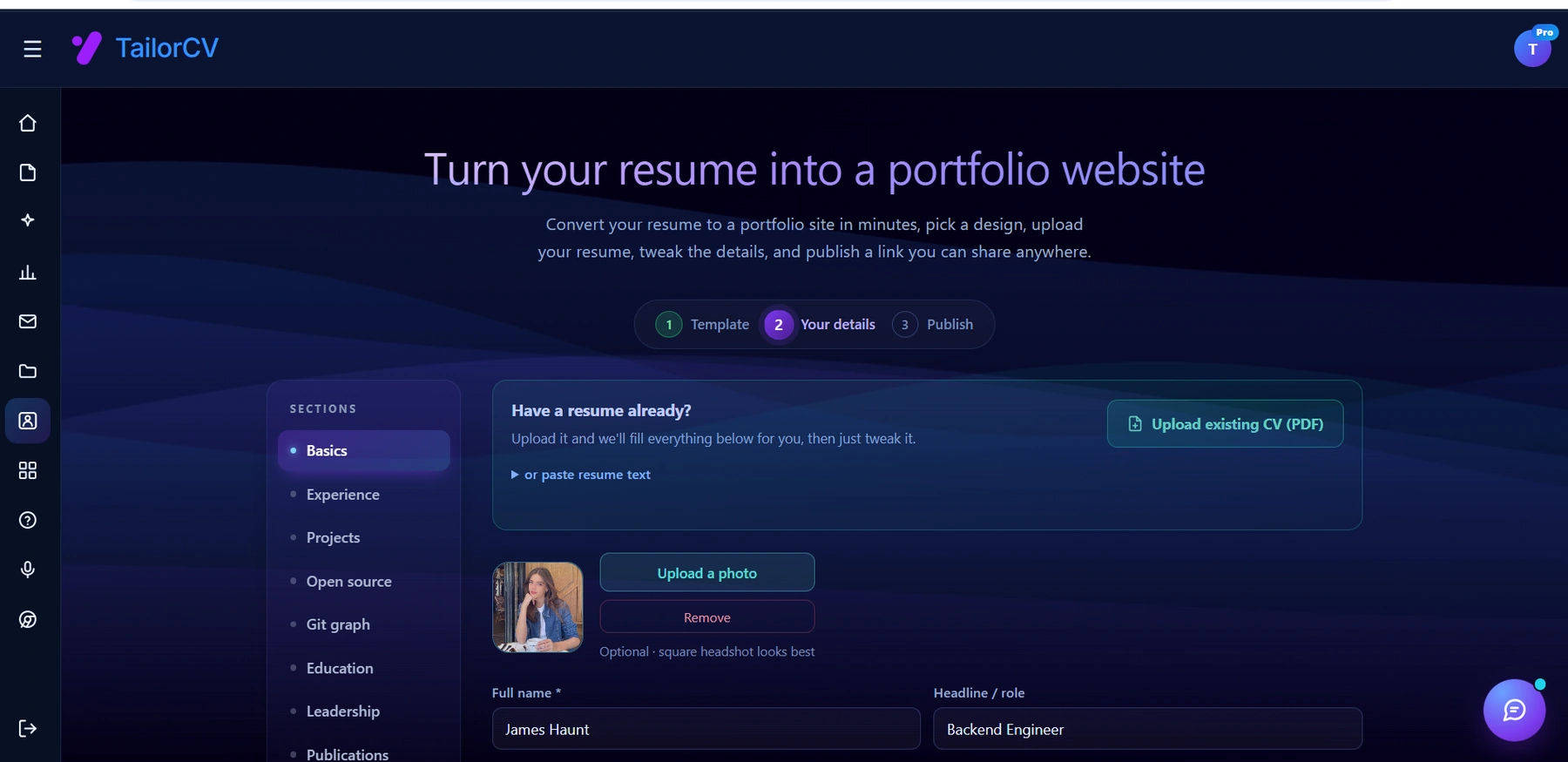
The three steps are template, details, publish. Uploading an existing CV fills in the details step for you, which is why this takes minutes rather than a weekend.
Common Mistakes
- A grab-bag of unrelated samples
- No published links or results
- No clear niche
- Dead links - run the Portfolio Checklist Before You Apply
Pro Tips
- Lead with your three strongest, most relevant pieces.
- For copy, show the brief and the result, not just the words.
- Generate your writer site from your resume with the portfolio builder.
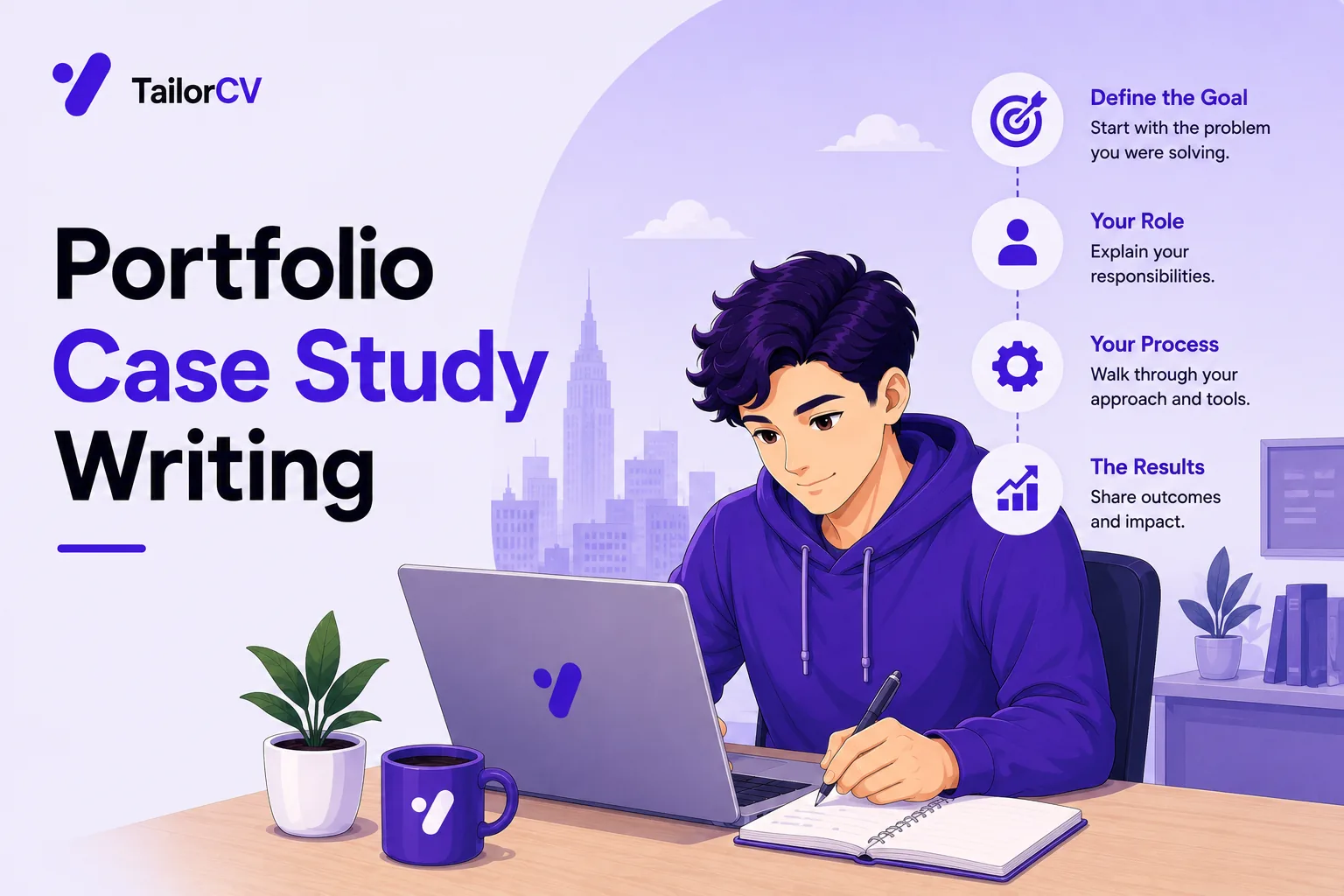
Crafting Engaging Case Studies
Incorporating detailed case studies into your portfolio can significantly enhance your credibility as a content writer or copywriter. A well-structured case study not only showcases your skills but also demonstrates your problem-solving abilities and the impact of your work. Follow these steps to create compelling case studies:
-
Select Relevant Projects: Choose projects that highlight your best work and are relevant to the types of clients you want to attract. Ideally, these should demonstrate your versatility and expertise in different writing styles and industries.
-
Outline the Challenge: Clearly define the problem your client faced. This sets the stage for your contribution and helps potential clients relate to the scenario.
-
Detail Your Approach: Describe the strategies and techniques you employed to address the challenge. Be specific about your writing process, the tools you used, and any research conducted.
-
Showcase Results: Use metrics or qualitative feedback to illustrate the success of your work. This could include increased engagement rates, improved SEO rankings, or client testimonials.
-
Include Visuals: If applicable, add visuals such as screenshots or graphs to make the case study more engaging and easier to digest.
For a detailed breakdown, check out our guide on How to Write a Portfolio Case Study (Template + Examples).
Developing a Cohesive Narrative
Your portfolio should tell a cohesive story about your career as a content writer or copywriter. Here’s how to develop a narrative that resonates with potential employers or clients:
-
Chronological Flow: Arrange your samples in a way that reflects your growth and evolution as a writer. Start with your earliest work and progress to your most recent projects to show how your skills have developed over time.
-
Highlight Key Transitions: If you’ve made significant career shifts (e.g., from blogging to technical writing), make sure to emphasize these transitions. Explain how they contributed to your overall skill set.
-
Personal Touch: Include short anecdotes or insights about why you chose certain projects or what you learned from them. This personal touch can make your portfolio feel more relatable.
Creating a Mini-Checklist for Portfolio Optimization
Before launching or updating your portfolio, run through this mini-checklist to ensure it's optimized for potential clients or employers:
- unchecked: Is the layout clean and professional?
- unchecked: Are all links functional and directing to the correct samples?
- unchecked: Do I have a variety of writing samples?
- unchecked: Have I included case studies that demonstrate results?
- unchecked: Is my About section engaging and reflective of my personality?
- unchecked: Have I ensured my contact information is easy to find?
- unchecked: Is my resume aligned with the content in my portfolio?
- unchecked: Have I solicited feedback from peers or mentors on my portfolio?
Common Mistakes to Avoid
When creating your portfolio, be aware of these common pitfalls that can undermine its effectiveness:
-
Overloading with Samples: Avoid including too many samples. Select your best work that aligns with your target audience, as quality trumps quantity.
-
Neglecting SEO: If your portfolio is online, ensure it’s optimized for search engines. Use relevant keywords in your project descriptions and titles to increase visibility.
-
Ignoring Mobile Users: Many potential clients will view your portfolio on mobile devices. Ensure your portfolio is mobile-friendly and looks good on various screen sizes.
-
Lack of Updates: Regularly update your portfolio with new samples and remove outdated work. This shows that you are active and continually improving.
Utilizing AI Tools for Portfolio Enhancement
In today’s digital landscape, leveraging AI tools can streamline the process of building and enhancing your portfolio. Here’s how to effectively incorporate these tools:
-
Content Creation: Use AI writing assistants to help draft content or brainstorm ideas. This can save time and enhance creativity, particularly for brainstorming new project ideas.
-
Design Assistance: Platforms like Canva can help you create visually appealing layouts and graphics for your portfolio, making it more engaging.
-
Portfolio Builders: Consider using AI-driven portfolio builders that require no coding skills. These platforms often offer customizable templates that can simplify the design process. Check out our guide on How to Build a Portfolio With AI - No Coding Required.
By following these strategies and tips, you can create an impressive portfolio that effectively showcases your skills and attracts potential clients or employers.
Frequently Asked Questions
How many samples should a writer show?
10-15, tightly curated to the work you want. Quality and relevance beat volume.
I have no published work yet - what do I do?
Write realistic spec pieces and publish your own posts. See What to Put in Your Portfolio With No Projects and Build a Portfolio With No Experience.
How do I align my resume?
Use the Content Writer Resume guide and the Technical Writer Resume guide.
Build Your Portfolio Now
You do not need to code a site from scratch or spend a weekend wrestling with a website builder. Turn your existing resume into a live, shareable portfolio website in minutes with the TailorCV portfolio builder - choose a template, upload your CV, tweak the details, and publish a link you can drop straight onto your resume and LinkedIn. Before you start applying, run your resume through the free ATS score checker and switch to an ATS-friendly template so your portfolio and resume tell one clean, consistent story to every recruiter.
Related Guides
- How to Build a Professional Portfolio
- Content Writer Resume 2026
- Technical Writer Resume 2026
- Marketing Portfolio Guide
- Freelancing vs Full-Time Employment
- Personal Branding for Professionals
- Portfolio About Me Section
- Portfolio Contact Section
- How to Quantify Resume Achievements
- Portfolio Checklist Before You Apply
- How to Host Your Portfolio for Free
- Portfolio Mistakes to Avoid
- Teacher and Educator Portfolio Guide: Showcase Your Classroom Impact
Make This Practical
If this topic connects to your work samples, turn the advice into a live proof page with the TailorCV portfolio builder. After publishing, add the link correctly using How to Add Your Portfolio Link to Your Resume, tighten the page with the Portfolio Checklist Before Applying, and make sure recruiters can contact you through a clean Portfolio Contact Section.
Your portfolio works best when it supports the resume, not when it replaces it. Run the resume through the free ATS score checker, choose an ATS-friendly resume template, and use Portfolio SEO: Get Found so your name, role, and strongest projects are easier to discover.
Related Guides to Strengthen This Topic
Use these internal guides to connect this topic with the rest of your job-search workflow:
- How to Build a Professional Portfolio
- Portfolio Website for Job Applications
- Portfolio Checklist Before Applying
- Portfolio Mistakes to Avoid
- How to Write Portfolio Case Study
- Add Portfolio Link to Resume
- Resume Matching With Job Description
- ATS-Friendly Resume Builder
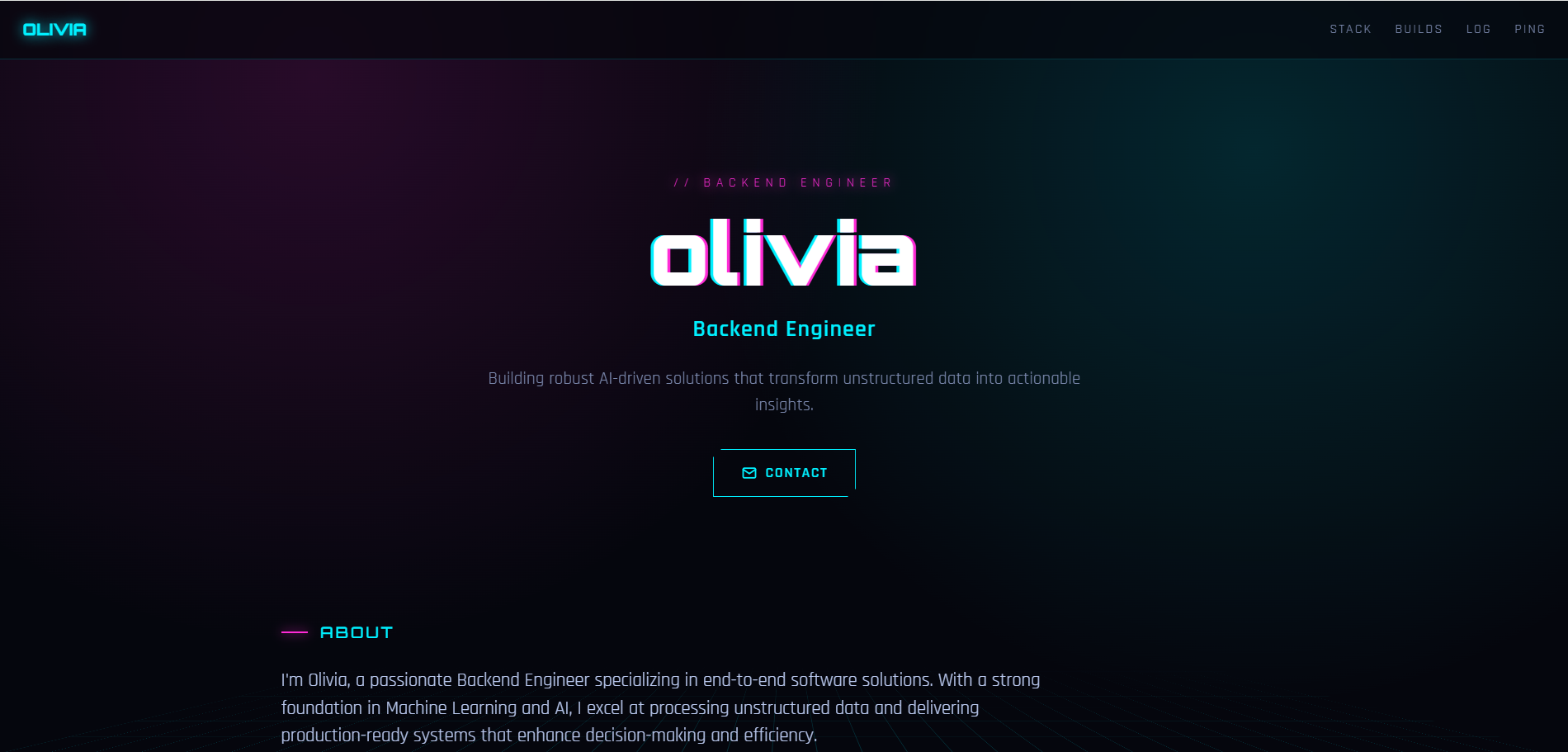
See what your portfolio could look like
This theme is built straight from your resume — pick one and your portfolio is live in minutes.
Was this guide useful?
Be the first to rate it.