TD
TD
Key Takeaways
- Prioritize quality over quantity by showcasing 3-5 strong projects instead of many weaker ones.
- Include measurable outcomes for each project to demonstrate impact and effectiveness.
- Provide context for each project by clearly stating the problem, target audience, constraints, and your role.
- Ensure your portfolio is technically sound by checking for dead links and optimizing for mobile and speed.
- Keep your portfolio updated with fresh content and a clear contact path to facilitate hiring opportunities.
A weak portfolio can sink a strong candidate. The good news: almost every portfolio mistake is fast to fix once you know to look for it. Here are the 11 that cost the most interviews, with the fix for each. Pair this with the Portfolio Checklist: 20 Things to Check Before You Apply and the full How to Build a Professional Portfolio in 2026 - Guide for All Industries.
Content Mistakes
-
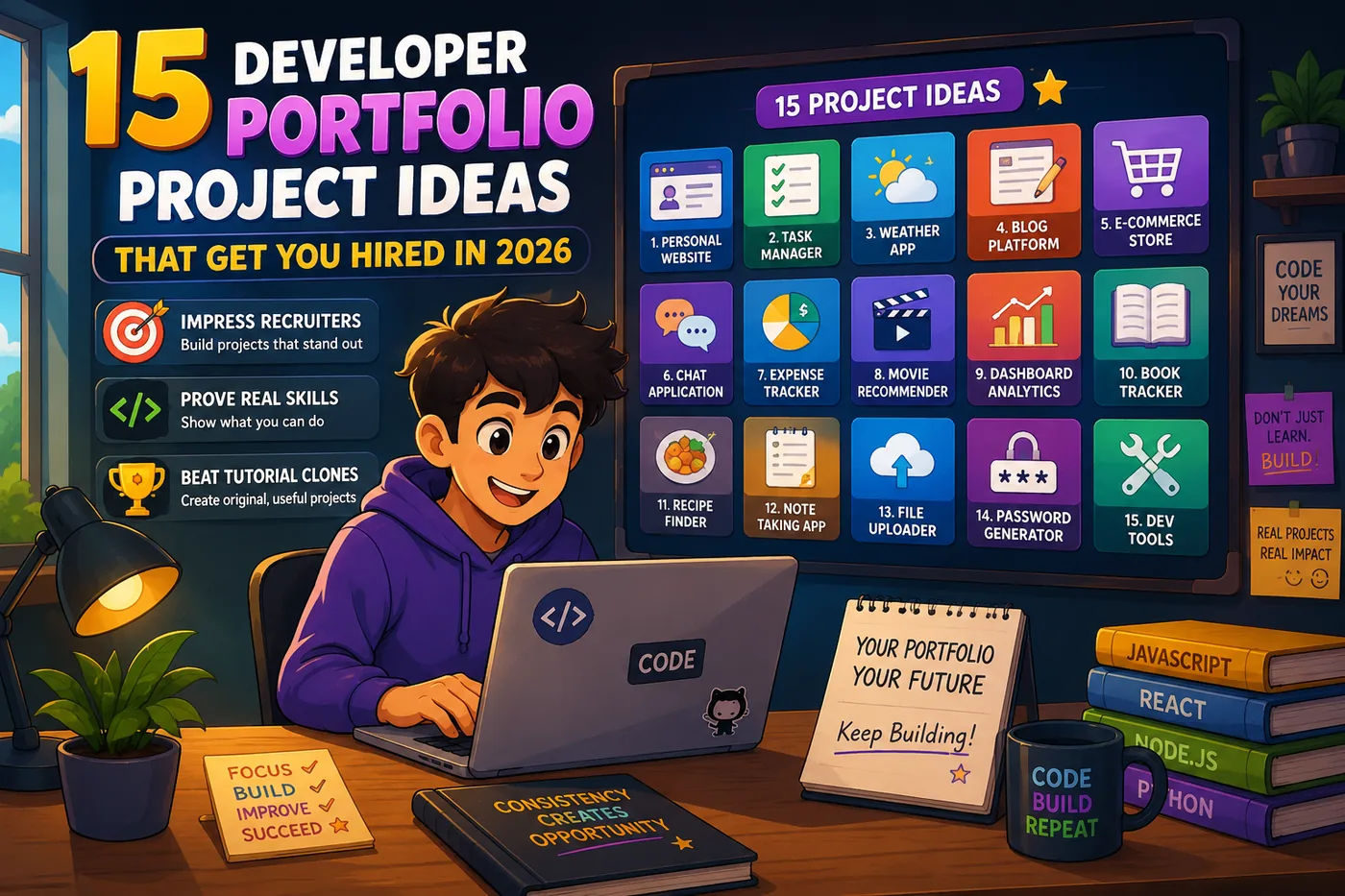
Quantity over quality. Ten clones look worse than three strong, real projects. - Fix: Cut ruthlessly; lead with your best. Focus on quality over quantity. Use the 15 Developer Portfolio Project Ideas for stronger project choices. - Concrete Steps:
- Review each project and ask yourself if it showcases your best skills.
- Eliminate any project that doesn’t demonstrate a unique skill or outcome. Aim for 3-5 high-quality projects.
-
No outcomes. Deliverables without results are half a story. - Fix: Add a metric or proxy to every piece (How to Quantify Resume Achievements). - Real Example: Instead of stating "Designed a website," say "Designed a website that increased user engagement by 25% over three months." - Common Mistake: Many portfolios show only the work done, neglecting to mention the impact it had.
-
No context. A screenshot with no problem statement is just decoration. - Fix: Use the How to Write a Portfolio Case Study structure. - Checklist for Context:
- What was the problem you aimed to solve?
- Who was the target audience?
- What were the constraints (time, budget)?
- What was your role in the project?
-
Confidential data. Never publish NDA or client-private work. - Fix: Describe impact without specifics, or get written permission. - Concrete Steps:
- Create anonymized case studies that focus on the skills used rather than the client details.
- Use hypothetical scenarios based on your experience if necessary.
-
Tutorial clones. Recruiters can tell. - Fix: Extend tutorials meaningfully or build from a real problem (What to Put in Your Portfolio When You Have No Projects). - Tips for Originality:
- Modify the tutorial by adding features or changing the design.
- Solve a real-world problem relevant to your desired job market.
Technical Mistakes
-
Dead links. Broken demos and private repos are worse than nothing. - Fix: Audit before every application. - Concrete Steps:
- Use tools like Broken Link Checker to find and fix any dead links.
- Regularly update your portfolio to ensure all links are functional.
-
Slow, heavy site. - Fix: Compress images, go light on frameworks, use a fast host (How to Host Your Portfolio for Free). - Performance Tips:
- Use tools like Google PageSpeed Insights to analyze your site speed and get improvement suggestions.
- Keep your design minimalistic to enhance load times.
-
Not mobile-friendly. Most first views are on phones. - Fix: Test at 320px and up. - Checklist for Mobile Optimization:
- Ensure text is readable without zooming.
- Check that buttons are easily clickable.
- Avoid horizontal scrolling.
Strategy Mistakes
-
No clear contact path. - Fix: Make hiring you effortless (Portfolio Contact Section). - Best Practices:
- Include a dedicated contact page with a simple form.
- List multiple ways to connect (email, LinkedIn, etc.).
-
No call to action.
- Fix: Tell visitors what to do next (view work, hire you, see resume).
- Examples of Effective Calls to Action:
- "Interested in collaborating? Let’s connect!"
- "Check out my resume for more details."
-
Out of date. - Fix: Refresh projects and links before each application; keep resume and portfolio in sync. - Concrete Steps:
- Set a reminder to review and update your portfolio monthly.
- Ensure that all your platforms (LinkedIn, resume, etc.) reflect your most current skills and experiences.
Keep Your Resume and Portfolio in Sync
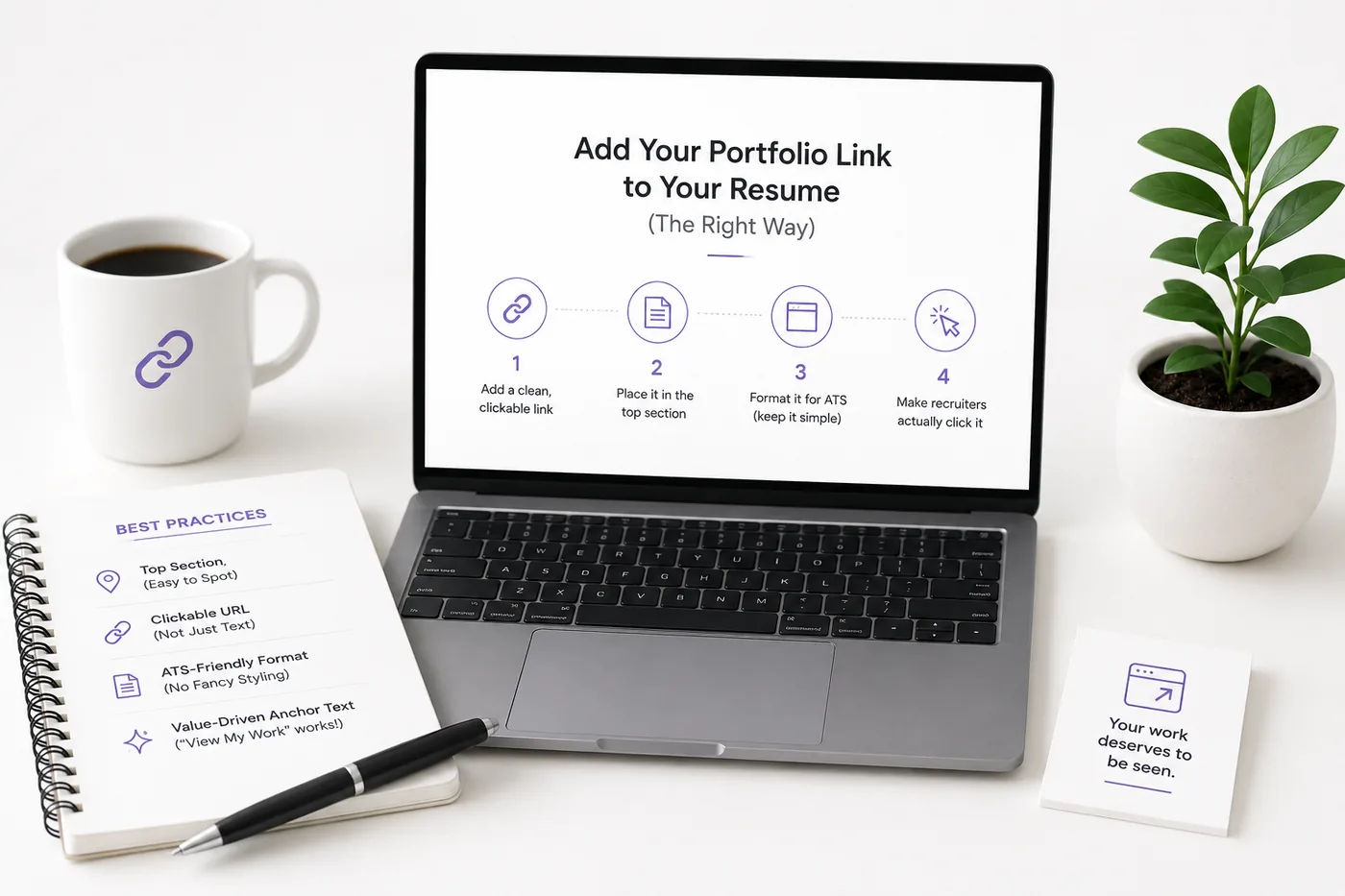
Your resume, your LinkedIn, and your portfolio should tell the same story - same name, same headline, same top projects - just at different levels of depth. A recruiter who sees a 'Full Stack Developer' resume and a portfolio headlined 'Aspiring Designer' gets confused, and confusion loses interviews. Lock the resume down first with the ATS score checker and an ATS-friendly template, then mirror that exact positioning in your portfolio. When they reinforce each other, every recruiter touchpoint pushes you forward. See How to Add Your Portfolio Link to Your Resume for placing the link correctly.
Turning a resume into a portfolio site
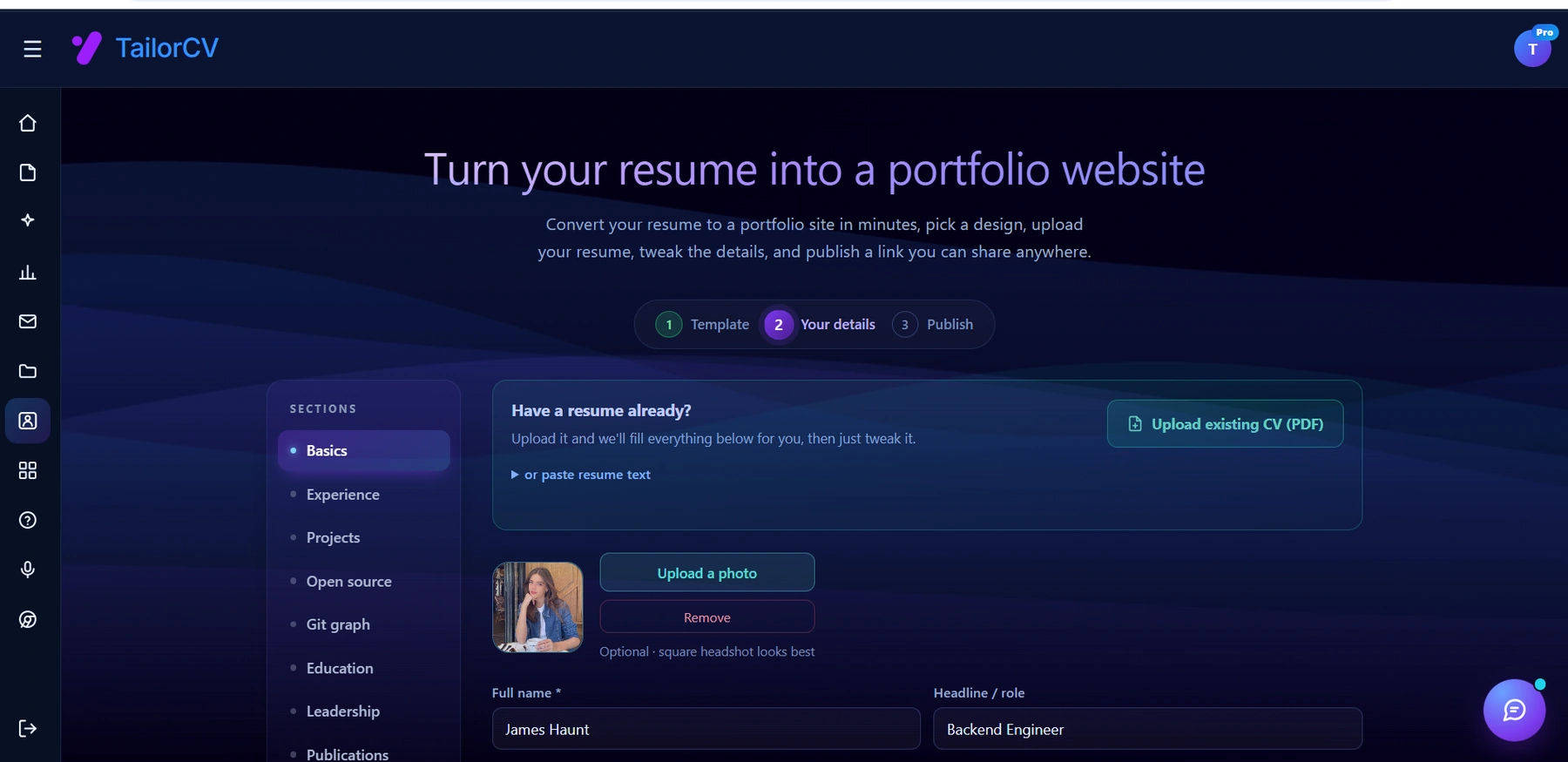
You upload the resume you already have and the sections fill themselves in - basics, experience, projects, education - so building the site is editing rather than starting from an empty page.
Additional Strategies for Success
-
Use a Custom Domain: A professional custom domain (e.g., www.yourname.com) can elevate your portfolio's credibility. Learn how to Put Your Portfolio on a Custom Domain.
-
SEO Optimization: Implementing basic SEO strategies can help your portfolio be found on Google. Check out Portfolio SEO: How to Get Your Portfolio Found on Google for more tips.
-
Leverage AI Tools: If you're short on time or coding skills, consider using AI tools to create your portfolio. Check out How to Build a Portfolio With AI - No Coding Required for a step-by-step guide.
Pro Tips
-
User Testing: Ask a friend to use your portfolio on their phone and watch where they get stuck. Their feedback can provide invaluable insights.
-
Highlight Your Best Work: Lead with your single strongest project above the fold. This is the first thing potential employers will see, so make it count.
-
Consider a Portfolio Builder: If yours is a mess, rebuild fast and clean with the portfolio builder. It can save you time and help you create a polished presentation of your work.
By addressing these common portfolio mistakes and implementing the suggested fixes, you can significantly enhance your chances of landing interviews. A strong, well-organized portfolio not only showcases your skills but also tells a compelling story that resonates with potential employers.
Frequently Asked Questions
Why is my portfolio not getting responses?
Usually a mix of weak project choice, no outcomes, or a resume that never gets you shortlisted. Fix the resume with the ATS checker and tighten the portfolio with this list.
How often should I update my portfolio?
Before every job search push, and whenever you finish a notable project. Audit links every time.
Is one strong project enough?
It can carry a junior candidate, but aim for three. Depth plus a little breadth converts best. Consider how to build a professional portfolio for more insights.
Build Your Portfolio Now
You do not need to code a site from scratch or spend a weekend wrestling with a website builder. Turn your existing resume into a live, shareable portfolio website in minutes with the TailorCV portfolio builder - choose a template, upload your CV, tweak the details, and publish a link you can drop straight onto your resume and LinkedIn. Before you start applying, run your resume through the free ATS score checker and switch to an ATS-friendly template so your portfolio and resume tell one clean, consistent story to every recruiter.
Related Guides
- How to Build a Professional Portfolio
- Portfolio Checklist Before You Apply
- How to Write a Portfolio Case Study
- Portfolio Contact Section
- Portfolio SEO: Get Found
- Portfolio About Me Section
- How to Quantify Resume Achievements
- 15 Developer Portfolio Project Ideas
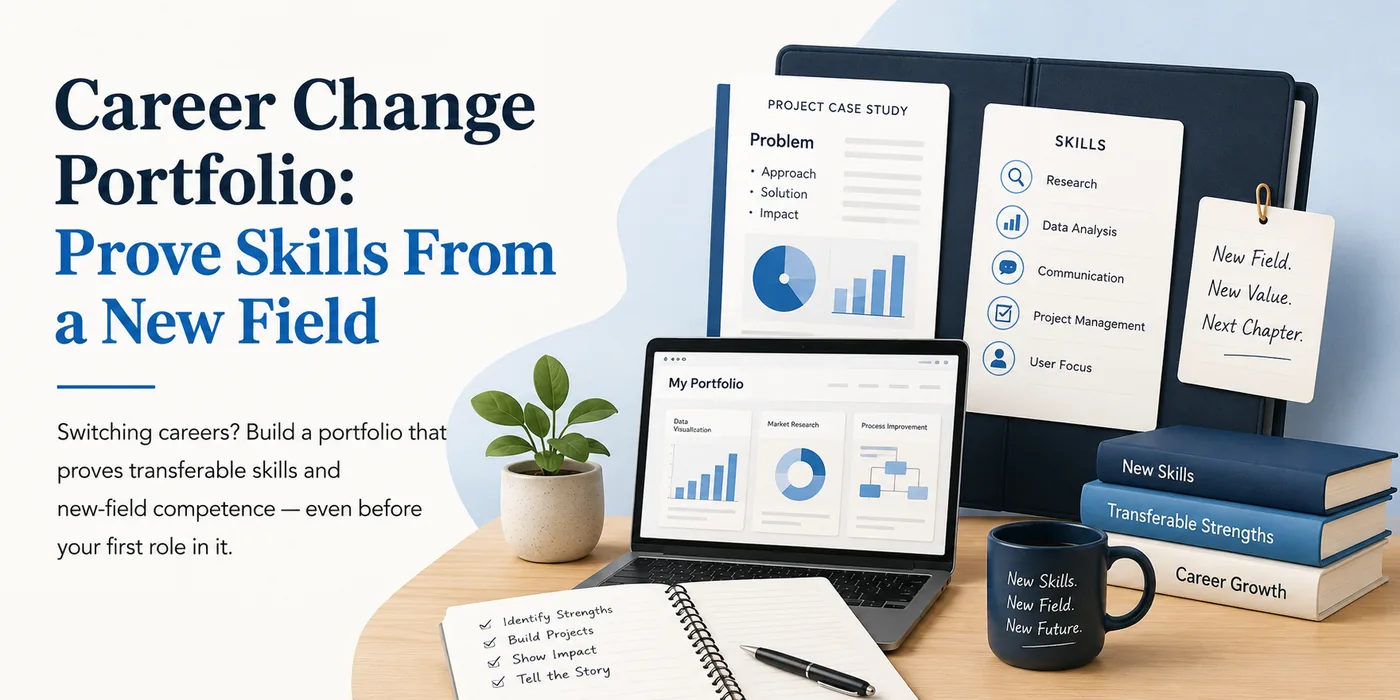
- What to Put in Your Portfolio With No Projects
- How to Host Your Portfolio for Free
- Turn Your Resume Into a Portfolio in Minutes
- How to Add Your Portfolio Link to Your Resume
Make This Practical
If this topic connects to your work samples, turn the advice into a live proof page with the TailorCV portfolio builder. After publishing, add the link correctly using How to Add Your Portfolio Link to Your Resume, tighten the page with the Portfolio Checklist Before Applying, and make sure recruiters can contact you through a clean Portfolio Contact Section.
Your portfolio works best when it supports the resume, not when it replaces it. Run the resume through the free ATS score checker, choose an ATS-friendly resume template, and use Portfolio SEO: Get Found so your name, role, and strongest projects are easier to discover.
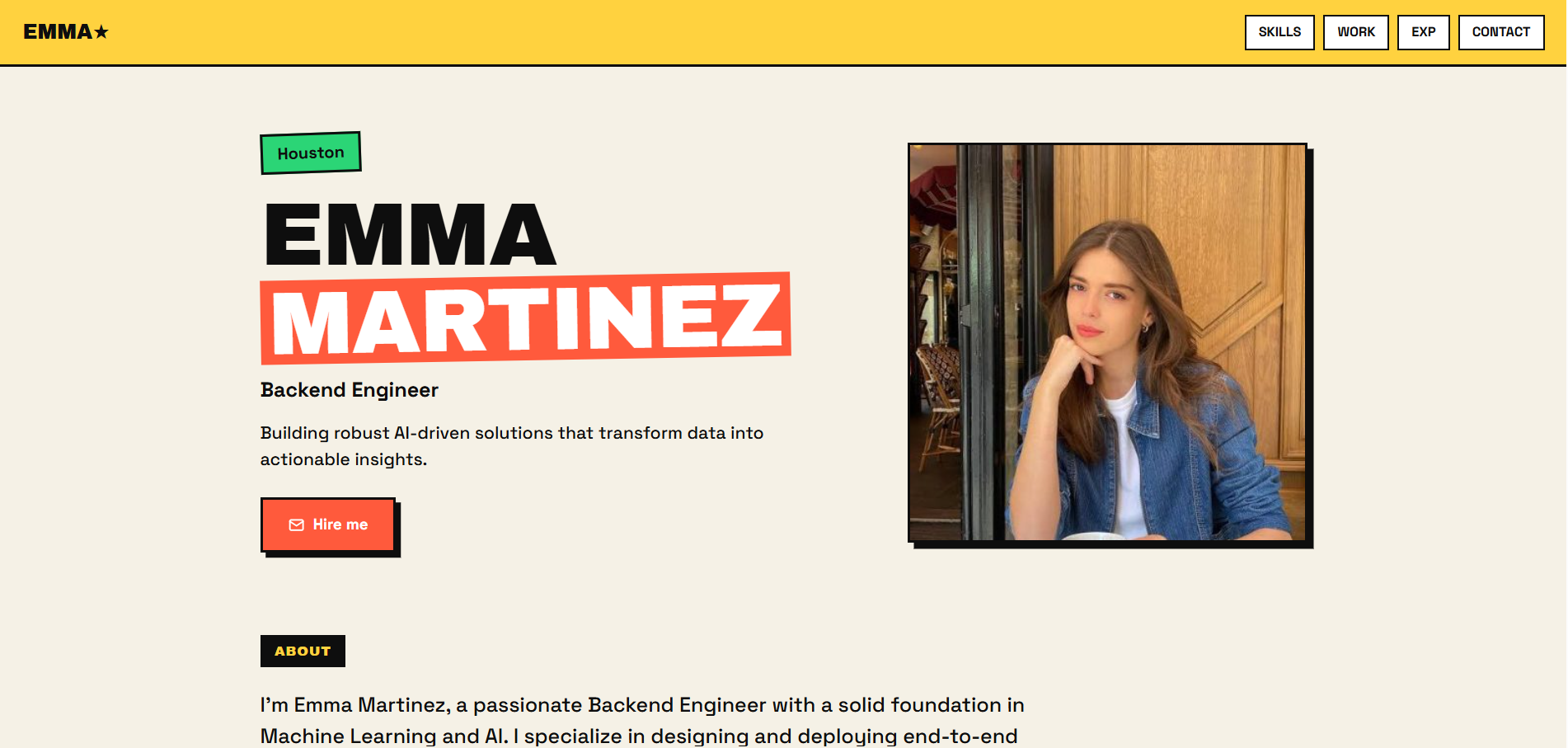
See what your portfolio could look like
This theme is built straight from your resume — pick one and your portfolio is live in minutes.
Was this guide useful?
Be the first to rate it.