 SS
SS
Key Takeaways
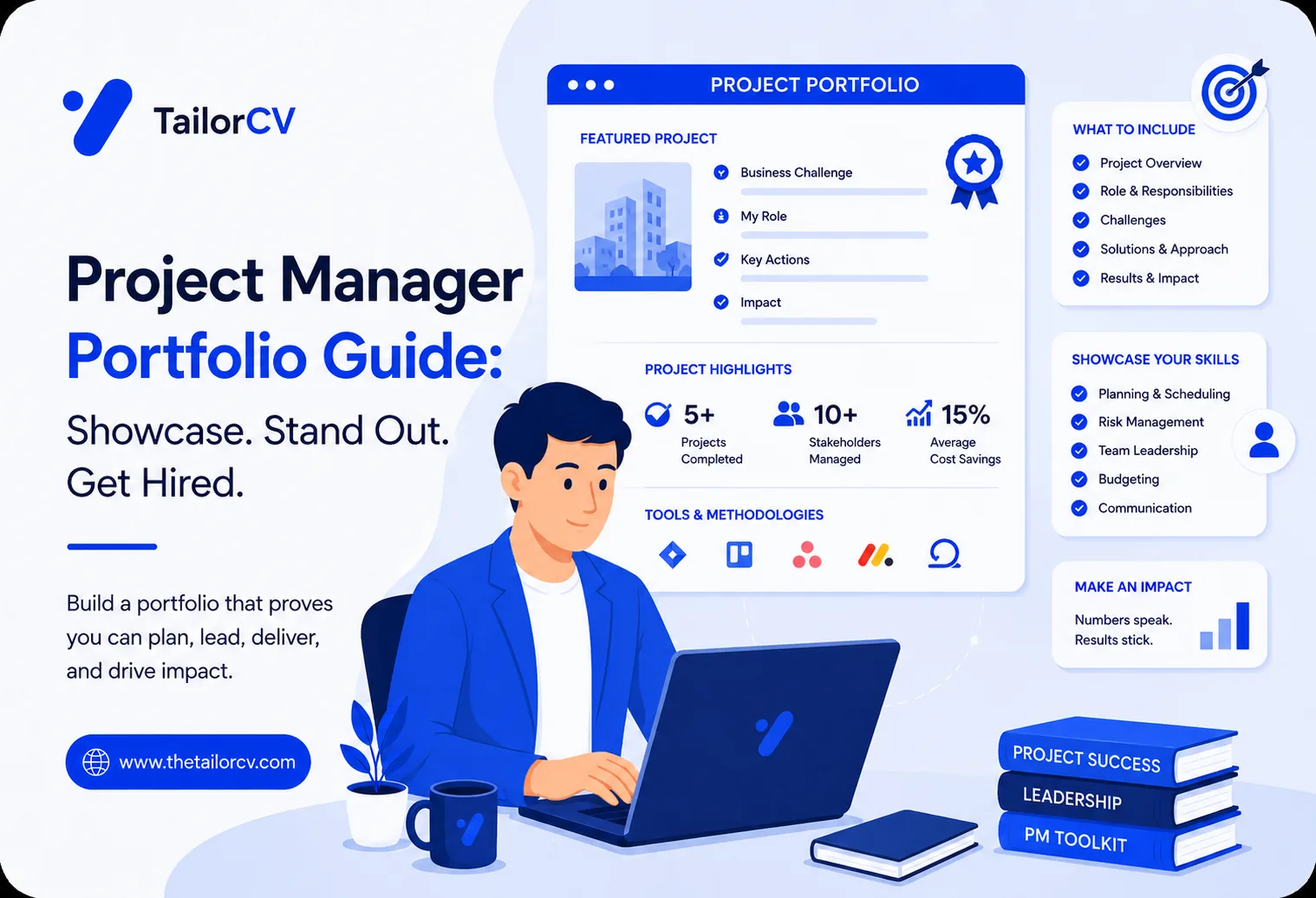
- A strong PM portfolio should include 2-3 diverse case studies that demonstrate product thinking and measurable impact.
- Each case study must cover the problem, options considered, what was shipped, and the measurable outcome to showcase prioritization and judgment.
- Incorporate user feedback and visual storytelling to enhance engagement and clarity in your case studies.
- Include essential artifacts like a PRD, roadmap, user stories, and experiment plans to illustrate your product management skills.
- Ensure your portfolio is skimmable by using headings, bullet points, and highlighting key metrics for quick comprehension.
Product Manager Portfolio Guide: Prove You Can Ship
PM portfolios are still rare - which is exactly why one sets you apart. While other candidates send a resume and hope, you hand the hiring manager evidence of product thinking and shipped impact. Pair this with How to Build a Professional Portfolio and the template in How to Write a Portfolio Case Study.
Build 2-3 Product Case Studies
Each case study should cover:
- The problem and the user (with the data that revealed it)
- The options you weighed and the trade-offs
- What you shipped and how you de-risked it
- The measurable outcome
Show prioritization and judgment, not just a feature list - that is what PM interviews probe.
Tips for Crafting Compelling Case Studies
-
Choose Diverse Projects: Select projects that showcase a range of skills and experiences, such as launching a new product, enhancing an existing one, or resolving a critical issue. This diversity demonstrates your adaptability and breadth as a PM.
-
Incorporate User Feedback: Highlight how user feedback influenced your decisions. For instance, if user testing revealed a significant pain point, detail how you adjusted your approach based on that feedback.
-
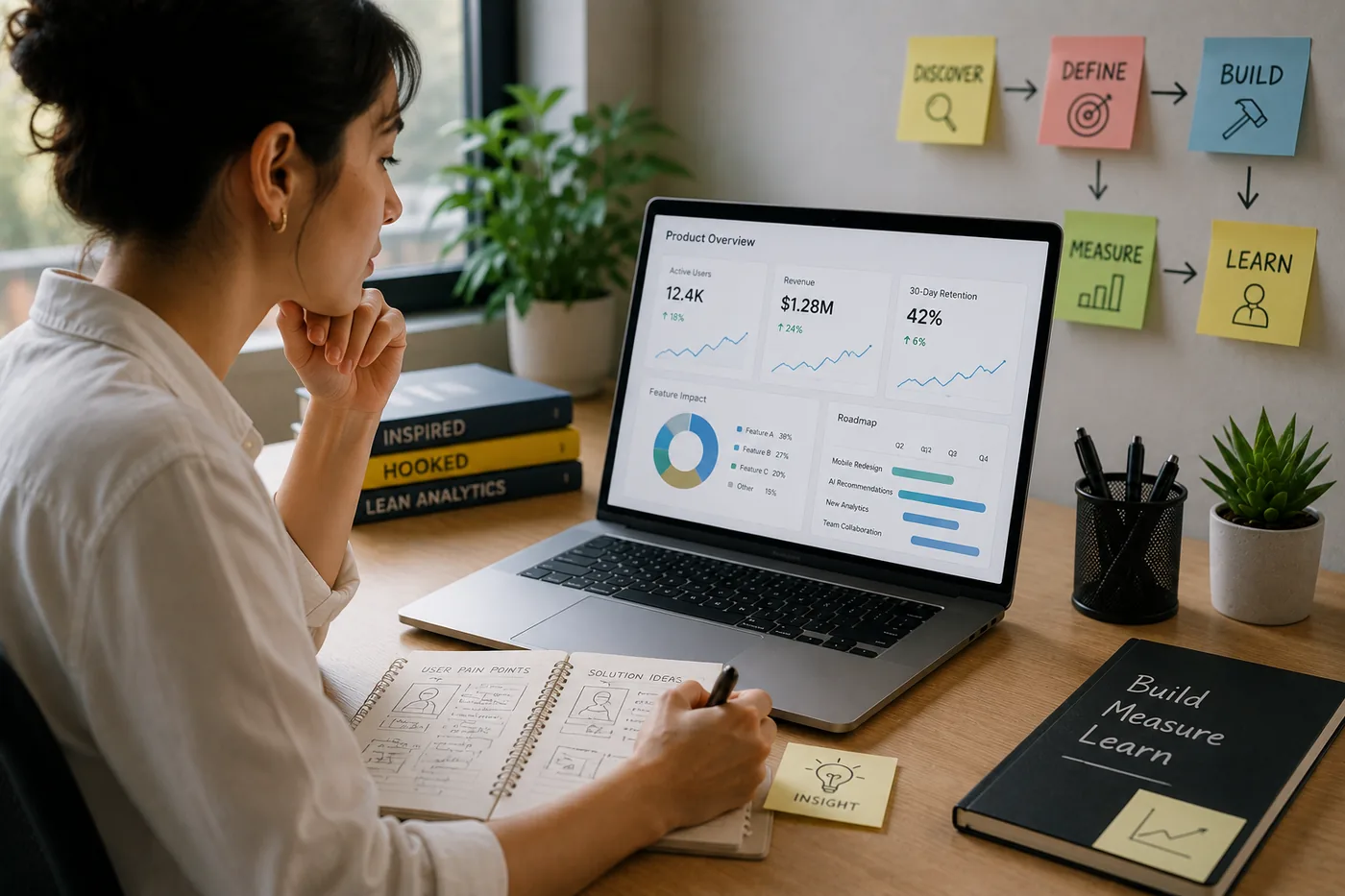
Visual Storytelling: Use visuals to make your case studies more engaging. Include graphs, user personas, or journey maps that illustrate the problem and solution effectively. Visuals can simplify complex information and make your portfolio skimmable.
-
Narrative Structure: Frame your case studies with a clear beginning, middle, and end. Start with the problem, explain your approach, and conclude with the results. This narrative flow keeps readers engaged and makes your thought process easier to follow.
Quantify Impact
Activation, retention, conversion, revenue, NPS, or time saved. Tie each metric to the decision you made. See How to Quantify Resume Achievements.
Examples of Measurable Outcomes
| What | Details |
|---|---|
| Activation Rate | "After implementing a new onboarding process, activation rates increased by 25% within three months." |
| Retention Rate | "By introducing a feature based on user feedback, we improved retention by 15% year-over-year." |
| Revenue Growth | "Our latest product launch contributed to a 30% increase in quarterly revenue." |
| NPS Improvement | "Customer satisfaction scores improved from 60 to 75 after addressing key user pain points." |
Show the Craft Artifacts
- A crisp PRD or one-pager sample
- A prioritization framework you actually used
- A roadmap or experiment plan
- How you partnered with engineering and design
Essential Artifacts to Include
-
Product Requirement Document (PRD): Showcase a well-structured PRD that outlines the product vision, goals, requirements, and acceptance criteria. This demonstrates your ability to communicate effectively with stakeholders.
-
Roadmap: Include a visual representation of your product roadmap. This can help convey your strategic thinking and planning abilities.
-
User Stories: Present user stories that highlight your understanding of user needs. This can provide insight into how you prioritize features based on user impact.
-
Experiment Plans: If you conducted A/B testing or other experiments, include a summary of your planning, execution, and results. This reflects your data-driven approach to product management.
Keep It Skimmable
Lead every case study with the outcome, then let readers dig in. Your Portfolio About Me Section should state your product philosophy in three sentences.
Checklist for Skimmable Content
- Use Headings and Subheadings: Break down your content into easily digestible sections.
- Bullet Points: Use bullet points for key takeaways, making it easier for hiring managers to grasp important information quickly.
- Highlight Key Metrics: Use bold text or call-out boxes to draw attention to significant outcomes or metrics.
Platforms
A clean personal site works best (Best Portfolio Website Builders 2026, How to Host Your Portfolio for Free); Notion is a fast, credible option for PMs.
Recommended Portfolio Platforms
-
Personal Website: A custom domain gives you full control over branding and content. Platforms like WordPress or Squarespace allow for customizable designs.
-
Notion: An excellent tool for PMs due to its flexibility and collaborative features. You can easily create a structured portfolio with embedded elements like tables, images, and links.
-
GitHub Pages: If you're comfortable with coding, GitHub Pages can host your portfolio for free and showcase your technical skills simultaneously.
-
Behance or Dribbble: While primarily for designers, these platforms allow you to present your work visually, which can be beneficial if you have a design-oriented product.
Keep Your Resume and Portfolio in Sync
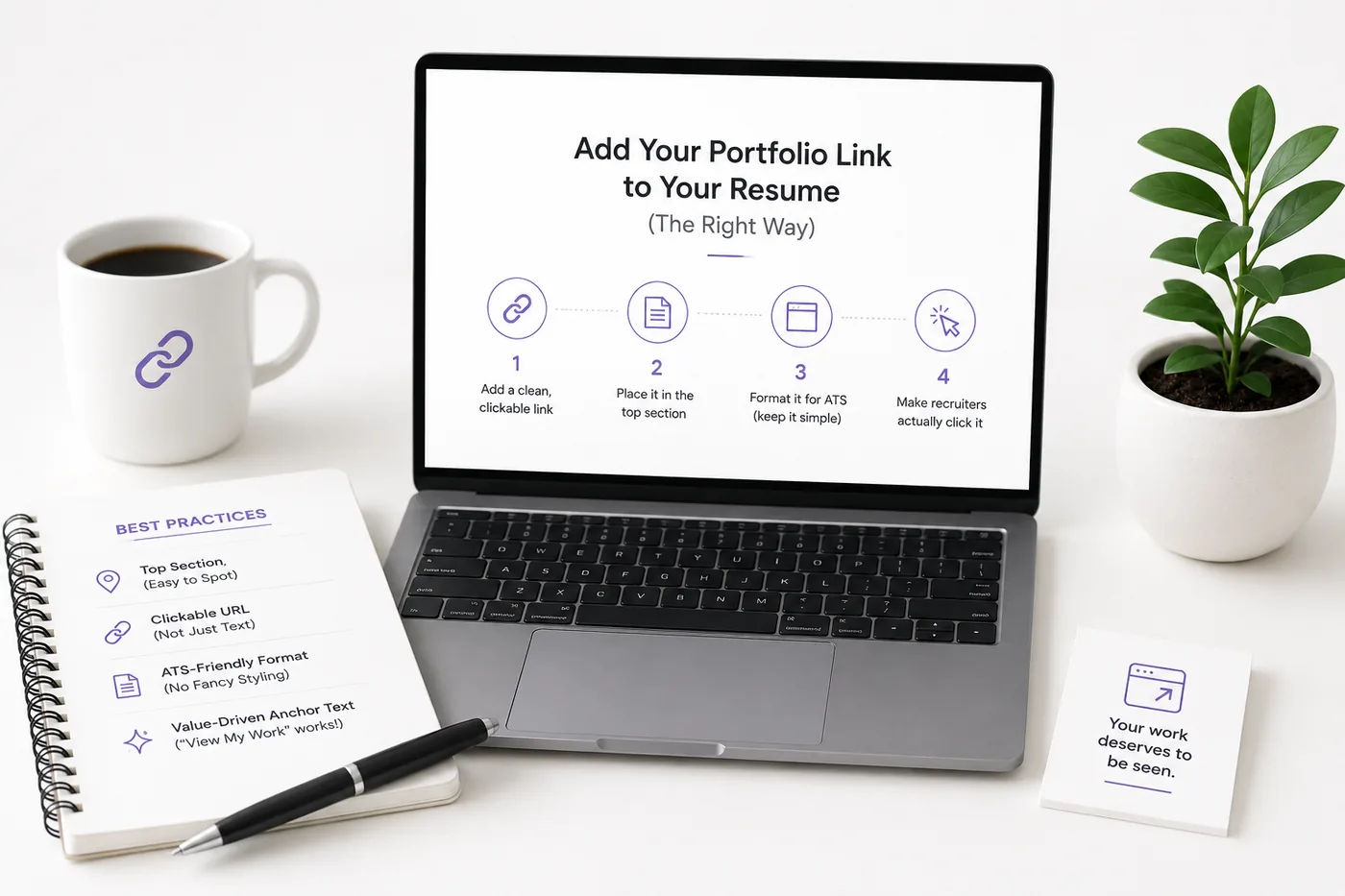
Your resume, your LinkedIn, and your portfolio should tell the same story - same name, same headline, same top projects - just at different levels of depth. A recruiter who sees a 'Full Stack Developer' resume and a portfolio headlined 'Aspiring Designer' gets confused, and confusion loses interviews. Lock the resume down first with the ATS score checker and an ATS-friendly template, then mirror that exact positioning in your portfolio. When they reinforce each other, every recruiter touchpoint pushes you forward. See How to Add Your Portfolio Link to Your Resume for placing the link correctly.
Synchronization Checklist
- Consistent Language: Use the same terminology across your resume and portfolio to avoid confusion.
- Top Projects: Highlight the same projects in your resume and portfolio, but provide different levels of detail.
- Profile Picture and Bio: Ensure your LinkedIn profile picture and bio match your portfolio for a cohesive personal brand.
Common Mistakes
- Feature lists with no outcomes
- No evidence of prioritization or trade-offs
- Confidential roadmaps shown without permission
- Dead links - run the Portfolio Checklist Before You Apply
Turning a resume into a portfolio site
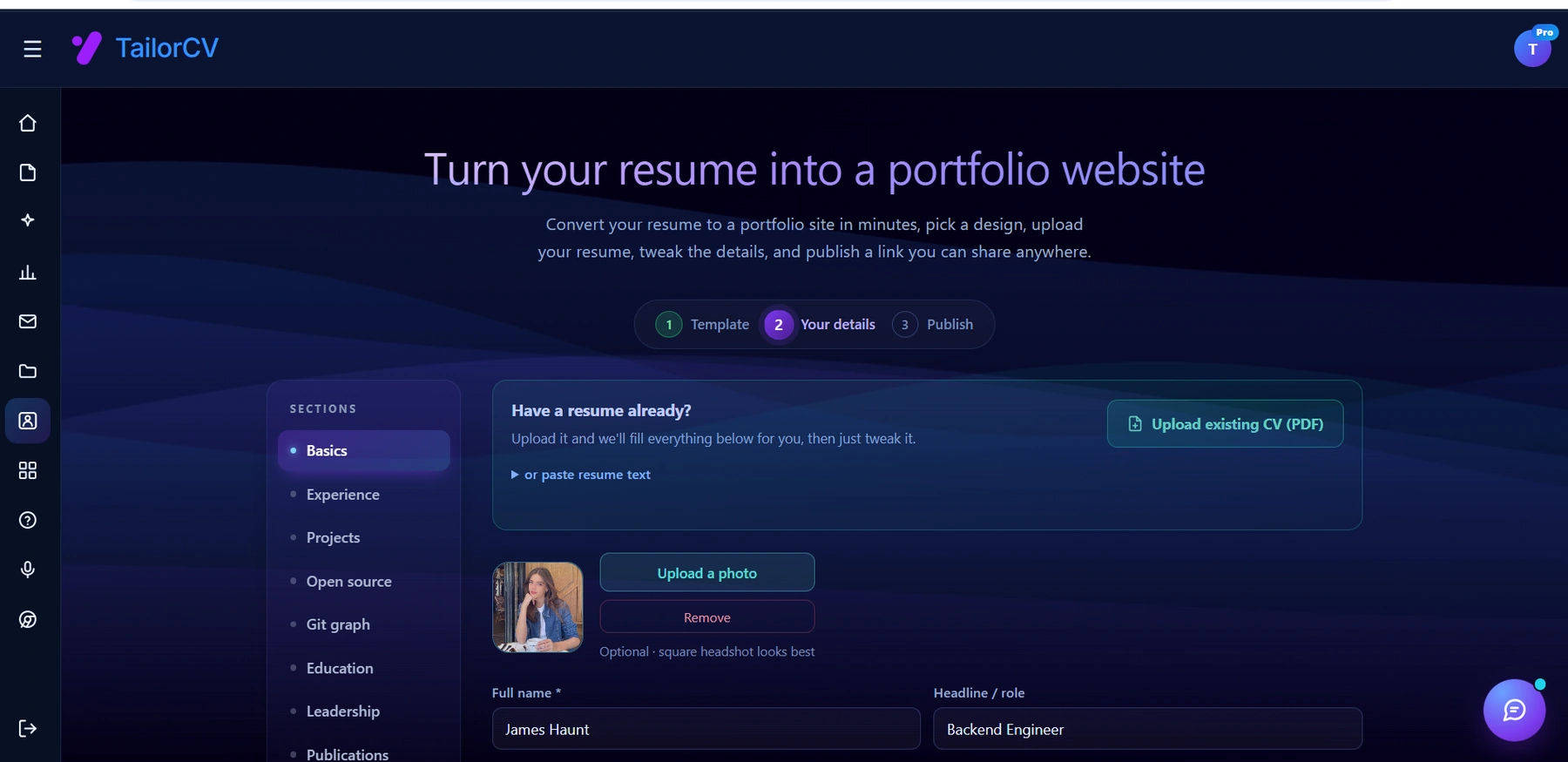
The three steps are template, details, publish. Uploading an existing CV fills in the details step for you, which is why this takes minutes rather than a weekend.
Additional Common Pitfalls
-
Overly Technical Language: Avoid jargon that may alienate non-technical hiring managers. Focus on clarity and accessibility.
-
Neglecting User Experience: Ensure your portfolio is user-friendly. A cluttered or confusing layout can detract from your content.
-
Ignoring Feedback: Seek input from peers or mentors on your portfolio. Fresh eyes can spot areas for improvement that you might overlook.
-
Outdated Content: Regularly update your portfolio with new projects and metrics. An outdated portfolio can signal stagnation in your career.
Pro Tips
- Include one "what I would do differently" reflection - it signals seniority.
- Show the metric that mattered most, prominently.
- Generate your PM portfolio from your resume with the portfolio builder.
Expert Recommendations
- Networking: Share your portfolio with industry peers and mentors for feedback. This can lead to valuable insights and potential job referrals.
- Mock Interviews: Practice explaining your portfolio in mock interviews. This helps you articulate your thought process and experience confidently. Check out mock interview resources for guidance.
- Continuous Learning: Stay updated on product management trends and methodologies. Incorporate new insights into your portfolio to show growth and adaptability.
By following this comprehensive guide, you can create a standout product manager portfolio that not only demonstrates your skills and accomplishments but also positions you as a strong candidate in the competitive job market.
Frequently Asked Questions
Do PMs really need a portfolio?
Most do not have one, which is the point. Two strong case studies can be the difference in a competitive PM search.
What if my work is confidential?
Describe outcomes with rounded numbers and no sensitive specifics, or use a concept case study.
How do I align my resume?
Use the Product Manager Resume guide and Resume Matching for Product Managers.
Build Your Portfolio Now
You do not need to code a site from scratch or spend a weekend wrestling with a website builder. Turn your existing resume into a live, shareable portfolio website in minutes with the TailorCV portfolio builder - choose a template, upload your CV, tweak the details, and publish a link you can drop straight onto your resume and LinkedIn. Before you start applying, run your resume through the free ATS score checker and switch to an ATS-friendly template so your portfolio and resume tell one clean, consistent story to every recruiter.
Related Guides
- How to Build a Professional Portfolio
- Product Manager Resume 2026
- How to Write a Portfolio Case Study
- How to Quantify Resume Achievements
- Resume Matching for Product Managers
- Personal Branding for Professionals
- Portfolio About Me Section
- UX Designer Portfolio Guide
- Portfolio Checklist Before You Apply
- Portfolio Mistakes to Avoid
- How to Host Your Portfolio for Free
- Best Portfolio Website Builders 2026
Make This Practical
If this topic connects to your work samples, turn the advice into a live proof page with the TailorCV portfolio builder. After publishing, add the link correctly using How to Add Your Portfolio Link to Your Resume, tighten the page with the Portfolio Checklist Before Applying, and make sure recruiters can contact you through a clean Portfolio Contact Section.
Your portfolio works best when it supports the resume, not when it replaces it. Run the resume through the free ATS score checker, choose an ATS-friendly resume template, and use Portfolio SEO: Get Found so your name, role, and strongest projects are easier to discover.
Related Guides to Strengthen This Topic
Use these internal guides to connect this topic with the rest of your job-search workflow:
- How to Build a Professional Portfolio
- Portfolio Website for Job Applications
- Portfolio Checklist Before Applying
- Portfolio Mistakes to Avoid
- How to Write Portfolio Case Study
- Add Portfolio Link to Resume
- Resume Matching With Job Description
- ATS-Friendly Resume Builder
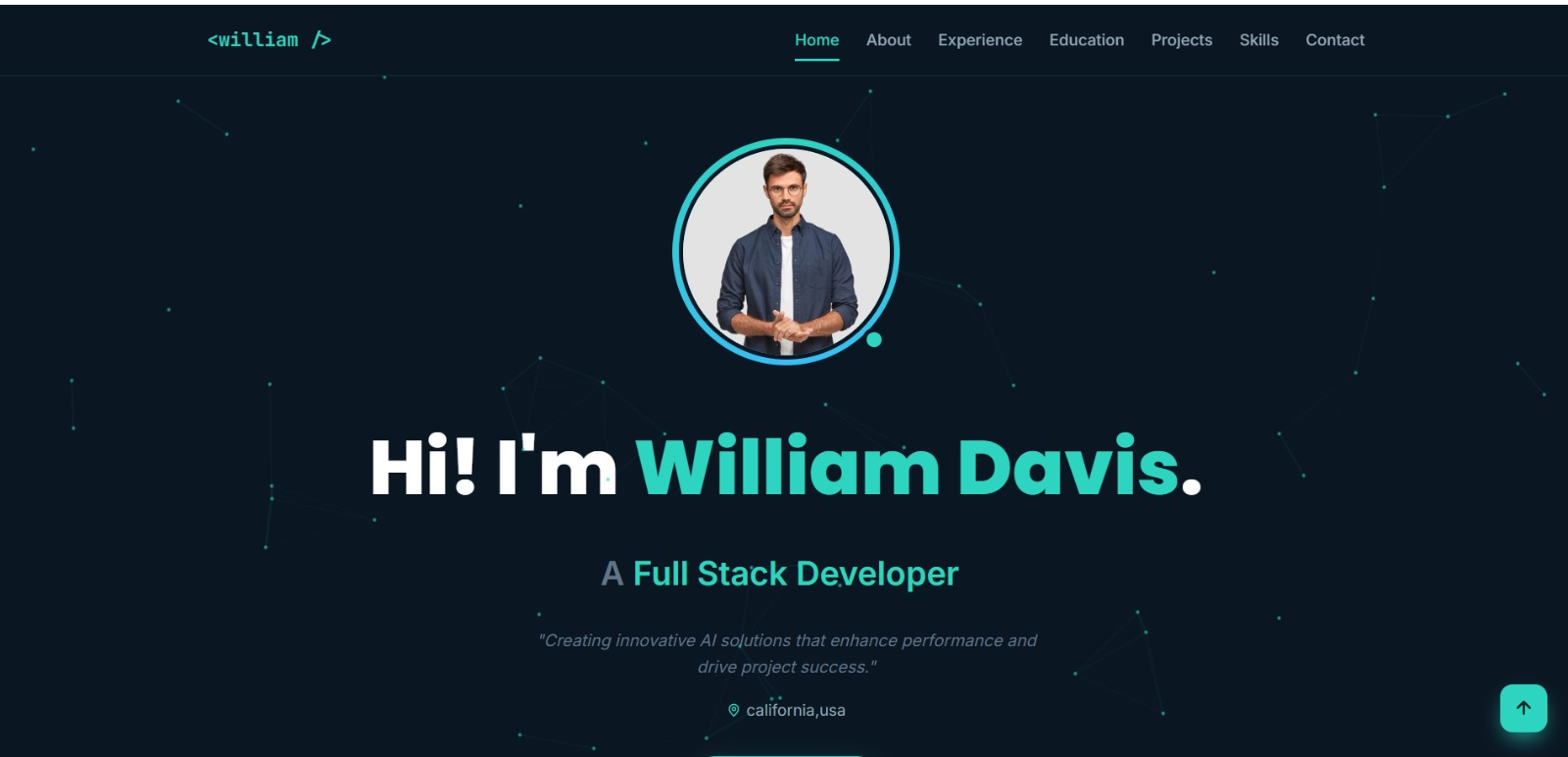
See what your portfolio could look like
This theme is built straight from your resume — pick one and your portfolio is live in minutes.
Was this guide useful?
Be the first to rate it.