 SS
SS

Key Takeaways
- Manager round interviews assess skills, work ethic, team fit, growth potential, and interpersonal compatibility.
- Use the STAR method to structure responses for behavioral questions, focusing on specific contributions and achievements.
- Prepare for problem-solving questions by clearly defining issues, gathering data, evaluating options, and reviewing outcomes.
- Emphasize teamwork and conflict resolution by taking responsibility and acknowledging different perspectives.
- Tailor your preparation to specific roles, focusing on relevant skills and experiences for engineers, data roles, and management positions.
Manager Round Interview Questions - What Hiring Managers Ask in 2026
After HR screens you for fit, the hiring manager evaluates whether you can actually do the job - and do it well on their team. Manager round interviews go deeper than HR: they test technical judgment, problem-solving, leadership, collaboration, and how you handle real workplace scenarios.
This guide covers what hiring managers ask in 2026 and how to prepare with AI mock interviews.
Start with the HR round guide, behavioral interview questions, and complete interview preparation guide. Tailor your resume to the role with the TailorCV ATS checker.
What Hiring Managers Evaluate
- Can you do the job? - skills, experience, judgment
- Will you do the job well? - work ethic, quality standards
- Will you fit the team? - collaboration, communication style
- Will you grow? - learning ability, ambition aligned with team needs
- Can I work with you? - personality, reliability, integrity
Managers often have veto power even if HR liked you. Take this round seriously.
Top Manager Round Questions
Experience and Impact
- "Walk me through your most relevant project"
- "What was your specific contribution vs. the team's?"
- "Tell me about a time you improved a process or metric"
- "Describe your biggest professional achievement"
Use STAR method for all behavioral questions.
Example Response:
When asked to "Describe your biggest professional achievement," you might say: "In my last role, I led a project that reduced our product delivery time by 30%. By implementing a new project management software and streamlining communication, we not only met our deadlines but improved customer satisfaction ratings."
Problem-solving
- "Tell me about a difficult problem you solved"
- "How do you prioritize when everything is urgent?"
- "Describe a time you made a decision with incomplete information"
For technical roles, expect overlap with technical interview prep and coding interview guide.
Concrete Steps:
- Identify the Problem: Clearly define the issue at hand.
- Gather Data: Collect relevant information to inform your decision.
- Evaluate Options: List possible solutions and their pros and cons.
- Make a Decision: Choose the best course of action and implement it.
- Review Outcomes: Assess the results and learn from the experience.
Teamwork and Conflict
- "Tell me about a conflict with a colleague - how did you handle it?"
- "Describe your ideal team dynamic"
- "How do you give and receive feedback?"
See situational interview questions for scenario-based versions.
Common Mistakes:
- Failing to take responsibility for your part in a conflict.
- Not acknowledging the other person's perspective.
- Using vague language instead of specific examples.
Leadership (Even for IC Roles)
- "Tell me about a time you led without authority"
- "How do you mentor junior team members?"
- "Describe a time you had to push back on a stakeholder"
Leadership in Practice:
- Lead by Example: Demonstrate the behaviors and attitudes you want to see in others.
- Empower Others: Encourage team members to take ownership of their tasks.
- Provide Constructive Feedback: Offer guidance that helps others improve.
Role-Specific Depth
- Engineers: system design, trade-offs - system design guide
- Data Roles: analytical approach, stakeholder communication - data analyst resume 2026
- Managers: team building, performance management, strategic planning
Tips for Specific Roles:
- For Engineers: Be prepared to discuss specific technologies and methodologies you’ve used.
- For Data Analysts: Highlight your ability to translate complex data into actionable insights.
Motivation and Fit
- "Why this role on my team specifically?"
- "What do you know about what we're building?"
- "What questions do you have for me?"
Prepare with company research guide and questions to ask.
Key Points to Research:
- Company values and culture.
- Recent projects or initiatives.
- The team’s goals and challenges.
How to Impress a Hiring Manager
1. Speak Their Language
Read the job description. Mirror their priorities in your examples. Use resume matching guide.
2. Show Impact with Numbers
Managers think in outcomes. "Reduced deployment time by 40%" beats "improved deployment process."
Example:
Instead of saying, "I increased sales," say, "I increased sales by 25% over six months by implementing a new client outreach strategy."
3. Demonstrate Ownership
Use "I" for your contributions. Managers want people who take responsibility.
Example:
"I initiated a cross-functional project that led to a 15% increase in customer retention rates."
4. Ask Smart Questions
"What is the biggest challenge facing the team right now?" shows strategic thinking.
More Questions to Consider:
- "How does this role contribute to the company's overall mission?"
- "What are the key performance indicators for this position?"
5. Practice with Mock Interviews
AI mock interview practice helps you refine manager-level answers.
Benefits of Mock Interviews:
- Gain confidence in your responses.
- Receive constructive feedback.
- Simulate the pressure of a real interview.
Manager Round Formats
| Format | Tips |
|---|---|
| 1:1 conversation | Most common - build rapport |
| Panel with team | Address each person, make eye contact |
| Virtual/video | Strong camera presence - body language guide |
| Final round with director | More strategic, less tactical |
Tips for Each Format:
| Type | What it involves |
|---|---|
| 1:1 | Focus on building personal rapport and understanding the manager's expectations |
| Panel | Be mindful of group dynamics; engage each member by directing your answers to them |
| Virtual | Ensure your technology works smoothly; dress as you would for an in-person interview |
| Final Round | Prepare to discuss long-term visions and strategies rather than just tactical execution |
After the Manager Round
Send a thank-you email referencing something specific from your conversation. Follow-up guide.
Elements to Include in Your Thank-You Email:
- Express gratitude for the opportunity.
- Mention a specific point discussed that resonated with you.
- Reiterate your excitement about the role and the team.
If you receive an offer, read salary negotiation tips.
Salary Negotiation Tips:
- Research industry standards for compensation.
- Be prepared to discuss your value and contributions.
- Stay flexible and open to negotiation.
Avoid common interview mistakes - especially speaking negatively about former managers.
Conclusion
Preparing for a manager round interview requires a strategic approach that emphasizes your skills, experience, and fit within the team. By understanding the key questions, showcasing your impact, and practicing effectively, you can position yourself as a strong candidate who stands out in a competitive job market.
Common Manager Interview Mistakes to Avoid
When preparing for a manager interview, candidates often make several common mistakes that can hinder their chances of success. Here are some pitfalls to avoid:
See it in action: a resume-based mock interview
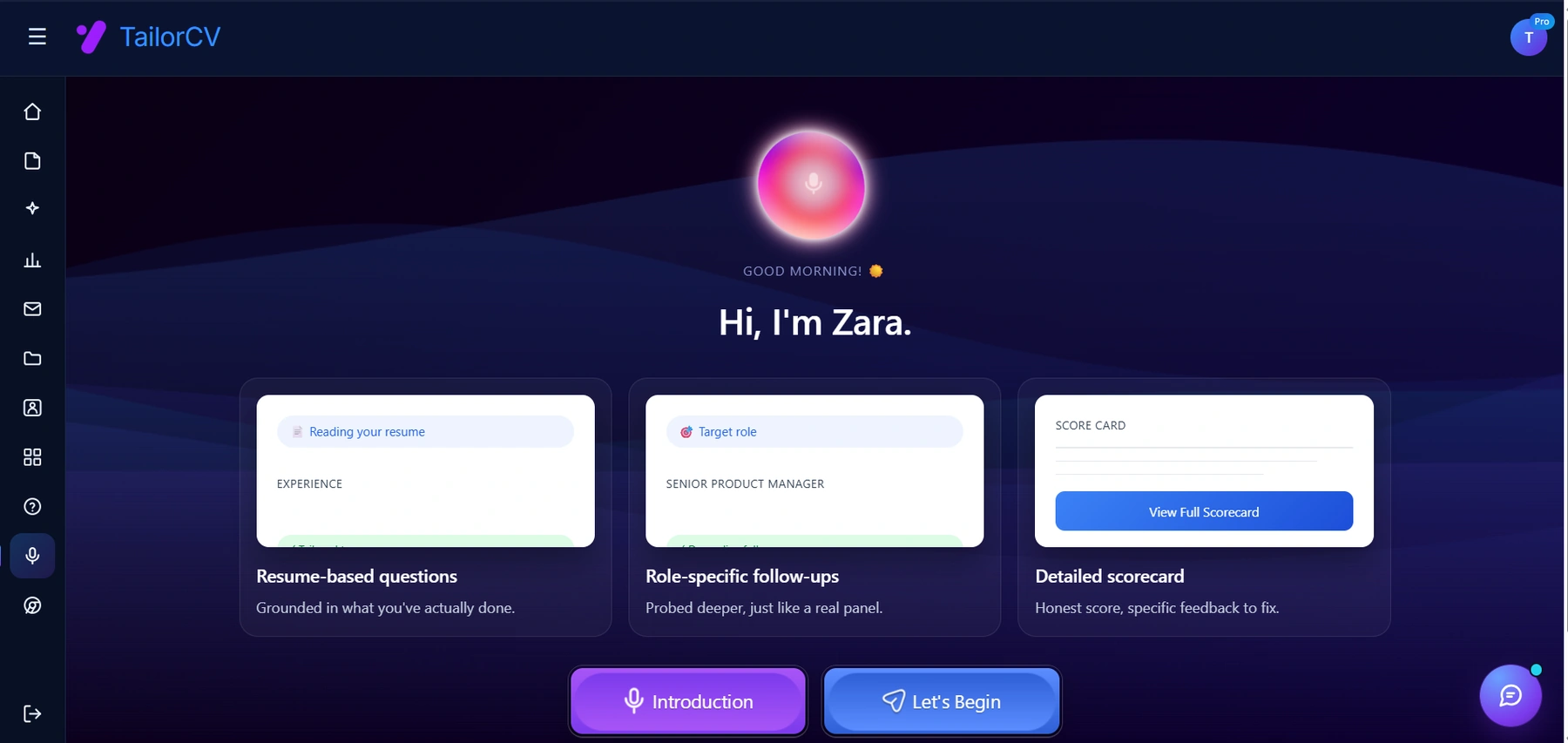
You can rehearse this before the real thing. The interviewer reads your resume first, so the questions come from your actual experience rather than a generic list.
-
Lack of Research: Failing to understand the company’s mission, values, and recent developments can lead to vague answers. Always research the company and tailor your responses accordingly.
-
Ignoring Behavioral Questions: Many managers use behavioral interview questions to gauge your past experiences. Prepare examples using the STAR (Situation, Task, Action, Result) method to provide structured responses.
-
Neglecting Soft Skills: While hard skills are essential, soft skills like communication, teamwork, and conflict resolution are equally important for managerial roles. Be ready to discuss how you’ve demonstrated these skills in previous positions.
-
Overemphasizing Technical Skills: While technical expertise is crucial, focus on your leadership abilities and how you can drive team performance. Highlight experiences that showcase your ability to motivate and guide others.
-
Failing to Ask Questions: Not asking insightful questions can signal disinterest. Prepare thoughtful questions about team dynamics, company culture, and future projects to show your enthusiasm and engagement.
Effective Communication Strategies for Manager Interviews
Effective communication is key during manager interviews. Here are strategies to enhance your communication skills:
-
Practice Active Listening: Show that you are engaged by nodding and summarizing what the interviewer says. This not only demonstrates your listening skills but also ensures you fully understand the questions.
-
Be Concise and Clear: Avoid rambling. Structure your thoughts before speaking and aim for clarity. Use bullet points in your mind to keep your answers focused.
-
Use Positive Body Language: Your non-verbal cues matter. Maintain eye contact, sit up straight, and use hand gestures to emphasize points. This conveys confidence and enthusiasm.
-
Tailor Your Language: Adapt your language to match the company culture. If the company has a formal atmosphere, use professional terminology; if it’s more casual, feel free to be conversational.
-
Rehearse with a Friend or Mock Interview: Conducting a mock interview can help you practice your responses and improve your delivery. Utilize resources like Free Mock Interview Practice Online - AI Powered in 2026 to simulate real interview conditions.
Checklist for Preparing for a Manager Interview
Use this checklist to ensure you cover all bases before your manager interview:
- unchecked: Research the Company: Understand its mission, values, recent news, and competitors.
- unchecked: Review the Job Description: Identify key responsibilities and required skills.
- unchecked: Prepare STAR Responses: Have at least three STAR examples ready that highlight your leadership and problem-solving skills.
- unchecked: Craft Questions for the Interviewer: Prepare at least five insightful questions that reflect your interest in the role and company.
- unchecked: Practice Your Responses: Rehearse with a friend or utilize an ATS Score Checker to ensure your resume aligns with the role.
- unchecked: Dress Appropriately: Choose professional attire that fits the company culture.
- unchecked: Bring Necessary Materials: Have extra copies of your resume, a notebook, and a pen.
- unchecked: Prepare for Technical Assessments: If applicable, review any technical skills or tools relevant to the position.
Sample Scenarios for Manager Interview Questions
Here are a few scenarios to help you think through potential questions and how to respond:
-
Scenario: Conflict Resolution
Question: “Describe a time when you had a conflict with a team member. How did you handle it?”
Response: Use the STAR method to describe the situation, the actions you took to resolve the conflict, and the positive outcome that followed. -
Scenario: Leadership Style
Question: “What is your leadership style, and how do you motivate your team?”
Response: Discuss your approach (e.g., transformational, servant leadership) and provide examples of how you have successfully motivated teams in the past. -
Scenario: Handling Failure
Question: “Tell me about a time when a project didn’t go as planned. What did you learn?”
Response: Share a specific example, focusing on the lessons learned and how you applied those lessons in future projects.
Post-Interview Follow-Up Best Practices
After your interview, a thoughtful follow-up can reinforce your interest and professionalism. Here’s how to do it effectively:
-
Send a Thank-You Email: Within 24 hours, send a personalized thank-you email to the interviewer(s). Express gratitude for the opportunity and briefly reiterate your interest in the position.
-
Highlight Key Points: Mention a specific topic discussed during the interview to remind them of your conversation and reinforce your qualifications.
-
Connect on LinkedIn: If appropriate, send a connection request on LinkedIn, including a message thanking them again for the interview.
-
Be Patient: Wait for a response before following up again. If you haven’t heard back in a week or two, a polite follow-up can be appropriate.
-
Reflect on Your Performance: Take notes on what went well and areas for improvement to prepare for future interviews.
If you have never held the title, moving from senior IC to your first management role shows how to surface the leadership evidence you already have.
Frequently Asked Questions
How long is a manager round interview?
Typically 45-60 minutes. Senior roles may run 90 minutes or span multiple sessions.
Do managers ask "Why should we hire you?"
Often yes - prepare with the dedicated guide.
How do I prepare for a manager I haven't met?
Research their LinkedIn, team blog posts, and conference talks. Prepare questions about their leadership style.
Practice manager round answers with TailorCV's AI mock interview.
Make This Practical
Use this advice as interview practice, not just reading material. Start a role-specific session with the AI mock interview tool, prepare your opening with How to Answer Tell Me About Yourself, and structure evidence-heavy answers with the STAR Method Interview Answers Guide.
Before the interview, make sure the resume that earned the call is still aligned with the role. Check it with the free ATS score checker, review Common Interview Mistakes to Avoid, and use How to Follow Up After an Interview once the conversation is over.
Was this guide useful?
Be the first to rate it.