TD
TD
Key Takeaways
- Most candidates accept initial salary offers, but most employers expect negotiation, leaving potential earnings on the table.
- Discuss salary during early HR screens only if necessary, but focus on demonstrating your value first.
- The best time to negotiate is after receiving a written offer, as you have maximum leverage at this point.
- Research your market value using salary data, peer conversations, and total compensation factors before negotiating.
- Prepare negotiation scripts for various scenarios and practice them to increase confidence during discussions.
You passed the behavioral questions, nailed the technical round, and survived the final round interview. Then the offer arrives - and it is lower than you hoped.
Most candidates accept the first number. Most employers expect you to negotiate. The gap between those two facts is where thousands of dollars per year are left on the table.
This guide covers salary negotiation after interviews in 2026 - when to negotiate, what to say, and how to practice.
Win the interview first: use the complete interview preparation guide, AI mock interview tool, and TailorCV ATS checker to get more callbacks.
When to Discuss Salary
During the Interview Process
- Early HR Screens: If pressed, provide a salary range but redirect the conversation to learning about the role first.
- Never Lie About Current Salary: Many regions now prohibit salary history questions, and honesty is crucial.
- Focus on Value First: Prove you are worth hiring by preparing strong answers to questions like why should we hire you.
After the Offer
This is the best time to negotiate. They have decided they want you, and you have maximum leverage.
Do not negotiate before you have a written offer unless you are clarifying a range for a remote role.
How to Research Your Market Value
Before negotiating, know your number:
- Check Salary Data: Use platforms like Glassdoor, Levels.fyi, and Payscale for your role and location.
- Talk to Peers: Engage with colleagues or professionals in similar roles to gauge current market conditions.
- Factor in Total Compensation: Consider base salary, bonuses, equity, and benefits, including remote stipends.
- Consider Company Stage: Understand the differences between startup equity versus enterprise stability.
If you are changing careers, read the career change to tech guide for realistic range expectations.
Example of Market Research
For instance, if you are applying for a software engineering position in San Francisco, you might find that the average base salary is $120,000, with total compensation often exceeding $150,000 when factoring in bonuses and stock options. This information empowers you to negotiate effectively.
Salary Negotiation Scripts That Work
When the Offer is Lower Than Expected
"Thank you - I'm excited about this opportunity and the team. Based on my research for [role] in [location] and my experience with [specific achievement], I was expecting something closer to [target range]. Is there flexibility in the base salary?"
When They Say the Budget is Fixed
"I understand budget constraints. Could we explore other components - signing bonus, additional PTO, remote work flexibility, professional development budget, or an earlier performance review?"
When You Have Competing Offers
"I have another offer at [range], but I prefer this role because [specific reason about company/team]. Is there room to close the gap?"
Practicing Scripts
Practice these scripts aloud with AI mock interviews - compensation conversations feel awkward until you rehearse them.
Checklist for Salary Negotiation Prep
- Research market salary data.
- Prepare your negotiation scripts.
- Identify your non-negotiables and flexible areas.
- Practice with a friend or through an AI tool.
What Else to Negotiate Beyond Base Salary
- Signing Bonus: A one-time payment that can help bridge the gap.
- Equity / Stock Options: Especially relevant in startups.
- Performance Bonus Structure: Ensure you understand how bonuses are awarded.
- Start Date Flexibility: Sometimes a later start can be beneficial.
- Remote / Hybrid Arrangement: Flexibility can often be negotiated.
- Title: Especially for career growth opportunities.
- Learning and Conference Budget: Investing in your skills can be a win-win.
- Relocation Assistance: If moving for the job, this can be a critical factor.
Mistakes to Avoid
- Negotiating Before an Offer: This puts you in a weak position.
- Giving a Number First Without Research: You risk anchoring too low.
- Accepting Immediately: Always ask for time to review (24-48 hours).
- Being Adversarial: Approach negotiations collaboratively; it's a conversation, not a confrontation.
- Ignoring Benefits: Total compensation matters more than just salary.
Common Mistakes Summary
- Not Doing Your Research: Entering negotiations unprepared can hurt your position.
- Failing to Communicate Clearly: Be direct yet polite in your negotiations.
- Being Too Timid: Employers expect negotiation; a lack of confidence can undermine your request.
After negotiating, send a professional follow-up after interview if needed. If you decline, read how to decline a job offer.
Salary Questions in Different Interview Rounds
| Round | Typical Approach |
|---|---|
| HR Round | Range discussion, benefits overview |
| Manager Round | Focus on role value, defer numbers |
| Panel Interview | Do not bring up salary - wait for HR |
See it in action: a resume-based mock interview
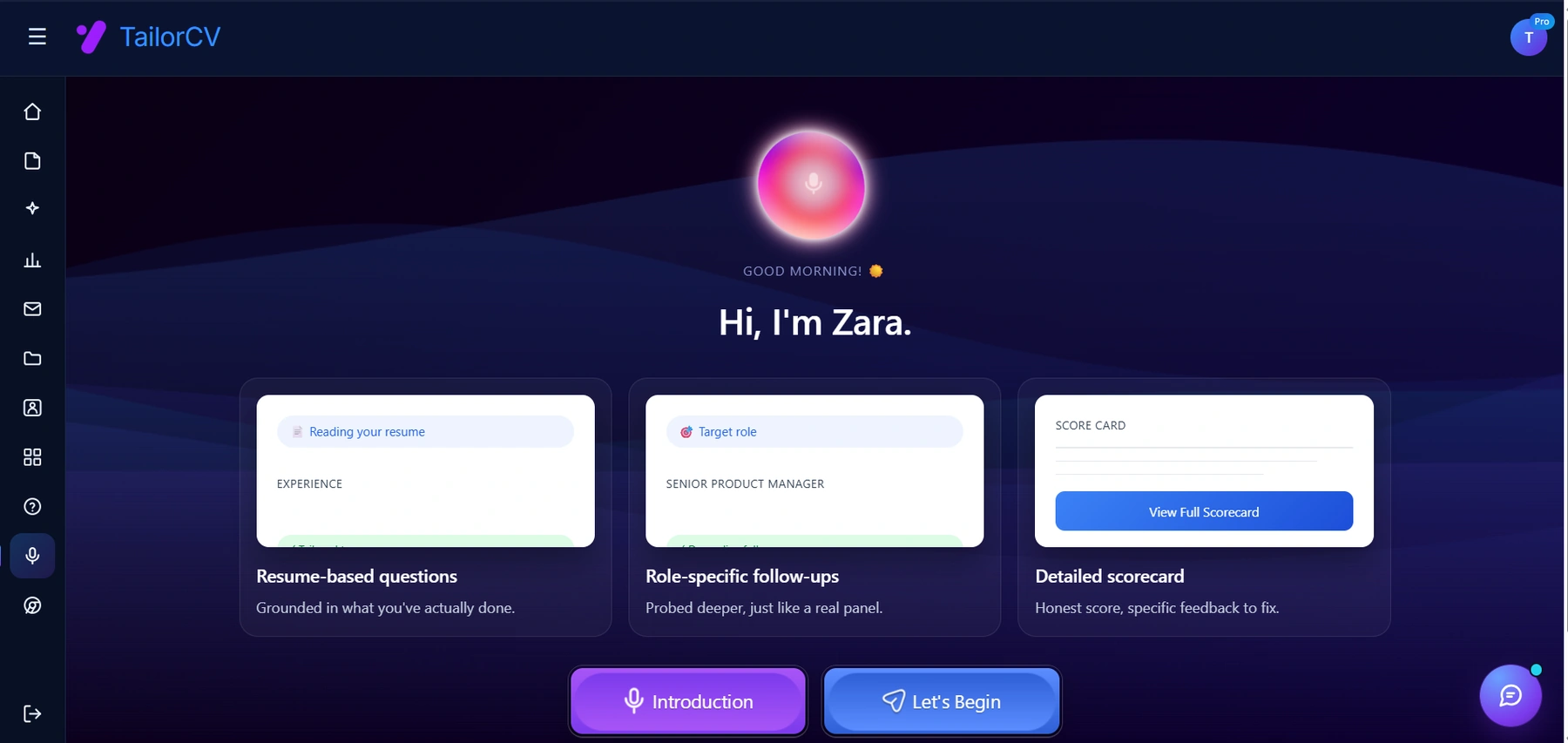
The scorecard at the end is the useful bit - an honest score plus specific feedback, which is what turns practice into improvement.
Tips for Handling Salary Questions
- Be Prepared for Questions: Expect questions about your salary expectations at various stages.
- Practice Your Responses: Use the how to answer salary expectations guide to prepare.
- Stay Calm: Manage nerves during tough conversations with interview anxiety tips.
Successful Negotiation Case Studies
Example 1: Software Engineer
A candidate received an initial offer of $110,000. After researching and finding the average salary for similar roles was around $125,000 in their area, they approached the employer with data. They successfully negotiated their salary to $120,000 by highlighting their unique skills and experiences.
Example 2: Marketing Manager
A marketing professional had two offers. One was for $80,000 with minimal benefits, and the other for $75,000 but included extensive benefits and a signing bonus. By negotiating for a higher salary on the second offer and leveraging the first offer, they secured a $78,000 salary plus a $5,000 signing bonus.
Step-by-Step Salary Negotiation Checklist
-
Know Your Worth: Start with thorough market research. Use websites like Glassdoor, PayScale, and LinkedIn Salary Insights to gather data on your role and industry.
-
Define Your Salary Range: Based on your research, establish a realistic salary range. Aim for a range where the lower end is still above your minimum acceptable salary.
-
Prepare Your Value Proposition: List your skills, achievements, and any metrics that demonstrate your impact in previous roles. This will help you articulate your value clearly during the negotiation.
-
Practice Your Pitch: Role-play your negotiation with a friend or mentor. Use scripts from our Salary Negotiation Scripts That Work section to guide your practice.
-
Plan for Counteroffers: Think about potential counteroffers the employer might present and decide in advance how you will respond.
-
Stay Professional and Positive: Approach the negotiation with a collaborative mindset. Keep the tone positive and professional, focusing on mutual benefits.
-
Follow Up: After the discussion, send a thank-you email summarizing key points discussed, including your enthusiasm for the role.
Common Salary Negotiation Mistakes to Avoid
-
Focusing Solely on Salary: Remember to consider the entire compensation package, including benefits, bonuses, and work-life balance.
-
Not Doing Enough Research: Failing to research industry standards can leave you underprepared. Use resources like the Remote Job Search Guide 2026 for insights on remote roles.
-
Accepting the First Offer: Employers often expect negotiation. Accepting the first offer can suggest a lack of confidence or knowledge about your worth.
-
Neglecting to Practice: Going into negotiations without practicing can lead to nervousness. Mock interviews available at Mock Interview can help you prepare.
-
Being Unprofessional: Avoid using ultimatums or aggressive tactics. Maintain a respectful tone throughout the process.
Scenarios to Consider During Negotiation
Scenario 1: The Initial Offer is Below Expectations
- Response: “Thank you for the offer. Based on my research and the value I bring, I was expecting a salary closer to [your desired range]. Can we discuss this?”
Scenario 2: The Employer Can't Meet Your Salary Request
- Response: “I understand budget constraints. Are there other benefits or perks we can explore, such as flexible work hours or additional vacation days?”
Scenario 3: You’re Offered a Position with a Less Desirable Location
- Response: “I’m excited about the opportunity, but I’m concerned about the relocation expenses. Is there a budget for relocation assistance?”
Do's and Don'ts of Salary Negotiation
Do's:
- Do Prepare Thoroughly: Equip yourself with data and examples of your past successes.
- Do Keep Emotions in Check: Approach the negotiation as a business discussion, not a personal one.
- Do Be Open to Compromise: Flexibility can lead to creative solutions that satisfy both parties.
Don'ts:
- Don't Discuss Personal Financial Needs: Focus on your value and market data, not personal circumstances.
- Don't Rush the Process: Take your time to consider the offer and discuss it thoughtfully.
- Don't Burn Bridges: Even if negotiations don’t go as planned, remain professional. You may cross paths with the employer again.
Worked Example: Calculating Your Salary Range
- Identify the Average Salary: Research indicates that the average salary for your role is $70,000.
- Assess Your Experience: If you have five years of experience versus the average of three, you may add 10-20% to the average salary.
- Account for Skills: If you possess in-demand skills relevant to the job, factor in an additional 5-10%.
- Final Range Calculation: - Base Salary: $70,000 - Experience Adjustment: +$10,500 (15%) - Skills Adjustment: +$3,500 (5%) - Final Range: $84,000 to $90,000
This calculated approach not only prepares you for negotiation but also provides a solid foundation for your value proposition during discussions.
Conclusion: Mastering Salary Negotiation for Success
By following these detailed strategies and utilizing the resources available to you, such as our Resume Keywords Guide 2026 and Sales Portfolio Guide, you can enhance your confidence and effectiveness in salary negotiations. Remember, preparation and professionalism are key to achieving the compensation you deserve.
Conclusion
Effective salary negotiation is an essential skill that can significantly impact your career trajectory and earning potential. By understanding when to negotiate, researching your market value, practicing negotiation scripts, and knowing what to include in your negotiations, you can approach the conversation with confidence. Remember, successful negotiation is not just about securing a higher salary but also about creating a compensation package that reflects your worth and aligns with your career goals.
Utilize tools and resources from TailorCV, such as the mock interview tool and the ATS checker, to ensure you are well-prepared for your next steps in the job market.
Your resume shapes the offer too, especially when you were approached; tailoring when you're being poached covers writing it with levelling in mind.
Frequently Asked Questions
Should freshers negotiate salary?
Yes, respectfully. Even a small increase or signing bonus sets a baseline. See first job interview tips for freshers.
Can I negotiate after accepting?
Very difficult. Always negotiate before you accept in writing.
How does mock interview practice help with salary talks?
AI mock interviews build overall communication confidence. Clear, calm delivery during negotiation starts with practicing high-stakes conversations.
Get the interview first - optimize your resume and practice with AI mock interviews.
Make This Practical
Use this advice as interview practice, not just reading material. Start a role-specific session with the AI mock interview tool, prepare your opening with How to Answer Tell Me About Yourself, and structure evidence-heavy answers with the STAR Method Interview Answers Guide.
Before the interview, make sure the resume that earned the call is still aligned with the role. Check it with the free ATS score checker, review Common Interview Mistakes to Avoid, and use How to Follow Up After an Interview once the conversation is over.
Was this guide useful?
Be the first to rate it.