 TD
TD
Key Takeaways
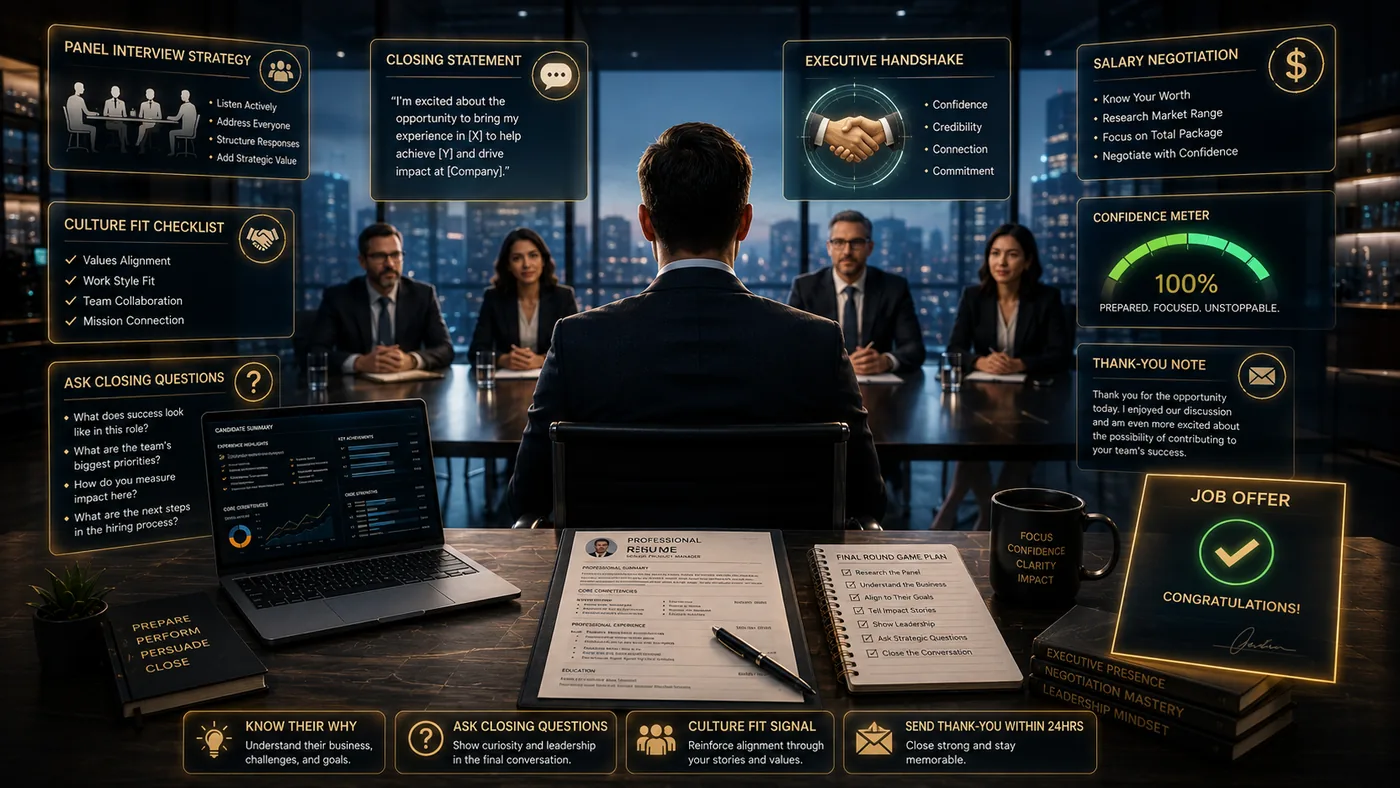
- The final round interview focuses on fit, judgment, and strategic thinking, often involving senior leaders or panels.
- Deepen your company research to understand their strategy, challenges, and industry trends for more impactful conversations.
- Prepare to discuss your long-term vision and how you can add value beyond the job description.
- Demonstrate culture fit by aligning with the company's values and showcasing relevant soft skills like collaboration and communication.
- Close the interview by expressing genuine interest, addressing any concerns, and confirming the next steps in the hiring process.
The final round interview is the last hurdle between you and a job offer. By this stage, your basic qualifications are confirmed - the final round is about confirming fit, assessing how you would perform at a higher level, and deciding between you and a small number of equally qualified finalists. Small differences make the difference here.
This guide covers how to excel in the final round and close the offer.
You earned this final round with strong earlier performance - keep it up with the behavioral interview guide and interview preparation guide. Make sure your resume started you off right with the TailorCV ATS score checker.
What's Different About the Final Round
The final round typically:
- Involves senior leaders, executives, or a panel
- Focuses more on fit, judgment, and strategic thinking than basic skills
- Assesses how you would perform at the next level
- Often includes culture and values evaluation
- May be the decision-maker round (the person who says yes or no)
By this stage, the company likes you. Your job is to confirm their decision and edge out other finalists.
How to Prepare for the Final Round
See it in action: a resume-based mock interview
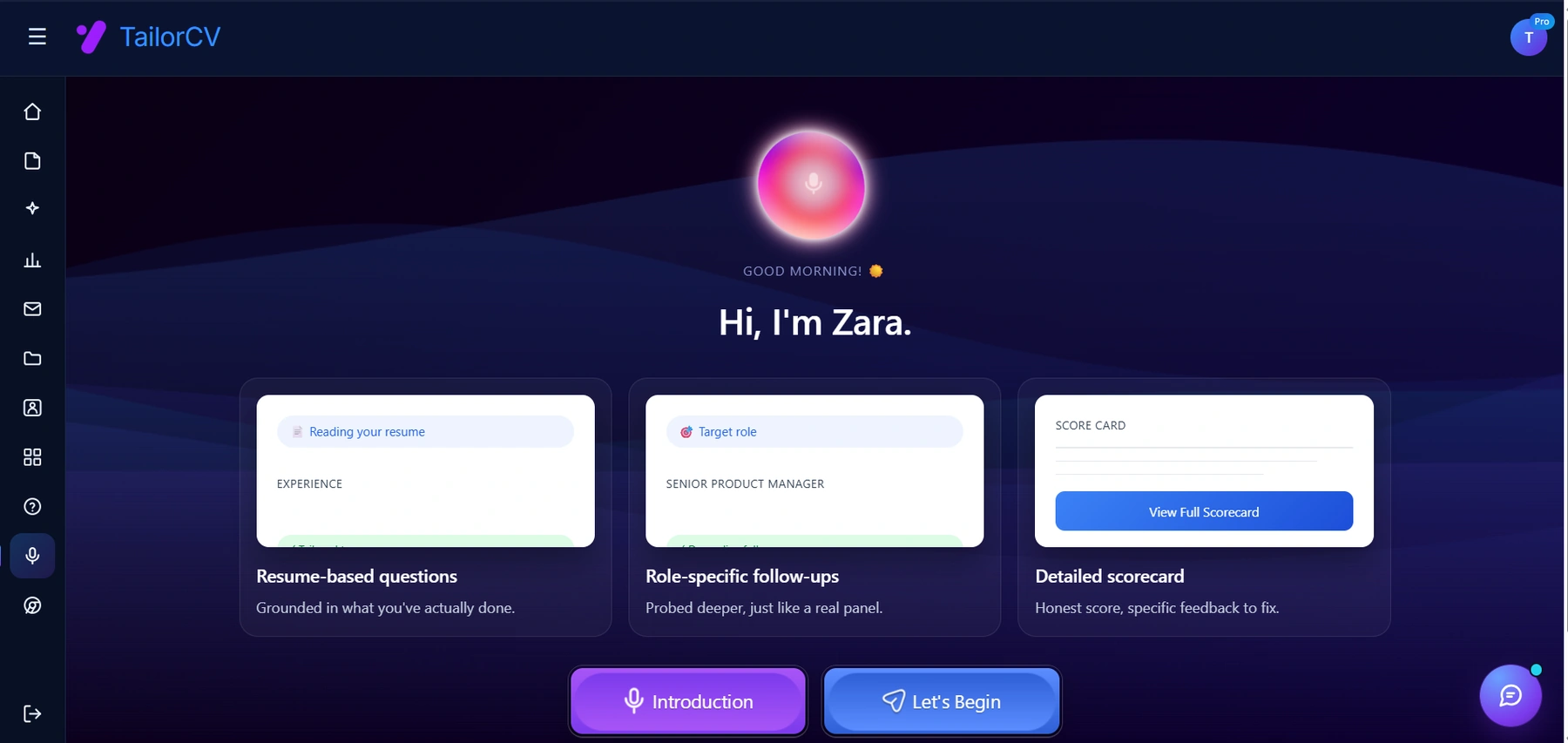
You can rehearse this before the real thing. The interviewer reads your resume first, so the questions come from your actual experience rather than a generic list.
Deepen Your Company Research
You should now know the company even better than in earlier rounds. Understand their strategy, challenges, competitors, and recent developments. Read the company research guide.
Prepare for Senior-Level Conversations
Final rounds often involve executives who think strategically. Be ready to discuss:
- The bigger picture and industry trends
- How you would approach the role's biggest challenges
- Your long-term vision and goals
- How you would add value beyond the basic job description
Refine Your Best Stories
You have strong STAR stories from earlier rounds. Polish your best ones and prepare to go deeper. Final-round interviewers probe further.
Prepare Thoughtful Questions
Final-round questions should be more strategic and senior:
- "What are the biggest challenges facing the team/company this year?"
- "How do you see this role evolving over the next two years?"
- "What does success look like for this team in 12 months?"
Read the questions to ask guide.
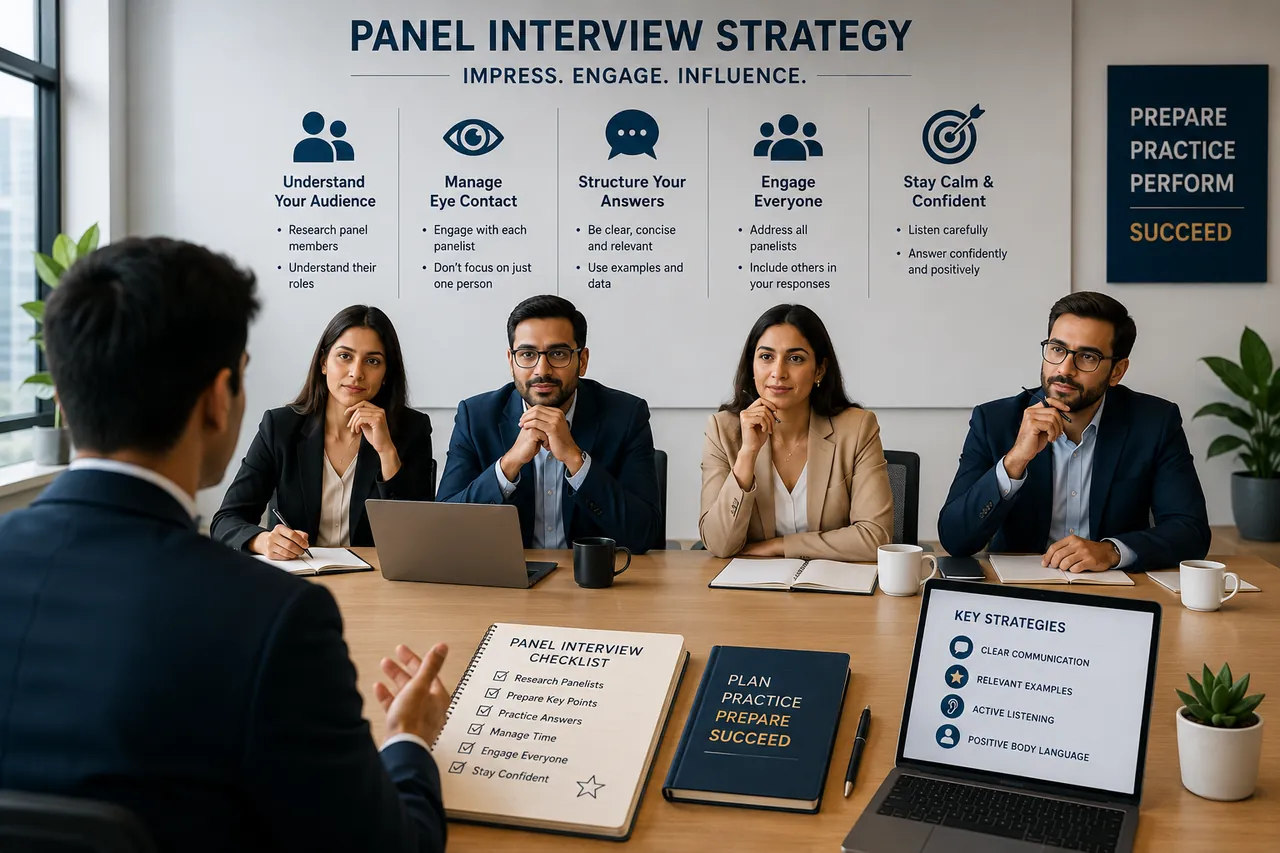
Handling Panel Interviews
Final rounds are often panels with multiple interviewers.
- Make eye contact with all panel members, not just the one who asked the question
- Address the asker primarily, but include others
- Remember names (jot them down if allowed)
- Treat everyone with equal respect, regardless of seniority
- Stay composed when questions come rapidly from different people
Handling Executive Conversations
When interviewing with executives:
- Think strategically, not just tactically
- Be concise - executives value clarity and brevity
- Show business understanding, not just role-specific knowledge
- Demonstrate how you would contribute to bigger goals
- Be confident but not arrogant
Demonstrating Culture Fit
Final rounds heavily weigh culture and values fit:
- Show genuine alignment with the company's values (which you researched)
- Demonstrate the soft skills that matter: collaboration, communication, adaptability
- Be authentic - forced fit is detectable
- Show enthusiasm for the team and mission
How to Close the Final Round
The final round is your chance to express clear interest and close.
Express Genuine Interest
"After these conversations, I'm even more excited about this role. The work on [specific thing] is exactly what I want to be doing, and I'd love to join the team."
Address Any Concerns
A powerful closing question: "Is there anything about my background or our conversations that gives you any hesitation about my fit for this role?" This lets you address objections before you leave.
Confirm Next Steps
"What are the next steps, and when can I expect to hear about a decision?"
After the Final Round
- Send personalized thank-you notes to each interviewer within 24 hours - read the how to follow up guide
- Reference specific topics from each conversation
- Reiterate your interest and fit
- Be patient but follow up appropriately if you do not hear back by the stated timeline
If You Receive the Offer
Congratulations - now negotiate well:
- Do not accept on the spot; take time to evaluate
- Negotiate using the salary negotiation guide
- Get the final offer in writing
- If declining (e.g., for a better offer), do so professionally - read the how to decline a job offer guide
If You Don't Get the Offer
Final-round rejections are the hardest because you were so close. But:
- You were qualified - often the decision is marginal
- Request specific feedback (more likely to be shared at final round)
- Stay gracious - read the how to handle job rejection guide
- The company may keep you in mind for future roles
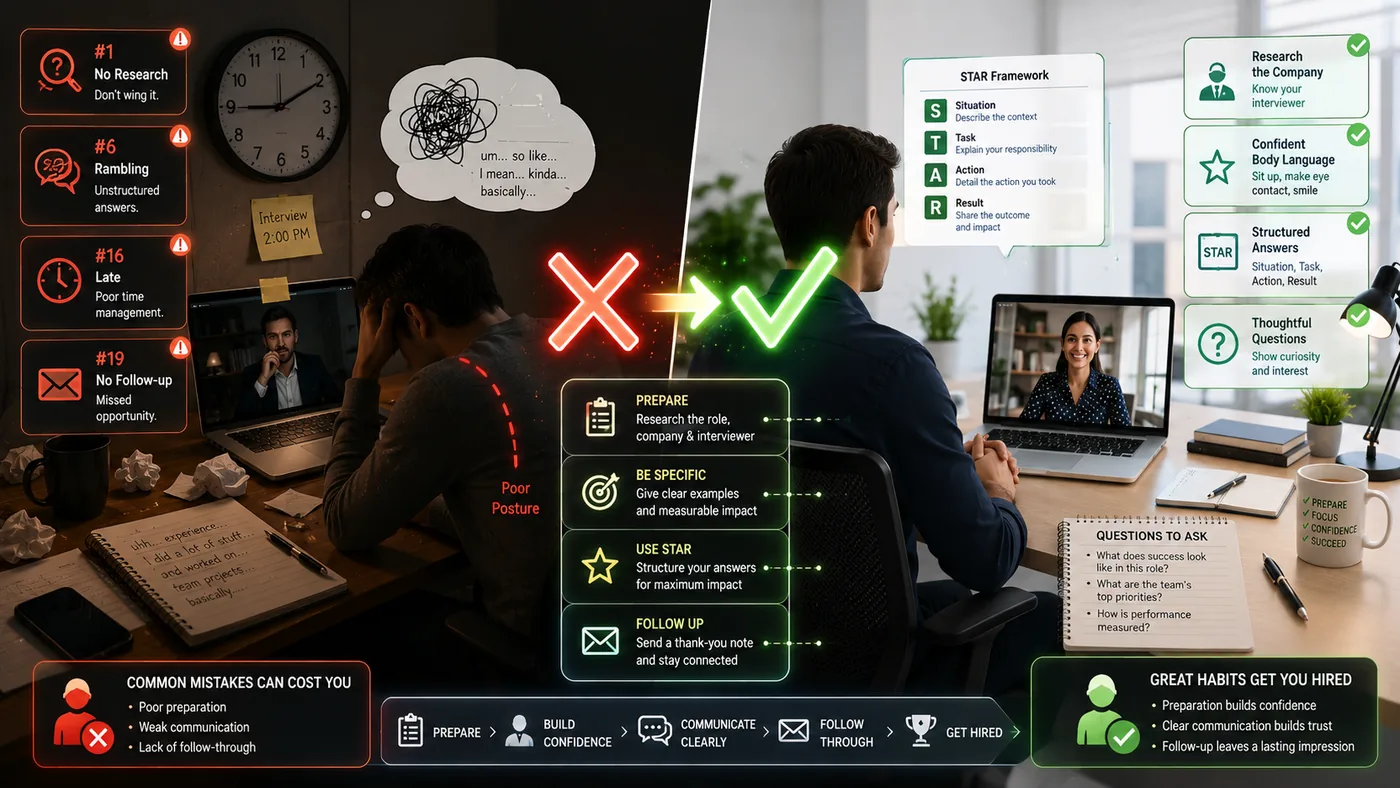
Common Final Round Mistakes
Mistake 1: Relaxing too much
"I've basically got it" complacency loses offers. Prepare as hard for the final round as the first.
Mistake 2: Not thinking strategically
Final rounds want senior-level thinking. Show business understanding and judgment, not just task execution.
Mistake 3: Not expressing clear interest
Final-round candidates who clearly want the role have an edge. Express genuine enthusiasm and close.
Mistake 4: Treating panel members unequally
Disrespecting or ignoring junior panel members is a red flag. Treat everyone with equal respect.
Mistake 5: No thoughtful questions
Generic questions at the final round signal weak engagement. Ask strategic, senior-level questions.
Related Guides
- 20 Common Interview Mistakes to Avoid
- Group Discussion Tips
- How to Answer "Tell Me About Yourself"
- How to Prepare for a Job Interview
- How to Research a Company Before Your Job Interview
- Phone Interview Tips
- Behavioral Interview Questions and Answers
- Coding Interview Preparation Guide
- How to Follow Up After a Job Interview
- How to Practice Mock Interviews Online for Free Using AI
- Best Questions to Ask in a Job Interview
- System Design Interview Guide
- Technical Interview Preparation Guide 2026 - Complete Roadmap
- How to Prepare for Campus Placement in 2026 - Complete Guide
- How to Reschedule an Interview (Without Losing the Offer)
Make This Practical
Use this advice as interview practice, not just reading material. Start a role-specific session with the AI mock interview tool, prepare your opening with How to Answer Tell Me About Yourself, and structure evidence-heavy answers with the STAR Method Interview Answers Guide.
Before the interview, make sure the resume that earned the call is still aligned with the role. Check it with the free ATS score checker, review Common Interview Mistakes to Avoid, and use How to Follow Up After an Interview once the conversation is over.
Conclusion
The final round is about confirming fit, demonstrating senior-level thinking, and closing the offer. Prepare deeply, handle panels and executives with composure, demonstrate genuine culture fit, and express clear interest. Small differences decide final rounds - make them count.
Prepare with the behavioral interview guide, questions to ask guide, and company research guide. When the offer comes, negotiate with the salary negotiation guide. And ensure your resume is always ready with the TailorCV ATS score checker.
Frequently Asked Questions
What should I research about the company before my final round interview?
You should deepen your company research to understand not only its products or services but also its strategy, challenges, competitors, and recent developments. This knowledge will help you engage in meaningful conversations during the interview, particularly when discussing the bigger picture and industry trends. For more guidance, check out our company research guide.
How can I prepare for conversations with senior executives during the final round?
Preparing for senior-level conversations requires you to think strategically and be ready to discuss high-level topics that go beyond your specific role. Practice articulating your insights on industry trends and how they relate to the company's objectives. For more tips on handling interviews with multiple interviewers, visit our Panel Interview Tips and Strategies.
What are some common mistakes to avoid in the final round interview?
In the final round, candidates often make mistakes such as failing to demonstrate cultural fit or not asking insightful questions. It's crucial to show that you not only have the skills but also align with the company's values. To learn more about what pitfalls to avoid, read our article on 20 Common Interview Mistakes to Avoid in 2026.
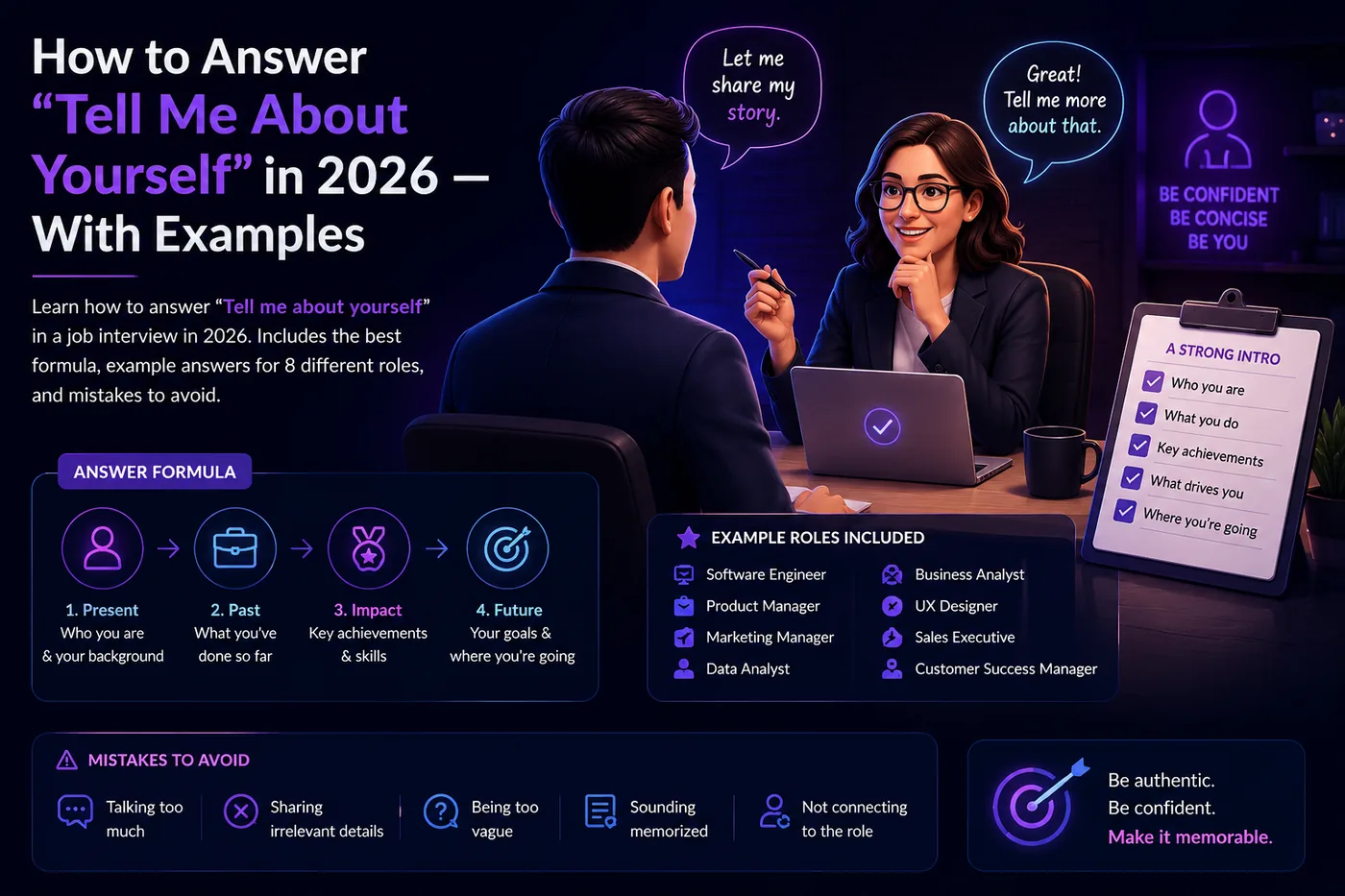
How should I answer the "Tell Me About Yourself" question in the final round?
When answering the "Tell Me About Yourself" question, focus on your professional journey, emphasizing experiences that relate directly to the role you are applying for. Be succinct and make sure to highlight key achievements that showcase your fit for the position. For detailed examples and strategies, refer to our guide on How to Answer "Tell Me About Yourself" in 2026.
What role does body language play in the final round interview?
Body language is crucial in the final round as it can convey confidence and engagement. Make sure to maintain eye contact, use open gestures, and mirror the interviewer's body language to establish rapport. For more insights on non-verbal communication, check out our article on Interview Body Language and Communication Tips.
Was this guide useful?
Be the first to rate it.