SS
SS

Key Takeaways
- Situational interview questions assess judgment and problem-solving skills by asking hypothetical scenarios, unlike behavioral questions that focus on past experiences.
- Use the PAR framework (Problem, Approach, Result) to structure answers to situational questions effectively.
- Common situational questions include handling disagreements with a manager, missing deadlines, and addressing underperforming team members.
- Prepare for situational questions by practicing responses to various scenarios relevant to your role and industry.
- Different interview types (HR, manager, panel) may focus on specific aspects like policy, team dynamics, or project delivery in situational questions.
Behavioral questions ask about the past: "Tell me about a time when..." Situational interview questions ask about the future: "What would you do if..." They test your judgment, values, and problem-solving approach when you cannot rely on a rehearsed story.
This guide covers how to answer situational questions in 2026 - with frameworks, examples, and AI mock interview practice.
Also study behavioral interview questions, STAR method, and the complete interview guide. Optimize your resume with the TailorCV ATS checker.
Situational vs. Behavioral Questions
| Type | Format | Tests |
|---|---|---|
| Behavioral | "Tell me about a time..." | Past experience |
| Situational | "What would you do if..." | Judgment, values, process |
| Competency-based | Either format | Specific competencies |
See it in action: a resume-based mock interview
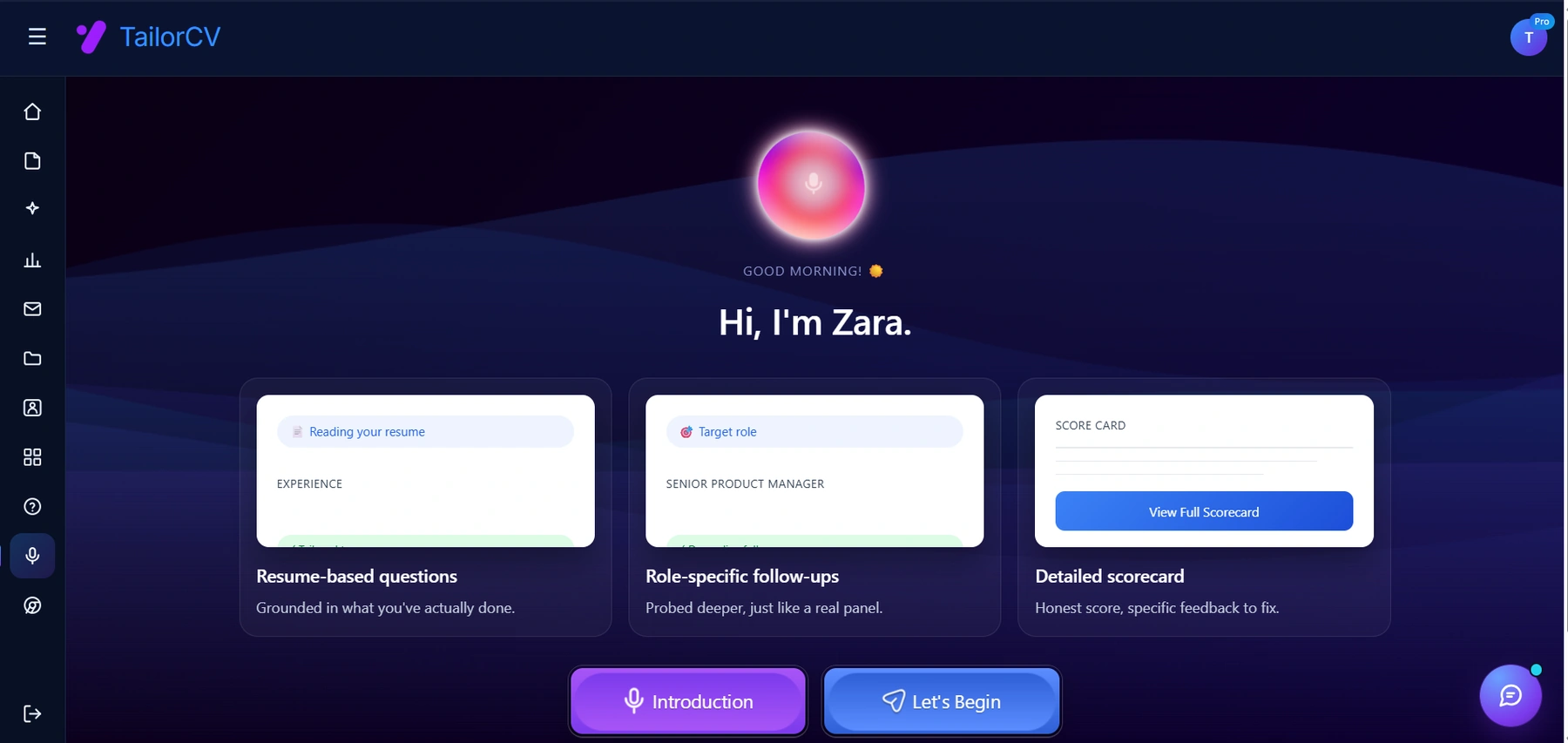
Practice looks like this: the interviewer reads your resume first, so questions come from what you have actually done rather than a generic bank - then follows up the way a real panel would.
If you have a relevant past example, bridge to it: "I haven't faced that exact situation, but something similar happened when..."
The PAR Framework for Situational Answers
P - Problem: Restate the scenario to confirm understanding A - Approach: Walk through your thought process step by step R - Result: Describe the ideal outcome and what you would communicate
This keeps hypothetical answers structured instead of rambling.
15 Common Situational Questions
1. "What would you do if you disagreed with your manager's decision?"
"I would first seek to understand their reasoning by asking clarifying questions privately. If I still disagreed, I would present my perspective with data, not emotion. If the decision stood, I would commit fully to execution while documenting my concerns if appropriate."
2. "What would you do if you missed a deadline?"
"Immediately inform stakeholders with the reason, revised timeline, and mitigation plan. Then analyze what caused the miss and implement process changes to prevent recurrence."
3. "What would you do if a team member wasn't pulling their weight?"
"Address it directly and privately first - ask if something is blocking them. If it continues, involve the manager with specific examples, not general complaints."
4. "What would you do if you received conflicting priorities from two stakeholders?"
"Escalate to my manager or facilitate a meeting between stakeholders to align on priority. Document the agreed order and communicate trade-offs transparently."
5. "What would you do if you made a mistake that affected production?"
"Own it immediately, assess impact, implement a fix, communicate to affected parties, and conduct a blameless post-mortem to prevent recurrence."
Practice all of these with AI mock interviews.
6-15. Additional scenarios
- Customer is angry and demanding a refund you cannot authorize
- You discover a colleague violating company policy
- You are asked to do something outside your job description
- You realize you are underqualified for an assigned task
- Two team members are in conflict affecting project delivery
- You receive an offer from another company during an active project
- Your manager takes credit for your work in a meeting
- You need to deliver bad news to a client
- You are overwhelmed with workload
- Company direction changes and your project is deprioritized
For manager-level scenarios, see manager round questions. For case interviews, situational thinking is foundational.
Situational Questions by Interview Type
| Type | Example focus |
|---|---|
| HR round | Policy, ethics, culture |
| Manager round | Team dynamics, delivery |
| Panel interview | Consistent values across answers |
| Group interview | Collaboration scenarios |
How to Prepare
- Review the company's values and culture page
- Prepare 5-8 PAR frameworks for common scenarios
- Connect to real experience when possible via STAR stories
- Practice with mock interview tool
- Stay calm - interview anxiety tips
Avoid common interview mistakes like being overly aggressive or passive in hypothetical responses.
Common Mistakes When Answering Situational Questions
When preparing for situational interview questions, candidates often fall into several common traps. Avoiding these pitfalls can significantly enhance your chances of making a positive impression.
-
Vagueness: Providing ambiguous answers or failing to give specific examples can make your response less impactful. Be clear and concise.
-
Neglecting the Context: Failing to set the context before diving into your answer can leave the interviewer confused. Always outline the situation briefly before discussing your actions and results.
-
Over-Emphasizing Teamwork: While collaboration is important, don’t shy away from highlighting your individual contributions. Interviewers want to see what you specifically did in the situation.
-
Being Too Theoretical: Avoid giving textbook answers. Instead, share real-life scenarios that showcase your problem-solving skills.
-
Not Practicing: Practicing your answers can help you articulate your thoughts more clearly. Use mock interviews to refine your responses and gain confidence.
Do's and Don'ts for Answering Situational Questions
Do's
-
Do Use the STAR Method: Structure your answers using the STAR (Situation, Task, Action, Result) method for clarity. This framework helps you present your thoughts logically. For more on this, check out our STAR Method for Interview Answers.
-
Do Tailor Your Examples: Choose examples that are relevant to the role you are applying for. This shows that you understand the job's requirements and can handle its challenges.
-
Do Reflect on Past Experiences: Think critically about your past roles and identify key situations that demonstrate your problem-solving abilities.
Don'ts
-
Don't Ramble: Stay focused on the question and avoid going off on tangents. Keep your answers concise and relevant.
-
Don't Use Negative Language: When discussing challenges, frame them positively. Focus on what you learned or how you overcame the issue, rather than dwelling on the negative aspects.
-
Don't Forget to Prepare Follow-up Questions: If the interviewer seems interested in your response, be ready to elaborate or provide additional context if asked.
Short Scenarios to Practice With
Practicing with short scenarios can help you think on your feet and prepare for a variety of situational questions. Here are a few scenarios to consider:
-
Scenario 1: You are leading a project, and a team member consistently misses deadlines, jeopardizing the project timeline. What would you do?
-
Scenario 2: You receive negative feedback from a client about a product you helped develop. How would you handle the situation?
-
Scenario 3: You are assigned a task that is outside your expertise. What steps would you take to ensure successful completion?
-
Scenario 4: You are in a meeting, and a colleague disagrees with your proposal. How do you respond to maintain a positive working relationship?
Practice answering these scenarios using the PAR framework or the STAR method to develop your response strategies.
Mini Checklist for Answering Situational Questions
Before heading into your interview, use this checklist to ensure you’re fully prepared to tackle situational questions:
- unchecked: Have I identified key situations from my past experiences?
- unchecked: Have I practiced articulating my answers using the STAR method?
- unchecked: Am I ready to provide specific examples relevant to the job role?
- unchecked: Have I reviewed common situational questions and crafted responses?
- unchecked: Do I understand the company’s values and can I align my answers with them?
- unchecked: Have I prepared follow-up questions or additional context for my answers?
- unchecked: Have I practiced with a friend or through a mock interview?
By following this checklist, you can enter your interview with confidence and readiness to tackle any situational questions that arise.
Worked Example of a Situational Question
To illustrate how to effectively answer a situational question, let’s consider a common scenario:
Question: "What would you do if you had to manage a project with a tight deadline and limited resources?"
Answer Using STAR Method:
-
Situation: In my previous role as a project coordinator, I was tasked with leading a marketing campaign that had a strict deadline due to a product launch.
-
Task: My goal was to deliver a comprehensive marketing strategy while managing a team of three, with limited budget and resources.
-
Action: I organized a brainstorming session to prioritize key deliverables and identify tasks that could be delegated. I leveraged digital tools for project management to streamline communication and track progress. Additionally, I negotiated with vendors for discounts to stretch our budget further.
-
Result: We successfully launched the campaign on time, which resulted in a 20% increase in product sales during the launch month, exceeding our initial targets.
This structured approach not only demonstrates your problem-solving skills but also showcases your ability to work under pressure and achieve results.
By incorporating these sections into your interview preparation, you can enhance your understanding of situational questions and improve your overall performance during the interview process. For more tips on answering other common interview questions, check out our guide on HR Round Interview Questions and Answers.
Frequently Asked Questions
Can I ask clarifying questions for situational scenarios?
Yes - it shows thoughtful analysis. "Before I answer, could I clarify whether this is a client-facing or internal situation?"
What if I have never faced anything similar?
Use PAR to walk through your logical approach. Interviewers care about reasoning, not just experience. For more on this, check out our Competency-Based Interview Questions.
How do situational questions relate to AI mock interviews?
AI mock interviews generate situational and behavioral questions based on your role - ideal for practice.
Practice situational interview answers with TailorCV's AI mock interview.
Make This Practical
Use this advice as interview practice, not just reading material. Start a role-specific session with the AI mock interview tool, prepare your opening with How to Answer Tell Me About Yourself, and structure evidence-heavy answers with the STAR Method Interview Answers Guide.
Before the interview, make sure the resume that earned the call is still aligned with the role. Check it with the free ATS score checker, review Common Interview Mistakes to Avoid, and use How to Follow Up After an Interview once the conversation is over.
Was this guide useful?
Average 5.00 / 5.00 · 1 rating