SS
SS
Key Takeaways
- Research the company thoroughly to demonstrate interest and knowledge during the interview.
- Prepare for common interview questions and know your resume inside and out to maintain credibility.
- Use the STAR method for structured responses to behavioral questions and avoid vague answers.
- Maintain positive body language and listen carefully to the interviewer's questions to foster a good rapport.
- Arrive early for in-person interviews and ensure a professional setup for virtual interviews to make a strong first impression.
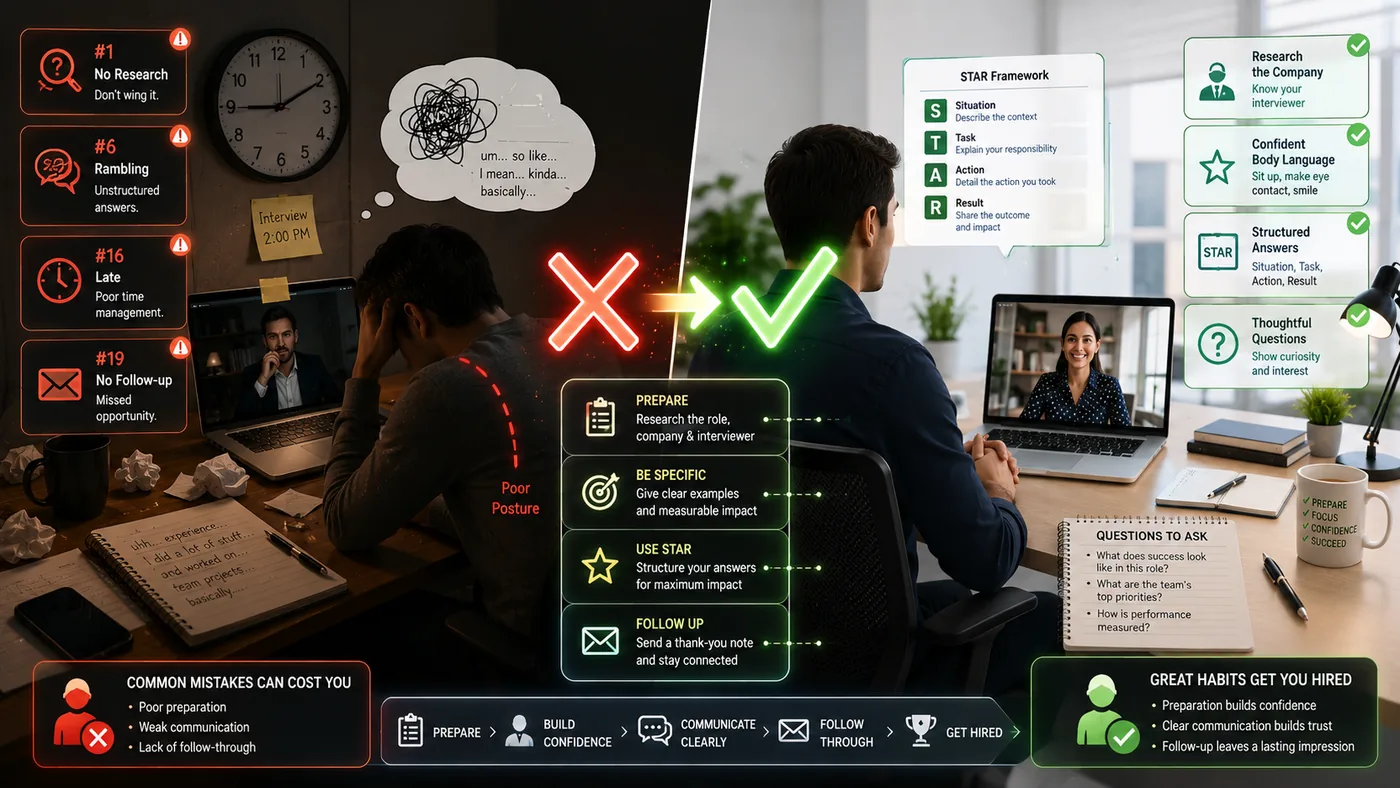
Even well-qualified candidates lose job offers because of avoidable interview mistakes. The difference between getting the offer and getting rejected often comes down to preparation, communication, and small but critical details. Knowing the common mistakes lets you avoid them.
This guide covers the 20 most common interview mistakes in 2026 and how to fix each one.
Avoid these mistakes by preparing thoroughly with the interview preparation guide, the behavioral interview guide, and the mock interview tool. And make sure your resume got you there for the right reasons with the TailorCV ATS score checker.
Preparation Mistakes
1. Not Researching the Company
Showing up without knowing what the company does, its products, or recent news is a major red flag. Always research thoroughly using the company research guide.
2. Not Knowing Your Own Resume
Interviewers ask about everything on your resume. If you cannot explain a project or accomplishment you listed, it undermines your credibility. Know every line.
3. Not Preparing for Common Questions
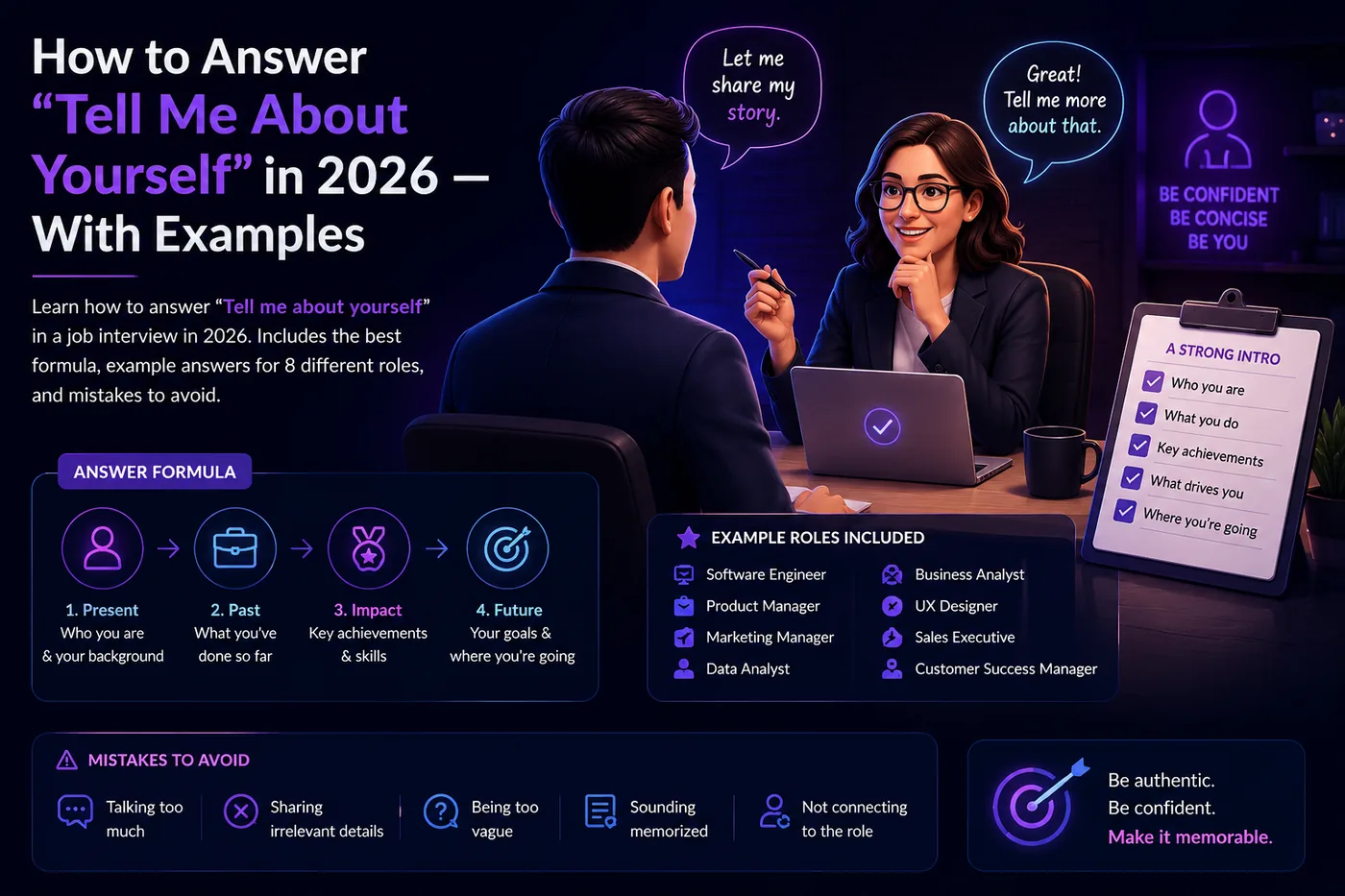
"Tell me about yourself," "Why this company," and behavioral questions come up almost every time. Not preparing for predictable questions is inexcusable. Read the tell me about yourself guide.
4. No Questions Prepared
When asked "Do you have any questions?", saying no signals disinterest. Always prepare thoughtful questions - read the questions to ask guide.
5. Poor Technical Preparation
For technical roles, not practicing coding or system design is a guaranteed failure. Prepare with the technical interview guide.
Delivery Mistakes
6. Rambling Answers
Long, unfocused answers lose the interviewer. Keep answers structured (use STAR) and concise - 90 seconds to 2.5 minutes for most questions.
7. Being Too Vague
"I worked on a team that improved performance" says nothing. Be specific with details, numbers, and your individual contribution.
8. Not Using the STAR Method
For behavioral questions, unstructured stories confuse interviewers. Use Situation-Task-Action-Result. Read the behavioral interview guide.
9. Badmouthing Previous Employers
Speaking negatively about past employers, managers, or colleagues is a major red flag. Stay positive even about negative experiences.
10. Lying or Exaggerating
Inflating your role, skills, or results gets exposed through follow-up questions. Honesty is non-negotiable.
11. Poor Body Language
Weak handshake, no eye contact, slouching, or fidgeting undermines your message. Project calm confidence.
12. Talking Too Much or Too Little
Dominating the conversation or giving one-word answers both hurt. Aim for a balanced, conversational exchange.
13. Not Listening
Answering the question you wish was asked instead of the actual question signals poor listening. Listen carefully and answer directly.
14. Showing Desperation
"I'll take anything" or excessive eagerness weakens your position. Show genuine interest while maintaining your standards.
15. Focusing Too Early on Salary and Perks
Asking about salary, vacation, and benefits in early rounds before showing value comes across as self-focused. Save these for later stages or the offer.
Logistics and Technical Mistakes
16. Being Late
Arriving late (or joining a video call late) creates a terrible first impression. Arrive early; for video, join 2-3 minutes before.
17. Bad Virtual Interview Setup
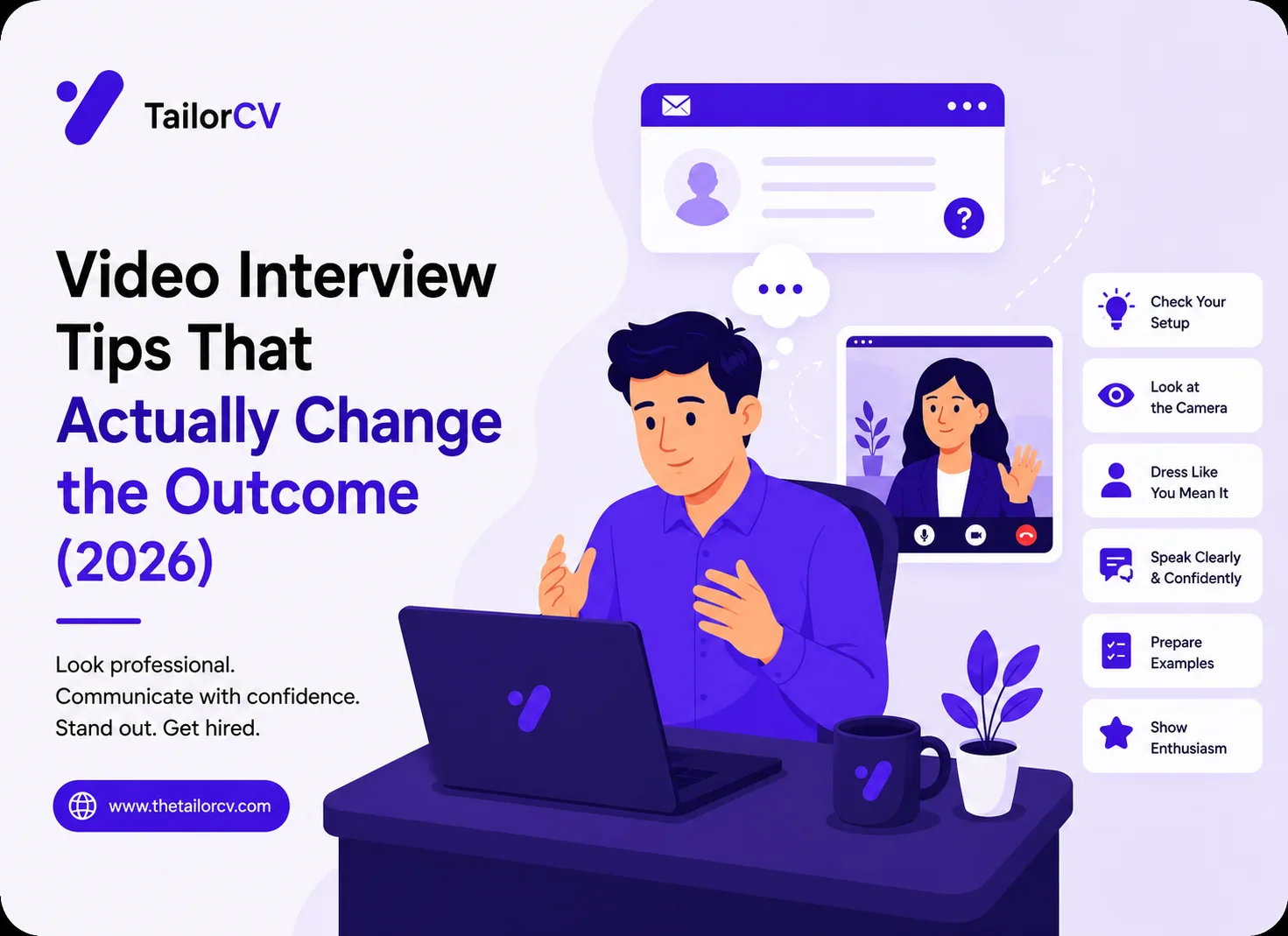
Poor lighting, background noise, weak internet, or looking at the screen instead of the camera hurts video interviews. Read the virtual interview tips.
18. Dressing Inappropriately
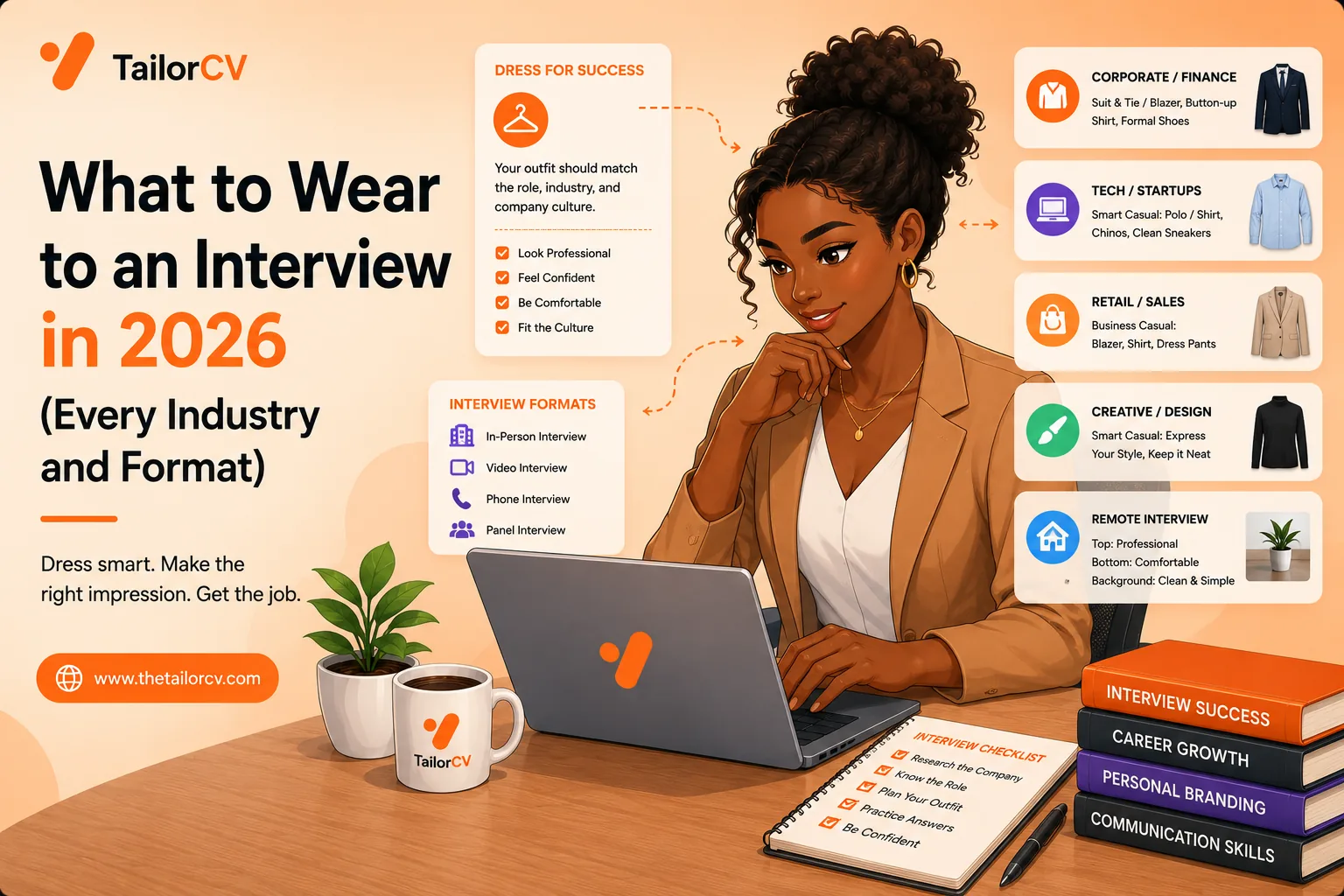
Underdressing (or significantly overdressing) signals poor judgment. Match the company's culture, erring slightly formal.
Follow-Up Mistakes
19. Not Sending a Thank-You Note
Failing to follow up after an interview is a missed opportunity and can leave a weaker impression than candidates who do. Read the how to follow up guide.
20. Following Up Too Aggressively
Multiple follow-ups in quick succession or demanding a decision pressures the employer negatively. One polite follow-up after the stated timeline is appropriate.
How to Avoid These Mistakes
- Prepare thoroughly - Research, know your resume, prepare for common questions, and practice
- Practice out loud - Use the mock interview tool to rehearse delivery
- Use structure - STAR for behavioral, frameworks for technical
- Stay positive - Never badmouth, never show desperation
- Mind the details - Be on time, dress right, set up your video properly
- follow up well - One thoughtful thank-you note, no aggressive pestering
Related Guides
- How to Answer "Tell Me About Yourself"
- How to Prepare for a Job Interview
- How to Research a Company Before Your Job Interview
- Behavioral Interview Questions and Answers
- Group Discussion Tips
- How to Follow Up After a Job Interview
- Best Questions to Ask in a Job Interview
- Virtual Interview Tips
- Why Am I Not Getting Interviews for Jobs I'm Qualified For?
- Final Round Interview Tips
- Phone Interview Tips
- Coding Interview Preparation Guide
- ATS Mistakes Experienced Professionals Make (And Why Your Resume Stops Working After 5+ Years)
- What Not to Put on a Resume in 2026 - 25 Things to Remove Immediately
- How to Prepare for Campus Placement in 2026 - Complete Guide
- Soft Skills for Resume in 2026 - How to Show Them (Not Just List Them)
- System Design Interview Guide 2026 - Framework and Examples
- How to Reschedule an Interview (Without Losing the Offer)
Make This Practical
Use this advice as interview practice, not just reading material. Start a role-specific session with the AI mock interview tool, prepare your opening with How to Answer Tell Me About Yourself, and structure evidence-heavy answers with the STAR Method Interview Answers Guide.
Before the interview, make sure the resume that earned the call is still aligned with the role. Check it with the free ATS score checker, review Common Interview Mistakes to Avoid, and use How to Follow Up After an Interview once the conversation is over.
Conclusion
Most interview failures come from avoidable mistakes in preparation, delivery, logistics, or follow-up. By knowing these 20 common mistakes, you can consciously avoid them and present yourself as a prepared, confident, and professional candidate.
Prepare comprehensively with the interview preparation guide, behavioral interview guide, and questions to ask guide. Practice with the mock interview tool, and make sure your resume is strong with the TailorCV ATS score checker.
Frequently Asked Questions
What are the top preparation mistakes to avoid before an interview?
One of the most critical preparation mistakes is not researching the company. Candidates should familiarize themselves with the company's products, culture, and recent news to demonstrate genuine interest. Utilizing the company research guide can help candidates prepare effectively.
How can I prepare for common interview questions?
To avoid stumbling during the interview, it's essential to prepare for common questions such as "Tell me about yourself" and "Why this company." Resources like the tell me about yourself guide provide structured approaches to formulate thoughtful responses, ensuring candidates articulate their experiences clearly.
What should I do if I'm asked about a gap in my employment?
When discussing gaps in employment, it's important to be honest and frame your response positively. Candidates can refer to guides like how to explain getting fired in an interview to prepare for these conversations and convey their resilience and growth during that period.
Why is it important to ask questions during an interview?
Asking insightful questions during an interview demonstrates your interest in the role and helps you determine if the company is a good fit for you. Candidates can explore the best questions to ask in a job interview to prepare thoughtful inquiries that engage the interviewer and show your enthusiasm.
How can I practice for interviews effectively?
Practicing for interviews can significantly boost your confidence and performance. Using tools like the AI mock interview can simulate real interview scenarios, allowing candidates to refine their answers and receive feedback on their delivery, which is crucial to avoid common mistakes.
Was this guide useful?
Be the first to rate it.