 SS
SS
Key Takeaways
- Interview anxiety stems from high stakes, uncertainty, evaluation fear, and under-preparation, which can be addressed through systematic preparation.
- Practice answers out loud multiple times and utilize AI mock interviews for realistic feedback to build confidence.
- Research the company thoroughly to reduce anxiety related to unknowns and prepare your top 10 common interview questions and answers.
- Simulate the full interview experience, including dressing appropriately and conducting a mock run 24 hours prior to the actual interview.
- Use calming techniques such as the 4-7-8 breathing method and power posing to manage nerves on the day of the interview.
Your resume is strong. You know the answers. But thirty minutes before the interview, your heart races, your palms sweat, and your mind goes blank. interview anxiety is one of the most common reasons qualified candidates underperform - not lack of skill, but lack of calm.
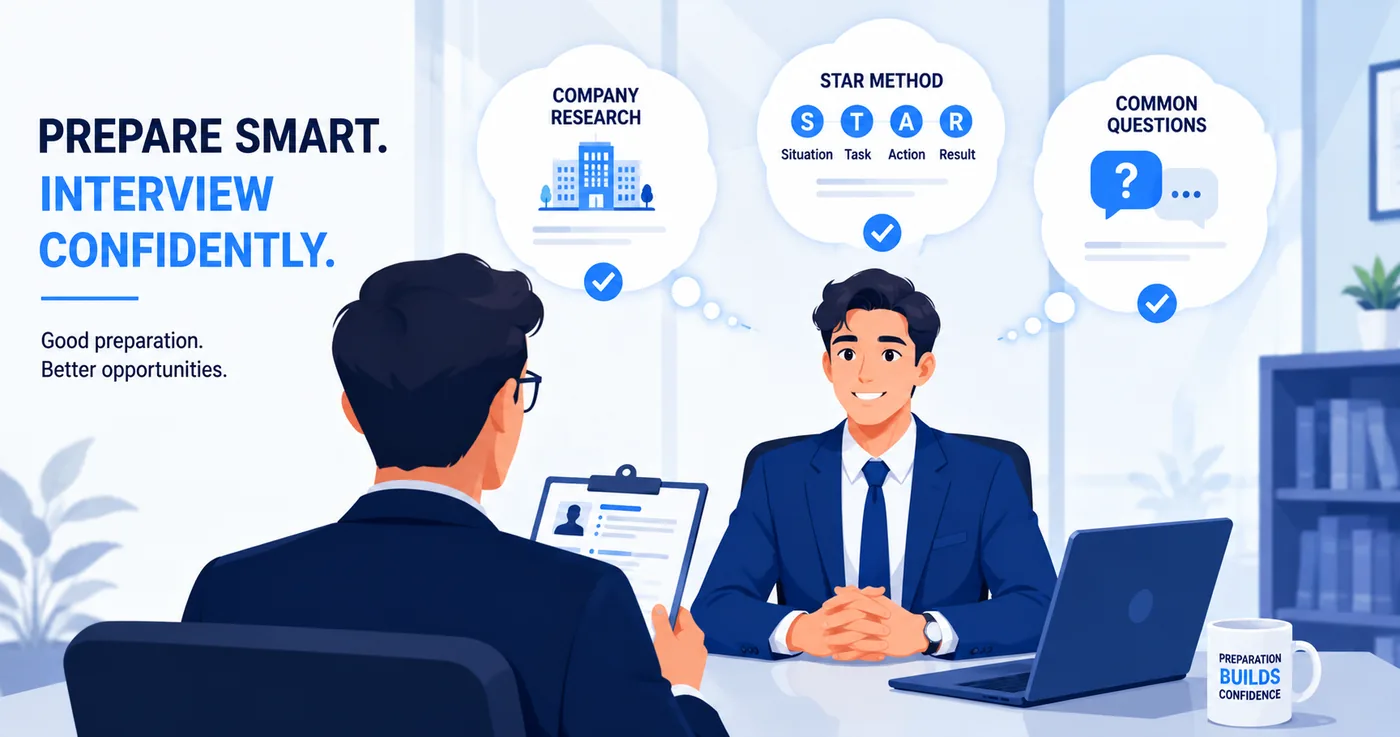
The fix is not "just relax." It is systematic preparation that builds genuine confidence. This guide covers proven strategies for 2026, including AI mock interview practice - the closest thing to a real interview without the stakes.
Start with the complete interview preparation guide, common interview mistakes, and how to practice interviews at home. Reduce pre-interview stress by knowing your resume is solid - check it with the TailorCV ATS score checker.
Why Interview Anxiety Happens
interview anxiety is a performance anxiety response. Your brain treats the interview as a threat because:
- High stakes - job, income, identity on the line
- Uncertainty - you cannot control questions or outcomes
- Evaluation fear - being judged by strangers
- Under-preparation - knowing answers in your head but never speaking them aloud
The last point is the most fixable. Reading about the STAR method is not the same as delivering a STAR answer under pressure.
Preparation Strategies That Reduce Anxiety
1. Practice out loud, not in your head
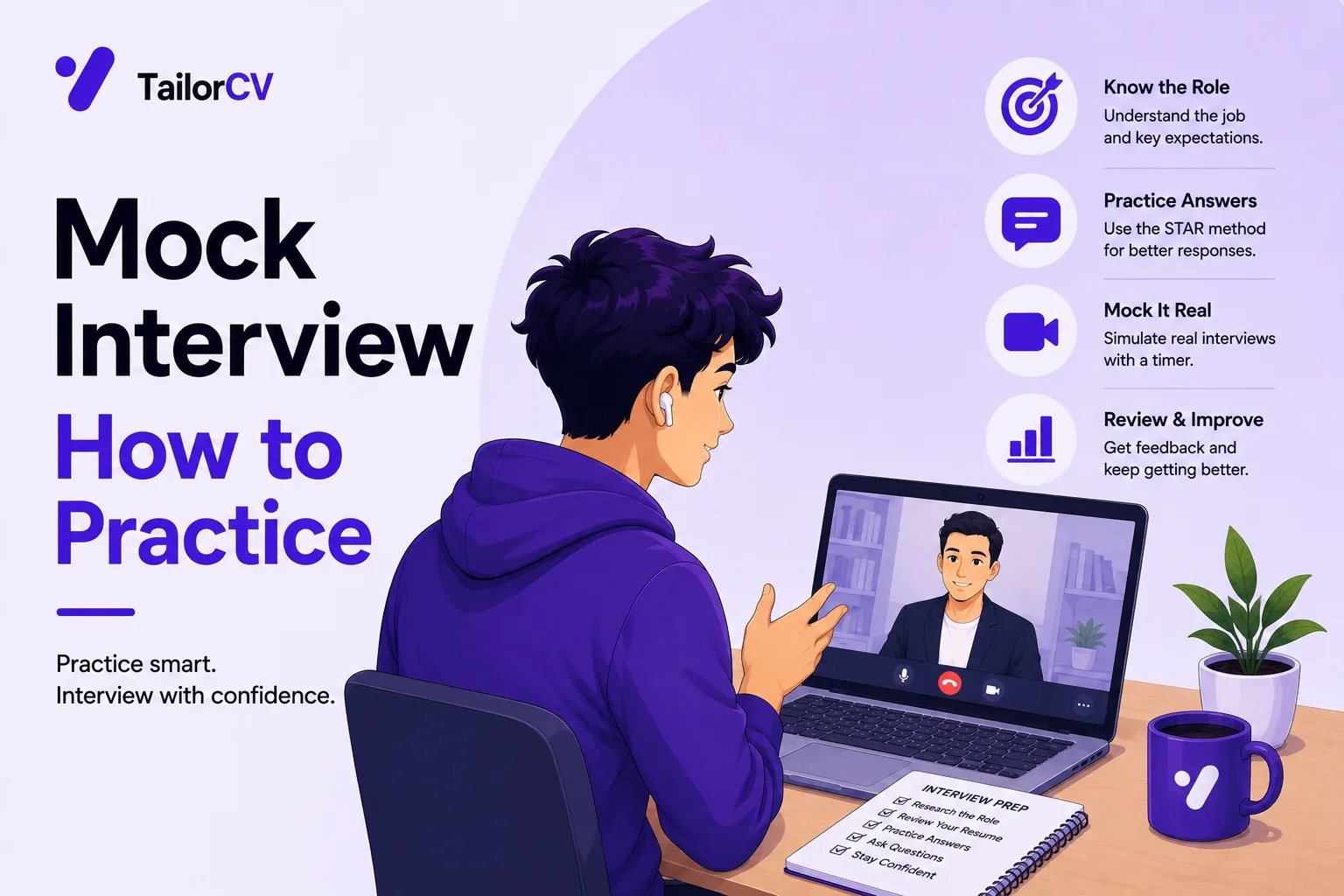
Speak every answer aloud at least five times. Use TailorCV's AI mock interview for realistic practice with feedback. Read AI mock interview complete guide.
2. Prepare your top 10 questions
Cover tell me about yourself, why should we hire you, greatest weakness, why leaving current job, and 5 STAR stories from the behavioral interview guide.
3. Research the company thoroughly
Anxiety feeds on unknowns. Reduce them with the company research guide.
4. Simulate the full experience
Dress as you would for the interview. Use the same setup for virtual interviews or remote job interviews. Do a full mock run 24 hours before.
5. Prepare questions to ask them
Having your own questions ready shifts the dynamic. See questions to ask in an interview.
Day-of-Interview Calming Techniques
Breathing (4-7-8 method)
Inhale 4 seconds, hold 7, exhale 8. Repeat three times before entering the interview.
Power posing (2 minutes)
Stand tall, shoulders back, hands on hips for two minutes before the interview. Research suggests this can reduce cortisol.
Arrive early (or log in early)
Rushing amplifies anxiety. For phone interviews, find a quiet space 10 minutes early.
Reframe nervous energy
Tell yourself: "My body is preparing me to perform." Mild arousal improves focus - you do not need zero nerves.
During the Interview
- Pause before answering - a 2-second pause looks thoughtful, not nervous
- Ask for clarification - "Could you tell me more about what you're looking for in that answer?"
- Use STAR structure - structure reduces rambling anxiety
- Focus on body language - communication tips here
- It is okay to say "That's a great question, let me think for a moment"
For panel interviews, focus on one person at a time to reduce overwhelm.
Long-Term Anxiety Reduction
| Strategy | Why it works |
|---|---|
| More mock interviews | Desensitizes you to interview format |
| Handle job rejection | Reduces fear of worst outcome |
| Freshers prep | First interviews are hardest - volume helps |
| Technical prep | Competence reduces fear |
When Anxiety Is Severe
If interview anxiety is debilitating - panic attacks, inability to speak - consider:
- Working with a career coach or therapist
- Gradual exposure through repeated mock interview practice
- Starting with lower-stakes phone screens before final rounds
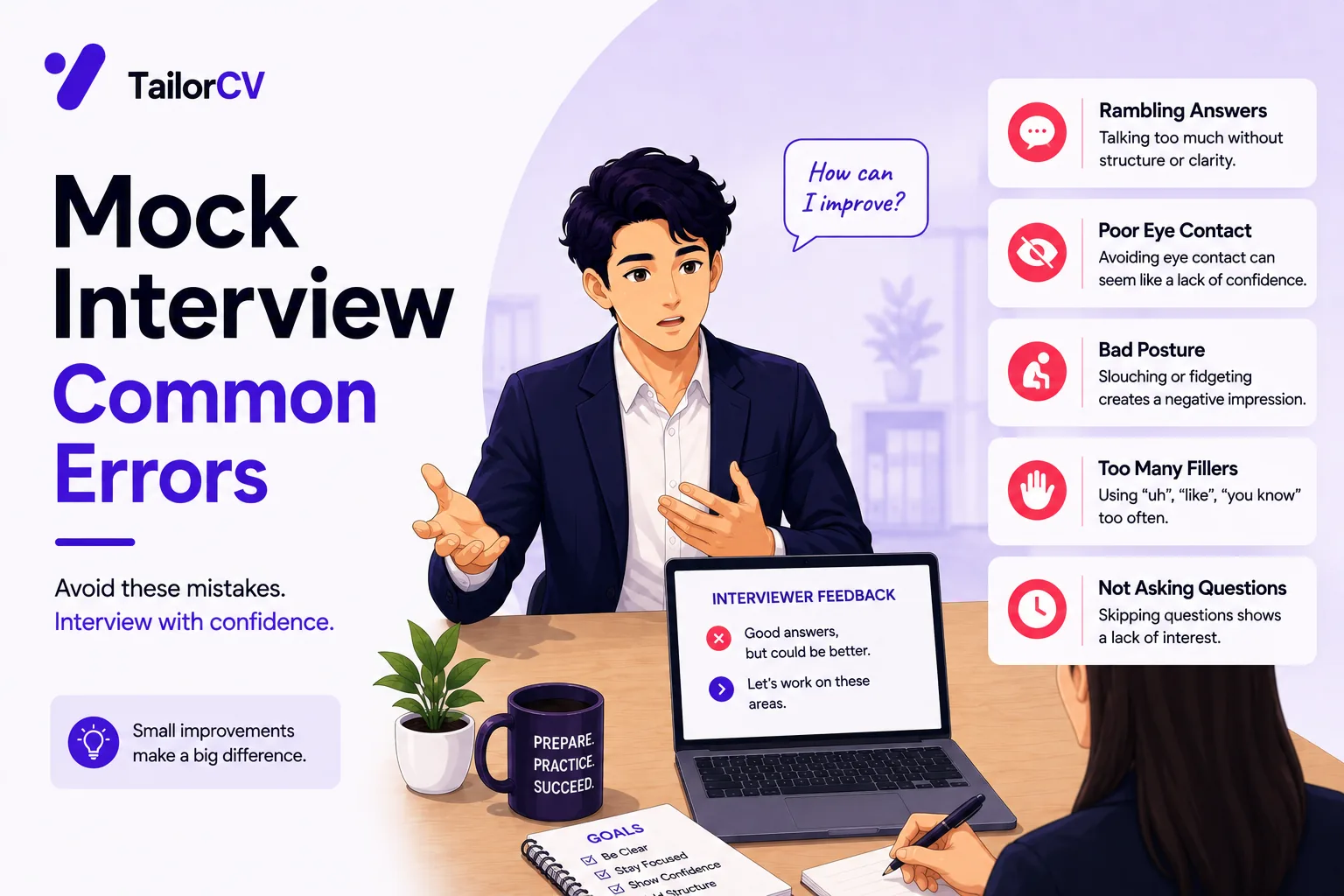
Common Mistakes Candidates Make During Interviews
Understanding the common pitfalls can significantly alleviate interview anxiety. Here are some frequent mistakes to avoid:
-
Over-preparation: While preparation is crucial, overthinking can lead to anxiety. Instead of memorizing answers, focus on understanding your experiences and how they relate to the job.
-
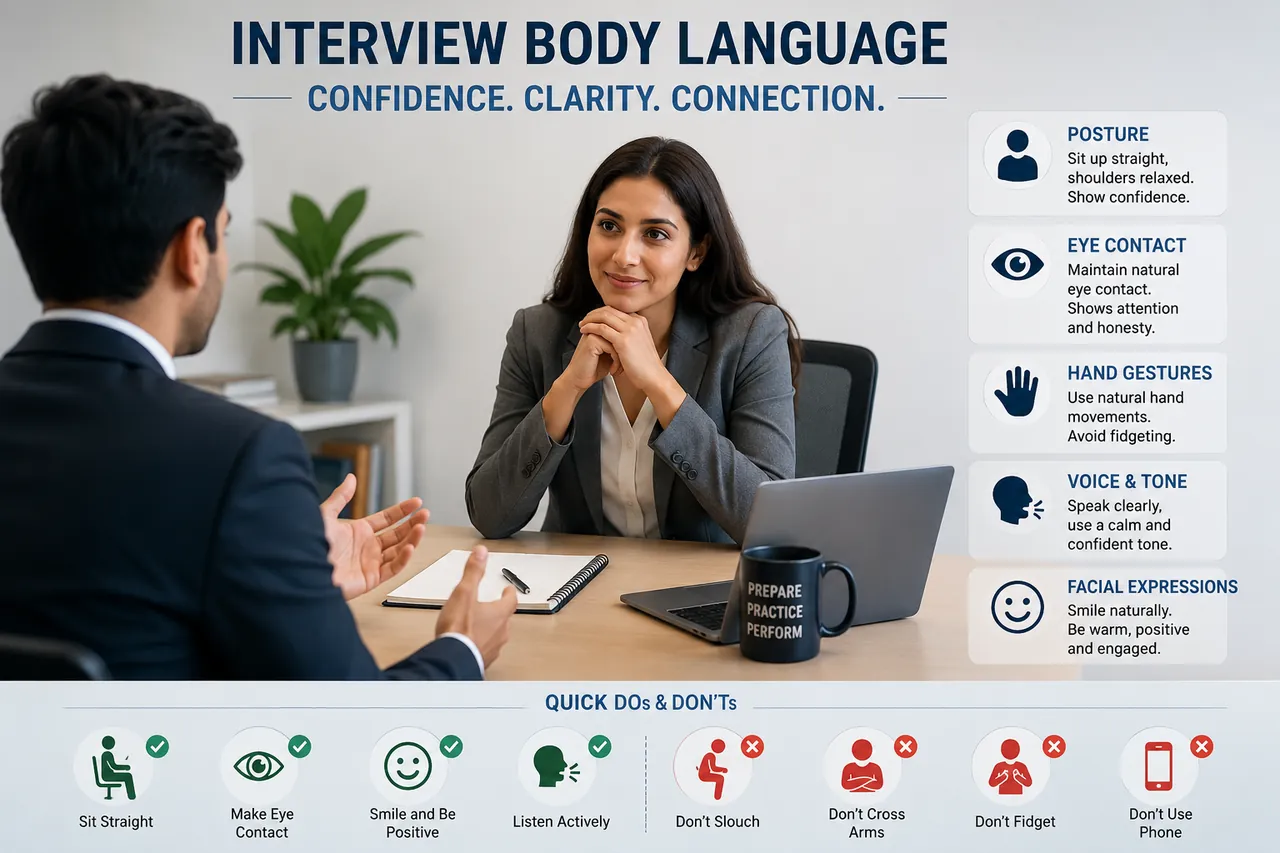
Neglecting Non-Verbal Cues: Body language plays a crucial role in how you are perceived. Fidgeting, avoiding eye contact, or crossing your arms can convey insecurity. For tips on improving your body language, check out our Interview Body Language Communication Tips.
-
Inadequate Research: Failing to research the company can make you feel unprepared. Familiarize yourself with the organization’s culture, values, and recent developments. This knowledge will boost your confidence and help you formulate insightful questions.
-
Not Practicing Responses: Many candidates underestimate the importance of practicing interview responses. Use mock interviews to get familiar with the format and reduce anxiety. For effective methods, refer to How to Practice Job Interviews at Home.
-
Ignoring the Importance of Questions: Not preparing questions for the interviewer can make you seem disinterested. Prepare thoughtful questions to demonstrate your interest in the role and the company.
Do's and Don'ts for Managing Interview Anxiety
Do's:
-
Do Prepare a Personal Story: Use the STAR method to craft a compelling story that showcases your skills and experiences. Having a solid narrative can help you respond to behavioral questions with confidence. Check out our Interview Story Bank - Use the STAR Method Before Every Interview for guidance.
-
Do Practice Mindfulness Techniques: Engaging in mindfulness exercises, such as deep breathing or meditation, before the interview can help center your thoughts and reduce stress.
-
Do Dress Comfortably and Professionally: Ensure your attire is both appropriate for the interview and comfortable. This can help you feel more at ease during the interview.
Don'ts:
-
Don't Ruminate on Past Interviews: Avoid dwelling on previous experiences that went poorly. Focus on the present opportunity instead.
-
Don't Rush Your Responses: Take a moment to think before answering questions. It’s better to provide a thoughtful response than to rush and potentially say something you didn’t mean.
-
Don't Compare Yourself to Other Candidates: Each candidate has unique strengths. Focus on showcasing your own abilities rather than worrying about how you measure up to others.
Step-by-Step Guide to Crafting Your Personal Elevator Pitch
A well-prepared elevator pitch can serve as a confidence booster during your interview. Follow these steps to create an effective one:
-
Start with Your Name: Introduce yourself clearly. "Hi, I’m [Your Name]."
-
State Your Current Role: Briefly mention your current job or what you are studying. "I am currently a [Your Current Position] at [Your Current Company/Institution]."
-
Highlight Your Skills: Focus on the skills and experiences that are relevant to the position you are applying for. "I specialize in [Key Skills] and have experience in [Relevant Experience]."
-
Express Your Career Goals: Share what you hope to achieve in your next role. "I’m looking to leverage my skills in a challenging new position that allows me to [Your Career Aspiration]."
-
Practice Your Pitch: Rehearse your pitch until it feels natural. Aim for a duration of 30 seconds to one minute.
Mini Checklist for Pre-Interview Preparation
Use this checklist to ensure you’re fully prepared for your interview and to help ease your nerves:
- unchecked: Research the company and its culture.
- unchecked: Prepare answers for common interview questions.
- unchecked: Develop a list of questions to ask the interviewer.
- unchecked: Practice your elevator pitch.
- unchecked: Select and prepare your interview outfit.
- unchecked: Confirm the interview details (time, location, format).
- unchecked: Set aside time for relaxation techniques before the interview.
- unchecked: Bring necessary documents (resume, cover letter, portfolio).
- unchecked: Arrive early to the interview location.
By following these practical steps and avoiding common mistakes, you can significantly reduce your interview anxiety and present your best self. For additional resources on interview preparation, check out our complete guide on How to Prepare for a Job Interview in 2026 - Complete Guide for Every Industry.
Frequently Asked Questions
See it in action: a resume-based mock interview
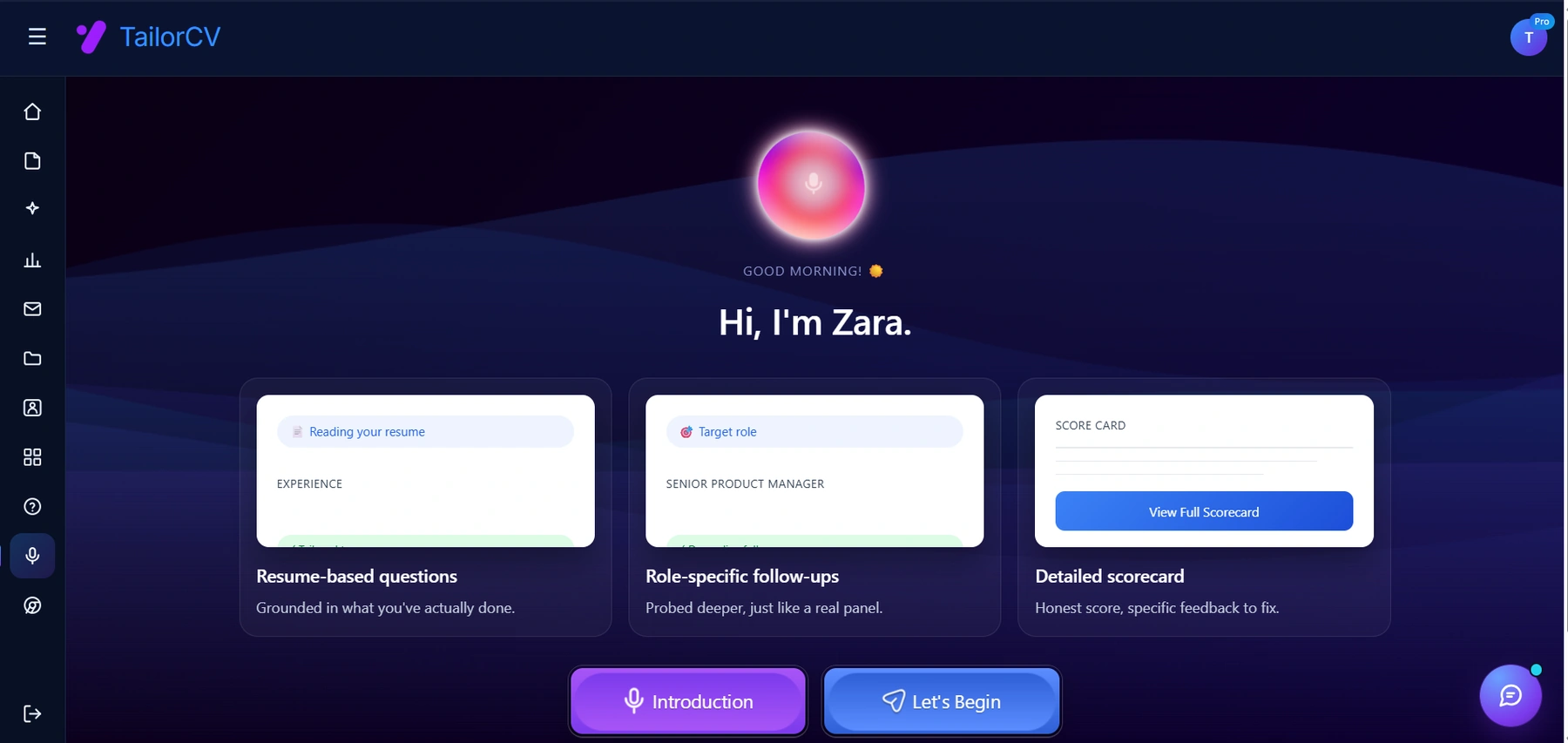
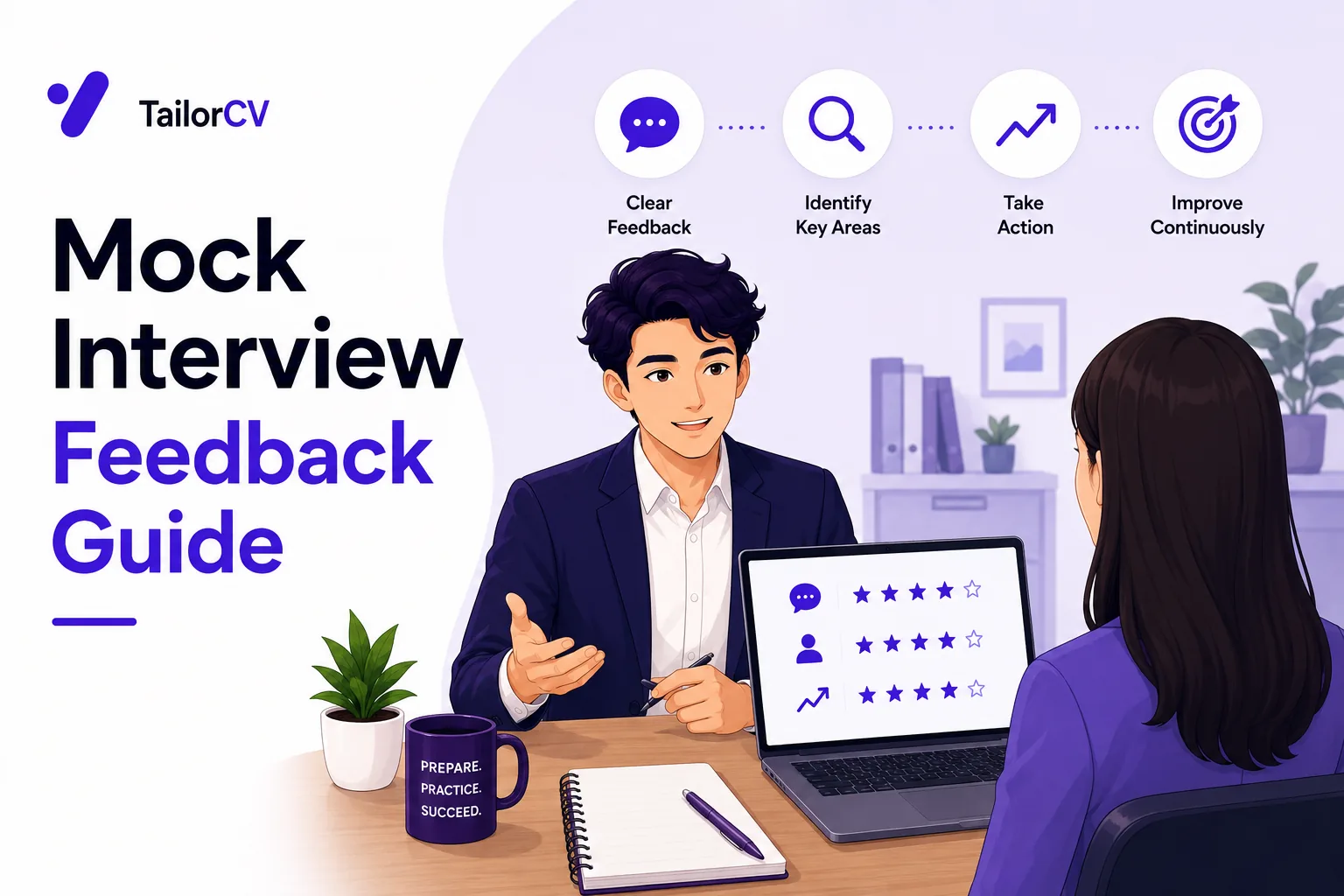
The scorecard at the end is the useful bit - an honest score plus specific feedback, which is what turns practice into improvement.
Is it okay to admit I'm nervous in an interview?
Brief honesty can humanize you: "I'm excited about this role - I care about making a good impression." Do not over-apologize.
How many mock interviews reduce anxiety?
Most candidates feel noticeably calmer after 3-5 sessions. Start free with TailorCV.
Does interview anxiety mean I'm not ready?
Not necessarily. It often means you care. Channel that energy into preparation, not self-doubt.
Build interview confidence with free AI mock interviews - practice until nerves become excitement.
Make This Practical
Use this advice as interview practice, not just reading material. Start a role-specific session with the AI mock interview tool, prepare your opening with How to Answer Tell Me About Yourself, and structure evidence-heavy answers with the STAR Method Interview Answers Guide.
Before the interview, make sure the resume that earned the call is still aligned with the role. Check it with the free ATS score checker, review Common Interview Mistakes to Avoid, and use How to Follow Up After an Interview once the conversation is over.
Was this guide useful?
Be the first to rate it.