 TD
TD

Key Takeaways
- Case interviews assess structured thinking under pressure and are common in consulting and tech roles.
- Key frameworks include Profitability, Market Entry, 4Ps, and Porter's Five Forces; choose one that fits the case.
- The case interview process involves listening, clarifying objectives, structuring your approach, analyzing, synthesizing recommendations, and handling follow-up questions.
- Effective practice methods include reading case prep books, practicing with peers, using AI mock interviews, and doing mental math drills.
- Time management is crucial; practice staying within the typical 30-45 minute timeframe for case interviews.
Case Interview Preparation Guide - How to Ace Consulting and Analytical Interviews (2026)
Case interviews - where you solve a business problem live with an interviewer - are standard at consulting firms, increasingly common at tech companies for product and strategy roles, and used anywhere employers want to test structured thinking under pressure.
Unlike behavioral interviews, case interviews evaluate how you think, not what you have done. This guide covers case interview preparation for 2026.
Practice structured communication with AI mock interviews - clear thinking aloud is half the battle. Also read situational interview questions, technical interview prep, and the complete interview guide.
What Is a Case Interview?
A case interview presents a business scenario:
- "Our client's profits dropped 20% - why?"
- "Should Company X enter the Indian market?"
- "How would you improve retention for a SaaS product?"
You analyze the problem, ask clarifying questions, structure your approach, perform calculations if needed, and recommend a solution - all while thinking aloud.
Core Case Interview Frameworks
Profitability Framework
Revenue − Costs = Profit. Break revenue into Price × Volume. Break costs into Fixed + Variable.
Market Entry Framework
Market size -> Competition -> Company capabilities -> Entry strategy -> Risks
4Ps (Marketing)
Product, Price, Place, Promotion
Porter's Five Forces
Competitive rivalry, supplier power, buyer power, substitutes, new entrants
You do not need every framework - pick one that fits and adapt. Over-frameworking sounds robotic.
Case Interview Process Step by Step
1. Listen and Take Notes
Do not interrupt. Write key facts.
2. Clarify Objectives
"What is the client's primary goal - revenue growth, market share, or profitability?"
3. Structure Your Approach
"I'll break this into three areas: market dynamics, internal operations, and competitive landscape."
4. Analyze Each Branch
Ask for data. Make reasonable assumptions when data is unavailable - state them explicitly.
5. Synthesize and Recommend
"Based on my analysis, I recommend X because Y. The risks are Z, and next steps would be..."
6. Handle Follow-Up Questions
Interviewers push back to test adaptability. Stay calm - interview anxiety tips.
Case Types
| Type | Example |
|---|---|
| Profitability | Declining margins |
| Market sizing | "How many gas stations in the US?" |
| Market entry | New geography or product line |
| Pricing | Should we raise prices? |
| M&A | Should Company A acquire Company B? |
| Operations | Supply chain inefficiency |
Product managers and data analysts face case-like questions too - see data analyst resume 2026 and consultant resume 2026.
How to Practice Case Interviews
- Read Case Prep Books - "Case in Point" by Marc Cosentino and Victor Cheng's materials provide foundational knowledge and practice cases.
- Practice with Peers - Take turns as interviewer and candidate. This helps you get used to the pressure of real interviews.
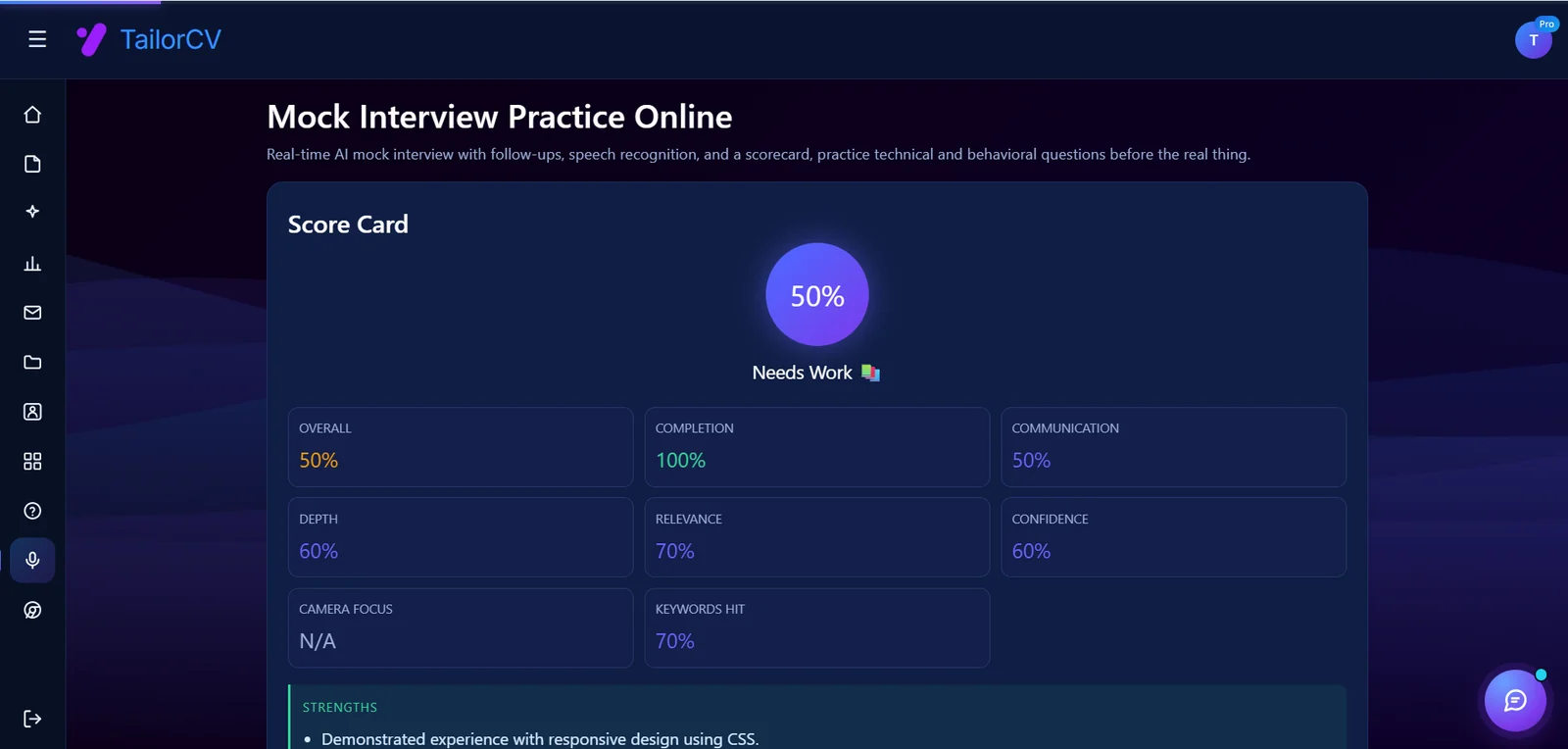
- Use AI Mock Interviews for communication practice, allowing you to simulate the interview environment.
- Do Mental Math Drills - Focus on percentages, market sizing estimates, and basic calculations to enhance your speed and accuracy.
- Record Yourself - Review your body language and clarity to identify areas for improvement.
- Time Yourself - Most cases run 30-45 minutes; practice staying within this timeframe to build your pacing skills.
Additional Practice Resources
- Join Case Study Workshops: Many consulting firms and universities offer workshops where you can practice with experienced consultants.
- Online Forums and Communities: Engage with platforms like PrepLounge or Management Consulted to find case partners and additional resources.
- Mock Interviews: Schedule mock interviews with professionals in the field to gain insights and feedback.
Ensure your resume gets you the case interview: TailorCV ATS checker.
Case Interview vs. Other Formats
| Format | Focus |
|---|---|
| Coding Interview | Algorithms, code |
| System Design | Architecture |
| Behavioral | Past behavior |
| Case Interview | Business problem-solving |
| Competency-Based | Role competencies |
Case interviews often appear in final round or panel formats.
Common Case Interview Mistakes
| Mistake | Why it costs you |
|---|---|
| Jumping to Conclusions | Avoid making assumptions without a structured analysis. Take the time to gather data |
| Not Asking Clarifying Questions | Always seek clarification to ensure you understand the problem fully |
| Silent Thinking | Interviewers cannot evaluate what they cannot hear. Think aloud to demonstrate your reasoning process |
| Ignoring the Recommendation Step | Always conclude with a clear recommendation based on your analysis |
| Getting Stuck on Math | If you encounter a tough calculation, don’t let it derail the entire case. Make reasonable assumptions and move on |
Real-World Examples of Case Interview Mistakes
- Mistake: A candidate spent too long calculating potential market size, missing the opportunity to discuss strategic implications.
- Lesson: Prioritize strategic discussion over exhaustive calculations to demonstrate your understanding of the bigger picture.
See common interview mistakes.
Tips for Enhancing Your Case Interview Skills
- Stay Updated on Industry Trends: Understanding current market dynamics can provide context for case scenarios.
- Develop a Structured Thinking Habit: Regularly practice breaking down complex problems into manageable parts in your daily life.
- Use Real-Life Business Cases: Analyze recent business news or case studies to apply frameworks and practice your problem-solving skills.
- Seek Feedback: After practice sessions, ask peers or mentors for constructive criticism to refine your approach.
See it in action: a resume-based mock interview
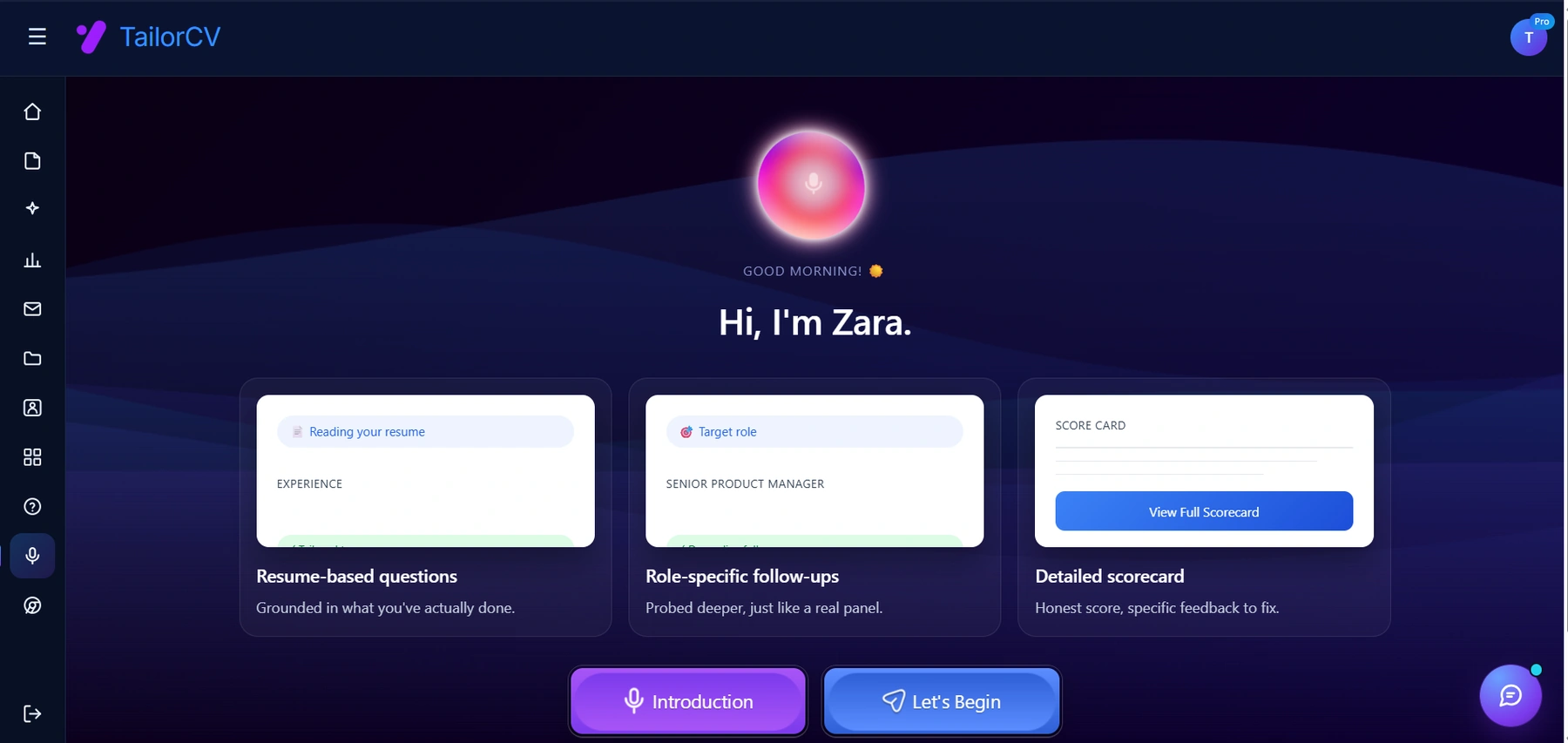
Practice looks like this: the interviewer reads your resume first, so questions come from what you have actually done rather than a generic bank - then follows up the way a real panel would.
Worked Example: Analyzing a Case Scenario
To illustrate how to approach a case interview, let’s consider a hypothetical scenario:
Case Scenario: A retail company is experiencing a decline in sales. Your task is to identify the root cause and propose actionable solutions.
Step 1: Clarifying Questions
Before diving into analysis, ask clarifying questions to understand the context better:
- What specific product categories are experiencing declines?
- Are there any recent changes in marketing strategies?
- How does the company’s pricing compare to competitors?
Step 2: Structuring Your Analysis
Utilize a framework like the 4Ps (Product, Price, Place, Promotion) to structure your approach:
- Product: Analyze whether product quality or variety has changed.
- Price: Consider if pricing is competitive and if discounts or promotions are being effectively utilized.
- Place: Evaluate if distribution channels have been impacted or if online sales are lagging.
- Promotion: Investigate recent marketing campaigns and their effectiveness.
Step 3: Data Interpretation
Based on the information gathered, identify key data points:
- Sales trends over the past year
- Customer feedback and satisfaction ratings
- Competitor analysis
Step 4: Formulating Solutions
Propose actionable solutions based on your analysis:
- Introduce new product lines based on market demand.
- Revise pricing strategies to enhance competitiveness.
- Increase online marketing efforts to drive traffic.
Do's and Don'ts of Case Interview Preparation
Do's:
- Practice Regularly: Engage in mock interviews and practice cases to build confidence.
- Listen Actively: Pay attention to the interviewer’s cues and feedback during the case discussion.
- Think Aloud: Share your thought process clearly to demonstrate your analytical skills.
Don'ts:
- Rush Your Answers: Take your time to think through the problem before responding.
- Ignore the Structure: Always maintain a clear structure in your approach to ensure clarity.
- Overlook Basic Math: Brush up on your mental math skills, as accurate calculations are crucial.
Mini Checklist for Case Interview Preparation
- unchecked: Familiarize yourself with common case interview frameworks (e.g., SWOT, 4Ps).
- unchecked: Practice at least 5 different case types (market entry, profitability, etc.).
- unchecked: Conduct mock interviews with peers or mentors for real-time feedback.
- unchecked: Review fundamental business concepts (revenue models, cost structures).
- unchecked: Prepare a list of questions to ask the interviewer for clarification.
- unchecked: Reflect on past interview experiences and identify areas for improvement.
Short Scenarios to Test Your Skills
Scenario 1: Market Entry
Your client is considering entering a new geographic market. How would you evaluate whether this is a good decision?
Scenario 2: Cost Reduction
A manufacturing company wants to reduce costs by 20%. What steps would you recommend to achieve this goal?
Scenario 3: Product Launch
A tech firm is launching a new gadget. What factors should they consider to ensure a successful launch?
Enhancing Your Case Interview Skills with Resources
To further refine your case interview skills, consider leveraging various resources:
- Utilize the mock interview platform for practice.
- Access ATS checker to ensure your resume aligns with job descriptions.
- Explore cover letter templates to complement your applications.
By incorporating these strategies and resources, you can significantly improve your case interview performance and increase your chances of success in landing a consulting role.
Conclusion
Preparing for a case interview requires a blend of strategic thinking, effective communication, and structured problem-solving skills. By understanding the case interview process, practicing with various resources, and learning from your mistakes, you can significantly enhance your performance. Remember, the key is to articulate your thought process clearly and confidently while demonstrating your analytical capabilities.
For additional resources on interview preparation, check out our guides on remote job interview preparation and group interview tips. Good luck with your case interviews!
Getting to the case round starts with the resume; consulting vs industry tailoring covers what consulting screeners look for.
Frequently Asked Questions
Do tech companies use case interviews?
Increasingly for PM, strategy, and business operations roles. Engineers typically face coding and system design instead.
How long should I prepare for case interviews?
Plan 4-8 weeks of daily practice for consulting roles. Lighter prep for case-like PM questions.
Can AI help with case interview practice?
AI mock interviews excel at practicing structured communication and situational thinking. Pair with peer practice for full case simulations.
Practice structured interview communication with TailorCV's AI mock interview.
Make This Practical
Use this advice as interview practice, not just reading material. Start a role-specific session with the AI mock interview tool, prepare your opening with How to Answer Tell Me About Yourself, and structure evidence-heavy answers with the STAR Method Interview Answers Guide.
Before the interview, make sure the resume that earned the call is still aligned with the role. Check it with the free ATS score checker, review Common Interview Mistakes to Avoid, and use How to Follow Up After an Interview once the conversation is over.
Was this guide useful?
Be the first to rate it.