 SS
SS
Key Takeaways
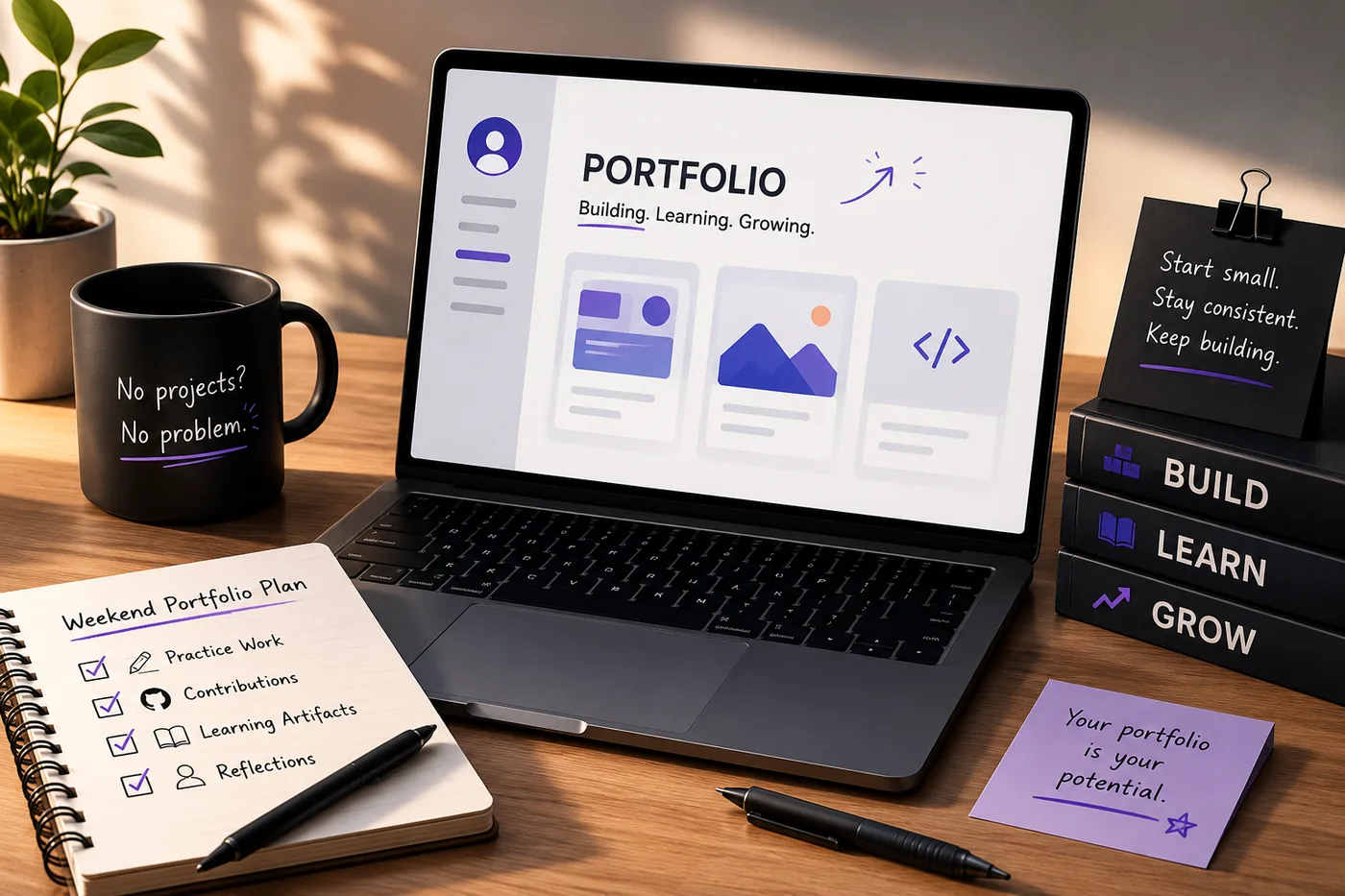
- Build small, real projects that solve actual problems to establish credibility in your portfolio.
- Recreate realistic briefs for design, writing, or marketing to showcase your skills and thought process.
- Contribute to open-source projects, collaborate with others, or help nonprofits to gain practical experience.
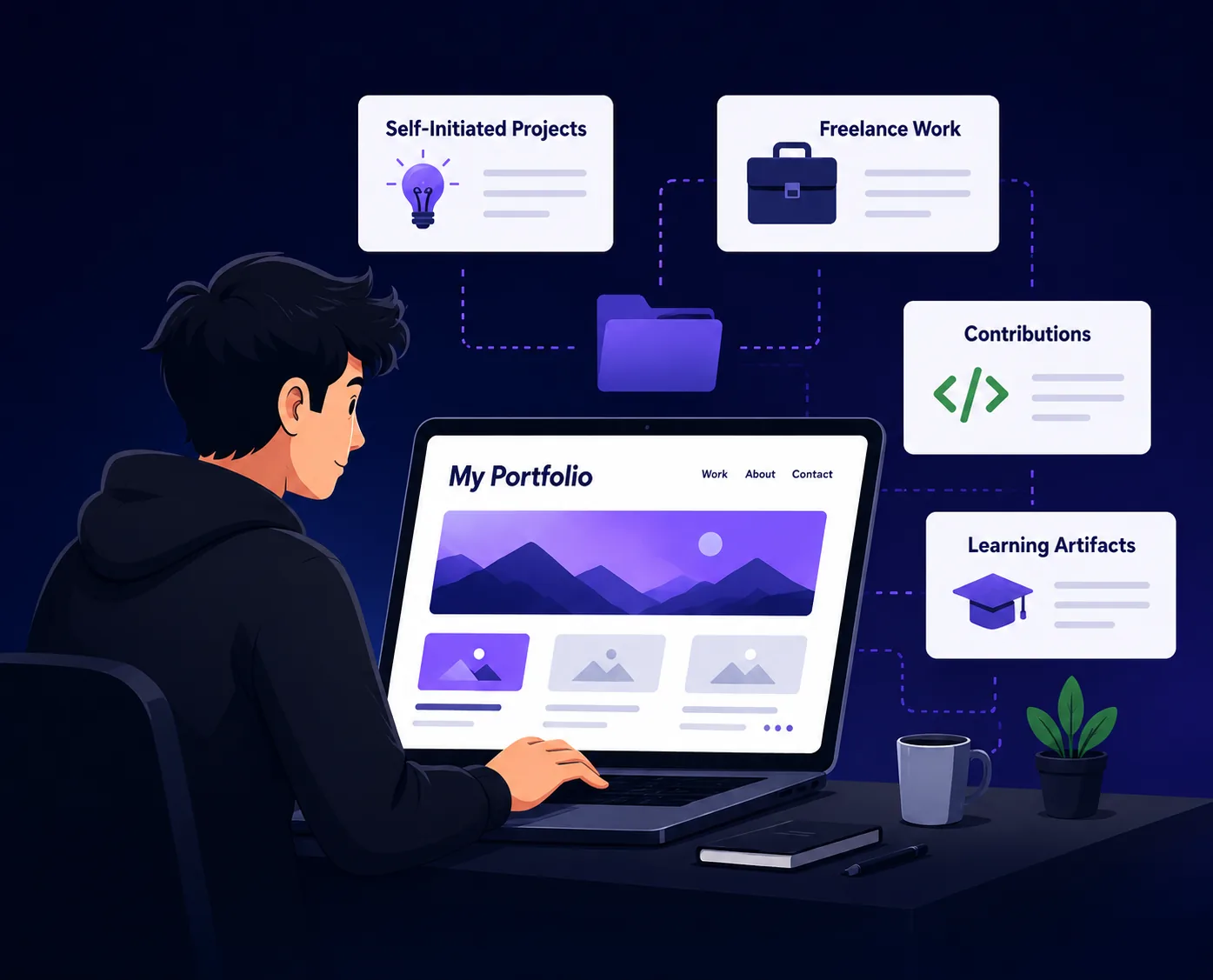
- Document your learning process and create case studies from hypothetical scenarios to demonstrate problem-solving skills.
- Ensure your resume and portfolio tell a consistent story to avoid confusion for recruiters.
An empty portfolio feels like a chicken-and-egg trap - you need work to get hired, but you need to be hired to get work. It is not. You can create credible material in a weekend or two. Here is exactly what to put in your portfolio when you are starting from zero. Pair this with Build a Portfolio With No Experience and How to Get a Job With No Experience.
Build Something Small and Real
Solve a problem you or someone near you actually has. The realness is the credibility.
- A budget tracker, a habit app, or a tool you personally need
- A signup or scheduling page for a club or friend's business
- A script that automates a tedious task
Real beats impressive. See 15 Developer Portfolio Project Ideas for dozens of starting points.
Recreate Realistic Briefs
Designers, writers, and marketers can complete sample briefs and present them honestly as concept work:
- Designers: redesign a clunky flow (document it with How to Write a Portfolio Case Study)
- Writers: a landing page, an email sequence, three SEO posts
- Marketers: a full campaign plan with goals and projected metrics
Contribute and Collaborate
- Fix a small open-source bug - a merged PR is real proof (GitHub Portfolio Optimization)
- Join a hackathon and ship in 48 hours
- Help a nonprofit or student org
- Pair with a friend so you both get a project
Turn Learning Into Proof
Course capstones, notebooks, tutorials you extended, and "what I learned" write-ups all show initiative and trajectory - which is exactly what employers hire juniors for.
Package Three Pieces
Even three small, well-documented pieces - each with problem, process, and outcome - make a real portfolio. Add an Portfolio About Me Section and a Portfolio Contact Section, then publish from your resume with the portfolio builder.
Keep Your Resume and Portfolio in Sync
Your resume, your LinkedIn, and your portfolio should tell the same story - same name, same headline, same top projects - just at different levels of depth. A recruiter who sees a 'Full Stack Developer' resume and a portfolio headlined 'Aspiring Designer' gets confused, and confusion loses interviews. Lock the resume down first with the ATS score checker and an ATS-friendly template, then mirror that exact positioning in your portfolio. When they reinforce each other, every recruiter touchpoint pushes you forward. See How to Add Your Portfolio Link to Your Resume for placing the link correctly.
Pro Tips
- Document your process; juniors are hired on how they think.
- Add one line of outcome to each piece, even a modest one.
- Update as you build - momentum compounds.
Create Case Studies from Hypothetical Scenarios
One effective way to enrich your portfolio is by developing case studies based on hypothetical scenarios. This not only showcases your problem-solving skills but also demonstrates your ability to think critically and strategically. Here’s how to do it:
-
Choose a Relevant Topic: Pick an area related to your field or a project type that interests you. For instance, if you're a data analyst, you might choose to analyze a dataset about social media trends.
-
Define the Problem: Clearly articulate the problem you’re addressing. For example, “How can a small business increase its online visibility?”
-
Outline Your Approach: Describe the methods you would use to tackle this problem. Include the tools or technologies you would apply, such as Python for data analysis or Adobe XD for UI design.
-
Present Your Findings: Even if the data is hypothetical, create visualizations or mock results that demonstrate the potential outcomes of your analysis.
-
Reflect on Your Learnings: Conclude with insights gained from the exercise and how you would approach a real-world implementation.
By structuring your case studies in this way, you can effectively demonstrate your analytical and creative thinking skills, making your portfolio more compelling.
Build a Personal Brand Through Blogging
Another strategy to strengthen your portfolio is to create a blog around your field of expertise. This not only showcases your knowledge but also establishes you as a thought leader. Here’s how to get started:
Turning a resume into a portfolio site
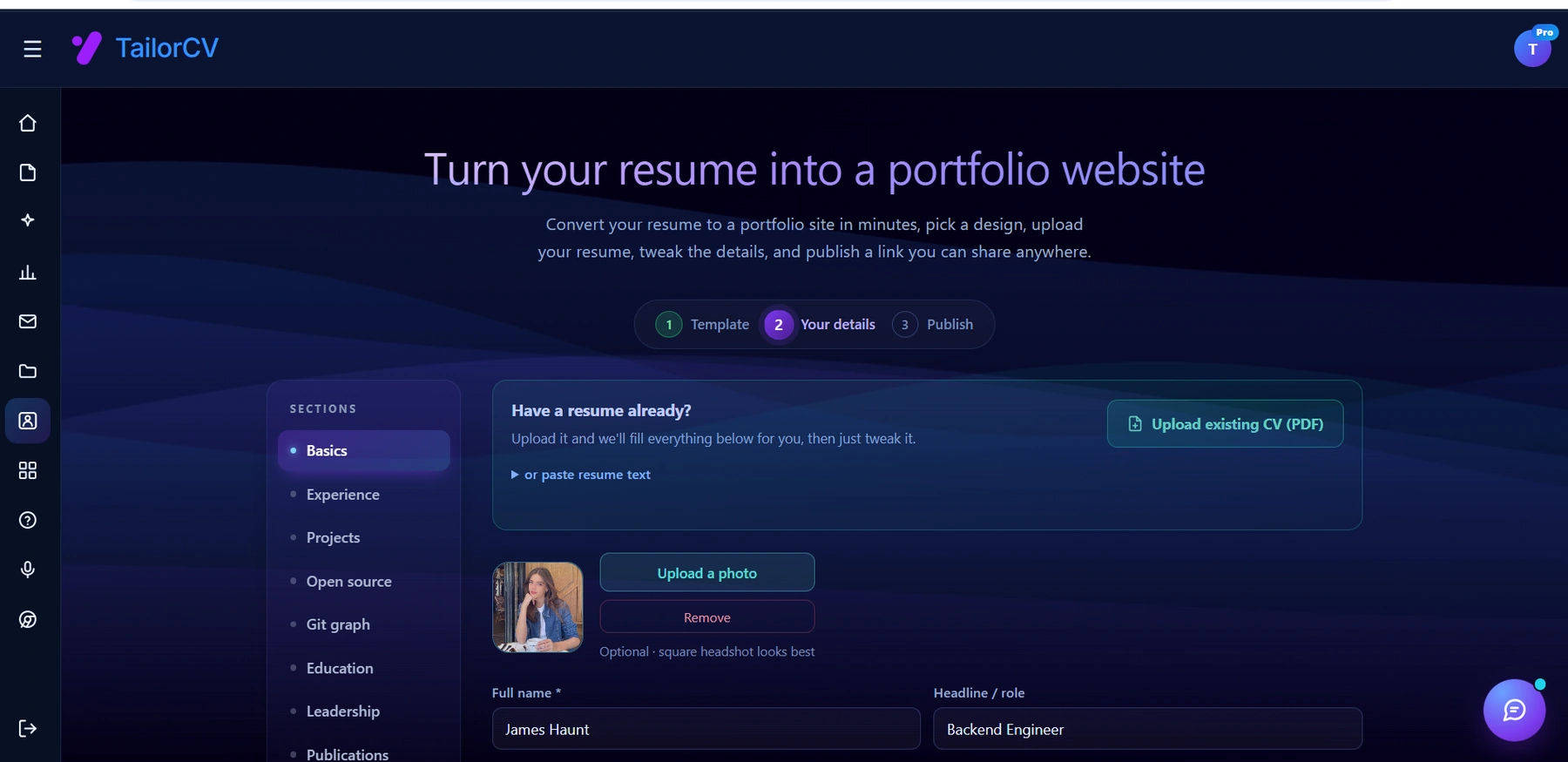
The three steps are template, details, publish. Uploading an existing CV fills in the details step for you, which is why this takes minutes rather than a weekend.
-
Choose a Niche: Focus on a specific area within your field. For instance, if you’re a frontend developer, consider writing about the latest trends in web development or tutorials on CSS frameworks.
-
Create Quality Content: Aim for informative, engaging posts that provide value to your readers. Use visuals, infographics, or code snippets to enhance your articles.
-
Consistency is Key: Set a schedule for posting—whether it’s weekly, bi-weekly, or monthly—and stick to it. Regular updates keep your audience engaged and improve your SEO.
-
Promote Your Blog: Share your posts on social media platforms and relevant online communities to increase visibility. Engaging with readers through comments can also build a loyal following.
-
Link to Your Portfolio: Ensure your blog includes links to your portfolio and projects. This creates an interconnected web of your work, making it easier for potential employers to see your skills in action.
By integrating a blog into your portfolio, you can effectively showcase your expertise and passion for your field.
Common Mistakes to Avoid in Your Portfolio
When creating a portfolio, it’s easy to fall into certain traps that can dilute its effectiveness. Here are some common mistakes to watch out for:
-
Overloading with Information: Keep your portfolio concise. Too much information can overwhelm viewers. Stick to your best work and relevant experiences.
-
Neglecting Design: A poorly designed portfolio can detract from your content. Ensure your layout is clean and visually appealing. Consider using tools like Portfolio Website Builders 2026 to create a professional look.
-
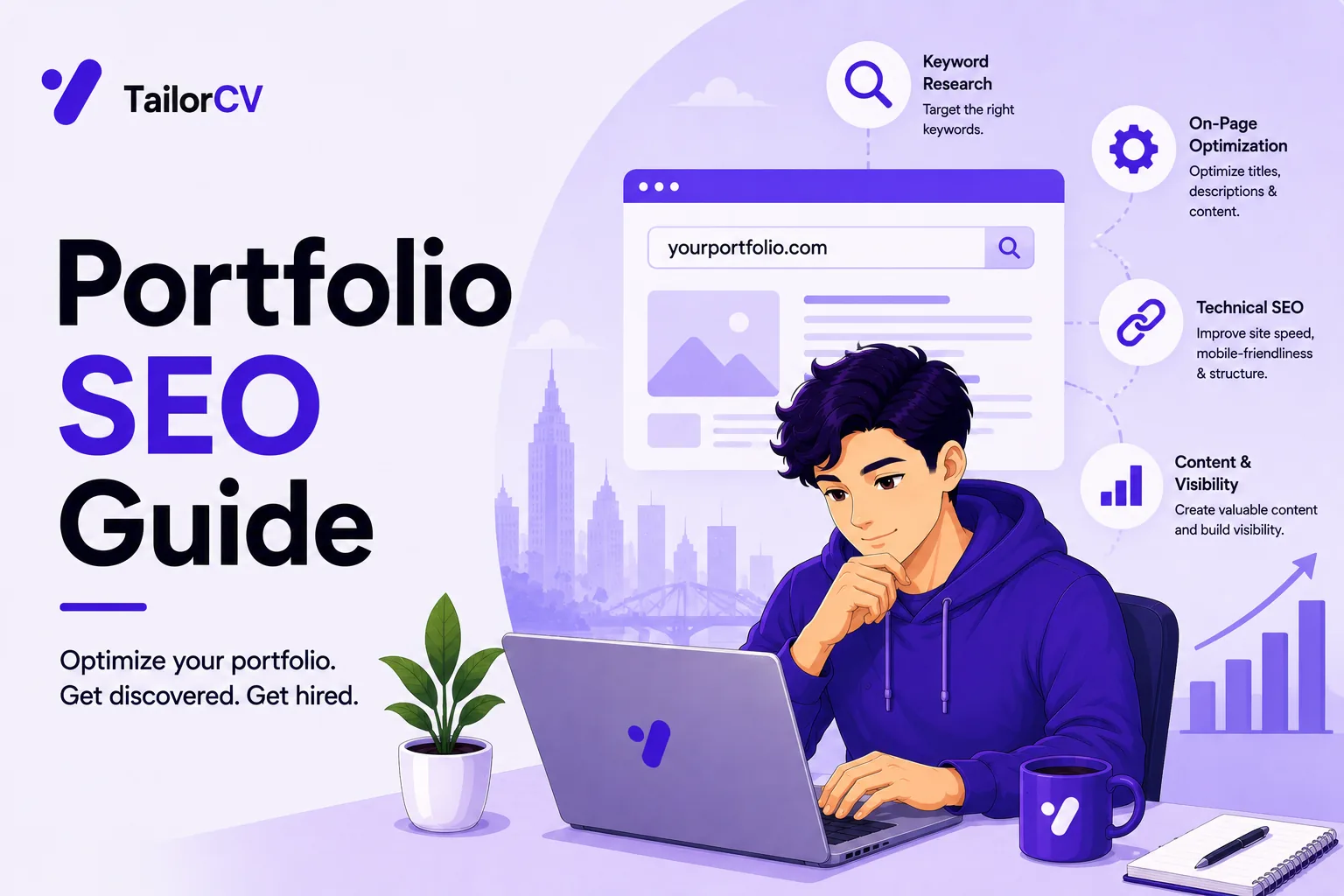
Ignoring SEO Principles: If your portfolio isn’t optimized for search engines, it may not reach your target audience. Familiarize yourself with Portfolio SEO techniques to enhance visibility.
-
Lack of Context: Always provide context for your projects. Explain your role, the challenges faced, and how you overcame them. This helps potential employers understand your thought process.
-
Failing to Update Regularly: Your portfolio should evolve as your skills grow. Regularly update it with new projects, skills, and experiences to reflect your current capabilities.
By avoiding these pitfalls, you can create a more effective and appealing portfolio.
Mini Checklist for Building Your Portfolio
Creating a comprehensive portfolio can be streamlined with a checklist. Use this as a guide to ensure you cover all essential aspects:
- unchecked: Select Projects: Choose 3-5 projects or case studies that best showcase your skills.
- unchecked: Write Descriptions: Include clear, concise descriptions for each project, detailing your role and the impact of your work.
- unchecked: Include Visuals: Add images, screenshots, or videos to illustrate your projects effectively.
- unchecked: Optimize for SEO: Incorporate relevant keywords to improve search visibility.
- unchecked: Test Functionality: If your portfolio includes interactive elements, ensure they work correctly.
- unchecked: Get Feedback: Share your portfolio with peers or mentors for constructive criticism.
- unchecked: Update Regularly: Schedule periodic reviews to refresh content and add new projects.
By following this checklist, you can create a well-rounded portfolio that effectively showcases your skills and experiences.
Frequently Asked Questions
Can concept projects really count?
Yes, if you are transparent and show real process and decisions. They demonstrate exactly the skills the job needs.
How fast can I build a starter portfolio?
A focused weekend or two: one small real project plus two concept pieces, then publish.
I am a student - anything specific?
Reframe coursework as projects and keep it updated. See the Student Portfolio Guide. You can also explore 15 Developer Portfolio Project Ideas That Get You Hired in 2026 for inspiration.
Build Your Portfolio Now
You do not need to code a site from scratch or spend a weekend wrestling with a website builder. Turn your existing resume into a live, shareable portfolio website in minutes with the TailorCV portfolio builder - choose a template, upload your CV, tweak the details, and publish a link you can drop straight onto your resume and LinkedIn. Before you start applying, run your resume through the free ATS score checker and switch to an ATS-friendly template so your portfolio and resume tell one clean, consistent story to every recruiter.
Related Guides
- How to Build a Professional Portfolio
- Build a Portfolio With No Experience
- Student Portfolio Guide
- How to Get a Job With No Experience
- 15 Developer Portfolio Project Ideas
- Projects on a Resume
- How to Write a Portfolio Case Study
- GitHub Portfolio Optimization
- Portfolio About Me Section
- Turn Your Resume Into a Portfolio in Minutes
- Resume With No Experience
- Portfolio Checklist Before You Apply
Make This Practical
If this topic connects to your work samples, turn the advice into a live proof page with the TailorCV portfolio builder. After publishing, add the link correctly using How to Add Your Portfolio Link to Your Resume, tighten the page with the Portfolio Checklist Before Applying, and make sure recruiters can contact you through a clean Portfolio Contact Section.
Your portfolio works best when it supports the resume, not when it replaces it. Run the resume through the free ATS score checker, choose an ATS-friendly resume template, and use Portfolio SEO: Get Found so your name, role, and strongest projects are easier to discover.
Related Guides to Strengthen This Topic
Use these internal guides to connect this topic with the rest of your job-search workflow:
- How to Build a Professional Portfolio
- Portfolio Website for Job Applications
- Portfolio Checklist Before Applying
- Portfolio Mistakes to Avoid
- How to Write Portfolio Case Study
- Add Portfolio Link to Resume
- Resume Matching With Job Description
- ATS-Friendly Resume Builder
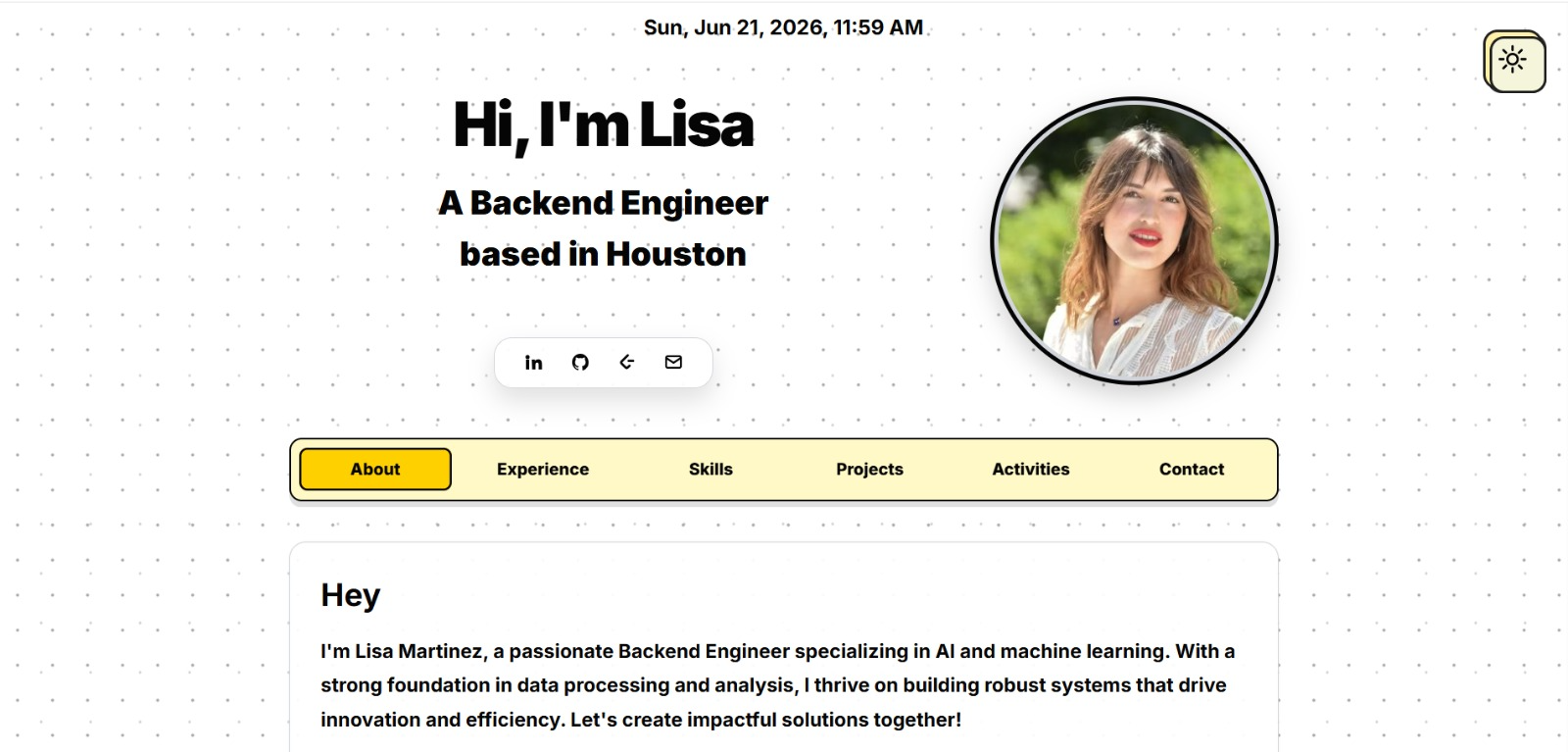
See what your portfolio could look like
This theme is built straight from your resume — pick one and your portfolio is live in minutes.
Was this guide useful?
Be the first to rate it.