 TD
TD

Key Takeaways
- Job hopping can be perceived negatively by interviewers, so it's crucial to address concerns about retention, performance, and commitment directly.
- Legitimate reasons for short tenures include layoffs, startup failures, relocation, and seeking better opportunities; frame these reasons positively in interviews.
- Prepare specific scripts for explaining job changes, emphasizing stability and long-term commitment to the new role.
- Optimize your resume by grouping short roles, highlighting achievements, and tailoring it for each application to mitigate concerns about job hopping.
- Avoid negative statements about past employers or expressing a lack of commitment, as these can raise red flags for potential employers.
Changing jobs every 12-18 months used to be a career killer. In 2026, the landscape is more nuanced - layoffs, startup instability, contract work, and rapid skill growth all contribute to shorter tenures. But interviewers still ask: "Why have you changed jobs so frequently?"
How you answer determines whether job hopping is seen as a red flag or a reasonable pattern.
This guide covers honest scripts and strategies - practice them with AI mock interviews.
Also read resume tailoring for job hoppers, why leaving current job, career gap explanations, and the HR round guide. Align your resume with the TailorCV ATS checker.
When Job Hopping Is a Concern
Interviewers worry about:
- Retention risk - will you leave in 6 months?
- Performance issues - were you pushed out?
- Commitment - do you finish what you start?
- Pattern vs. exception - one short stint or a trend?
Your job is to address these concerns directly with context and forward commitment.
Legitimate Reasons for Short Tenures
| Reason | How to frame it |
|---|---|
| Layoffs / restructuring | External, documented, not performance-related |
| Startup failure | Company ran out of funding / acquired / shut down |
| Contract / freelance | Clearly labeled on resume - freelance resume guide |
| Growth ceiling | No advancement path after genuine effort |
| Relocation | Personal move, documented |
| Bad fit (culture) | Brief, professional, no badmouthing |
| Better opportunity | Logical career progression with impact at each stop |
Answer Scripts for "Why Have You Changed Jobs Frequently?"
Layoff-driven hopping
"Three of my last four roles ended due to company restructuring or layoffs - not performance. I've consistently delivered strong results at each, and I can walk you through specific achievements. I'm now specifically looking for a stable environment where I can commit long-term, which is why this role at [Company] appeals to me."
Growth-driven moves
"Each move was a deliberate step toward [target role/skill]. At Company A, I built backend foundations. At Company B, I moved into distributed systems. At Company C, I led a team for the first time. This role represents the next logical step - and I'm looking for a place to stay and grow for the long term."
Startup instability
"I've worked primarily at early-stage startups, which naturally have shorter lifecycles. I've learned to ship fast and wear multiple hats. I'm now intentionally targeting a [stage] company where I can build sustained impact."
Practice these with STAR method structure and mock interview sessions.
Resume Strategies for Job Hoppers
Before the interview, optimize your resume:
- Group short contract roles under one heading
- Lead with impact bullets, not dates
- Remove very short roles (< 3 months) if not meaningful
- Use resume tailoring for job hopping
- Address red flags - resume red flags guide
Checklist for Optimizing Your Resume
- Highlight Achievements: Use bullet points to showcase key achievements in each role.
- Use a Functional Format: Consider a functional resume format if your job history is diverse.
- Focus on Skills: Emphasize transferable skills relevant to the position you're applying for.
- Clarify Employment Dates: Make it easy for hiring managers to see your timeline without confusion.
- Customize for Each Application: Tailor your resume for each job application to align with the job description.
What NOT to Say
- "My bosses were all terrible" - sounds like the common denominator is you
- "I get bored easily" - retention nightmare
- "I only stay until something better comes along" - honest but fatal
- Blaming every employer without owning any part
See common interview mistakes.
Job Hopping by Interview Round
| Round | Focus |
|---|---|
| HR round | Retention concern, salary history consistency |
| Manager round | Impact at each role, team relationships |
| Panel interview | Same consistent narrative |
| Final round | Long-term commitment signal |
Pair with why should we hire you to reinforce current value.
Real Examples of Job Hopping Success Stories
Understanding how others successfully navigated job hopping can provide valuable insights. Here are a few examples:
-
Maria, a Marketing Specialist: After two years at a startup that folded, Maria took on various freelance projects, which she framed as a chance to diversify her skill set. In her interviews, she highlighted the new skills she acquired and how they made her a more versatile candidate. She landed a position at a well-established firm by emphasizing her adaptability and the breadth of experience she gained.
-
James, a Software Developer: James switched jobs every year for four years due to rapid company growth and restructuring. In his interview, he explained how each role contributed to his professional development and allowed him to take on progressively challenging projects. This narrative reassured his potential employer of his commitment to growth and the value he could bring.
-
Linda, a Project Manager: Linda moved between companies primarily due to relocation and personal growth. She crafted her story around her desire for stability and long-term commitment, which resonated with interviewers. By emphasizing her past contributions and the lessons learned at each stop, she successfully secured a managerial position with a clear career trajectory.
Common Mistakes When Addressing Job Hopping
Avoid the following pitfalls when discussing your job history:
| Mistake | Why it costs you |
|---|---|
| Being Defensive | Instead of justifying each move, focus on the positive outcomes and what you learned |
| Over-Explaining | Keep your answers concise. You don’t need to delve into every detail unless prompted |
| Neglecting to Connect | Make sure to link your past experiences to the role you’re applying for. Show how your journey has prepared you for this opportunity |
| Ignoring Company Culture | Tailor your narrative to align with the company's values and mission. Research the organization and incorporate relevant points into your discussion |
Tips for Practicing Your Response
- Mock Interviews: Use mock interview sessions to practice your responses.
- Feedback Loop: After practice, seek feedback from peers or mentors on your clarity and confidence.
- Record Yourself: Record your practice answers to evaluate your tone and body language.
- Rehearse with Variations: Prepare for different variations of the question to avoid sounding rehearsed.
Additional Resources
To further assist you in preparing for interviews and addressing job hopping, consider exploring these resources:
- How to Explain Getting Fired in an Interview (Without Losing the Offer)
- Competency-Based Interview Questions - Complete Guide with Examples (2026)
- How to Answer "Why Are You Leaving Your Current Job?" - Best Scripts for 2026
- HR Round Interview Questions and Answers - Complete Guide for 2026
- Manager Round Interview Questions - What Hiring Managers Ask in 2026
- Situational Interview Questions and Answers - How to Handle "What Would You Do If..." (2026)
- How to Explain Resume Gaps in 2026 - Honest Strategies That Work
- How to Follow Up After a Job Interview in 2026 - What to Send and When
By following these strategies and utilizing the resources available, you can navigate job hopping in interviews with confidence and clarity.
Frequently Asked Questions
See it in action: a resume-based mock interview
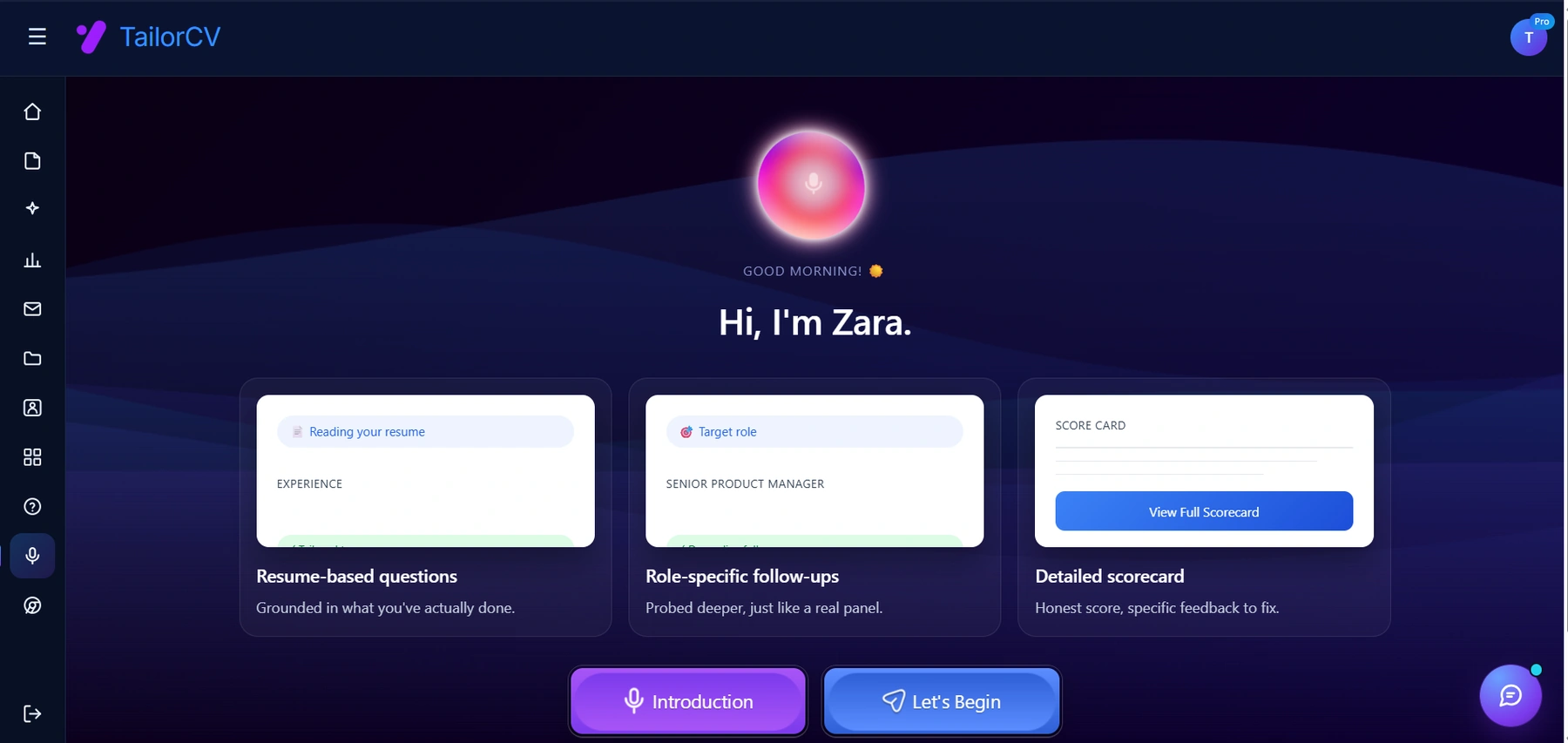
The scorecard at the end is the useful bit - an honest score plus specific feedback, which is what turns practice into improvement.
How many jobs in 5 years is too many?
There is no fixed number. 4+ roles in 5 years raises questions - but strong explanations and impact at each stop mitigate concern.
Should I address job hopping proactively?
If you have 3+ short tenures, yes - address it before they ask. Shows self-awareness.
Can AI mock interviews help?
Yes - practice your explanation until it sounds confident, not defensive. TailorCV mock interview.
Practice explaining job changes with TailorCV's AI mock interview.
Make This Practical
Use this advice as interview practice, not just reading material. Start a role-specific session with the AI mock interview tool, prepare your opening with How to Answer Tell Me About Yourself, and structure evidence-heavy answers with the STAR Method Interview Answers Guide.
Before the interview, make sure the resume that earned the call is still aligned with the role. Check it with the free ATS score checker, review Common Interview Mistakes to Avoid, and use How to Follow Up After an Interview once the conversation is over.
Was this guide useful?
Be the first to rate it.