 SS
SS
Key Takeaways
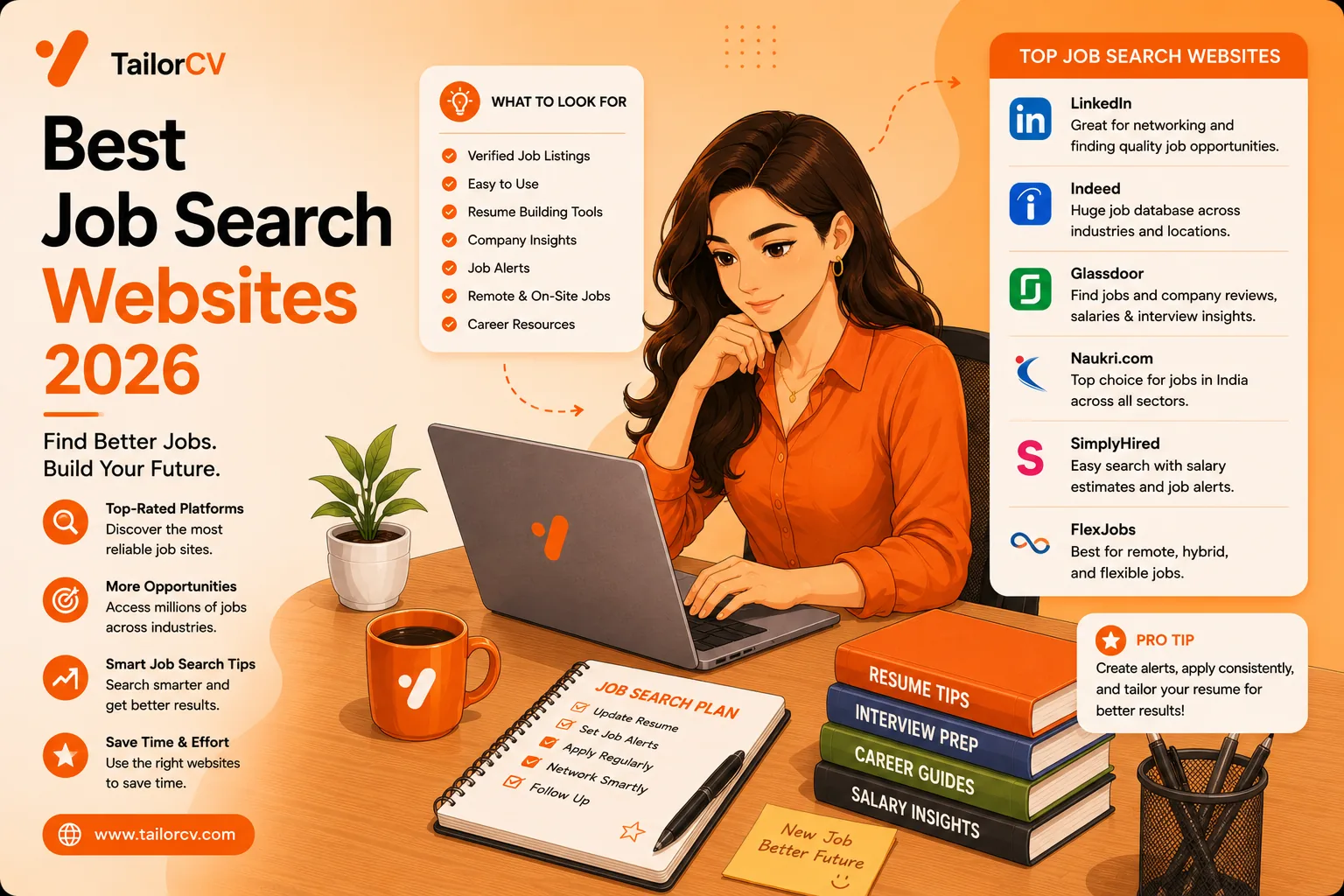
- The major general boards cover the widest range of roles, but niche boards often carry higher signal for your specific field.
- Many roles are posted on company career pages first, and applying direct can get more attention than an aggregator.
- A large share of roles are filled through referrals before they are ever advertised, so boards are only part of the picture.
- The platform matters less than how you use it.
- More boards also mean more scams - be cautious of listings that ask for payment or sensitive details upfront.
There are more places to look for jobs than ever, and spreading yourself thin across all of them wastes time you could spend on quality applications. Knowing what each platform is actually good for lets you focus your energy where it pays off. This guide covers the best job-search websites in 2026 and, just as importantly, how to use each one effectively so you land interviews faster.
Whatever platform you use, the same rule applies: don't blast the same file everywhere. Tailor your resume to each posting and confirm the match with the ATS checker, because volume without relevance is why so many applications get no reply — see why your resume gets no responses.
The big general boards
The major platforms cover the widest range of roles:
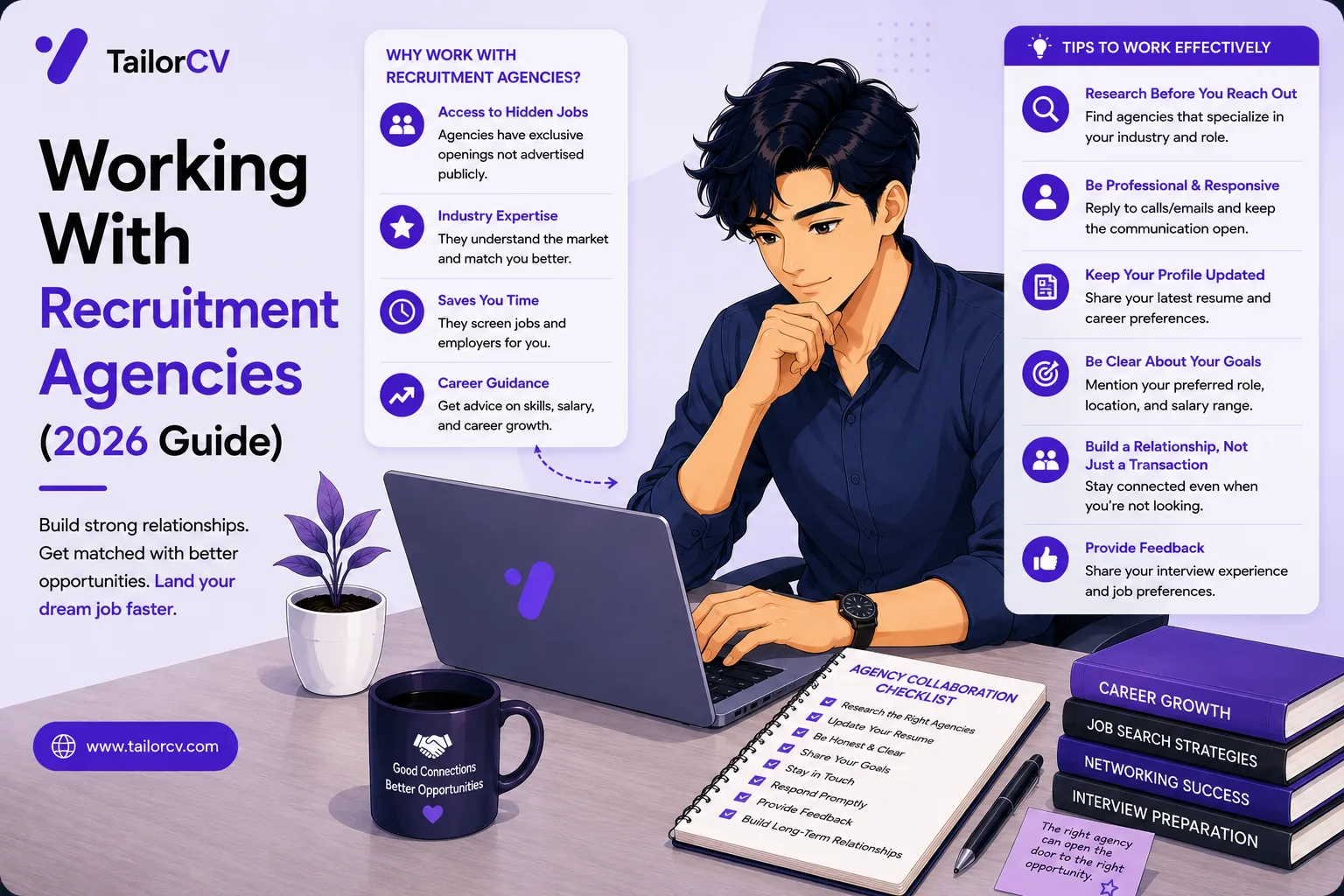
- LinkedIn — the strongest platform for professional roles, networking, and being found by recruiters. Keep your profile sharp with LinkedIn profile optimization and a strong headline, and read how to use LinkedIn for job search. Its Easy Apply is convenient but competitive — still tailor each application.
- Indeed — huge volume across every level and industry, great for broad searches and setting up alerts. Learn to tailor your resume on Indeed.
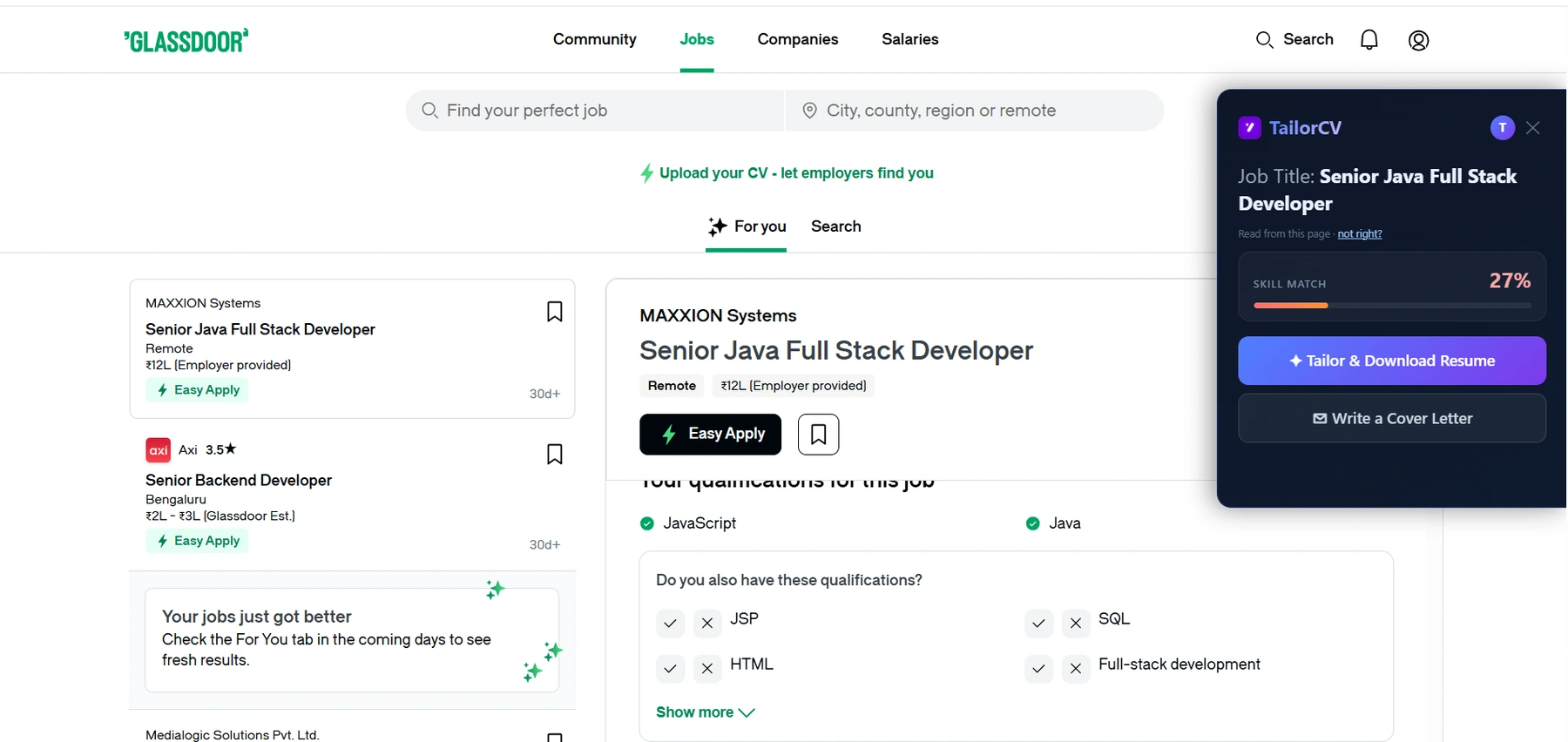
- Glassdoor — jobs plus company reviews, salary data, and interview insights, which makes it excellent for researching companies before you apply.
Specialized and niche boards
Niche boards often have higher signal than the giants for your specific field:
- Remote-first roles — dedicated remote job platforms and communities, useful alongside a remote job search strategy.
- Tech and startups — startup-focused job platforms like Wellfound, where you can tailor for startup roles.
- Industry-specific boards — many professions have their own trusted boards that surface roles the big sites miss.
Because niche boards attract fewer, more relevant applicants, your tailored resume stands a better chance of being seen.
Company career pages
Don't overlook applying directly on company websites. Many roles are posted there first, and direct applications sometimes get more attention than aggregated listings. If there's a company you want to work for, check its careers page regularly and set an alert. Pair a direct application with a little networking or a cold email to the hiring manager to stand out.
Beyond job boards: the hidden market
A large share of roles are filled through referrals and networking before they're ever advertised — the so-called hidden job market. That's why boards should be one part of your strategy, alongside networking, recruitment agencies, and direct outreach. A referral dramatically improves your odds, so investing in relationships often beats submitting one more application into the void.
Tailoring without leaving the job board
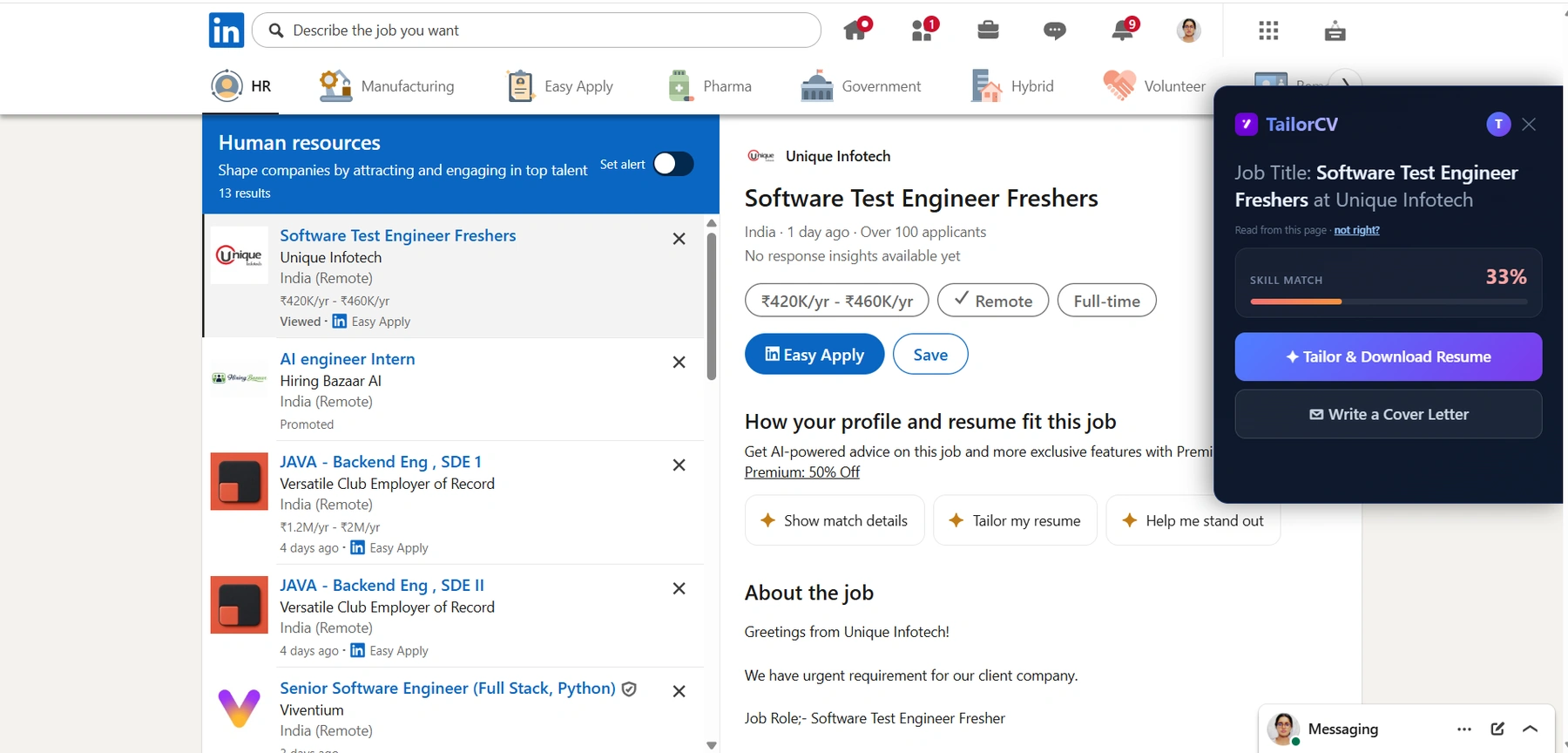
This is what tailoring per posting looks like in practice: the panel reads the job off the page you are already browsing and rewrites against it, instead of you copying the description into another tab.
How to use any job board effectively
The platform matters less than how you use it:
- Set up alerts for your target roles so you apply early — freshness matters, per how to apply to jobs faster.
- Tailor every application with the resume optimizer so your keywords match the posting.
- Track your applications so you can follow up — a simple job application tracker helps.
- Follow up politely after about a week, per how to follow up after a job application.
- Avoid burnout by working in focused sessions rather than endless scrolling — see job search burnout.
Watch out for scams
More boards also mean more scams. Be cautious of "jobs" that ask for payment, request sensitive personal or financial details upfront, or seem too good to be true — the how to spot a job scam guide covers the red flags. Stick to reputable platforms and verify companies before sharing information.
Job search website checklist
To make job boards work for you:
What optimizing actually does to your resume
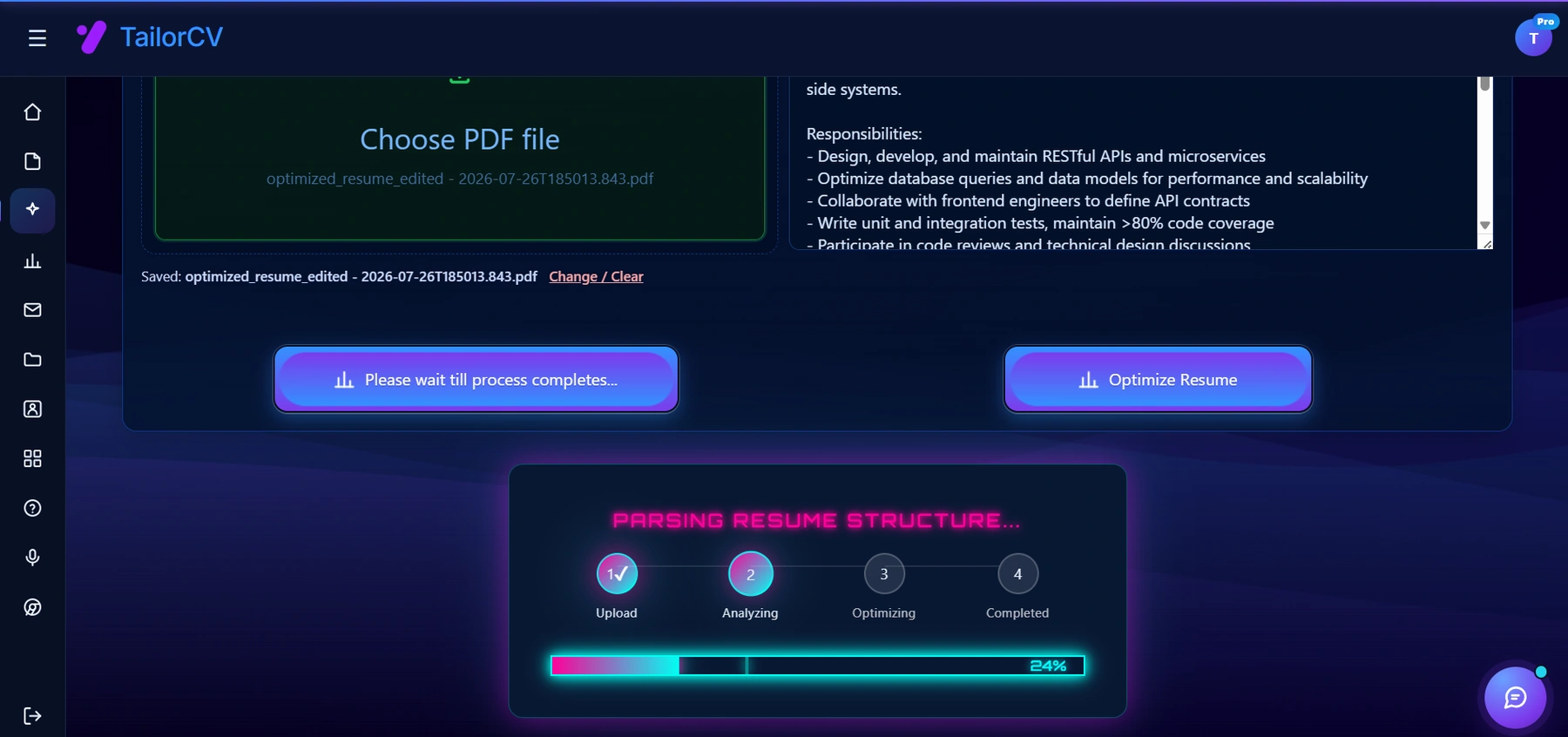
Optimising runs against the specific job description you paste in, not in the abstract.
- Use LinkedIn, Indeed, and Glassdoor for reach, plus niche boards for signal.
- Apply on company career pages directly where you can.
- Tailor every application and ATS-score it.
- Combine boards with networking and recruiters, and watch for scams.
Use the right sites the right way and you'll spend less time scrolling and more time interviewing. Start every application from a strong resume in the resume builder, scored with the ATS checker.
What is your resume scoring right now?
Scan it against a job description and get your ATS match score in about a minute.
Drop your resume here or choose a file
PDF only. Max 2 MB.
We never share your data or use it to train AI models.

Was this guide useful?
Be the first to rate it.