 TD
TD
Key Takeaways
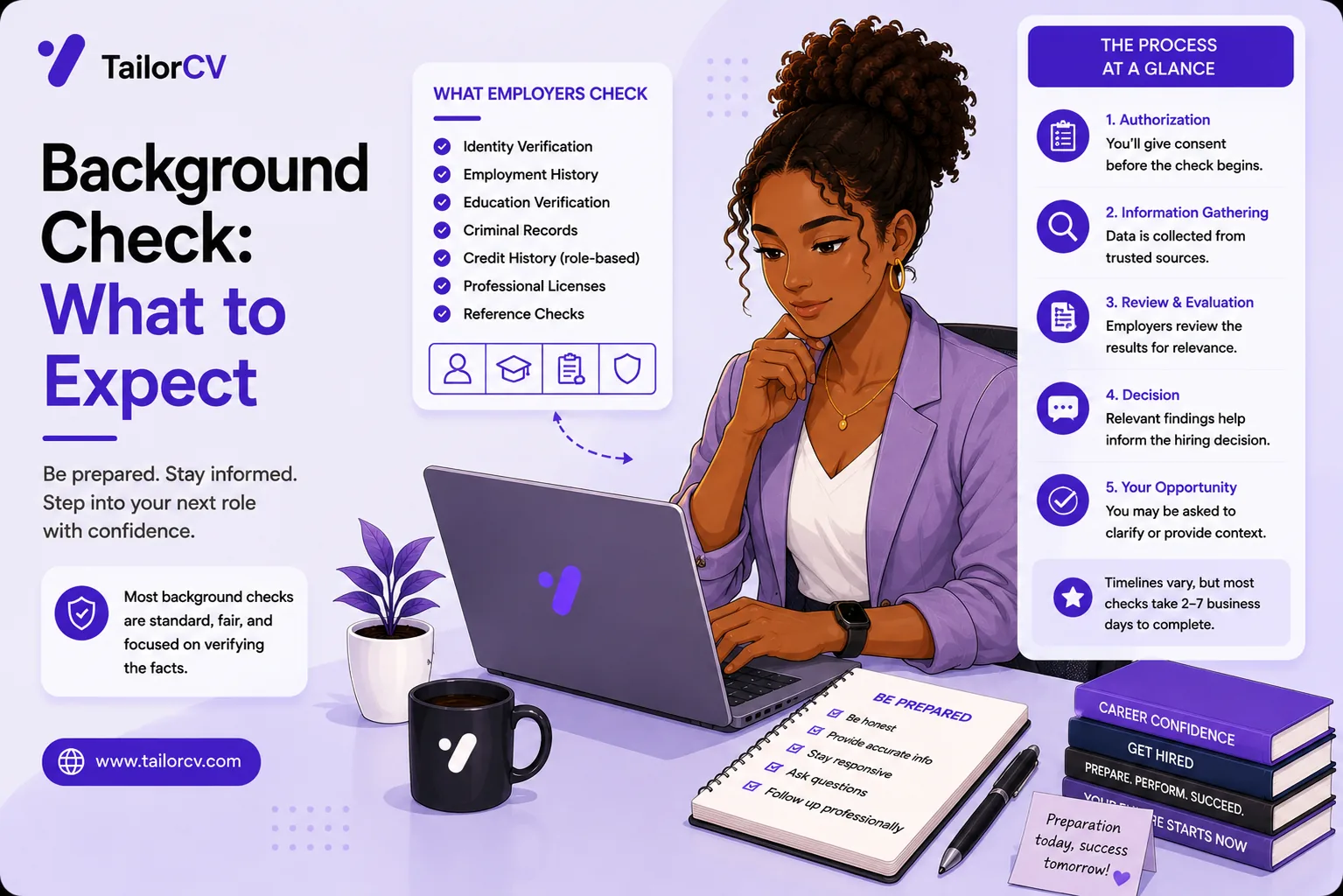
- Most employers run a background check after extending a conditional offer, so reaching this stage is encouraging.
- The exact scope depends on the role, the industry, and local laws.
- Most checks take a few days to about two weeks, depending on depth and how quickly past employers and schools respond.
- Honesty about a gap, a termination, or an old record beats a discrepancy turning up on its own.
- Background checks are governed by law in many regions - you usually must consent, and you may have rights if a check leads to an adverse decision.
A background check usually means you're near the finish line — employers run them after making an offer, not before, so reaching this stage is a good sign. Still, the process makes candidates nervous, mostly because they don't know what's involved. This guide explains exactly what employers check, how long it takes, and how to prepare so there are no surprises that could delay or derail your start date.
The single best protection against background-check problems is an accurate application from the start. Make sure the dates, titles, and details on your resume are correct — the resume review checklist helps you catch inconsistencies before they become problems.
When background checks happen
Most employers run a background check after extending a conditional offer, not during the application. That's why getting to this stage is encouraging — they want to hire you, pending verification. Occasionally the check runs in parallel with final interviews, but the offer almost always comes first. Understanding this timing removes a lot of the anxiety: you're not being screened out, you're being confirmed.
What optimizing actually does to your resume
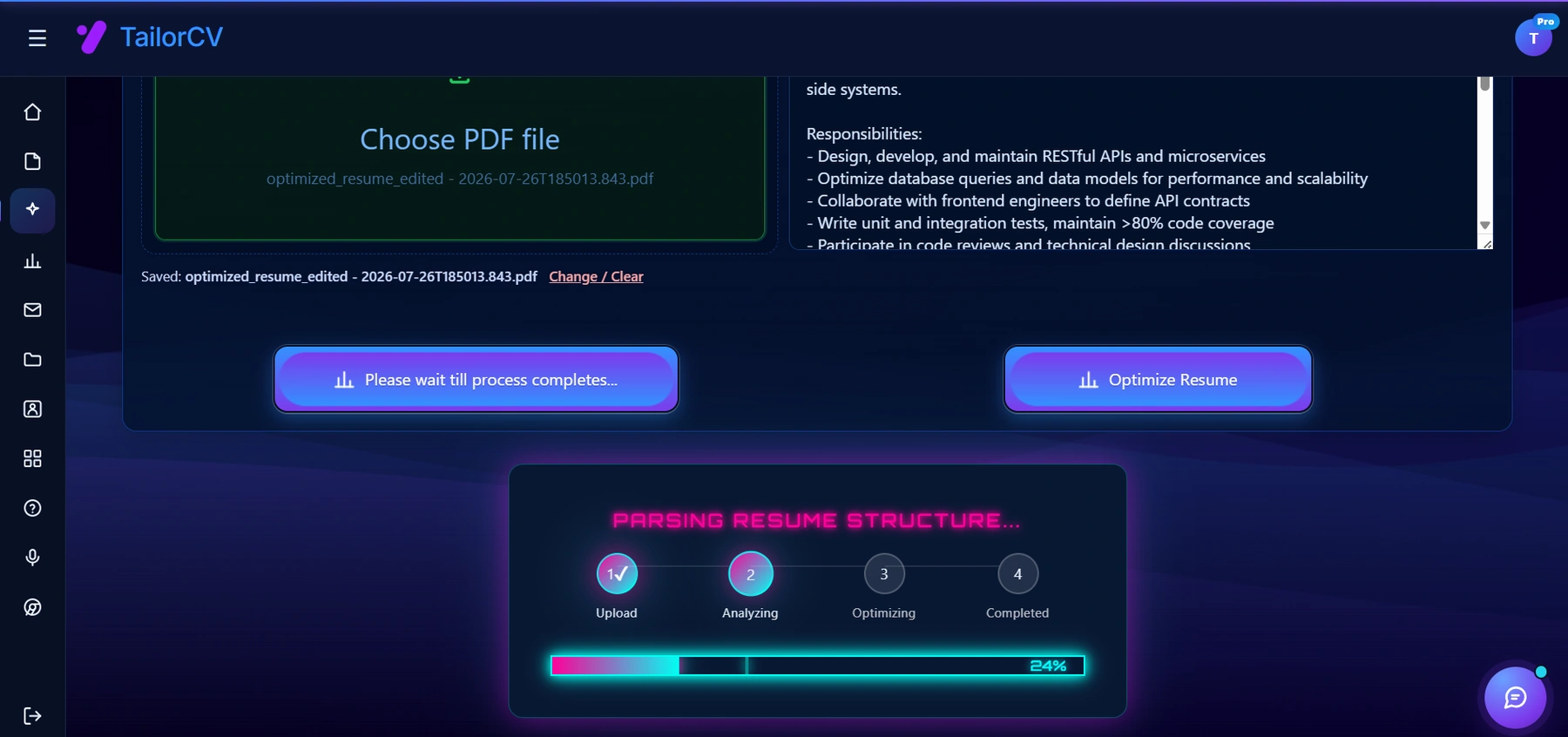
The tool parses your resume the way an ATS would before it changes anything, so the edits it suggests are grounded in the posting itself.
What employers typically check
The exact scope depends on the role, the industry, and local laws, but common checks include:
- Identity and right to work — confirming who you are and your eligibility to work.
- Employment history — verifying past titles, dates, and sometimes reasons for leaving. This is the most common source of delays when a resume doesn't match official records.
- Education and credentials — confirming degrees and certifications you listed, which is why you should list education and certifications accurately.
- Criminal record — within the legal limits for the role and region.
- References — the people you provided, covered in the reference check guide.
- Credit (for some finance roles) or driving record (for roles that require driving).
For roles requiring clearances, checks go deeper — see matching your resume to security-clearance jobs.
How long it takes
Most background checks take a few days to about two weeks, depending on the depth of the check and how quickly past employers, schools, and references respond. Employment and education verification often cause the longest waits because they depend on third parties. If your start date is approaching and the check is still pending, it's usually just administrative lag, not a problem with your record.
How to prepare
You can smooth the process considerably:
- Make sure your resume dates and titles are accurate. The number-one cause of delays is a mismatch between your resume and what a former employer's HR reports. If you rounded dates or used a slightly different title, correct it — see should you lie on your resume.
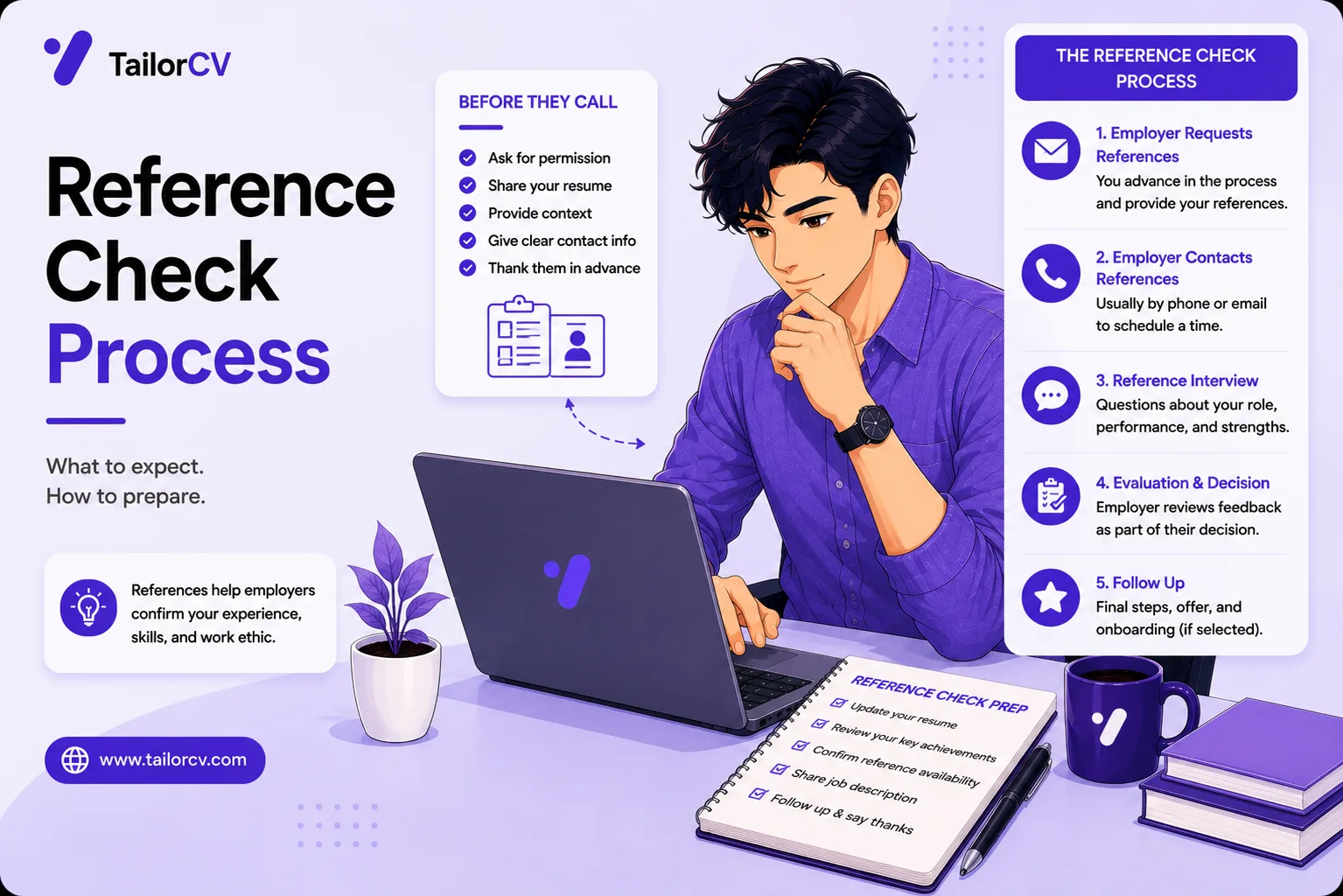
- Give your references a heads-up so they respond quickly, as the reference check guide explains.
- Gather documents in advance — IDs, diplomas, and any certifications.
- Know your own history — check your records so nothing catches you off guard.
Handling a past issue honestly
If there's something in your history — a gap, a termination, or an old record — honesty beats a discrepancy. A brief, professional explanation is far stronger than hoping it won't surface. Employment gaps are normal and easily explained, as the employment gap guide and how to explain a career gap in an interview show. If you were let go, how to explain getting fired in an interview helps you frame it. The goal is that the check confirms what you already told them.
Your rights in the process
In many regions, background checks are governed by law — you often must give consent, and if a check leads to an adverse decision, you may have the right to see the report and dispute errors. If something comes back wrong (mistaken identity, an outdated record), you can usually correct it. Knowing this protects you, and it means an error doesn't automatically cost you the job.
Background check checklist
To sail through your background check:
- unchecked: Confirm your resume dates, titles, and credentials are accurate.
- unchecked: Prep your references so they respond fast.
- unchecked: Gather your documents in advance.
- unchecked: Address any past issue honestly, using the gap and interview guides.
Handle it calmly and it's simply the last confirming step before you start. Keep your whole application accurate from the beginning by building your resume in the resume builder and scoring it with the ATS checker.
What is your resume scoring right now?
Scan it against a job description and get your ATS match score in about a minute.
Drop your resume here or choose a file
PDF only. Max 2 MB.
We never share your data or use it to train AI models.

Was this guide useful?
Be the first to rate it.