 TD
TD

Key Takeaways
- Architects instinctively design their resume, and that is exactly what breaks it - multi-column layouts, custom fonts, and graphics do not survive the ATS.
- Lead with your licence status and the software you command: Revit, AutoCAD, Rhino, SketchUp.
- Present each key project with its type, size, your role, and the phase, ending on a quantified outcome.
- Keep drawings and renders out of the resume itself and link a strong portfolio site prominently in the header.
- Tailor every application - a residential studio, a large commercial practice, and a landscape firm each want a different emphasis.
An architect's resume has a dual audience: HR and the ATS scan for keywords, while design leads look for taste and delivery. You need both — a clean, parseable resume plus a portfolio that shows the work. This guide covers how to structure your resume, which keywords to include, and how to pass the ATS without dulling your credibility.
Before applying, run your draft through the free ATS score checker, start from an ATS-friendly template, and read the ATS score guide. If you're in an adjacent design field, the interior designer resume guide and UX designer resume guide follow the same logic.
The architect's resume paradox
Architects design for a living, so they instinctively design their resume — and that's exactly what breaks it. Multi-column layouts, custom fonts, and embedded graphics confuse the ATS, which reads text linearly. The solution is to keep the resume itself simple and parseable, and pour your visual skill into a separate portfolio. Save the artistry for where it's judged.
Lead with licensure and software
State your license status clearly — licensed architect, or on the ARE path with exams passed — and the tools you command: Revit, AutoCAD, Rhino, SketchUp, BIM, Grasshopper, and visualization tools like Enscape or Lumion, plus Adobe Creative Suite. These are the exact keywords firms filter on, so mirror the job description.
A crisp summary frames your focus:
"Licensed architect with 7 years in commercial and mixed-use projects. Led construction documentation and BIM coordination on developments up to $30M. Expert in Revit and design-to-delivery workflows."
See resume objective vs summary for more on the opening lines, and list your license and certifications the way recruiters expect using how to list certifications on a resume.
Architect resume summary examples
Your summary should flex to your level. A few models:
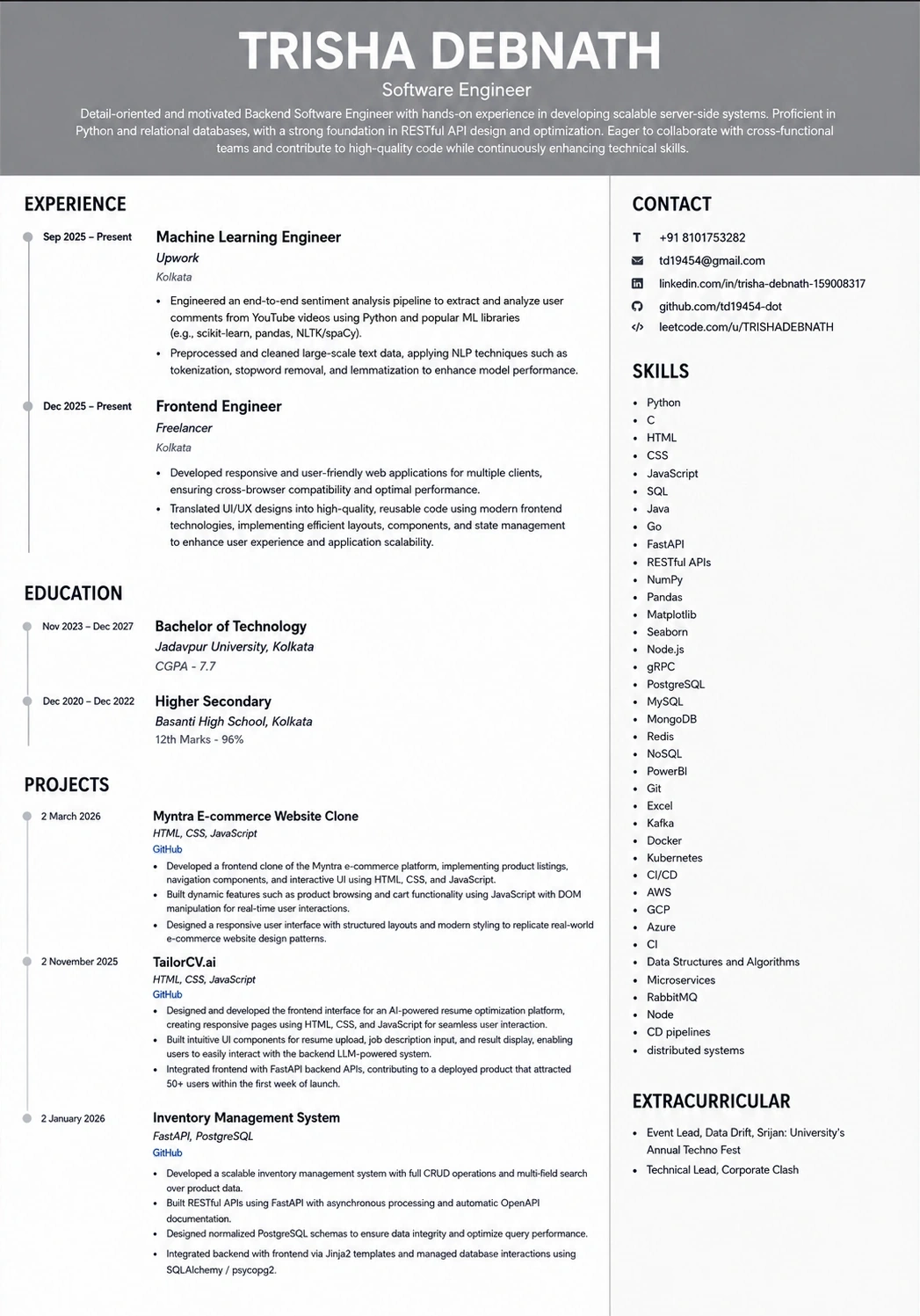
Your resume after optimization
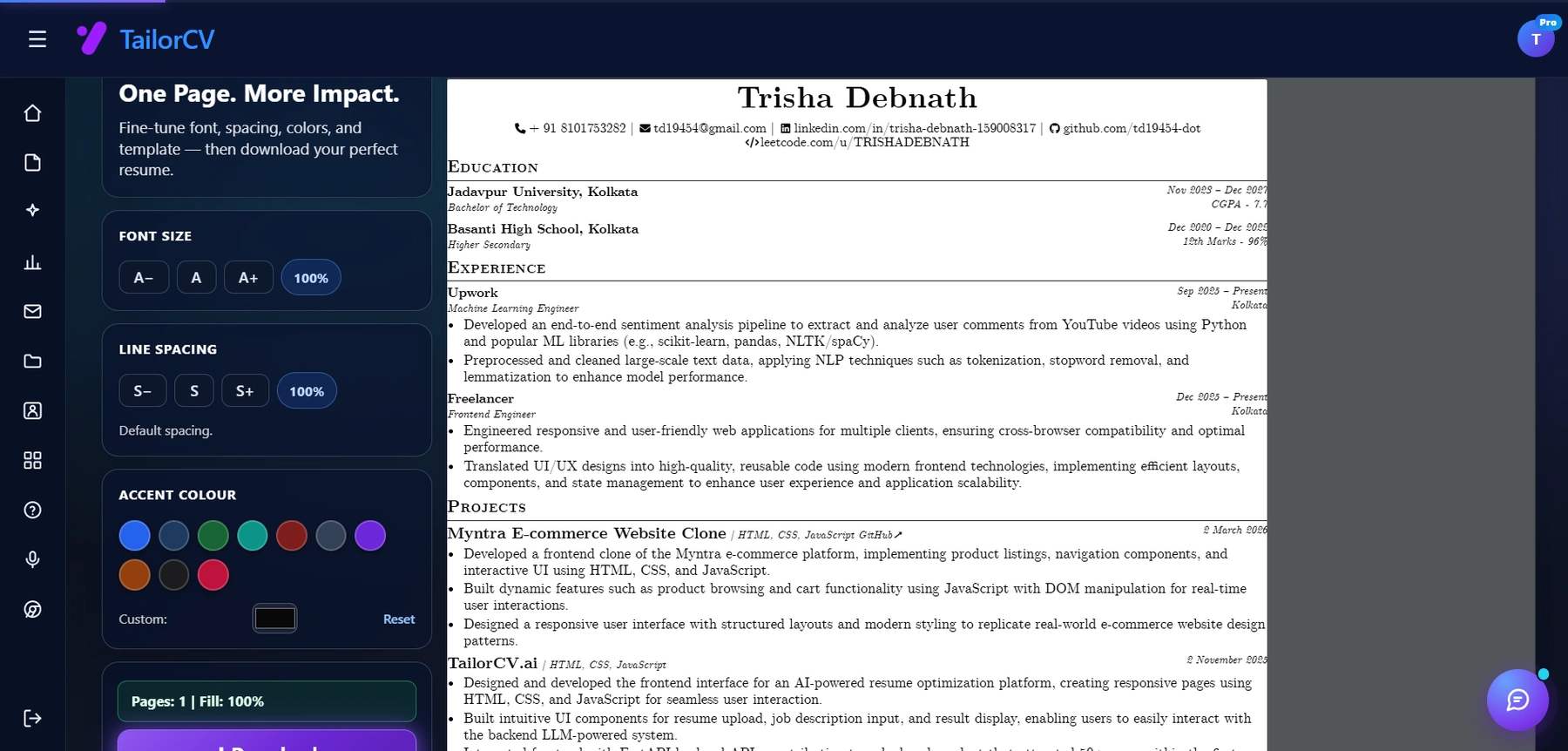
This is the resume after tailoring - the content is already matched, and these controls are how you fit it onto one page.
- Intern / recent graduate: "Architecture graduate proficient in Revit and Rhino, with studio and internship experience on residential and mixed-use projects. Seeking an architectural designer role to grow toward licensure."
- Licensed architect: "Licensed architect with 7 years in commercial and mixed-use projects, leading construction documentation and BIM coordination on developments up to $30M."
- Senior / project architect: "Project architect with 12 years delivering healthcare and hospitality projects from concept to occupancy, managing multidisciplinary teams and $50M+ budgets."
Each opens with the target title and a proof point, exactly the approach in how to write a resume summary. Keep it to three lines, mirror the job description, and confirm your keywords land with the resume optimizer.
Show projects with scope and role
Architecture is judged by what you've built. For each key project, note the type, size, your role, and the phase, using the bullet point formula with a strong action verb:
- "Led construction documentation for a 45,000 sq ft mixed-use development."
- "Coordinated BIM models across five consultants on a $30M project."
- "Managed design from concept through permitting for 12 residential units."
- "Cut coordination errors 25% by standardizing the Revit template library."
Numbers make the scope obvious — the quantify achievements guide shows how to add them without exaggeration.
Structure an architect resume
- Header — name, license status, phone, email, portfolio link.
- Summary — three lines, licensure- and software-forward.
- Software & skills — Revit, AutoCAD, BIM, Rhino, etc.
- Experience — firm, role, quantified project bullets.
- Education & licensure — degree, ARE status, LEED if applicable.
This mirrors the layout in the resume builder. For ordering, see the resume section order guide.
Pair the resume with a portfolio
The resume gets you shortlisted; the portfolio wins the interview. Link a strong portfolio website prominently in your header, and read how to write a portfolio case study and portfolio examples that landed interviews to present your projects well. A clear portfolio vs resume understanding helps you decide what belongs where.
Sample architect resume bullets
Strong architect bullets combine a clear action verb, the project and your role, and a quantified outcome:
- "Produced full construction documentation for a 60,000 sq ft office fit-out delivered on schedule."
- "Coordinated Revit models with structural, MEP, and civil consultants, cutting clash-detection issues 30%."
- "Managed the permitting process for 18 residential units, securing approvals two weeks ahead of plan."
- "Led design development for a hospitality project that won a regional design award."
Each bullet shows scope and result, not just responsibility — the difference between a resume that lists tasks and one that proves delivery, as explained in how to write resume bullet points. Run your finished bullets through the resume optimizer to confirm they carry the keywords the role wants, and check the whole resume with the ATS score checker.
Keep the format ATS-safe
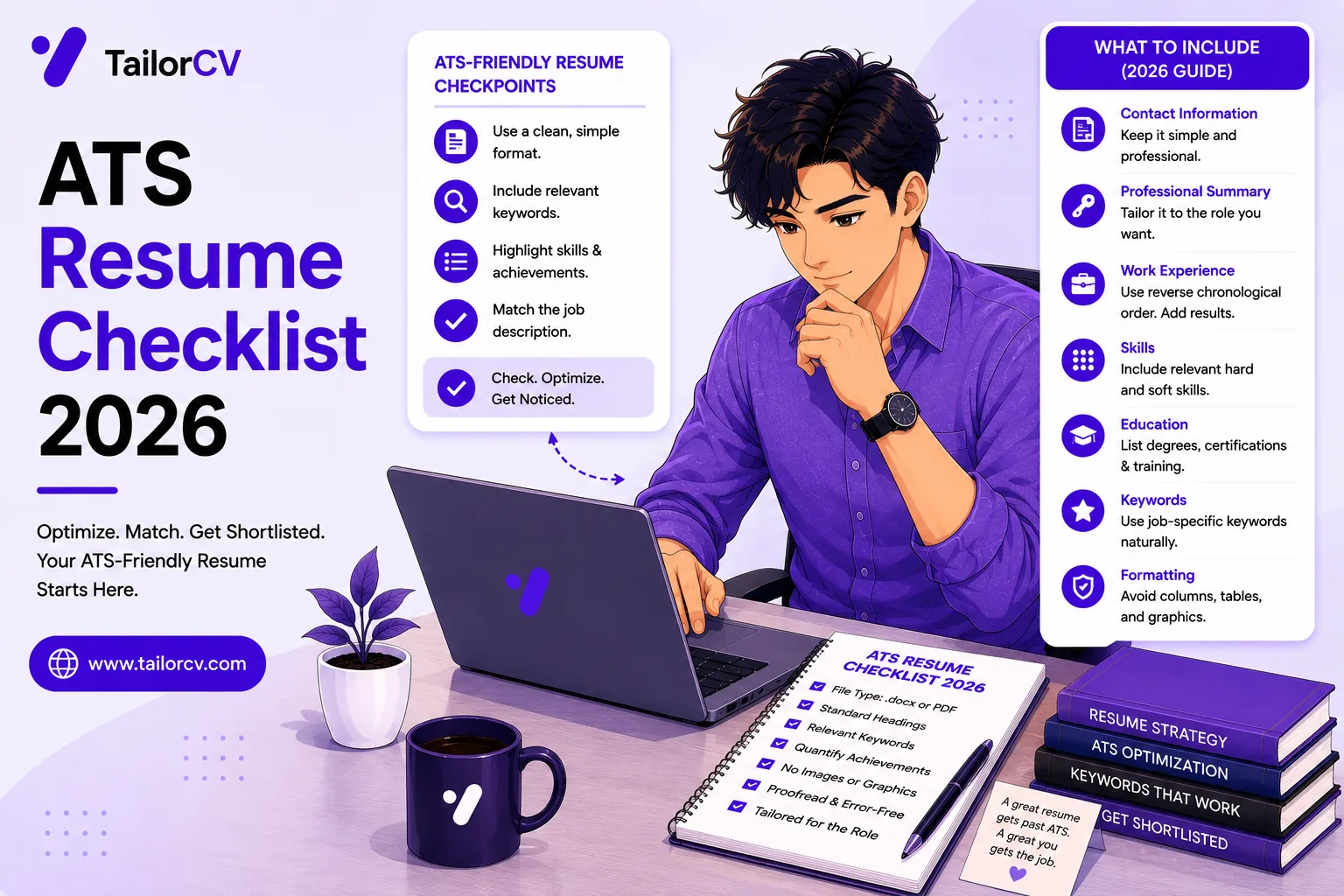
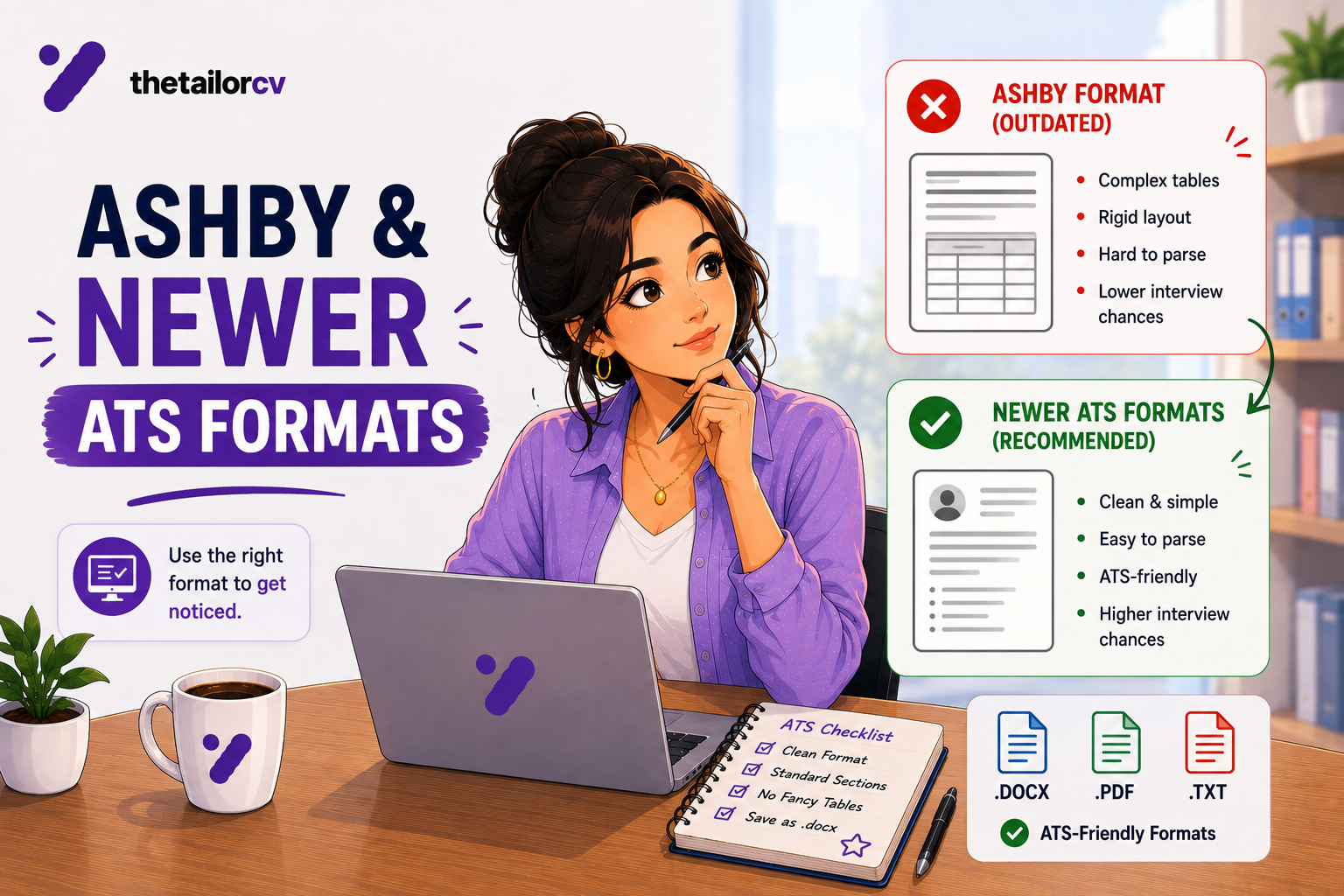
Use a single-column, ATS-friendly template, standard headings, and a readable font. Avoid tables, text boxes, and graphics in the resume itself — those are the top parsing killers, per how to make your resume ATS-friendly and ATS formatting mistakes. Confirm parsing with the ATS score checker and aim for a good ATS score. If it's low, why is my ATS score low explains why.
Common architect resume questions on formatting
Architects often ask whether to include drawings or renders directly on the resume — the answer is no. Thumbnails and embedded images confuse the ATS and rarely reproduce well; keep visuals in the portfolio and link it. Another common question is how to handle many small projects: group them under a role and highlight the two or three most impressive with quantified detail rather than listing everything. And on length, follow the ideal resume length guide — one to two pages depending on experience, with every line earning its place. When in doubt, run a final pass with the resume review checklist and the ATS score checker.
Early-career architects
If you're a recent graduate or intern architect, lead with your degree, studio projects, internships, and software proficiency — the resume with no experience guide and projects in resume guide show how to present academic and personal work as real experience. Your portfolio does a lot of heavy lifting at this stage.
Presenting academic, competition, and international work
Early-career architects and those relocating can lean on academic and competition work to fill out a resume. Design-studio projects, thesis work, and competition entries all demonstrate capability — present them like real projects with your role, tools, and outcome, as the projects in resume guide suggests, and showcase them in your portfolio. If you trained or worked abroad, note it clearly and read the international resume tailoring guide for regional expectations. Internships and part-time studio roles count too — frame them with strong action verbs and any quantified contribution, the same approach as the resume with no experience guide.
Tailor to each firm
A residential studio, a large commercial practice, and a landscape firm all want different emphases. Tailor each application with the resume optimizer so your keywords match, and see how much to change your resume for every job.
Where architects find the best roles
Beyond the major job boards, architects find roles through firm websites, professional networks like the AIA, design-recruitment agencies, and direct outreach to studios whose work they admire. A thoughtful cold email with your resume and portfolio link can open a conversation before a role is posted. Specialized recruitment agencies place architects into firms, and the best job search websites guide covers where to look. Networking is powerful in a relationship-driven profession, so keep your resume current and ATS-ready.
Prepare for the interview
Design interviews often include a portfolio review. Be ready to walk through your projects and decisions, practice with a free AI mock interview, and use the interview prep tool. Afterward, send a thank-you email and follow up. Generate a tailored cover letter if the role asks for one.
Specialization and sustainability credentials
Architecture is specializing fast, and naming your niche strengthens your resume. Whether you focus on healthcare, education, hospitality, residential, or sustainable design, say so — it's a valuable keyword the ATS rewards and a signal design leads look for. Sustainability credentials like LEED or WELL accreditation are increasingly in demand; list them near your licensure and format them with how to list certifications on a resume. A specialist who writes "5 years in LEED-certified commercial projects" outranks a generalist for the right role.
Common architect resume mistakes
The errors that cost architects interviews:
- Over-designing the resume. Save the artistry for the portfolio; keep the resume clean and parseable.
- Listing software without projects. Tie tools to delivered work with quantified bullets.
- No portfolio link. Always include your portfolio website.
- Ignoring keywords. Mirror the job description and check with the ATS score checker.
- One resume everywhere. Tailor to each firm.
For more, read why your resume gets no responses.
Salary and career growth for architects
Architecture rewards experience and licensure, and both belong on your resume because they drive compensation. As you progress from intern architect to licensed architect to project architect or principal, update your resume to reflect growing scope — larger projects, bigger teams, more ownership. When negotiating an offer, research the market and use how to negotiate a salary offer and the salary negotiation guide. For a move up within a firm, how to get a promotion and the internal job application resume guide help you frame it.
Architect resume FAQ
Should the resume be visually designed? No — keep the resume clean and ATS-safe, and put your design skill into the portfolio.
Do I need to be licensed to apply? Many roles accept candidates on the ARE path — state your exact status. Format credentials with how to list certifications on a resume.
How do I list projects I contributed to but didn't lead? State your specific role and phase honestly ("produced construction documents for..."), and quantify your contribution.
Is a portfolio really required? For nearly every design role, yes — link a strong portfolio website and read portfolio examples that landed interviews.
How do I pass the ATS with a design background? Use a single-column text resume, mirror the job description, and confirm with the ATS score checker.
Final checklist
Your architect resume is ready when it:
- unchecked: Leads with license status and software keywords.
- unchecked: Shows projects with scope, role, and quantified results.
- unchecked: Links a strong portfolio website.
- unchecked: Stays ATS-safe and passes the ATS score checker.
Keep the resume clean, let the portfolio shine, and tailor every application. Start in the resume builder and score it with the free ATS checker.
What is your resume scoring right now?
Scan it against a job description and get your ATS match score in about a minute.
Drop your resume here or choose a file
PDF only. Max 2 MB.
We never share your data or use it to train AI models.

Templates that keep this structure intact
This template is ATS-tested — start from it and the formatting rules in this guide are already handled.
Was this guide useful?
Be the first to rate it.