
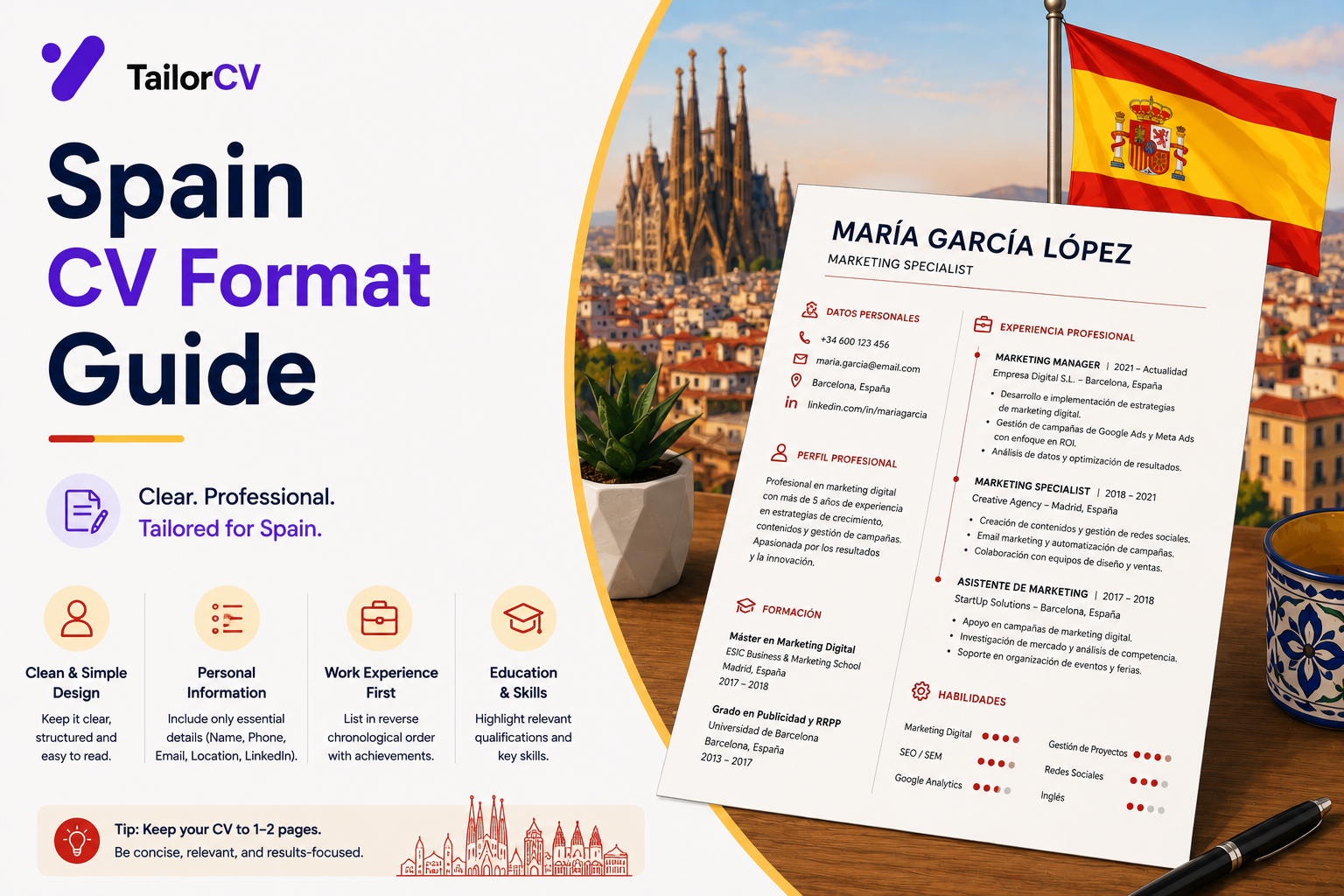
The Spanish CV Format
Two pages, a photo that is still common, and a market where your language combination may matter more than your degree. What Spanish employers actually read for.
Actionable guides to improve ATS score, resume quality, and job search outcomes.
Two pages, a photo that is still common, and a market where your language combination may matter more than your degree. What Spanish employers actually read for.

A market where a photo, nationality and visa status are conventional on a CV, and where the questions a recruiter needs answered are different from those in London or New York.

One page, a photo that is optional but common, and a cover letter that is still genuinely read. What French recruiters expect and the conventions that quietly signal you understand the market.
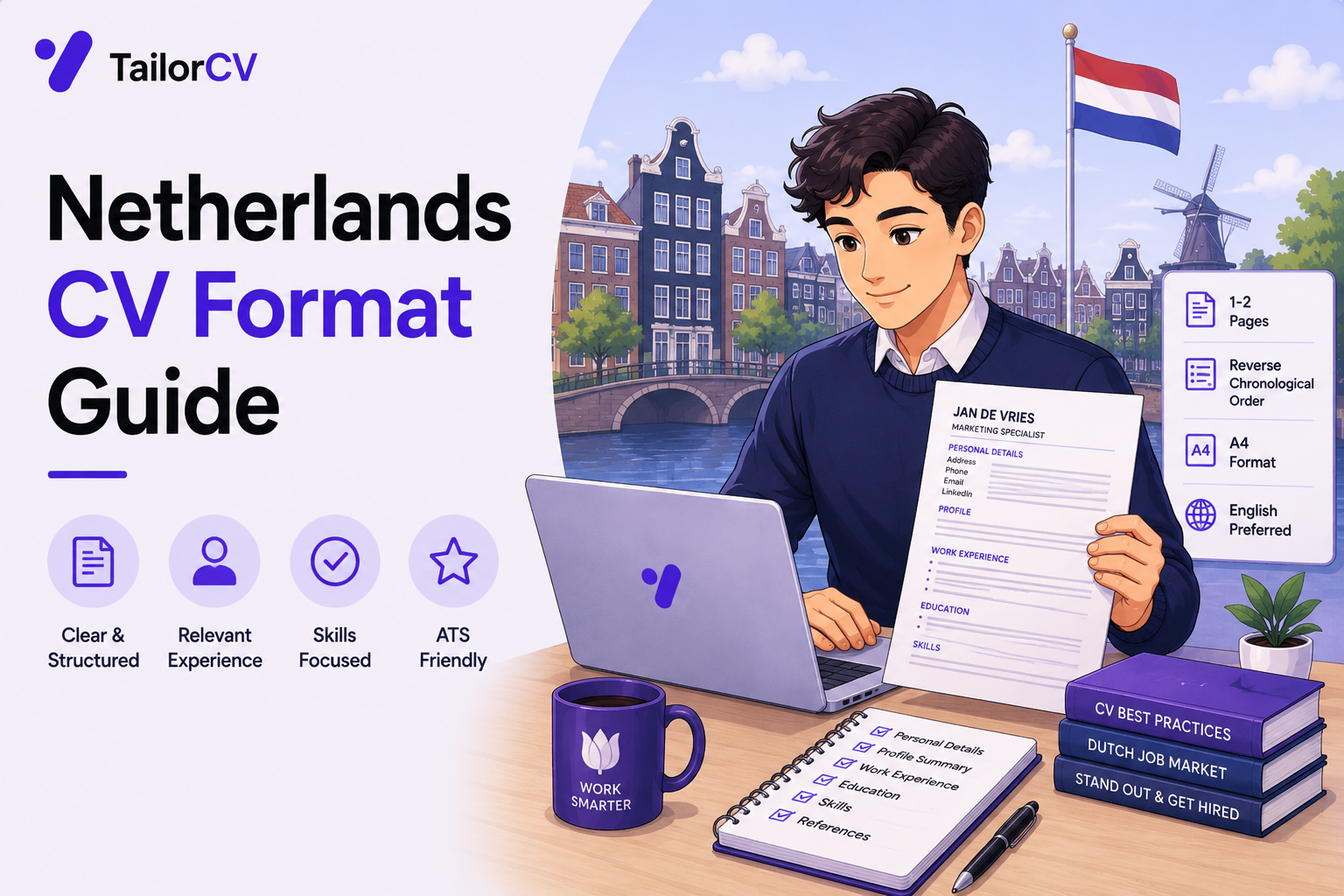
Two pages, no photo needed, and a directness that feels blunt if you are used to writing around things. What Dutch employers expect from a CV and what they quietly discount.
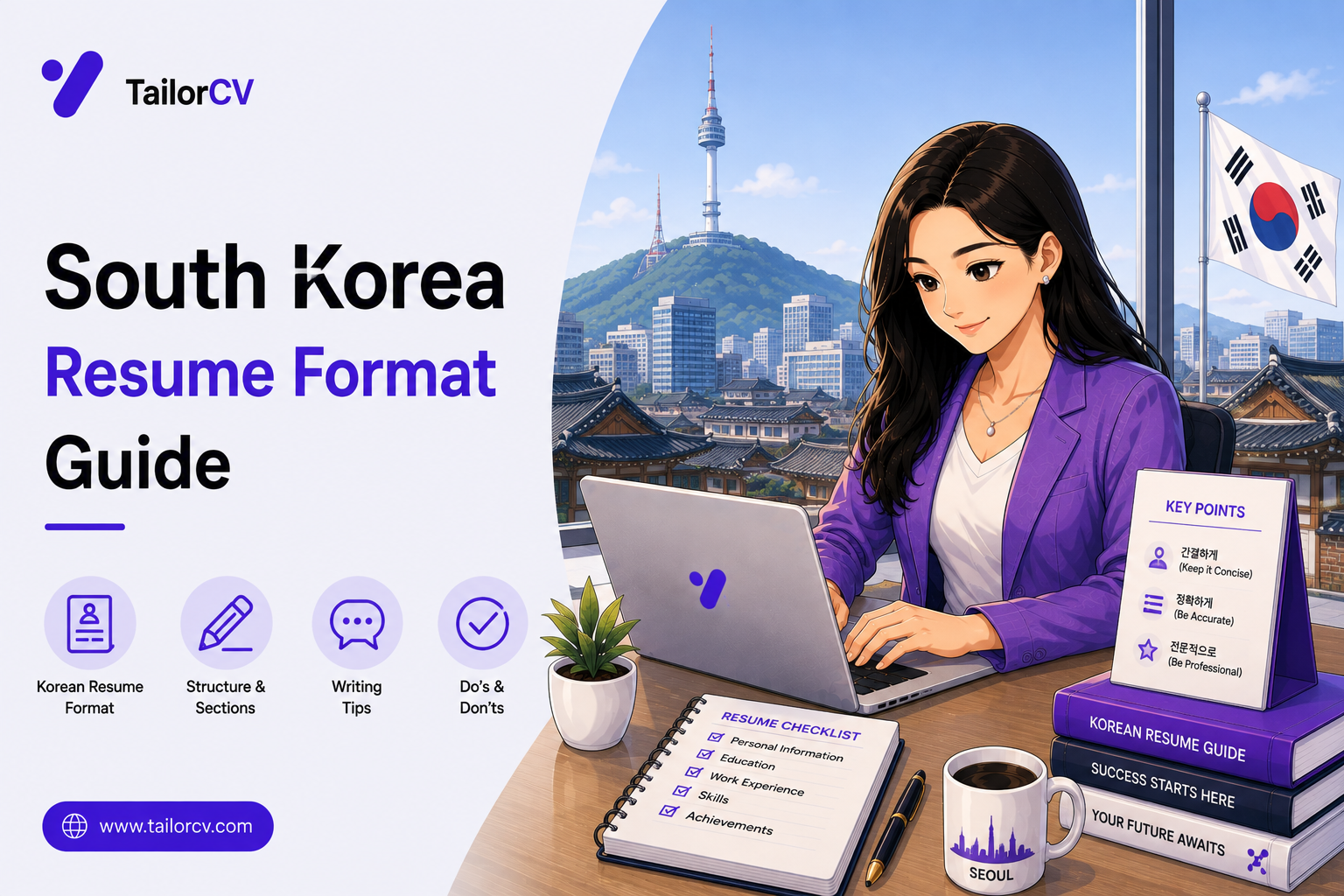
A structured, tabular document with a photo and personal details, plus a self-introduction essay that Western candidates have no equivalent for. What Korean employers actually expect.

Switzerland expects a complete dossier rather than a CV, and it includes documents most international candidates have never heard of. What goes in and what happens if it is missing.
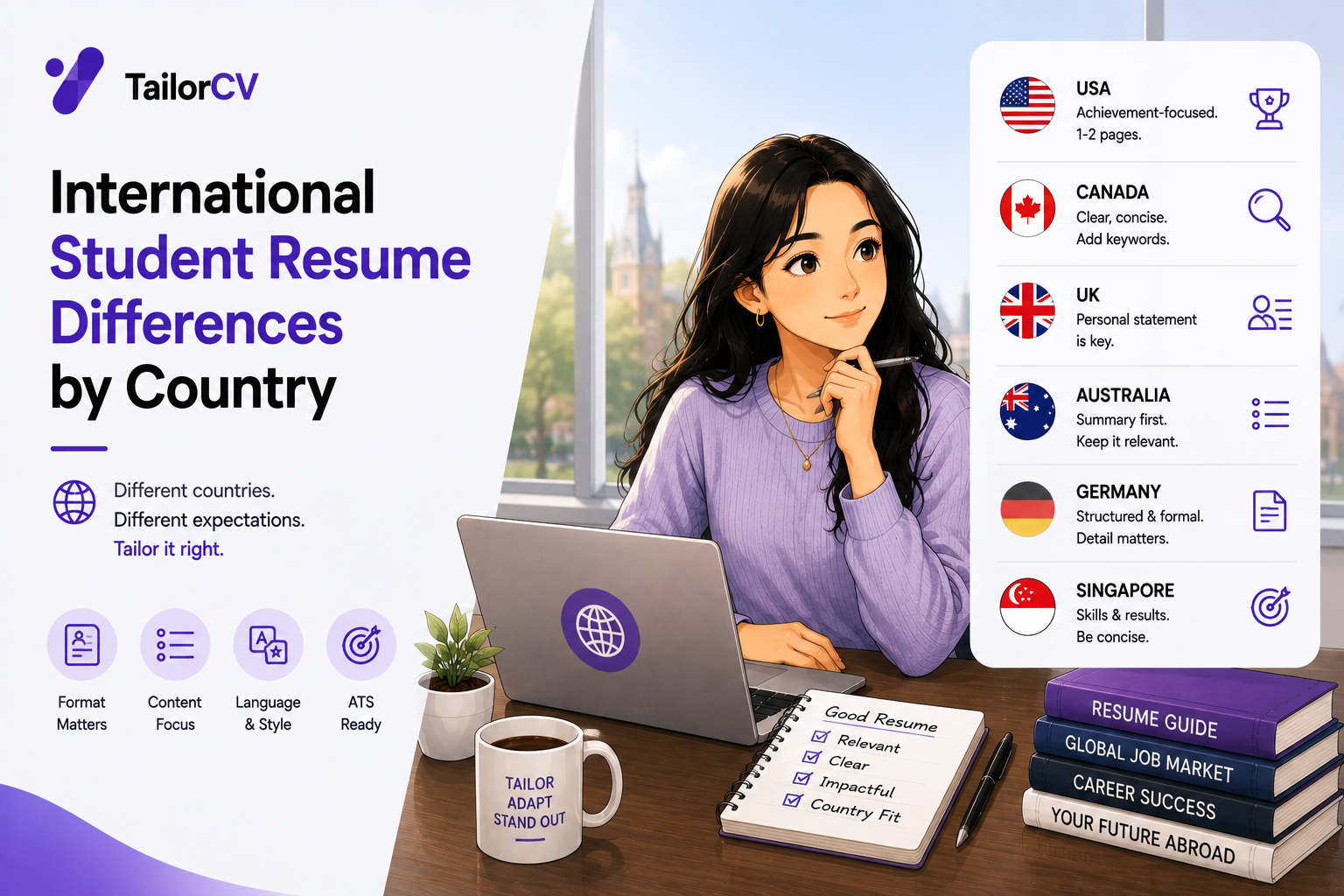
Photos, length, personal details, grades and visa status are handled completely differently in the US, UK, Canada and Singapore. The edits that matter and the reasons behind them.
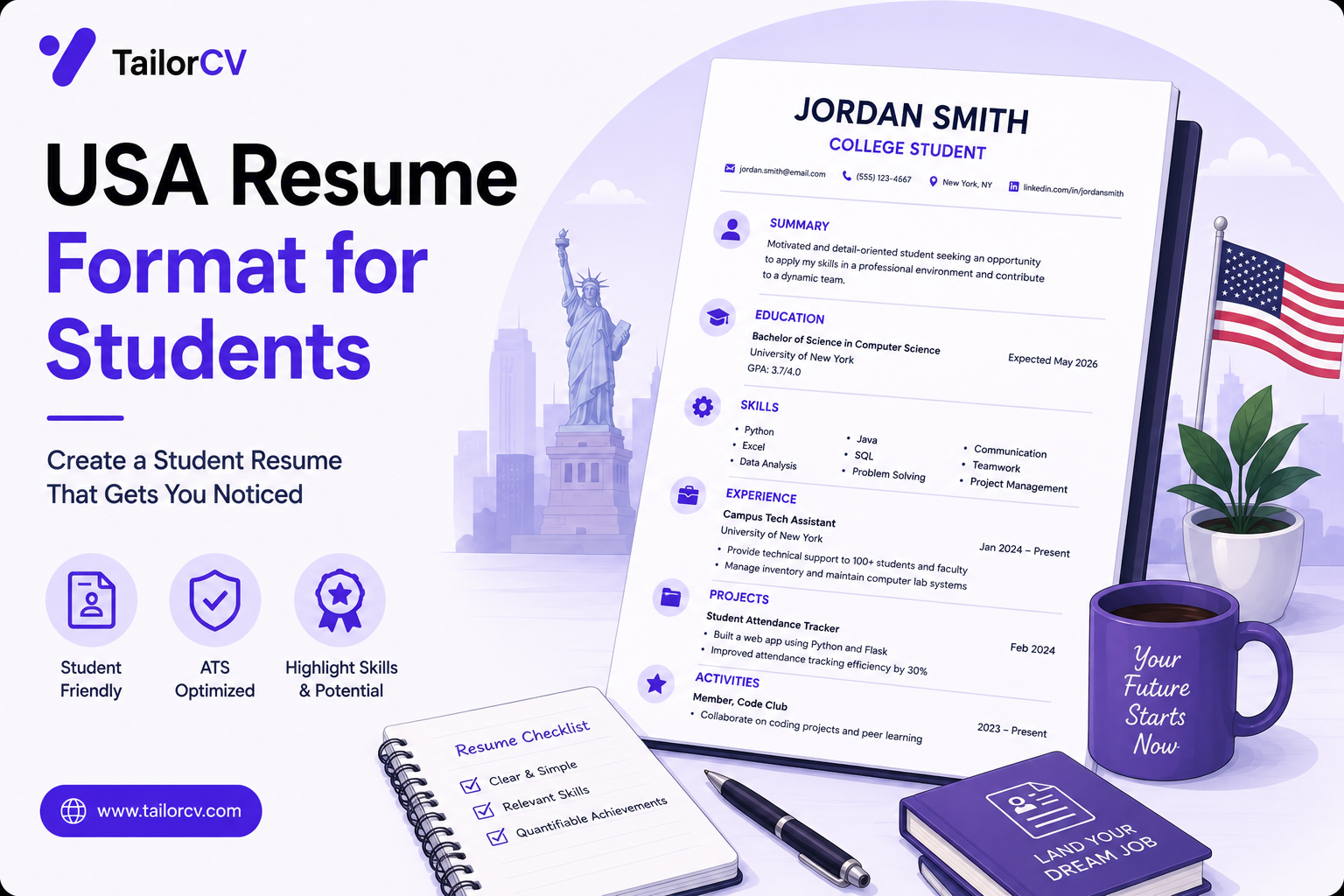
One page, no photo, no personal details, and reverse chronological. The specific conventions that differ from other countries, and why breaking them costs interviews.
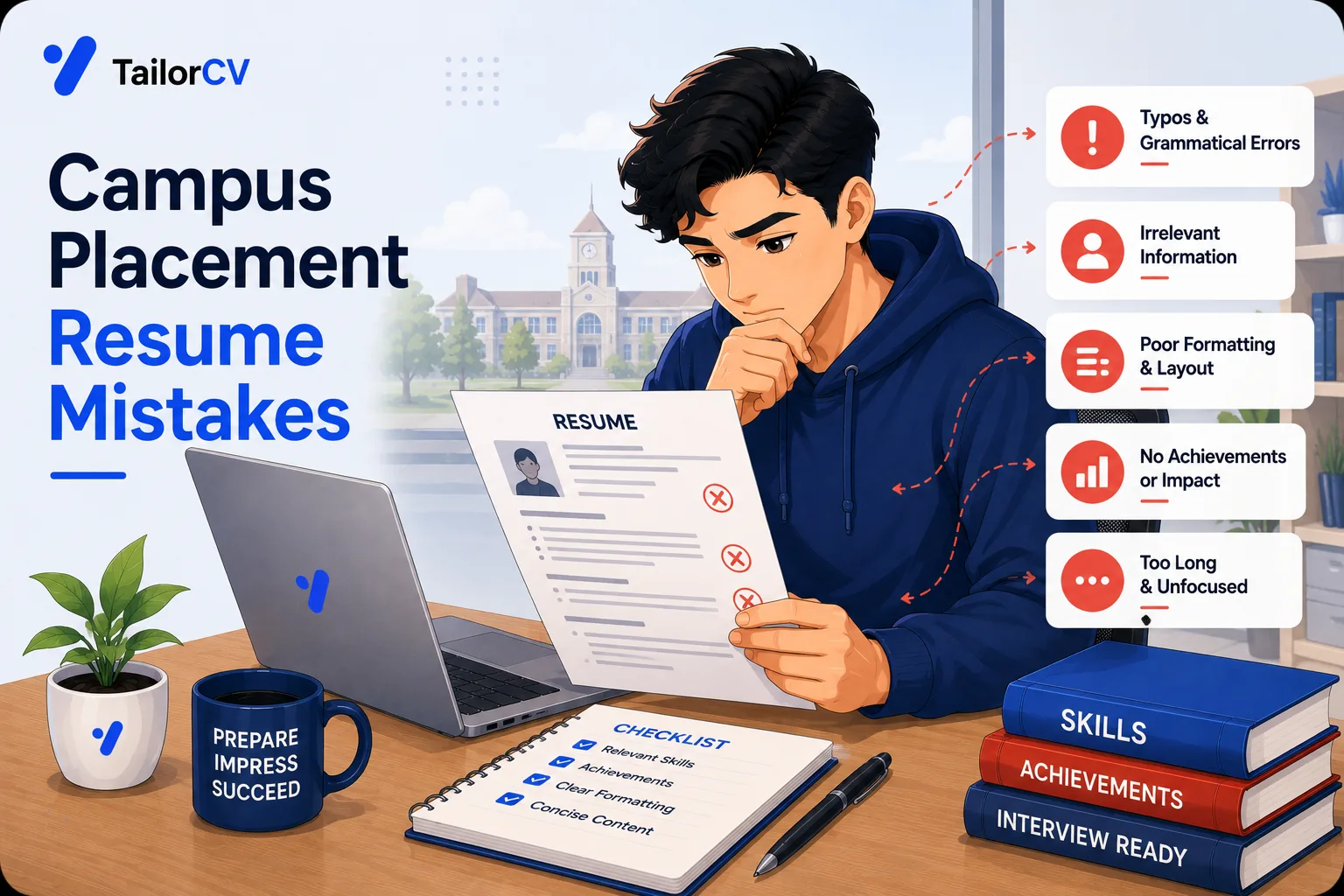
The specific resume errors that eliminate students during placement season - from declaration blocks and objective statements to unparseable templates and projects nobody can verify - and how to fix each one.
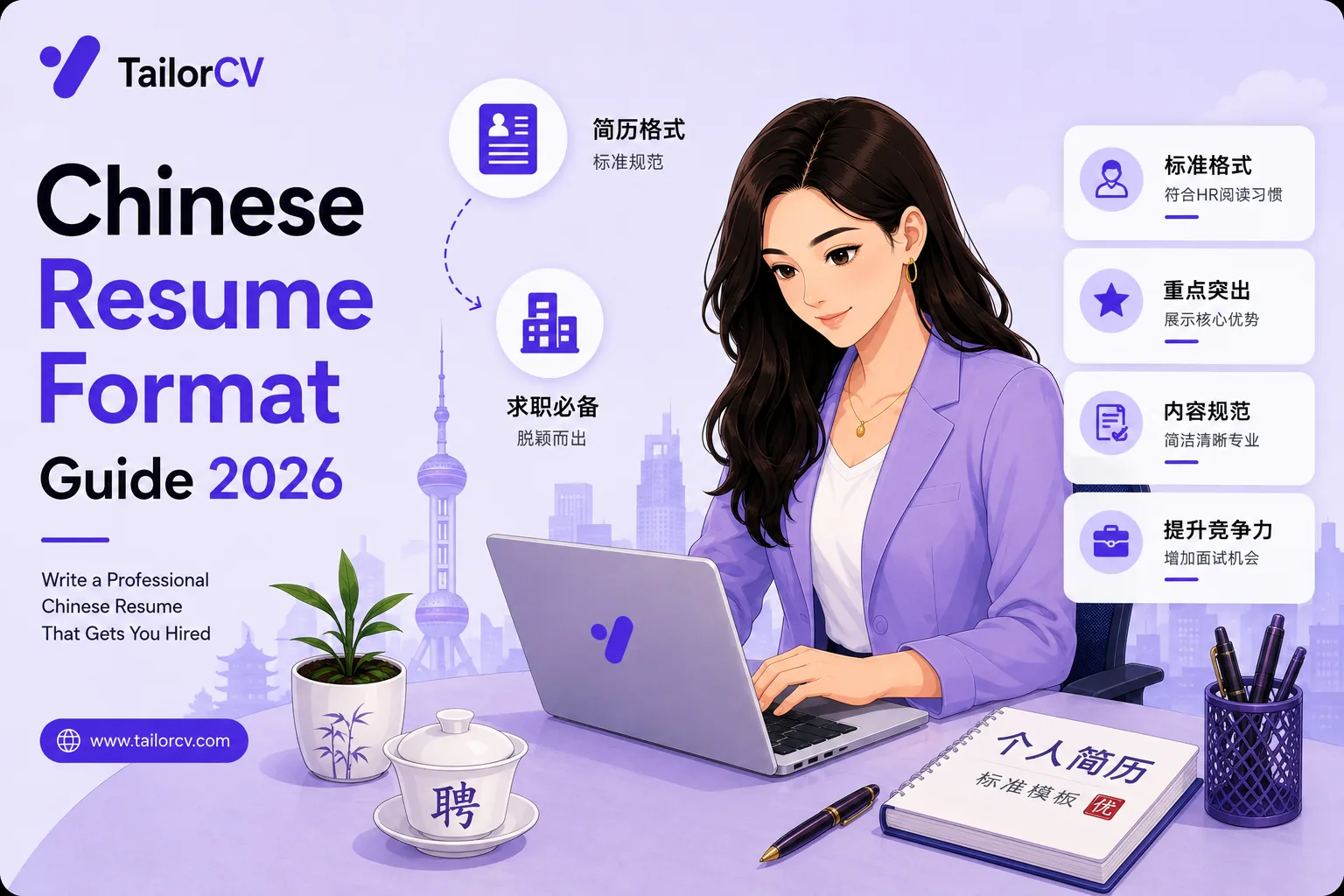
Chinese resumes follow different rules from Western ones - photo, personal details, WeChat ID, and a bilingual version. Learn the format mainland employers expect and how to build both language versions.
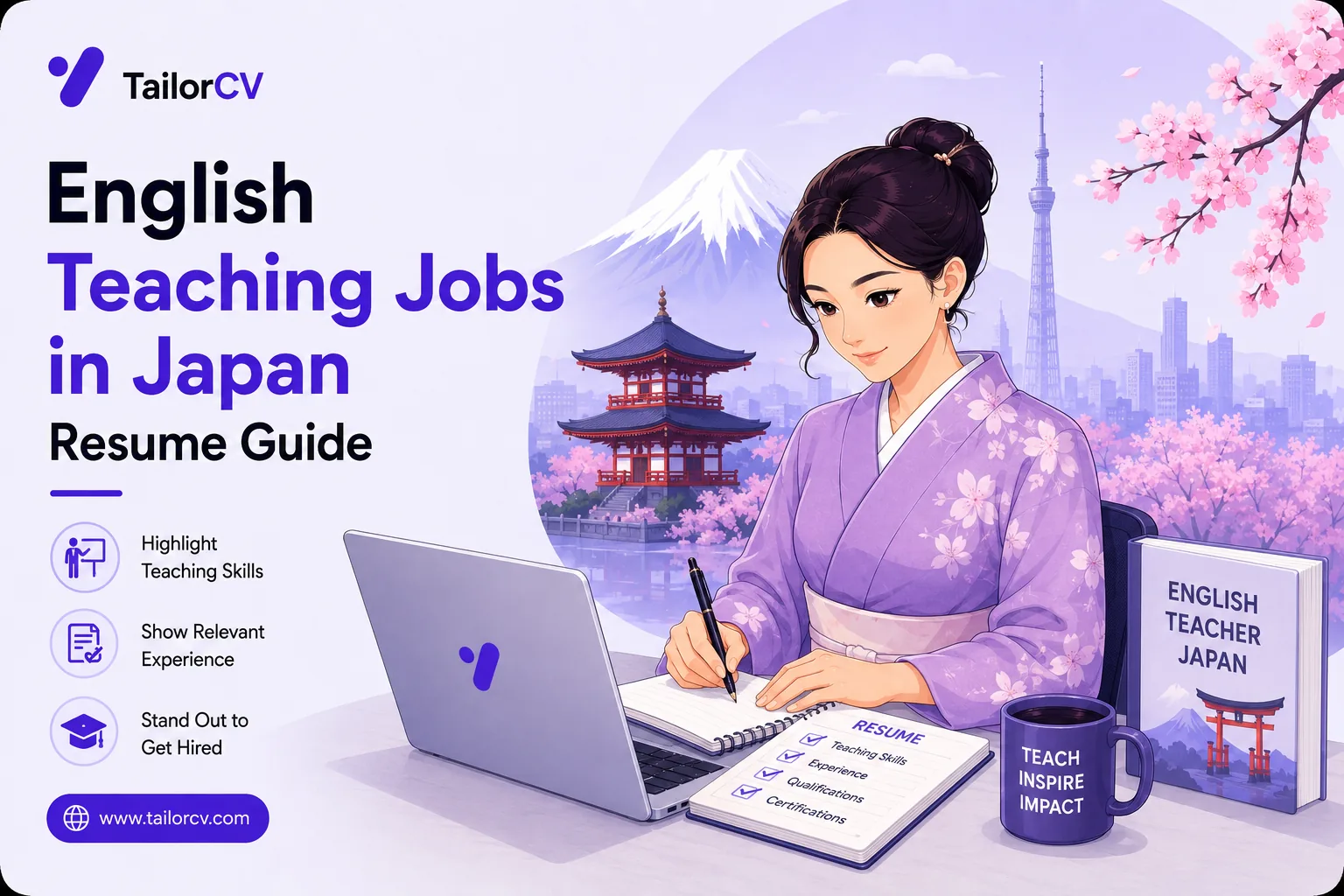
The routes into teaching English in Japan - JET, ALT dispatch, eikaiwa, and international schools - what each requires, how they differ, and how to write a resume that gets you hired.

Most students are eliminated before any interview, by eligibility criteria and resume screening they never see. Learn how shortlisting actually works and what to fix so your application survives the first cut.
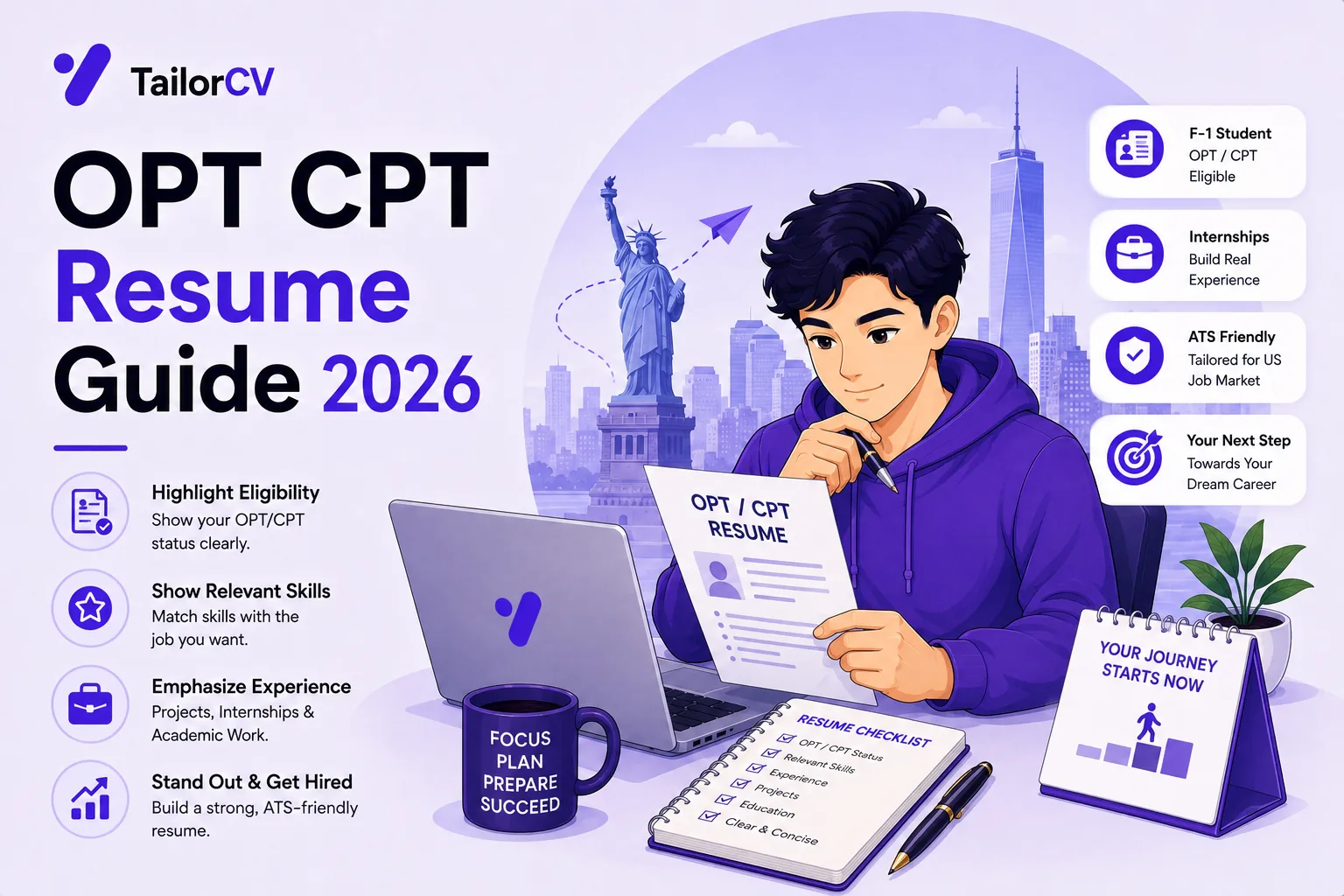
How to present F-1 status on a US resume, when to apply relative to OPT deadlines, how STEM OPT changes your position, and how to answer the sponsorship question so employers keep reading.

Mechanical, civil, electrical, and other core branch students face a different placement problem. How to write a resume that works for core companies, and what changes if you target IT roles instead.
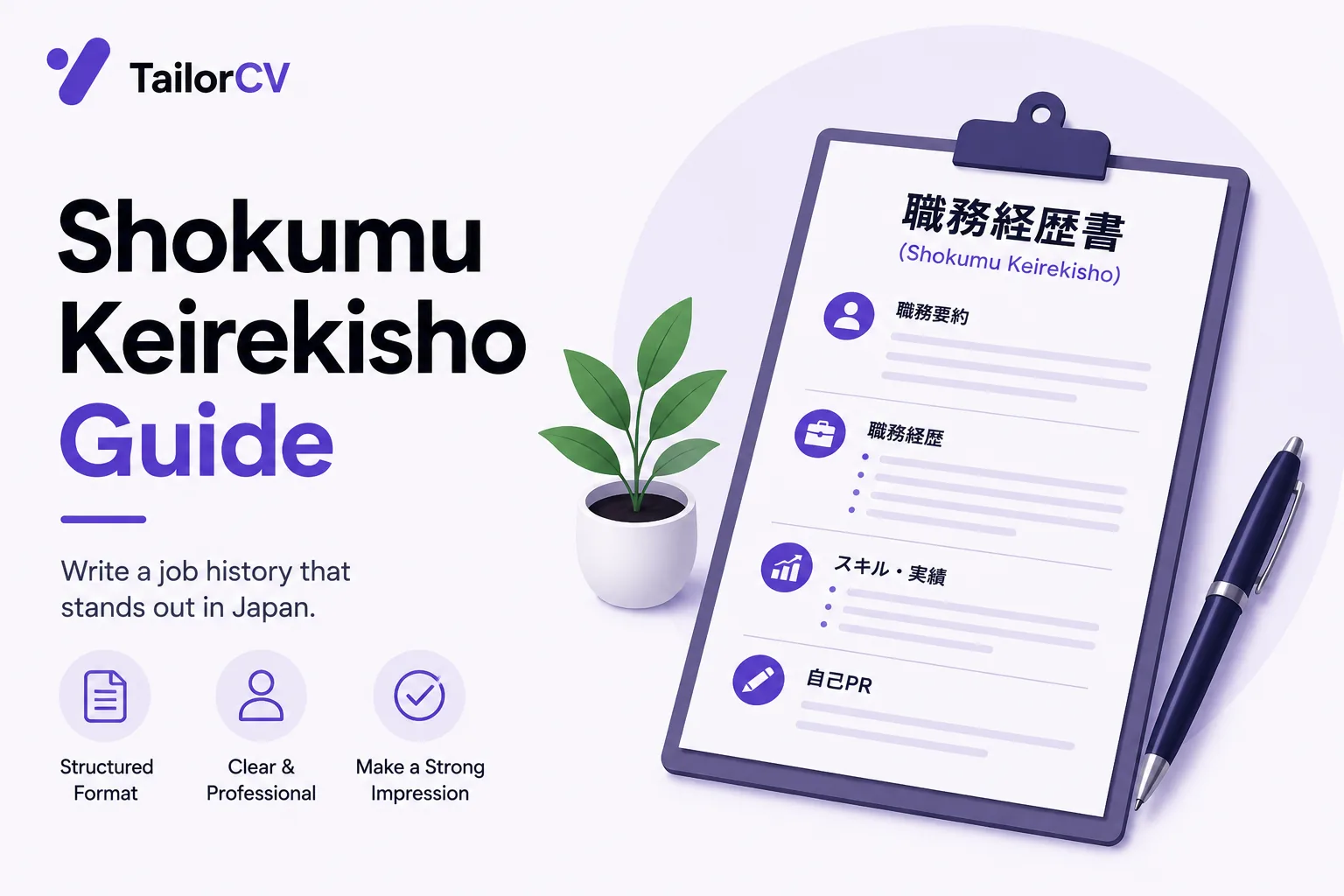
The shokumu keirekisho is the document that actually gets you interviews in Japan, and it is not a rirekisho. Learn the structure, the chronological and role-based formats, and how to write it well.

What ESL employers in China actually require, how the sector changed after the 2021 reforms, how to write a teaching resume that gets replies, and how to spot an employer worth working for.

A UK CV has no photo, no date of birth, and a personal statement instead of an objective. Learn the two-page structure British employers expect, how degree classifications are read, and how to pass ATS screening.
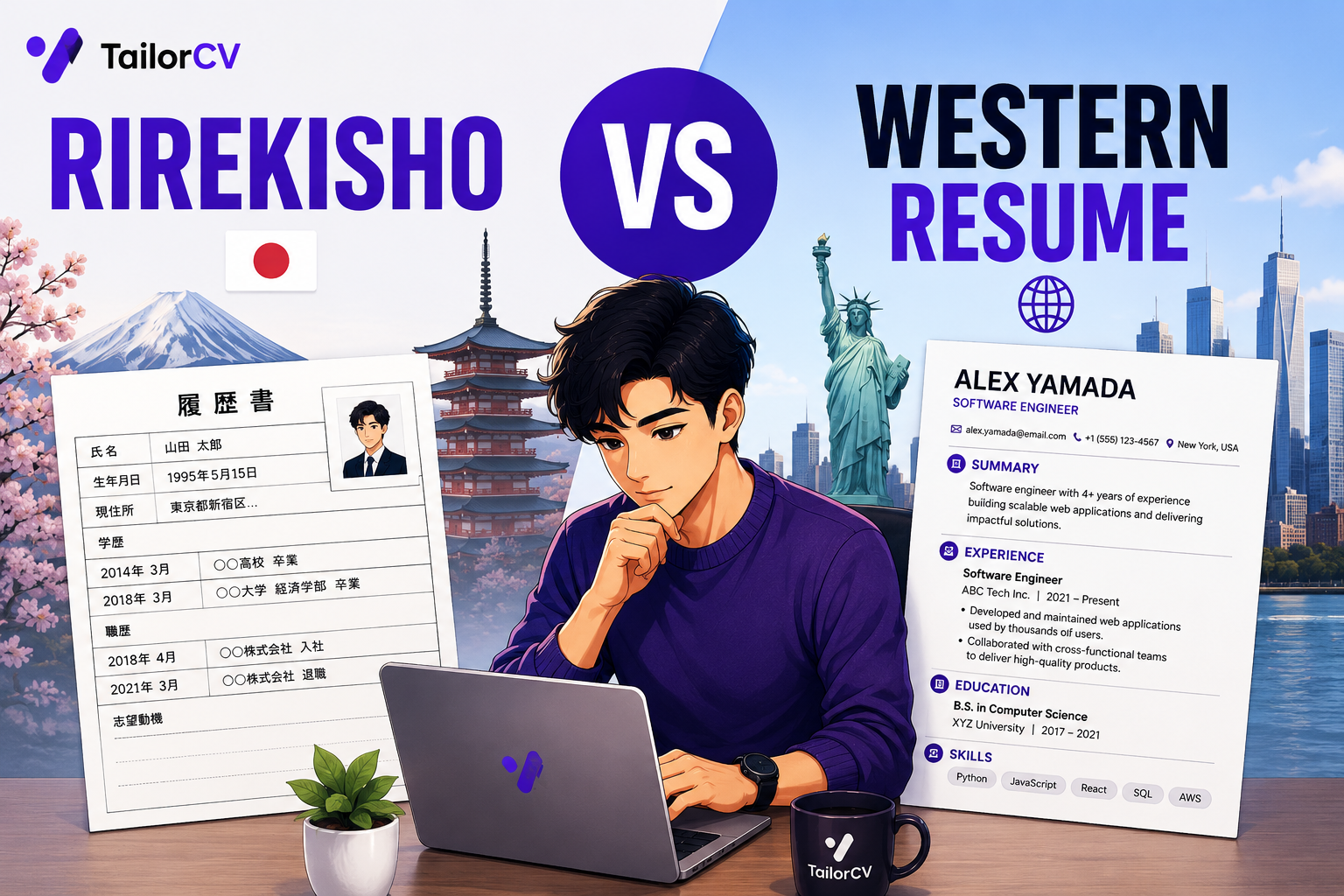
A clear 2026 comparison of the Japanese rirekisho and the Western resume — the key differences, when each is expected, and how foreigners should choose the right document for jobs in Japan.

Not every side project belongs on your resume. Learn which ones hiring managers actually value, how to write them like real experience, and when a project section beats another job entry.

The best resume keywords for jobs in Japan in 2026 — the skills, language credentials, and industry terms that global employers and ATS look for, plus how to use them naturally on an English resume for the Japanese market.