 TD
TD

Key Takeaways
- The standard requirement set is a bachelor's degree, a recognised teaching certificate such as TEFL or CELTA, and a clean criminal record check - all of which must be authenticated for the work permit.
- The sector changed significantly after the 2021 regulations on private tutoring, so verify an employer's licensing status rather than assuming.
- A teaching resume needs classroom specifics - age groups, class sizes, curriculum - not a general statement about a passion for education.
- The most common resume mistake is describing duties instead of outcomes, which makes every applicant look identical.
- Employers are screening for reliability as much as ability, because a teacher who leaves mid-contract is an expensive problem.
Teaching English remains the largest single route into working in China for foreign nationals, and it is the most accessible - but it is not the sector it was five years ago. The 2021 overhaul of private tutoring regulation reshaped a large part of the market, and some of the advice still circulating online describes an industry that no longer operates the same way.
What has not changed is what makes an application work. Employers are hiring for classroom competence and reliability, and most resumes demonstrate neither because they describe intentions rather than evidence.
This guide covers current requirements, how to write the resume, and how to evaluate an employer before you commit.
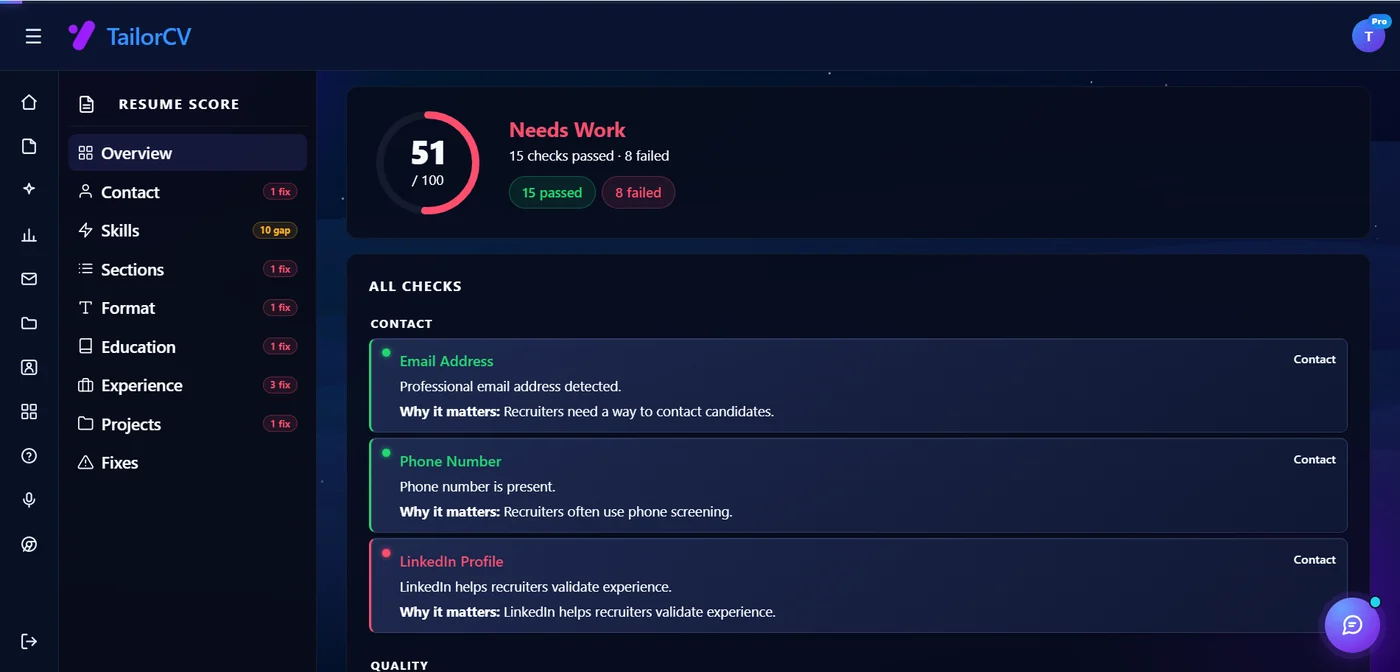
Start by checking your existing resume parses cleanly with the free ATS score checker.
What Employers and the Work Permit Require
Two separate sets of requirements apply: what the school wants, and what the authorities require for your work permit. Both must be satisfied.
The common baseline:
- A bachelor's degree in any subject, authenticated
- A teaching certificate - TEFL, TESOL, or CELTA, typically 120 hours or more
- A clean criminal record check, authenticated
- Nationality - many positions specify native-speaker status from a defined list of countries
- Age - upper limits apply in some categories, varying by city
- Two years of relevant experience in some cases, though this is frequently waived where the candidate holds a teaching qualification or an education degree
Requirements vary by city and by category of institution, and they do change. Verify against current official guidance for your target city rather than relying on any summary, including this one. The permit mechanics are covered in the China work visa guide.
Start the authentication early. Degree and criminal record legalisation is the slowest part of the process and the most common cause of a delayed start.
Where the Jobs Are
The sector splits into categories that differ significantly in hours, pay, and stability.
Public schools - regular hours, longer holidays, generally lower pay, usually more stable.
Private language centres - evening and weekend hours, since that is when students attend. Higher pay in many cases. This is the segment most affected by the 2021 regulatory changes, so verify licensing carefully.
International schools - the highest bar and the best conditions. Typically require a genuine teaching licence from your home country plus experience, not just a TEFL certificate.
Universities - fewer contact hours, more autonomy, moderate pay. Often require a master's degree.
Kindergartens - high demand, energetic work, specific to whether you enjoy that age group.
Which you target should shape your resume, because the evidence each values differs. Listings appear on the platforms covered in the best job sites in China.
Writing the Teaching Resume
Most ESL resumes fail the same way. They read:
Passionate English teacher dedicated to helping students achieve their goals. Responsible for teaching English classes and preparing lesson materials.
That describes every applicant. It gives a recruiter nothing to choose on.
Lead with classroom specifics
The details that distinguish you are concrete:
- Age groups taught - "ages 6-12" is information; "young learners" is a category
- Class sizes - a teacher who has handled 35 students has demonstrated something different from one who has taught one-to-one
- Curriculum and materials - named programmes, exam preparation, phonics systems
- Level range - beginner through intermediate, IELTS band targets, Cambridge levels
- Outcomes - test score improvements, retention, progression rates
Rewritten:
Taught English to 120 students aged 8-14 across six weekly classes of up to 20, using a phonics-based curriculum; 85% of exam-track students advanced a Cambridge level within the academic year.
That is a person, not a category. The technique is the same as any strong resume bullet - see how to write resume bullet points and how to quantify achievements on your resume.
If you have never taught professionally
Plenty of successful applicants have not. Use the adjacent evidence:
- Tutoring, including informal and volunteer work
- Coaching, mentoring, camp counselling, or scouting
- Training delivered in a previous job
- Public speaking or presenting
- Your TEFL practicum hours, which are real teaching hours
Be specific about each rather than listing them. The general approach for building a resume without direct experience is in resume summary with no experience.
The sections to include
- Contact details - including WeChat ID, which recruiters use heavily
- Photo - conventional in China, as covered in the Chinese resume format guide
- Certifications - TEFL/TESOL/CELTA with hours, plus any teaching licence
- Education - degree, institution, country
- Teaching experience - with the specifics above
- Other experience - kept brief unless relevant
- Nationality and current location - employers screen on both, so make them easy to find
Signalling That You Will Stay
Schools care about this more than applicants realise, because a teacher who leaves mid-contract means disrupted classes, unhappy parents, and a hiring process to run again.
Evidence that helps:
- Any previous contract you completed in full - say so explicitly
- Prior time living abroad, especially in Asia
- Mandarin study, even elementary - the realistic picture is in working in China without Mandarin
- A clear, specific reason for choosing China rather than generic enthusiasm
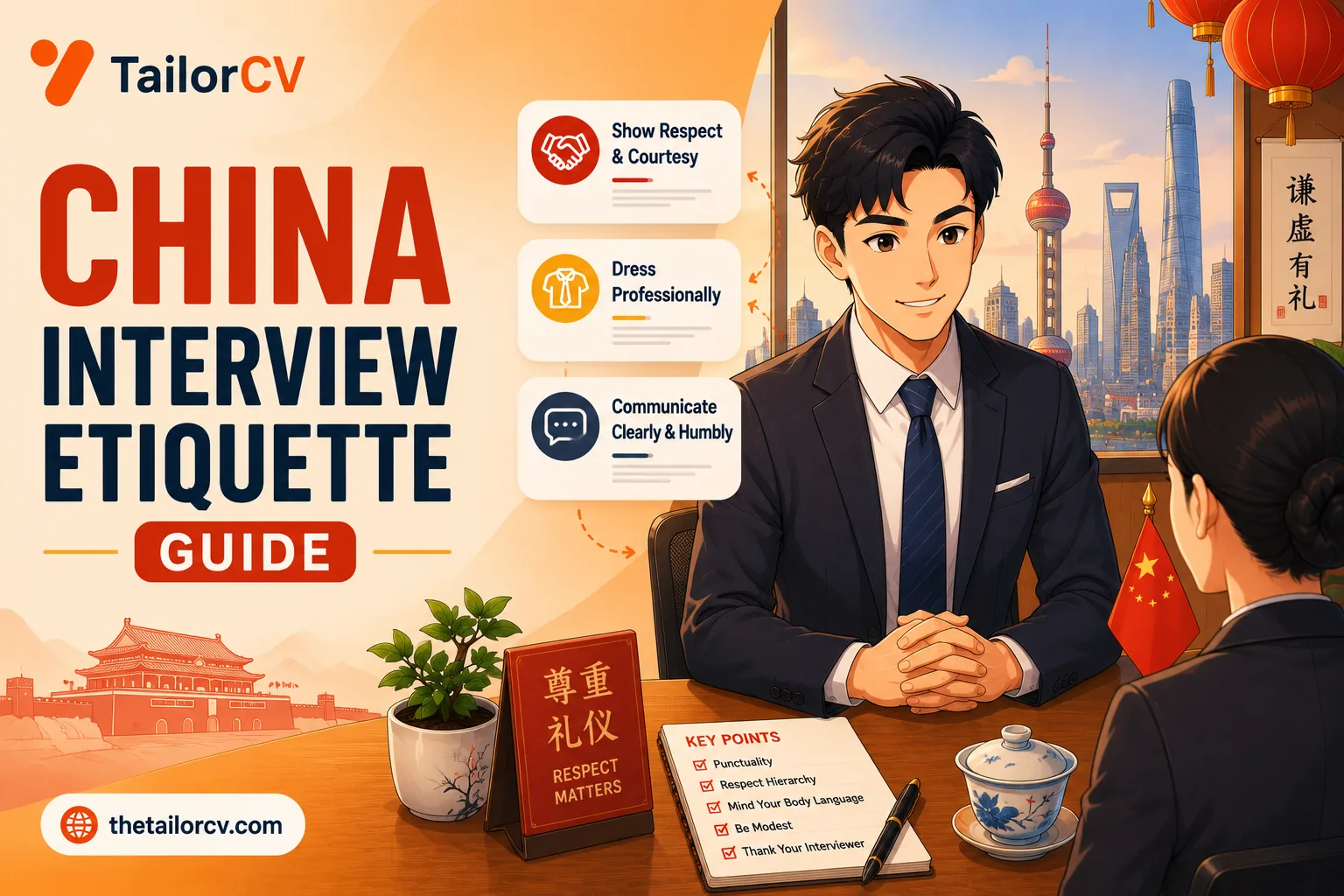
This comes up directly in interviews, and it is worth preparing a real answer - see China interview etiquette.
Evaluating the Employer
The quality range in this sector is wide, and the cost of a bad choice is high because your visa is tied to the employer.
Verify before accepting:
- The school is licensed to hire foreign teachers and will sponsor a proper work permit
- The contract specifies hours, including office hours and any required weekend work
- Housing arrangements are written down, not verbal
- The salary is stated in RMB with a clear payment schedule
- Flight reimbursement and completion bonus terms are explicit
- Someone will actually meet you at the airport and handle registration
Walk away if:
- You are asked to work on a tourist or business visa. This is not a technicality - it carries fines, detention, and deportation risk, and the exposure is yours.
- The employer is vague about which entity is actually hiring you
- You are asked to pay recruitment fees
- The contract arrives late, or differs from what was discussed
- Reviews from previous foreign teachers are hard to find, or consistently bad
Talk to a current or former foreign teacher at the school before signing. Most legitimate employers will connect you with one.
Common Mistakes
A generic passion statement. Every applicant is passionate. Only some can describe a classroom.
Omitting age groups and class sizes. These are the first things a recruiter looks for.
Hiding the TEFL hours. State the number - 120-hour is a threshold many employers screen on.
No photo. Conventional in China, and its absence is noticed.
Leaving off nationality and current location. Employers screen on both, and burying them wastes the reader's time.
Applying without authenticated documents underway. You will lose the offer to someone whose paperwork is ready.
Accepting the first offer. Demand for qualified teachers is real. You can afford to compare.
Frequently Asked Questions
Do I need a degree to teach English in China?
For a legal work permit, effectively yes - a bachelor's degree in any subject is part of the standard requirement set, and it must be authenticated. Offers that suggest otherwise usually involve working on the wrong visa type.
Do I need to be a native speaker?
Many positions specify native-speaker status from a defined list of countries, and this is often tied to work permit categories rather than school preference alone. Non-native speakers with strong credentials and near-native proficiency do find roles, but the search is harder.
Is teaching English in China still viable after the 2021 changes?
The private tutoring sector was substantially reshaped and the landscape is different from what it was. Legitimate roles continue in public schools, universities, international schools, and licensed institutions. Verify an employer's licensing status rather than assuming it.
How much can I expect to earn?
It varies widely by city, institution type, and your qualifications, so treat any single figure with suspicion. Compare offers on the full package - salary, housing, flights, completion bonus, and contact hours - rather than the headline number.
Can I teach without a TEFL certificate?
Rarely, and it substantially narrows your options. A 120-hour certificate is a standard screening threshold and is comparatively quick to obtain.
Can teaching lead to other work in China?
It can, but the transition is harder than people expect, since teaching experience does not read as directly relevant to most professional roles. If that is the plan, build evidence for the target field while you teach - the approach in career change resume applies.
Make sure your resume shows a classroom, not a category. Check your ATS score free.
Make This Practical
Rewrite your teaching experience with the specifics first - age groups, class sizes, curriculum, level range, and one measurable outcome per role. That single change separates your resume from most of the pile.
Then complete the screening fields: photo, nationality, current location, WeChat ID, and TEFL hours as a number. Use the Chinese resume format guide for placement, and run the file through the free ATS score checker.
Finally, start document authentication now rather than after an offer, following the China work visa guide - and vet every employer against the checklist above before you sign anything. If you are weighing China against the wider picture, how to get a job in China as a foreigner covers the alternatives.
What is your resume scoring right now?
Scan it against a job description and get your ATS match score in about a minute.
Drop your resume here or choose a file
PDF only. Max 2 MB.
We never share your data or use it to train AI models.
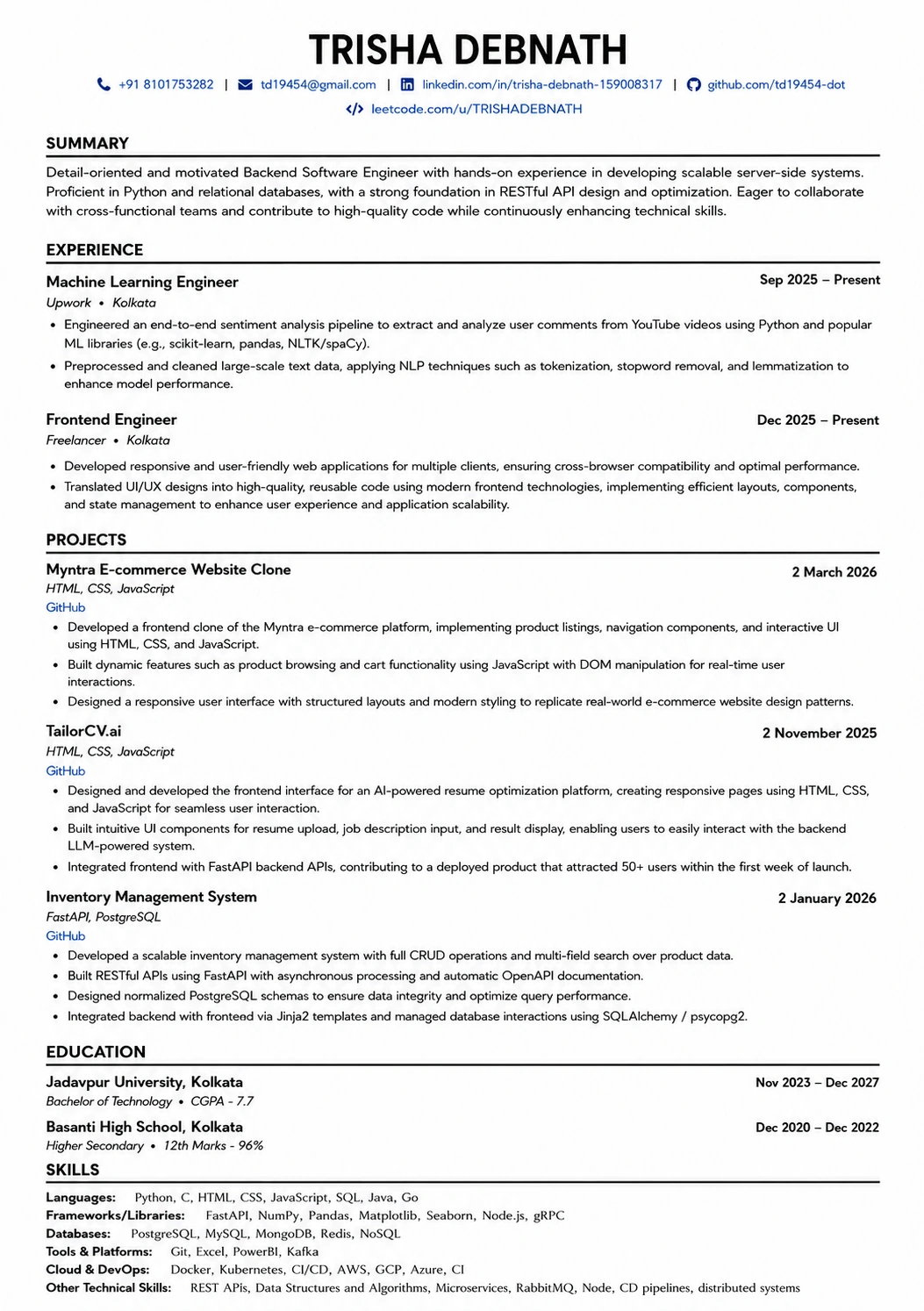
Templates that keep this structure intact
This template is ATS-tested — start from it and the formatting rules in this guide are already handled.
Was this guide useful?
Be the first to rate it.