 SS
SS

Key Takeaways
- Tokyo has Japan's largest concentration of international, tech, finance, and English-friendly roles.
- Foreigners find the most opportunity in tech/IT, finance, English teaching, and global business.
- Japanese-language ability widens your options, but many Tokyo roles operate in English.
- Use foreigner-focused job sites, LinkedIn, and recruitment agencies that place foreigners.
- Tailor your resume and application to each role — the market is competitive.
Tokyo is the beating heart of Japan's economy — home to global corporations, a thriving tech and startup scene, major financial institutions, and the largest concentration of English-friendly and international roles in the country. For foreigners aiming to work in Japan, Tokyo is where the most opportunities are, and where a career in Japan most often begins. But it's also competitive and fast-moving, so a focused strategy — knowing the industries, the right search channels, and how to present yourself — makes all the difference.
This guide walks you through finding a job in Tokyo in 2026: the city's key sectors, where foreigners fit, how and where to search, the language question, and how to build an application that wins interviews.
Why Tokyo?
Tokyo concentrates a huge share of Japan's economic activity:
- Global corporations and their regional HQs, many hiring in English.
- A large financial sector.
- A growing tech and startup ecosystem with strong demand for engineers.
- The biggest pool of international and English-friendly employers in Japan.
- Extensive support infrastructure for foreigners — communities, agencies, and services.
If you want the widest range of opportunities in Japan — especially as a foreigner — Tokyo is the place to focus. For the national picture, see how to get a job in Japan as a foreigner.
Tokyo's Key Industries for Foreigners
- Technology / IT: strong demand for software engineers, data specialists, and IT professionals — often with English-friendly environments and global teams.
- Finance and consulting: global banks, asset managers, and consultancies hire bilingual and specialist professionals.
- English teaching: a reliable entry route — language schools, the JET Programme, and international schools.
- International business, sales, and marketing: global firms need people who bridge cultures and markets.
- Tourism, hospitality, and translation: roles valuing foreign language skills.
Focus your search where your skills fit — that's where sponsorship and interviews come most readily.
The Language Question in Tokyo
Tokyo has more English-friendly roles than anywhere else in Japan, but Japanese still helps:
- English-only: viable in tech, global companies, English teaching, and international roles — Tokyo is your best market for this.
- Business Japanese (JLPT N2–N1): unlocks the broader market, including traditional firms.
- Some Japanese: helps daily life and broadens your options.
Even basic Japanese and a willingness to learn are viewed positively. If you have JLPT or TOEIC scores, feature them. For a deeper look, see working in Japan without Japanese.
Step 1: Prepare a Tokyo-Ready Application
Match your documents to the employer:
- Global/English-language roles (the bulk of foreigner-friendly jobs in Tokyo): a strong Western-style, ATS-friendly resume. See ATS and English resumes for Japan and build one with the TailorCV resume builder.
- Traditional Japanese companies: a rirekisho + shokumu-keirekisho — see the Japanese resume guide and rirekisho vs Western resume.
Tailor every application with the resume optimizer, and use the right terms — see best resume keywords for Japan.
Step 2: Search in the Right Places
- Foreigner-focused job sites for bilingual and international roles in Japan — your best starting point.
- LinkedIn — heavily used by global companies and recruiters hiring foreigners in Tokyo.
- Recruitment agencies that place foreigners — they know which Tokyo employers sponsor and guide you through the process; especially valuable for professional and bilingual roles.
- Company career pages — global firms and English-friendly employers.
- The JET Programme, language schools, and international schools — for teaching.
See our detailed guide to the best job sites for finding work in Japan.
Step 3: Network in Tokyo
Tokyo has active professional communities:
- Meetups and industry events — especially in tech, startups, and international business.
- Professional and expat communities — connect you to opportunities and advice.
- LinkedIn networking — reach out to people in your target companies and field.
A warm introduction or referral carries weight in Japan and can open doors that online applications don't.
Step 4: Understand the Visa Reality
As a foreigner, you generally need an employer-sponsored work visa matched to your role and qualifications — you secure the job first, then the employer sponsors. Factor visa processing (including the Certificate of Eligibility) into your timeline, and always confirm current rules with official Japanese authorities. See how to get a job in Japan as a foreigner for context.
What optimizing actually does to your resume
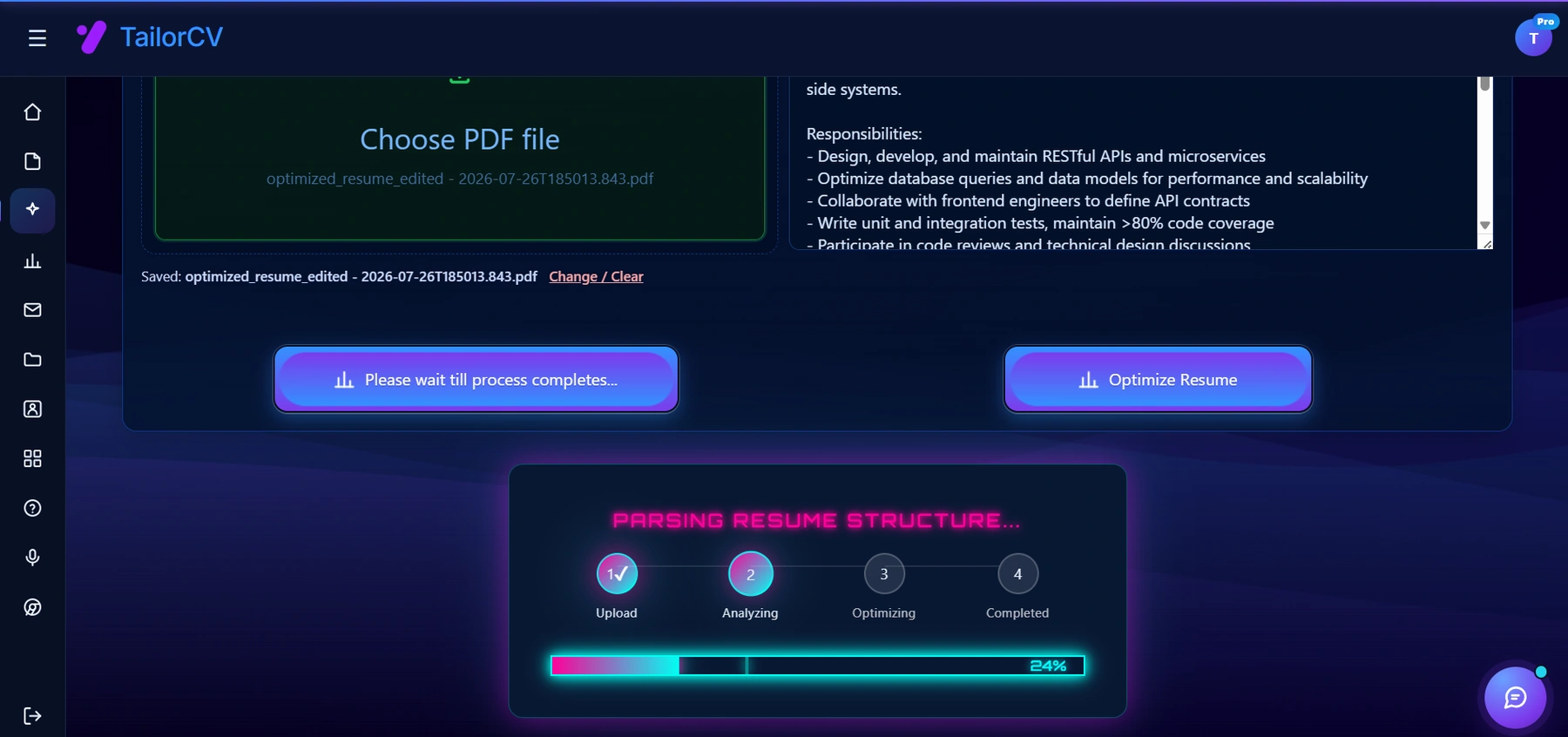
Optimising runs against the specific job description you paste in, not in the abstract.
Note: Visa rules change and depend on your situation — always verify with the Japanese Immigration Services Agency, an embassy/consulate, or your employer.
Step 5: Prepare for Tokyo Interviews
Japanese interview etiquette matters even at global firms in Tokyo — punctuality, respect, formal attire, and sincere, specific motivation. See Japan interview etiquette and rehearse with the AI mock interview so you're calm and confident.
Practical Tips for Working in Tokyo
- Cost of living: Tokyo is expensive, especially housing — budget realistically.
- Housing: foreigners can face extra steps renting; some employers assist.
- Commuting: Tokyo's train network is excellent but rush hours are intense — factor commute in your job choice.
- Culture: embracing Japanese workplace norms — punctuality, teamwork, diligence — helps you integrate and thrive.
Common Mistakes When Job-Hunting in Tokyo
- Ignoring the visa requirement. Understand sponsorship and timelines.
- Wrong resume format. Match global vs. traditional employer expectations.
- Not using foreigner-focused channels. They're your fastest route to English-friendly roles.
- Underrating language credentials. Feature JLPT/TOEIC and any Japanese ability.
- Skipping interview prep. Japanese etiquette matters — prepare for it.
Frequently Asked Questions
Can foreigners find jobs in Tokyo? Yes — Tokyo has Japan's largest concentration of international, tech, finance, and English-friendly roles, plus strong support infrastructure for foreigners. You'll generally need an employer-sponsored work visa.
Do I need to speak Japanese to work in Tokyo? Not always — Tokyo has many English-friendly roles in tech, global companies, and teaching. But Japanese (JLPT N2–N1) widens your options considerably. See working in Japan without Japanese.
Which industries hire foreigners in Tokyo? Tech/IT, finance and consulting, English teaching, and international business are the strongest sectors for foreigners.
Where should I search for jobs in Tokyo? Foreigner-focused job sites, LinkedIn, and recruitment agencies that place foreigners — plus company career pages. See the best job sites for Japan.
Final Thoughts
Tokyo offers foreigners the richest job market in Japan — especially in tech, finance, teaching, and global business. Focus where your skills fit, use foreigner-focused channels and recruiters, feature your language credentials, and match your resume format to each employer.
Build a strong resume with the TailorCV resume builder, tailor it to each role with the resume optimizer, and prepare for Japanese interview etiquette with the AI mock interview. Always confirm current visa requirements with official sources — then start your Tokyo job search with confidence.
What is your resume scoring right now?
Scan it against a job description and get your ATS match score in about a minute.
Drop your resume here or choose a file
PDF only. Max 2 MB.
We never share your data or use it to train AI models.

Was this guide useful?
Be the first to rate it.