 TD
TD
Key Takeaways
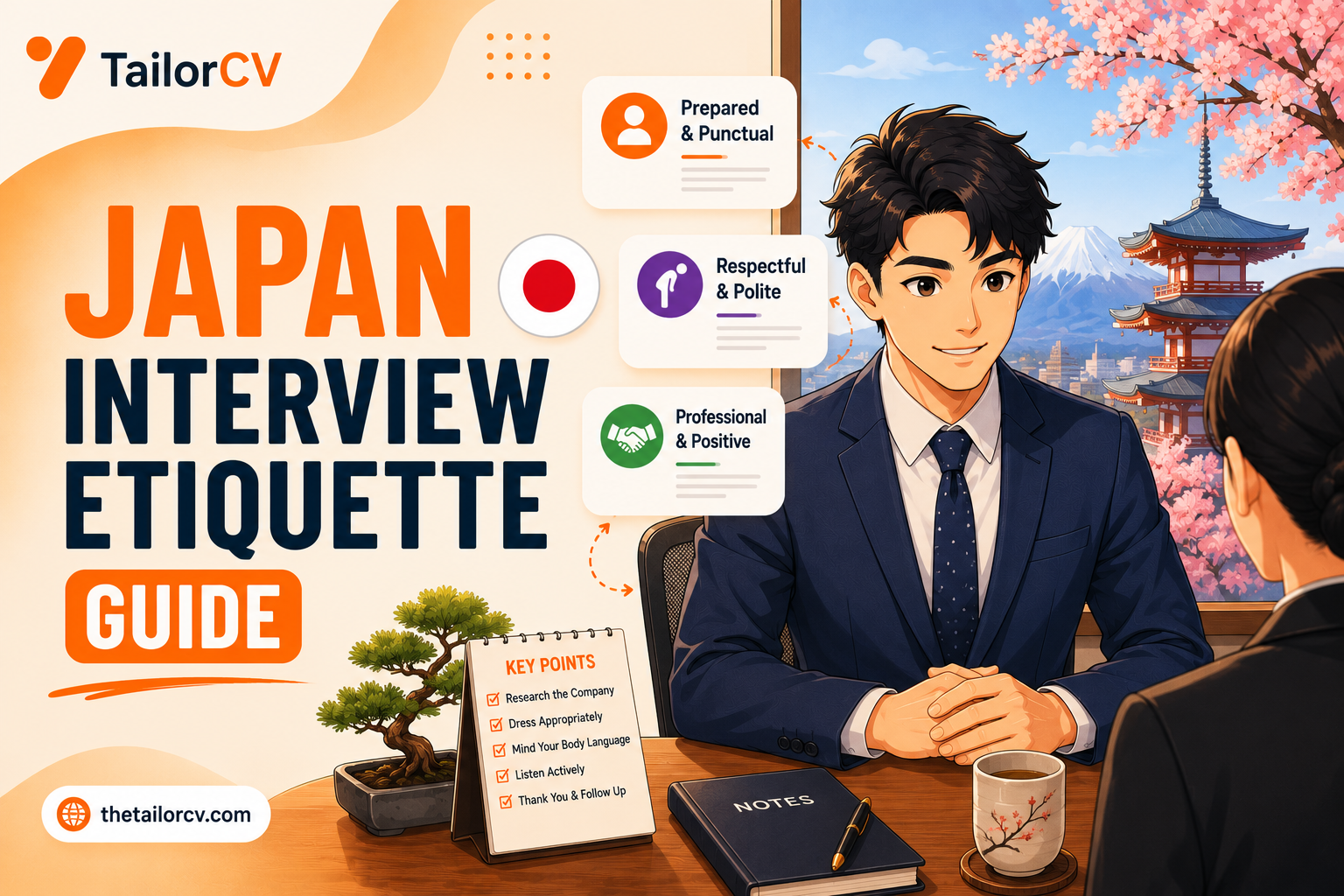
- Japanese interviews follow detailed etiquette — bowing, formal language, seating, and punctuality all matter.
- Punctuality is non-negotiable — arrive early, never late.
- Humility, respect, and long-term commitment are the qualities Japanese employers seek.
- Dress conservatively and formally — the "recruit suit" is standard.
- Preparation, rehearsal, and cultural awareness set foreign candidates apart.
In Japan, how you interview can matter as much as what you say. Japanese business culture places enormous value on etiquette, respect, and attention to detail — and an interview is a stage where all of these are on display. From how you enter the room and bow, to the formal language you use, to when you sit down, every step follows conventions that signal whether you understand and respect Japanese professional culture. For foreigners, mastering this etiquette is a powerful way to stand out and reassure employers you'll fit in.
This guide explains Japanese job interview etiquette in 2026: the manners, language, and preparation that make a strong, respectful impression — plus the common questions you'll face and how to handle them.
Before the Interview: Preparation
Research Deeply
Japanese employers value candidates who show sincere, specific interest in their company. Research its history, philosophy (many firms have a stated corporate philosophy), products, and recent news. Be ready to explain — clearly and specifically — why you want to work for this company. Generic answers signal a lack of commitment.
Prepare Your Documents
Bring neat copies of your documents. For traditional Japanese firms, that means your rirekisho and shokumu-keirekisho — see the Japanese resume guide. For global and English-language roles, bring a polished Western-style resume — build one with the TailorCV resume builder and tailor it with the resume optimizer.
Dress the Part
Conservative, formal business attire is expected. The Japanese "recruit suit" — a plain dark suit, white shirt, subdued tie, clean conservative shoes — is the safe standard, especially for younger candidates and traditional firms. Neat grooming and minimal accessories reinforce a diligent, respectful impression.
Arriving: Punctuality and First Impressions
- Arrive early — aim to be at the location 10–15 minutes ahead, and announce yourself at reception a few minutes before the appointed time. Being late is a serious mark against you.
- Turn off your phone completely.
- Greet politely at reception and wait as directed.
Punctuality in Japan isn't just courtesy — it's read as a core professional virtue.
Entering the Room and Bowing
There's a conventional sequence when entering the interview room:
- Knock (typically two or three times) before entering.
- Enter, then bow and offer a polite greeting.
- Wait to be invited to sit — don't sit until asked.
- Sit upright, hands on your lap (or as appropriate), maintaining good posture.
The bow is central. A respectful bow — from the waist, with a straight back — conveys politeness. You don't need to master every nuance of bowing angles, but a sincere, respectful bow at greeting and departure is important. When in doubt, a moderate, respectful bow works.
Language and Communication Style
- Use formal, polite Japanese (keigo) where the interview is in Japanese. If your Japanese is limited, the interview may be in English (common at global firms) — clarify beforehand.
- Speak calmly and modestly. Japanese culture values humility; avoid boasting, and frame achievements as team efforts where appropriate.
- Show respectful body language: attentive posture, appropriate eye contact (respectful, not aggressive), and no over-casual gestures.
- Listen carefully and don't interrupt.
Even in an English-language interview at a Japanese company, this calm, respectful, modest style is appreciated.
Common Japanese Interview Questions
- "Tell us about yourself" (自己紹介). A concise, professional self-introduction.
- "Why do you want to work here?" (志望動機). The crucial question — show sincere, specific motivation for this company.
- "What are your strengths and weaknesses?" Present strengths modestly and a genuine weakness with how you're improving it.
- "Where do you see yourself in the future?" Signal commitment and long-term thinking — Japanese firms value stability and dedication.
- "How do you work in a team?" Emphasise cooperation and harmony (wa).
See it in action: a resume-based mock interview
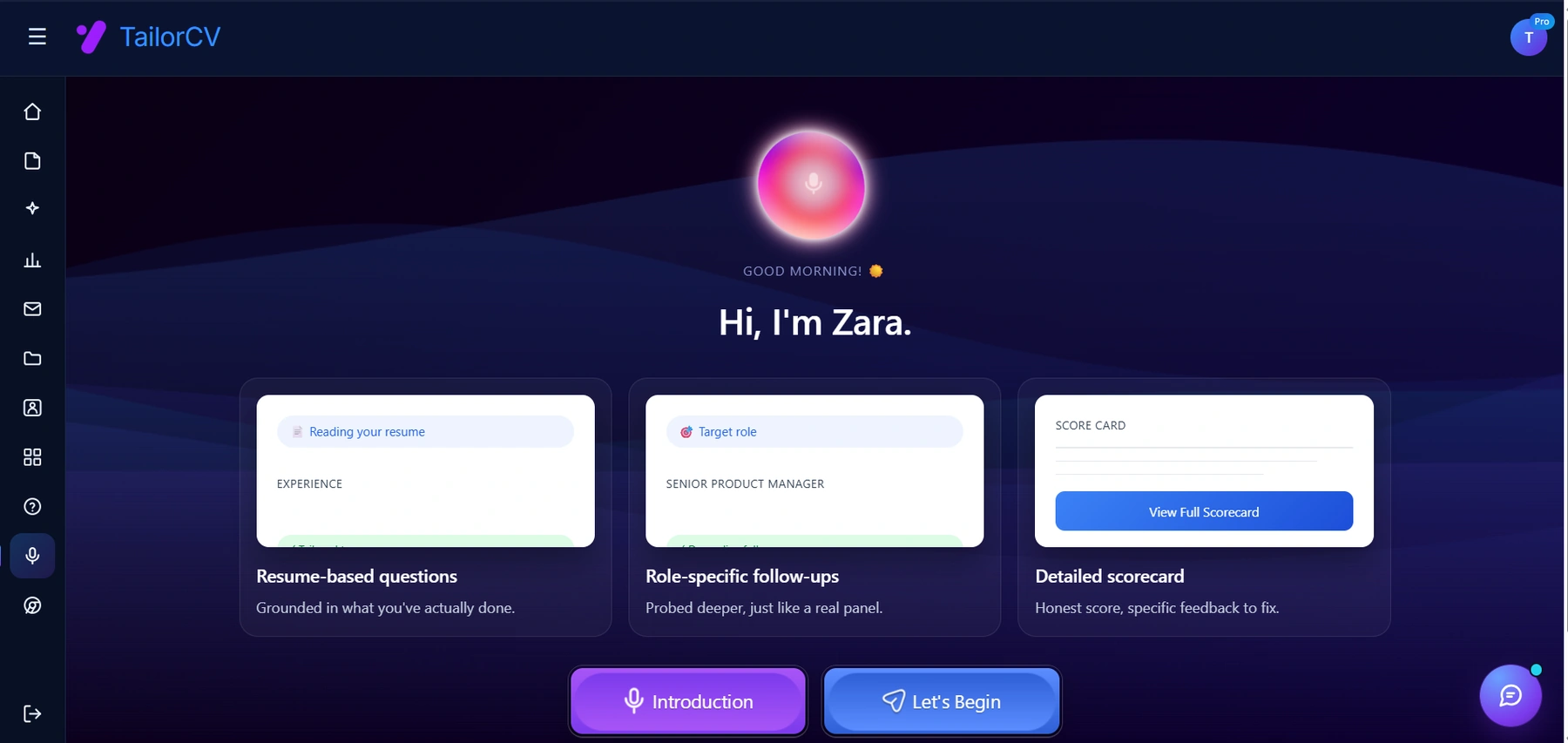
The scorecard at the end is the useful bit - an honest score plus specific feedback, which is what turns practice into improvement.
Prepare clear, sincere answers, and rehearse them so you're calm and fluent. Practise with the AI mock interview to build confidence.
Demonstrating the Right Qualities
Japanese employers particularly value:
- Commitment and loyalty — a desire to grow with the company.
- Humility and teamwork — fitting into group harmony.
- Diligence and reliability — a strong, consistent work ethic.
- Respect — for the company, the interviewers, and the process.
Weave these qualities through your answers and your conduct.
Ending the Interview
- Thank the interviewers sincerely and bow respectfully.
- Exit politely, with a final bow at the door.
- Follow up — a polite thank-you (where appropriate) reinforces your good impression.
Etiquette Tips for Foreign Candidates
- You don't need to be perfect — sincere effort and respect count for a great deal.
- Show interest in Japanese culture and a willingness to adapt.
- Clarify the interview language in advance.
- Feature your language credentials (JLPT, TOEIC) — see the Japanese resume guide.
- Learn the basics of bowing, greetings, and formal manners — the effort itself impresses.
For the wider picture, see how to get a job in Japan as a foreigner and working in Japan without Japanese.
Common Interview Mistakes in Japan
- Being late. A serious error — always arrive early.
- Being overly casual or boastful. Humility and formality are expected.
- Generic motivation. Tailor your "why this company" answer specifically.
- Poor manners. Neglecting bowing, greetings, or polite language.
- Under-dressing. Wear conservative, formal attire.
- Not researching the company. Signals a lack of genuine interest.
Your Interview Is One Stage of a Strong Application
Interview etiquette is decisive in Japan, but it sits within a complete application, and each part should reinforce the others. Match your documents to the employer — a Japanese rirekisho for traditional firms, or an ATS-friendly English resume for global roles (see also rirekisho vs Western resume) — feature the right terms with the best resume keywords for Japan, and add a sincere Japanese cover letter where expected. To reach the interview stage, find the right roles through the best job sites for Japan, and for the bigger picture see how to get a job in Japan as a foreigner. Preparing your documents and your interview manners together — showing the same diligence and respect throughout — is what wins offers in Japan.
Frequently Asked Questions
Do I need to bow in a Japanese interview? Yes — a respectful bow at greeting and departure is standard and important. You don't need perfect technique, but a sincere, respectful bow matters.
What should I wear to a Japanese job interview? Conservative, formal business attire — the plain dark "recruit suit" with a white shirt is the safe standard, especially at traditional firms.
Will the interview be in Japanese or English? It depends on the company. Traditional firms often interview in Japanese; global and English-language roles may interview in English. Clarify in advance.
How important is punctuality in Japan? Extremely — arrive early (10–15 minutes) and never be late. Punctuality is read as a core professional virtue.
Final Thoughts
In Japan, interview etiquette is a language of its own — punctuality, bowing, formal speech, humility, and genuine, specific interest in the company all speak to whether you'll fit into Japanese professional culture. For foreigners, respecting this etiquette is a real advantage: it reassures employers and sets you apart.
Prepare your documents with the TailorCV resume builder and resume optimizer, and rehearse your answers and manners with the AI mock interview. Sincere preparation and respect are exactly what open doors in Japan.
Was this guide useful?
Be the first to rate it.