TD
TD
Key Takeaways
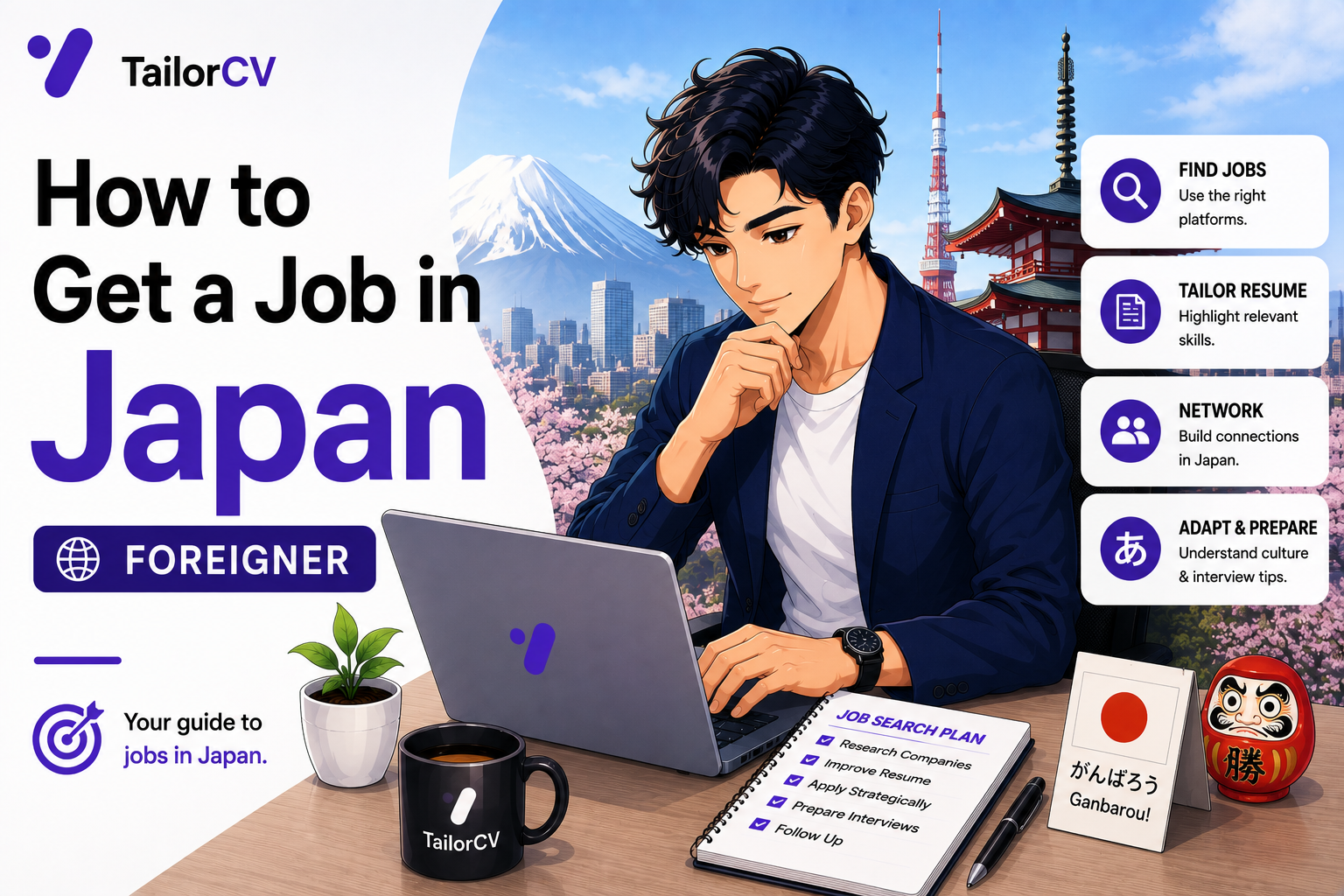
- Foreigners generally need an employer-sponsored work visa matched to their role and qualifications; you secure the job first, then the employer sponsors.
- Hiring is strongest in technology (IT), English teaching, finance, engineering, and international business.
- Japanese-language ability (JLPT) widens your options significantly, though many global and tech roles operate in English.
- A resume tailored to the employer — Japanese-format documents or a strong English resume — is essential.
- Respect for Japanese business culture, shown throughout your application and interviews, matters a great deal.
Japan has steadily opened up to foreign talent, driven by a shrinking workforce and a growing need for global skills — especially in technology, English education, and international business. For foreigners, Japan offers a fascinating culture, a high quality of life, and real career opportunities. But getting hired takes understanding: the visa system, the role of Japanese-language ability, and how to present yourself in a business culture that values precision, respect, and long-term commitment.
This guide walks you through getting a job in Japan as a foreigner in 2026 — which sectors hire, how work visas function, the language question, where to search, and how to make your application stand out.
Note: Japanese immigration and visa rules change and depend on your nationality, qualifications, and role. Treat visa information here as a general overview and always confirm current requirements with the Japanese Immigration Services Agency, a Japanese embassy/consulate, or your prospective employer.
Can Foreigners Work in Japan?
Yes. Foreign nationals can work in Japan with the appropriate work visa (status of residence), which is tied to a specific type of work and typically sponsored by the employer. The usual sequence:
- You secure a job offer from a Japanese employer.
- The employer supports your application for the appropriate work visa / Certificate of Eligibility.
- Once approved, you can legally begin work.
You generally cannot arrive on a tourist visa and start working. The offer comes first; the visa follows.
Work Visas: A Practical Overview
Japan has several work-visa categories tied to the nature of the job — for example, engineering/humanities/international services (a common category for professional office roles), instructor/teaching visas, intra-company transfer, and the points-based Highly Skilled Professional visa for qualifying candidates. Key practical points:
- The visa must match your role and qualifications (degree and/or relevant experience usually required).
- The employer sponsors and supports the application, often via a Certificate of Eligibility.
- Processing takes time — factor it into your start date.
- Categories and requirements change — always verify the current rules with official sources.
Because sponsorship is an effort for employers, your job is to make your value — and your fit for a visa category — clear.
Which Sectors Hire Foreigners in Japan?
- Technology / IT: strong and growing demand for software engineers, data specialists, and IT professionals — often with English-friendly environments.
- English teaching: a well-established route (language schools, the JET Programme, universities); typically requires a degree, and native/fluent English.
- Finance and international business: global firms in Tokyo hire bilingual and specialist professionals.
- Engineering and manufacturing: Japan's industrial base recruits skilled engineers.
- Tourism, hospitality, and translation: roles that value foreign language skills and international perspective.
If your skills fit these areas, sponsorship is far more likely.
The Language Question
Japanese-language ability dramatically affects your options:
- High Japanese (JLPT N2–N1): opens most of the market, including traditional Japanese companies.
- Some Japanese (N3 and below): helps daily life and broadens options, though you may still need English-friendly roles.
- English-only: viable in tech, global companies, English teaching, and international business, but narrows the field.
Even basic Japanese and a willingness to learn are viewed positively. If you have language test scores (JLPT, TOEIC), feature them prominently. Wondering whether you can work in Japan without Japanese? See working in Japan without Japanese.
Step 1: Prepare the Right Resume
Your approach depends on the employer:
- Traditional Japanese companies expect Japanese-format documents — the rirekisho and shokumu-keirekisho. See our Japanese resume (rirekisho) guide.
- Global companies and English-language roles usually accept a strong Western-style resume; many use applicant tracking systems — see ATS and English resumes for Japan.
Build a polished English resume with the TailorCV resume builder and tailor it to each posting with the resume optimizer. For a format comparison, read rirekisho vs Western resume.
Step 2: Search in the Right Places
- Foreigner-focused job sites (e.g. sites specialising in bilingual and international roles in Japan) are the best starting point.
- LinkedIn — used by global companies and recruiters hiring foreigners.
- Recruitment agencies that place foreigners — they know which employers sponsor and often guide you through the process.
- Company career pages — global firms and English-friendly employers.
- The JET Programme and language schools — for English teaching.
See our guide to the best job sites for finding work in Japan, and if you're targeting the capital, how to find a job in Tokyo.
Step 3: Present Your Value and Fit
Employers sponsoring a foreigner need a clear reason. In your resume, cover letter, and interviews:
What optimizing actually does to your resume
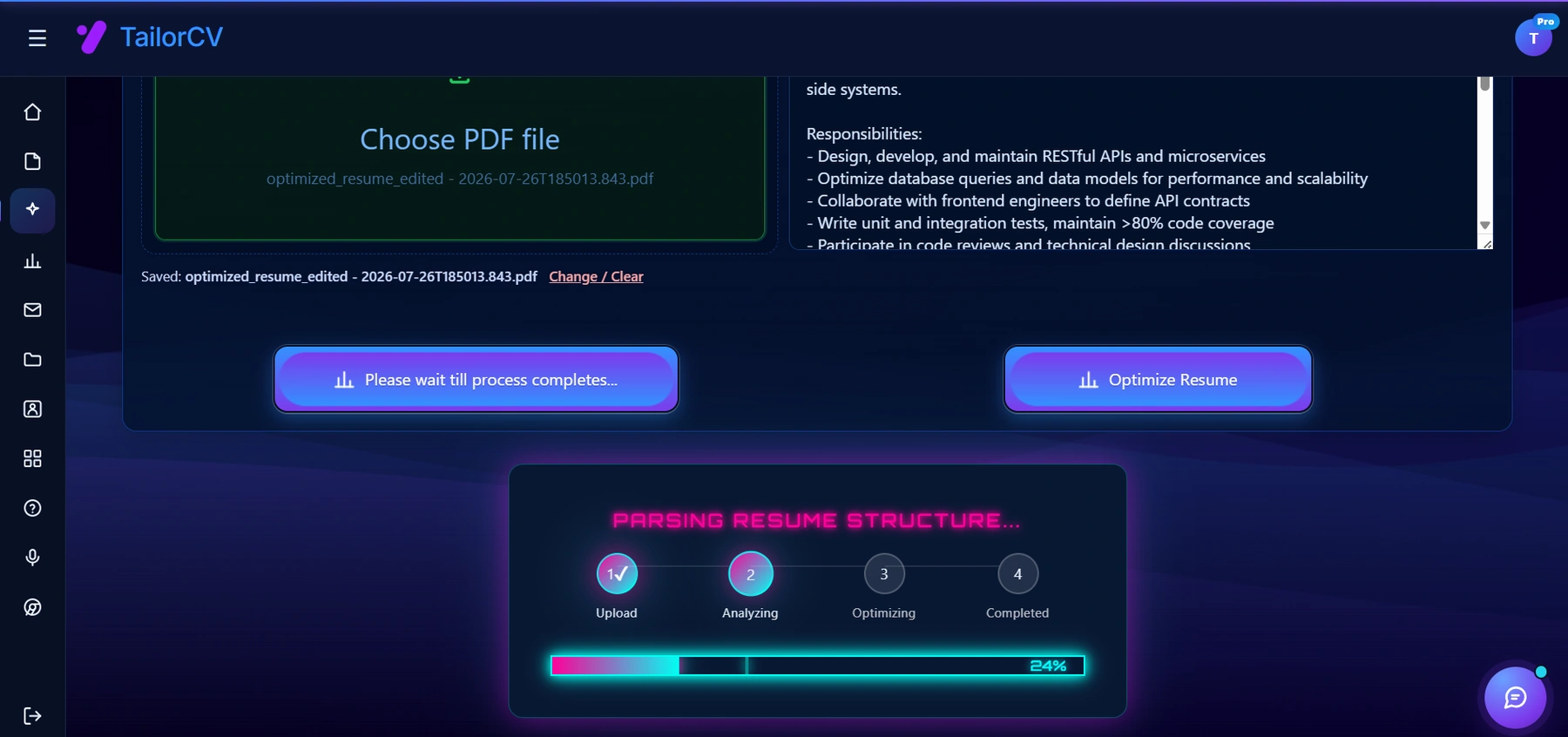
The tool parses your resume the way an ATS would before it changes anything, so the edits it suggests are grounded in the posting itself.
- Lead with in-demand skills and relevant qualifications (a degree matters for many visa categories).
- Show respect for and interest in Japan — cultural fit is genuinely valued.
- Feature language credentials (JLPT, TOEIC).
Add a cover letter where expected — see the Japanese cover letter guide.
Step 4: Prepare for Japanese Interviews
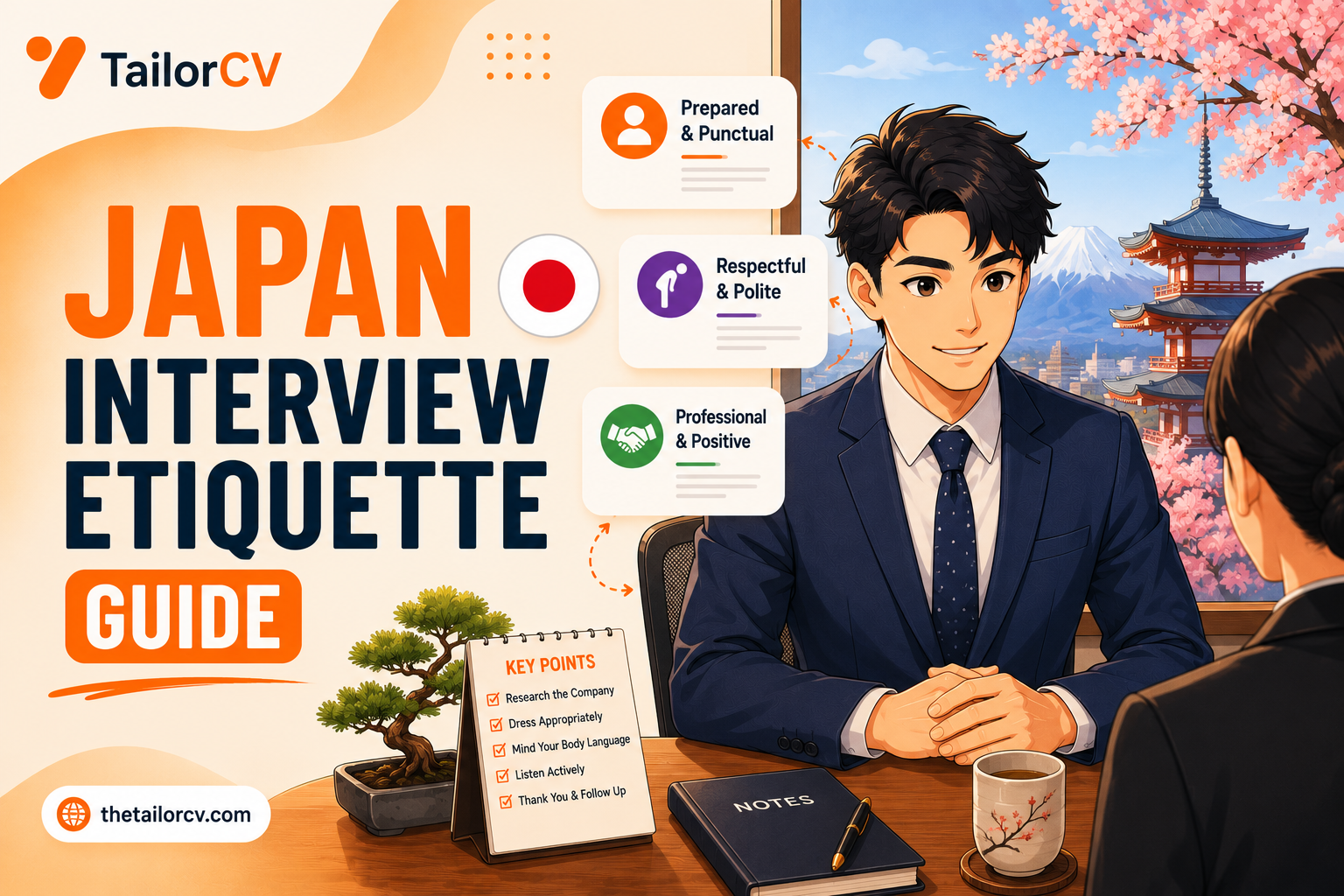
Japanese interviews have distinctive etiquette — bowing, formal language, punctuality, and humility all matter. Research the company deeply, prepare thoughtful answers, and show sincere, long-term interest. See Japan interview etiquette and rehearse with the AI mock interview.
Practical Considerations for Moving to Japan
- Cost of living: Tokyo is expensive, though salaries and other cities vary.
- Housing: foreigners can face extra steps renting; some employers assist.
- Culture: Japanese workplaces value harmony, hierarchy, and diligence — adapting shows respect.
- Timeline: account for visa processing (including the Certificate of Eligibility) when planning your move.
Common Mistakes Foreign Job Seekers Make
- Ignoring the visa reality. Understand which category fits you and that the employer sponsors it.
- Wrong resume format. Match Japanese-format or English-resume expectations to the employer.
- Underrating language. Even basic Japanese and a learning attitude help; feature your test scores.
- Missing cultural fit. Show genuine respect for and interest in Japan.
- Applying only to traditional firms. For English speakers, target global and English-friendly employers.
Frequently Asked Questions
Can I work in Japan as a foreigner? Yes, with an employer-sponsored work visa matched to your role and qualifications. You secure the job first, then the employer supports the visa. Always confirm current rules with official sources.
Do I need to speak Japanese to work in Japan? Not always — tech, global companies, and English teaching often operate in English. But Japanese ability (JLPT N2–N1) significantly widens your options. See working in Japan without Japanese.
Which jobs are easiest for foreigners in Japan? IT/tech, English teaching, finance, engineering, and international business — sectors where foreign skills are in demand.
Do I need a Japanese-format resume? For traditional Japanese companies, yes (rirekisho + shokumu-keirekisho). Global and English-language roles usually accept a strong Western-style resume.
Final Thoughts
Getting a job in Japan as a foreigner is very achievable in the right sectors: match in-demand skills to employers who sponsor, present yourself in the format they expect, feature your language credentials, and show genuine respect for Japanese business culture.
Build a strong resume with the TailorCV resume builder, tailor it to each role with the resume optimizer, and prepare for Japan's interview etiquette with the AI mock interview. Always confirm current visa requirements with official Japanese authorities before you commit — then take your next step toward a career in Japan.
What is your resume scoring right now?
Scan it against a job description and get your ATS match score in about a minute.
Drop your resume here or choose a file
PDF only. Max 2 MB.
We never share your data or use it to train AI models.

Was this guide useful?
Be the first to rate it.