TD
TD

Key Takeaways
- The autumn milkround brings employers onto campus specifically to recruit from your institution, which is a narrower pool than a public posting.
- Applications for most graduate schemes open at the same time, and many review on a rolling basis — early matters.
- Employers attending have budget allocated to hiring from your university, which makes these events genuinely different from general job boards.
- Preparation, a specific opening and a follow-up within a day are what convert a conversation into a process.
- Presentations and skills sessions are frequently better value than the fair itself and are attended by far fewer students.
What the milkround actually is
An autumn circuit of campus recruiting. Employers visit universities from roughly September, running careers fairs, presentations, skills sessions and sometimes on-campus interviews, aimed at final-year students and penultimate-year students seeking placements.
Applications open alongside it. Most graduate schemes open in the autumn, and many operate rolling review — assessing applications as they arrive and closing when places fill rather than waiting for a stated deadline.
Which makes early application genuinely advantageous, and it is the single most actionable fact about the UK cycle. A strong application in October competes against a smaller pile than the identical application in December.
Employers attending have chosen your university. They have a recruiting budget and have allocated part of it to being in your building, which is a meaningfully better ratio than applying into a public posting alongside everyone in the country.
Preparing properly
Get the attendee list in advance and cut it to ten to fifteen employers you would genuinely work for. Walking every aisle collecting merchandise produces nothing.
Apply online before the fair where applications are open. "I applied for your technology scheme last week" is a far stronger opening than "how do I apply?", and most large employers use the fair to meet people already in their system.
Research three specifics per must-speak employer — a business line, something recent, a scheme structure. This is what makes your cover letter paragraph and your "why this firm" answer credible later.
Check who sponsors, if that applies to you. Whether an employer holds a sponsor licence is public information and it determines whether they could keep you after the Graduate route expires.
Print copies of your CV and expect them to be scanned rather than read — confirm it parses cleanly first.
Prepare a thirty-second opening: name and course, the scheme you applied to, one concrete thing you have done, one specific question about their work.
On the day
Lead with something specific. The recruiter has heard "I'm interested in your graduate scheme" two hundred times. A concrete project and a real question is what gets written on the back of your CV.
Ask a question that shows preparation. "What did you find hardest in your first six months?" gets a real answer. "What makes your firm different?" gets a recruiting answer.
Keep it to three to five minutes. Queues form and lingering helps nobody.
Get a name and a contact. Without one, the follow-up is impossible, which makes this the most important thirty seconds of the conversation.
Ask what happens next, and whether the fair connects to their process at all — the answers vary and knowing which employers treat it as a genuine screen tells you where to spend your follow-up effort.
Take notes between conversations, not at the end of the day. Names blur within an hour.
The events students skip
Employer presentations. Deeper than a fair conversation, attended by far fewer students, and frequently including current graduates who will answer honestly.
Skills sessions and workshops. Case study practice, psychometric test preparation, assessment centre briefings — run by the employers who use them, which is as close to seeing the marking scheme as you will get.
Insight days and office visits. Small groups, genuine access.
Society-hosted employer events. Your subject or professional society frequently hosts employers directly, with a fraction of the attendance of a main fair.
These are consistently better value than the fair itself, and consistently less attended, which is the whole argument for going to them.
The follow-up
Within 24 hours, to a named person, referencing something specific from the conversation.
Restate the scheme you applied to so they can find your application.
Attach your CV again.
Do what you said you would. If you offered to send a link to a project, send it in that email.
One follow-up, then stop. This is the step that converts, and it is skipped by most of the room, which is exactly why it works.
Reading the room at each specific stand
Notice how busy a specific stand is and calibrate your approach accordingly, a stand with a long queue is not the moment for an extended conversation, a brief, well-prepared opening and a clear ask for a follow-up route is more effective than trying to have a full discussion while others wait.
Watch for signals that a recruiter is winding down a conversation, and end it gracefully rather than continuing to talk past the natural close, recruiters remember candidates who read social cues well, this is itself a small signal about how you would operate in a professional workplace setting.
Do's and Don'ts
Do
- Apply online before you attend
- Research a shortlist of employers first
- Go alone
- Ask something specific enough that the answer is useful
- Get a name and follow up within a day
Don't
- Turn up and browse with no preparation
- Collect brochures from every stand
- Stand in a group with friends
- Ask what the company does
- Leave without any way to follow up
Scenarios: making the day count
Scenario 1: You have two hours and forty employers
Pick six, apply to them online beforehand, and have one specific question each. Six real conversations beat forty brochures.
Scenario 2: The employer you want has a queue
Join it, and use the wait to check something recent about them. Leaving because it is busy is the most common self-inflicted loss of the day.
Scenario 3: You collected five business cards
Email all five the next morning, each referencing something you actually discussed. The follow-up is the part almost nobody does.
Tip: Go alone and apply online before you attend. Standing in a group of friends is the single most common way students waste a careers fair.
Common Mistakes
- Not applying online before the fair. Most large employers use it to meet candidates already in their system.
- Visiting forty stands. Ten to fifteen deliberate conversations beats a bag of merchandise.
- Waiting until December to apply. Rolling review means early applications meet a smaller pile.
- Skipping presentations and skills sessions. Better value and far less contested than the fair.
- Not getting a name. Not getting a name without one there is no follow-up, and the follow-up is what converts.
- Standing in a group with friends. Going with friends and standing in a group. Recruiters cannot tell you apart.
Making the fair worthwhile even without your target employers present
If your specific target employers are not attending your institution's fair, use the event to practise your pitch and gather general intelligence about the recruiting landscape rather than skipping it entirely, conversations with employers outside your primary targets still build genuine interview and networking skill, transferable to your actual target applications.
Ask attending employers, even ones outside your immediate interest, whether they know of hiring happening at companies you are specifically targeting, industry professionals often have broader networks and awareness than a general search would surface.
Related Guides
Keep building on this with the related guides in this series:
- UK Accountancy Graduate Routes - Qualifications and Employers
- The UK Civil Service Fast Stream - What the Process Involves
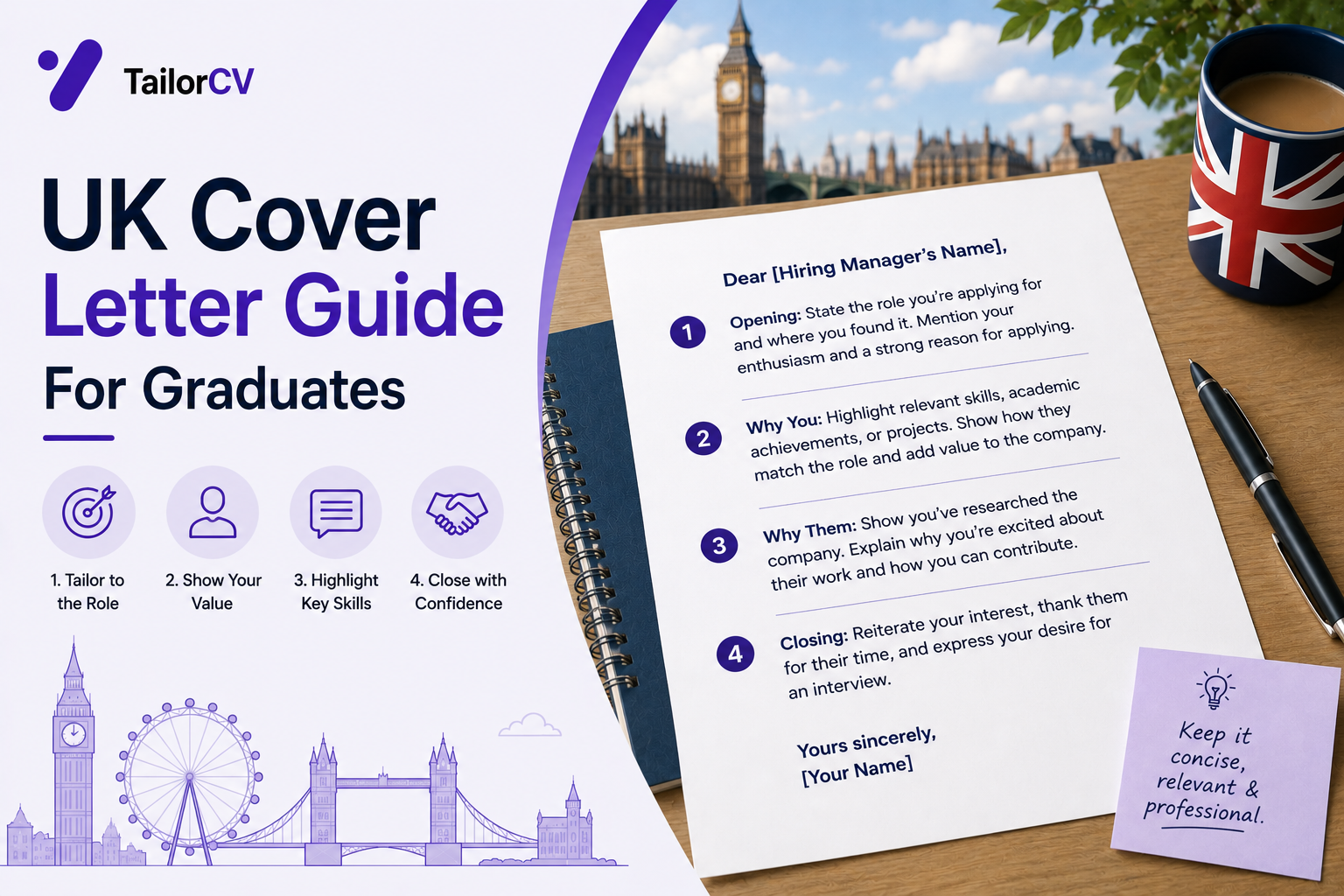
- UK Cover Letters for Graduates - When They Matter and What to Write
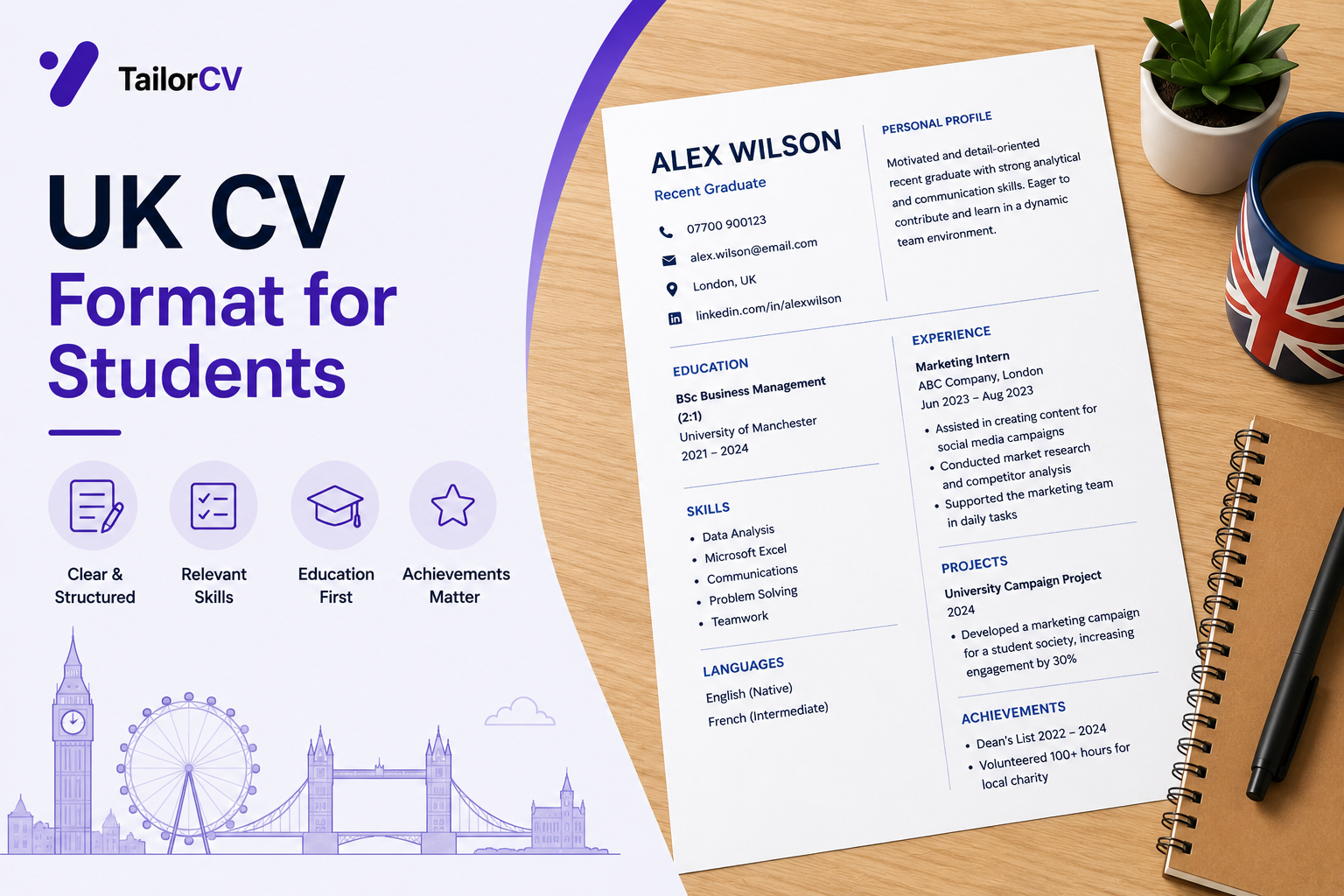
- The UK CV Format for Students and Graduates
- Degree Classification and UK Employers - How Much It Actually Matters
- Understanding Your First UK Payslip and Tax
You can also check your resume's ATS score for free, generate a tailored cover letter, or build a portfolio website in minutes.
Frequently Asked Questions
When does the milkround run?
Primarily autumn, from around September, with applications for most graduate schemes opening at the same time and many reviewing on a rolling basis.
Do employers actually hire from careers fairs?
They allocate recruiting budget to attend, which means yes — though for large schemes the fair frequently supports an online application rather than replacing it. Ask each employer how it connects to their process.
What should I wear?
Smart or business casual for most; more formal for banking, law and professional services stands.
Is it worth attending if I have already applied?
Yes. It puts a face to an application and gives you material for the interview and the "why this firm" answer later.
What if my university has a small milkround?
Attend regional and multi-university events, apply directly on career pages, and lean harder on outreach — the same approach that works from any less-visited campus.
Should I go in my penultimate year?
Yes, for placement and internship recruiting, which frequently feeds graduate offers. Going in earlier years to learn the format costs nothing.
What is your resume scoring right now?
Scan it against a job description and get your ATS match score in about a minute.
Drop your resume here or choose a file
PDF only. Max 2 MB.
We never share your data or use it to train AI models.

Was this guide useful?
Be the first to rate it.