SS
SS
Key Takeaways
- The top in-demand jobs in the USA for 2026 include healthcare professionals, technology jobs, green jobs, skilled trades, and supply chain/logistics roles.
- Healthcare demand is driven by an aging population and increased focus on mental health, while technology growth is fueled by digital transformation and cybersecurity threats.
- Tailor your resume by analyzing job descriptions for keywords and using action-oriented language to describe your achievements.
- Quantify your accomplishments to demonstrate impact, and ensure your resume format aligns with US norms, such as keeping it to one page for early-career candidates.
- Building a strong online presence, particularly on LinkedIn, can enhance job prospects and showcase relevant skills and experience.
As we approach 2026, the job market in the USA is evolving rapidly, driven by technological advancements, demographic shifts, and changing workforce needs. For job seekers—including new graduates, international candidates, and those seeking visa sponsorship—understanding the in-demand jobs and how to tailor their resumes accordingly is crucial. This article delves into the top career paths projected to grow and provides practical strategies to enhance your resume, ensuring you stand out in a competitive landscape.
Top In-Demand Jobs in the USA for 2026
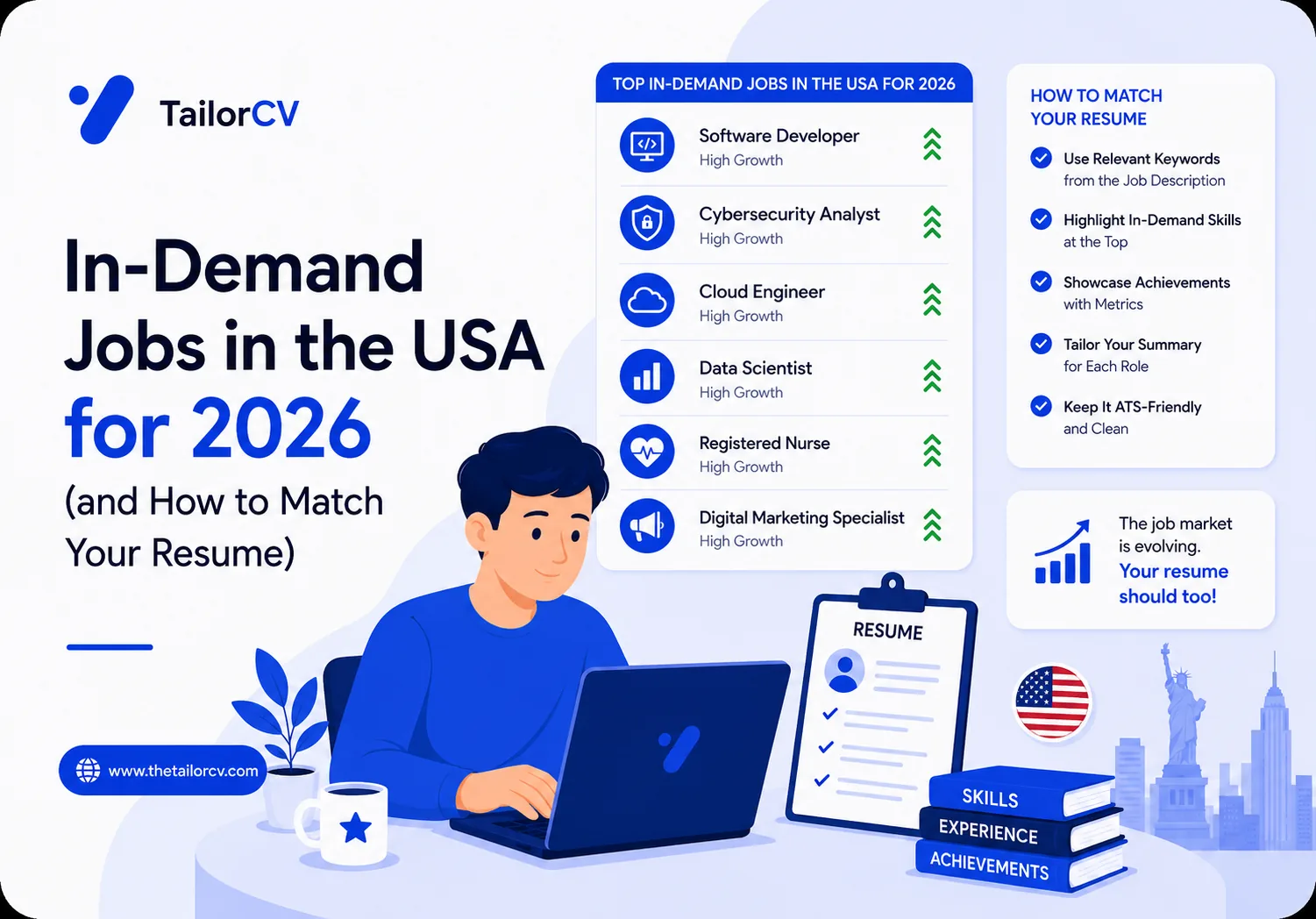
Based on various labor market analyses, the following professions are expected to see significant growth by 2026:
-
Healthcare Professionals - Registered Nurses (RNs) - Physician Assistants - Mental Health Counselors - Home Health Aides
-
Technology Jobs - Software Developers - Data Scientists - Cybersecurity Specialists - AI/Machine Learning Engineers
-
Green Jobs - Renewable Energy Technicians - Environmental Scientists - Sustainability Consultants
-
Skilled Trades - Electricians - Plumbers - Construction Managers
-
Supply Chain and Logistics - Logistics Analysts - Supply Chain Managers - Warehouse Operations Managers
Why These Jobs Are in Demand
The demand for healthcare professionals is largely driven by an aging population and increased focus on mental health. In technology, the rapid pace of digital transformation and the rise of cybersecurity threats are fueling the need for skilled workers. Green jobs are on the rise due to a global push for sustainability, while skilled trades remain essential for maintaining infrastructure. Lastly, the growth of e-commerce and globalization has heightened the need for supply chain and logistics expertise.
Tailoring Your Resume for Success
To ensure your resume aligns with the expectations of employers in these in-demand fields, consider the following strategies:
Understand the Job Description
-
Analyze Keywords: Identify specific skills and qualifications mentioned in the job description. For instance, if a job listing for a software developer emphasizes "Python" and "Agile methodologies," make sure these terms appear in your resume if applicable.
-
Use Action-Oriented Language: Start each bullet point in your experience section with strong action verbs. For example: - Instead of "Responsible for developing applications," use "Developed applications that increased user engagement by 30%."
Quantify Your Achievements
Employers appreciate quantifiable results. Instead of vague descriptors, use data to back your claims. Here’s an example comparison:
- Weak: "Improved sales."
- Strong: "Increased sales by 20% over six months through targeted marketing strategies."
Customize Your Resume Format
Ensure your resume follows US norms, such as:
- One page for early-career candidates.
- No photos or personal details like age or marital status.
- Clear sections with headings and a professional font.
For more detailed guidance, refer to our US Resume Format Guide (2026).
Leverage Technology
Utilize tools to enhance your resume:
- Use our Free ATS Score Checker to see how well your resume performs against Applicant Tracking Systems.
- Explore our Resume Templates to find a design that suits your industry.
Show Off Your Skills
In fields like technology or healthcare, consider including a skills section that highlights both hard and soft skills. For instance:
- Technical Skills: Python, SQL, AWS
- Soft Skills: Communication, Teamwork, Problem-Solving
Preparing for Interviews
Once your resume has attracted attention, the next step is to prepare for interviews. Utilize our AI Mock Interview tool to practice common questions and receive feedback on your responses.
Building Your Online Presence
Establishing a strong online profile can also help you land a job. Use platforms like LinkedIn to showcase your skills and experience. For tips on optimizing your LinkedIn profile, check out our guide on LinkedIn for Job Search.
Common Mistakes When Applying for In-Demand Jobs
When targeting in-demand jobs in the USA for 2026, avoiding common pitfalls can significantly enhance your chances of securing interviews and offers. Here are some frequent mistakes job seekers make and how to sidestep them:
1. Generic Resumes
Do: Tailor your resume for each specific job application by highlighting relevant skills and experiences. Use keywords from the job description to ensure your resume passes through Applicant Tracking Systems (ATS).
Don't: Send out the same resume for every job. This approach can lead to missed opportunities, as employers look for candidates who specifically match their needs.
2. Ignoring Soft Skills
Do: Emphasize your soft skills, such as communication, teamwork, and problem-solving, especially for roles that require collaboration.
Don't: Focus solely on technical skills. In-demand jobs often require a balance of both hard and soft skills.
3. Lack of Research
Do: Research the company culture and values before applying. Tailor your application to reflect how your personal values align with the organization.
Don't: Apply without understanding the company’s mission or the specifics of the job role. This can come across as a lack of genuine interest.
4. Neglecting Networking
Do: Leverage platforms like LinkedIn to connect with professionals in your target industry. Networking can lead to job referrals and insider tips.
Don't: Rely solely on job boards. Many positions are filled through referrals and networking rather than public postings.
5. Overlooking the Cover Letter
Do: Write a compelling cover letter that complements your resume. Use it to tell your story and explain why you're a great fit for the role.
Don't: Skip the cover letter or send a generic one. A well-crafted cover letter can set you apart from other candidates.
Step-by-Step Guide to Tailoring Your Resume for In-Demand Jobs
Tailoring your resume is essential for standing out in competitive job markets. Here’s a step-by-step guide to help you customize your resume effectively:
What optimizing actually does to your resume
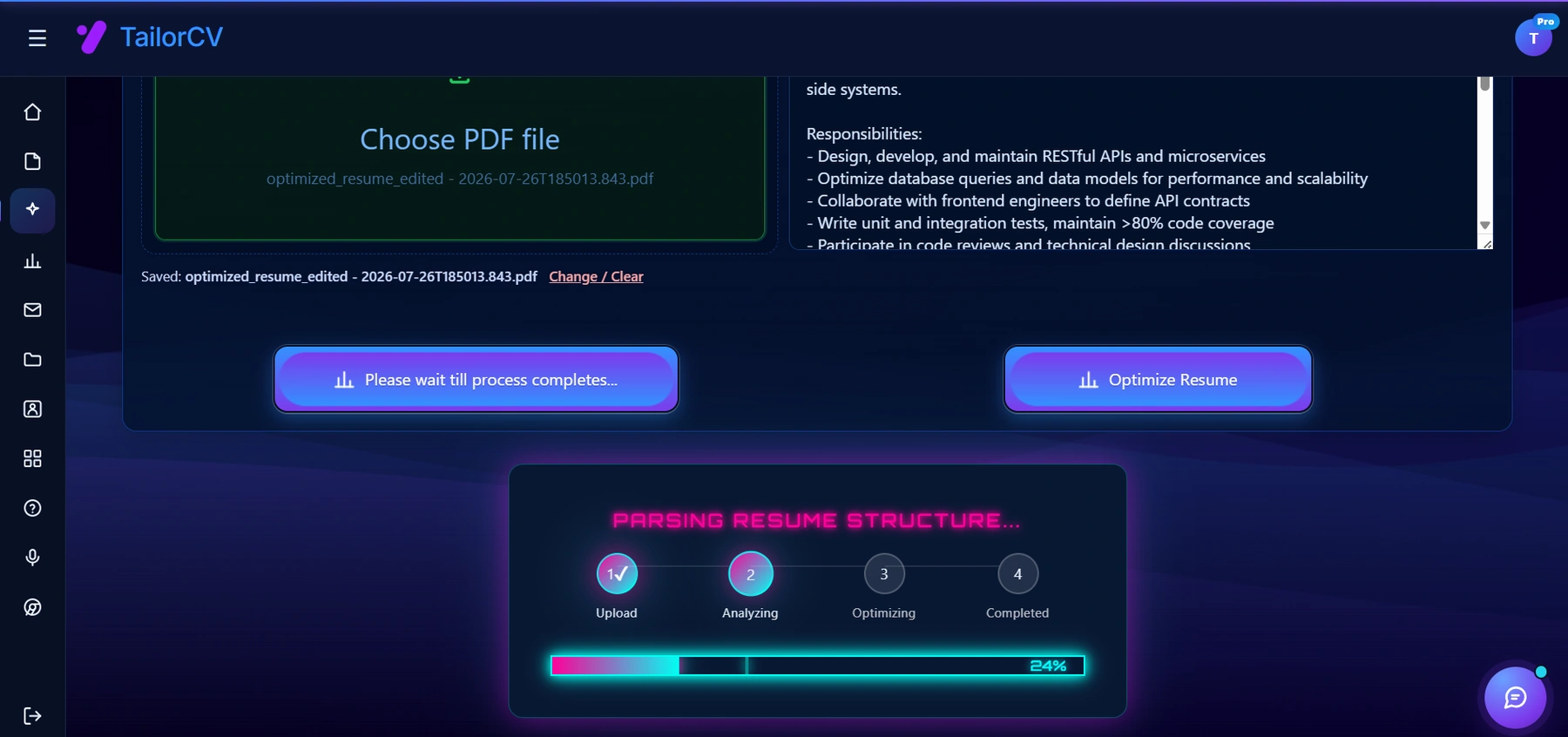
Optimising runs against the specific job description you paste in, not in the abstract.
Step 1: Analyze the Job Description
- Highlight Key Skills: Identify the main skills and qualifications listed in the job description.
- Note the Language: Pay attention to specific terminology or phrases the employer uses.
Step 2: Update Your Professional Summary
- Customize Your Summary: Begin your resume with a professional summary that reflects the skills and experiences relevant to the job.
- Incorporate Keywords: Use keywords from the job description to optimize for ATS.
Step 3: Revise Your Work Experience
- Quantify Achievements: Use numbers and metrics to showcase your achievements in previous roles.
- Reorder Bullet Points: Place the most relevant experiences at the top of each job section.
Step 4: Highlight Relevant Skills
- Create a Skills Section: List both hard and soft skills that match the job requirements.
- Be Honest: Only include skills you are proficient in, as you may be asked to demonstrate them in interviews.
Step 5: Include Additional Sections
- Certifications and Courses: If applicable, add any relevant certifications or courses that enhance your qualifications.
- Volunteer Experience: Consider including volunteer work that showcases applicable skills or experiences.
Step 6: Proofread and Format
- Check for Errors: Carefully proofread your resume for spelling and grammatical errors.
- Use Clean Formatting: Ensure your resume is visually appealing and easy to read, using consistent fonts and sizes.
Mini Checklist for Job Applications
Before submitting your application for an in-demand job, use this checklist to ensure you haven’t missed any critical steps:
- unchecked: Tailored Resume: Confirm your resume is customized for the specific job.
- unchecked: Compelling Cover Letter: Ensure your cover letter is tailored and highlights your fit for the role.
- unchecked: Updated LinkedIn Profile: Check that your LinkedIn profile matches your resume and reflects your current skills.
- unchecked: Professional Portfolio: If applicable, include a link to your professional portfolio showcasing your work.
- unchecked: Networking Efforts: Reach out to any connections at the company or within the industry.
- unchecked: Research Company Culture: Ensure you understand the company’s values and mission.
- unchecked: Proofreading: Double-check your resume and cover letter for errors.
- unchecked: Follow-Up Plan: Have a plan to follow up after applying.
Scenarios: Tailoring Your Resume for Different Industries
Understanding how to tailor your resume for specific industries can make a significant difference. Here are three scenarios illustrating this concept:
Scenario 1: Technology Sector
Situation: You’re applying for a data analyst position.
Tailoring Tip: Highlight technical skills such as proficiency in SQL, Python, or data visualization tools. Showcase relevant projects or experiences that involved data analysis, emphasizing quantitative results.
Scenario 2: Healthcare Sector
Situation: You’re targeting a nursing role.
Tailoring Tip: Focus on certifications like CPR or ACLS, and emphasize your clinical experience. Mention soft skills such as empathy and communication, which are crucial in healthcare settings.
Scenario 3: Marketing Sector
Situation: You’re applying for a social media manager role.
Tailoring Tip: Showcase your experience with social media platforms and analytics tools. Include metrics that demonstrate your success in previous campaigns, such as engagement rates or follower growth.
By customizing your resume based on these scenarios, you can better align your qualifications with the expectations of hiring managers in various fields.
Final Thoughts on Resume Tailoring
As the job market evolves, particularly for in-demand roles in 2026, the importance of a tailored resume cannot be overstated. By understanding common mistakes, following a structured approach to customization, and using specific strategies for different industries, you can enhance your chances of landing interviews and ultimately securing the job you desire. For more tailored advice, check out our resources on how to build a professional portfolio and salary negotiation strategies.
Related Guides
Keep building your US job search with these related TailorCV guides:
- US Resume Format Guide (2026): How to Write a Resume for American Jobs
- How to Get a Job in the USA in 2026: A Step-by-Step Guide
- Resume for H-1B Visa Sponsorship Jobs: How to Stand Out
- How ATS Works in the USA: Beating Applicant Tracking Systems for US Jobs
- Survived a Layoff? A 30-Day Plan to Rebuild Your Resume and Restart Your Search
- Salary Negotiation Guide — How to Negotiate Pay With Confidence (2026)
- Cover Letter Guide 2026 - How to Write a Cover Letter That Gets Read
- Data Analyst vs Data Scientist in 2026 - Which Career Is Right for You?
You can also check your resume's ATS score for free, generate a tailored cover letter, or build a portfolio website in minutes.
Frequently Asked Questions
How do I write a resume from scratch?
Writing a resume from scratch involves understanding the essential components: contact information, summary, work experience, education, and skills. For detailed steps, refer to our guide on how to write a resume from scratch.
What is a good ATS score?
A good ATS score typically ranges from 70% to 90%, depending on the job and industry. To learn more about optimizing your resume for ATS, check our article on what is a good ATS score.
How can I make my resume ATS-friendly?
To make your resume ATS-friendly, use standard fonts, avoid graphics, and include relevant keywords from the job description. For more tips, see our guide on how to make a resume ATS-friendly.
What should I include in my cover letter?
Your cover letter should complement your resume by elaborating on your skills and experiences. Highlight your enthusiasm for the role and how you can add value to the company. For a comprehensive guide, view our cover letter guide for 2026.
How do I prepare for a job interview in 2026?
Preparing for a job interview involves researching the company, practicing common interview questions, and preparing questions to ask the interviewer. For a complete preparation guide, consult our interview preparation guide.
What is your resume scoring right now?
Scan it against a job description and get your ATS match score in about a minute.
Drop your resume here or choose a file
PDF only. Max 2 MB.
We never share your data or use it to train AI models.

Templates that keep this structure intact
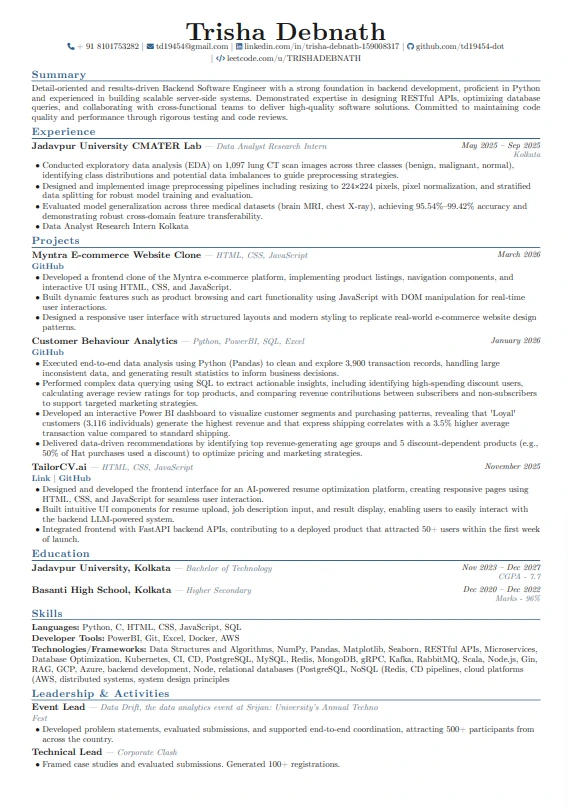
This template is ATS-tested — start from it and the formatting rules in this guide are already handled.
Was this guide useful?
Be the first to rate it.