 SS
SS
Key Takeaways
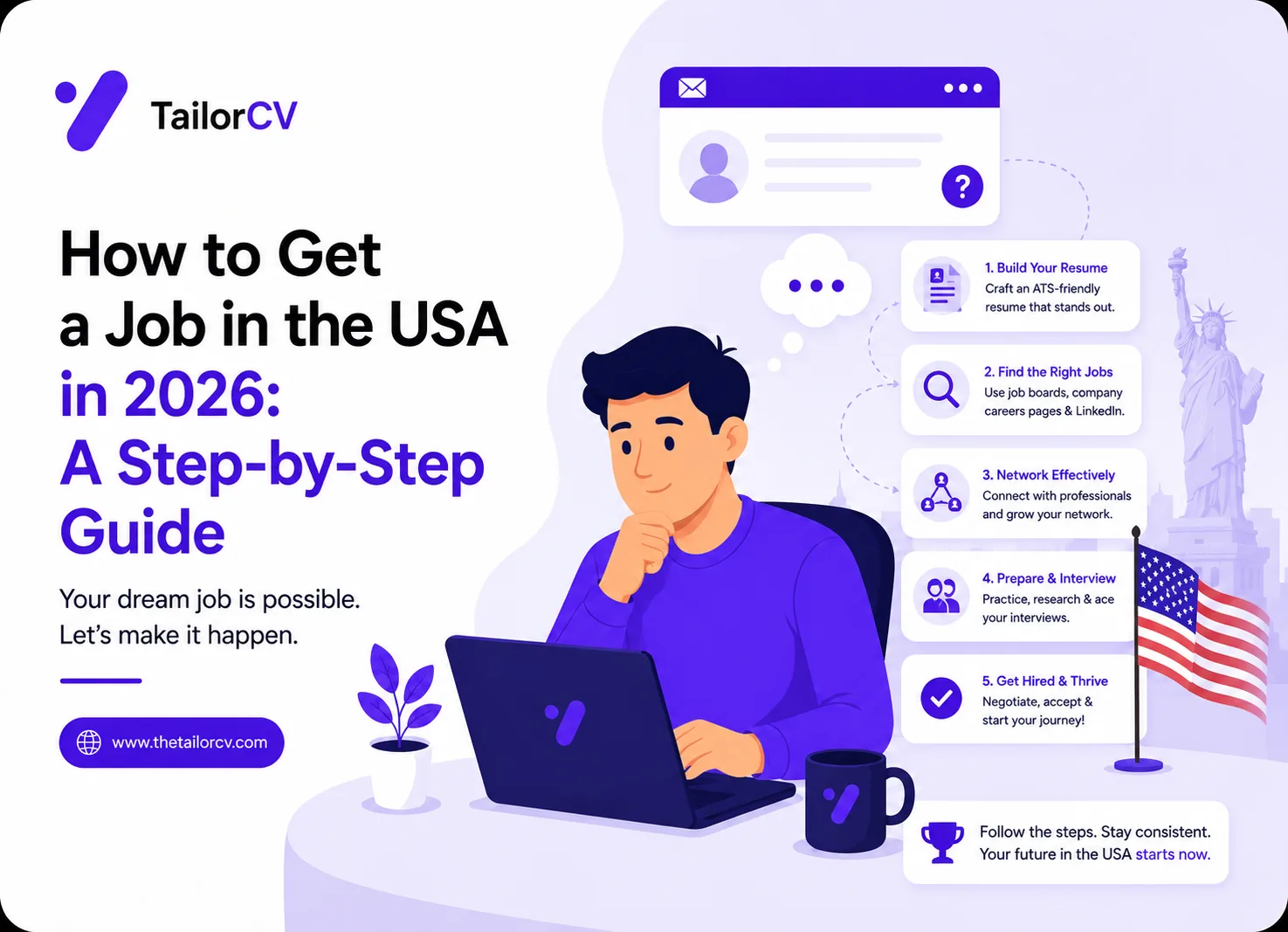
- Understand the evolving U.S. job market in 2026, focusing on remote work, skill-based hiring, and diversity and inclusion.
- Craft a standout resume with a one-page format, using action verbs and quantifying achievements to enhance your application.
- Build a strong online presence through a compelling LinkedIn profile and a portfolio website to showcase your work.
- Network effectively by attending industry events, utilizing alumni networks, and requesting informational interviews to gain insights and connections.
- Apply for jobs using popular job boards and consider direct applications on company websites for targeted opportunities.
In 2026, the job landscape in the United States is evolving rapidly, driven by advancements in technology, changes in workforce dynamics, and shifting employer expectations. Whether you're a new graduate, an international candidate seeking a visa sponsorship, or someone looking to transition careers, understanding how to navigate the U.S. job market is crucial. This guide offers a step-by-step approach to securing a job in the U.S., focusing on practical strategies and insights tailored to the current context.
Understanding the U.S. Job Market
Before diving into the job application process, it's essential to understand the current job market dynamics. In 2026, several trends are shaping employment opportunities:
-
Remote Work: Many companies continue to embrace flexible working arrangements, making remote jobs more accessible. Candidates should be prepared to search for remote positions and understand how to tailor their applications accordingly. For more on this, check out our remote job search guide.
-
Skill-Based Hiring: Employers are increasingly focusing on skills rather than traditional qualifications. Highlighting specific skills relevant to the job can significantly enhance your application.
-
Diversity and Inclusion: Companies are prioritizing diverse candidates, so showcasing unique experiences and perspectives can be advantageous.
Step 1: Crafting Your Resume
Your resume is your first impression, so it’s critical to make it stand out. Here are key components to consider:
-
Format and Length: In the U.S., a one-page resume is preferred for early-career positions. Use a clean layout with clear headings and bullet points. For more details on formatting, refer to our US Resume Format Guide (2026).
-
Action Verbs and Quantified Achievements: Start each bullet point with action verbs and quantify your achievements. For instance, instead of saying "responsible for managing a team," you could say "led a team of 5 to achieve a 20% increase in sales over six months."
-
Tailoring for ATS: Many U.S. companies use Applicant Tracking Systems (ATS) to filter resumes. Ensure your resume includes keywords from the job description to improve your chances. Learn more about this in our guide on how to make a resume ATS-friendly.
Example of a Strong Resume Bullet
Weak: Responsible for managing social media accounts.
Strong: Developed and executed a social media strategy that increased engagement by 40% in six months for a brand with 50K followers.
Step 2: Building Your Online Presence
In today’s digital age, having a robust online presence can significantly enhance your job search. Here are some steps to take:
-
LinkedIn Profile: Create a compelling LinkedIn profile that mirrors your resume while showcasing your personality. Engage with industry content and connect with professionals in your field. For tips, read our article on LinkedIn for job search.
-
Portfolio Website: Consider building a portfolio website to showcase your work, especially if you’re in a creative field. This can be done easily with our portfolio website builder.
Step 3: Networking Effectively
Networking remains one of the most powerful tools in the job search process. Here’s how to make the most of it:
-
Attend Industry Events: Participate in job fairs, workshops, and networking events relevant to your field. This not only helps you meet potential employers but also allows you to learn more about industry trends.
-
Utilize Alumni Networks: Reach out to alumni from your university who are working in your desired field. They may offer valuable insights or even job referrals.
-
Informational Interviews: Request informational interviews with professionals in roles you aspire to. This can provide insider information about the job market and help you build connections.
Step 4: Applying for Jobs
With your resume and online presence ready, it's time to start applying:
Tailoring without leaving Glassdoor
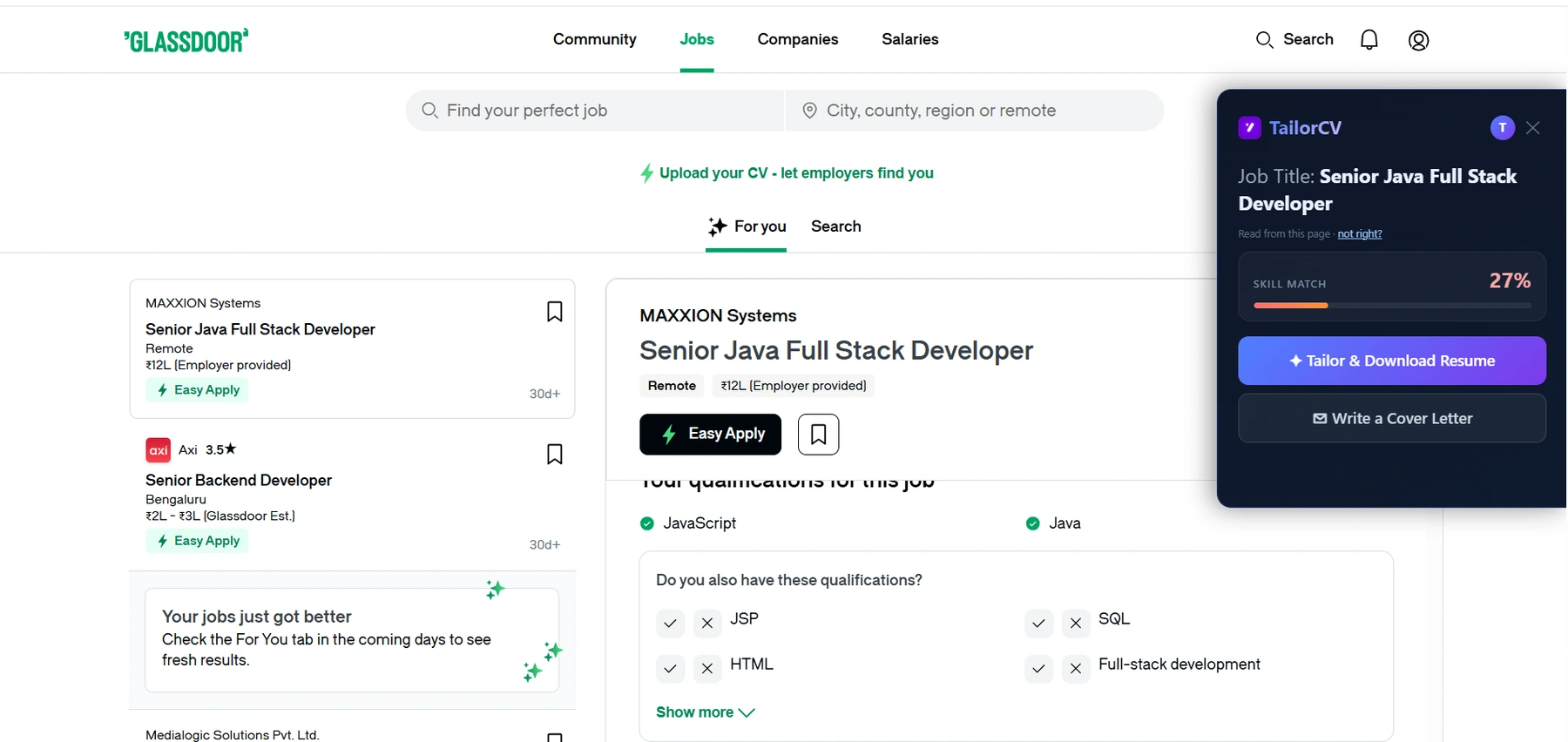
Glassdoor tells you which qualifications it thinks you are missing; the panel beside it scores the whole resume against the role and rewrites it to close that gap.
-
Job Boards: Utilize popular job boards such as Indeed, Glassdoor, and LinkedIn Jobs. Tailor your search by filtering for remote positions or specific industries.
-
Direct Applications: Visit company websites and apply directly to open positions. This often puts you ahead in the application process.
-
Follow-Up: After submitting an application, consider following up with a polite email to express your continued interest.
Step 5: Mastering the Interview Process
Once you’ve secured an interview, preparation is key:
What optimizing actually does to your resume
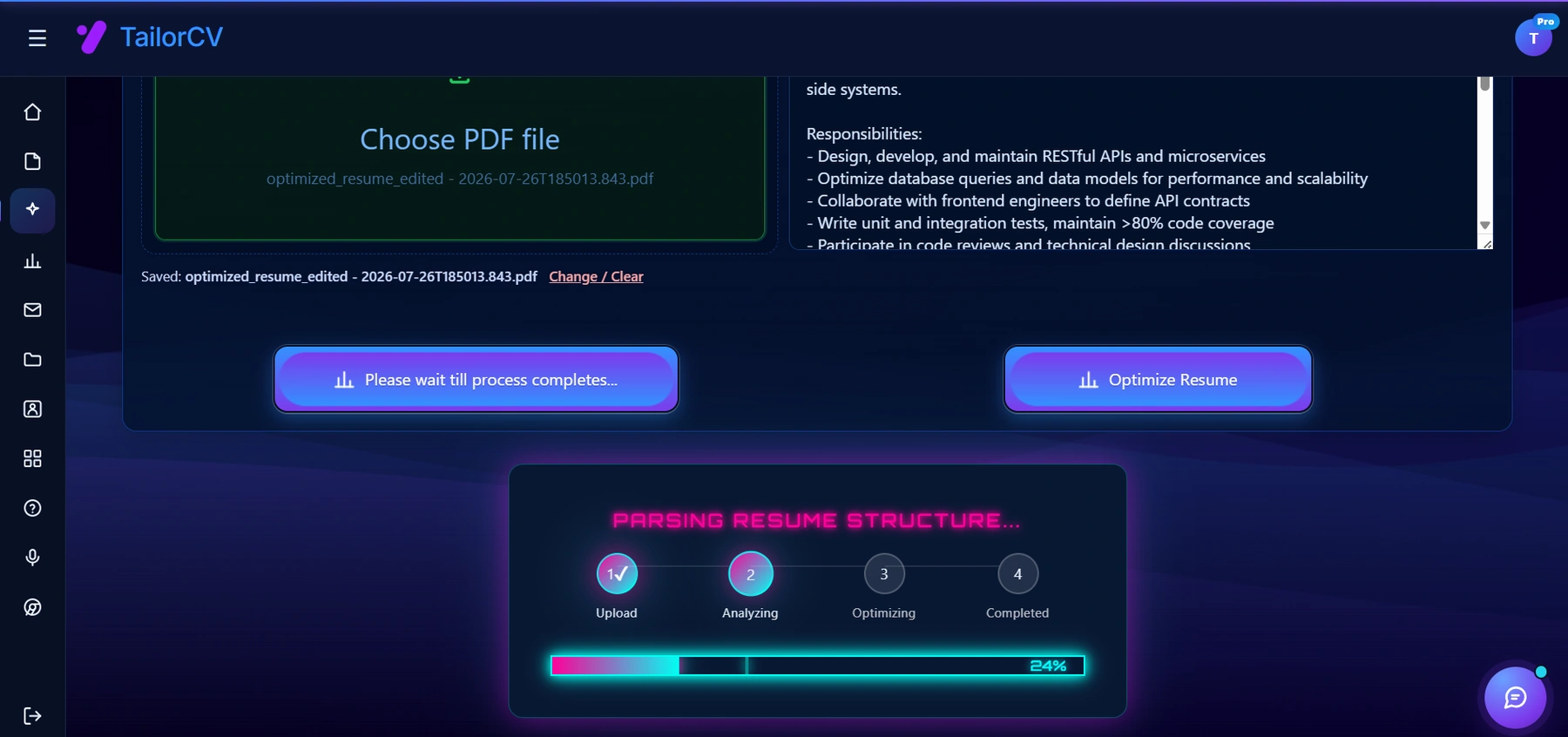
Optimising runs against the specific job description you paste in, not in the abstract.
-
Research the Company: Understand the company’s mission, values, and recent developments. This knowledge will help you tailor your responses and demonstrate your interest.
-
Practice Common Questions: Use our AI mock interview tool to practice answering common interview questions. This can help you feel more confident and prepared.
-
Prepare Questions: Have thoughtful questions ready to ask your interviewer. This shows your engagement and interest in the role.
Step 6: Understanding Work Authorization
If you are an international candidate seeking employment in the U.S., it’s crucial to understand work authorization requirements:
-
Visa Sponsorship: Many employers are willing to sponsor visas, but this can depend on the industry and job role. Tailor your resume to highlight skills that are in high demand. For insights, check our article on resume for H-1B visa sponsorship jobs.
-
OPT and CPT for Students: If you’re a recent graduate on an F-1 visa, you may be eligible for Optional Practical Training (OPT) or Curricular Practical Training (CPT). These programs allow you to gain work experience in the U.S. while studying.
Step 7: Following Up and Negotiating Offers
After interviews, following up is essential. Send a thank-you email expressing gratitude for the opportunity and reiterating your interest. If you receive a job offer, don’t hesitate to negotiate terms such as salary, benefits, and work arrangements. Research industry standards to ensure you’re asking for a fair package.
Related Guides
Keep building your US job search with these related TailorCV guides:
- US Resume Format Guide (2026): How to Write a Resume for American Jobs
- Resume for H-1B Visa Sponsorship Jobs: How to Stand Out
- How ATS Works in the USA: Beating Applicant Tracking Systems for US Jobs
- How to Write a Cover Letter for US Jobs (With Structure and Examples)
- AI Job Search Agent 2026 - How to Use AI Without Losing Your Voice
- Follow-Up Email After Job Application - Templates That Sound Professional
- Job Application Tracker Template - What to Track After Every Application
- LinkedIn Referral Message Template - Ask Without Sounding Awkward
You can also check your resume's ATS score for free, generate a tailored cover letter, or build a portfolio website in minutes.
Frequently Asked Questions
How do I write an effective resume for a U.S. job?
An effective resume should be concise, typically one page for early-career candidates, and should focus on quantifiable achievements. Use action verbs and tailor your resume to include keywords from the job description. For guidance, refer to our resume optimization guide.
What should I include in my LinkedIn profile?
Your LinkedIn profile should include a professional photo, a compelling headline, a detailed work experience section, and skills relevant to your industry. Regularly engage with content and connect with professionals to expand your network. For more tips, check our article on LinkedIn for job search.
How can I prepare for a job interview?
To prepare for a job interview, research the company, practice common interview questions, and prepare thoughtful questions to ask the interviewer. Using our interview preparation guide can help you get ready.
What are the best job boards for finding jobs in the U.S.?
Popular job boards include Indeed, Glassdoor, LinkedIn Jobs, and specific industry job boards. Tailoring your search filters can help you find positions that match your skills and preferences.
How do I make my resume ATS-friendly?
To make your resume ATS-friendly, use standard formatting, include relevant keywords from the job description, and avoid complex graphics or images. For more detailed tips, check our guide on how to make a resume ATS-friendly.
What is your resume scoring right now?
Scan it against a job description and get your ATS match score in about a minute.
Drop your resume here or choose a file
PDF only. Max 2 MB.
We never share your data or use it to train AI models.

Was this guide useful?
Be the first to rate it.