

Adjacent Skills - Getting Credit for Experience That Doesn't Match the Job Title
Your experience is relevant and does not look it, because you and the employer use different words. Here is how to make transferable work legible without overclaiming.
Actionable guides to improve ATS score, resume quality, and job search outcomes.
Your experience is relevant and does not look it, because you and the employer use different words. Here is how to make transferable work legible without overclaiming.
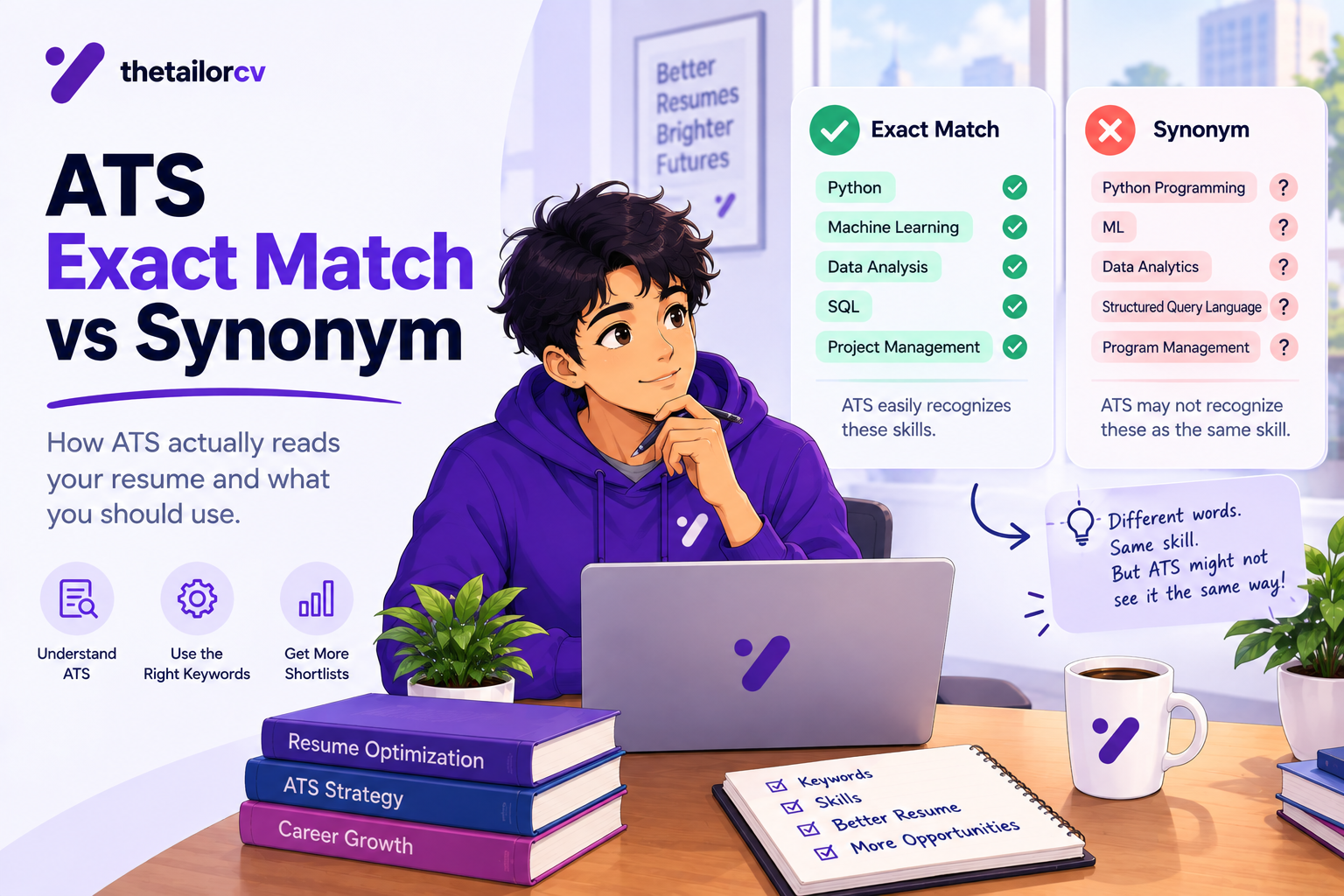
Older systems matched strings; newer ones understand meaning. Since you cannot tell which is reading your resume, here is the approach that works for both.

Roughly half of any flagged list is not a requirement at all. Here are the seven categories of false flag, the test that sorts them in a second, and what acting on them costs you.

You improved your resume and the number went down. Here are the six causes, how to tell which one you hit, and when a lower score actually means a better resume.

The score gets you into the pile. A human decides what happens next. Here is what each stage actually evaluates, and where to spend your effort.

The fastest way to see your resume the way a parser does. No tools, no upload - copy, paste, and read what survives. Includes a full diagnostic table and fixes for every failure.
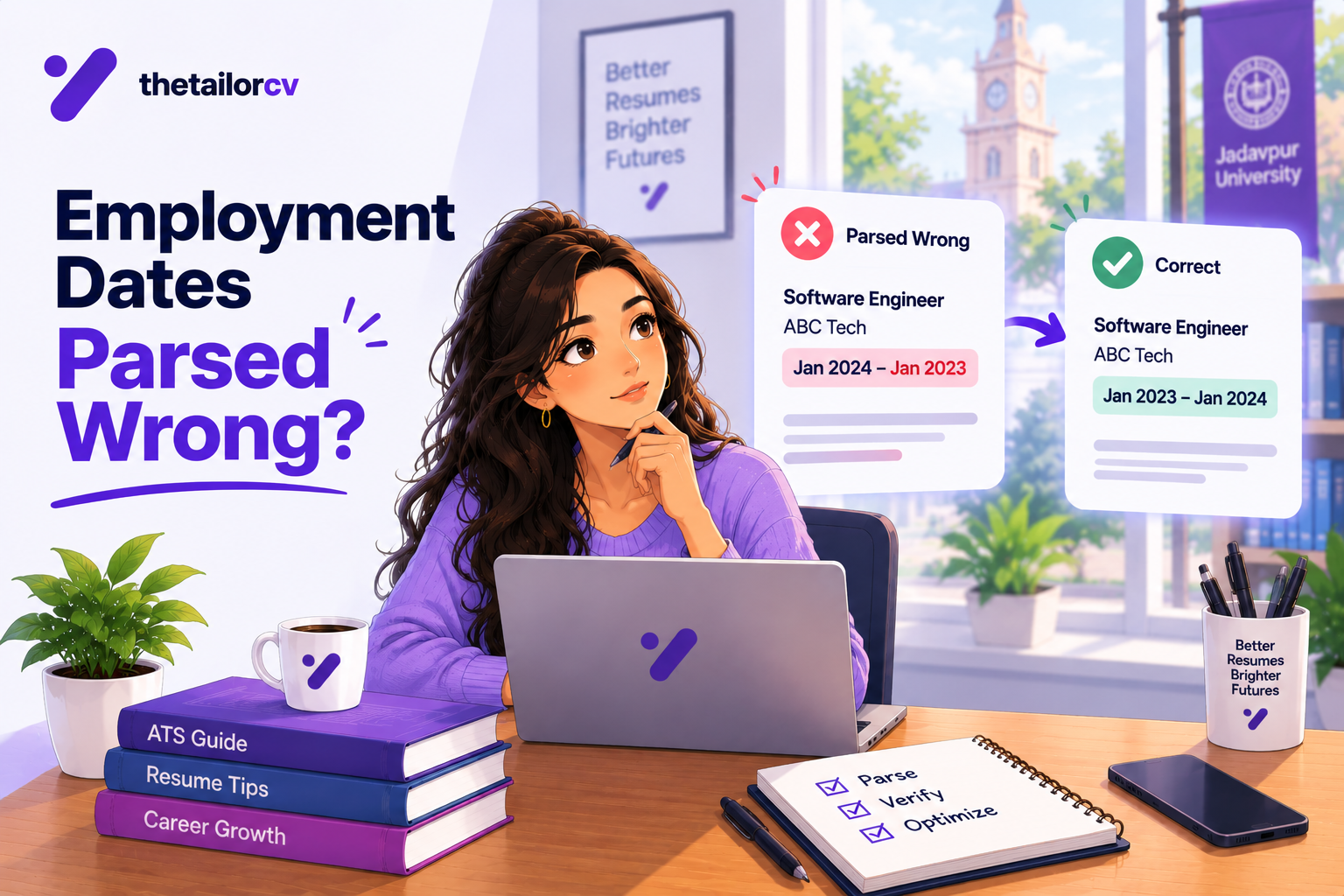
A date format the parser misreads can cut years off your record or invent a gap you never had. Here is how it happens and the format that survives.

There is no universal passing score. Here is what the number actually measures, what range is worth reaching, and the exact point where more optimization starts costing you interviews.

A strong score means your resume is legible and relevant. It says nothing about whether it is convincing. Here is the five-cause diagnostic for what happens after the scanner stage is solved.
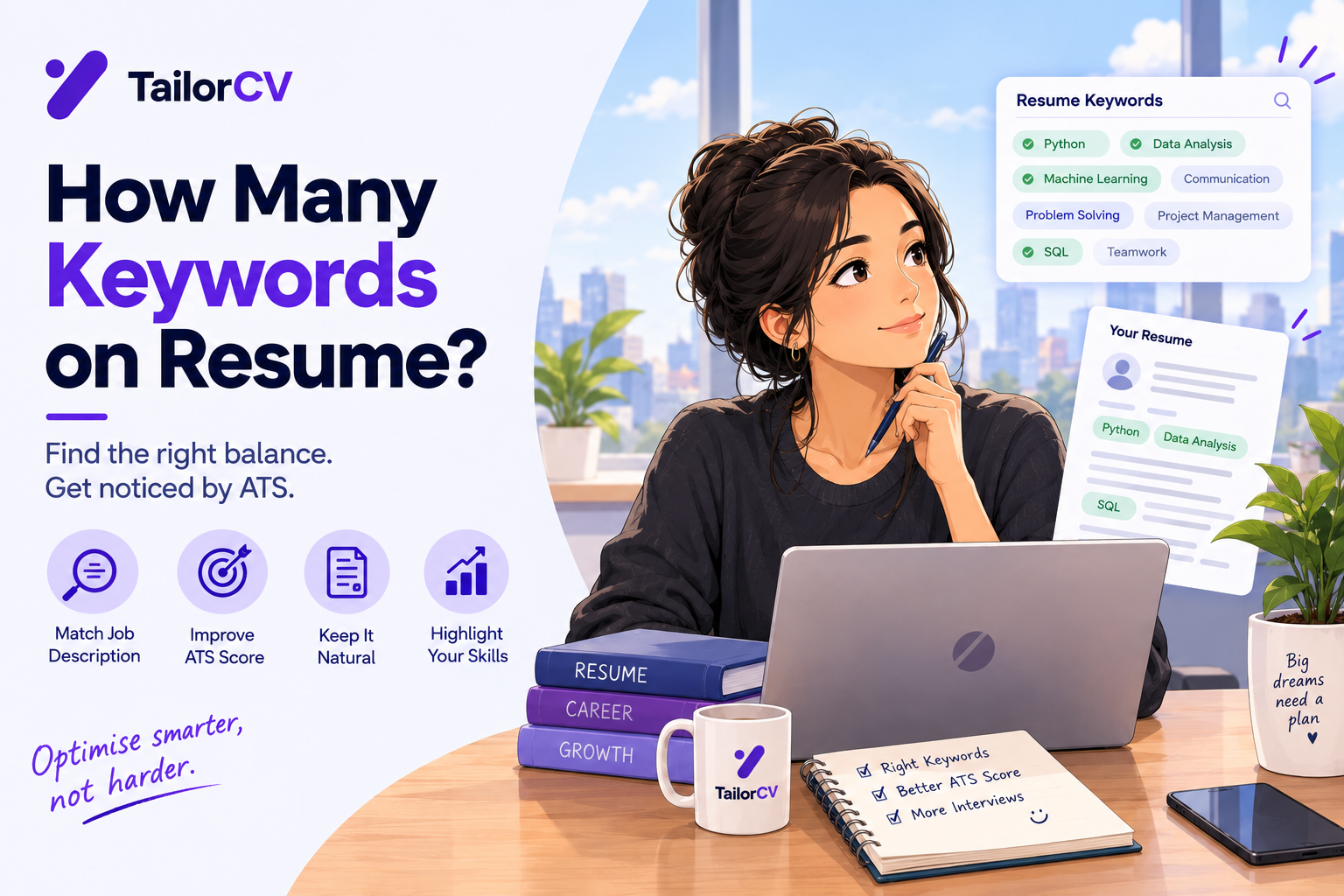
There is no magic number, but there is a workable method. Here is how to decide how many terms from a posting belong on your resume, and where the ceiling sits.

A scan returns a score and a list of missing terms. Most of that list should be ignored. Here is the four-bucket method for sorting it into what to fix, what to reword, and what to leave alone.

Both put the posting's words on your resume. One reads as a qualified candidate, the other as a document written for a machine. Here is exactly where the line sits.

The posting names something you have never used. Here are the four honest moves that work, the three that get found out in the interview, and how to tell whether the gap is worth applying around.

Ninja, Evangelist, Analyst IV, Grade 7. If your title means nothing outside your employer, recruiters cannot find you. Here is the fix that stays honest.
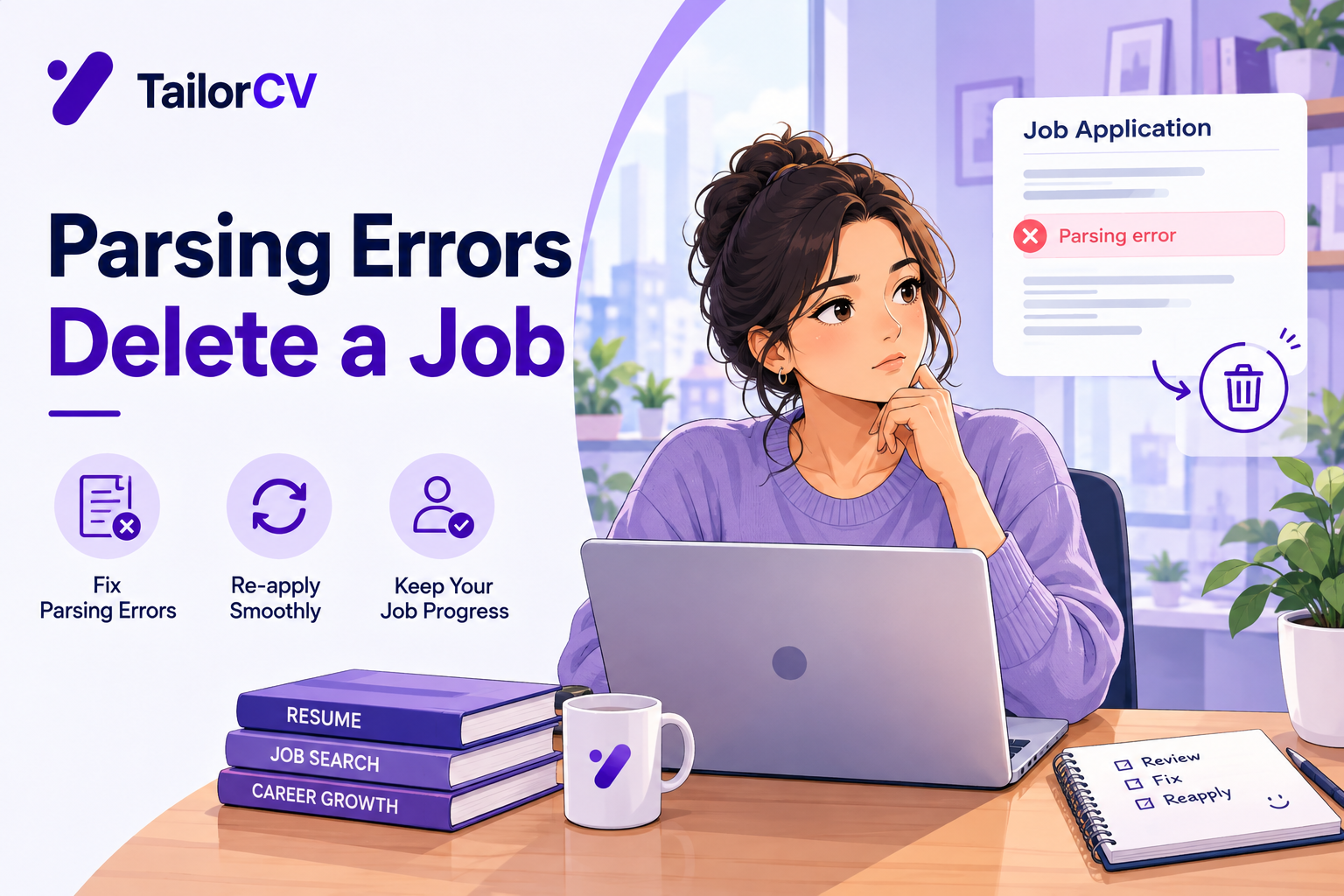
A whole role can vanish between your PDF and the recruiter's screen, with no error and no warning. Here are the five structures that cause it.
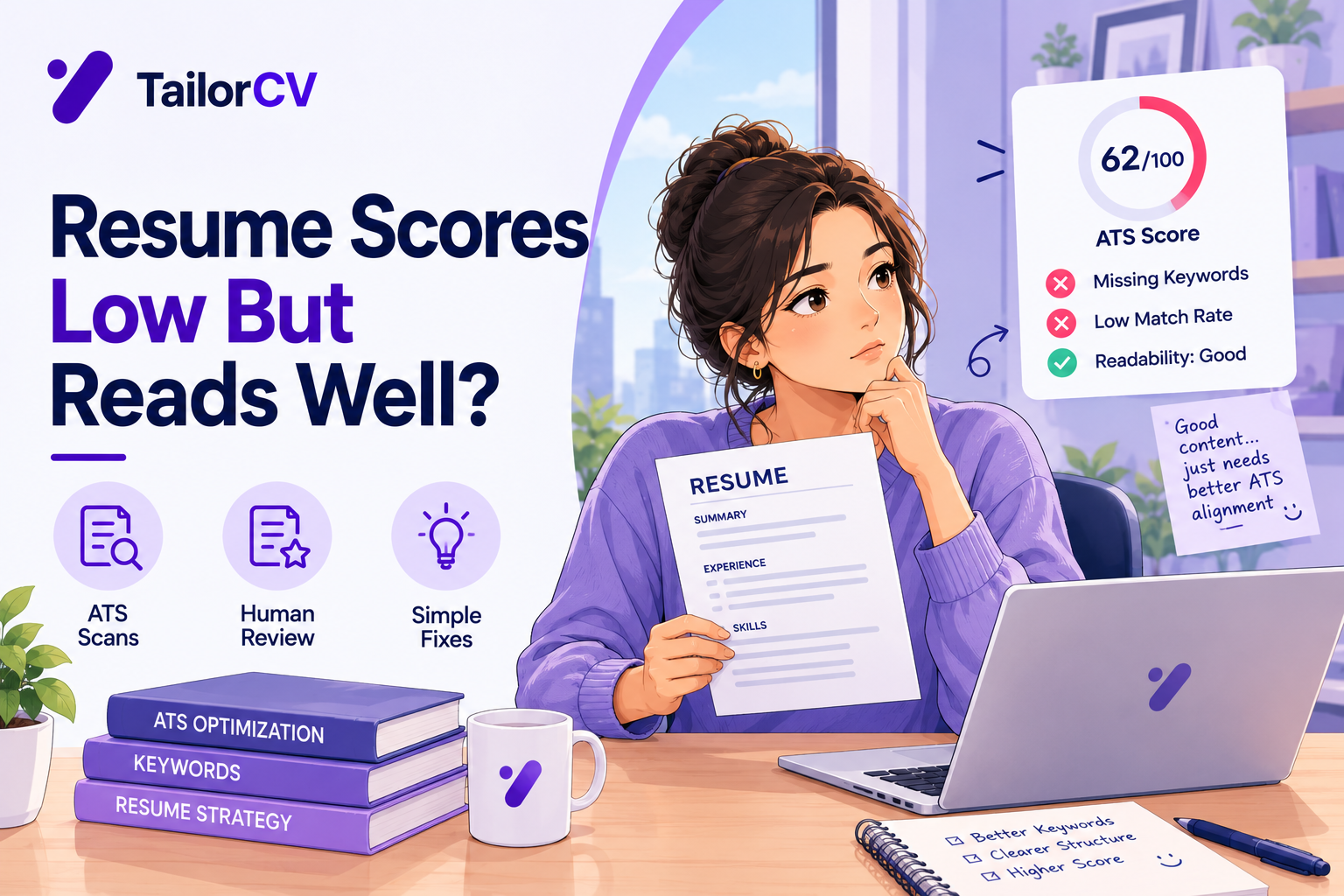
Your resume looks good and still scores badly. There are only three causes - parsing, vocabulary, or placement - and this guide shows how to tell which one is costing you interviews.
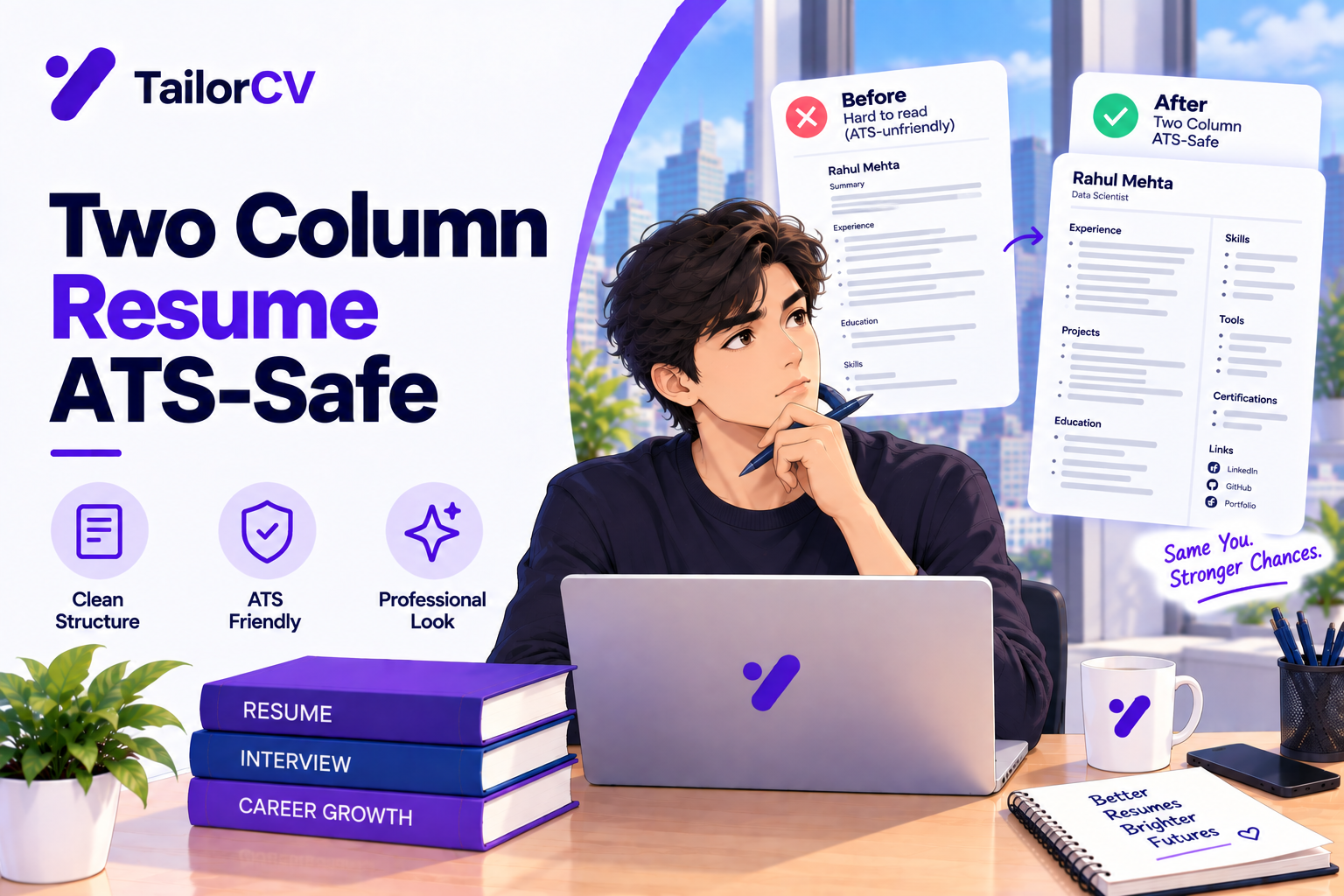
Two-column layouts are not automatically disqualifying, but they fail in specific, predictable ways. Here is which structures survive parsing and which scramble.

Your title line carries more weight than any other text on your resume. Here is when matching the posting is legitimate, when it is a lie, and how to bridge the gap honestly.

Keyword coverage and persuasiveness are different properties. A scanner measures the first and is blind to the second, which is why good scores and no callbacks coexist.

The same word carries different weight depending on where it sits. Here is the placement hierarchy, from strongest to weakest, and what to do with each tier.