 SS
SS

Key Takeaways
- Tailor your resume for each job application, focusing on how to present and prioritize your core content rather than rewriting it entirely.
- Always change your resume headline to match the job title in the posting, as this significantly impacts ATS scoring and recruiter impressions.
- Update your professional summary to reflect the specific role, including the job title, prioritized skills, and key outcomes relevant to the employer.
- Adjust your skills section by reordering and swapping terms to align with the specific tools and skills mentioned in the job posting.
- Focus your effort based on the job's priority: spend 5 minutes for low-priority applications and up to 60 minutes for high-priority or dream roles.
One of the most common resume questions: do you really have to change your resume for every single job? The short answer is yes - but not as much as you think. Here is exactly what to change, what to leave alone, and how to calibrate the effort based on how much the role matters to you.
Check what your resume is missing for any specific job with the free ATS checker.
The Core Principle: Your Resume Is a Product, Not a Document
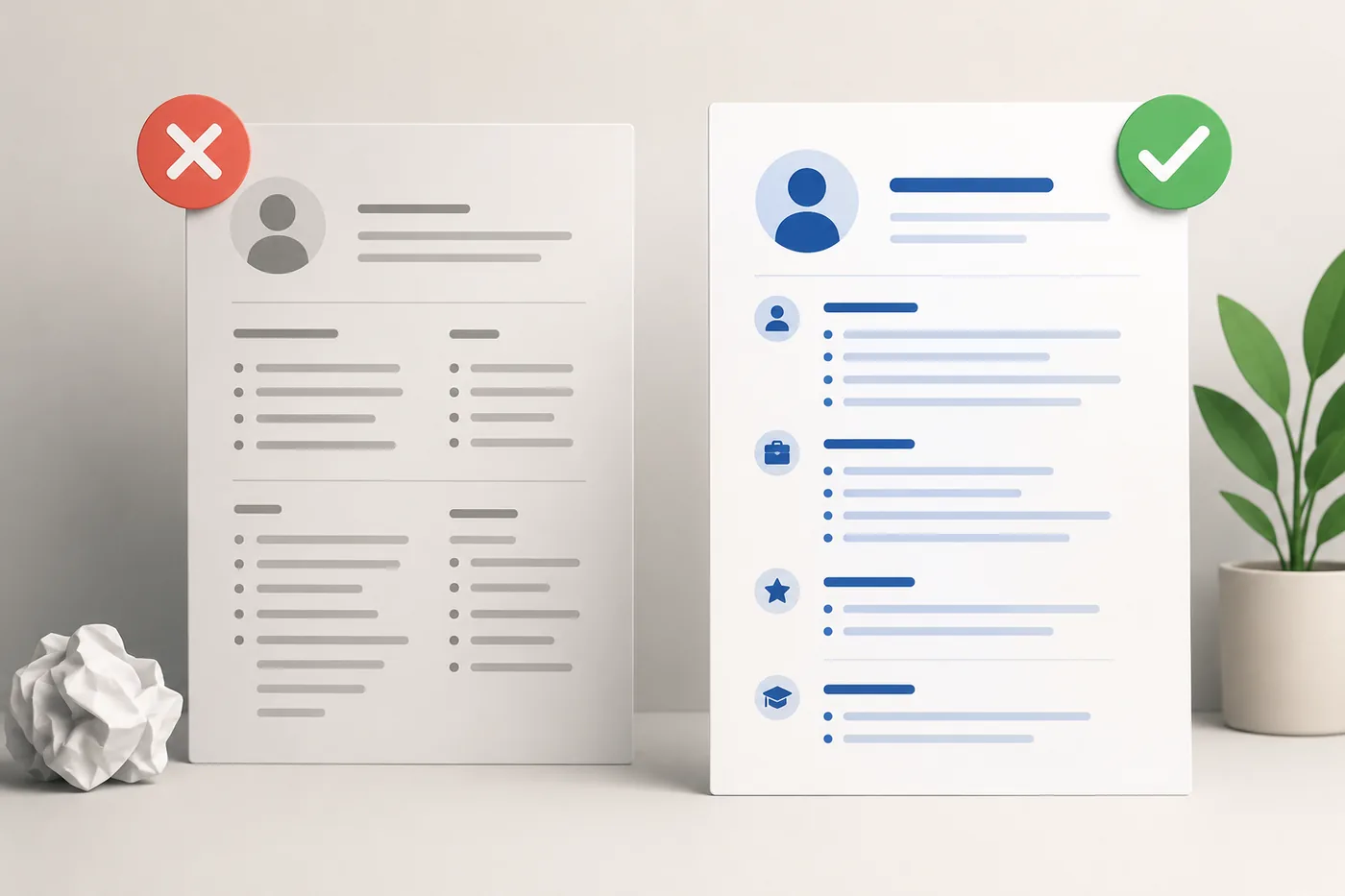
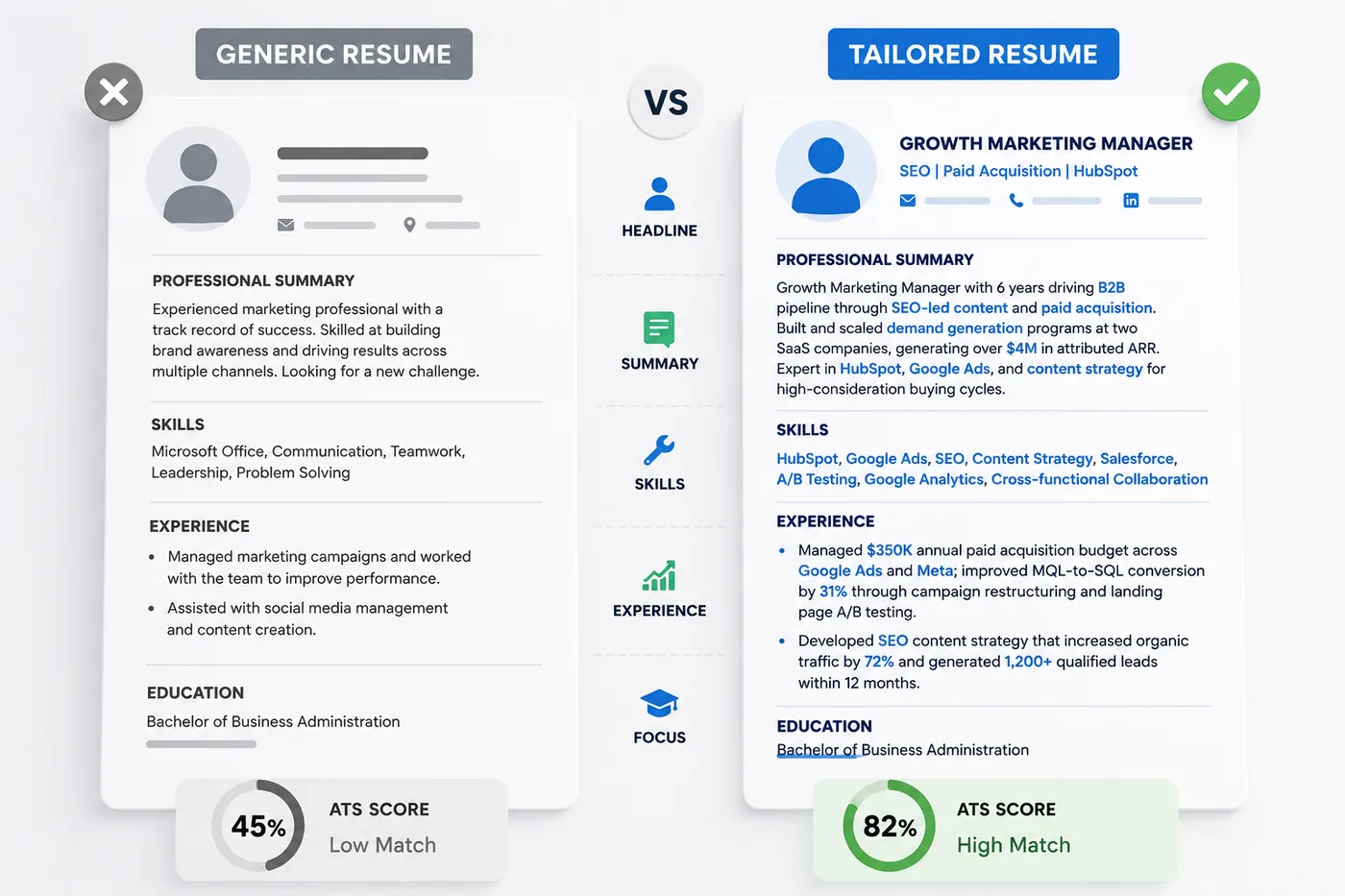
A generic resume is built around what you have done. A tailored resume is built around what this employer needs. The core content - your work history, education, certifications - stays the same. What changes is how you present and prioritize it.
Think of it as product packaging: same product, different positioning for each buyer.
What You Should Always Change (for Every Job)
These four areas are non-negotiable. Changing them takes less than 5 minutes and drives 80-90% of the tailoring benefit.
1. Your Resume Headline
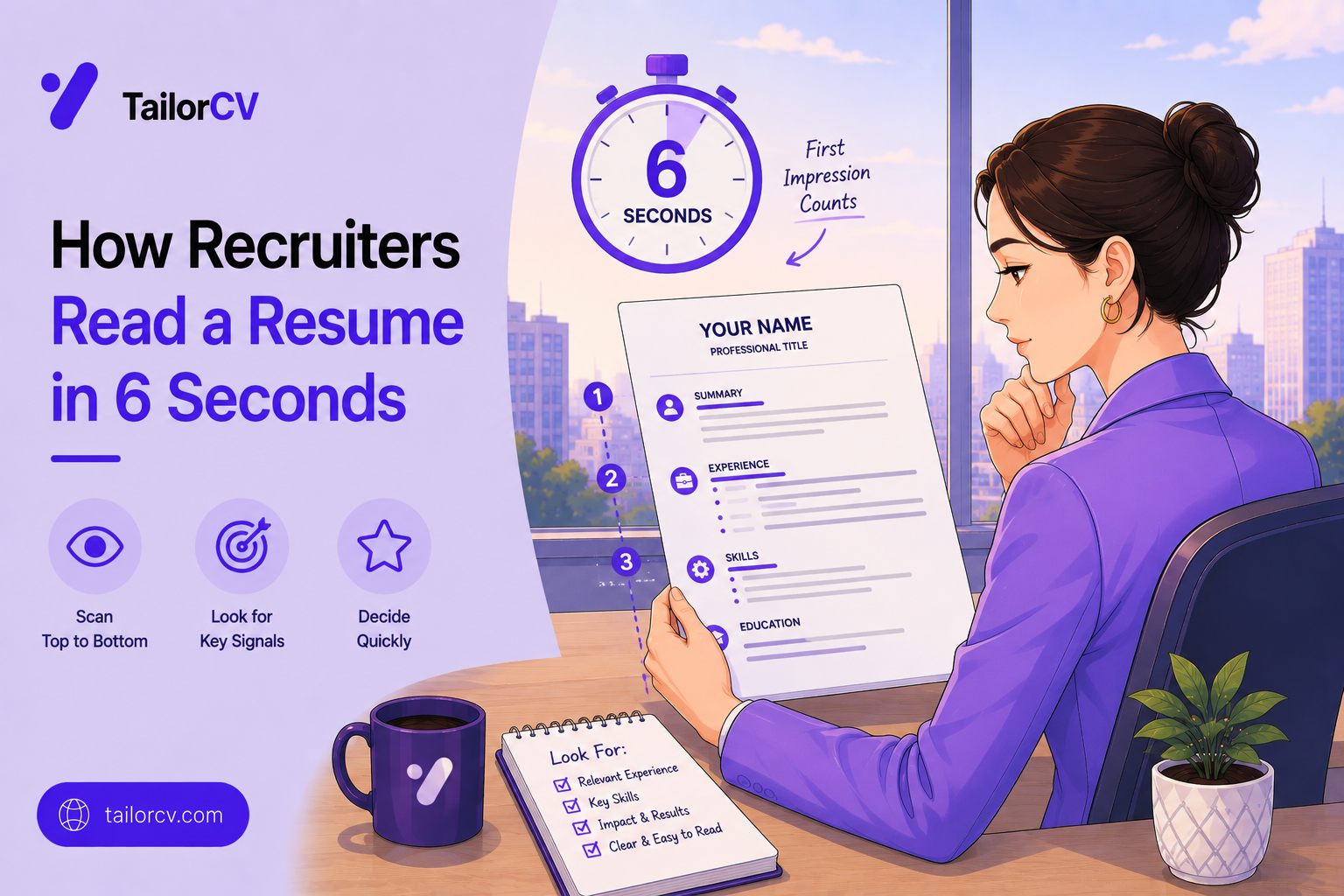
Mirror the exact job title from the posting. This affects both ATS scoring and how recruiters read your resume in the first 6 seconds.
- Applying for "Senior product manager" -> your headline should say "Senior product manager"
- Not "Product Leader" or "Strategy and Product Professional"
See how to write a resume headline.
2. Your Professional Summary (3-4 Sentences)
Your summary should reflect this specific role, not your career in general. Swap in:
- The job title
- 2-3 skills that are prioritized in the posting
- The key outcome the employer is hiring for
The changes are usually 2-3 sentence swaps, not a full rewrite. Read how to write a resume summary.
3. Your Skills Section
Reorder and swap terms to surface the specific tools and skills the posting names. If the posting says "Tableau" and you list "data visualization tools," update it. If it says "Agile" and you list "project management," specify "Agile/Scrum."
4. Top Keywords in Experience Bullets
You do not need to rewrite bullets. You need to confirm that the key terms from the posting appear in your bullets - and if they don't, add them to 2-3 of the most relevant bullets using your real experience.
What to Change Based on How Much You Want the Job
Not all applications are equal. Use this scale to calibrate your effort:
| Application Priority | Time to Invest | What to Change |
|---|---|---|
| Low (volume applying) | 5 minutes | Headline, summary, skills section |
| Medium (role you want) | 15-20 minutes | Above + reorder bullets, add 3-5 keywords |
| High (dream role / stretch) | 30-60 minutes | Above + rework each role's top bullet, add custom projects section, tailor cover letter |
For the 5-minute checklist, see how to tailor a resume in 5 minutes.
What You Should NOT Rewrite Every Time
These sections have very low return on tailoring time:
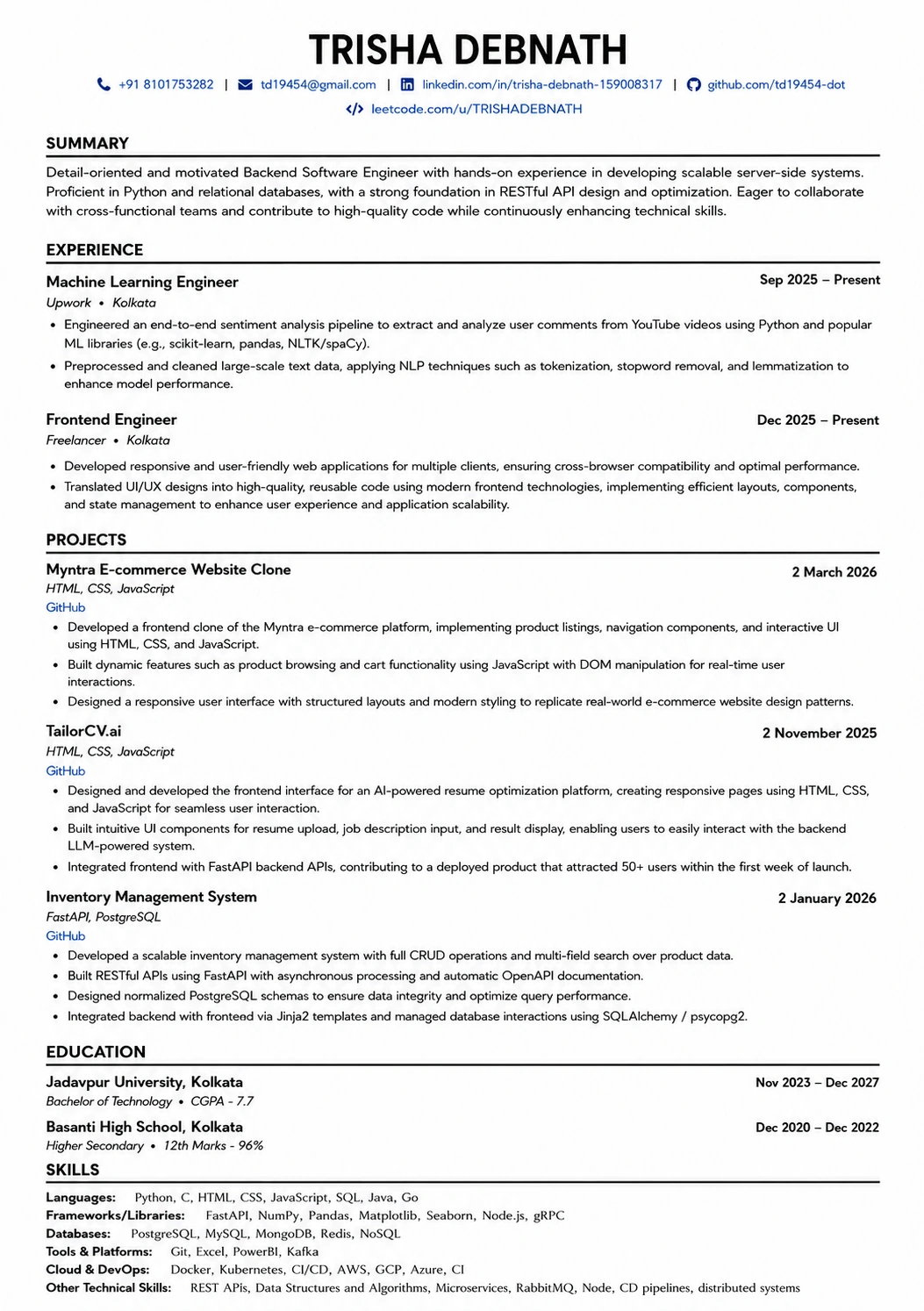
Your resume after optimization
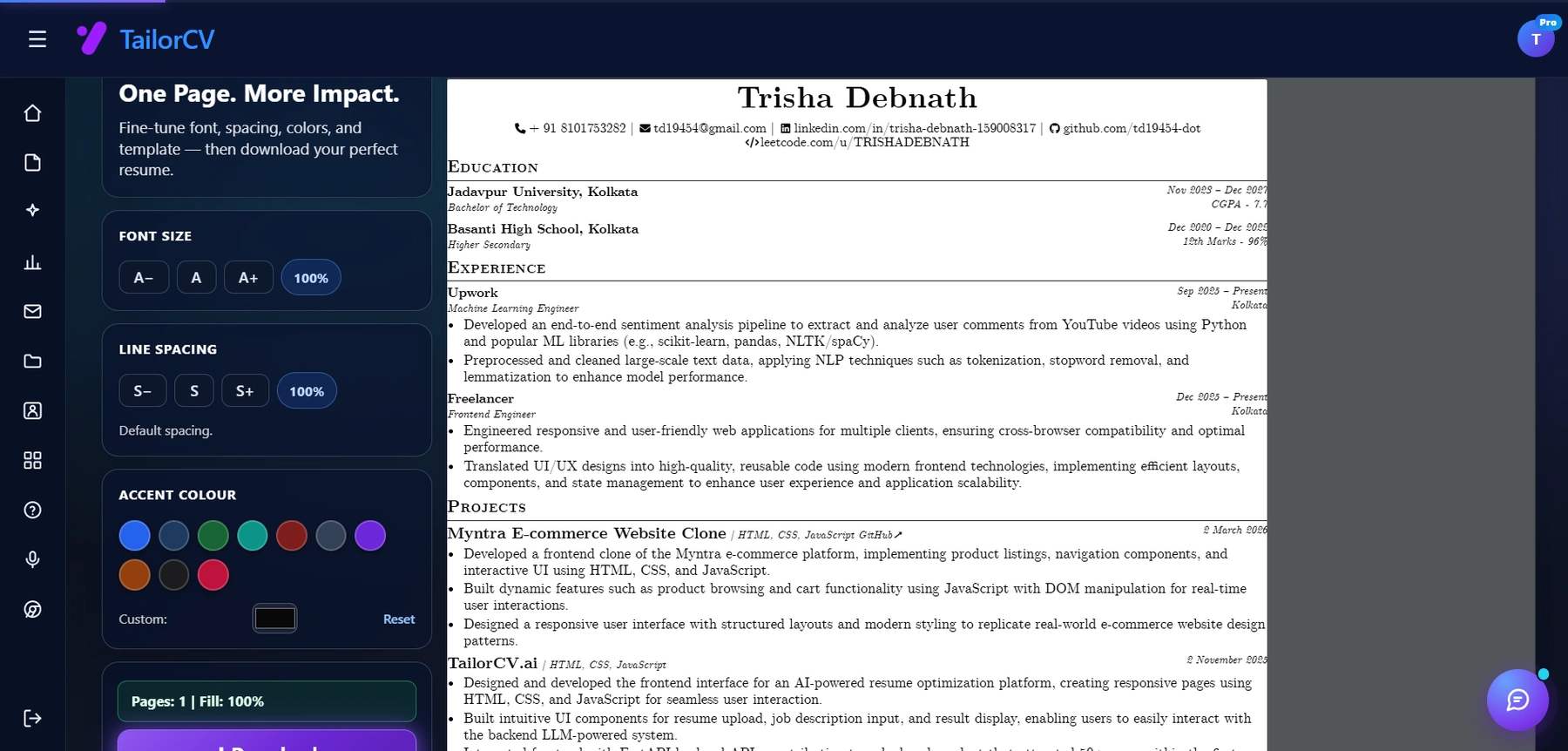
Font size, spacing, accent colour and template are all adjustable, with a live page counter.
- education - never changes (unless you need to reorder graduate vs. undergrad)
- certifications - fixed credentials
- The body of your work experience - your achievements happened and don't change
- Formatting and layout - find a good ATS-friendly format and keep it consistent
Rewriting your entire experience section for every job is a trap. It adds hours of effort for minimal additional ATS or recruiter signal.
The "Same Industry, Different Company" Rule
When roles are in the same industry and similar in level, very little needs to change. A data analyst applying to three different analytics roles needs to change:
- Headline: match each exact title
- Summary: swap in company-relevant language (startup vs. enterprise, B2B vs. B2C)
- Skills: surface whatever tools each posting emphasizes
That is a 10-minute update, not a rewrite.
The "Different Industry" Rule
When you are switching industries or significantly changing roles, more needs to change - specifically:
- Your summary needs to reframe your experience in the target industry's language
- You may need to reorder bullets to lead with transferable skills
- Some bullet points may need light editing to use the destination industry's terminology
Read career change resume guide for a complete framework.
How ATS Determines Whether You Changed Enough
ATS doesn't care whether you changed 5% or 50% of your resume - it only cares whether the result matches the job posting. You could make one sentence change that adds three critical keywords and jump 20 points. You could rewrite 80% of your resume and still miss the key terms.
That is why the right approach is:
- Identify the specific keywords and title match the posting requires
- Make targeted changes to hit those signals
- Verify with a tool
The free ATS checker at TailorCV shows you exactly how well your current resume matches the posting - so you know whether you've changed enough before you submit, not after.
For a full understanding of how ATS scores work, see the ATS score guide and how ATS detects a generic resume.
A Practical System for Volume Applicants
If you're applying to 10-20 roles per week, a full rewrite for each is impossible. Use this system:
- Build 2-3 "master" versions of your resume - one for each role type you're targeting
- Run the 5-minute checklist on each application from the appropriate master version
- Verify with the ATS checker for any role you're excited about
- Do a deeper 20-minute pass for your top 3-5 priority applications per week
This keeps volume high while ensuring your best opportunities get proper attention.
Frequently Asked Questions
Is it worth tailoring if you're applying to hundreds of jobs?
For volume applications: yes, but keep it to the 5-minute checklist. Even basic tailoring significantly outperforms a generic resume.
Can ATS tell if I changed my resume?
ATS doesn't compare versions - it compares your current resume to the job's requirements. Whether you changed 5% or 100% is irrelevant; only the match quality matters.
How do I know if I've changed enough?
Run it through the free ATS checker before submitting. A score above 75% means you've hit the key signals.
Does tailoring my resume hurt my consistency across applications?
No, as long as your core content stays accurate. The changes are positioning and language, not fabrication. Every version of your resume describes the same real experience. For more tips on this, check out our resume customization checklist.
Related Guides
- How to Tailor a Resume in 5 Minutes
- How Recruiters Spot Generic Resumes
- How ATS Detects a Generic Resume
- Best Resume Keywords to Beat ATS Systems
- Resume Customization Checklist for Every Application
- How to Write a Resume Summary
- How to Write a Resume Headline
- Career Change Resume Guide
- Resume Matching for Multiple Jobs
- ATS Score Guide for 2026
- How to Match Resume to Job Description Fast
- Improve Resume Job Match Score
Make This Practical
Use this guide as part of a complete job-search workflow. Check your resume with the free ATS score checker, improve targeting with the Resume Optimization Guide, and choose a clean format from the ATS-friendly resume templates.
After the resume is ready, strengthen the rest of the application. Draft a targeted letter with the AI cover letter generator, practice interviews with the AI mock interview tool, and create a project-backed proof page with the portfolio website builder if you need a stronger online presence.
Conclusion
How much should you change your resume for every job? Always change the headline, summary, and skills section - that takes 5 minutes and handles most of the ATS gap. For roles you really want, spend 20-30 minutes doing a deeper pass. For volume applications, use a master version with the 5-minute checklist. Verify with a tool, and you will consistently submit resumes that score well instead of hoping.
Check your resume match score - free
What is your resume scoring right now?
Scan it against a job description and get your ATS match score in about a minute.
Drop your resume here or choose a file
PDF only. Max 2 MB.
We never share your data or use it to train AI models.

Templates that keep this structure intact
This template is ATS-tested — start from it and the formatting rules in this guide are already handled.
Was this guide useful?
Be the first to rate it.