

Bristol Tech Jobs Guide 2026 - Semiconductors, Aerospace, and Startups
Bristol combines a world-class semiconductor cluster, major aerospace employers and a genuine startup scene. What hires there, how pay compares, and the housing catch.
Actionable guides to improve ATS score, resume quality, and job search outcomes.
Bristol combines a world-class semiconductor cluster, major aerospace employers and a genuine startup scene. What hires there, how pay compares, and the housing catch.

Calgary combines energy sector employment with a growing technology scene, low housing costs and Alberta's tax advantages. What hires, what it pays, and how cyclical the market really is.
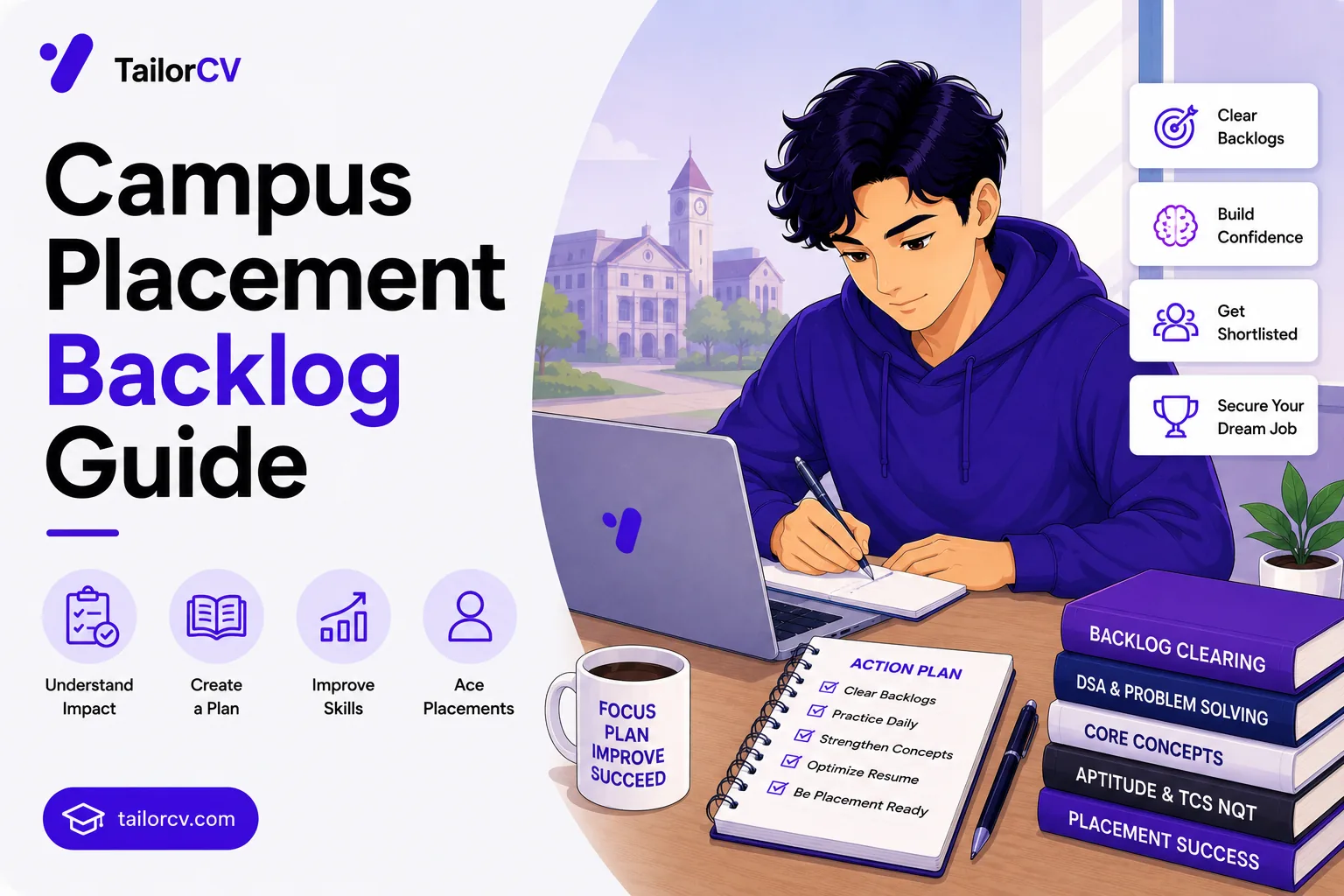
Backlogs block more placement applications than low CGPA does. Which filters they trigger, how to clear them fastest, and how to explain them without sinking the interview.
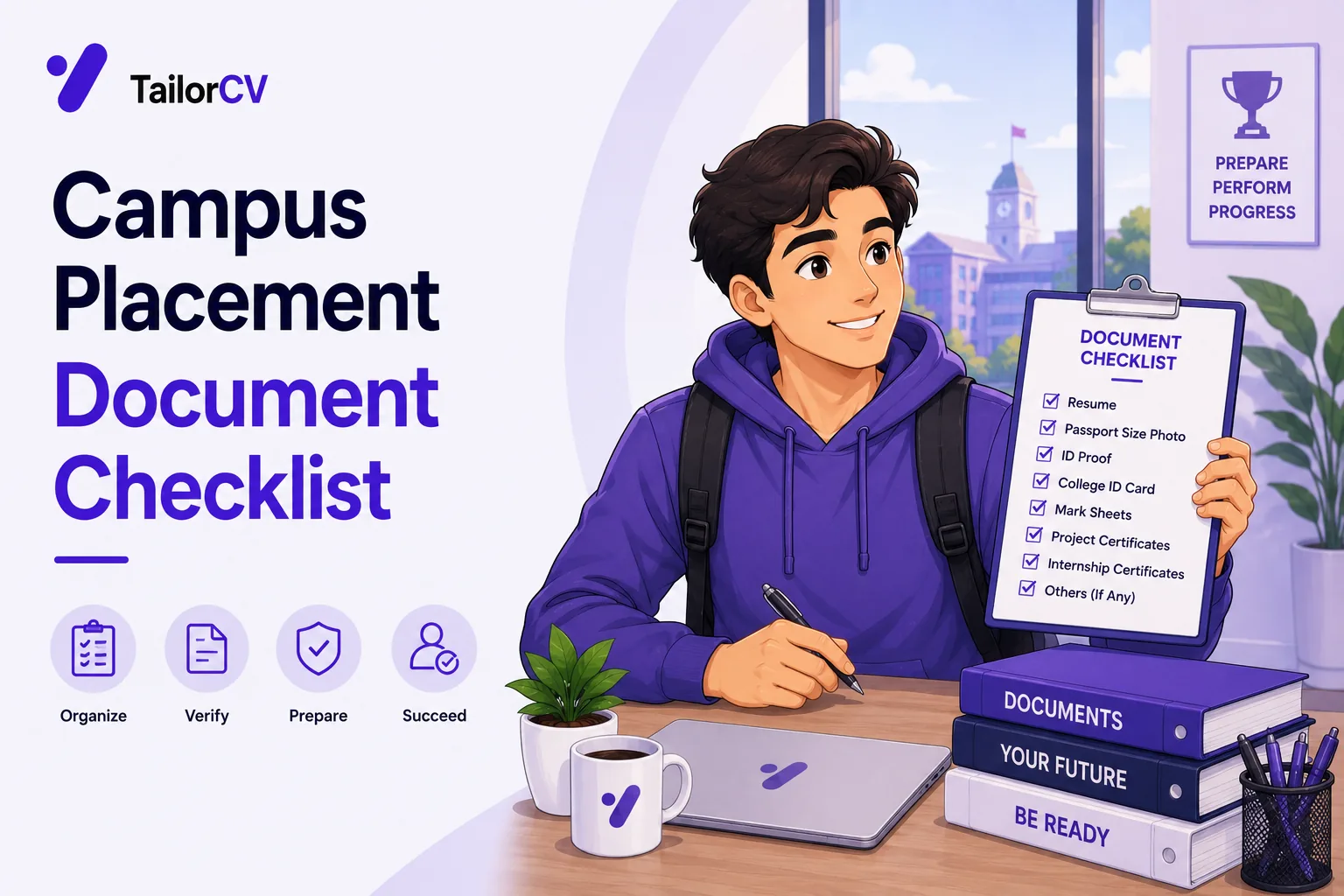
Placement season moves fast and missing paperwork costs offers. Everything you need — marksheets, ID, certificates, photos — how to organise it, and the deadlines that catch students out.
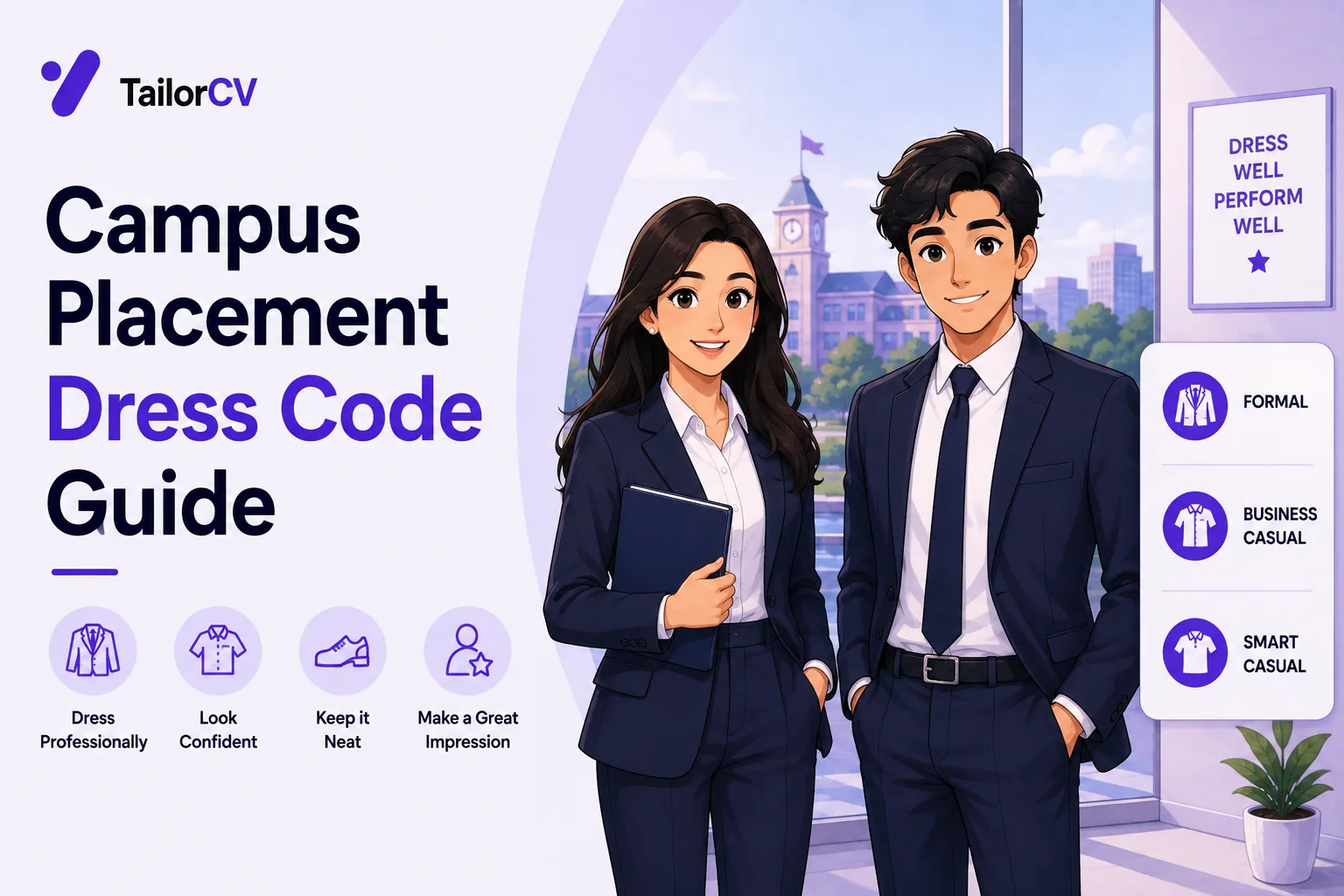
Placement drives are conservative environments and appearance is assessed whether or not anyone says so. What formal actually means, what to avoid, and how to handle video rounds.
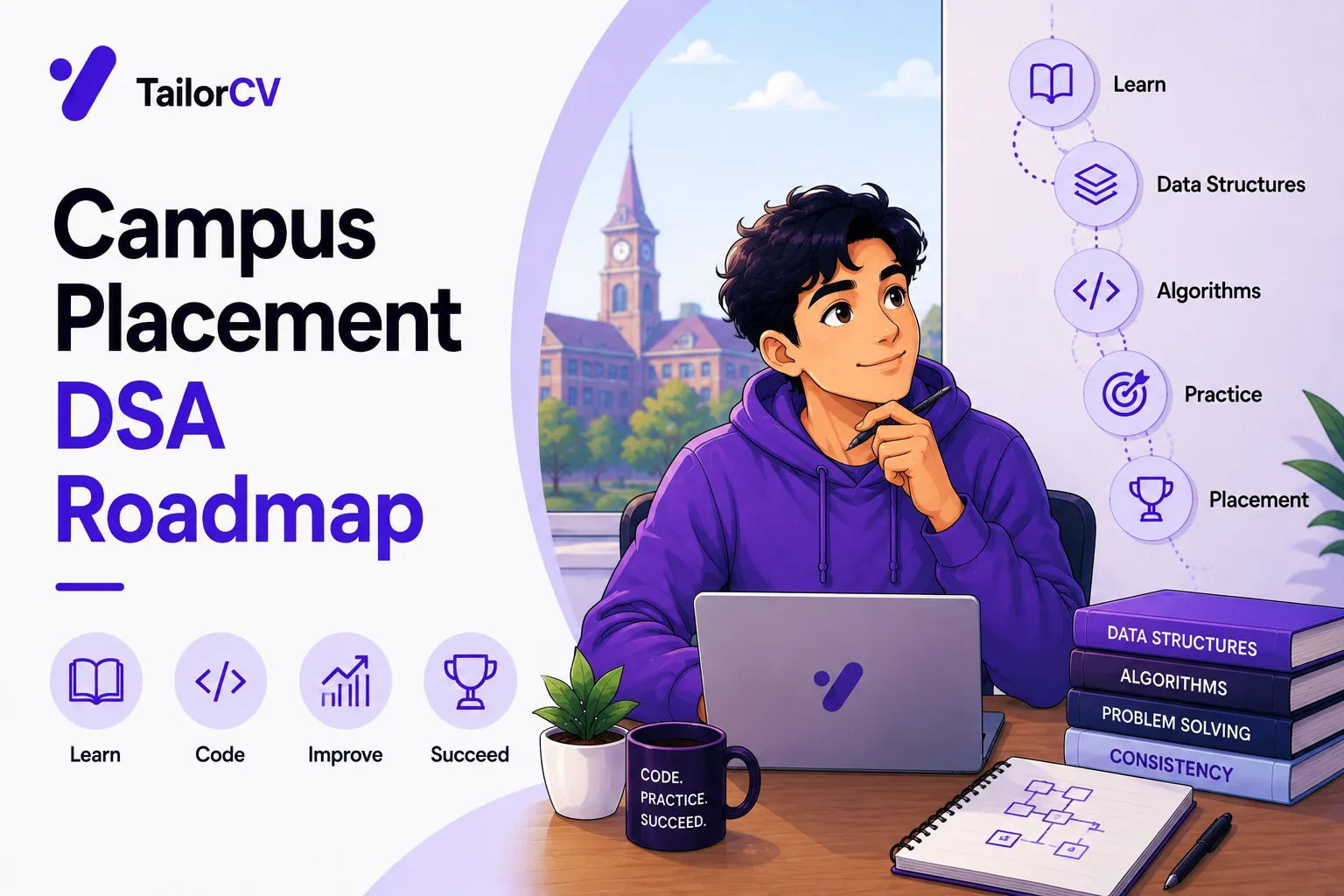
A month-by-month DSA plan for placements, covering what to learn, what to skip, how many problems to solve, and how to revise so patterns actually stick.

Placement season involves emailing recruiters, HR and alumni, and students get it wrong in predictable ways. The conventions that matter, plus templates for every situation you will face.

A low CGPA closes some doors and not others. Which companies still consider you, how to build a profile that outweighs the number, and how to answer the question in interviews.
Mock tests are the highest-return preparation activity and most students do them wrong. How to run them under real conditions, and how to analyse results so they actually improve your score.
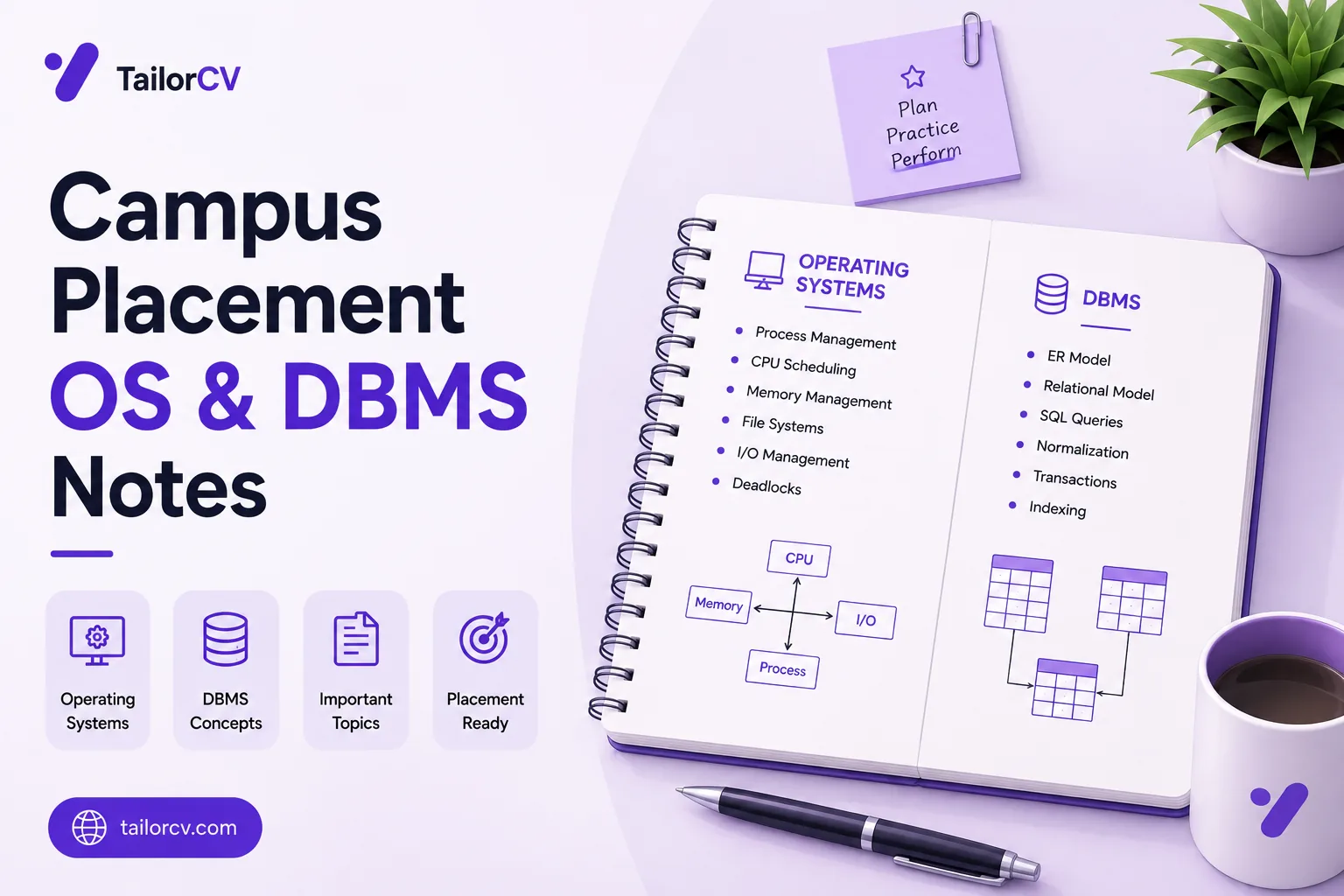
Operating systems and DBMS are asked at almost every campus interview. The specific questions that recur, what a good answer looks like, and what to skip from your syllabus.
Puzzles appear in aptitude rounds and interviews at many companies. The recurring types, the reasoning patterns behind them, and what interviewers are actually assessing.
Second year is when placement outcomes are actually decided, long before the drives begin. What to build, what to protect, and why starting now beats everything you can do in final year.
SQL appears in almost every campus technical round and is under-prepared. The recurring query patterns, worked solutions, and the concepts interviewers probe behind each one.
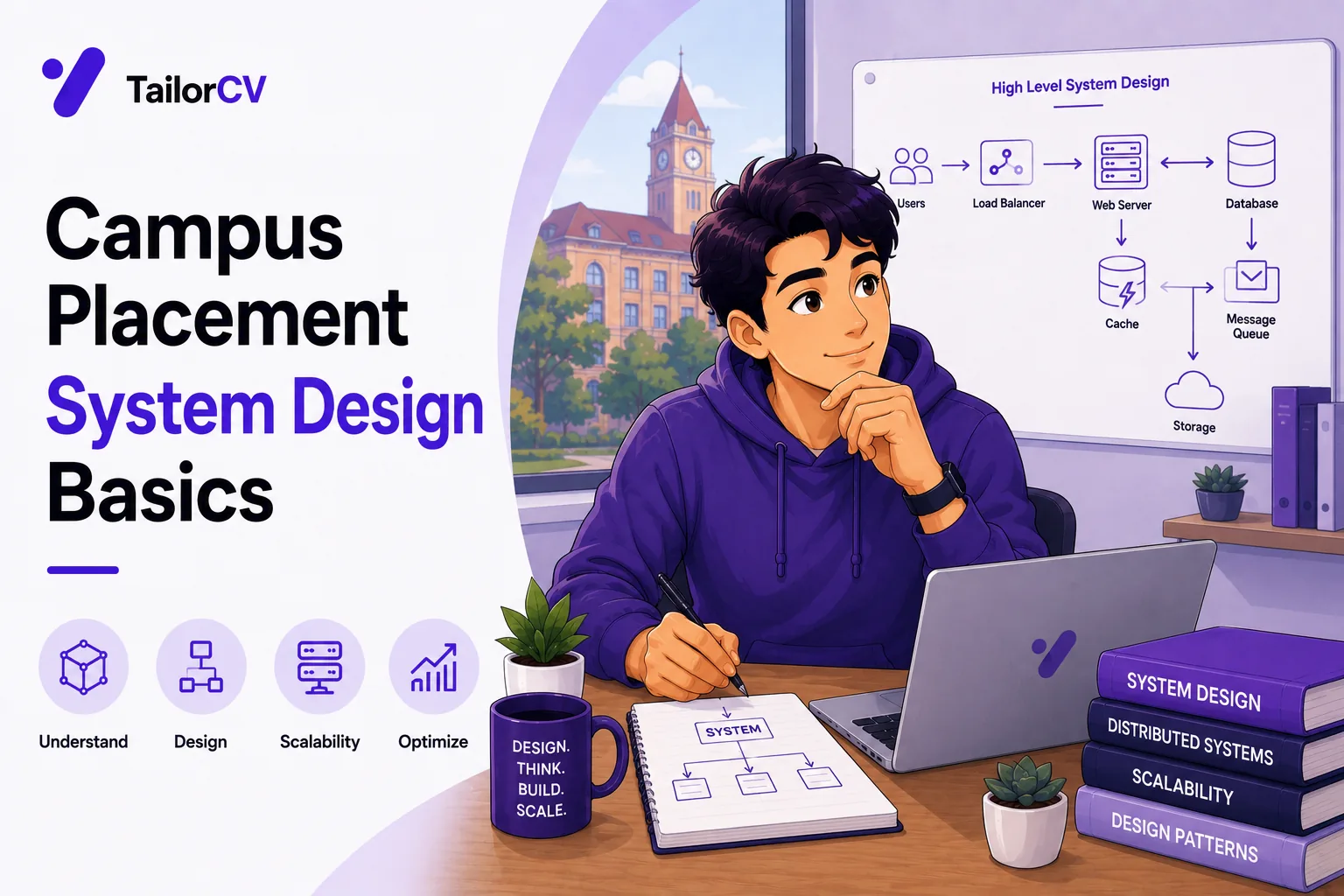
System design appears in campus interviews at product companies, pitched far below senior level. The building blocks, a structure to follow, and how deep freshers are actually expected to go.

Bridging programs exist specifically for internationally trained professionals, combining training, licensing support and work placements. How they work, who funds them, and how to find one.

Canadian co-op programs alternate study with paid work terms, and they are the strongest route into the graduate job market. How they work, what permits students need, and how to convert one.

An ECA translates your foreign degree into Canadian terms for immigration, but employers and regulators need different things. What each process is for, and how to sequence them.

French proficiency lowers immigration thresholds substantially and opens bilingual-designated roles that pay more. How much French you need, how it is tested, and what it is worth.

Healthcare is among Canada's largest employers and hires far beyond clinical roles. How provincial licensing works, where jobs are posted, and what internationally trained clinicians face.

Informational interviews are a normal Canadian professional convention and the most effective way for newcomers to build a network. How to ask, what to say, and what happens next.