 TD
TD
Key Takeaways
- At large employers with structured campus programmes, base salary is often banded across the whole cohort and genuinely not negotiable.
- Signing bonus, start date, location, team placement and relocation frequently are negotiable, and are asked for far less often.
- A competing offer is the only leverage that reliably moves base pay. Without one, you are asking rather than negotiating.
- Exploding deadlines are a tactic. Requesting an extension is normal and is often granted.
- Rescinded offers over a polite negotiation are rare, but rudeness and ultimatums do cause them.
Why base salary often will not move
Large employers hire campus classes in bands. Everyone at the same level, in the same location, in the same function gets the same base. This is deliberate — it prevents pay disputes later and makes the class administratively manageable.
When a recruiter says "this is the standard offer for the cohort," that is frequently literally true, and pushing on base alone will produce a polite no.
This is very different from experienced hiring, where salary is individually negotiated. Advice written for mid-career professionals often does not transfer to campus offers, which is why students who follow it get frustrated.
Where base does move: smaller companies without formal bands, startups, roles hired outside the campus cycle, and situations where you hold a competing offer at a higher band.
What is actually negotiable
This is where students leave value on the table, because they ask about base, get told no, and stop.
Signing bonus. Often the most flexible number in the package. It comes from a different budget than base salary and does not disturb the cohort banding. A specific, modest request usually lands better than a large vague one.
Start date. Very often negotiable and frequently worth more than money. Wanting to travel, finish a thesis, or take a break before starting is normal and easily accommodated when asked early.
Location. If the employer has multiple offices, the assigned one is sometimes a default rather than a decision. Cost of living varies enormously across US cities, and the same base goes much further in some.
Team or function. For large programmes that assign you after acceptance, expressing a preference early can shape placement. This affects your career far more than a few thousand dollars.
Relocation support. Frequently a standard package that can be increased, or converted to cash, if your circumstances differ.
Deadline. Almost always extendable. See below.
How to ask
Tone determines outcome more than content at this level. You are asking a recruiter to spend goodwill internally on your behalf.
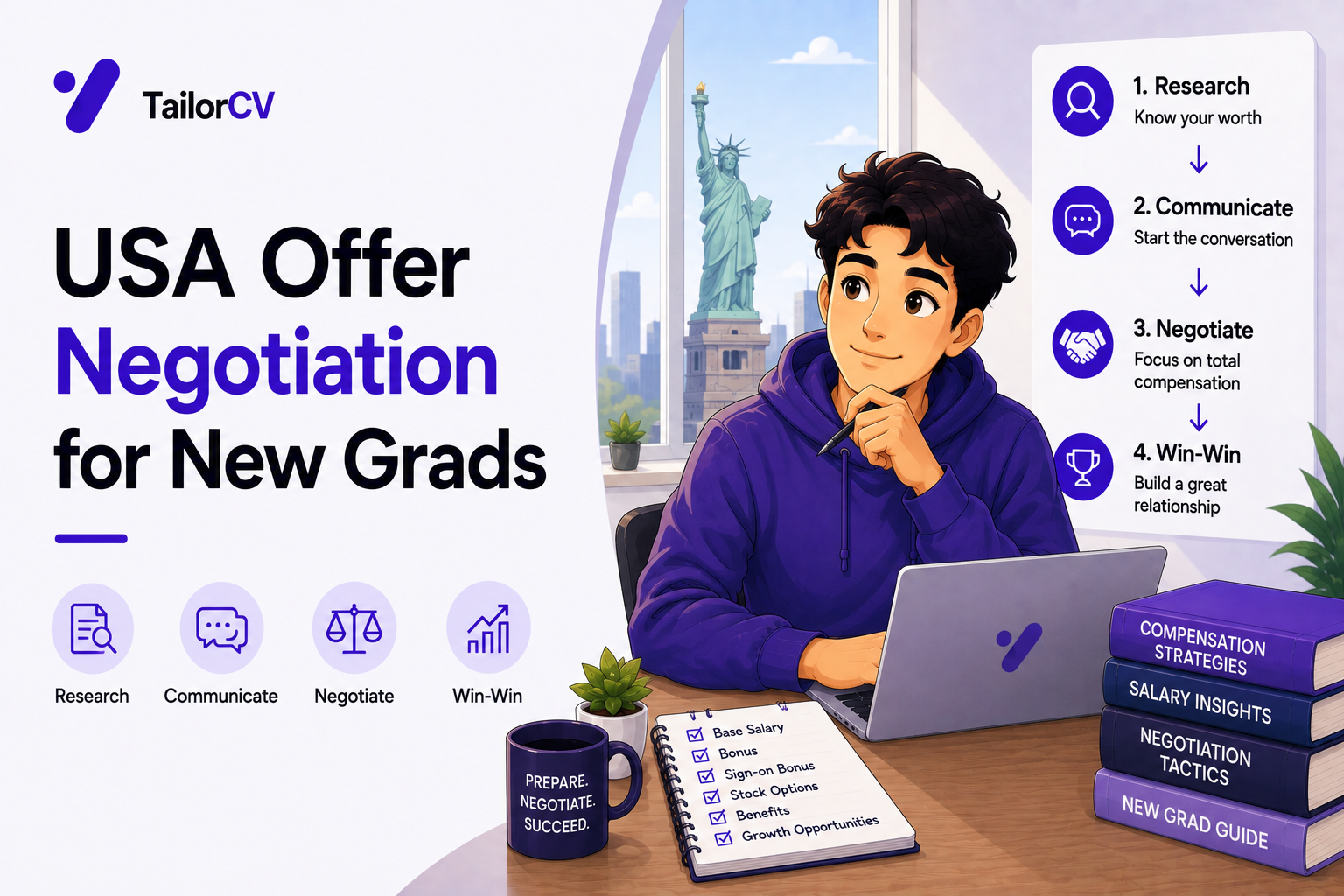
A workable structure: accept enthusiastically in principle, ask specifically, give a reason, stay warm.
"I'm genuinely excited about this — it's my first choice. Before I sign, would there be any flexibility on the signing bonus? I'm relocating from out of state and the upfront costs are significant. Even a modest increase would help a lot."
That works because it is specific, justified, and does not threaten. Compare with "what's the best you can do", which invites a no, or "I need more", which invites a defensive response.
Ask once, clearly. Repeated rounds of negotiation on a new grad offer erode goodwill quickly.
Ask by phone or video if you can. Written negotiation is slower and easier to decline.
Never issue an ultimatum you would not honour. "I'll accept today if you increase X" must be true.
Competing offers: the only real leverage
If two employers want you, base salary becomes negotiable at companies where it otherwise would not be. Matching a competitor is a decision recruiters are authorised to make in a way that arbitrary increases are not.
How to use it without damaging the relationship:
- Be truthful. Fabricating an offer is discovered more often than students expect, and recruiters in the same industry talk.
- Name the trade-off honestly. "Company B has offered X. I'd rather join you — is there room to close the gap?" is respectful and effective.
- Do not shop the offer endlessly. Going back three times with escalating numbers exhausts patience.
This is also why keeping a search running after a return offer can be worth real money — provided the return offer deadline allows it.
Exploding deadlines
Offers that expire in three to five days are common in banking and consulting, and they are a tactic rather than an operational necessity.
Ask for more time, immediately. Not on day four. The request is more likely to succeed when it arrives with enough runway to matter.
Give a reason with a date. "I have a final round on the 14th and would like to give you an answer on the 16th" is much more actionable than "I need more time."
Ask a person. The recruiter or the person who called you, not the acceptance portal.
Tell your other processes. A different employer who is genuinely interested will frequently accelerate — moving a final round forward by a week is a normal thing to ask, and it is the single most useful response to an exploding deadline.
If the answer is no, decide on what you have. An offer in hand is worth a great deal, and a hypothetical better one is worth nothing. Students regret over-optimising here more often than the reverse.
Do not accept and keep interviewing. Reneging on a signed offer is more damaging than students realise — employers talk, some universities intervene, and the industry is smaller than it looks. The return-offer decision covers the same trade-off from the internship side.
Evaluating the whole package
Students compare base salary and stop, which is how people take worse offers than the one they turned down.
| Component | What to actually check |
|---|---|
| Base salary | The number everyone compares. Adjust for cost of living before comparing across cities. |
| Signing bonus | One-time. Check the clawback period — usually a year, sometimes two. |
| Annual bonus | Target vs typical actual. Ask what last year's cohort received. |
| Equity | Vesting schedule, cliff, and whether the grant refreshes. A four-year grant with a one-year cliff is not worth a quarter of itself in year one. |
| Relocation | Lump sum or reimbursement, and taxable or not. Frequently negotiable. |
| Health insurance | Premium, deductible, when coverage starts. A gap between graduation and coverage is a real cost. |
| Retirement match | Free money most graduates ignore. Check the match and the vesting. |
| Paid time off | Days, and whether it accrues. Wide variation between employers. |
| Start date | Negotiable almost everywhere. Worth more than people think. |
Cost of living is the largest single distortion. A higher number in an expensive city can be a lower real income than a smaller number elsewhere. Compare rent for somewhere you would actually live, not an average, and factor state income tax, which varies substantially.
Do not over-weight equity at a private company. It may be worth a great deal and it may be worth nothing, and a graduate is not in a position to price it. Value the cash and treat the rest as an option.
The largest factor is not on this table. What you will be doing, who you will learn from, and whether the work leads somewhere you want to go. At graduate level the compensation differences between reasonable offers are small compared with the difference between a first job that teaches you and one that does not.
The conversation, scripted
Most of the difficulty here is not knowing what is possible. It is not knowing what to actually say, so people either say nothing or say something clumsy.
With no competing offer, asking for the signing bonus:
"Thank you — I'm genuinely excited about this and I intend to accept. Before I do, I wanted to ask about one thing. I'll be relocating from [city] and the upfront costs are significant. Is there any flexibility on the signing bonus, or on relocation support?
I want to be clear that this isn't conditional — I want the role either way. I just wanted to ask before signing rather than after."
Why it works: it opens with enthusiasm and an intention to accept, which removes the recruiter's fear that they are about to lose you. It asks for one specific thing. It gives a concrete reason. And it explicitly removes the threat, which is what makes a no-leverage ask land as reasonable rather than presumptuous.
With a competing offer, on base:
"I've received an offer from [Company] at [figure] base. I'd genuinely rather come to you — the team I met is a better fit and the work is closer to what I want to do. Is there room to close some of that gap?
If the answer is no I understand, and I'd still like to talk about the decision."
Why it works: names the number, states a real preference for them, asks a direct question, and does not issue an ultimatum. Recruiters can take this to a compensation team; they cannot take "I want more money" anywhere.
Asking for a deadline extension:
"Thank you for this. I want to give you a considered answer rather than a fast one. I have one process finishing on the 14th — would it be possible to have until the 16th to decide?"
Ask early rather than on the deadline, ask a person rather than the portal, and give a reason with a date in it.
Four rules across all of these:
Ask once, clearly. One ask, then accept the answer. Repeated asking is what damages relationships.
Ask by phone or video where you can. Tone carries. Written negotiation reads as more adversarial than it is.
Never issue an ultimatum you would not honour. "I'll only accept if..." occasionally gets called, and candidates who fold have damaged something real.
Get the final terms in writing before you decline anything else.
Competing offers, and how to use one without lying
A competing offer is the only leverage that reliably moves base pay. It is also the thing candidates most often mishandle.
Have a real one. Inventing a competing offer is a genuinely bad idea. Recruiters ask which company, sometimes ask for the written offer, and the industry is small enough that it gets discovered. Candidates have lost offers over this.
Name the company and the number. Vagueness — "I have another offer that's significantly higher" — is not actionable. A recruiter taking a request to a compensation team needs specifics.
Say you prefer them, if you do. "I'd rather come to you" is what converts a negotiation into a problem the recruiter wants to solve. Without it, they may reasonably conclude you are leaving anyway and stop trying.
Do not compare across incomparable roles. A trading offer and a software offer are different markets, and a recruiter will say so. Comparisons work within a market.
Where you have no competing offer, say so honestly and ask anyway.
"I don't have another offer — I want to work here. I'm asking about the signing bonus because relocation is expensive." That is an entirely reasonable conversation and it works more often than students expect, because the signing bonus is discretionary in a way base pay is not.
Timing. Negotiate after you have the written offer and before you accept. There is no leverage afterwards, and asking before an offer exists is premature.
What actually goes wrong
Rescinded offers over polite negotiation are genuinely rare. The behaviours that cause problems are specific and avoidable.
Ultimatums that get called. "I'll only accept at X" said to an employer who cannot do X leaves you with a decision you did not want to make, publicly.
Negotiating repeatedly. One ask is fine. A second after a no is pushing. A third is a story the recruiter tells.
Being rude to the recruiter. They are not the obstacle, they are the person carrying your request to people who can act on it. Candidates who treat them as an adversary lose an advocate.
Accepting and then continuing to interview. The most damaging thing on this list. Reneging is remembered, employers talk, and some universities will intervene with their career services.
Negotiating something you do not want. Asking for a location change and getting it, then discovering you did not want it, happens.
Going silent after asking. Recruiters interpret silence as a candidate shopping the offer. Respond within a day, even if the answer is "I'm still thinking, I'll come back to you Thursday."
The general shape of doing this well: enthusiastic, specific, once, and gracious about the answer. That version has almost no downside risk, which is the main argument for asking at all — most graduates never ask, and the ones who do usually get something.
Timing the ask
When you raise it matters nearly as much as what you raise.
After the written offer, before you accept. This is the only window. Before the offer exists you have nothing to negotiate; after you accept, you have no leverage and a bad look.
Read the whole thing first. The written offer contains the answers to half the questions you were going to ask — bonus structure, start date, clawback terms, benefits start date. Asking about something clearly stated in the document is a small unforced error.
Respond within a day, even to buy time. "Thank you — I've received it and I'll come back to you by Thursday with any questions" keeps the relationship warm while you think. Silence reads as shopping the offer.
Make one call, not a chain of emails. Tone carries badly in writing and negotiation reads as more adversarial than it is. Ten minutes on the phone resolves what four emails will not.
Have your one ask decided before you dial. Not three, and not a vague sense that you would like more. One specific thing, with a reason.
Then confirm in writing. Whatever is agreed, ask for it in the revised offer letter before you decline anything else. Verbal agreements about signing bonuses have gone missing.
Common Mistakes
- Only negotiating base. It is the least flexible number in a campus offer, and everything else goes unasked.
- Negotiating without a reason. "Can you do better" is weaker than a specific request with a rationale.
- Bluffing a competing offer. Recruiters verify more often than students assume, and industries are small.
- Letting a deadline pass silently. Ask for an extension; silence is read as disinterest.
- Accepting then reneging. Damages your reputation and sometimes your university's relationship with the employer.
- Negotiating over email when a call is possible. Written requests are easier to decline.
- Forgetting the offer letter is the contract. Verbal promises about team, location or bonus should appear in writing.
Why base often will not move
Understanding this prevents the two failure modes — not asking at all, and pushing hard on the one thing that cannot change.
Structured cohorts are banded. Large employers hiring a graduate class set a level with a compensation band and hire everyone into it. Paying one graduate more than another for the same role creates an internal equity problem, and the recruiter frequently has no authority to do it regardless of what they think of you.
The recruiter is not the decision-maker. They can take a request to a compensation team; they cannot approve one. Pressure applied to them is pressure applied to someone who cannot act on it.
Interview performance does not affect the number. Levelling determines the band, and new grad requisitions are levelled in advance. Doing exceptionally well gets you the offer, not a different band.
Where base does move: smaller employers without a banded structure, roles where you have a genuinely competing offer at a higher number, and situations where prior experience justifies a different level. A PhD or substantial industry experience is the common case.
What this means: if you have no competing offer, spend your one ask on something that is actually flexible. The signing bonus, relocation, start date and location move far more often than base does, and they are asked for far less.
What is negotiable, ranked by how often it works
Start date. The easiest yes in the entire negotiation, and the least often requested. Employers plan cohort starts loosely, and a few weeks either way is usually trivial for them and valuable to you.
Signing bonus. Frequently flexible even where base is not, because it is one-time and does not disturb the band. This is the highest-value ask for most graduates with no leverage.
Relocation support. Often a standard package that can be topped up, particularly with a concrete reason.
Location. Where the employer has multiple offices, a preference stated early is frequently accommodated. Stated late, after headcount is allocated, much less so.
Team or function. At employers with a team-matching step, expressing a specific preference is not only permitted but necessary. This is not really negotiation; it is participation.
Deadline. Asking for two more weeks, once, with a reason, is normal and frequently granted.
Base salary. Movable mainly with a competing offer. Without one, this is the least likely ask to succeed and the one most likely to sour the conversation if pushed.
Equity. Rarely negotiable for a graduate at a large employer. Sometimes at a startup, where the grant is less standardised.
Declining the offers you turn down
The half of this nobody prepares for, and it matters more than people expect in industries where everyone moves between the same employers.
Do it promptly. As soon as you have signed elsewhere. Holding an offer you will not take costs someone else a place and is remembered.
Do it by phone where you built a relationship, by email otherwise. Two or three sentences, warm, no elaborate justification.
Give a reason, briefly and honestly. "I've accepted a role that's closer to the infrastructure work I want to do" is enough. You do not owe a comparison of the two offers.
Thank the specific people who spent time on you, particularly anyone who referred you or interviewed you at length.
Do not burn it. The recruiter you decline this year is at another firm in three years, and the hiring manager may be the person you approach when you want to move. This is the specific reason to be gracious rather than merely polite.
And tell anyone who referred you. They put their name on you and they will find out anyway; hearing it from you is the difference between a relationship maintained and one quietly spent.
Frequently Asked Questions
Can I really negotiate a new grad offer?
Yes, but usually not on base salary at large structured employers. Signing bonus, start date, location and relocation are where the flexibility is, and most students never ask.
Will negotiating get my offer rescinded?
Very rarely, and essentially never for a single polite, specific request. Rescissions follow ultimatums, rudeness or reneging — not asking.
What if I have no competing offer?
You can still ask, but you are requesting rather than negotiating. Focus on the non-salary items, which do not require leverage to move.
How long can I take to decide?
Whatever the letter says, plus whatever extension you ask for. Two weeks is common; extensions of a week or two are frequently granted when you give a specific reason.
Should I tell a company I have other interviews?
If it is true and relevant to timing, yes — it is a legitimate reason for an extension. Framing it as a threat is different from framing it as a schedule.
Is the signing bonus better than higher base?
Base compounds through raises and future offers; a signing bonus is one-time and often has a clawback if you leave within a year or two. If both are available, base is usually worth more long-term — but base is also the one they can least often move.
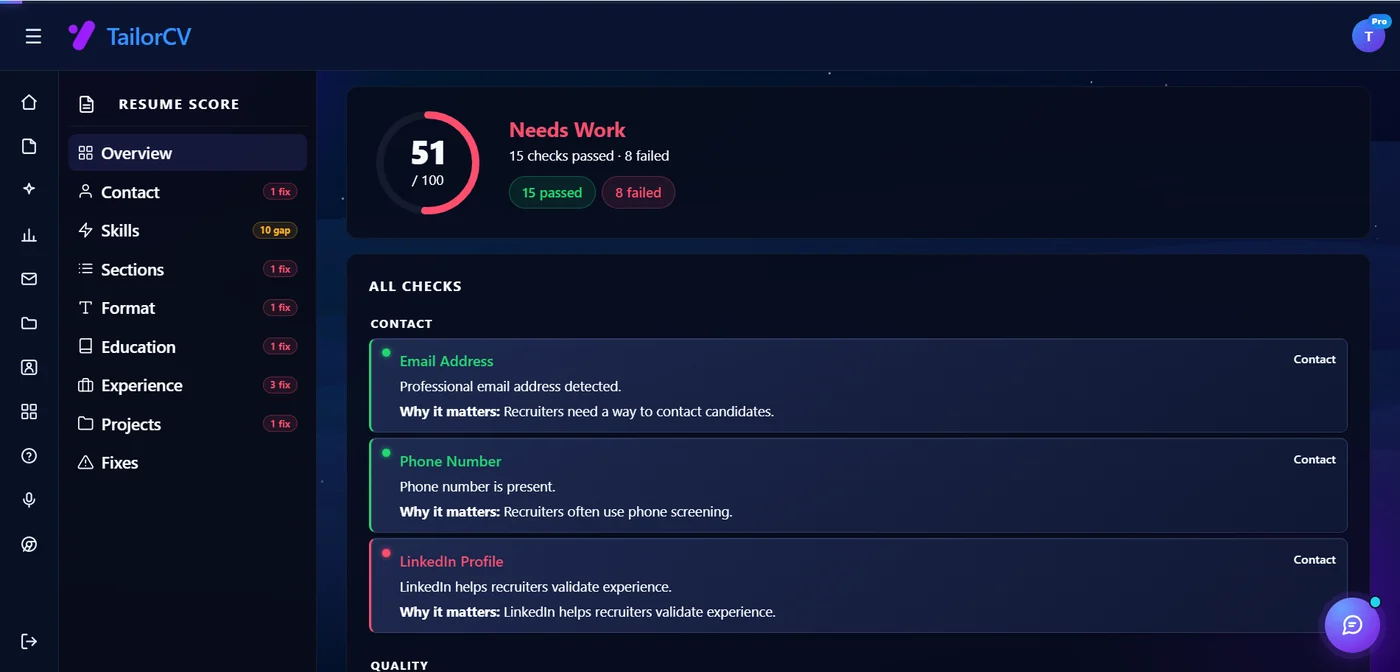
What is your resume scoring right now?
Scan it against a job description and get your ATS match score in about a minute.
Drop your resume here or choose a file
PDF only. Max 2 MB.
We never share your data or use it to train AI models.
Was this guide useful?
Be the first to rate it.