

Hidden White Text Keywords - Why This Trick Gets You Blacklisted
Pasting invisible keywords into a resume is still circulating as advice. Here is how it is detected, what happens when it is, and what to do instead.
Actionable guides to improve ATS score, resume quality, and job search outcomes.
Pasting invisible keywords into a resume is still circulating as advice. Here is how it is detected, what happens when it is, and what to do instead.

The same resume and the same posting can score 62% in one tool and 84% in another. Here is what causes the spread and which number to act on.
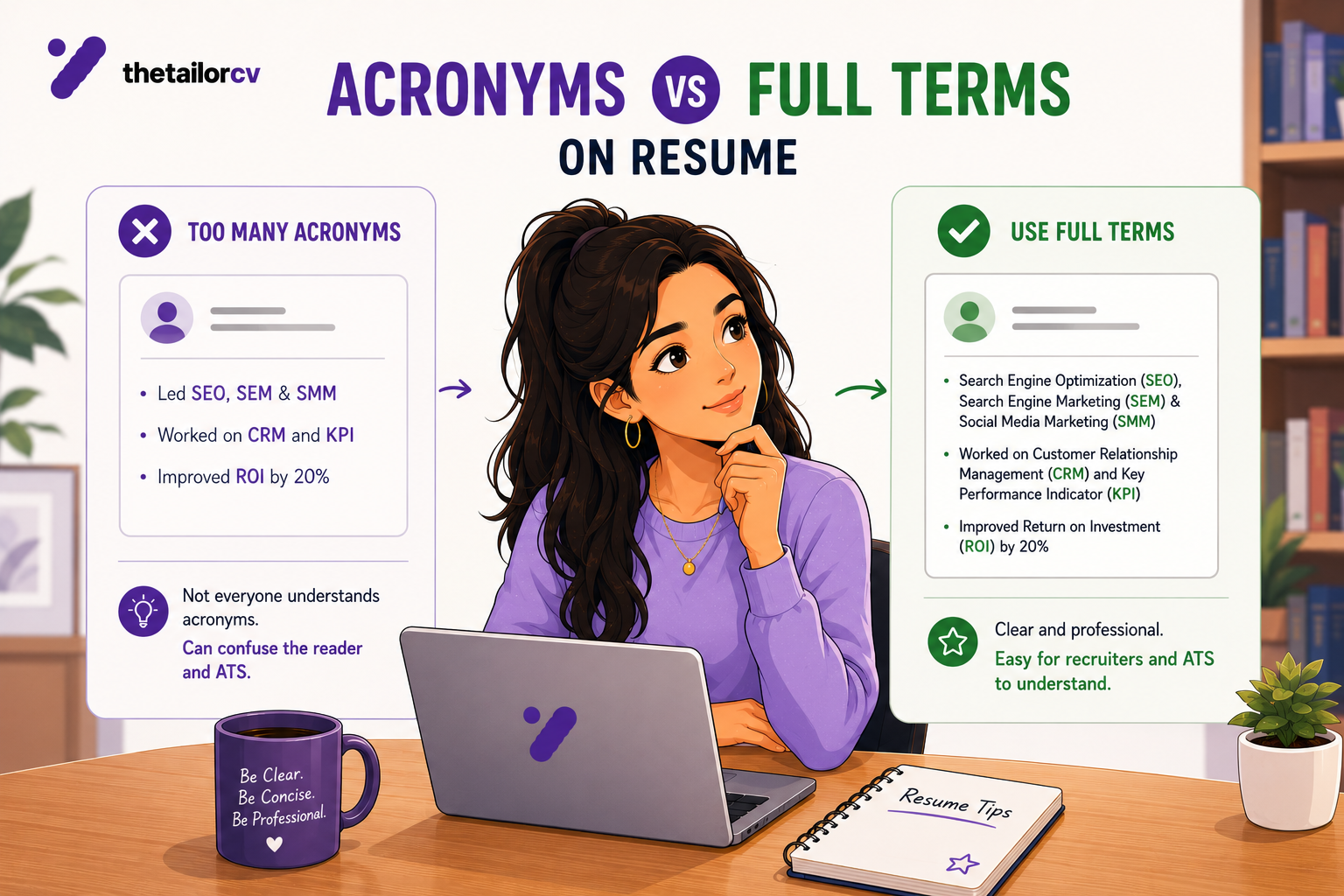
Writing only "SEO" or only "Search Engine Optimization" can cost you the match. Here is the rule, where to put each form, and which acronyms need spelling out.

If 100 applications produced no interviews, the problem is systematic, not bad luck. Here is how to diagnose it in 20 minutes and what to fix first.

Ashby is a newer applicant tracking system popular at startups, with a stricter section-heading parser and a distinctive AI review feature. Here is what to know before applying.

A resume can pass every filter and still fail if your contact details never actually reach the recruiter. Here is how to check, and the specific mistakes that cause it.

Inconsistent date formats, missing years, and gaps written unclearly all cause real parsing errors. Here is exactly how to format dates so they read correctly every time.

Some postings tell you almost nothing about the actual job. Here is how to extract the real requirements from vague language, and when vagueness itself is a signal.
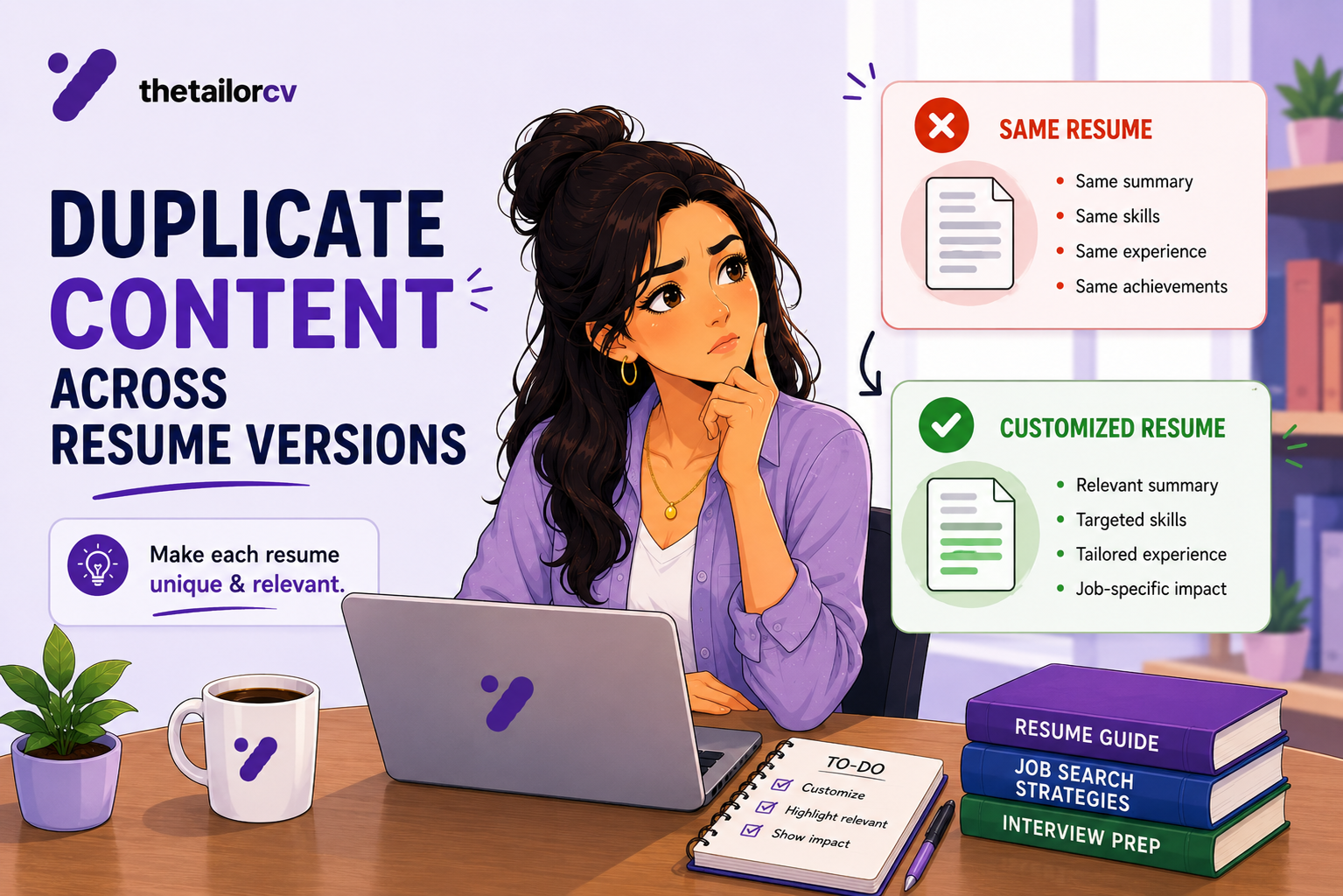
Once you have five tailored resume versions, keeping them straight becomes its own problem. Here is a system that avoids sending the wrong file to the wrong job.
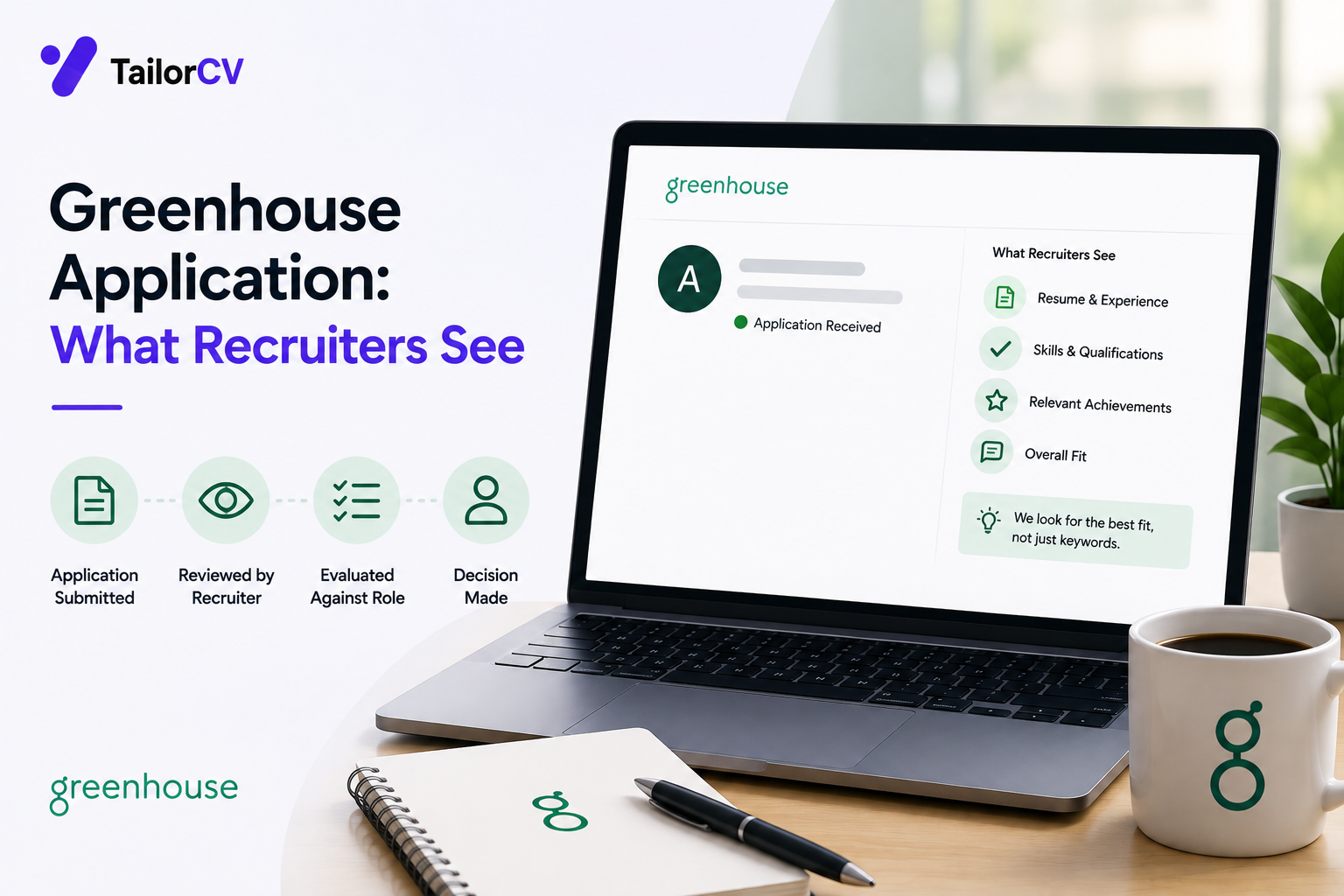
Greenhouse shows your resume two different ways to two different viewers - your uploaded file to a human, parsed text to its AI layer. Here is why both need to be clean.

Some real requirements never appear as a bullet point - they are implied by company stage, team structure, or a single throwaway line. Here is how to spot them before you apply.

There is no magic number, but there is a useful target - covering the requirements that matter, not maximizing raw keyword count. Here is how to know when you have enough.

The line between tailoring and fabricating, why crossing it fails at the interview instead of the filter, and six honest techniques that move a score.
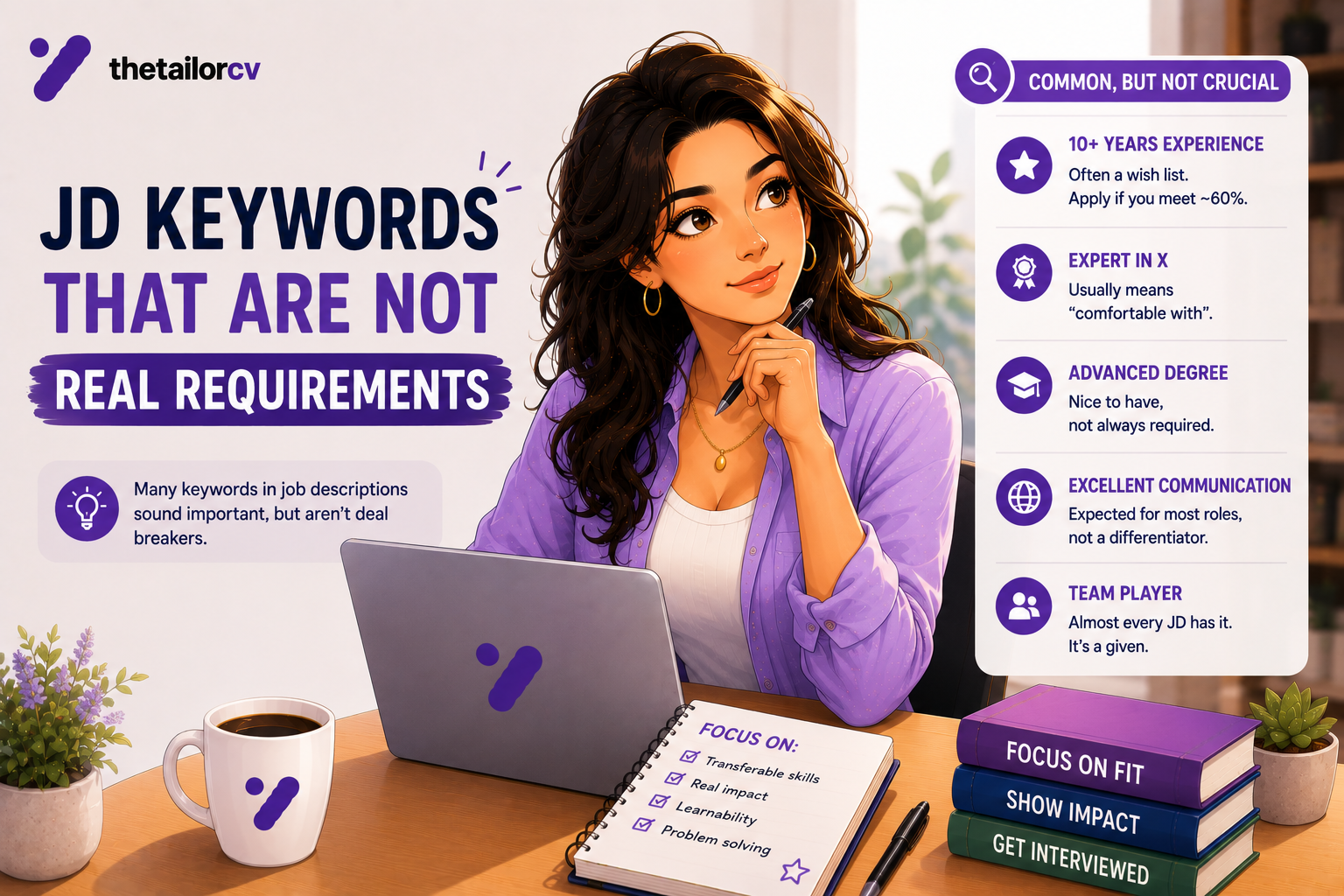
Some words in a job posting look like hard requirements and are actually filler, copied boilerplate, or aspirational language. Here is how to tell which keywords to actually chase.

Long skill lists overwhelm candidates into either applying blind or self-eliminating. Here is a method for sorting a long list into what genuinely decides your application.

AI-generated job postings have specific tells and specific weaknesses. Here is how to spot one and how to read past its generic language to find what the role actually needs.

When a deadline is hours away, most tailoring advice is too slow. Here is the minimum set of changes that actually move a match score, in order of return.

Lever is generally more forgiving of complex layouts than most ATS platforms, but it strips visual emphasis and auto-fills applications the same way others do. Here is what to know.

Postings mix hard requirements with wish-list items and rarely label them clearly. Here is how to tell which is which, and what to do when you're missing one of each.

How much a match score should move after an edit, what it means when it doesn't move, and why a rising number is not always progress.