SS
SS

Key Takeaways
- Treat your resume, portfolio, and interview preparation as an interconnected system to reinforce your personal narrative.
- Start with a solid, ATS-friendly resume that summarizes your experience and achievements clearly.
- Expand key resume achievements into detailed case studies for your portfolio, rather than simply restating them.
- Rehearse your portfolio's strongest projects for interviews to ensure consistency in your storytelling.
- Regularly update all three components together after major achievements to maintain a cohesive narrative.
Most job seekers treat their resume, portfolio, and interview prep as three separate, disconnected tasks - written at different times, in different tones, with no plan for how they reinforce each other. The candidates who move fastest through hiring processes treat them as one system, where each piece sets up the next. Pair this with How to Build a Professional Portfolio and How to Prepare for a Job Interview in 2026.
The Three Stages of the Same Story
- Resume - gets you past the initial screen with a clear, ATS-friendly summary of your experience and achievements
- Portfolio - gives the reviewer proof once you have their attention, expanding your strongest resume bullets into full evidence
- Interview - is where you narrate the exact same achievements out loud, in more depth, under real-time questioning
If these three stages tell different stories - different headline numbers, different framing of the same project - you create doubt at exactly the moment you need to build trust.
Step 1: Lock Down the Resume First
Everything else should be built to match your resume, not the other way around. Run it through the free ATS score checker and choose an ATS-friendly resume template so the foundation is solid before you build on top of it.
Step 2: Build the Portfolio to Expand, Not Repeat
Your portfolio should not just restate your resume in a nicer font - it should expand the two or three achievements you are proudest of into full case studies. Use the TailorCV portfolio builder to generate a shell directly from your resume, then add the depth (process, decisions, outcomes) that a resume bullet cannot hold. See How to Write a Portfolio Case Study.
Step 3: Rehearse the Same Stories Out Loud
The exact projects you feature on your portfolio are the ones most likely to come up as "tell me about a time..." interview questions - so they should be the stories you are most rehearsed on. Use mock interview practice to rehearse narrating your portfolio's strongest case studies conversationally, not just reading them off a page. If you are unsure what questions to expect for your specific role, generate a practice set with the interview question generator.
Why This Order Matters
Building interview answers before your resume and portfolio are settled means you are rehearsing a story that might change. Locking the resume first, then building the portfolio to match, then rehearsing from the portfolio, means every stage of the hiring process hears a consistent, increasingly detailed version of the same truth.
Common Mistakes
- Writing resume bullets, portfolio case studies, and interview answers independently, at different times, so small details drift apart
- Over-preparing the resume and portfolio while walking into interviews with no rehearsal at all
- Featuring different "best projects" on the resume, portfolio, and in interview answers, which fragments your personal narrative
- Treating each tool as a one-time task instead of updating all three together after every major new achievement
Pro Tips
- Every time you add a new project to your resume, add or update the matching portfolio case study in the same sitting
- Before an interview, re-read your own portfolio - it is the fastest way to refresh the specific numbers and details you will be asked about
- Run at least one full mock interview session per week during an active search, focused specifically on your portfolio's featured projects
Step-by-Step Guide to Crafting Your Resume
Creating a compelling resume is an art that combines clarity, brevity, and impact. Follow this structured approach to ensure your resume stands out.
-
Choose the Right Format: Start with a format that highlights your strengths. For most candidates, a reverse-chronological format works best. However, consider a functional format if you're changing careers or have gaps in your employment history.
-
Craft a Strong Summary: Your summary should encapsulate your professional identity and what you bring to the table. Aim for 2-3 sentences that include your title, years of experience, and key skills.
-
Highlight Relevant Experience: List your work experience in reverse chronological order. For each role, use bullet points to describe your responsibilities and achievements. Begin each bullet with a strong action verb and quantify your accomplishments when possible.
-
Tailor Content for Each Application: Customize your resume for each job application. Use keywords from the job description to ensure your resume passes through ATS filters. Tools like ATS checker can help you optimize your document.
-
Include Education and Certifications: List your degrees, certifications, and any relevant coursework. If you’re a recent graduate, place this section above your work experience.
-
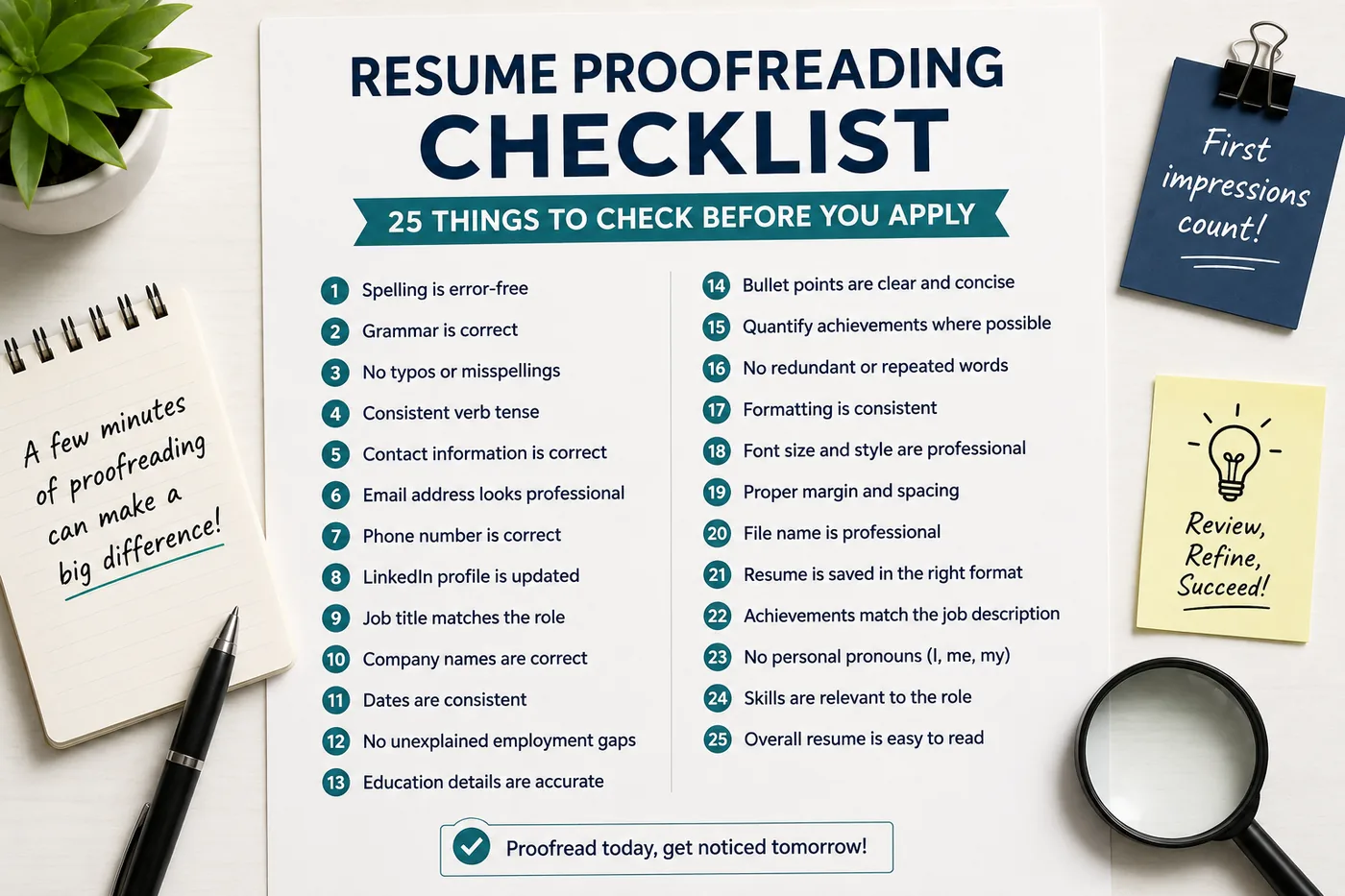
Proofread for Errors: Utilize a Resume Proofreading Checklist - 25 Things to Check Before You Apply to catch typos and formatting issues.
-
Seek Feedback: Before sending out your resume, have a mentor or peer review it. They can provide valuable insights and catch errors you may have overlooked.
Building Your Portfolio: A Mini Checklist
Your portfolio is a visual representation of your skills and accomplishments. Use this checklist to ensure it’s comprehensive and impactful.
Turning a resume into a portfolio site
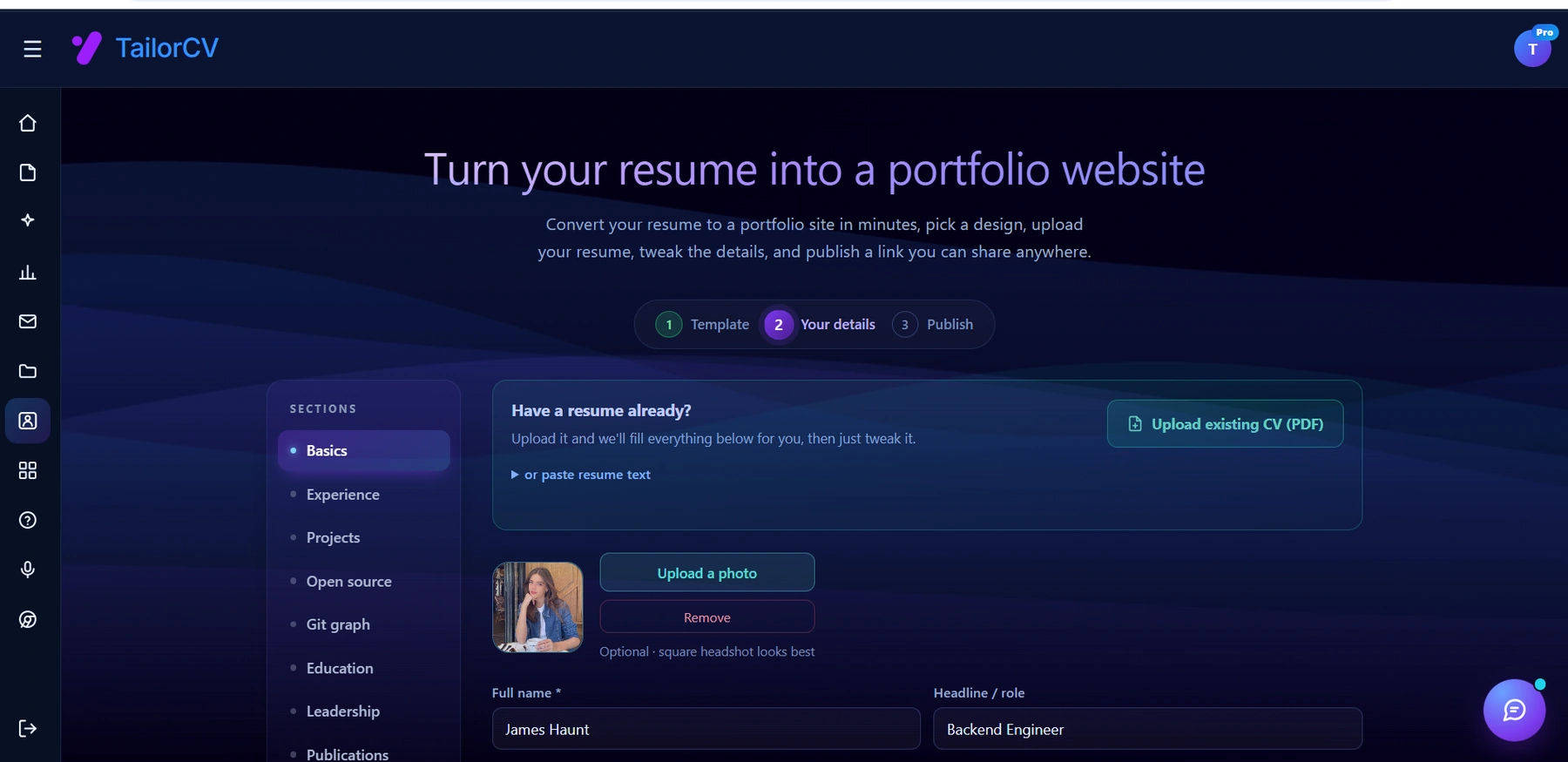
The three steps are template, details, publish. Uploading an existing CV fills in the details step for you, which is why this takes minutes rather than a weekend.
-
Select Your Best Work: Choose 5-10 pieces that showcase your skills and versatility. Include a mix of projects that demonstrate your ability to solve problems and meet client needs.
-
Provide Context: For each portfolio item, include a brief description that explains the project’s goal, your role, and the outcome. This contextualizes your work for potential employers.
-
Optimize for Visual Appeal: Use high-quality images and a clean layout. If you're unsure how to design your portfolio, consider How to Build a Portfolio With AI - No Coding Required.
-
Ensure Accessibility: Make your portfolio easy to navigate. Include a table of contents if it’s lengthy, and ensure that all links are functional.
-
Test for Mobile Compatibility: Many recruiters view portfolios on mobile devices. Check how your portfolio looks on different screen sizes.
-
Gather Analytics: Use tools for Using Portfolio Analytics to Gauge Recruiter Interest to track which pieces attract the most attention.
Mock Interview Prep: Do's and Don'ts
Mock interviews are a crucial step in your job search system. Here’s how to maximize their effectiveness.
See it in action: a resume-based mock interview
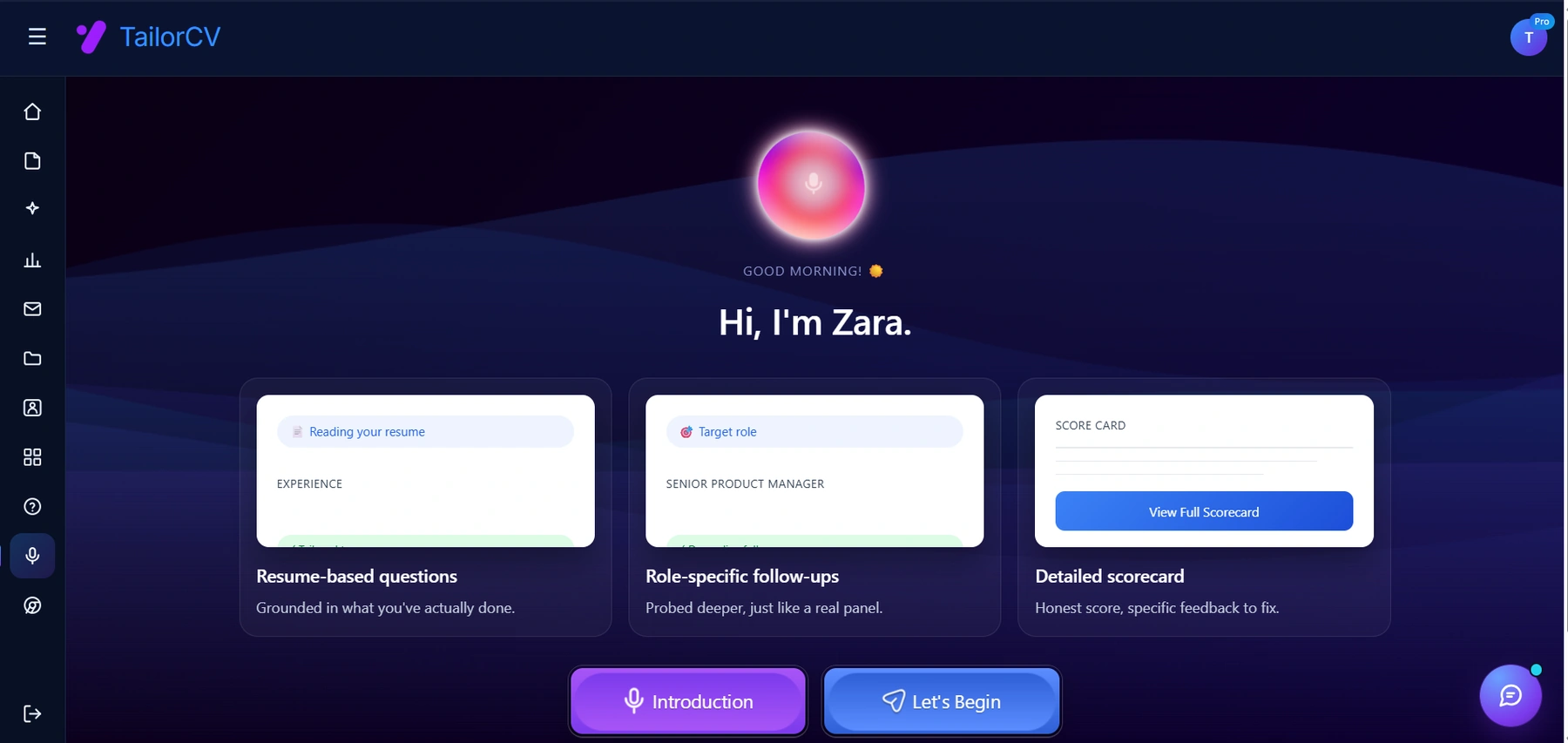
Rather than a fixed question list, the session is built from your own resume and target role, and ends with a scorecard naming the specific things to fix.
Do’s:
-
Practice Common Questions: Prepare answers for frequently asked questions related to your field. Tailor your responses to reflect your experiences and skills.
-
Record Yourself: Use a camera or smartphone to record your practice sessions. Reviewing your body language and tone can provide insights on areas for improvement.
-
Simulate Real Conditions: Conduct mock interviews in a setting that mimics the actual interview. Dress professionally and limit distractions.
-
Seek Constructive Feedback: After your mock interview, ask for specific feedback on your answers, body language, and overall presentation.
Don’ts:
-
Don’t Memorize Answers: While it’s important to prepare, avoid sounding robotic. Aim for a conversational tone that demonstrates your personality.
-
Don’t Ignore Non-Verbal Cues: Pay attention to your body language. Avoid crossing your arms, fidgeting, or looking away while answering.
-
Don’t Rush: Take your time to think through your responses. If you need a moment to collect your thoughts, it’s perfectly acceptable to pause before answering.
-
Don’t Neglect Follow-Up Questions: Prepare to ask insightful questions at the end of the interview. This shows your interest in the role and company.
Scenarios: How to Handle Tough Questions
Here are some scenarios you might encounter during interviews, along with strategies for addressing them.
-
"Tell me about a time you failed." - Strategy: Use the STAR method (Situation, Task, Action, Result). Describe a specific situation, what your task was, the action you took, and the result. Emphasize what you learned from the experience.
-
"Why should we hire you?" - Strategy: Highlight your unique skills and experiences that align with the job requirements. Be specific about how you can contribute to the company’s success.
-
"Where do you see yourself in five years?" - Strategy: Focus on your career goals and how they align with the company’s direction. Show that you’re ambitious but also committed to the role you’re applying for.
-
"What is your greatest strength?" - Strategy: Choose a strength that is directly relevant to the job. Provide examples of how you’ve successfully applied this strength in your previous roles.
By following these additional insights and strategies, you can refine your job search system, making it more effective and tailored to your career aspirations.
Frequently Asked Questions
Do I need all three tools, or can I get by with just a resume?
A resume alone gets you through initial screens for many roles, but a matching portfolio and rehearsed interview answers consistently shorten time-to-offer once you reach the interview stage, especially for competitive roles.
How often should I update this whole system?
Any time you complete a new project or achievement significant enough for your resume, update the portfolio and refresh your interview talking points in the same sitting - do not let them drift apart.
Where do I start if I have none of these built yet?
Start with the resume and the ATS score checker, then build your portfolio from it with the portfolio builder, then move into mock interview practice using your portfolio's strongest stories.
Build Your Portfolio Now
You do not need to code a site or spend a weekend on a website builder. Turn your existing resume into a live, shareable portfolio in minutes with the TailorCV portfolio builder - choose a theme, upload your CV, let AI pull in your experience, then rehearse the same stories with mock interview practice and a role-specific interview question generator. Before you apply, run your resume through the free ATS score checker and switch to an ATS-friendly resume template so every stage of your job search tells one consistent story.
Related Guides
- How to Build a Professional Portfolio
- How to Prepare for a Job Interview in 2026
- How to Write a Portfolio Case Study
- How to Quantify Resume Achievements
- How to Follow Up After a Job Interview
- AI Portfolio Builder: No Code Required
- Portfolio Checklist Before Applying
- Portfolio Mistakes to Avoid
- Add Portfolio Link to Resume
- Why Am I Not Getting Interviews for Jobs I'm Qualified For?
- Portfolio Website for Job Applications
- Personal Website vs Portfolio
- Interview Feedback Guide 2026 - Getting It, Reading It, and Using It
Make This Practical
If this topic connects to your work samples, turn the advice into a live proof page with the TailorCV portfolio builder. After publishing, add the link correctly using How to Add Your Portfolio Link to Your Resume, tighten the page with the Portfolio Checklist Before Applying, and make sure recruiters can contact you through a clean Portfolio Contact Section.
Your portfolio works best when it supports the resume, not when it replaces it. Run the resume through the free ATS score checker, choose an ATS-friendly resume template, and use Portfolio SEO: Get Found so your name and strongest work are easier to discover.
Related Guides to Strengthen This Topic
Use these internal guides to connect this topic with the rest of your job-search workflow:
- How to Build a Professional Portfolio
- Portfolio Website for Job Applications
- Portfolio Checklist Before Applying
- Portfolio Mistakes to Avoid
- How to Write Portfolio Case Study
- Add Portfolio Link to Resume
- Resume Matching With Job Description
- ATS-Friendly Resume Builder
Was this guide useful?
Be the first to rate it.