 SS
SS
Key Takeaways
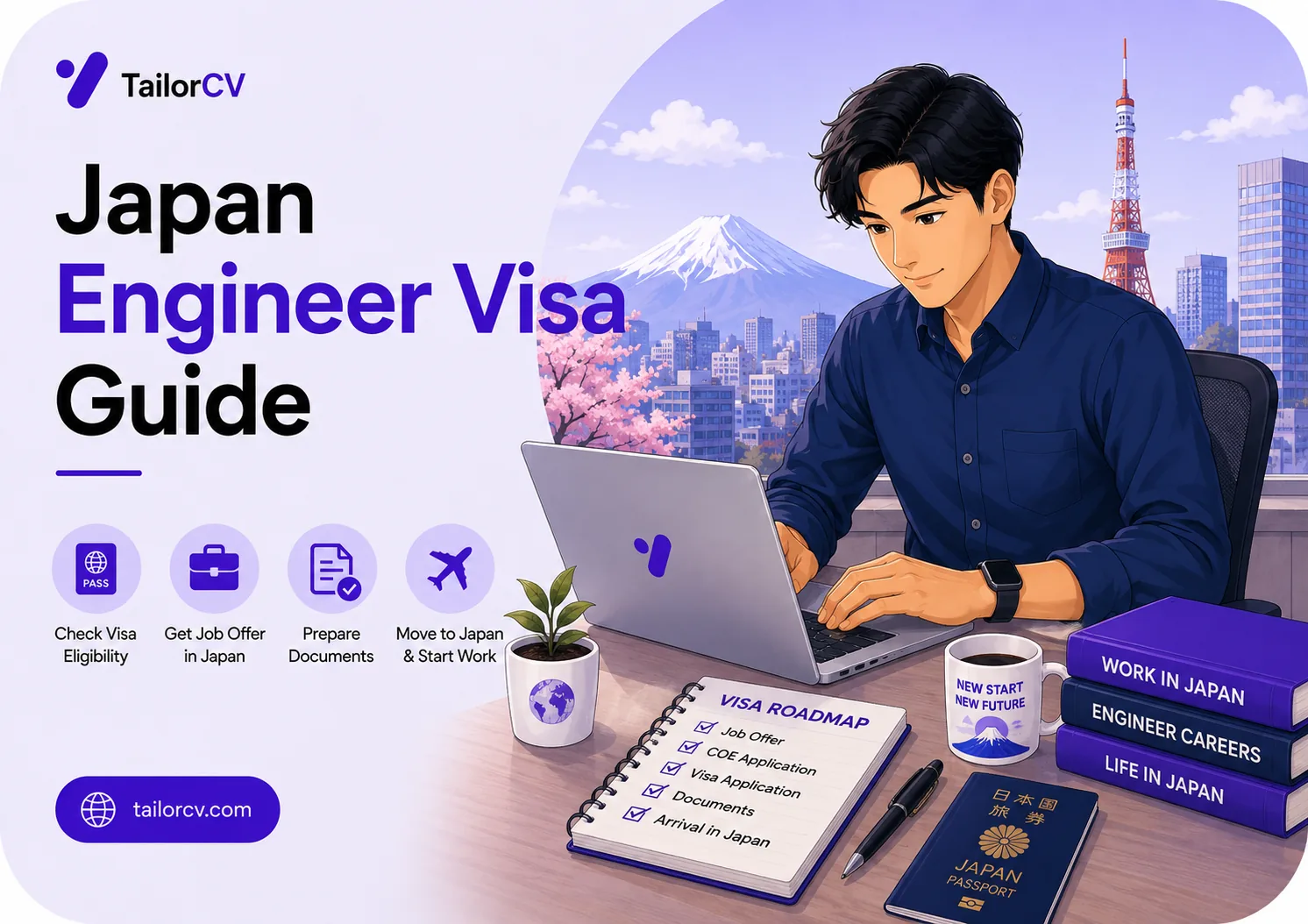
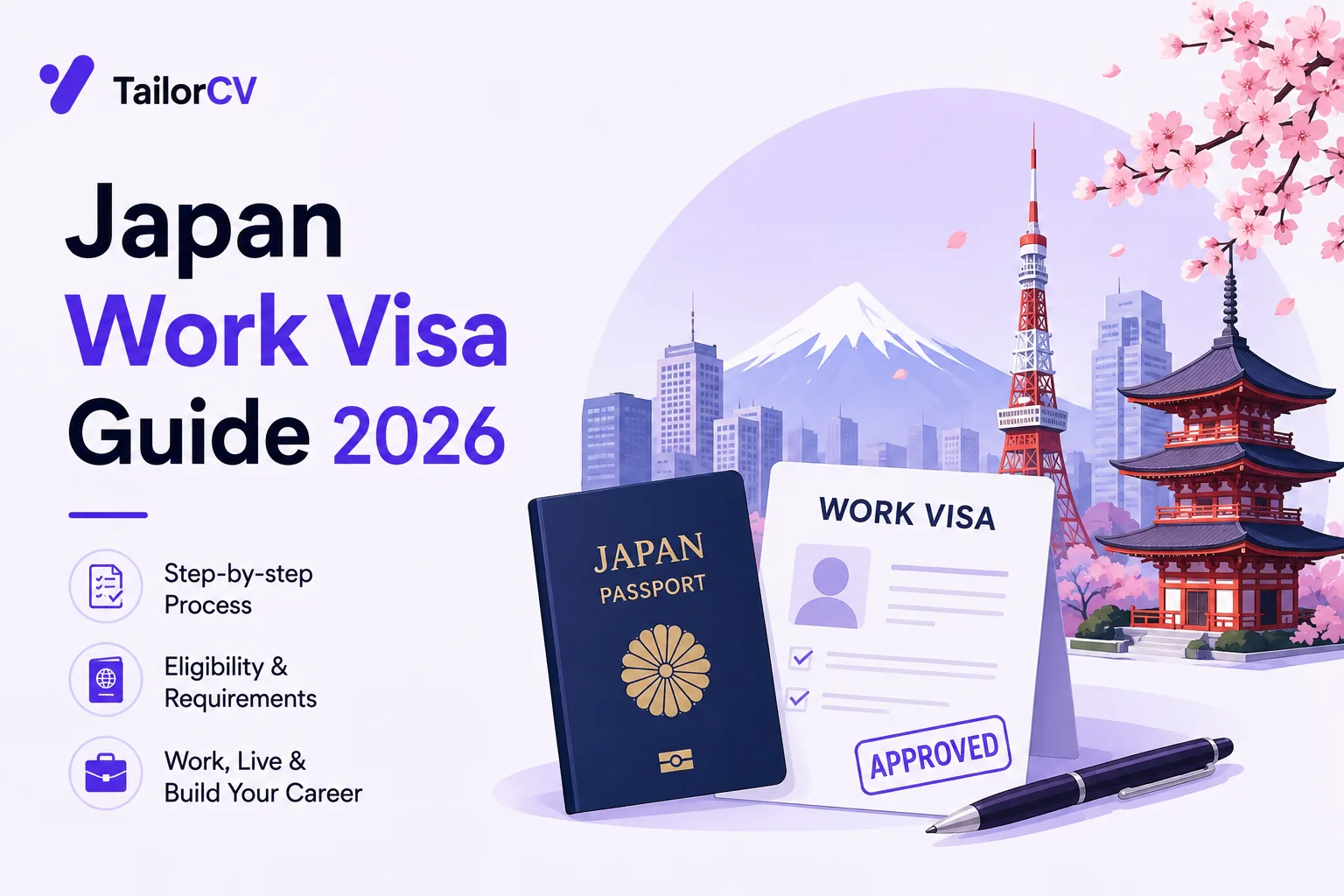
- Japan issues a "status of residence" rather than a generic work visa, and the category must match the work you will actually do.
- The Certificate of Eligibility is the real hurdle - your employer applies for it in Japan before you apply for the visa abroad.
- Most white-collar foreign workers fall under the Engineer / Specialist in Humanities / International Services category, which requires a degree or substantial relevant experience.
- The Highly Skilled Professional points system offers faster permanent residency and broader privileges if you qualify.
- Your status ties you to a type of work, not a single employer, so changing jobs within the same field is generally straightforward.
Japan's immigration system is more predictable than most, which is genuinely good news. The categories are published, the criteria are reasonably objective, and there is no lottery. If you meet the requirements and have an employer, the process usually works.
What confuses people is the vocabulary. Japan does not issue a general "work visa" - it grants a status of residence, and there are many of them, each tied to a type of activity. Getting the right one matters, because working outside what your status permits is a serious problem rather than a technicality.
This guide covers the categories, the Certificate of Eligibility process, and the documents.
A note on accuracy: immigration rules and point allocations change. Verify current requirements with the Immigration Services Agency of Japan or your employer's legal support rather than relying on any summary.
If you are still job hunting, start with how to get a job in Japan as a foreigner and check your resume with the free ATS score checker.
The Main Status Categories
Engineer / Specialist in Humanities / International Services. The catch-all for most foreign professionals - software engineers, marketers, designers, translators, consultants, and business roles. Typically requires a bachelor's degree in a related field, or a substantial number of years of relevant professional experience in lieu of one.
The important constraint: the work must relate to your degree or experience. An economics graduate hired as a software engineer can face questions, though a strong professional track record usually resolves it.
Highly Skilled Professional. A points-based category awarding points for education, professional experience, annual salary, age, Japanese language ability, and other factors. Clearing the threshold brings real benefits - a longer initial period of stay, permission for a spouse to work, the ability to bring parents in certain circumstances, and a substantially accelerated path to permanent residency.
Worth calculating your score even if you assume you will not qualify. Salary and a Japanese language qualification move the number more than people expect.
Instructor and Professor. Instructor covers teaching at primary and secondary schools and language institutions; Professor covers higher education. Relevant if you are entering through teaching - see English teaching jobs in Japan.
Intra-company Transferee. For transferring within a multinational to its Japanese office. Often the smoothest route in, since it bypasses the usual degree-matching scrutiny.
Business Manager. For those establishing or running a business in Japan, with capital and office requirements.
Skilled Labor. Specific trades including certain chefs, sports instructors, and craftspeople.
Specified Skilled Worker. A newer framework covering designated industries with labour shortages, including caregiving, construction, food service, and agriculture, with its own testing requirements.
The Certificate of Eligibility
This is the actual process, and understanding it removes most of the confusion.
The CoE is applied for in Japan, by your employer or their agent, before you apply for anything. It is a document from immigration confirming you meet the criteria for your intended status of residence.
The sequence:
- You receive a job offer from a Japanese employer.
- The employer applies for your CoE at their regional immigration bureau, submitting both company documents and your personal documents.
- Immigration reviews and issues the CoE, typically taking one to three months.
- The CoE is sent to you abroad.
- You apply for the visa at a Japanese embassy or consulate in your country, presenting the CoE. This step is usually quick, often under a week, because the substantive assessment already happened.
- You enter Japan and receive your residence card at the airport.
- You register your address at your local municipal office within 14 days, and enrol in health insurance and pension.
Why this matters practically: the CoE is the real gate. Once you have it, the visa is largely administrative. And because the employer drives the application, their competence and responsiveness directly affect your timeline.
Documents You Will Need
Your employer handles the company-side documents. You typically provide:
- Passport copy
- Photographs to specification
- Degree certificate, and sometimes transcripts
- CV or resume, which immigration reads as part of assessing whether your background matches the role
- Employment contract or letter of offer, stating position, duties, and salary
- Certificates of employment from previous employers, if you are relying on experience rather than a degree
- Professional qualifications, where relevant
Two practical notes:
Consistency matters. Your resume, employment certificates, and contract are read together. Dates that do not match cause queries and delays. If you are rebuilding your resume for the Japanese market anyway, the conventions are in the shokumu keirekisho guide and the rirekisho guide.
Previous employer certificates take time. If you are using work experience to qualify without a matching degree, start requesting these early - former employers abroad can be slow.
Changing Jobs
A genuine advantage of the Japanese system compared with employer-tied visas elsewhere.
Your status of residence is tied to a category of activity, not to one employer. If you change to another job within the same category - one software role to another - you generally do not need a new status, though you must notify immigration of the change within 14 days.
Where it gets complicated: moving to work that falls outside your current category. A software engineer moving into a management or sales role, or into teaching, may need a change of status. Confirm before resigning.
There is also a "Designated Activities" status that can cover a job-hunting period after leaving a role in some circumstances, which is worth knowing about if you plan to change employers while in Japan.
Permanent Residency
Worth understanding early because it shapes long-term planning.
The standard route generally requires a long continuous residence period. However, the Highly Skilled Professional route substantially shortens this - qualifying at a high enough points score can reduce the requirement to a small number of years.
This is the strongest practical argument for calculating your HSP points even if you are not sure you qualify. The difference in timeline is large enough to be worth optimising for - taking the JLPT, for example, adds points and is achievable.
Common Mistakes
Assuming you apply for the visa first. The Certificate of Eligibility comes first and your employer applies for it in Japan, so the timeline depends heavily on their responsiveness rather than yours.
Not checking that your degree matches the role. The Engineer / Specialist in Humanities category requires the work to relate to your education or experience, and a mismatch can stall an otherwise straightforward application.
Ignoring the Highly Skilled Professional points system. Many people qualify without realising it, and the benefits - spouse work permission, faster permanent residency, longer stay - are substantial enough to be worth calculating carefully.
Inconsistent dates across documents. Your resume, employment certificates, and contract are cross-read by immigration, and discrepancies generate queries that add weeks to an already long process.
Requesting previous employer certificates late. Former employers abroad can take months to respond, and this is the most common avoidable cause of delay for people qualifying on experience rather than a degree.
Working outside your status category. This is a serious immigration issue rather than a technicality, and it can affect renewals and future applications as well as your current position.
Missing the 14-day registration deadlines. Address registration on arrival and notification of a job change both have short windows, and missing them creates administrative problems that are tedious to unwind.
Assuming a job change requires a new visa. Within the same activity category it usually does not, so people sometimes stay in unsuitable roles unnecessarily - though moving into a different category genuinely does require a status change.
Frequently Asked Questions
Do I need a job offer before applying for a Japan work visa?
Yes for employment categories. Your employer applies for the Certificate of Eligibility in Japan on your behalf, so the offer comes first.
How long does the process take?
The Certificate of Eligibility typically takes one to three months, and the visa application afterwards is usually quick - often under a week - because the substantive review already happened. Plan for several months overall.
Do I need a degree to work in Japan?
For the main professional category, a bachelor's degree in a related field is the standard route, though a substantial number of years of relevant professional experience can substitute in some cases. Requirements vary by category.
Do I need to speak Japanese?
Not for the visa itself, though Japanese ability adds points under the Highly Skilled Professional system. Whether the job requires it is separate - see working in Japan without Japanese.
Can I change jobs on a Japanese work visa?
Generally yes, if the new role falls within the same status of residence category. You must notify immigration within 14 days. Moving to a different category of work requires a change of status.
Can my spouse work?
On a standard dependent status, only with separate permission and usually with hour restrictions. Under Highly Skilled Professional status, a spouse can generally work more freely, which is one of the more valuable benefits of qualifying.
What is the Highly Skilled Professional points system?
A scoring system across education, experience, salary, age, and Japanese language ability. Clearing the threshold brings a longer period of stay, spouse work permission, and a substantially accelerated route to permanent residency.
The visa follows the job offer, so the application has to work first. Check your ATS score free.
Make This Practical
Calculate your Highly Skilled Professional points before anything else, even if you assume you will not qualify. The benefits are large enough - spouse work rights and a much shorter path to permanent residency - that it is worth knowing whether a JLPT qualification or a salary negotiation would push you over the threshold.
Then prepare the documents that take longest. Request certificates of employment from previous employers now if you are qualifying on experience, and make sure your resume, contracts, and certificates state identical dates, since immigration reads them together.
Finally, run the job search properly, because nothing starts without an offer. Target roles that match your degree or experience so the category fits cleanly, use the channels in the best job sites in Japan, build your documents to Japanese convention with the shokumu keirekisho guide, and prepare for interviews using Japan interview etiquette.
What is your resume scoring right now?
Scan it against a job description and get your ATS match score in about a minute.
Drop your resume here or choose a file
PDF only. Max 2 MB.
We never share your data or use it to train AI models.

Was this guide useful?
Be the first to rate it.