 SS
SS

Key Takeaways
- Canadian interviews rely on behavioural questions — prepare using the STAR method.
- Research the company and role, and prepare five or six concise, results-based stories.
- Ask thoughtful questions of your own — it signals genuine interest and engagement.
- Professional courtesy, punctuality, and clear communication matter.
- Practising out loud — ideally with a realistic mock interview — is what makes the difference.
Your Canadian-style resume got you the interview — now preparation decides the offer. Canadian interviews lean heavily on behavioural questions ("Tell me about a time when…"), which assess how you've actually handled real situations. The candidates who succeed aren't necessarily the most experienced; they're the ones who tell clear, structured, results-focused stories and show genuine fit.
This guide gives you everything you need for a Canadian job interview in 2026: how to master the STAR method, the most common questions and how to answer them, local etiquette, and a preparation routine that consistently converts shortlists into offers.
Why Canada Loves Behavioural Interviews
If you've interviewed elsewhere, the heavy Canadian reliance on behavioural questions can catch you off guard, so it helps to understand why employers here favour them. The reasoning is that past behaviour is the best predictor of future behaviour: rather than asking how you'd handle a hypothetical, interviewers ask how you actually handled a real situation, on the theory that concrete evidence reveals more than good intentions. This is why "Tell me about a time when…" questions dominate, and why vague, generic answers fall flat while specific, structured stories with real outcomes land well. It also means preparation pays off enormously — because the questions probe your genuine experience, having your best examples ready and well-structured lets you shine even against more experienced candidates who didn't prepare. The STAR method exists precisely to give those real-experience answers a clear, compelling shape.
Master the STAR Method
Most Canadian interview questions can be answered with a STAR story:
- Situation: briefly set the context.
- Task: what you needed to accomplish.
- Action: what you specifically did (the heart of the answer).
- Result: the measurable outcome — ideally with a number.
Keep each answer to about two minutes. Prepare a handful of STAR stories that each demonstrate different strengths (leadership, problem-solving, teamwork, handling conflict, delivering results), and you'll be ready for most of what you're asked.
Example — "Tell me about a time you solved a difficult problem." Situation: our monthly reporting took three days and was error-prone. Task: I was asked to make it faster and more accurate. Action: I automated the process with Excel and SQL and added validation checks. Result: reporting time dropped to half a day and errors fell to near zero.
Common Canadian Interview Questions (and How to Answer)
See it in action: a resume-based mock interview
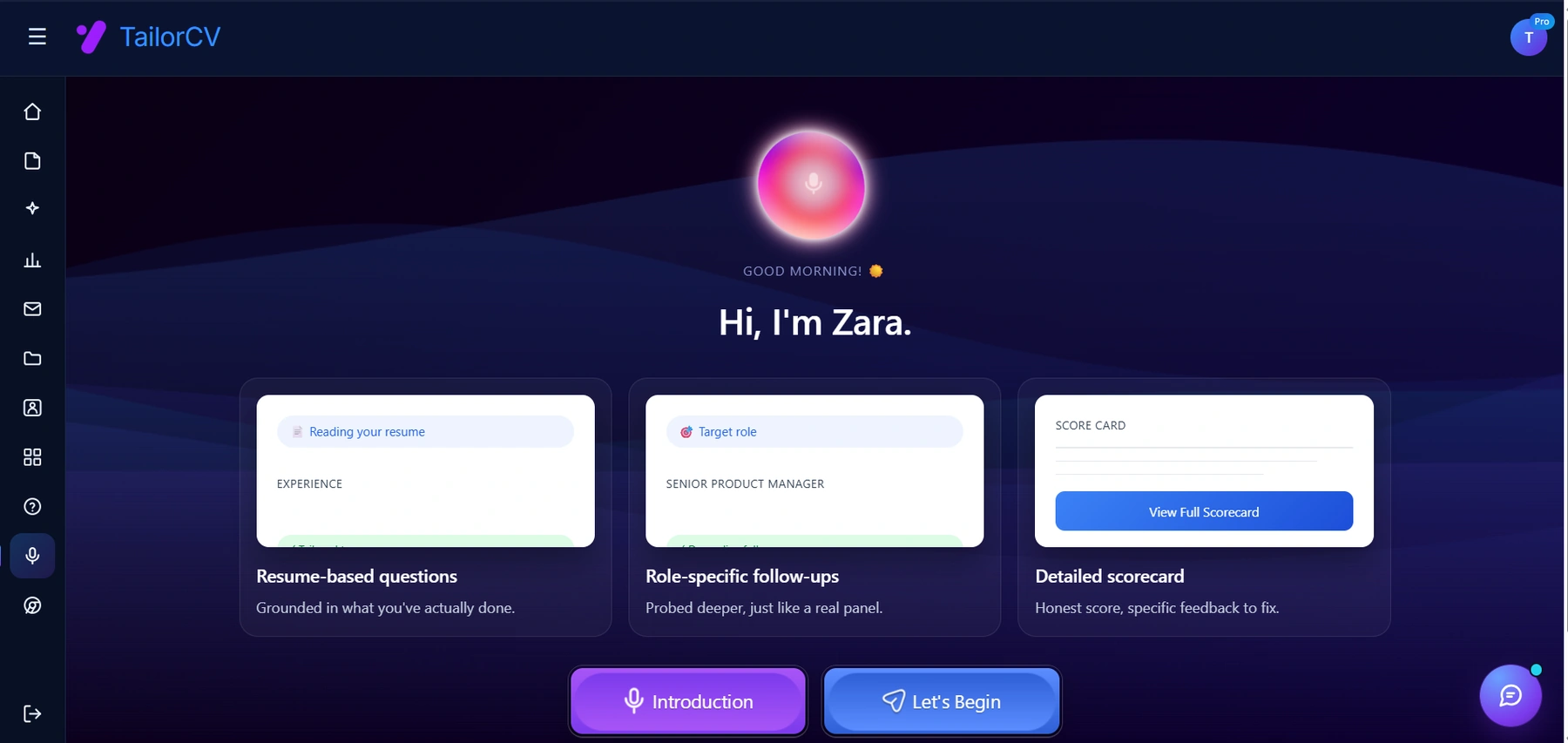
You can rehearse this before the real thing. The interviewer reads your resume first, so the questions come from your actual experience rather than a generic list.
"Tell me about yourself."
A 60–90 second professional summary — who you are professionally, a key strength or two with evidence, and why you're excited about this role. Not your life story.
"Why do you want to work here?"
Show you've researched the company. Connect its mission, products, or culture to your own goals and values.
"Tell me about a time you faced a challenge / conflict / failure."
Classic behavioural questions — answer with STAR. Choose a real example, focus on your actions, and end with the result or what you learned.
"What are your strengths and weaknesses?"
Two relevant strengths with quick examples. For weaknesses, name a genuine one and describe how you're actively improving it.
"Where do you see yourself in five years?"
Show ambition aligned with the company — growing your skills and taking on more responsibility in the field.
"Why should we hire you?"
Your closing pitch: summarise your best-fit strengths for this role, tied to their needs.
"What are your salary expectations?"
Research the Canadian market range for the role beforehand and give a researched range. It's fine to say you'd like to understand the full role first.
"Do you have any questions for us?"
Always yes. Ask about the team, what success looks like, growth, or company direction. Prepare three or four in advance.
Building Your Bank of STAR Stories
Because Canadian interviews lean so heavily on behavioural questions, the single most valuable preparation is building a flexible bank of STAR stories in advance. Aim for five or six that each showcase a different strength, so you can adapt them to whatever you're asked. Cover these themes:
- Leadership: a time you led a project, team, or initiative.
- Teamwork/collaboration: a time you worked effectively with others, ideally across differences.
- Conflict: a disagreement you handled with maturity and a constructive outcome.
- Problem-solving: a difficult problem you diagnosed and solved.
- Achievement: a result you're proud of, quantified.
- Failure/mistake: something that went wrong, what you learned, and how you improved.
Write each out in STAR form, quantify the result, and rehearse it aloud until you can tell it in under two minutes without rambling. The same story can often answer several different questions with minor reframing, so a well-built bank of six covers most interviews. Generate a personalised set of likely questions with interview prep to practise against.
More Questions You Should Prepare For
Beyond the classics, prepare for these common Canadian interview questions:
"Why are you leaving your current job?"
Stay positive and forward-looking — frame the move as seeking growth, a new challenge, or better alignment with your goals. Never badmouth your current or former employer, even if the real reason is difficult.
"What motivates you?"
Connect your genuine motivators — solving problems, learning, delivering results, helping people — to the role. Authenticity plus relevance is the goal.
"Tell me about a time you received difficult feedback."
Canadian workplaces value self-awareness and growth. Choose a real example, show you listened without defensiveness, and describe how you acted on it.
"How do you handle competing priorities / a tight deadline?"
A behavioural favourite. Use STAR to show how you organised, prioritised, and delivered under pressure.
Role-Specific and Technical Questions
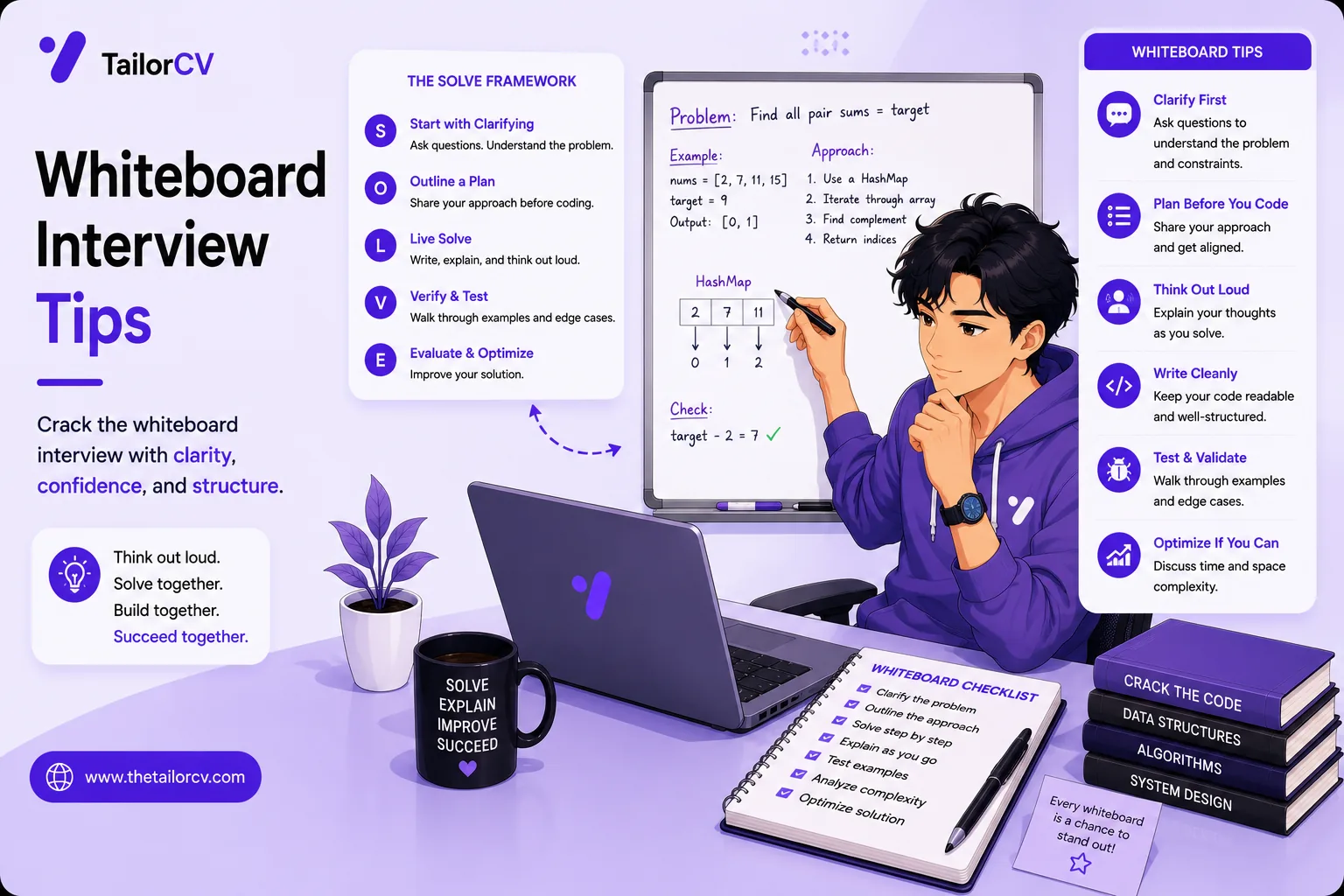
Expect deeper questions tied to the job — a coding exercise for developers, a case for consulting or finance, a portfolio walkthrough for designers, a scenario for sales. Revisit your field's core concepts and be ready to think aloud; interviewers often value your reasoning over a single "right" answer.
Interview Formats You May Encounter
Canadian hiring processes vary, so knowing the format helps you prepare:
- Phone or video screen: an early, shorter conversation (often with a recruiter) confirming your background, interest, availability, and salary range.
- One-on-one interview: the standard format, usually with the hiring manager, focused on fit and ability.
- Panel interview: several interviewers at once (common in government and larger firms). Make eye contact with whoever asked, but include the whole panel in your answer.
- Technical or case interview: a hands-on assessment of your skills for technical, finance, and consulting roles.
- Final round with senior leadership: often more about culture fit, values, and long-term potential.
Ask the recruiter in advance how many rounds to expect and what each involves — it's a reasonable question that lets you prepare precisely.
Salary Negotiation in Canada
Money is where many strong candidates leave value on the table:
- Research first. Know the realistic Canadian range for your role, industry, experience level, and city (Toronto and Vancouver pay more, but cost more too) before any number is discussed.
- Let them go first where possible. If asked early, give a researched range and note you'd like to understand the full role and package first.
- Consider the whole package — base, bonus, benefits, RRSP matching, vacation, and growth — not just salary.
- Negotiate respectfully and once. When you receive an offer, it's reasonable to counter politely with a justified figure based on your research and value.
- Get the final offer in writing before resigning from any current role.
Newcomers should still negotiate — while a first Canadian role is valuable for experience, know your market and don't undersell yourself.
Canadian Interview Etiquette
- Be punctual. Arrive 10–15 minutes early for in-person interviews; log in a few minutes early for virtual ones.
- Be professional and personable. Canadian workplaces value collaboration and a friendly, respectful manner.
- Use clear, plain communication. Avoid jargon; be concise.
- Body language. Good eye contact, a firm handshake (in person), and an engaged posture.
- Follow up. A brief thank-you email within a day is expected and appreciated in Canada.
Researching the Company and Role
Preparation begins long before you walk in. Canadian interviewers consistently reward candidates who've clearly done their homework, and penalise those who haven't. Before any interview:
- Study the company — what it does, its products or services, recent news, mission, and values. Many Canadian organisations publish their values explicitly; reference them where genuine.
- Re-read the job description and map your experience to each requirement, so you can speak directly to what they need.
- Understand the team and role — who you'd work with, what success looks like, and where the role fits.
- Prepare specific reasons you want this job, connecting the company to your goals. Generic enthusiasm is forgettable; specific, informed interest is memorable.
This research doesn't just help you answer "why do you want to work here" — it shapes better answers throughout and lets you ask sharper questions, both of which signal genuine engagement.
First and Final Rounds: Adjusting Your Approach
Canadian hiring often involves multiple rounds, each with a different emphasis:
- First round (often a recruiter or HR screen): confirms your background, motivation, communication, and salary expectations. Be concise, positive, and enthusiastic.
- Second round (usually the hiring manager): goes deeper on your skills and how you'd perform. Bring detailed, role-specific STAR examples and be ready for technical or case questions.
- Final round (sometimes senior leadership or a panel): frequently about culture fit, values, and long-term potential. Show maturity, genuine interest in the company's direction, and thoughtful questions.
Between rounds, reflect on what came up and refine your answers. Being invited back is a strong signal — prepare accordingly rather than assuming the job is won.
What to Wear
- Corporate/finance/government: business professional (suit or equivalent).
- Tech/startups: business casual is often fine, but lean slightly formal for a first interview.
- General rule: dress one level above the company's everyday dress code; clean and well-fitted always works.
For Newcomers: Extra Preparation
If you're new to Canada, interviews are also where you address "Canadian experience." Be ready to:
- Frame your international experience in Canadian terms and metrics.
- Speak confidently about how your skills transfer.
- Mention any Canadian volunteer work, courses, or credential assessment.
Our newcomer job guide covers this in depth.
Phone Screens: The First Gate
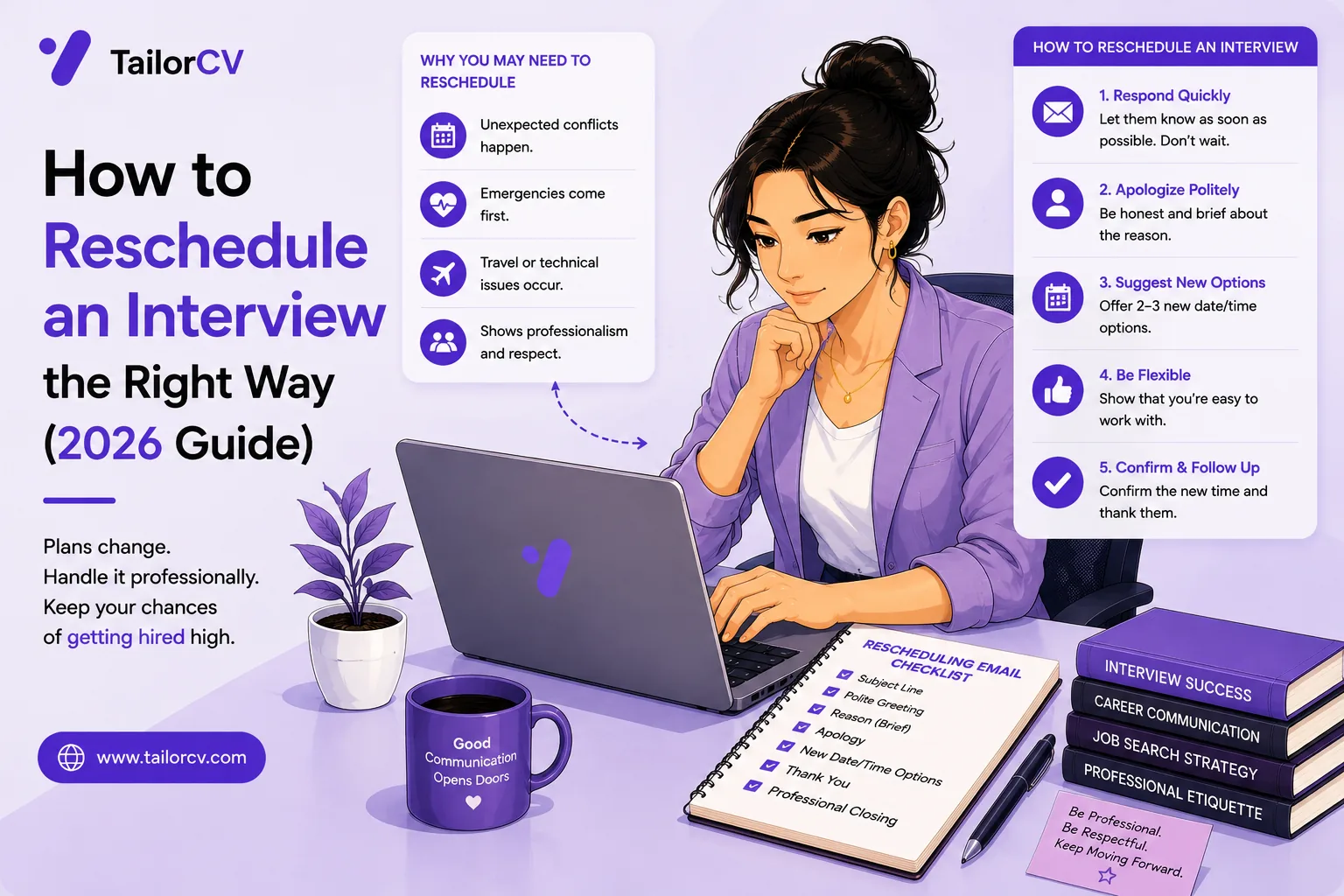
Most Canadian processes begin with a phone or video screen, usually with a recruiter or HR, and it decides whether you advance — so treat it as seriously as any round. These calls confirm your background, interest, availability, and salary expectations, and gauge your communication. To do well: take the call somewhere quiet, keep your resume and the job description in front of you, smile as you speak (it carries in your voice), be concise and enthusiastic, and have a researched salary range ready in case it comes up. Prepare two or three questions of your own, and confirm the next steps before you hang up. A strong, warm screen sets the tone for everything that follows.
Answering Competency and Situational Questions
Alongside behavioural questions ("Tell me about a time…"), Canadian interviewers often ask situational ones ("What would you do if…") and competency questions tied to the role. For situational questions, walk through your thinking clearly and logically — they're testing your judgement and approach, not a memorised answer. For competency questions, connect the competency to a real example from your experience where possible, grounding your answer in evidence rather than generalities. In both cases, structure helps: state your approach, illustrate with a brief example, and note the outcome. And when you genuinely don't know something, it's far better to reason through it honestly ("Here's how I'd approach finding out…") than to bluff — Canadian interviewers value self-awareness and a problem-solving mindset over false confidence.
Reading and Responding to the Interviewer
Interviews are conversations, and small social awareness goes a long way in Canada's collaborative workplace culture. Listen carefully and fully answer what's actually asked, rather than launching into a rehearsed speech. Watch for cues — if an interviewer seems to want more detail, expand; if they're pressed for time, be concise. Show genuine engagement: nod, react, and build on what they share about the company. Match their tone — most Canadian interviews are professional but friendly, so warmth is welcome alongside substance. This responsiveness signals exactly the collaboration and emotional intelligence Canadian employers value, and it makes you more memorable than a candidate who simply recites answers.
Handling Virtual Interviews
Many Canadian interviews are conducted by video, especially first rounds:
- Test your camera, microphone, and internet beforehand.
- Choose a quiet, well-lit space with a tidy background.
- Dress as you would in person.
- Look at the camera to simulate eye contact, and keep notes discreetly nearby.
Smart Questions to Ask the Interviewer
"Do you have any questions for us?" is a genuine chance to show interest and judgement, so always have three or four ready. Strong options:
- What does success look like in this role in the first six to twelve months?
- What are the biggest challenges the team is facing right now?
- How would you describe the team culture and management style?
- What are the opportunities for growth and development here?
- What are the next steps in the process?
Avoid leading with questions purely about salary, vacation, or hours in an early interview — raise those once there's mutual interest or at the offer stage. Tailor at least one question to something specific about the company, signalling you've done your research.
Managing Interview Nerves
Even well-prepared candidates get nervous. A few ways to stay composed: prepare thoroughly and rehearse aloud (nothing calms nerves like knowing your material), arrive early (or log in early) so you're settled, breathe and allow yourself a considered pause before answering, use open and engaged body language, and treat the interview as a two-way conversation — you're also assessing whether the role fits you. If you blank on a question, it's perfectly acceptable to take a moment to think or to ask the interviewer to rephrase.
Preparing Logistically
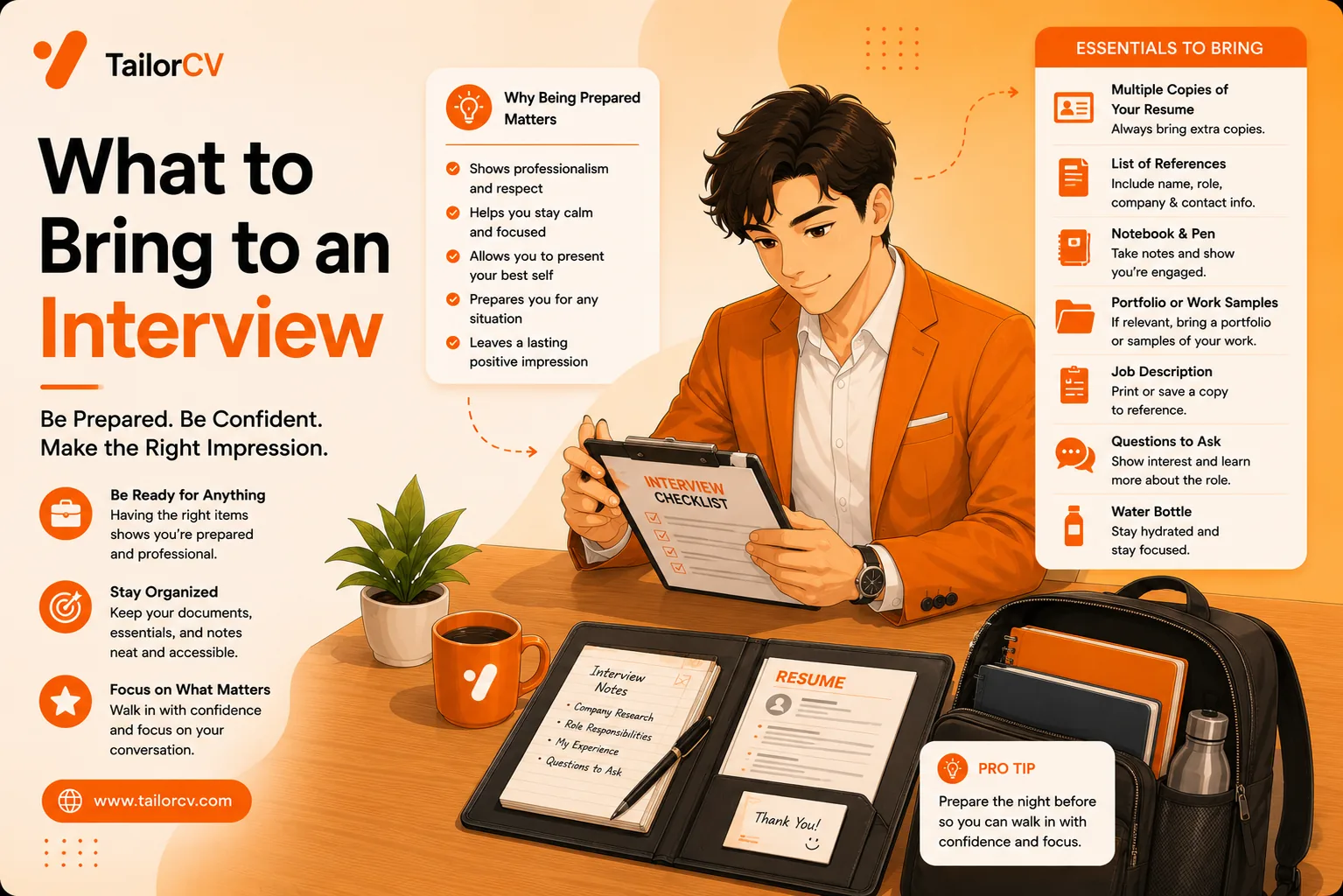
For in-person interviews, bring several printed copies of your resume, a notepad and pen, and any requested documents, and plan your route with buffer time. For virtual interviews, test your technology, choose a quiet and tidy space, and have your resume and notes discreetly nearby. Small logistical preparation signals professionalism and keeps you calm on the day.
Practise Like It's Real
Knowing your STAR stories isn't the same as delivering them under pressure. The most effective preparation is a realistic rehearsal. The TailorCV AI mock interview asks questions based on your resume and the role and gives feedback, so you walk in already practised. Generate your likely questions first with interview prep.
After the Interview
- Send a thank-you email within a day, referencing something specific from the conversation.
- Reflect on what went well and what to improve.
- Follow up politely if you haven't heard back within their stated timeframe.
Following Up After the Interview
Following up well is a small habit that quietly sets Canadian candidates apart. Within a day of any interview, send a brief thank-you email to each interviewer (or the main contact), referencing something specific from your conversation — a project they mentioned, a challenge you discussed — and reaffirming your interest. Keep it short and genuine; this isn't a place to re-argue your candidacy, just to be gracious and stay top of mind. If you promised to send anything (a portfolio link, a reference), include it. And if the interviewer gave you a timeline, respect it: only follow up again, politely, if that window passes without word. Many candidates skip this step entirely, so a thoughtful thank-you note is an easy, low-cost way to leave a strong final impression in a market that values professionalism and courtesy.
Common Interview Mistakes to Avoid
- Rambling, unstructured answers. Use STAR to stay concise and clear.
- Not researching the company. It shows and reads as low interest.
- No questions for them. Signals disengagement.
- Badmouthing past employers. Stay professional and positive.
- Winging it. Under-preparation wastes a hard-won interview.
Your Interview Is One Stage of a Strong Application
A great interview is the payoff of a well-built application, and it connects to everything around it. Keep every part sharp: the resume that got you here (see the Canadian resume guide and best resume keywords for Canadian jobs), a tailored Canadian cover letter, and an optimised LinkedIn profile so recruiters keep finding you. Much of Canadian hiring runs on networking and referrals, so the interviews you land often come through connections. If you're targeting the biggest market, see how to find a job in Toronto, and newcomers should pair this with how to get a job in Canada as a newcomer. Preparing your documents and your STAR answers together — telling one consistent, strong story — is what turns applications into offers.
Frequently Asked Questions
What is the STAR method? A structure for answering behavioural questions: Situation, Task, Action, Result. It keeps your answers clear, concise, and results-focused — exactly what Canadian interviewers want.
What should I wear to a Canadian interview? Business professional for corporate, finance, and government roles; business casual (leaning formal) for tech and startups. Dress one level above the daily code.
Are virtual interviews common in Canada? Yes, especially for first rounds. Test your setup, choose a quiet, well-lit space, and treat it as seriously as an in-person interview.
Should I send a thank-you email? Yes — a brief, specific thank-you within a day is expected and appreciated in Canada, and quietly sets you apart.
How many STAR stories should I prepare? Five or six, each showcasing a different strength — leadership, teamwork, conflict, problem-solving, achievement, and a mistake you learned from. The same story can often answer several questions with minor reframing.
How do I answer "why are you leaving your current job"? Stay positive and forward-looking — frame it as seeking growth, a new challenge, or better alignment with your goals. Never badmouth your current or former employer.
How do I handle salary negotiation in Canada? Research the realistic Canadian range for your role, industry, and city first. Let the employer name a figure where possible, consider the whole package (base, bonus, benefits, RRSP matching, vacation), and counter politely and once with a justified number. Get the final offer in writing.
How do I calm interview nerves? Prepare thoroughly and rehearse aloud, arrive or log in early, breathe and pause before answering, use open body language, and treat it as a two-way conversation. If you blank, it's fine to pause or ask for the question to be rephrased.
Final Thoughts
A great Canadian interview combines structured STAR storytelling, genuine research, professional courtesy, and calm confidence. Prepare your stories, anticipate the questions, dress the part, and practise out loud.
Generate your likely questions with interview prep, rehearse with the AI mock interview, and make sure the resume that got you here is as strong as it can be — see the Canadian resume guide and how to get a job in Canada as a newcomer. Walk in prepared, and the offer follows.
Was this guide useful?
Be the first to rate it.