 TD
TD
Key Takeaways
- Understand the Canadian job market's diverse industries and regional variations to target your job search effectively.
- Craft a resume that adheres to Canadian norms, focusing on relevant experiences and achievements while avoiding personal details.
- Tailor your resume for each job application to avoid generic submissions and improve your chances of success.
- Optimize your resume for Applicant Tracking Systems by using relevant keywords and adhering to ATS-friendly formatting.
- Write a compelling cover letter that is personalized and addresses the specific position and company to enhance your application.
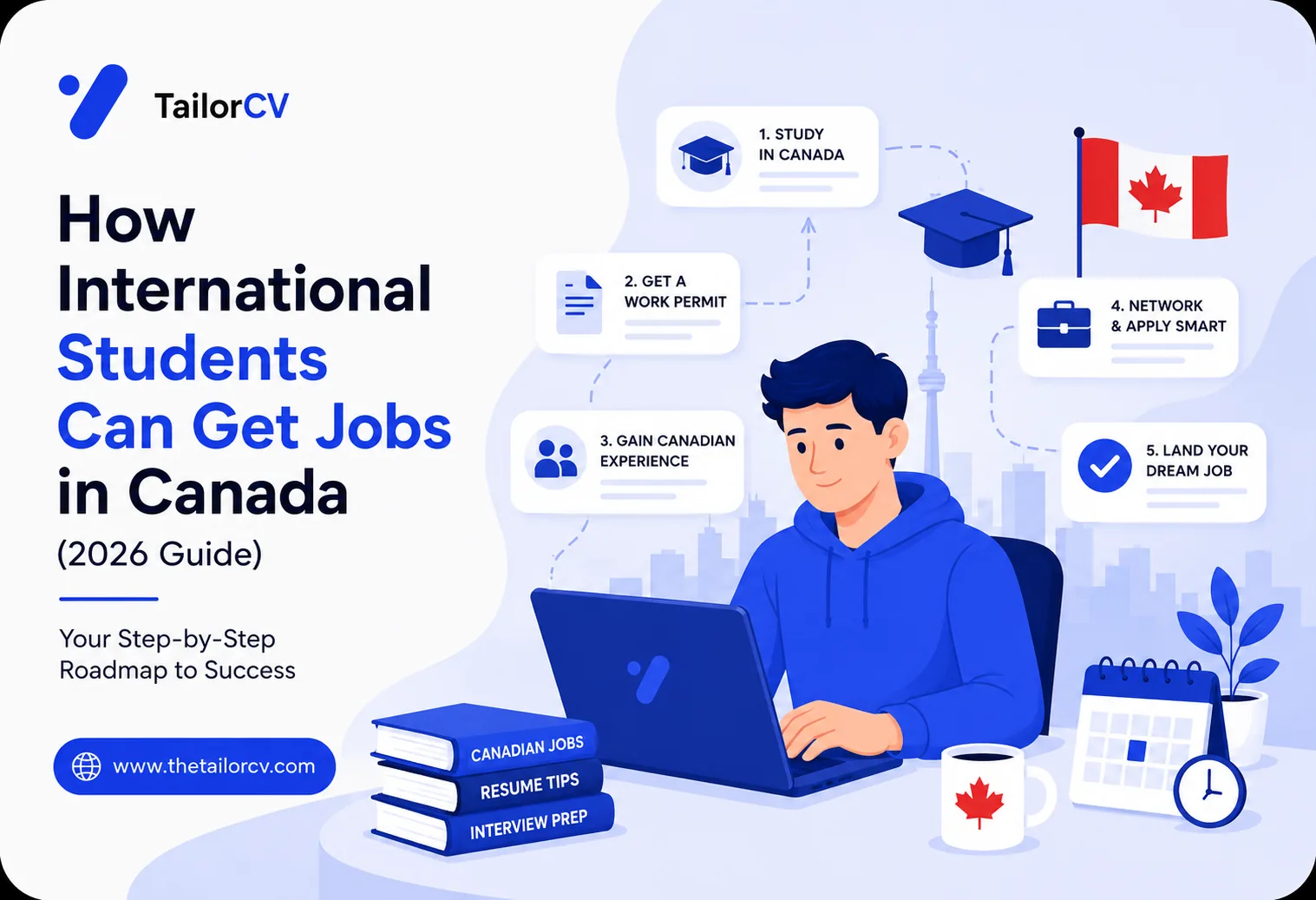
Finding a job in Canada as an international student can feel daunting, especially with the unique challenges that come with navigating a new job market. However, with the right strategies and resources, you can enhance your chances of landing a job that aligns with your career aspirations. This 2026 guide is designed to provide practical advice tailored to the Canadian context, helping you understand how to effectively present your skills and experiences to Canadian employers.
Understanding the Canadian Job Market
Before diving into job applications, it’s crucial to understand the landscape of the Canadian job market. Here are key points to consider:
- Diverse Industries: Canada has a wide range of industries, including technology, healthcare, finance, and education. Research the sectors that interest you and have a high demand for talent. For example, the technology sector has seen a significant increase in job openings, particularly in software development and data analysis.
- Regional Variations: Job opportunities can vary significantly by province. For instance, tech jobs are booming in cities like Toronto and Vancouver, while Alberta has a strong focus on energy and engineering. Consider the following cities based on your field:
- Toronto: Financial services, technology, and healthcare
- Vancouver: Technology, tourism, and film production
- Montreal: Aerospace, technology, and arts
- Networking: Building connections is essential in Canada. Many job openings are filled through referrals, so leverage your university’s alumni network, attend job fairs, and join professional associations. Networking events can lead to valuable contacts and insider information about job openings.
Crafting Your Resume
A well-crafted resume is your first step in making a positive impression on potential employers. Here are some Canadian resume norms to keep in mind:
| Step | What to do |
|---|---|
| Length | Two pages are acceptable, especially if you have relevant experience |
| Format | Use a clear layout with headings and bullet points. Avoid including personal details like age, marital status, or a photo |
| Language | Use Canadian English spelling and terminology. For example, use "colour" instead of "color" and "centre" instead of "center." |
| References | It’s standard to state that references are available upon request rather than listing them on your resume |
Common Resume Mistakes to Avoid
- Generic Resumes: Tailor your resume for each job application. A one-size-fits-all approach can lead to missed opportunities.
- Overloading with Information: Focus on relevant experiences and skills. Avoid cluttering your resume with unrelated jobs or excessive details.
- Neglecting Achievements: Instead of just listing duties, highlight specific achievements. Use quantifiable metrics when possible, such as "Increased sales by 20% in six months."
To help you get started, check out our resume templates designed specifically for the Canadian job market. If you're unsure how to write a resume from scratch, our guide can walk you through the process.
Optimizing for Applicant Tracking Systems (ATS)
Many Canadian employers use Applicant Tracking Systems (ATS) to filter resumes. To improve your chances of passing this initial screening, follow these tips:
What optimizing actually does to your resume
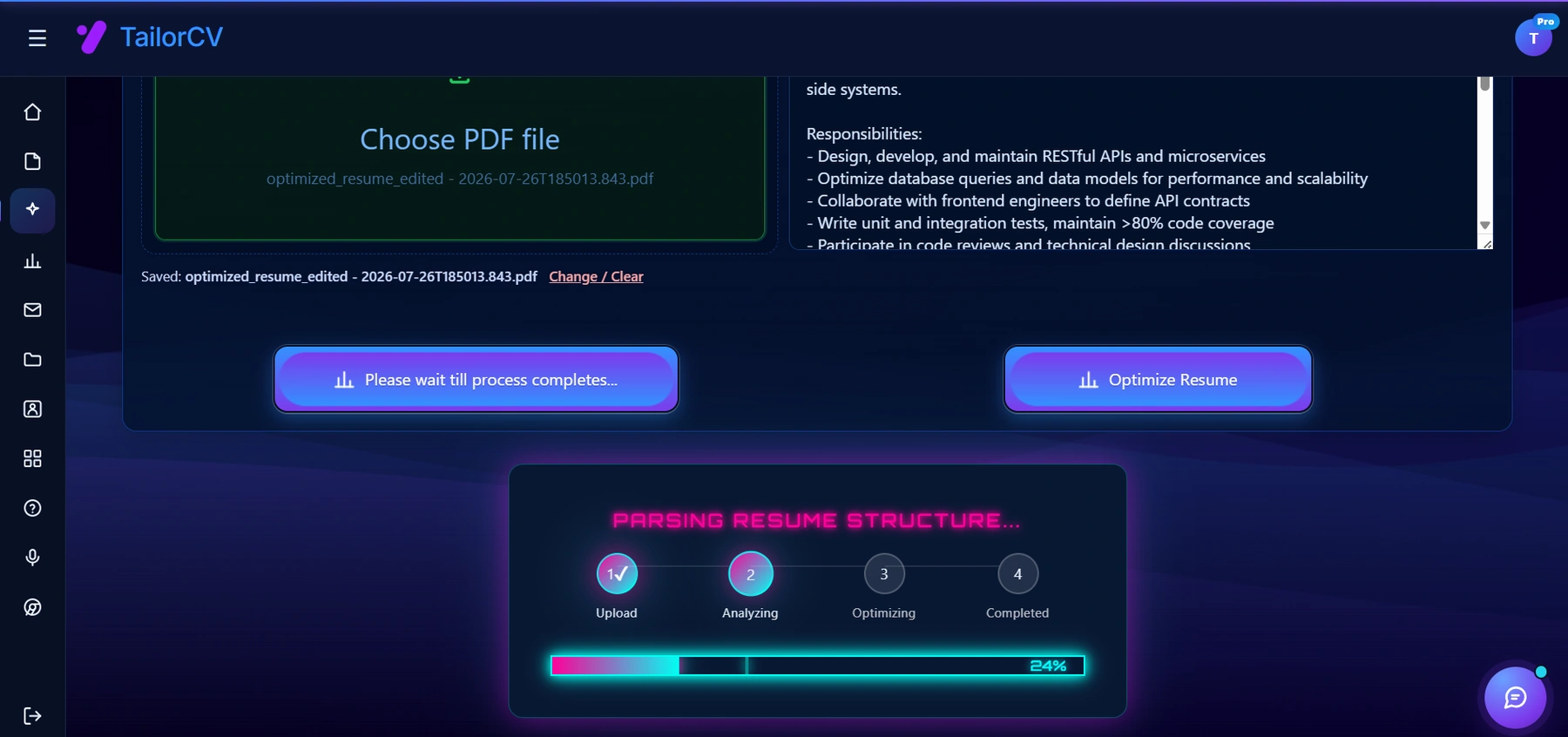
The tool parses your resume the way an ATS would before it changes anything, so the edits it suggests are grounded in the posting itself.
- Keyword Matching: Tailor your resume to include keywords from the job description. This increases your chances of being flagged as a good match.
- ATS-Friendly Format: Avoid complex formatting, graphics, or unusual fonts. Stick to standard file formats like .docx or PDF. Our resume file format guide offers more insights.
- ATS Score Checker: Use our free ATS score checker to evaluate your resume's compatibility with ATS.
Checklist for ATS Optimization
- Use standard headings (e.g., "Work Experience," "Education").
- Avoid using images or tables.
- Ensure your document is free of spelling errors.
- Use a professional font like Arial or Times New Roman.
Writing a Compelling Cover Letter
A tailored cover letter can significantly enhance your application. Here are some best practices:
- Personalization: Address the letter to a specific person, if possible. Mention the company’s name and the position you’re applying for.
- Show Enthusiasm: Convey your passion for the role and the organization.
- Highlight Relevant Skills: Use specific examples to demonstrate how your skills and experiences align with the job requirements.
Structure of a Strong Cover Letter
- Introduction: Briefly introduce yourself and explain why you are writing.
- Body: Discuss your relevant experiences and skills. Use specific examples to illustrate your points.
- Conclusion: Reiterate your interest in the position and express your desire for an interview.
For more detailed instructions, refer to our cover letter guide and consider using our AI cover letter generator for tailored support.
Networking and Job Search Strategies
Networking is a powerful tool for job seekers. Here are effective strategies for international students:
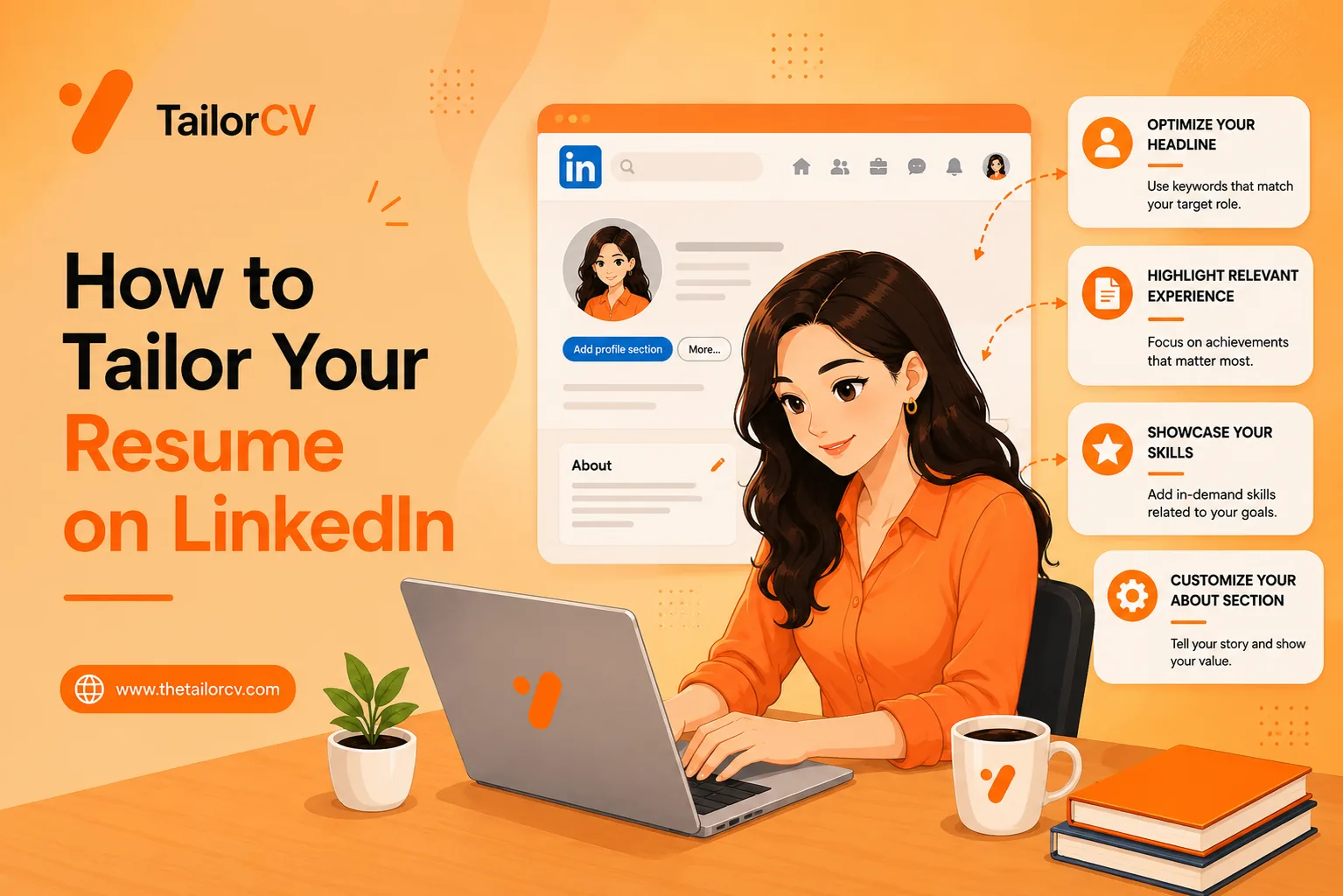
- LinkedIn: Optimize your LinkedIn profile to attract recruiters. Include a professional photo, a clear headline, and a summary that showcases your skills. Our guide on LinkedIn for job search can help you enhance your profile.
- Job Fairs: Attend career fairs at your university and in your city. This is a great way to meet employers and learn about job openings.
- Informational Interviews: Reach out to professionals in your field to request informational interviews. This can provide valuable insights and expand your network.
Effective Networking Techniques
- Elevator Pitch: Prepare a concise introduction that summarizes who you are and what you seek. Aim for about 30 seconds.
- Follow-Up: After meeting someone, send a brief follow-up email or LinkedIn request to maintain the connection. Use our LinkedIn referral message template for guidance.
- Join Professional Groups: Participate in industry-related groups on LinkedIn or Facebook to engage with professionals and stay informed about job openings.
Preparing for Interviews
Once you secure an interview, preparation is key. Here are some tips:
- Research the Company: Understand the company’s mission, values, and recent developments. This knowledge will help you tailor your responses.
- Practice Common Questions: Prepare answers to common interview questions and rehearse them. Our interview preparation guide can help you with this.
- Mock Interviews: Consider using our AI mock interview tool for practice.
Common Interview Mistakes to Avoid
- Lack of Preparation: Failing to research the company can make you appear disinterested.
- Over-Talking: Keep your answers concise and relevant. Practice the STAR method (Situation, Task, Action, Result) to structure your responses.
- Not Asking Questions: Prepare thoughtful questions to ask the interviewer. This demonstrates your interest and engagement.
Considering Remote Work
With the rise of remote work, international students can also explore opportunities beyond their immediate geographic area. Here are some tips for a successful remote job search:
- Flexible Job Boards: Use job boards that specialize in remote positions. Websites like Remote.co and We Work Remotely can be good resources.
- Tailor Your Resume: Highlight skills that are particularly relevant to remote work, such as communication, self-motivation, and time management.
Skills to Highlight for Remote Work
- Communication: Ability to communicate effectively through various channels (email, video calls, etc.).
- Self-Discipline: Showcase your ability to manage time and stay productive without direct supervision.
- Technical Skills: Familiarity with remote collaboration tools like Zoom, Slack, and Asana.
For more guidance, check out our remote job search guide.
Staying Informed About Job Trends
As you search for jobs, stay informed about in-demand jobs in Canada for 2026. This knowledge can help you target your applications effectively. For more information, view our guide on in-demand jobs in Canada for 2026.
Key In-Demand Sectors for 2026
- Technology: Software development, cybersecurity, and data analysis.
- Healthcare: Nursing, medical laboratory technicians, and personal support workers.
- Skilled Trades: Electricians, plumbers, and HVAC technicians.
Job Application Tracker
To stay organized, use a job application tracker. This will help you keep track of where you’ve applied, upcoming interviews, and follow-up dates. Check out our Job Application Tracker Template for a useful tool.
Follow-Up After Applications
Once you’ve submitted applications, consider sending follow-up emails. A well-crafted follow-up can demonstrate your continued interest in the position. Use our guide on Follow-Up Email After Job Application - Templates That Sound Professional for examples and tips on how to write effective follow-up emails.
By employing these strategies and resources, international students can navigate the Canadian job market more effectively, increasing their chances of securing fulfilling employment. Remember, persistence is key, and each application brings you one step closer to your career goals.
Related Guides
Keep building your Canadian job search with these related TailorCV guides:
- How ATS Works in Canada: Beating Applicant Tracking Systems for Canadian Jobs
- Canadian Resume Format Guide (2026): How to Write a Resume for Canada
- How to Write a Cover Letter for Canadian Jobs (With Structure)
- How to Get a Job in Canada in 2026: A Step-by-Step Guide
- Follow-Up Email After Job Application - Templates That Sound Professional
- Job Application Tracker Template - What to Track After Every Application
- LinkedIn Referral Message Template - Ask Without Sounding Awkward
- Video Resume Guide 2026 - When to Use One and What to Say
- Canada Skilled Trades Jobs Guide 2026 - Red Seal and Getting Certified
You can also check your resume's ATS score for free, generate a tailored cover letter, or build a portfolio website in minutes.
Frequently Asked Questions
1. What type of resume format should I use for Canadian jobs?
For Canadian jobs, a chronological or functional resume format is recommended. Ensure it is ATS-friendly by avoiding graphics and using standard fonts. For more details, check our Canadian resume format guide.
2. How can I improve my ATS score?
You can improve your ATS score by incorporating keywords from the job description into your resume, using a simple format, and ensuring your resume is saved in an acceptable file format. Use our free ATS score checker to get started.
3. Is networking important for job searches in Canada?
Yes, networking is crucial in Canada, as many jobs are filled through referrals. Attend industry events, join professional groups, and leverage platforms like LinkedIn to connect with professionals in your field.
4. What should I include in my cover letter?
Your cover letter should include a personalized greeting, a brief introduction of yourself, a summary of your relevant skills and experiences, and a closing statement expressing your enthusiasm for the opportunity. For more tips, refer to our cover letter guide.
5. How can I prepare for a job interview in Canada?
Preparing for a job interview involves researching the company, practicing answers to common interview questions, and preparing questions to ask the interviewer. Our interview preparation guide can help you get ready.
Find out where a fresher resume stands
Score yours against a real posting - no account, no cost.
Drop your resume here or choose a file
PDF only. Max 2 MB.
We never share your data or use it to train AI models.

Was this guide useful?
Be the first to rate it.