SS
SS
Key Takeaways
- Canadian resumes should not include personal photos, age, or marital status to prevent bias and discrimination.
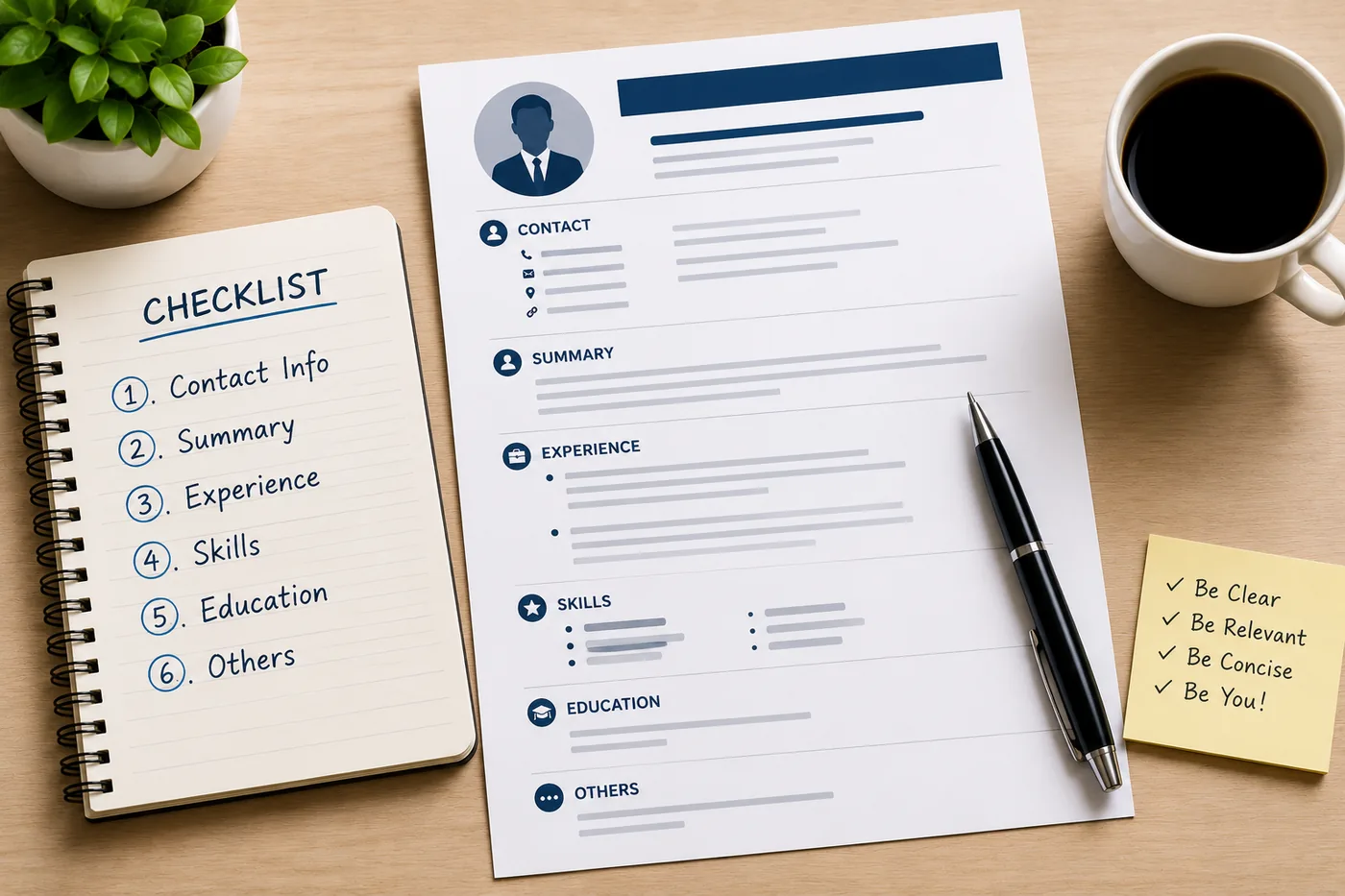
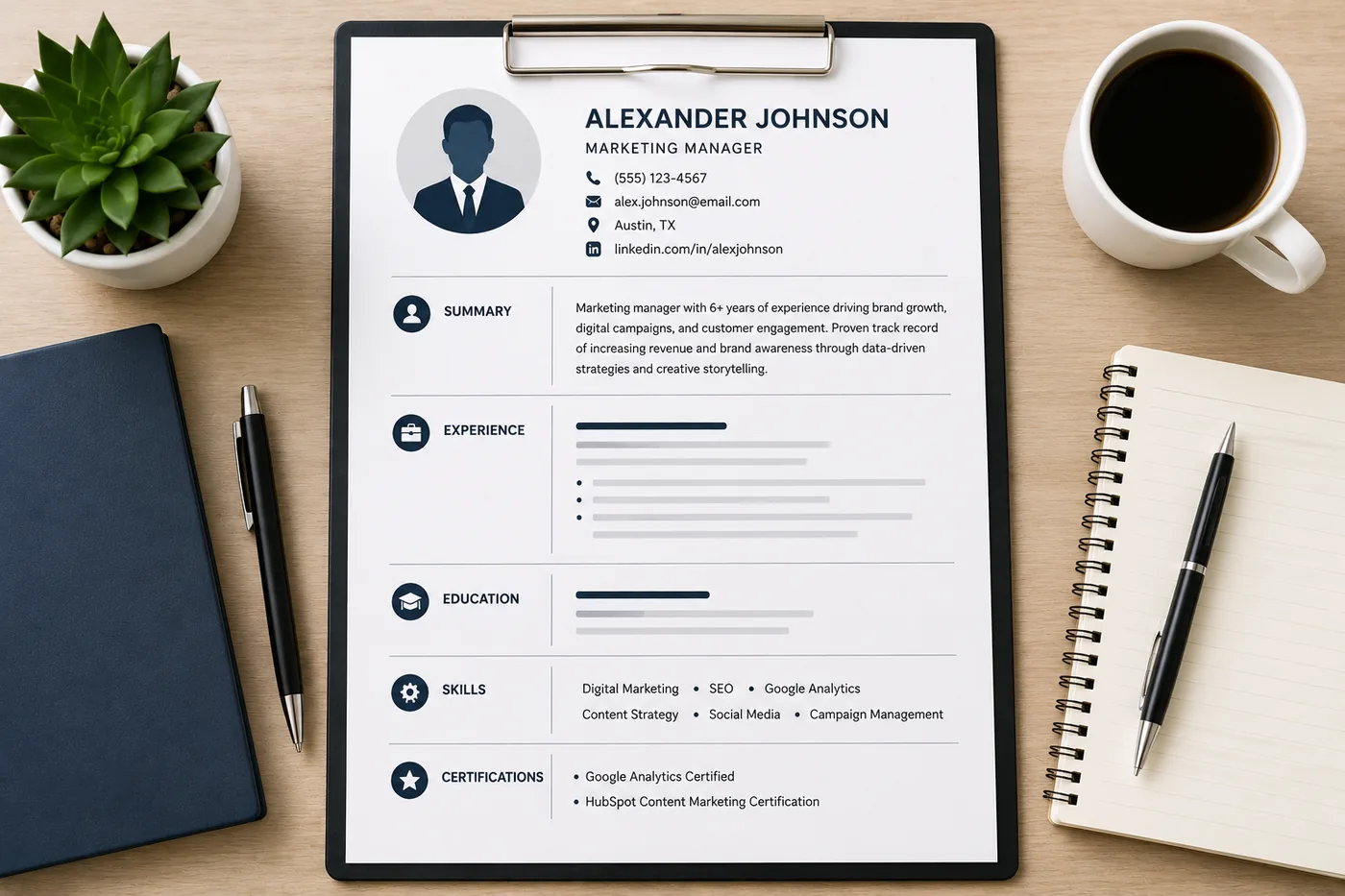
- A typical resume structure includes contact information, a summary or objective statement, work experience, education, skills, and potentially additional sections like certifications.
- Tailor your resume for each job application by matching keywords from the job description and highlighting relevant experience with quantifiable achievements.
- Use standard formatting and fonts to ensure your resume is ATS-friendly and can easily pass through Applicant Tracking Systems.
Navigating the Canadian job market can be daunting, especially for newcomers and international students. A well-crafted resume is crucial to making a strong first impression on potential employers. In Canada, the resume format has its unique norms and expectations, which differ from other countries. This guide will walk you through everything you need to know about writing a resume for Canada in 2026, ensuring that you stand out in a competitive job landscape.
Understanding Canadian Resume Norms
Before you start writing, it's essential to familiarize yourself with the specific norms that govern Canadian resumes. Here are some key points to keep in mind:
| Rule | What it means |
|---|---|
| No Personal Photos | Unlike some countries, Canadian employers do not expect to see a photo on your resume. This helps prevent bias based on appearance. For more details on this, refer to our guide on should you put a photo on your resume? |
| No Age or Marital Status | It's illegal for employers to discriminate based on age or marital status, so these details should not be included |
| Length | While one-page resumes are common, two-page resumes are acceptable in Canada, especially for those with extensive experience |
| Contact Information | Use the Canadian format for phone numbers (e.g., (123) 456-7890) and include your address (city and province) without the street address for privacy. For more on this, check out our guide on the resume contact section |
| References | Simply state "References available upon request" rather than listing them on your resume |
Structure of a Canadian Resume
A well-structured resume is crucial for capturing the attention of hiring managers. Here’s a breakdown of the typical sections you should include:
1. Contact Information
This section should be at the top of your resume and include:
- Full name
- Phone number
- Professional email address
- City and province (optional: LinkedIn profile or personal website)
2. Summary or Objective Statement
A brief summary (2-4 sentences) highlighting your qualifications and career goals can be beneficial. Tailor this section to reflect the specific job you’re applying for.
3. Work Experience
List your work experience in reverse chronological order, emphasizing relevant roles. Include:
- Job title
- Company name
- Location (city, province)
- Dates of employment (month/year)
- Bulleted list of responsibilities and achievements
4. Education
Include your educational background, starting with the most recent. Mention:
- Degree obtained
- Institution name
- Location (city, province)
- Graduation date (month/year)
5. Skills
Highlight both hard and soft skills relevant to the job. Consider including:
- Technical skills (e.g., software proficiency)
- Language skills (e.g., bilingualism)
- Soft skills (e.g., communication, teamwork)
6. Additional Sections
Depending on your background, you may also want to include:
- Certifications or licenses
- Volunteer experience
- Professional affiliations
- Publications or presentations
Tailoring Your Resume for the Job
Customizing your resume for each job application is essential. Here’s how you can do that effectively:
Your resume after optimization
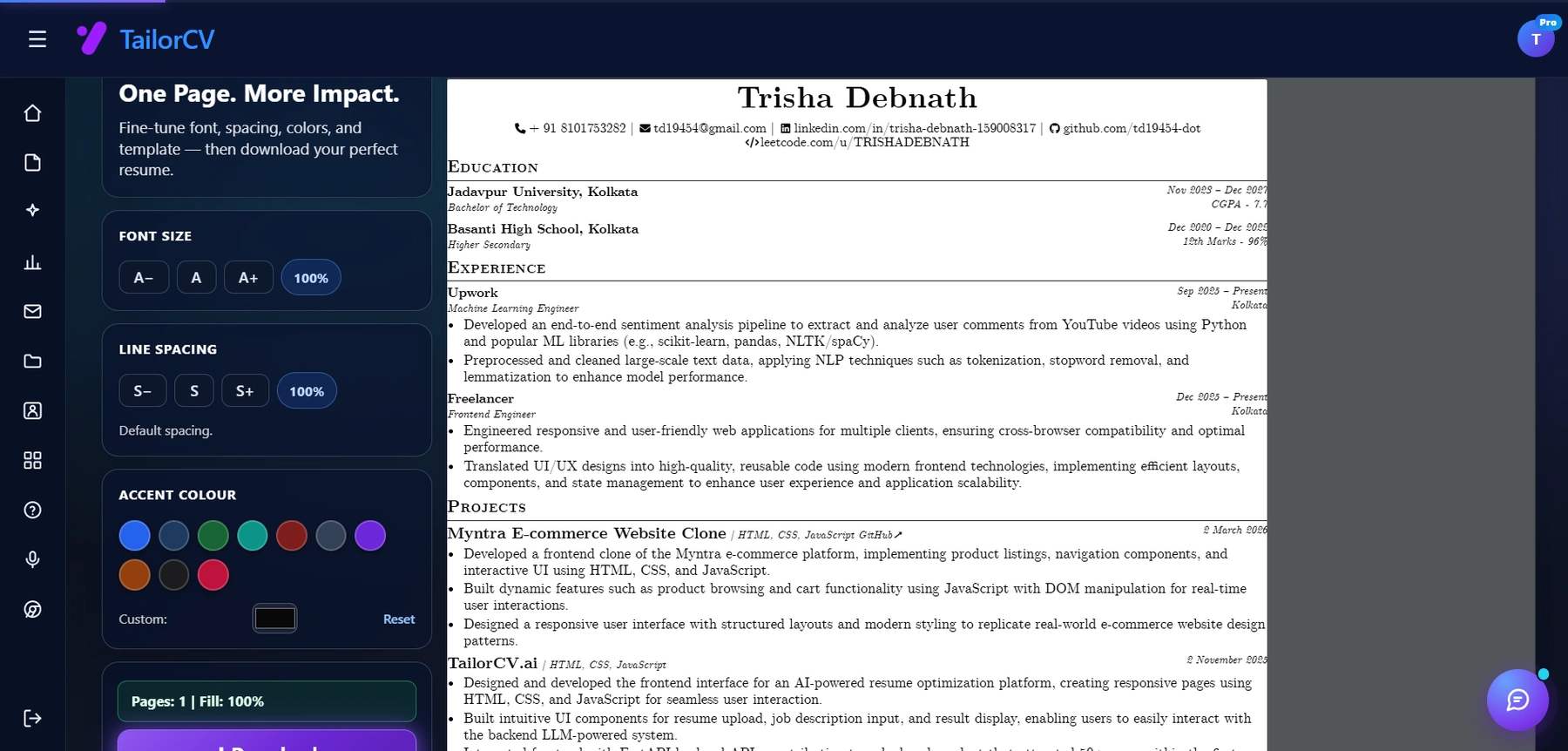
Font size, spacing, accent colour and template are all adjustable, with a live page counter.
- Match Keywords: Review the job description and incorporate relevant keywords into your resume. This not only helps with ATS optimization but also shows that you are aligned with the employer's needs. For more details on this, check out our guide on how to write a resume from scratch.
- Highlight Relevant Experience: Focus on the experience that is most relevant to the job. Use quantifiable achievements to demonstrate your impact in previous roles. For example, instead of stating "responsible for managing a team," say "led a team of 5 to achieve a 20% increase in sales over six months."
Making Your Resume ATS-Friendly
Many Canadian employers use Applicant Tracking Systems (ATS) to filter resumes. Here are tips to ensure your resume passes through successfully:
- Use Standard Formatting: Stick to standard fonts (e.g., Arial, Calibri) and avoid complex layouts or graphics. For a breakdown of suitable designs, refer to our resume design and color guide.
- Include Keywords: As mentioned earlier, use keywords from the job description to improve your ATS score. You can check your resume's ATS score using our ATS checker.
- Save in the Right Format: Use the appropriate file format (typically PDF or Word) as specified in the job posting. For more on this, refer to our resume file format guide.
Common Resume Mistakes to Avoid
To ensure your resume stands out for the right reasons, avoid these common pitfalls:
| Mistake | Why it costs you |
|---|---|
| Typos and Grammatical Errors | Always proofread your resume. Consider using tools like Grammarly or asking a friend to review it |
| Generic Content | Avoid using a one-size-fits-all resume. Tailor each resume to the specific job you are applying for |
| Overly Complex Language | Use clear and concise language. Avoid jargon that may not be understood by everyone |
| Inconsistent Formatting | Ensure that font sizes, bullet points, and spacing are consistent throughout your resume |
| Including Irrelevant Information | Focus on what’s relevant to the job. Exclude outdated or unrelated work experience |
Utilizing TailorCV Resources
To further enhance your job application process, consider using the following resources:
- AI Cover Letter Generator: Create a personalized cover letter that complements your resume.
- Resume Templates: Choose from professionally designed templates that adhere to Canadian standards.
- Portfolio Website Builder: Showcase your work and skills through a personal portfolio website.
- AI Mock Interview: Prepare for interviews with realistic mock interview sessions.
Understanding the Canadian Job Market
The Canadian job market is diverse, with opportunities across various sectors. Here are some insights to keep in mind:
- Networking is Key: Building connections can significantly enhance your job search. Utilize platforms like LinkedIn to network with industry professionals. Attend networking events and informational interviews to expand your reach.
- In-Demand Jobs: Familiarize yourself with the in-demand jobs in Canada for 2026. This can help you tailor your resume to highlight relevant skills. For more information, read our guide on in-demand jobs in Canada for 2026.
- Cultural Fit: Canadian employers often look for candidates who fit their organizational culture. Research potential employers to align your resume with their values and mission.
Key Industries and Job Roles
Understanding the job landscape can help you position yourself better. Here are some key industries in Canada:
- Technology: Software development, data analysis, and cybersecurity are in high demand. If you’re transitioning into tech, check out our guides on career change from non-tech to data analyst and career change portfolio.
- Healthcare: With an aging population, roles in nursing, physiotherapy, and healthcare administration are growing.
- Finance: Positions in accounting, financial analysis, and investment banking remain strong.
- Skilled Trades: Electricians, plumbers, and construction workers are consistently sought after.
Tips for Job Seekers
- Stay Updated: Regularly check job boards and company websites for new postings.
- Follow Up: After submitting your resume, consider sending a polite follow-up email to express your continued interest.
- Leverage Social Media: Use platforms like LinkedIn to showcase your skills, connect with potential employers, and join relevant industry groups.
By following these guidelines and utilizing the resources available, you can create a compelling resume that not only meets Canadian standards but also effectively markets your skills and experiences to potential employers.
Step-by-Step Guide to Crafting a Canadian Resume
Creating a standout resume in Canada requires careful attention to detail and structure. Here’s a step-by-step approach to ensure you cover all necessary elements:
-
Choose the Right Format: Decide whether you’ll use a chronological, functional, or combination format. For most applicants, the chronological format is preferred as it highlights work experience prominently.
-
Craft Your Header: Include your name, phone number, email, and LinkedIn profile. Make sure to check out our guide on the Resume Contact Section - What to Include and What to Leave Out (2026).
-
Write a Compelling Summary: Start with a professional summary that encapsulates your skills and experience relevant to the job you’re applying for.
-
Detail Your Work Experience: List your work experience in reverse chronological order. Include your job title, company name, location, and dates of employment. Use bullet points to describe your responsibilities and achievements.
-
Highlight Skills: Create a skills section that includes both hard and soft skills relevant to the position. Tailor this section to the job description.
-
Education and Certifications: Add your educational background, including degrees, institutions, and graduation dates. Include any relevant certifications or training.
-
Additional Sections: Consider adding sections for volunteer work, professional affiliations, or languages spoken, especially if they’re relevant to the job.
-
Proofread and Edit: Finally, proofread your resume multiple times to eliminate any errors. Utilize tools available at TailorCV for an ATS checker to ensure your resume meets industry standards.
Common Mistakes to Avoid in Canadian Resumes
Even minor errors can make a significant difference in how your resume is perceived. Here are common pitfalls to steer clear of:
-
Using an Unprofessional Email Address: Always use a professional email address that includes your name. Avoid nicknames or numbers that may seem juvenile.
-
Including Irrelevant Information: Avoid adding personal details such as age, marital status, or a photo unless specified. For insights on this topic, refer to our article on Should You Put a Photo on Your Resume? (The 2026 Answer by Country).
-
Overloading with Jargon: While industry terms can be beneficial, overusing jargon can confuse the reader. Aim for clear, concise language that can be understood by anyone.
-
Ignoring Job Descriptions: Failing to align your resume with the job description can make you appear unfocused. Always tailor your resume to the specific role.
-
Neglecting Formatting: A cluttered resume can turn off potential employers. Stick to a clean, professional design. For guidance, check our Resume Design and Color Guide for 2026 - What's Professional and What Isn't.
Do's and Don'ts for Canadian Resumes
Do's:
- Do Customize Your Resume: Tailor your resume for each job application to reflect the specific requirements and skills needed.
- Do Use Action Verbs: Start bullet points with strong action verbs to convey your accomplishments effectively. Words like "achieved," "developed," and "managed" can make a strong impact.
- Do Keep It Concise: Limit your resume to one or two pages. Be succinct while ensuring you convey all necessary information.
Don'ts:
- Don't Use a One-Size-Fits-All Approach: Avoid sending the same resume for every job application. Customize it according to the position.
- Don't Include Salary Expectations: Unless explicitly requested, keep salary details out of your resume.
- Don't Use Small Fonts: Ensure your font size is readable. Small fonts can make your resume difficult to read and may frustrate hiring managers.
Mini Checklist for Your Canadian Resume
- unchecked: Is my resume tailored to the job description?
- unchecked: Have I used a professional email address?
- unchecked: Is my format clean and easy to read?
- unchecked: Have I included relevant experience and skills?
- unchecked: Did I proofread for spelling and grammatical errors?
- unchecked: Is my contact information up to date?
- unchecked: Have I avoided using personal details like age or marital status?
By following these guidelines, you can create a polished and effective Canadian resume that stands out to employers. For further assistance, consider visiting our TailorCV templates to find a design that best fits your style.
Related Guides
Keep building your Canadian job search with these related TailorCV guides:
- How ATS Works in Canada: Beating Applicant Tracking Systems for Canadian Jobs
- How to Write a Cover Letter for Canadian Jobs (With Structure)
- How to Get a Job in Canada in 2026: A Step-by-Step Guide
- In-Demand Jobs in Canada for 2026 (and How to Match Your Resume)
- Internship Resume Guide 2026 - How to Write a Resume for Your First Internship
- Resume Keywords Guide 2026 - How to Find and Use the Right Keywords
- Top Skills to Add to Your Resume in 2026 - By Industry and Role
- Soft Skills for Resume in 2026 - How to Show Them (Not Just List Them)
- Event Planner Resume Guide 2026
You can also check your resume's ATS score for free, generate a tailored cover letter, or build a portfolio website in minutes.
Frequently Asked Questions
1. What should I include in my Canadian resume?
Include contact information, a summary or objective statement, work experience, education, skills, and any additional sections relevant to your background. For a detailed layout, refer to our resume optimization guide.
2. How long should my resume be?
In Canada, a one to two-page resume is acceptable. If you have extensive relevant experience, don't hesitate to use two pages.
3. Should I include references on my resume?
No, it's best to state "References available upon request," as this keeps your resume concise and protects the privacy of your references.
4. How can I make my resume stand out in Canada?
Tailor your resume for each job application, use industry-specific keywords, and highlight your achievements with quantifiable results. For more tips, read our how to write a resume from scratch.
5. What are common mistakes to avoid in a Canadian resume?
Avoid including personal information like age or marital status, using complex layouts, and neglecting to tailor your resume for each job. For more common pitfalls, check out our how ATS works in Canada.
Does your formatting survive the parser?
Upload your resume and see what an ATS actually reads back.
Drop your resume here or choose a file
PDF only. Max 2 MB.
We never share your data or use it to train AI models.

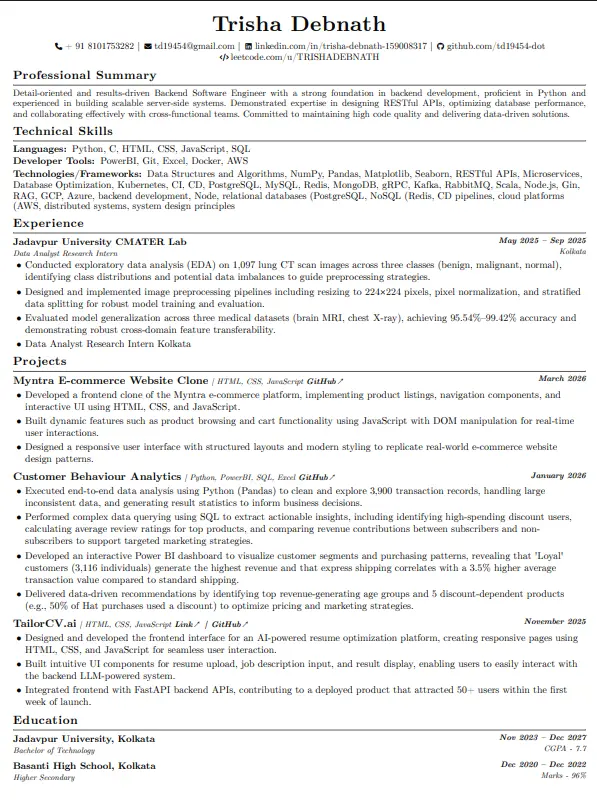
A layout that parses cleanly
Single column, standard headings, no text boxes — the formatting rules in this guide, already applied.
Was this guide useful?
Be the first to rate it.