
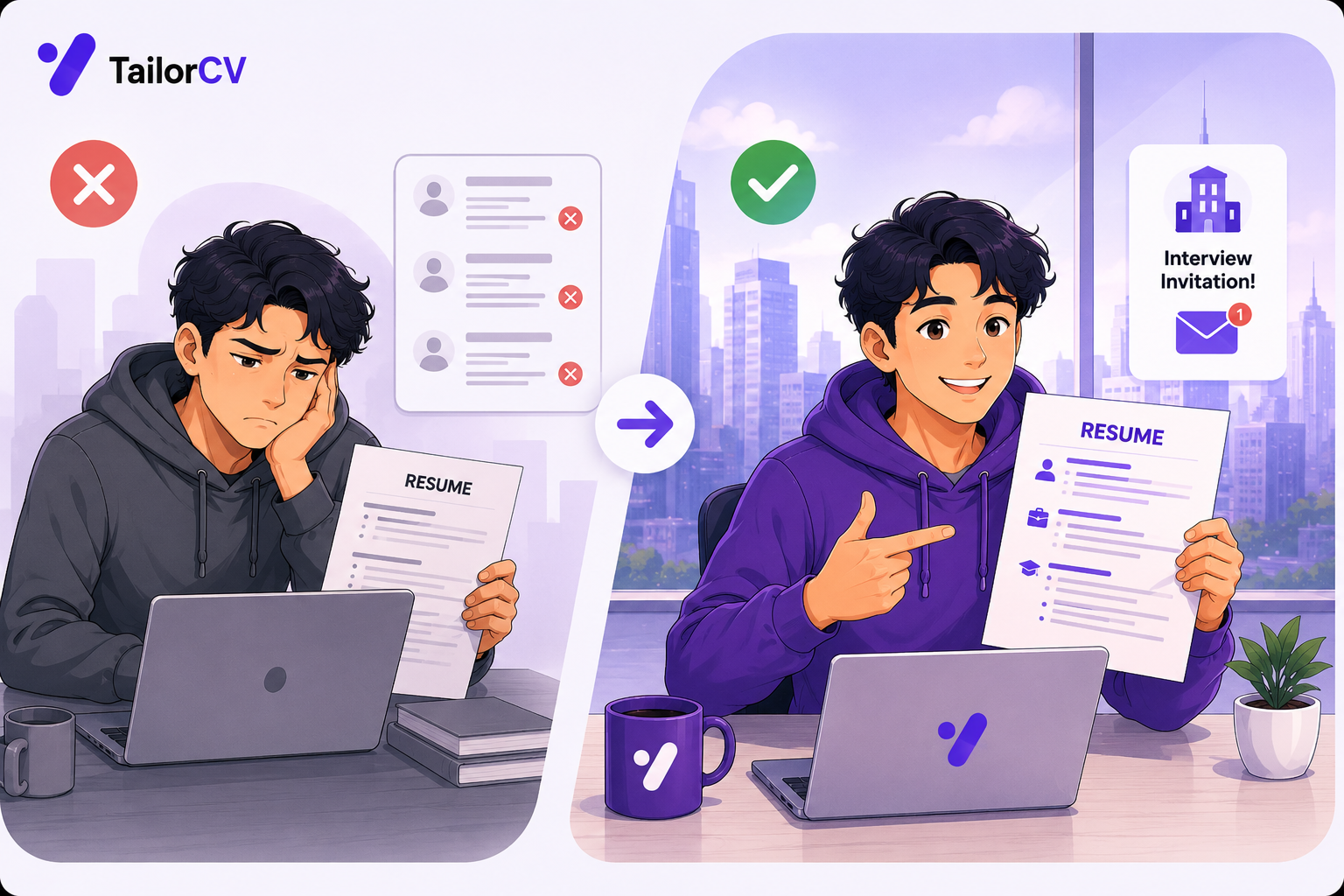
Sending the Same Resume to Every Job? Here's Why It Stops Working
One resume sent everywhere matches every posting partially and none of them well. Here is what that costs, and the fastest way to fix it without rewriting from scratch.
Actionable guides to improve ATS score, resume quality, and job search outcomes.
One resume sent everywhere matches every posting partially and none of them well. Here is what that costs, and the fastest way to fix it without rewriting from scratch.

A 70% match is the most common score and the most ambiguous. Here is the three-question test that tells you whether to apply now, fix first, or skip the role.

A 70% match means something different in software engineering than in healthcare or skilled trades. Here is how requirement density varies by field and how to calibrate your expectations.
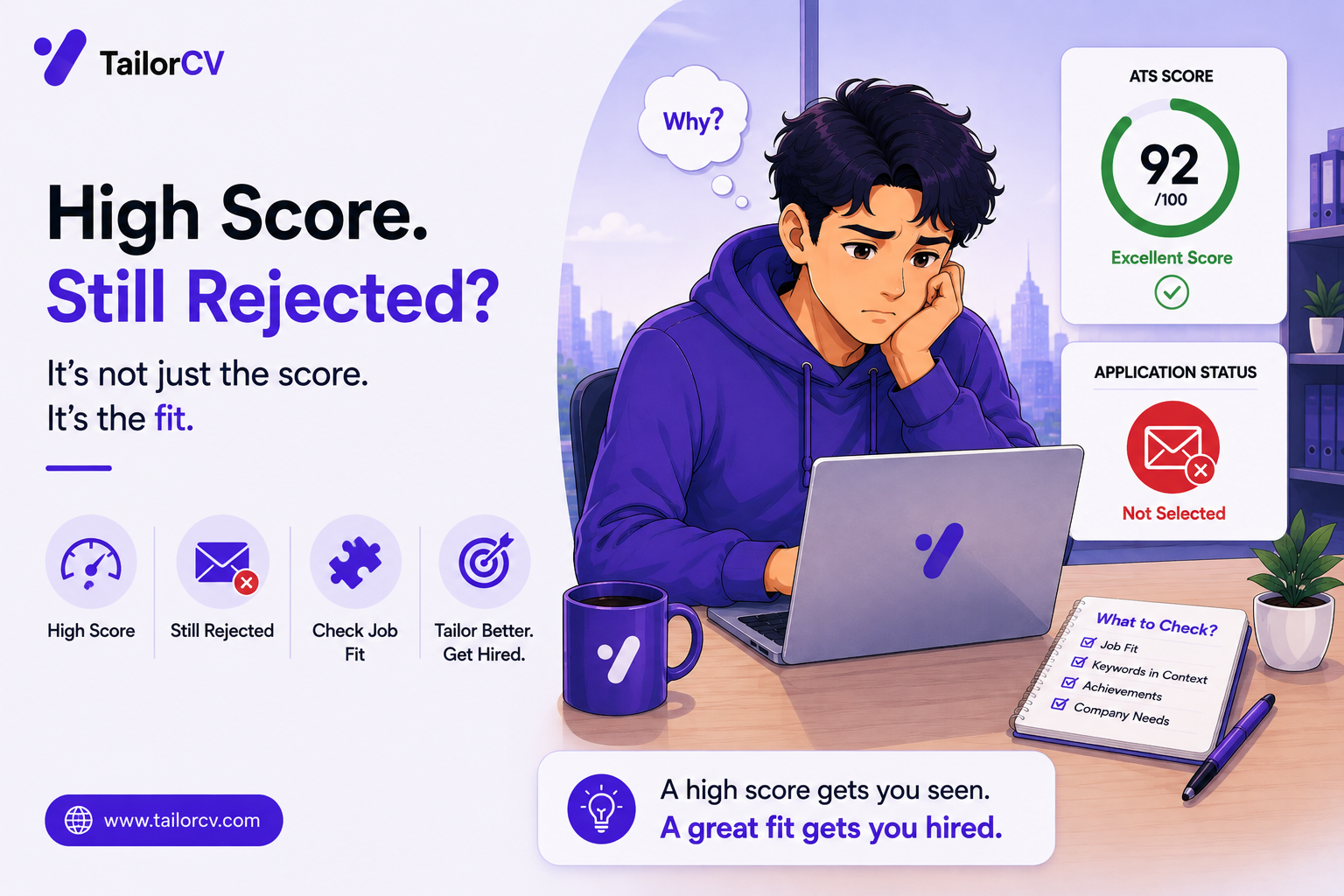
A strong ATS match gets you past the first filter, not into the interview. Here is what happens after the score, and what to fix when the number is good but the outcome is not.

Why listed soft skills are ignored by recruiters and weakly weighted by matching, and how to evidence the same qualities so they actually count.

Write a speech-language pathologist resume in 2026 with CCC-SLP certification, state licensure, setting-specific caseload, and the ATS keywords that get SLP interviews.
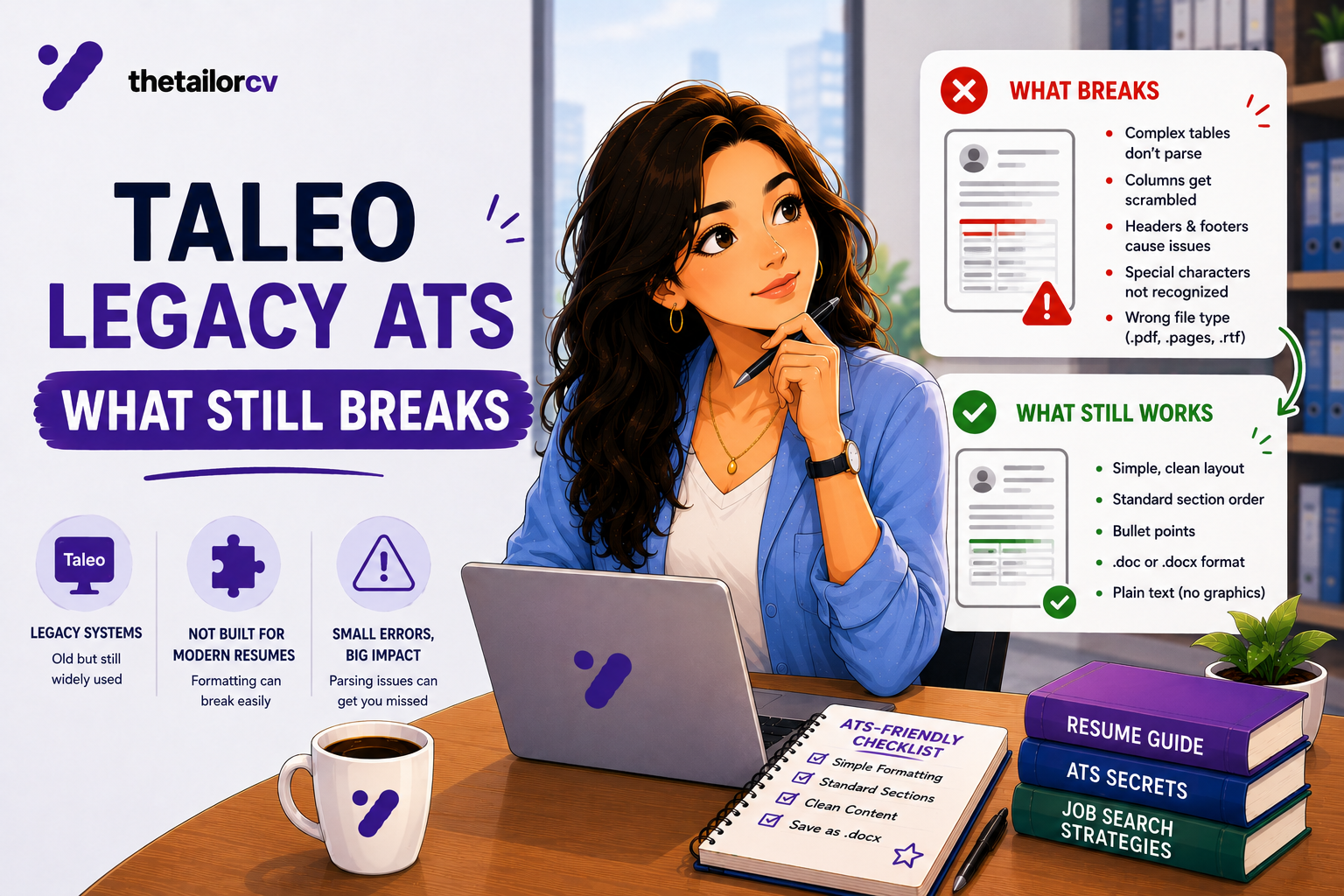
Taleo is one of the oldest applicant tracking systems still in wide use, with parsing logic that predates modern resume design trends. Here is what specifically breaks on it.
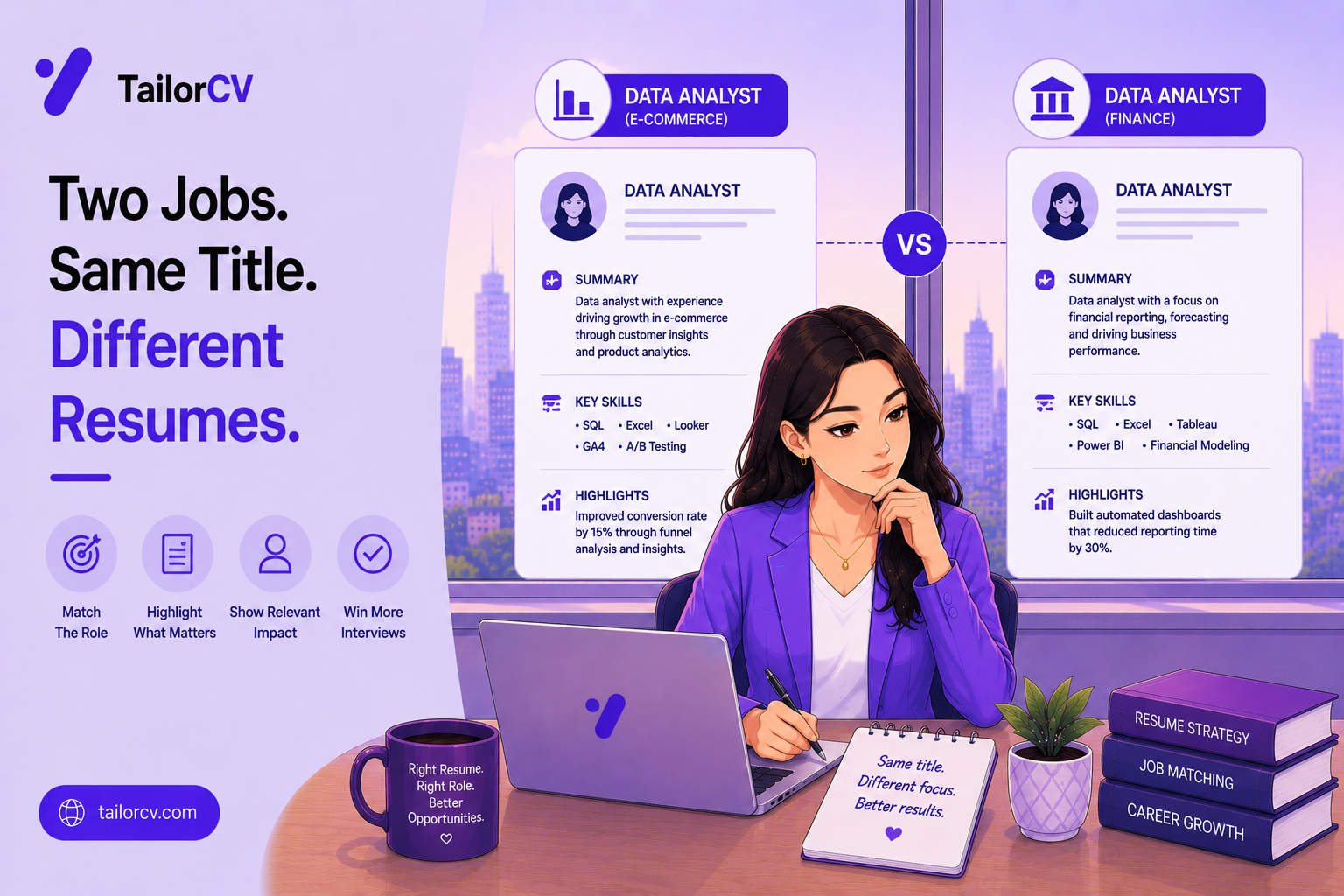
Two postings with an identical job title can require genuinely different resumes. Here is how to decide when one version is enough and when maintaining two is worth the effort.

What a match score actually measures, what counts as good, why the number alone can mislead, and how to decide whether to apply or fix your resume first.

A scan showing 12 missing skills does not mean 12 problems. Here is how to rank them, which ones to fix today, and which to ignore entirely.
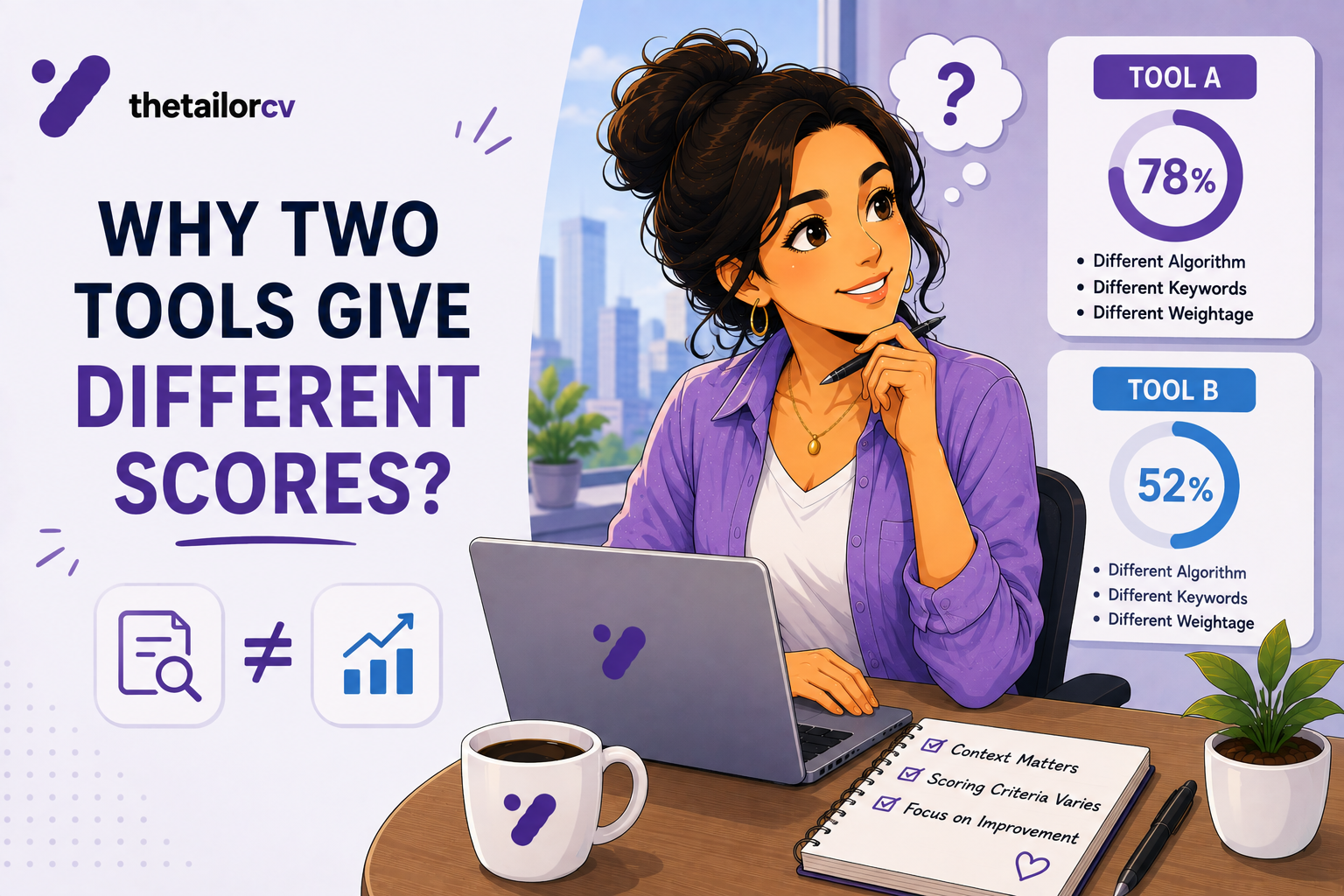
Run the same resume through two scanners and get two different numbers. Here is why that happens, which differences matter, and how to actually use a score.
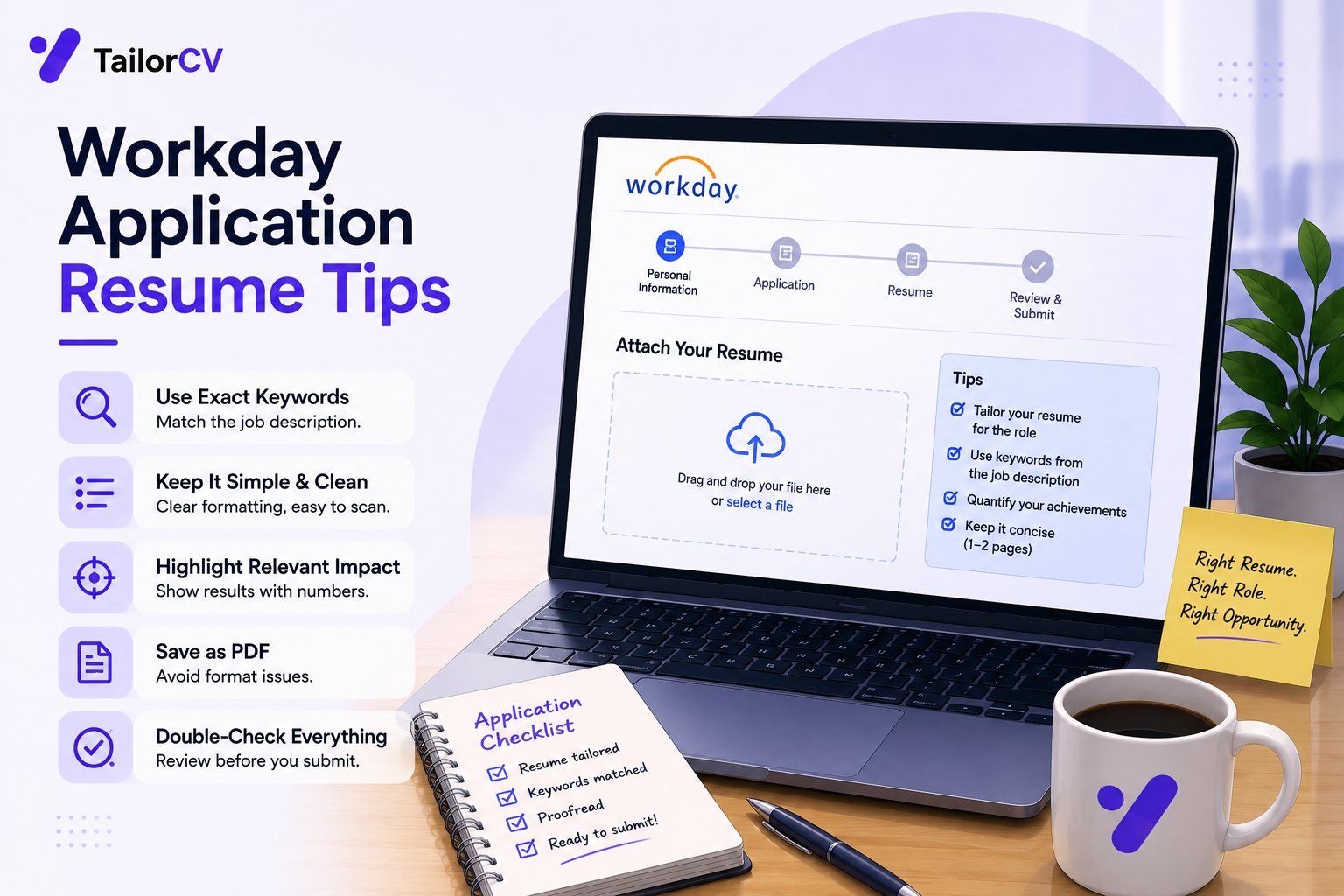
Workday parses resumes differently from most other ATS platforms, and its own field-by-field autofill can silently overwrite good data. Here is what to check before submitting.
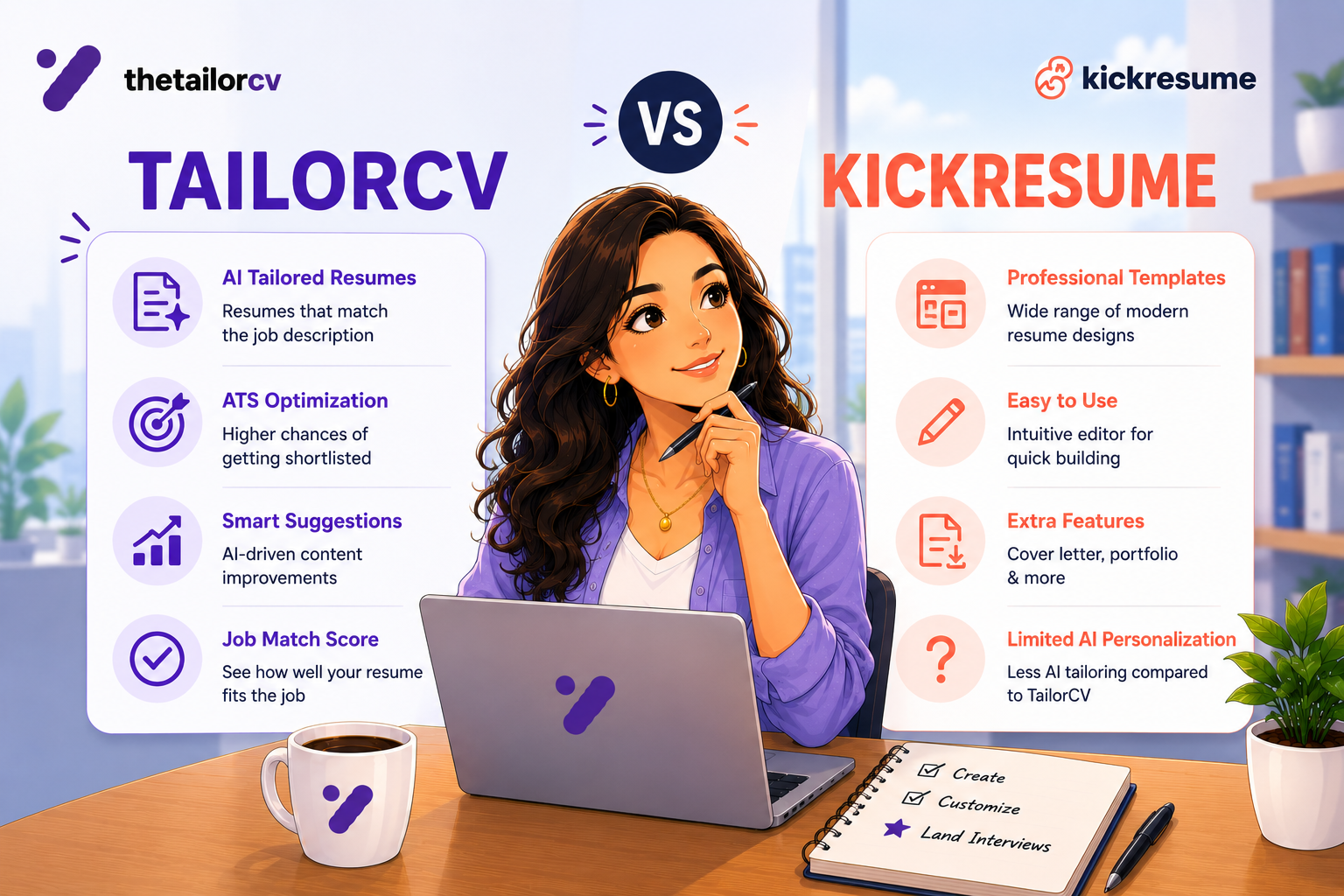
An honest comparison of TailorCV and Kickresume in 2026 - real pricing in your currency, what the free plans actually allow, ATS checking, and which one fits a job seeker mid-application.
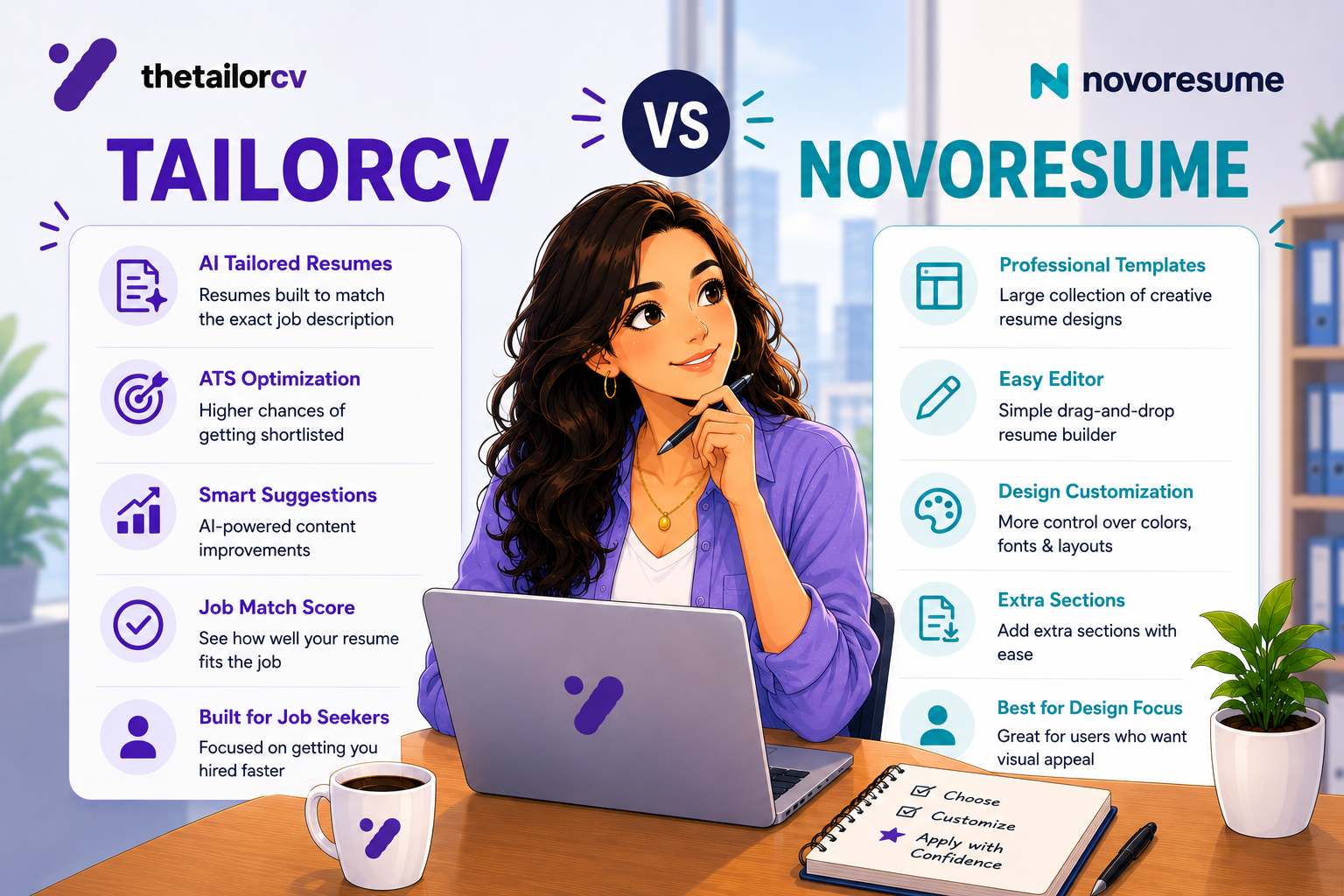
An honest comparison of TailorCV and Novoresume in 2026 - what the free plan really allows, why the price you see depends on your country, ATS scoring, and which tool fits a job seeker mid-application.
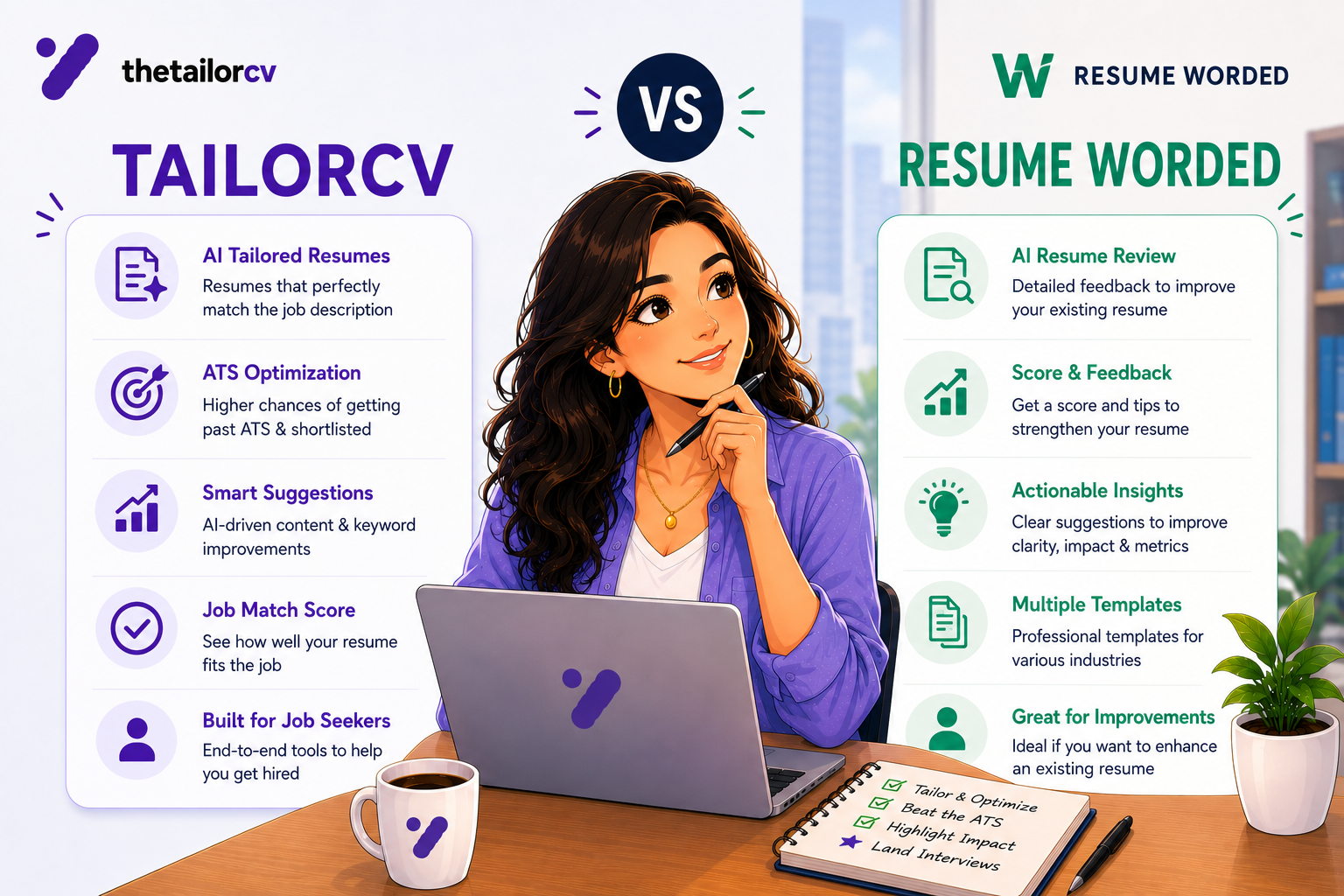
An honest comparison of TailorCV and Resume Worded in 2026 - general resume scoring against job-specific matching, LinkedIn review, free plan limits, and which one to use when.
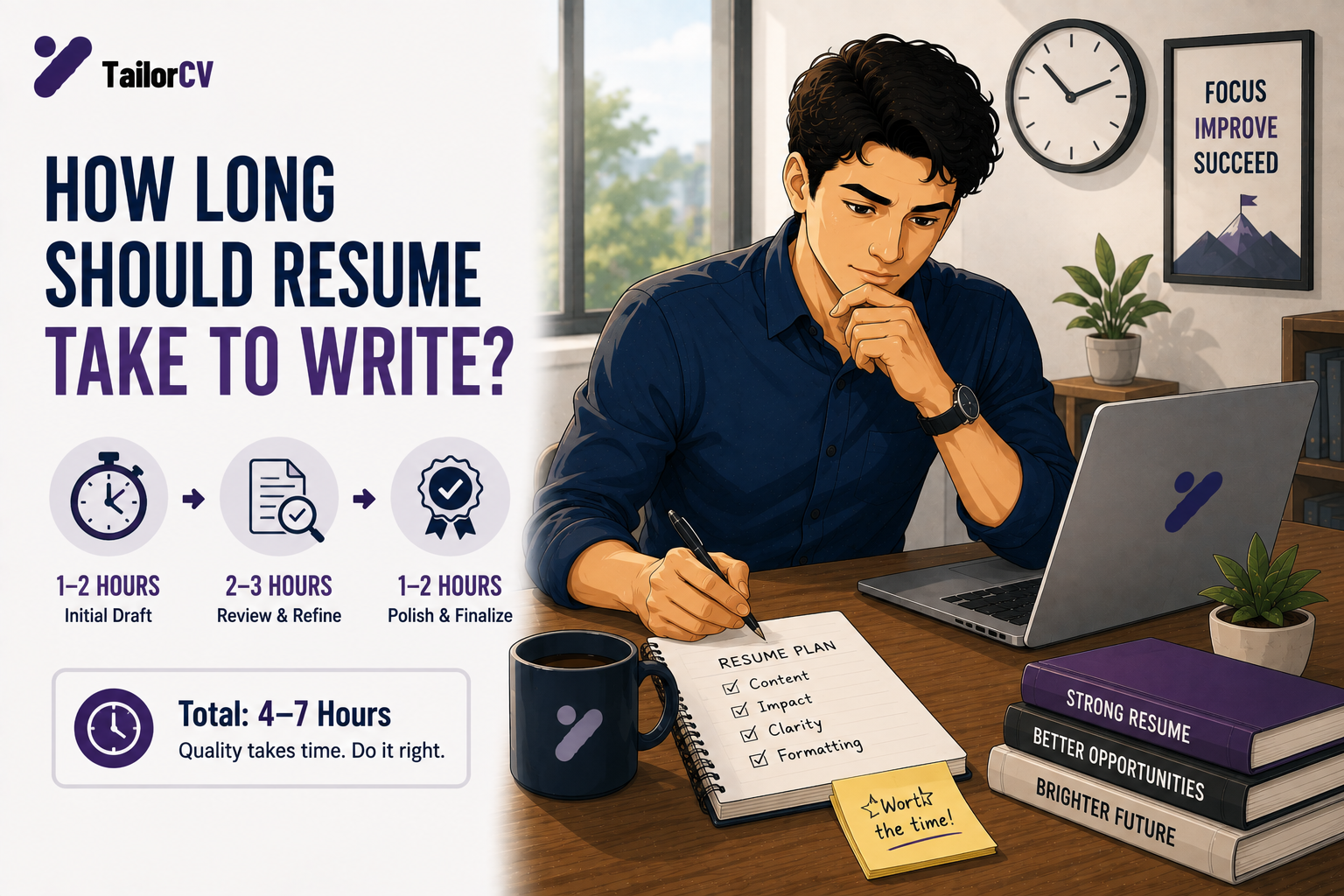
People spend weeks on the wrong parts and minutes on the parts that matter. Here is a realistic allocation.
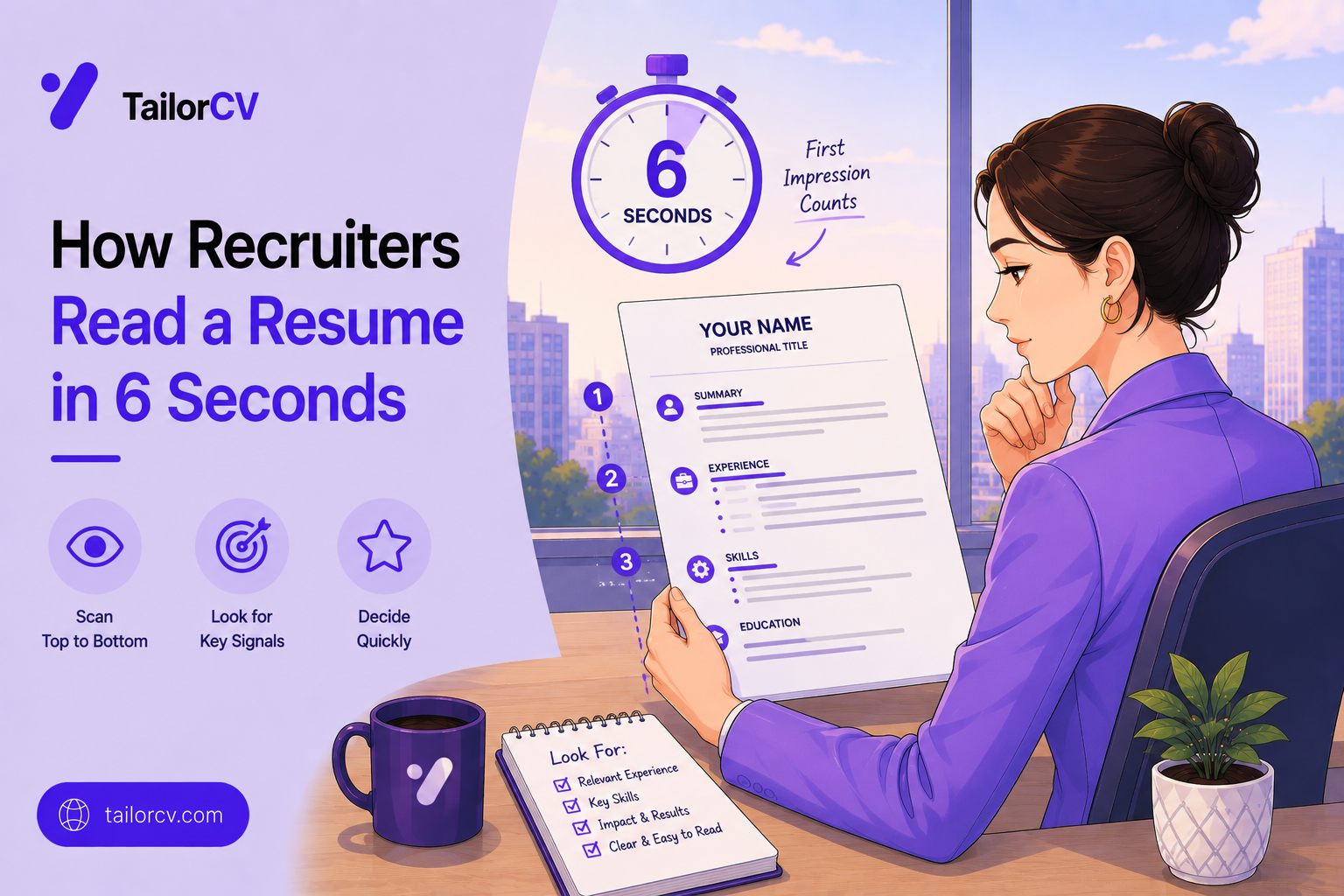
The first pass is fast, patterned and predictable. Here is where their eyes go and how to use it.

Most postings describe an ideal candidate who does not exist. Here is how to judge which gaps matter.
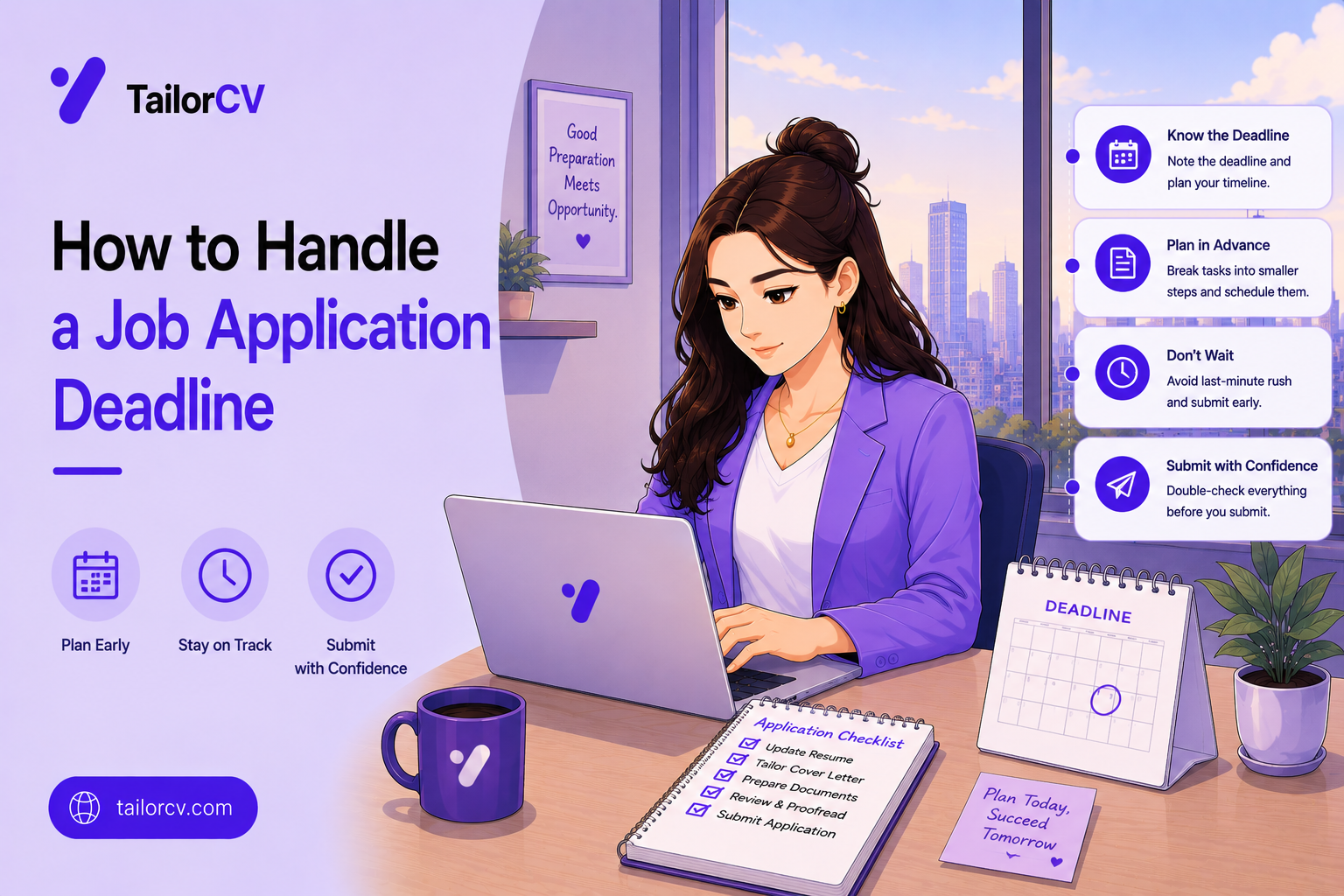
Deadlines force decisions about what to fix and what to accept. Here is how to prioritise under real time pressure.
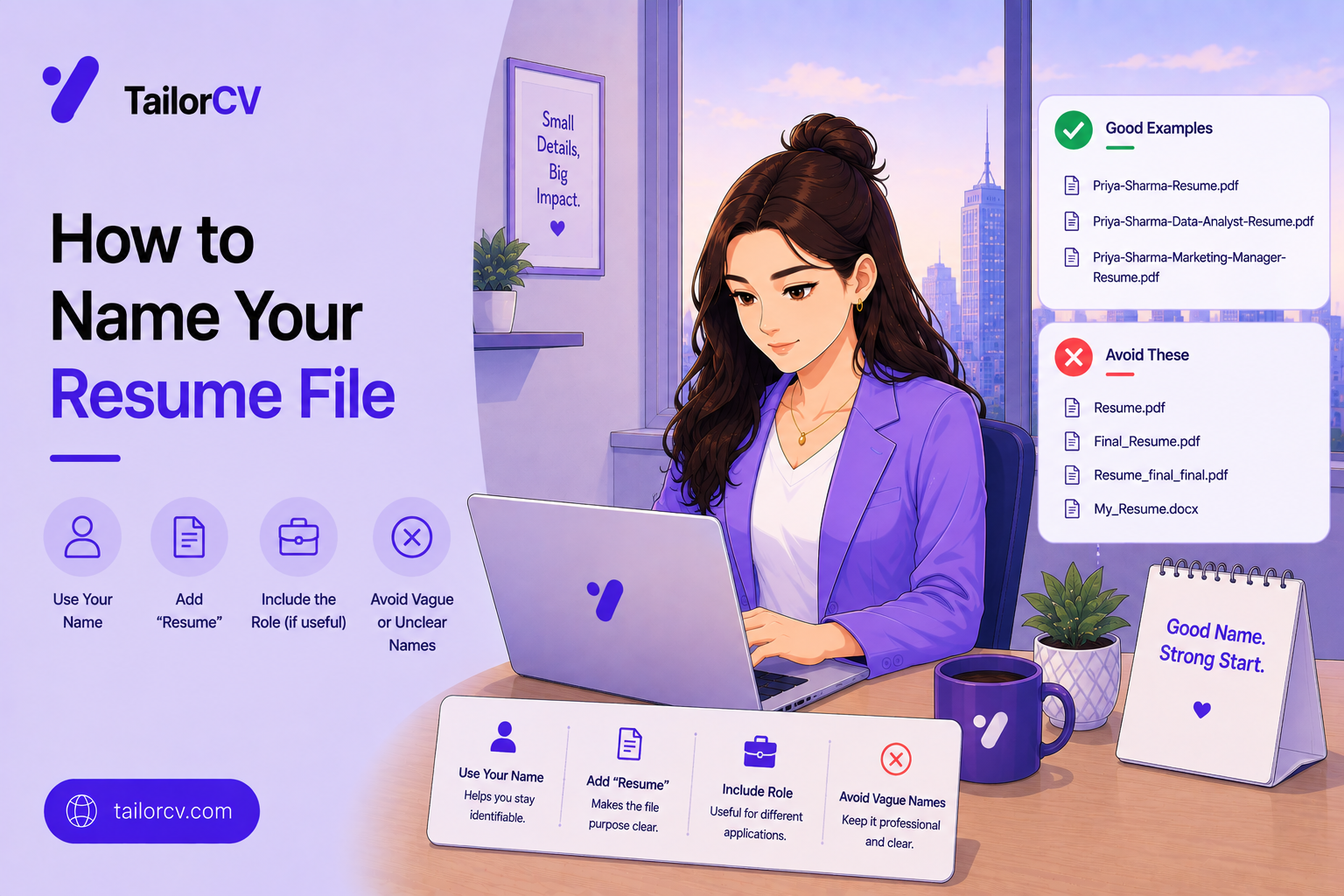
The filename is visible to everyone who receives it. Here is the convention that never looks careless.