

UK Teaching and QTS Guide 2026 - Routes Into the Classroom
How to become a teacher in England - the QTS routes, salaried versus fee-paying training, what ECT induction involves, and how overseas teachers get qualified status recognised.
Actionable guides to improve ATS score, resume quality, and job search outcomes.
How to become a teacher in England - the QTS routes, salaried versus fee-paying training, what ECT induction involves, and how overseas teachers get qualified status recognised.
How US finance hiring actually works - the difference between banking, trading, asset management and corporate finance, the recruiting calendars that catch people out, and the credentials that matter.
Healthcare is the largest employment sector in the US and hires far beyond clinical roles. How licensure, credentialing and hospital hiring work, and what the non-clinical career paths look like.
Most US graduate hiring runs through internships. How the return offer actually works, what managers assess over a summer, and what to do when the conversion does not come.

The US nonprofit sector employs millions across advocacy, health, education and foundations. How hiring works, what the pay trade-off really is, and how to move in from the private sector.

Relocation support is negotiable and frequently not offered unless you ask. What a package typically covers, why lump sums are taxed, and the clawback clause people sign without reading.
Remote roles attract enormous application volume and many are geo-adjusted or restricted by state. How to find genuinely remote jobs, what location-based pay means, and how to interview well remotely.
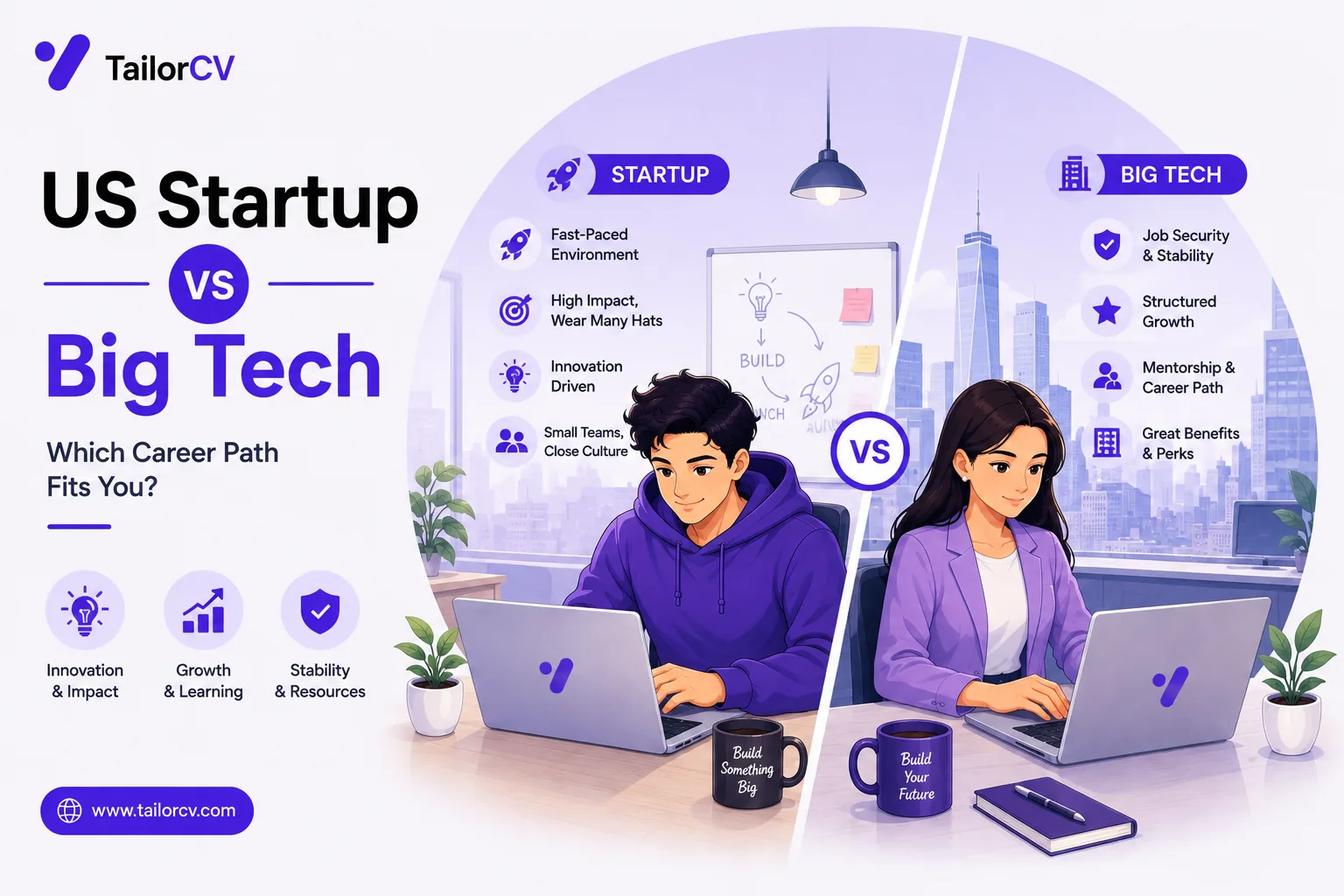
Compensation structure, equity that may be worth nothing, scope, learning curve, and job security. An honest comparison of joining a US startup versus a large technology company.

Nursing, engineering, accounting, teaching and law are licensed state by state in the US. How licensure works, what reciprocity really means, and how to plan a move without losing months.

Vancouver combines US satellite offices, gaming and film VFX with the least affordable housing in North America. What hires, what it pays, and whether the numbers work.
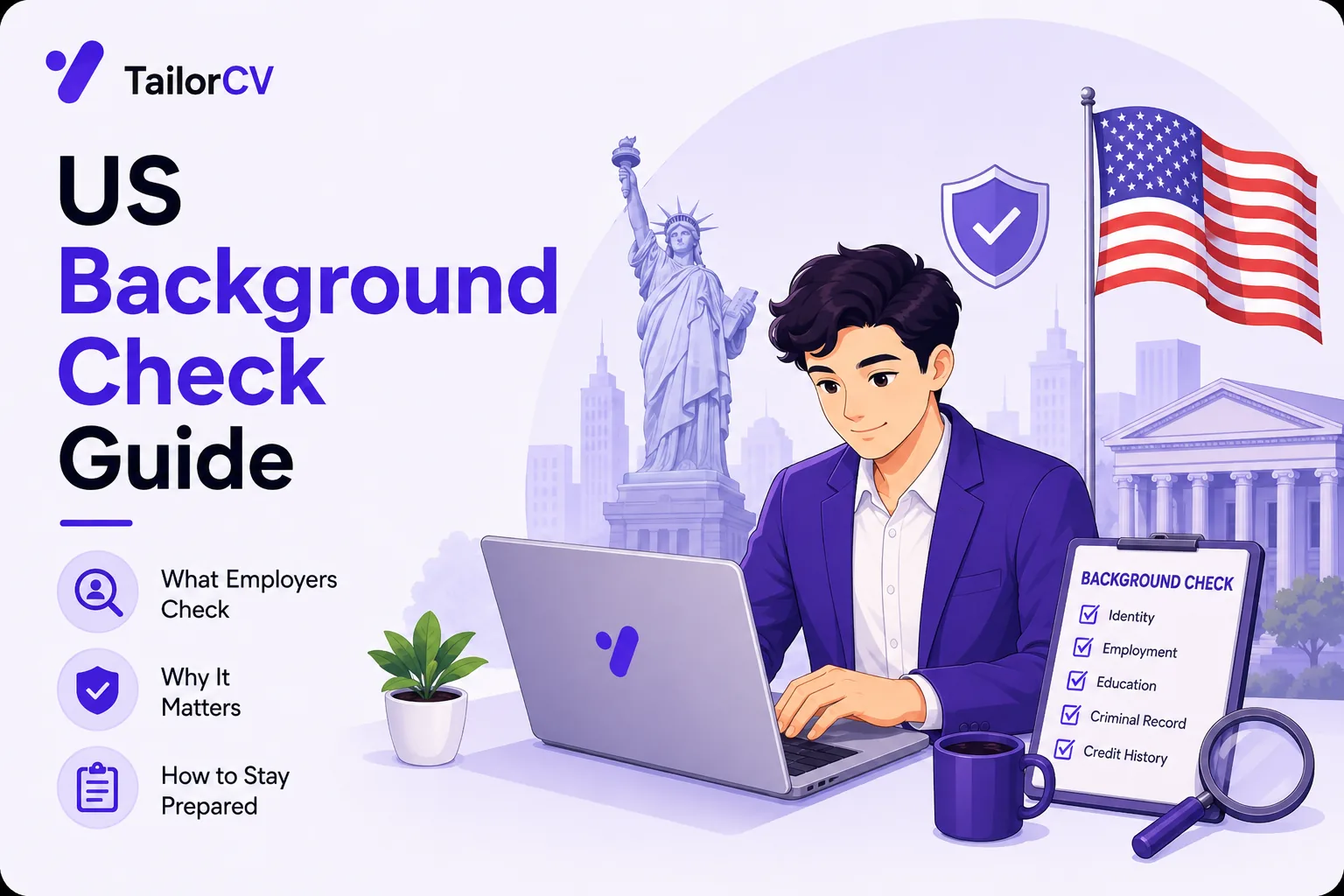
What a US pre-employment background check covers, how long it takes, what a discrepancy on your resume triggers, and your rights under the FCRA if something comes back wrong.
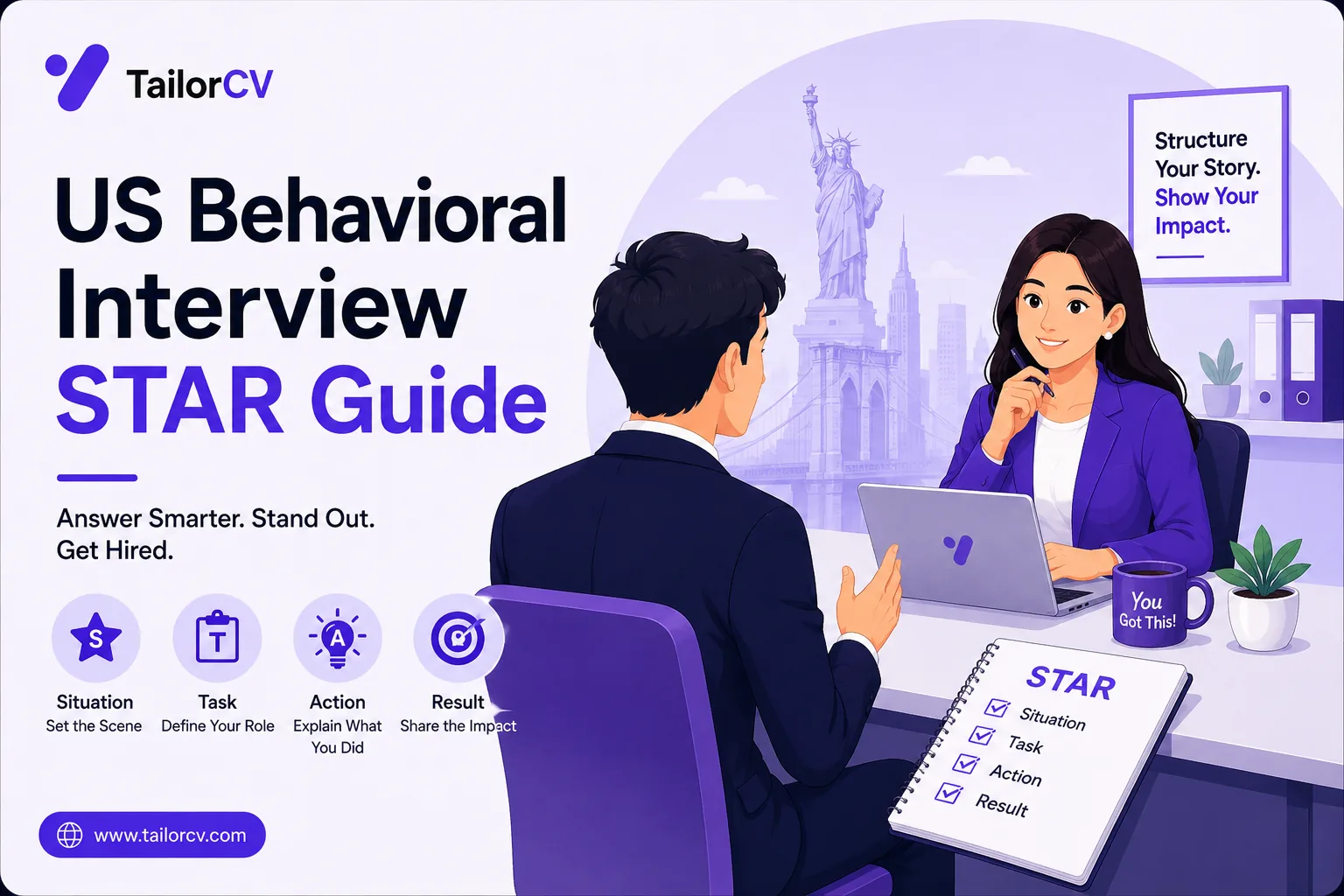
American behavioral interviews are formally scored against competencies. How STAR really works, why "we" costs you the point, and how to build six stories that cover almost every question.
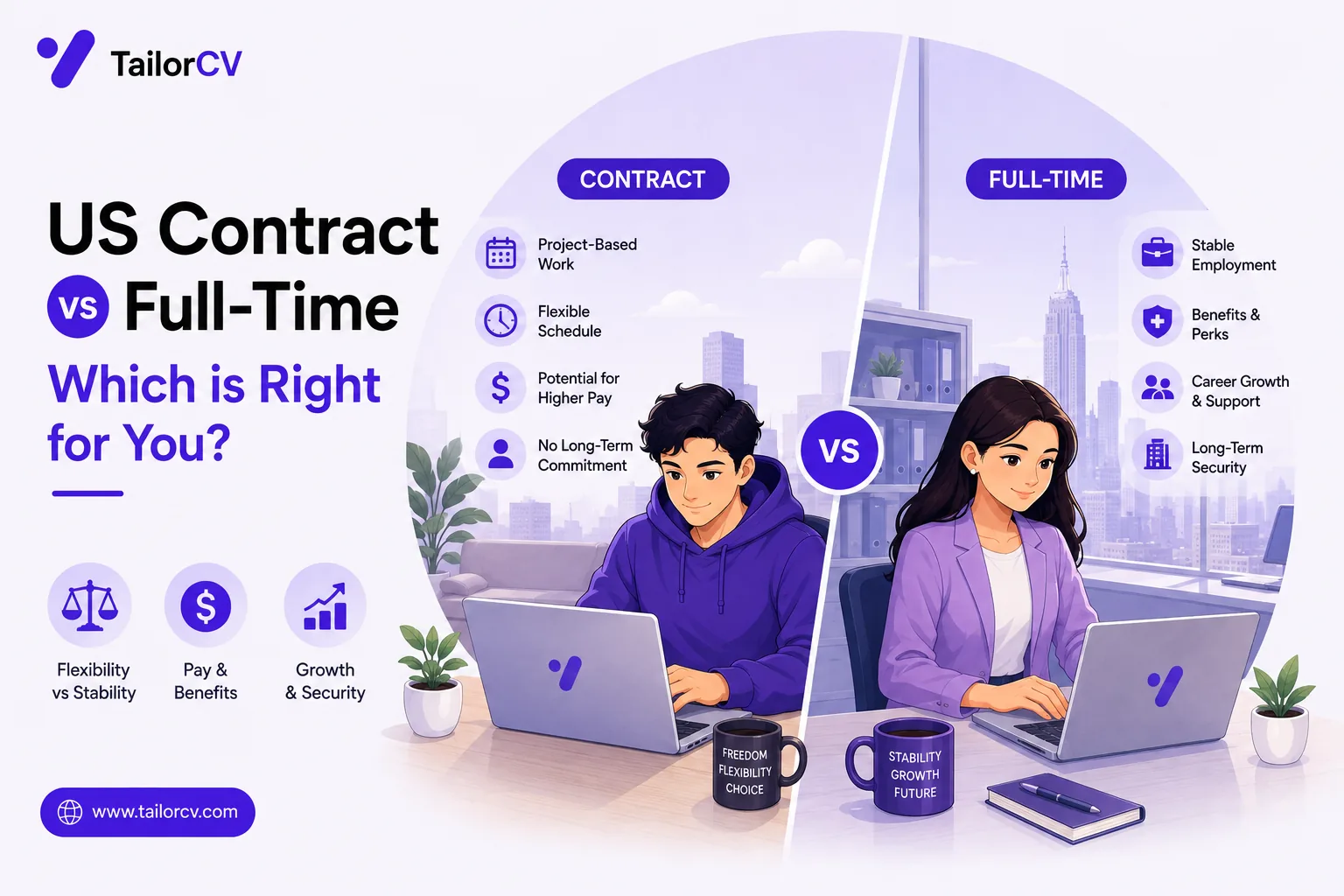
Contract roles pay more per hour and offer less security. How to compare a contract offer against a salary honestly, when contracting is the right career move, and how to present it on a resume.
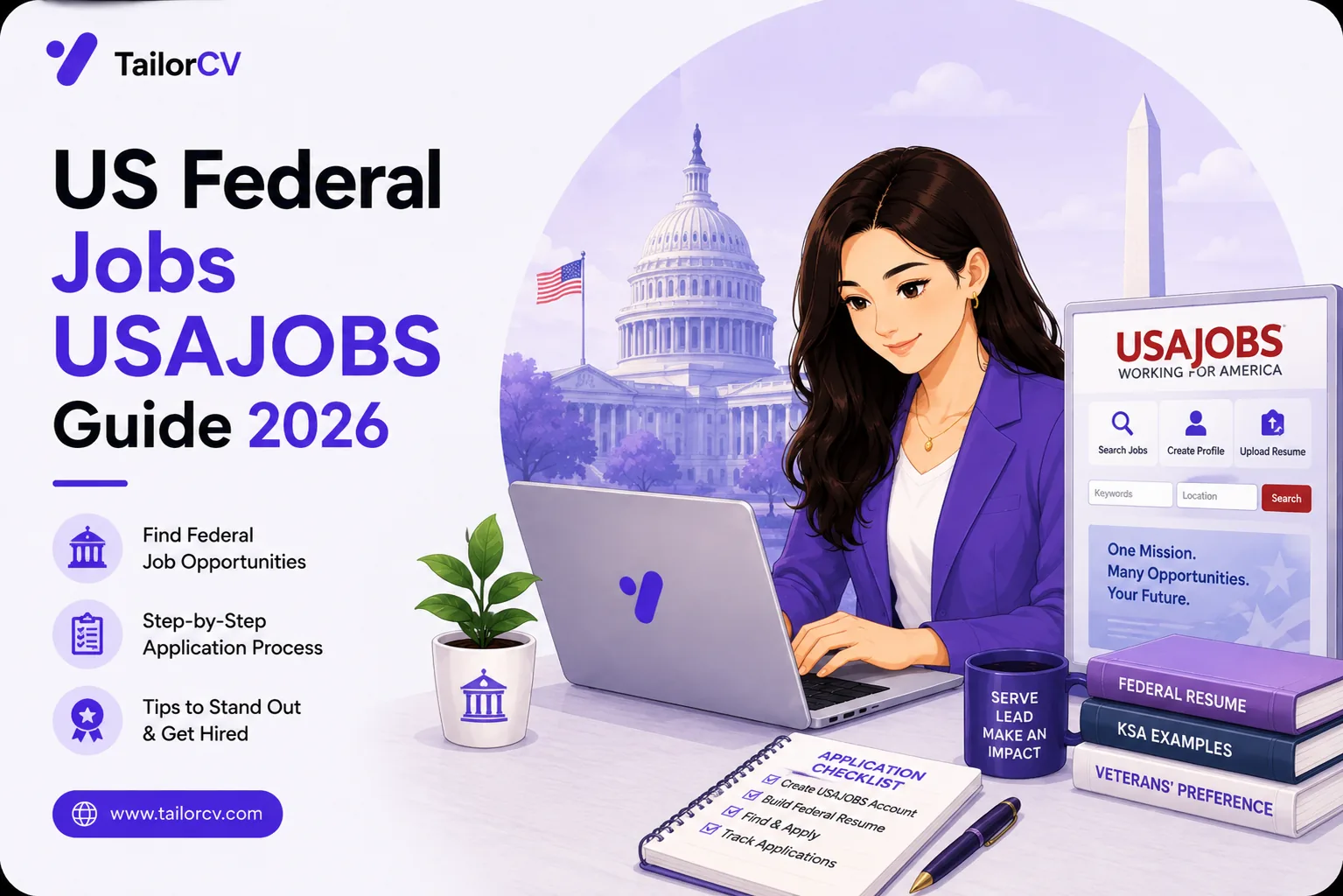
Federal hiring runs on its own rules - a resume that breaks every private-sector convention, keyword-literal screening, and veterans' preference. Here is how the process works and how to write for it.
Realistic timelines for a US job search - how long applications, interview loops, offers and notice take, why running processes in parallel matters, and how to plan around the slow parts.
Referred applications convert far better than cold ones in the US. How referral programs actually work, how to ask a stranger without being awkward, and the message templates that get replies.
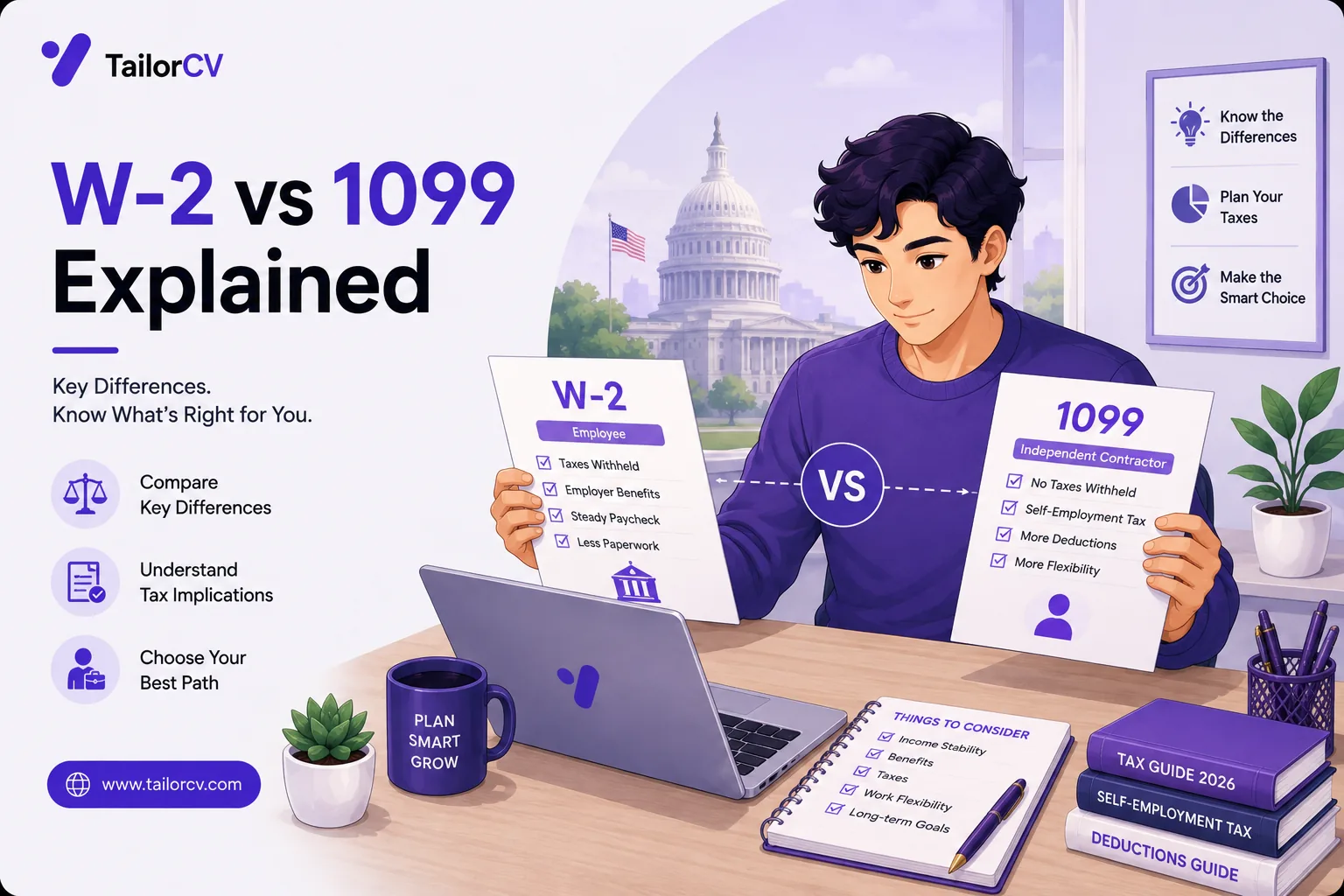
The difference between W2 employment, 1099 contracting, and corp-to-corp - who pays which taxes, what benefits you lose, and how to work out the rate you actually need to break even.

Chinese recruiters search structured profiles by job title, skill, and tool. Learn which keywords actually get you found on domestic platforms, how bilingual keyword pairing works, and what to avoid.

UK recruiters search CV databases by job title, skill, and qualification. Learn which keywords get you found, the British terminology that differs from American usage, and how to use them honestly.
US employers run applicant tracking systems and recruiters search by exact terms. Learn which keywords get you found, the American terminology that differs from other markets, and how to use them honestly.