 SS
SS
Key Takeaways
- Big tech pays more reliably; startup equity is a lottery ticket that is usually worth nothing.
- Startups give you scope early — you will do work that big tech would not hand you for years.
- Big tech gives you brand, structured mentorship, and a name that opens doors afterwards.
- Startup equity needs real questions before you value it: strike price, preference stack, and last valuation.
- Hiring speed differs enormously — days at a startup, weeks to months at a large company.
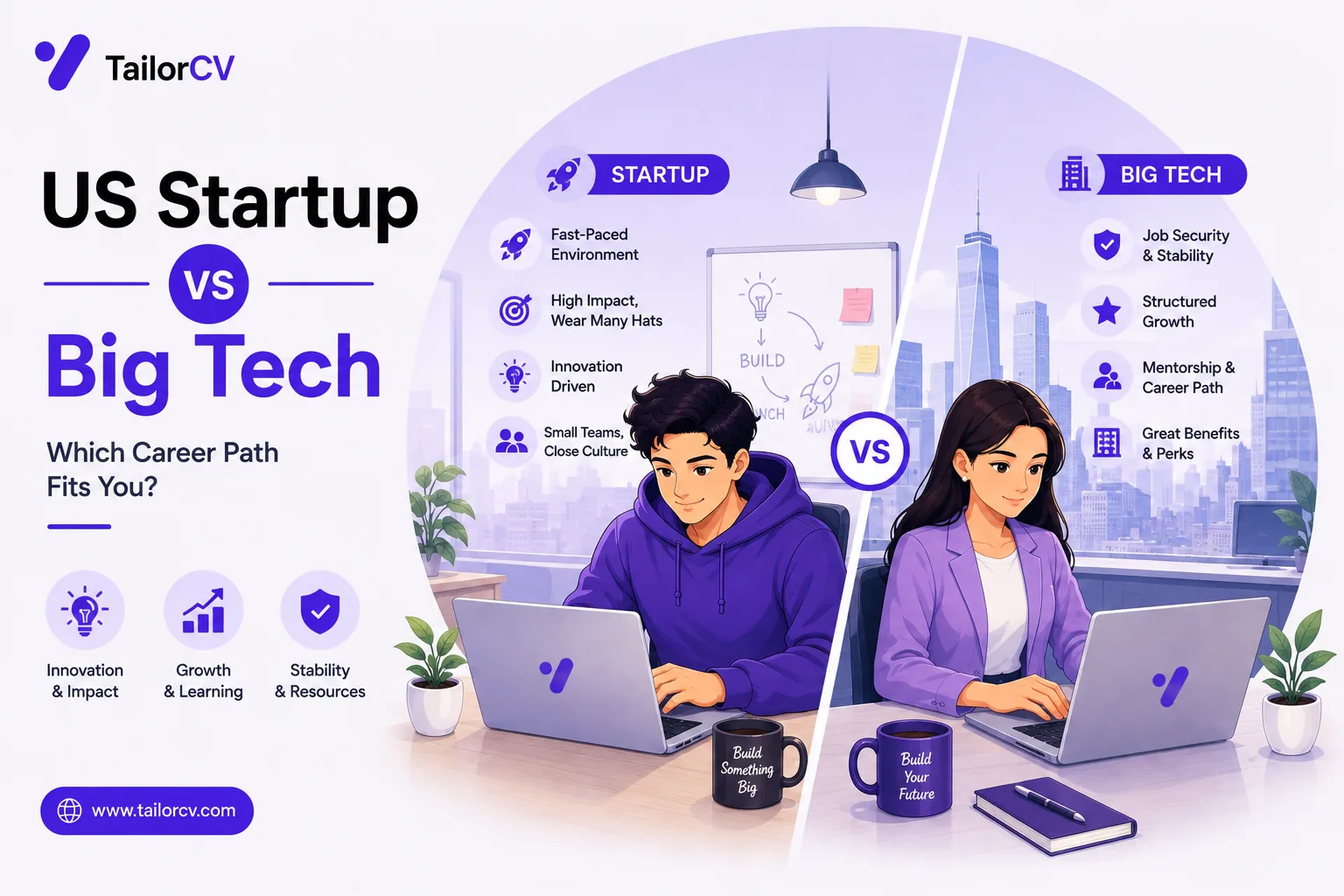
The startup-versus-big-tech question gets argued in absolutes, usually by people defending the choice they made. The honest answer is that they optimise for different things, and which is right depends on your stage, your finances, and your tolerance for the possibility that the equity is worth zero.
This guide compares them on the dimensions that actually affect your life, including the ones people avoid discussing.
Whichever you target, the application starts the same — check your ATS score free.
Compensation, honestly
Big tech: base salary, annual bonus, and RSUs — restricted stock units in a publicly traded company. RSUs have a knowable value: you can look up the share price. They vest over four years, typically with a one-year cliff.
Startup: lower base, and stock options rather than RSUs. An option is the right to buy shares at a fixed strike price. It has value only if the company is eventually worth more than that price, and only if there is a way to sell.
The uncomfortable arithmetic: most startups fail, and in many that do not fail outright, common shareholders — which is you — receive little or nothing after investor preferences are paid. Options are a real lottery ticket with a real prize, but they should not be counted as salary.
A reasonable frame: take the startup role if the cash compensation is acceptable on its own and you would be content if the equity turned out to be worth nothing. If the equity is what makes the offer competitive, you are being paid in something that probably will not pay.
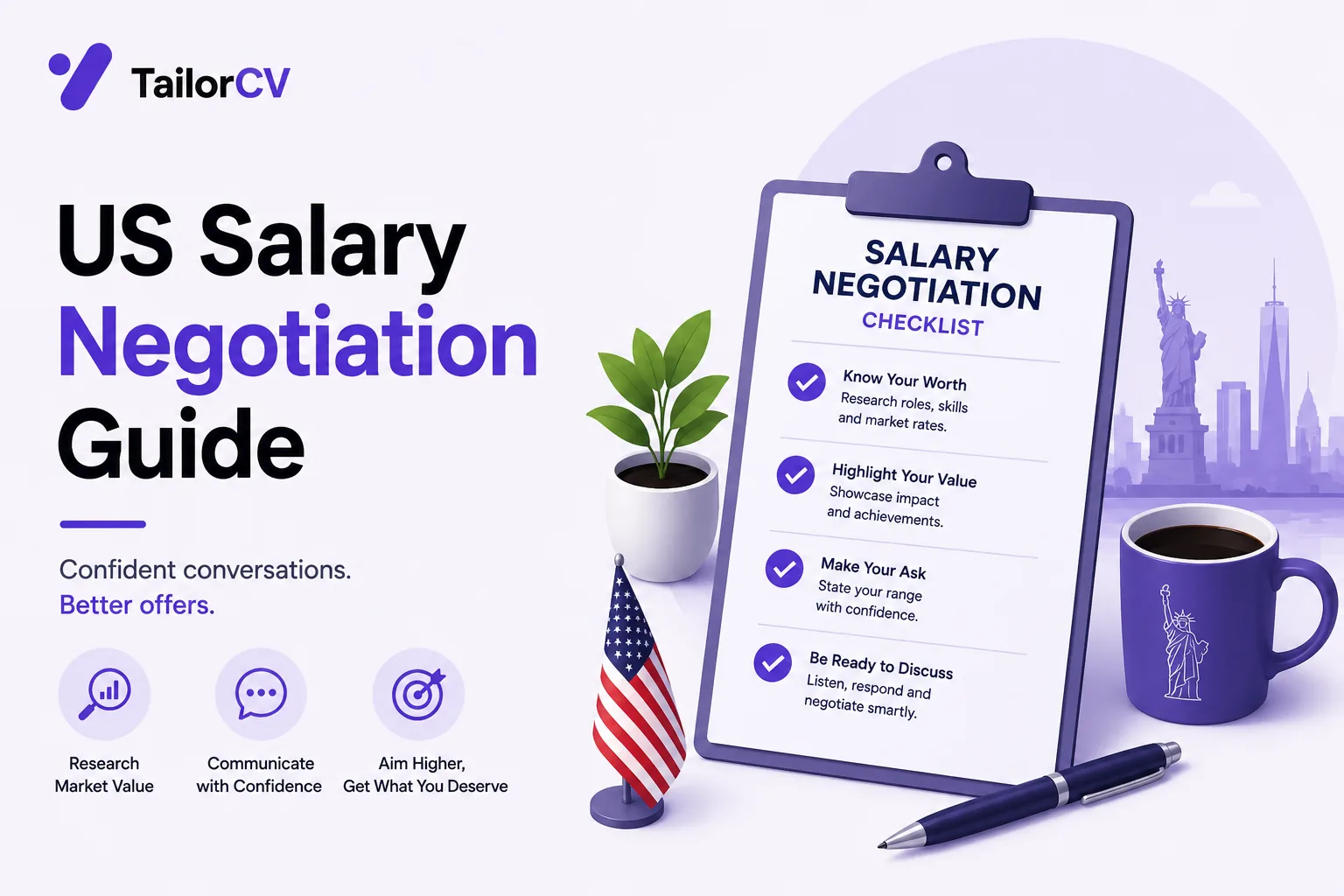
The negotiation mechanics for both are in US salary negotiation.
Questions to ask about startup equity
Most candidates accept an option grant without asking any of these. All are reasonable and a good employer answers them.
- How many shares, and what percentage of the company? "10,000 options" means nothing without the denominator.
- What is the strike price, and the last 409A valuation?
- What was the last preferred round's price? A large gap between preferred price and your strike tells you how much has to happen before you profit.
- How much preference is stacked ahead of common? If investors are owed a large multiple before common shareholders see anything, your options are further underwater than they look.
- What is the vesting schedule and cliff? Four years with a one-year cliff is standard.
- What is the exercise window if I leave? Traditionally 90 days — which can mean a large tax bill you cannot afford, forcing you to walk away. Some companies now offer extended windows, and it is worth asking.
- What is the current runway?
A company that will not answer these is telling you something.
Scope and learning
Startup. You will do things well beyond your title, earlier than you should. That is the genuine draw. An engineer might own infrastructure, on-call, hiring and a customer relationship inside a year. You learn breadth fast, and you learn what you are actually capable of.
The cost is that there is often nobody more senior to learn from. You develop habits nobody corrects, and you can pick up depth in nothing.
Big tech. Narrow scope, deeper. You may work on one system for two years, but with code review from strong engineers, real design processes, and a scale you cannot experience anywhere else.
The cost is slower autonomy and more process between you and shipping.
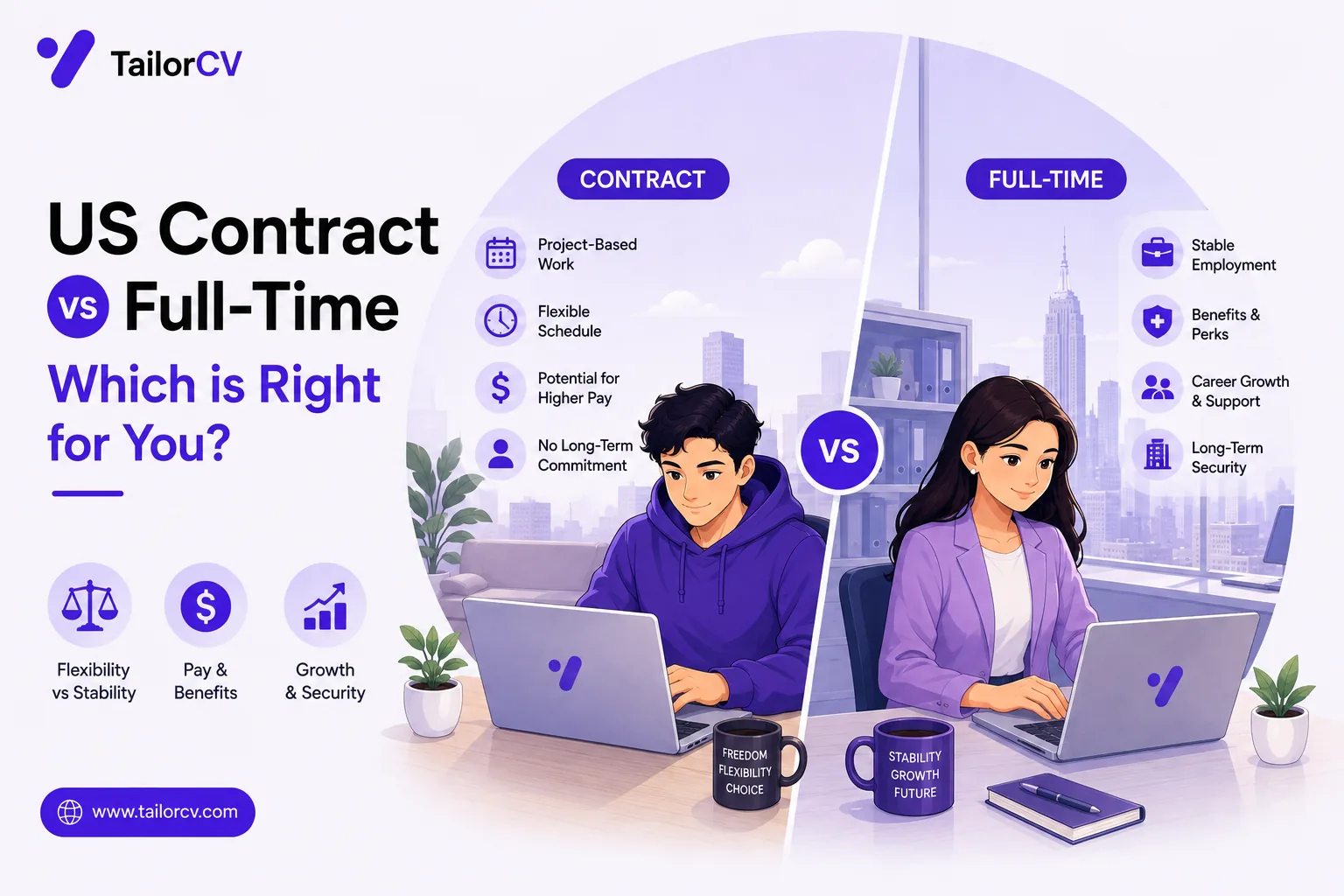
The stage argument: early career benefits disproportionately from mentorship and feedback, which is the one thing startups most often cannot provide. That is not an argument against startups generally — it is an argument for at least some structured experience early. The same logic appears in contract vs full-time.
Security and what happens next
Big tech is more stable but not safe — large layoffs have happened repeatedly. What it does provide is a brand on your resume that reduces friction everywhere afterwards, and a network of colleagues who go on to other companies.
Startups fail, pivot, or run out of runway, sometimes quickly. Ask directly about funding and runway; it is a normal question.
On the resume, an unknown startup needs context — one clause naming the sector, stage and size. "Series A fintech, 25 people" makes an unfamiliar name legible, which matters because a recruiter cannot weigh what they do not recognise.
Interviewing differs
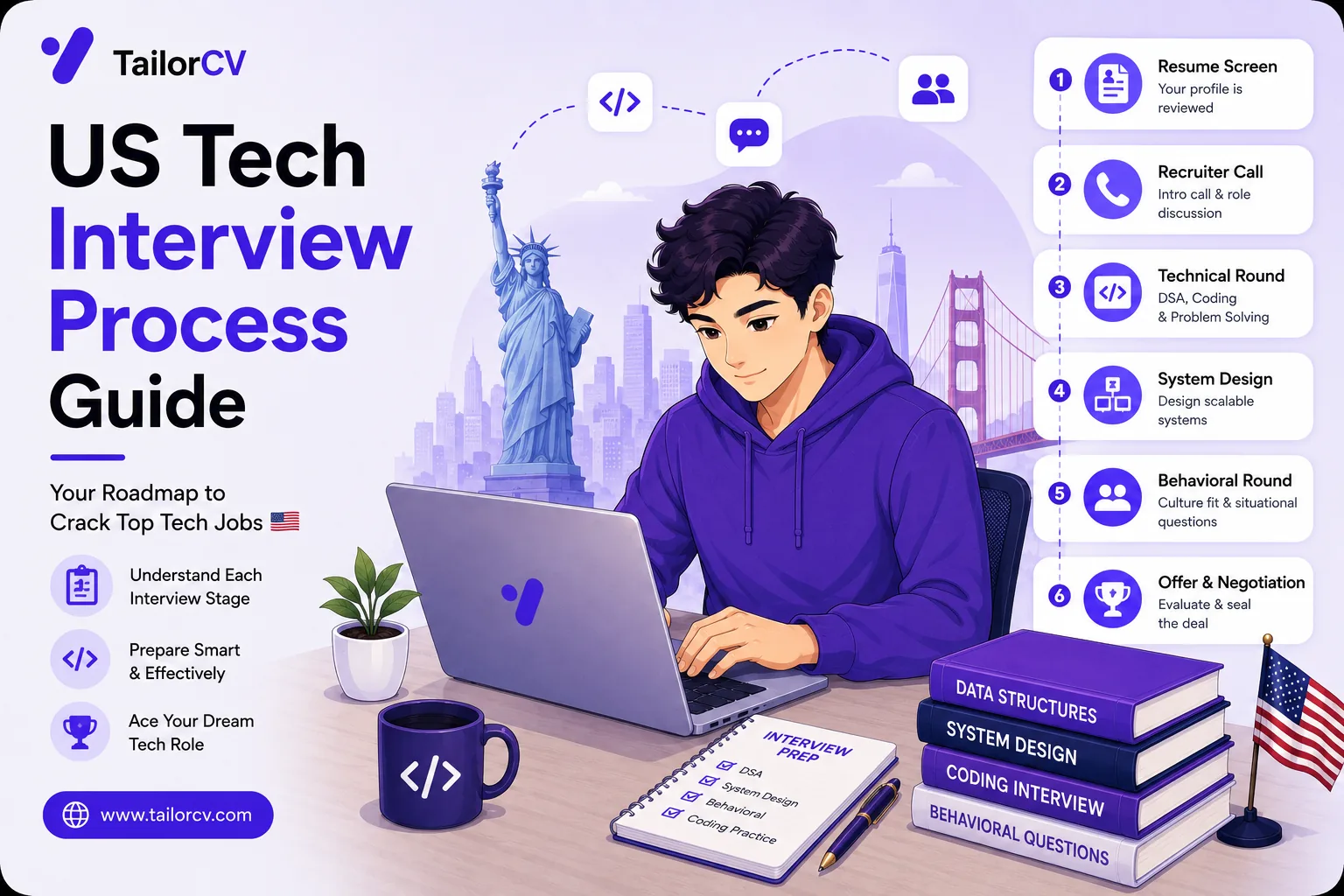
Big tech: structured, standardised, four to eight weeks, algorithmic coding and system design, formally scored behavioral rounds. Prepare accordingly — see the US tech interview process guide and the STAR guide.
Startups: faster, sometimes days, and far more variable. Often a practical exercise or a conversation about your actual work rather than algorithm puzzles. Founder involvement is common, and fit matters more.
Speed is a genuine consideration when you are between roles — see the US job search timeline.
Common Mistakes
Counting options as salary. Most startup equity is worth nothing, so an offer that only looks competitive once you include it is a below-market cash offer.
Accepting a grant without asking the percentage. A share count is meaningless without the total outstanding, and candidates routinely accept without knowing what fraction they hold.
Ignoring the preference stack. If investors are owed a large multiple ahead of common shareholders, your options may be far further from paying out than the headline valuation suggests.
Not asking about the exercise window. A 90-day window after leaving can force a tax bill you cannot fund, meaning you forfeit vested options you earned.
Joining a startup purely to avoid interview prep. Faster processes are a convenience, not a career strategy, and the role still has to be right.
Assuming big tech is safe. Large layoffs have happened repeatedly; the real advantage is brand and network rather than guaranteed stability.
Leaving an unknown startup uncontextualised on your resume. One clause naming sector, stage and headcount is what makes the experience legible to a recruiter.
Optimising for prestige early and scope never. Brand opens doors, but a career spent entirely in narrow scope makes the eventual jump to ownership harder.
Frequently Asked Questions
Is startup equity worth anything?
Usually not. Most startups fail, and in many outcomes common shareholders receive little after investor preferences. Treat it as a lottery ticket with a real prize, not as compensation.
What should I ask about an option grant?
Number of shares as a percentage of the company, strike price, last 409A and last preferred round price, preference stack, vesting schedule and cliff, exercise window after leaving, and current runway.
Does big tech pay more?
Generally yes, and more reliably, because RSUs have a knowable market value while options may not. Senior startup roles at well-funded companies can compete on cash.
Which is better early in a career?
Big tech or an established company usually offers more mentorship and structured feedback, which compounds most in your first few years. Startups offer scope earlier, which suits people who learn well without supervision.
Are startup interviews easier?
Different rather than easier — faster, more practical, more variable, and often more focused on fit and on work you have actually done than on algorithm puzzles.
How do I put a startup on my resume?
Add one clause of context — sector, funding stage, headcount — so a recruiter who has never heard of the company can weigh the experience.
What if the startup fails?
It happens and it is not a career problem if you can describe what you built and what you learned. Employers understand startup risk; unexplained vagueness is the issue, not the outcome.
Whichever you target, the resume has to clear screening. Check your ATS score free.
Make This Practical
Value the cash offer on its own before considering equity. If the base salary alone is not acceptable, treat the options as decoration — most are worth nothing, and an offer that depends on them is a below-market offer wearing a bigger number.
Then interrogate any grant properly. Ask for the percentage rather than the share count, the strike price against the last preferred round, the preference stack, and crucially the exercise window if you leave — a 90-day window can force you to forfeit options you earned.
Finally, match the choice to your stage. Early career, weight mentorship and structured feedback, which is what startups most often cannot provide. Later, weight scope and ownership. Either way, give an unknown company one clause of context on your resume so a recruiter can actually place it.
What is your resume scoring right now?
Scan it against a job description and get your ATS match score in about a minute.
Drop your resume here or choose a file
PDF only. Max 2 MB.
We never share your data or use it to train AI models.

Was this guide useful?
Be the first to rate it.