

Permanent Residency in Japan for Foreign Workers
Japan offers a conventional residence route and a considerably faster points-based one. Which applies to you depends on qualifications, salary and language ability, and it is worth knowing early.
Actionable guides to improve ATS score, resume quality, and job search outcomes.
Japan offers a conventional residence route and a considerably faster points-based one. Which applies to you depends on qualifications, salary and language ability, and it is worth knowing early.
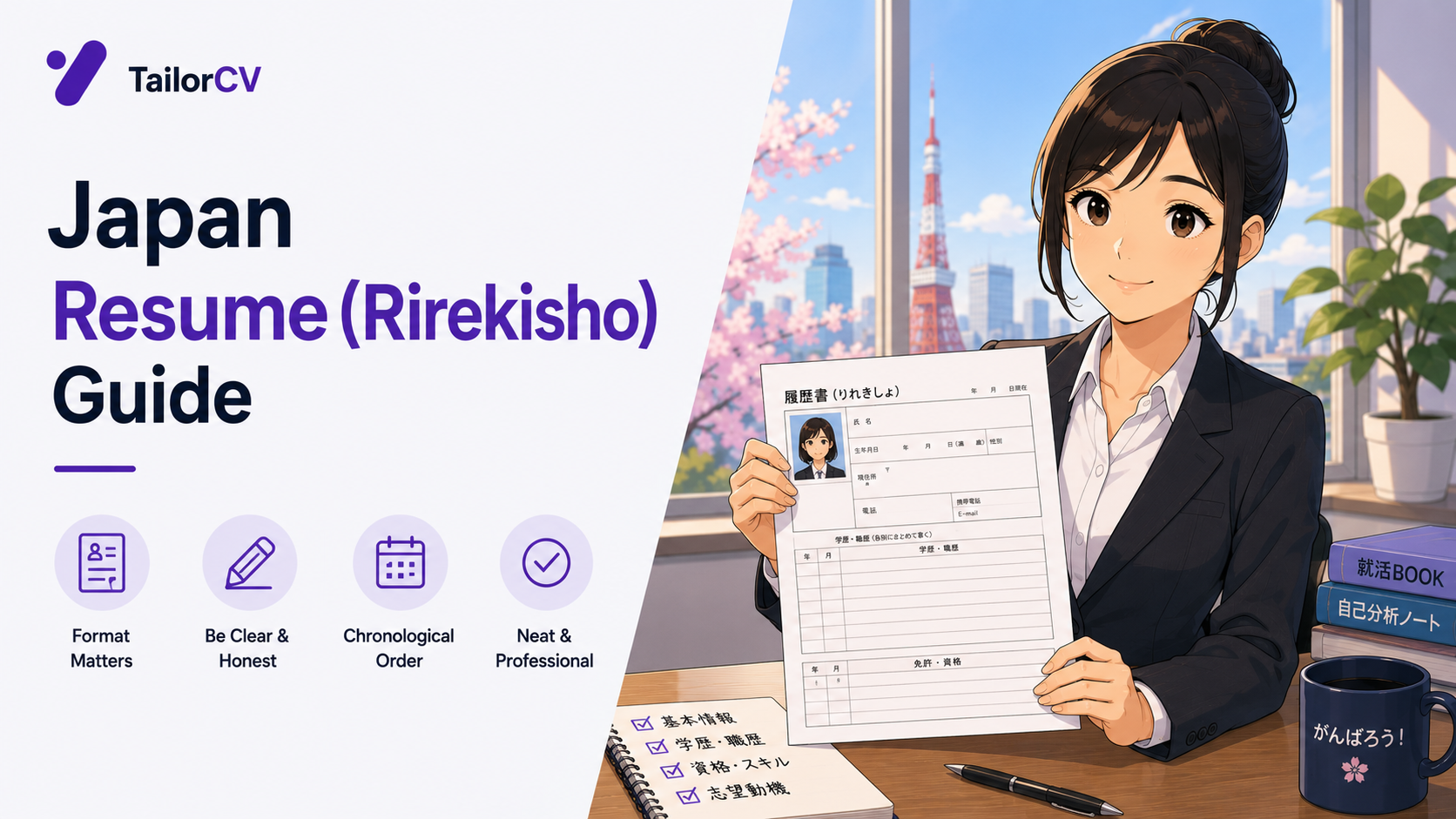
Japan uses a standardised personal history form rather than a freely designed resume. The format is fixed, the conventions are strict, and getting them wrong signals unfamiliarity immediately.
Japanese graduate pay is unusually standardised, negotiation is largely absent, and the total package works differently from most markets. Knowing the structure matters more than knowing a number.

Where the rirekisho is a fixed form, the work history document is where you actually describe what you have done. It is the closest thing Japan has to a Western resume, and it is where applications are won.

Japan's startup ecosystem is smaller than the US or China but growing, and it offers foreign graduates something the conventional system does not — role-specific hiring, flexible timing and frequently English.
Technology is where Japan's hiring conventions bend most. Year-round recruiting, English-operating teams and skills-based assessment make it the most accessible professional route for foreign graduates.
Japan's general trading companies are among the most sought-after graduate employers in the country, offering global scope and a genuinely unusual business model. They are also among the hardest to enter.
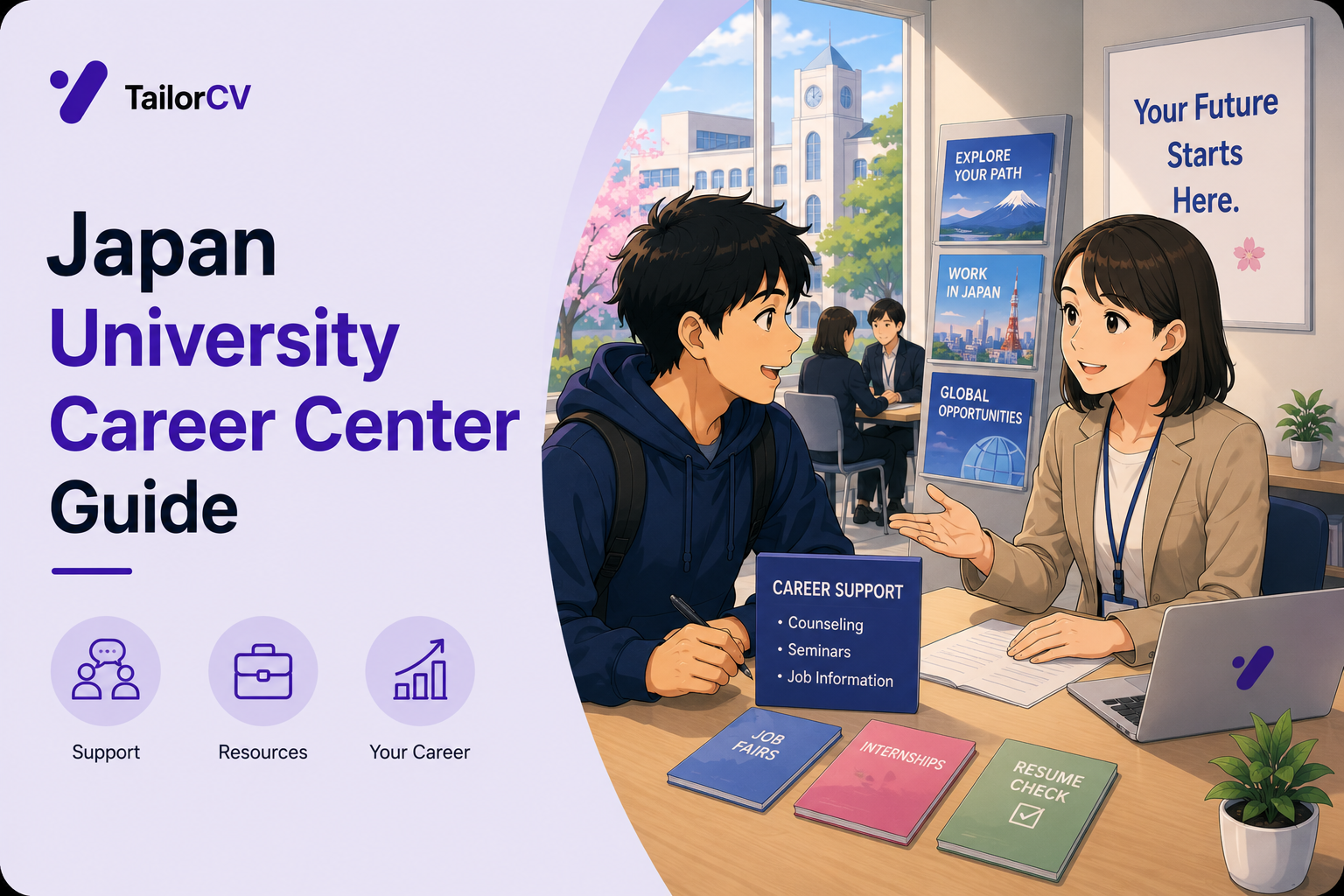
Japanese university career centres hold employer relationships, exclusive listings and the recruiting calendar itself. For international students they are the single most under-used resource on campus.

Japanese workplace conventions around hierarchy, communication, hours and the cohort system shape the first year in ways foreign graduates consistently underestimate.
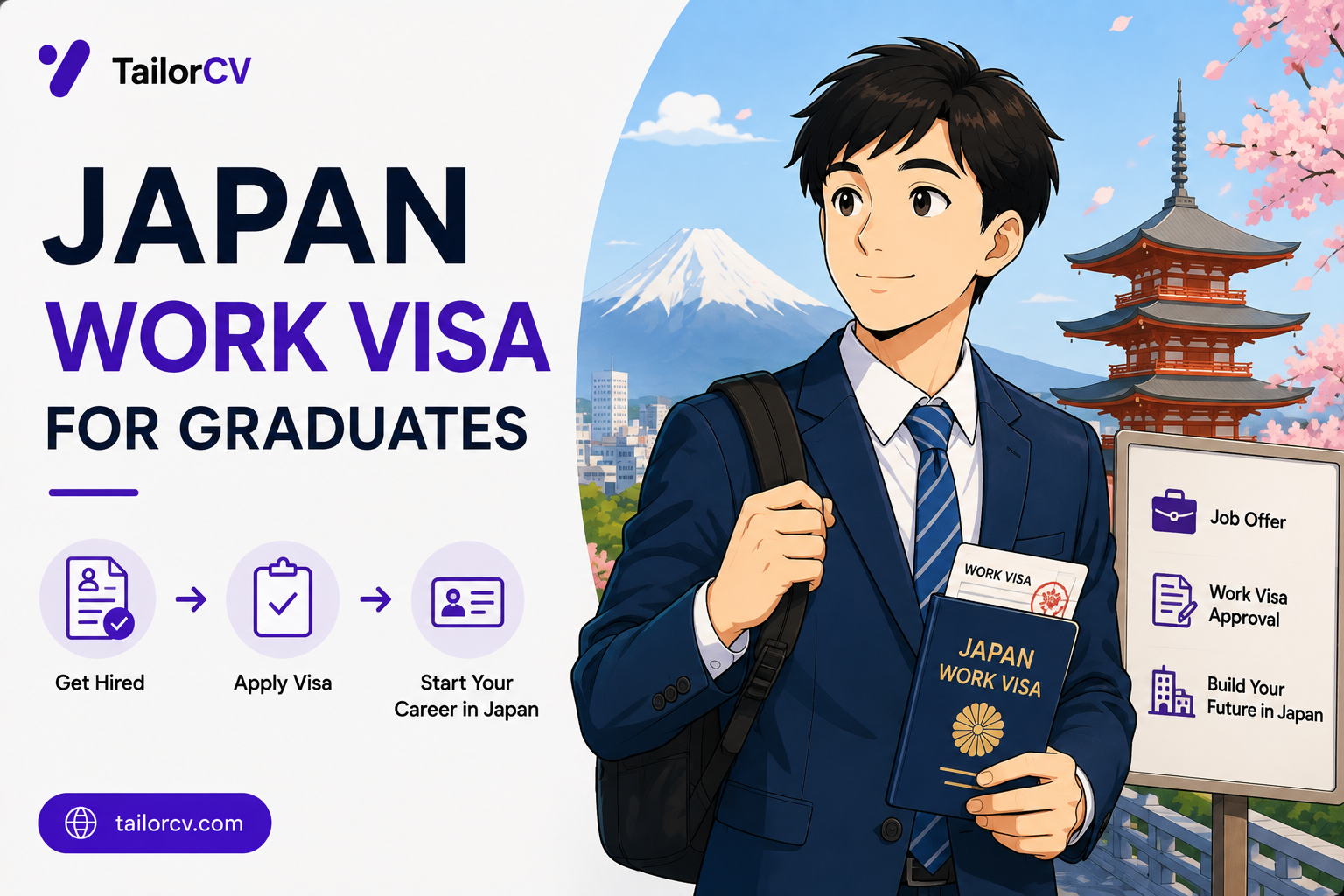
Japan's main working visa for graduates covers a broad range of professional roles, is applied for by your employer, and depends on the match between your degree and the job you have been offered.

Singapore has deliberately built a substantial biomedical sciences cluster over two decades, and the roles it employs graduates in extend well beyond laboratory research into manufacturing, regulatory and data science functions.

Singapore is a genuine regional consulting hub, and the case interview format that dominates hiring here is largely identical to the format used internationally, which makes preparation unusually portable.

At many Singapore employers, the internship class effectively feeds the graduate intake, and understanding how conversion decisions are actually made changes how a summer internship should be approached.

Understanding how the Central Provident Fund applies to you, and what it means if it does not, is one of the first practical financial questions a new graduate in Singapore needs answered correctly.

Several distinct channels exist for a Singapore job search, and knowing which one a specific employer actually uses saves considerable wasted effort searching the wrong place.

Networking in Singapore follows the same underlying mechanics as anywhere, asking for a conversation rather than a job, and it operates within a specific local register worth understanding before you start reaching out.

Permanent residency is a separate, longer process from holding an Employment Pass, and understanding what strengthens an application shapes decisions worth making from your very first job.

Moving to Singapore for a first job involves a set of practical steps worth planning in advance, from housing to the specific documentation an employer will need from you.

A scholarship bond can be an excellent deal or a genuine constraint, and understanding the full terms before signing matters more than the headline funding amount alone.

Singapore's startup ecosystem offers genuine early responsibility and real risk, and the pass and sponsorship considerations for a foreign graduate differ meaningfully from taking a role at an established employer.