 SS
SS
Key Takeaways
- China's major technology companies run structured graduate hiring through the national two-season recruiting cycle, with very high application volumes.
- Technical interviews for engineering roles closely follow international convention, algorithmic problem solving under time pressure, and preparation transfers substantially.
- Work culture and expectations, including hours, differ meaningfully from many Western technology employers and are worth understanding honestly before accepting an offer.
- Language requirements vary by employer and function, with some roles genuinely accessible to non-Mandarin speakers and others requiring fluency.
- Compensation structures often weight annual bonus heavily, meaning base salary comparisons alone can be misleading.
The hiring process
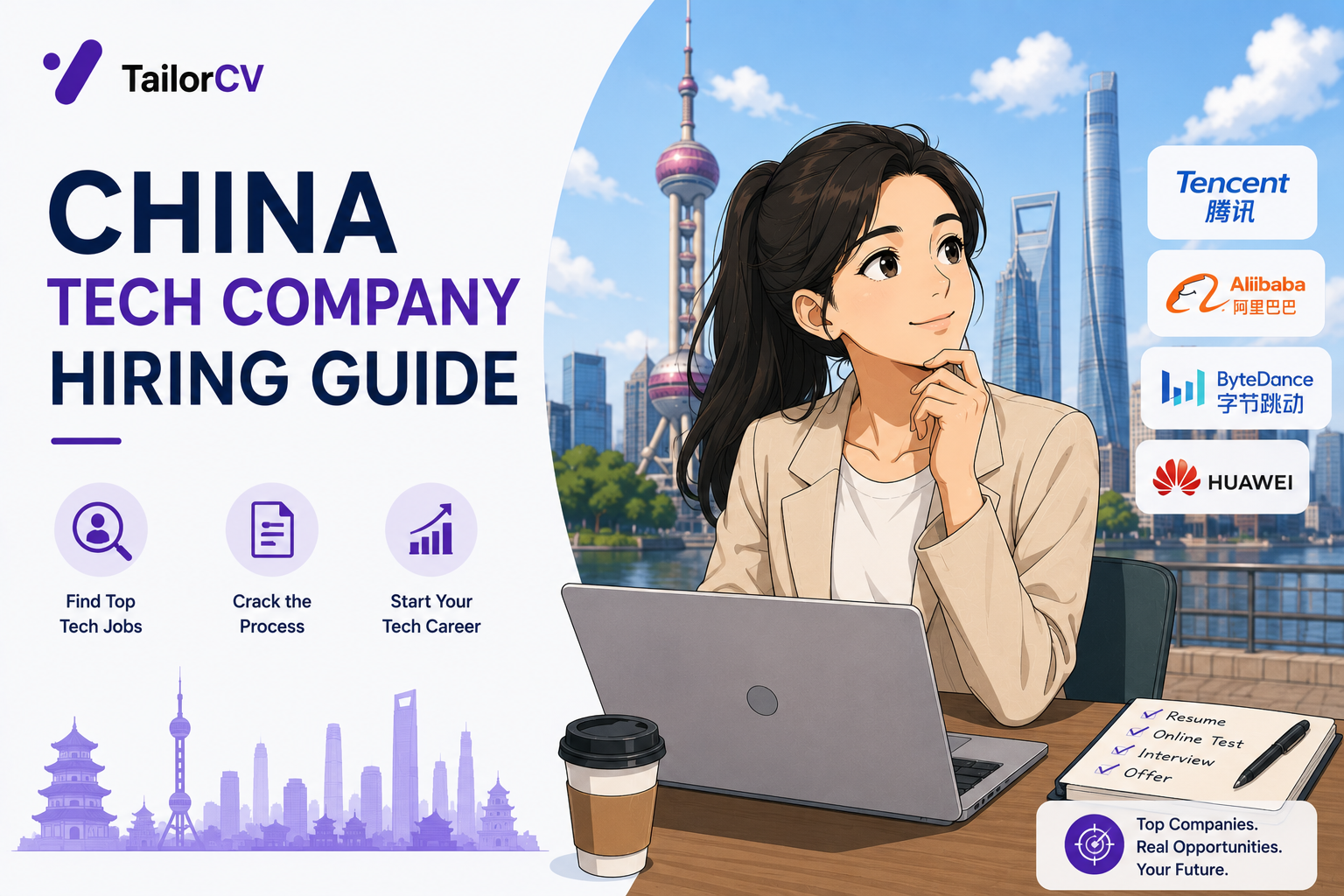
Applications run through the standard autumn and spring recruiting seasons, with major technology employers among the largest hirers in each cycle, application volumes for well-known companies are enormous, and applying early within the season window is a genuine practical advantage. Tencent, Alibaba, ByteDance, Huawei, Baidu, and Xiaomi are the names that dominate graduate recruiting conversations specifically, each running large, well-structured graduate programmes, alongside major platform companies like Meituan and Pinduoduo — researching each company's specific graduate programme name and current recruiting timeline directly, rather than treating "Chinese tech company" as one undifferentiated target, is worth doing early.
Online technical assessments typically follow the initial application, commonly algorithmic coding problems under time pressure, closely mirroring the format used by major technology employers internationally, the standard technical interview preparation transfers substantially, since question patterns and the underlying skills tested are broadly similar worldwide. Boss直聘 (Boss Zhipin) is the dominant general recruiting platform in the domestic market, with a distinctive direct-chat-with-hiring-manager feature rather than a purely resume-submission model; 拉勾网 (Lagou) is a tech-specific platform worth knowing alongside it. Both are worth having an account on if you're seriously targeting domestic employers, since a meaningful share of roles are posted there before or instead of a company's own careers page.
Multiple technical interview rounds follow, assessing data structures, algorithms and problem solving in real depth, often with increasing seniority of interviewer at each stage, narrating your reasoning aloud while solving matters here exactly as it does anywhere, silence during a technical round is read as a lack of process regardless of whether the final answer is correct.
A final round with more senior staff or management typically assesses genuine fit and sometimes system design, particularly for more experienced hires, less emphasized for fresh graduates than for lateral hires.
Language, and who it is accessible to
Domestic technology companies generally expect Mandarin fluency, for both the interview process and the working environment, this is the default assumption and a real screening factor for these employers specifically.
Some larger domestic companies with international operations or specific teams occasionally have roles more accessible to non-Mandarin speakers, though this is the exception rather than the rule, and worth confirming directly rather than assuming.
International technology companies with a China presence vary considerably, some teams operate primarily in English, others require Mandarin for effective collaboration with local colleagues and users, checking the specific team's actual working language, not just the company's general policy, is worth doing directly with a recruiter or through a contact on the team.
Your realistic pool of accessible employers narrows or widens substantially based on your actual language ability, honestly assessed, the language requirements guide and the HSK levels guide cover how to evaluate and demonstrate this properly.
Work culture, honestly
Working hours at many Chinese technology companies run longer than at comparable Western employers, and this has a specific, widely-known name: "996" — a 9am-to-9pm, six-days-a-week schedule that became a genuinely public, widely-debated topic in the sector in recent years, with some companies scaling it back publicly in response to that scrutiny while others continue similar patterns less openly. This is a genuine and widely discussed characteristic of parts of the sector rather than an exaggeration, and it varies meaningfully by company and team, but it is worth asking about directly and honestly during the interview process — using the term "996" specifically when you ask signals you've done real research and tends to get a more candid answer than a vague question about "work-life balance."
Ask current or recent employees directly about typical hours and pace, rather than relying solely on what a recruiter presents, a short conversation through your university's alumni network or a professional contact gives a far more accurate picture than the recruiting material.
The pace and intensity vary by company and specific team, generalising across the whole sector understates genuine variation, worth investigating the specific team rather than assuming a single pattern applies everywhere.
Compensation structure
Base salary is often only part of total compensation, with annual bonus, sometimes tied significantly to company or individual performance, forming a substantial portion of total pay at many technology employers, comparing offers on base salary alone can be genuinely misleading.
Stock or equity-based compensation appears at some companies, particularly larger and publicly listed ones, understanding vesting terms and the realistic expected value, rather than the headline number, matters exactly as it does when evaluating any equity component of an offer.
Ask specifically what a typical bonus was for someone at your level last year, rather than relying on a stated target figure, the two frequently differ.
Tip: Ask about 996 by name during interviews. Naming it signals you have done real research, and it reliably produces a more candid answer than a general question about work-life balance.
Common Mistakes
- Applying without understanding the two-season recruiting calendar. Missing the autumn window at a major employer is a significant lost opportunity.
- Underpreparing for algorithmic technical interviews. It largely does not for engineering roles.
- Assuming Mandarin is optional. Assuming Mandarin fluency is optional at domestic employers without checking the specific role. Usually a real requirement.
- Accepting an offer without asking honestly. A genuine and material factor worth investigating directly.
- Comparing offers on base salary alone. Bonus structure often represents a substantial share of total compensation.
- Not asking current employees. Recruiting material and lived experience frequently differ.
Preparing a portfolio that resonates with this market specifically
A deployed, working project remains the strongest single credential, for a technical graduate here as much as anywhere, worth ensuring any project documentation is accessible in the appropriate language for the specific employer you are targeting, alongside the underlying technical substance itself.
Contributing to open-source projects, or building something real people actually use, even at small scale, demonstrates exactly the practical capability these companies' technical interviews are designed to probe, and this transfers directly regardless of which specific companies you ultimately target.
Networking within this specific market
Alumni from your own institution now working at target companies remain a genuinely high-value contact group here as in any market, particularly valuable given the language and cultural specificity of navigating this particular hiring landscape, someone who has already gone through the exact same process recently offers insight a general guide cannot fully replicate.
Technology community events and meetups, where accessible to you given your language ability, provide genuine opportunities to meet people at target companies directly, worth attending even a few of these if genuinely feasible, rather than relying purely on formal application channels.
Related Guides
Keep building on this with the related guides in this series:
- China Campus Interview Questions - What Is Actually Asked
- China Campus Recruiting - How the Autumn and Spring Cycles Work
- Teaching English in China - A Realistic Guide for Graduates
- The Points System for Foreign Graduate Work Permits in China
- Graduate Salary Expectations in China - A Realistic Guide
- HSK Levels and What They Actually Mean for Employment in China
You can also check your resume's ATS score for free, generate a tailored cover letter, or build a portfolio website in minutes.
Frequently Asked Questions
Do I need to be fluent in Mandarin to work at a Chinese tech company?
For most domestic companies, yes, this is the default expectation for both interviewing and the working environment. Some international companies and specific teams are exceptions, worth confirming directly.
How similar are the technical interviews to those at US tech companies?
Substantially similar in format for engineering roles, algorithmic problem solving under time pressure, and preparation largely transfers directly.
Is it true that working hours are longer at Chinese tech companies?
Genuinely varies by company and team, and is a widely discussed characteristic of parts of the sector, worth asking current employees directly rather than assuming a single pattern applies everywhere.
How is compensation typically structured?
Base salary plus often a substantial annual bonus component, and sometimes equity at larger companies, compare total expected compensation rather than base salary alone.
When should I apply?
Within the autumn or spring recruiting season windows, applying early in a season's window against a smaller applicant pool is a genuine practical advantage.
Are international students competitive for these roles?
Yes, particularly with strong technical preparation, though language ability and the specific employer's stance on hiring foreign nationals both matter and are worth confirming early.
What does "996" actually mean, and should I ask about it directly?
9am to 9pm, six days a week — a widely known shorthand for long working hours at parts of the sector. Asking about it directly and by name during interviews signals genuine research and tends to get a more candid answer than a vague work-life-balance question.
What platforms should I use to search for roles at domestic companies?
Boss直聘 (Boss Zhipin) is the dominant general platform, with a direct-chat-with-hiring-manager model; 拉勾网 (Lagou) is a tech-specific alternative. Both are worth an account on alongside checking company career pages directly.
What is your resume scoring right now?
Scan it against a job description and get your ATS match score in about a minute.
Drop your resume here or choose a file
PDF only. Max 2 MB.
We never share your data or use it to train AI models.

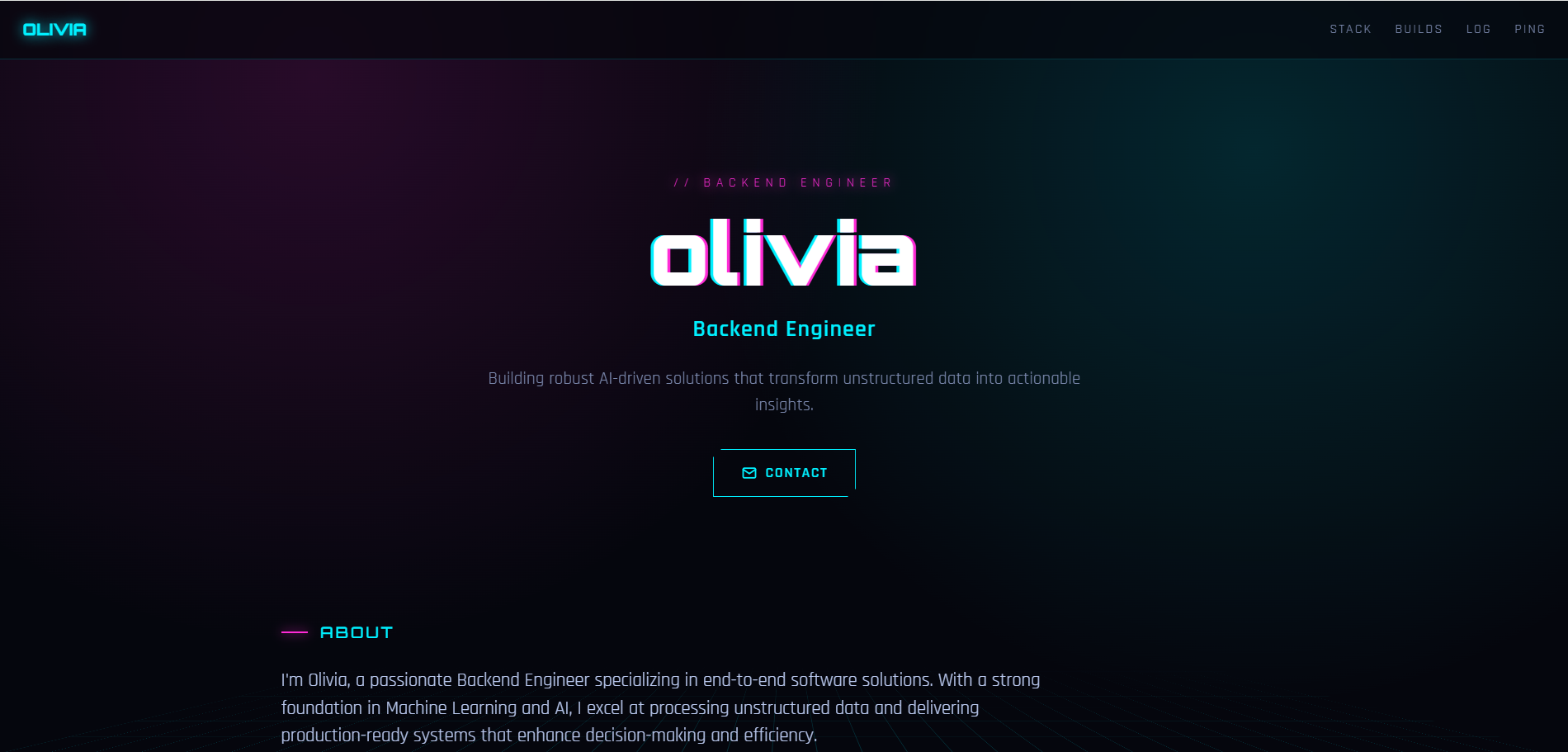
See what your portfolio could look like
This theme is built straight from your resume — pick one and your portfolio is live in minutes.
Was this guide useful?
Be the first to rate it.