TD
TD

Key Takeaways
- An internship is often the strongest single credential for converting into a full-time offer at major Chinese and multinational employers, mirroring the pattern seen in most large markets.
- Foreign students need proper authorisation to intern legally in China, and the specific requirements differ from a standard employment work permit.
- Applications for well-known internship programmes at major employers open earlier than students typically expect, tied to the national recruiting calendar.
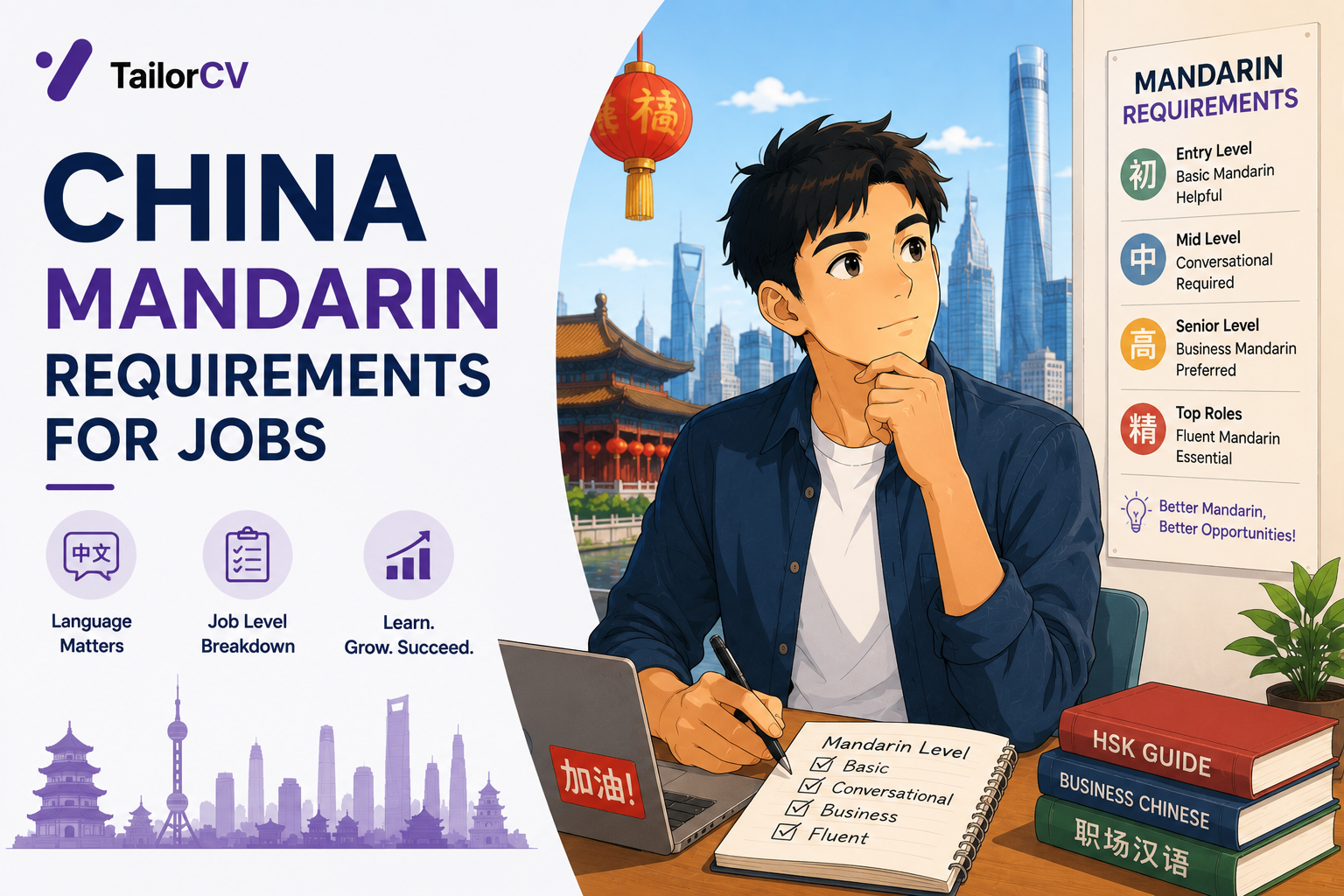
- Language ability affects which internships are realistically accessible, and this is worth assessing honestly before applying broadly.
- Making yourself visible during the internship, and asking about conversion directly, materially improves your odds of a full-time offer.
Why the internship matters so much
At many major domestic and multinational employers in China, the intern class genuinely feeds a substantial share of the eventual full-time graduate intake, the same structural pattern that holds in most large graduate markets, an employer who has already observed your actual work for a defined period converts you with far more confidence than one relying solely on an interview process.
It also resolves the two things an employer is genuinely uncertain about with an unfamiliar foreign candidate, whether you can actually do the work, and whether the practical logistics of employing you, including authorisation, are manageable, exactly the same two doubts an internship resolves anywhere.
Authorisation for interning as a foreign student
Interning legally in China as a foreign national requires proper authorisation, the specific requirements and process differ from the standard employment work permit route covered in the work visa guide, and depend on your specific status, whether you are currently studying in China or applying from abroad.
If you are currently enrolled at a Chinese institution on a student visa (X1 for long-term study, X2 for shorter programmes), an internship generally requires a specific internship permission letter from your school, sometimes alongside a supplementary permit — your school's international office is the authoritative source on the current specific process, since this is handled through the institution rather than independently by you or the employer.
If you are applying from outside China, the picture is genuinely more complicated: the standard Z visa is built for full employment, not internships, so a stand-alone internship arranged from abroad — without an existing Chinese student status — often has fewer straightforward legal pathways than students assume, sometimes requiring specific arrangements through an exchange, research collaboration, or business-visa-adjacent route depending on the employer and programme. Ask the employer directly and early exactly what authorisation route they use for foreign interns and whether they've genuinely done this before, since a vague "we'll sort it out" answer is a real warning sign given how much this process can vary by circumstance.
Do not begin work before proper authorisation is confirmed, working without it carries genuine risk to you personally, exactly the same caution that applies to any unclear authorisation situation anywhere.
When to apply
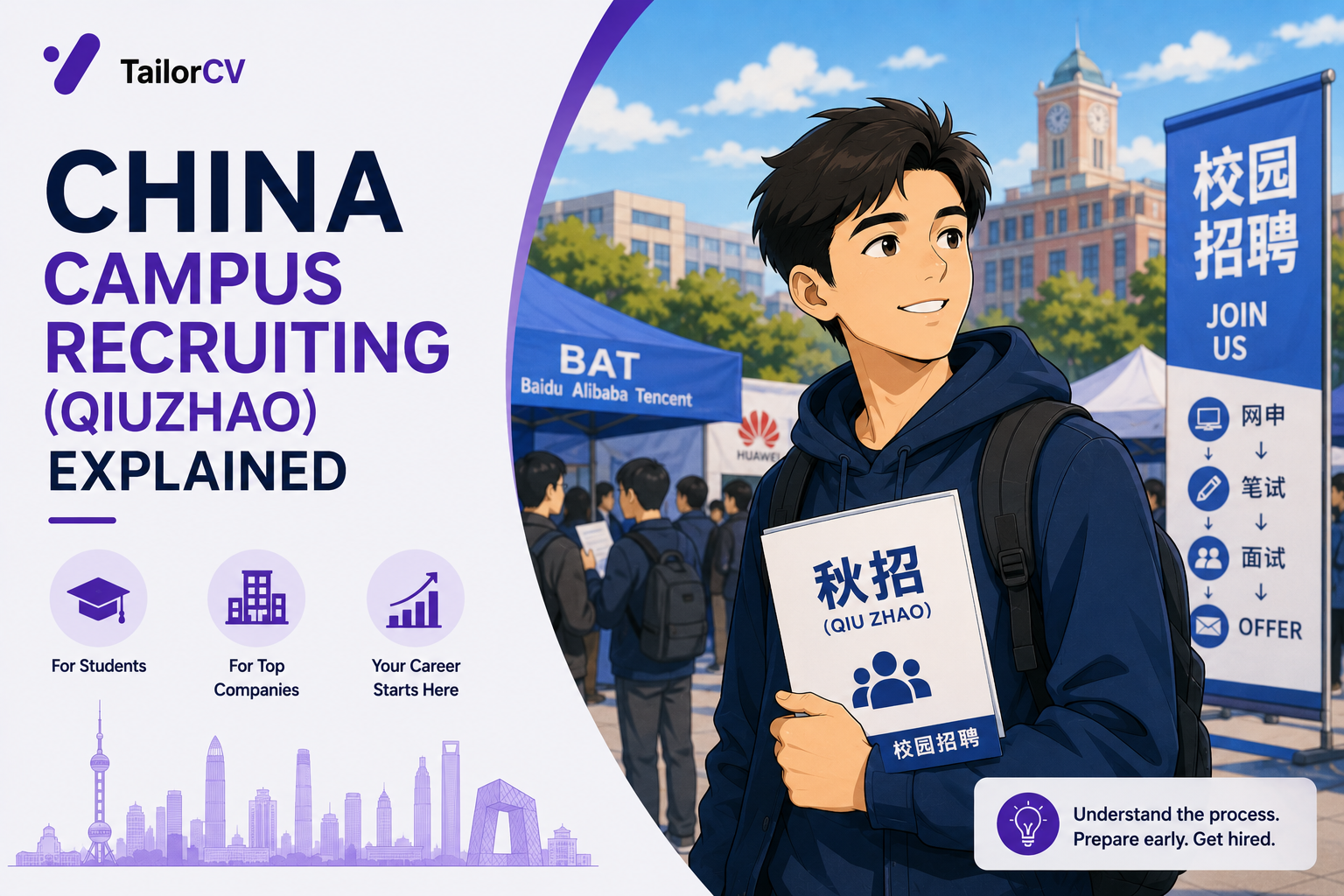
Internship applications, particularly for well-known programmes at major domestic and multinational employers, are tied to the same national recruiting calendar that governs full-time hiring, and frequently open earlier than students expect relative to when the internship itself would begin.
Summer internship applications commonly open months in advance, checking specific employer timelines directly, well ahead of when you expect to need one, prevents missing a window that has already opened and, in some cases, closed before you even started looking.
Where to look
Major domestic companies, particularly large technology employers and state-owned enterprises, run structured internship programmes, often as a formal pipeline feeding full-time hiring.
Multinational companies with a China presence frequently run internship programmes specifically, sometimes with a somewhat different application process from their global graduate programmes, worth checking the specific China-based posting rather than assuming a global application applies equally.
University career centres and partnership programmes sometimes maintain specific relationships with employers seeking foreign student interns, worth checking directly with your institution.
Making the most of the internship itself
Ask about conversion to a full-time role at the midpoint, not only at the end, exactly the same timing principle that applies to internships anywhere, asking early leaves you time to act on what you learn, asking only in your final week does not.
Make your work visible to more than your immediate supervisor, present findings, contribute in team settings where your language ability allows, being genuinely known within the team improves your odds meaningfully beyond simply doing competent work quietly.
Secure a reference and contact details before you leave, regardless of whether a conversion offer materialises, a local reference from real work experience is valuable for any subsequent application in this market.
Keep detailed records of your internship, dates, role, responsibilities and outcomes, useful for future applications and, if relevant later, for any authorisation process that asks you to account for your work history.
Building a target list across employer types
Include a genuine mix of large domestic employers, multinational companies and, where relevant to your field, statutory or state-owned organisations in your target list, rather than concentrating purely on the single most recognisable handful of names, exactly the same broadening strategy that meaningfully improves outcomes in any competitive internship market, less visible employers within each category often offer genuinely comparable quality work with considerably lower application volume.
Research each specific target's actual internship structure before applying, some offer short, defined placements while others run longer, more substantial programmes genuinely connected to graduate hiring pipelines, understanding which type of experience a specific programme actually offers helps you apply strategically rather than generically.
Making the internship period itself count
Ask for specific, substantive feedback partway through, rather than only at the very end, this mirrors the same midpoint-check discipline that improves outcomes in internships everywhere, asking early enough to genuinely act on what you learn distinguishes candidates who convert from those who do not.
Document your specific contributions and outcomes as you go, rather than attempting to reconstruct them from memory once the internship concludes, this record becomes genuinely valuable both for your own future applications and, where relevant, for future work authorisation processes that may ask you to account for your history.
Tip: If you are applying from outside China, ask the employer exactly which authorisation route they use for foreign interns. A vague "we'll sort it out" is a genuine warning sign — the standard Z visa is built for employment, not internships.
Common Mistakes
- Starting without authorisation. Beginning an internship without confirming proper authorisation is in place. Carries genuine personal risk.
- Applying after the window closed. Applying too late, after well-known programmes' application windows have already closed. These frequently open earlier than expected relative to the internship start date.
- Asking about conversion too late. Not asking directly about conversion to a full-time role until the internship is nearly over. Asking earlier leaves time to act on the answer.
- Doing competent work quietly. Visibility materially affects conversion odds.
- Not keeping records. Of the internship for future reference. Details are harder to reconstruct later than to record at the time.
- Assuming intern and work permits match. Assuming internship authorisation works identically to standard full-time employment authorisation. The specific requirements differ and are worth confirming directly.
Related Guides
Keep building on this with the related guides in this series:
- China Campus Interview Questions - What Is Actually Asked
- China Campus Recruiting - How the Autumn and Spring Cycles Work
- Teaching English in China - A Realistic Guide for Graduates
- The Points System for Foreign Graduate Work Permits in China
- Graduate Salary Expectations in China - A Realistic Guide
- HSK Levels and What They Actually Mean for Employment in China
You can also check your resume's ATS score for free, generate a tailored cover letter, or build a portfolio website in minutes.
Frequently Asked Questions
Can foreign students legally intern in China?
Yes, with proper authorisation, the specific process depends on your current status. If currently studying in China on an X1 or X2 visa, check with your institution's international office about the internship permission letter process; if applying from abroad, confirm directly with the employer what specific authorisation route they use, since the standard Z visa is built for full employment rather than internships.
When should I apply for a summer internship?
Well in advance, often months before the internship itself would start, tied to the broader national recruiting calendar rather than a separate, later timeline.
Does an internship really improve my chances of a full-time offer?
Substantially, at many major employers a meaningful share of the eventual full-time graduate intake comes from converted interns.
What if my Mandarin is limited, can I still find an internship?
Some roles, particularly at multinational companies in specific technical or research functions, remain accessible, though the broader language requirements picture applies here as it does to full-time roles.
Should I ask about full-time conversion during the internship?
Yes, directly, and ideally at the midpoint rather than only at the end, giving yourself time to act on what you learn.
What should I keep from the internship for future use?
Detailed records of dates, role and responsibilities, a secured reference with contact details, and evidence of any specific contributions or outcomes.
Find out where a fresher resume stands
Score yours against a real posting - no account, no cost.
Drop your resume here or choose a file
PDF only. Max 2 MB.
We never share your data or use it to train AI models.

Was this guide useful?
Be the first to rate it.