 TD
TD
Key Takeaways
- Group interviews and group discussions appear more frequently in Chinese campus recruiting than in many Western markets, and reward a genuinely different set of behaviours.
- Direct questions about long-term career commitment and specific reasons for choosing this employer are common and are taken seriously by interviewers.
- Written examinations, distinct from the interview itself, are a standard part of the process at many large employers, particularly state-owned enterprises.
- Register and presentation expectations are generally more formal than at many Western technology companies specifically.
- Preparing genuine, specific answers to why this employer and why this role matters considerably here, generic enthusiasm is noticed and reads poorly.
The group interview format
Group interviews and group discussions appear more commonly in Chinese graduate recruiting than in many Western markets, and this specific format has a real, well-known name: 无领导小组讨论 (wú lǐngdǎo xiǎozǔ tǎolùn, "leaderless group discussion"). A scenario or discussion topic is given to a group of candidates together, deliberately without an assigned leader, and interviewers assess how each person contributes and interacts, rather than assessing solely through individual one-to-one questioning. Knowing this term matters practically — searching for it directly, rather than a generic "group interview" translation, surfaces the specific practice materials and sample scenarios Chinese candidates actually use to prepare for this exact format.
What is actually being assessed differs from what candidates often assume. Dominating the discussion is not the goal, interviewers are watching for genuine contribution, how you build on what others say, whether you can disagree constructively, and whether you would be someone colleagues want to work alongside, broadly similar in spirit to group exercise assessment in other markets, though the specific format and register differ.
Practising this format specifically matters, it is a genuinely different skill from a one-to-one interview, and the first attempt is rarely a candidate's best, doing a practice round with friends beforehand, even informally, meaningfully improves performance in the real one, since the specific rhythm of group dynamics under observation is not something general interview preparation alone develops.
The direct commitment questions
Chinese employers, particularly larger and more traditional ones, frequently ask direct questions about your long-term career plans and specific commitment to this employer and role, this is taken more seriously here than a similar question might be treated as a formality elsewhere, and a vague or generic answer is genuinely noticed.
"Why this company specifically, rather than a comparable competitor" is a common and important question, requiring a real, specific answer, something about the company's actual business, a specific team or product, or a genuine reason connected to your own background, rather than general praise that could apply to any employer in the sector.
Questions about how long you intend to stay, or how you see your career developing over several years, appear more directly here than in some markets, worth having a considered, honest answer prepared rather than being caught off guard, this does not require false certainty, a genuine and thoughtful answer is what is actually being assessed.
Written examinations
Many large employers, and particularly state-owned enterprises, include a formal written examination as a distinct stage, separate from the interview itself, testing general knowledge, logical reasoning, and sometimes role-specific or industry knowledge.
This is a standard and expected part of the process at these employers, worth preparing for specifically rather than assuming interview preparation alone is sufficient, practice materials for these examinations are widely available and specific preparation genuinely helps.
Individual interviews at more structured or traditional employers sometimes follow a distinct format of their own: 结构化面试 (jiégòuhuà miànshì, "structured interview") — a standardised set of questions asked in a consistent order across all candidates, scored against a defined rubric, closer in spirit to a formal assessment than an open conversation. Recognising this format when it happens helps you calibrate your answers to be complete and specific rather than assuming a more free-flowing conversational style is what's being invited.
Register and presentation
Formality expectations are generally higher, particularly at larger and more traditional employers, than at many Western technology companies specifically, dress and manner that would be considered acceptably casual at some international technology employers may read as underprepared here, when in doubt, formal dress is the safer default.
Politeness and appropriate deference toward more senior interviewers is genuinely valued, this does not mean passivity, confident and substantive answers are still expected, the register is measured rather than either overly casual or overly assertive. Getting this balance right takes some calibration if your instinct, shaped by a different market's interview culture, leans toward either extreme — watching how current employees at your target company carry themselves, where you can, is a genuinely useful reference point beyond general advice.
Punctuality is taken seriously, arriving with real margin before the scheduled time is the expectation rather than arriving exactly on time.
Preparing properly
- Build specific, genuine answers to why this company and why this role, researched and particular to the actual employer, this single area of preparation matters more here than almost any other.
- Practise the group discussion format specifically, with friends if possible, this is a distinct skill from individual interviewing and benefits meaningfully from deliberate practice.
- Prepare for a written examination if applying to a state-owned enterprise or other employer known to use one, using available practice materials.
- Build genuine, specific examples of your own experience, the same underlying competency-based preparation that serves any structured interview process, adapted to the more formal register expected here.
Do's and Don'ts
Do
- Practise the 无领导小组讨论 format with friends first
- Build on what others say in a group discussion
- Prepare for the written examination as its own stage
- Dress formally when unsure
- Have a specific, researched reason for this employer
Don't
- Walk into a group discussion having never tried the format
- Treat the discussion as something to win
- Assume interview prep covers the written test
- Read the dress code as casual because the sector is modern
- Give generic enthusiasm as your "why this company"
Tip: Search 无领导小组讨论 (leaderless group discussion) to find the practice scenarios domestic candidates actually rehearse with. Practising the format once before the real thing matters more here than almost any other preparation.
Common Mistakes
- Dominating the group discussion. Treating the group interview as an opportunity to dominate the conversation. Genuine contribution and collaborative behaviour is what is actually assessed.
- A generic “why this company”. Giving a generic answer to why this company that could apply to any competitor. Noticed and read poorly.
- Skipping written exam prep. Not preparing for a written examination at employers known to use one. A standard, expected stage rather than an informal add-on.
- Underestimating formality. Expectations, particularly at larger or more traditional employers. Casual presentation can genuinely read as underprepared.
- Arriving exactly on time. Punctuality expectations here favour arriving well ahead.
- No answer on long-term commitment. Having no considered answer to direct questions about long-term commitment. Taken more seriously here than a similar question in some other markets.
Practising the format properly before the real interview
Rehearse the group discussion format specifically with friends or classmates beforehand, using a realistic scenario or discussion topic, the first genuine attempt at this unfamiliar format is rarely a candidate's strongest performance, doing this once or twice in a low-stakes setting meaningfully improves your actual performance in the real assessment.
Practise responding to direct questions about long-term commitment with a genuine, considered answer prepared in advance, rather than being caught off guard in the moment, a vague or dismissive response to this specific type of question is noticed and reflects poorly within a hiring culture that weighs it more heavily than some other markets do.
Understanding what senior interviewers are specifically looking for
In later, more senior interview rounds, expect questions probing genuine depth of understanding about the specific role and organisation, beyond what an earlier general screening round would ask, prepare accordingly with more detailed, specific research the further you progress through a given company's process.
Related Guides
Keep building on this with the related guides in this series:
- China Campus Recruiting - How the Autumn and Spring Cycles Work
- Teaching English in China - A Realistic Guide for Graduates
- The Points System for Foreign Graduate Work Permits in China
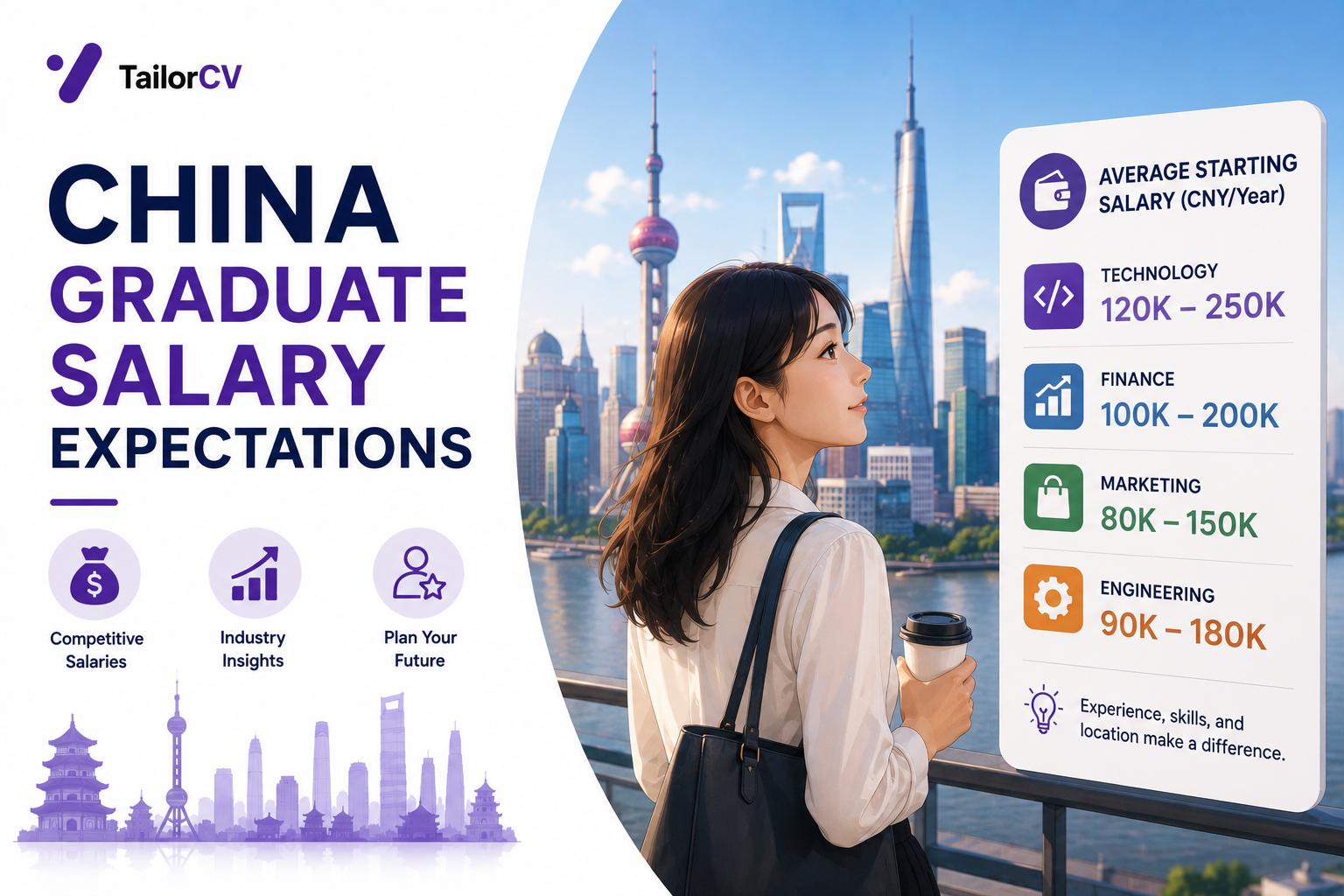
- Graduate Salary Expectations in China - A Realistic Guide
- HSK Levels and What They Actually Mean for Employment in China
- Hukou and City Settlement for Graduates in China - What It Means
- Machine Learning Interview Questions and Answers (2026 Guide)
- Campus Placement Mock Test Guide 2026 - How to Practise Properly
You can also check your resume's ATS score for free, generate a tailored cover letter, or build a portfolio website in minutes.
Frequently Asked Questions
What is a group interview actually assessing?
Whether you contribute genuinely, build on what others say, handle disagreement constructively, and would be a good colleague, not whether you dominate the conversation.
Do all employers use written examinations?
Not all, but many large employers, particularly state-owned enterprises, use them as a standard distinct stage, worth checking and preparing for specifically if applying to this category of employer.
How should I answer questions about long-term career commitment?
Honestly and with genuine thought, this does not require false certainty, but a vague or dismissive answer is noticed and reflects poorly.
Is the interview register really more formal here?
Generally yes relative to many Western technology employers specifically, formal dress and measured, polite presentation is the safer default when in doubt.
How do I prepare for a group discussion format if I have never done one?
Practise with friends using a realistic scenario or discussion topic beforehand, this is a genuinely different skill from individual interviewing and benefits considerably from deliberate practice.
What is the single most important thing to prepare?
A specific, genuine answer to why this employer and this role, rather than generic enthusiasm, this is weighted heavily and generic answers are noticed.
What is 无领导小组讨论?
"Leaderless group discussion" — the specific, well-known term for the group interview format used widely in Chinese graduate recruiting, where a group of candidates works through a scenario together with no assigned leader while interviewers observe how each person contributes.
What is 结构化面试?
"Structured interview" — a standardised individual interview format with a consistent question set and rubric-based scoring, used at more traditional or formal employers, distinct from a free-flowing conversational interview style.
Was this guide useful?
Be the first to rate it.