 TD
TD
Key Takeaways
- A strong LinkedIn profile is crucial for job seekers in Canada, as it enhances visibility to recruiters and potential employers.
- Highlight diverse backgrounds and multicultural skills, as Canadian employers value diversity in the workplace.
- Networking is essential; many job openings are filled through referrals, making a robust LinkedIn network beneficial.
- Tailor your profile to reflect industry trends, particularly in growing sectors like technology, healthcare, and renewable energy.
- Use an engaging headline, a compelling summary, and showcase relevant skills and experiences to optimize your LinkedIn profile effectively.
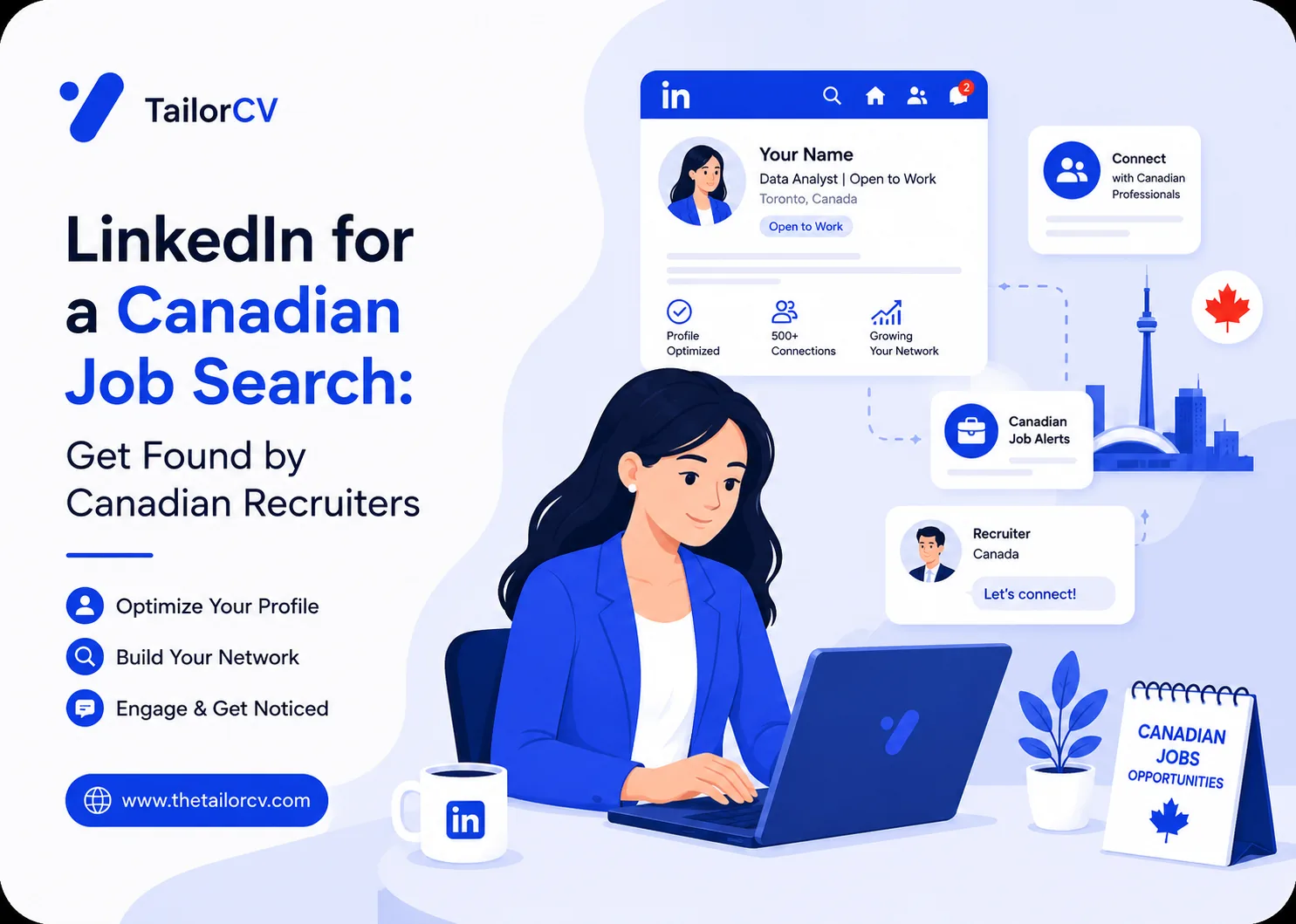
In today's competitive job market, having a strong LinkedIn profile is essential, especially for job seekers in Canada. As a platform that connects professionals and recruiters, LinkedIn offers an incredible opportunity to showcase your skills, network with industry leaders, and get discovered by potential employers. For newcomers and international students, understanding how to leverage LinkedIn effectively can significantly enhance your job search and improve your chances of landing interviews.
Understanding the Canadian Job Market
Before diving into the specifics of optimizing your LinkedIn profile, it's crucial to understand the nuances of the Canadian job market. Here are some key points:
-
Diversity is Valued: Canadian employers appreciate diverse backgrounds and experiences. Highlight any international experience or multicultural skills you possess.
-
Networking is Key: Many job openings are filled through referrals. Building a robust network on LinkedIn can lead to job opportunities that may not be advertised.
-
Canadian Resume Norms: Familiarize yourself with Canadian resume standards, such as avoiding personal details like photos or marital status. For a detailed guide, check out our Canadian Resume Format Guide (2026).
-
Industry Trends: Stay informed about which sectors are growing in Canada. For example, technology, healthcare, and renewable energy are booming industries. Tailor your LinkedIn profile to reflect skills and experiences relevant to these sectors.
-
Language Proficiency: Canada is bilingual, with English and French being the primary languages. Depending on your location, showcasing proficiency in both languages can be a significant asset.
Optimizing Your LinkedIn Profile
1. Craft an Engaging Headline
Your LinkedIn headline is one of the first things recruiters see, so make it count. Instead of just stating your job title, consider including your skills and what you’re looking for. For example:
- "Marketing Specialist | Content Creator | Open to Opportunities in Digital Marketing"
Common Mistakes:
- Using a generic headline like "Unemployed" or "Job Seeker".
- Failing to include industry-specific keywords.
For more inspiration, check out our LinkedIn Headline Examples for Job Seekers in 2026.
2. Write a Compelling Summary
Your summary should tell your story. Include your career journey, skills, and what makes you unique. Use this space to express your passion and career goals. Aim for around 3-5 short paragraphs and ensure it reflects your personality.
Tips for a Strong Summary:
- Start with a hook that captures attention.
- Include specific examples of achievements.
- Mention your future aspirations clearly.
For senior professionals, consider looking at our Executive LinkedIn Summary Examples for Senior Leaders.
3. Showcase Your Experience
List your work experience in reverse chronological order. For each position, include:
- Job title
- Company name
- Dates of employment
- Key responsibilities and achievements
Use bullet points for clarity, and quantify your achievements with numbers when possible. For assistance in crafting strong bullet points, refer to our Resume Bullet Point Generator Guide.
4. Highlight Your Skills
Make sure to add relevant skills that align with your career goals. Skills on your LinkedIn profile can help you appear in searches by recruiters. Aim for a mix of hard skills (like programming languages) and soft skills (like communication).
Key Skills to Consider:
- Technical skills relevant to your industry (e.g., data analysis, software development).
- Soft skills that demonstrate your ability to work in teams or lead projects (e.g., problem-solving, leadership).
5. Obtain Recommendations
Recommendations can significantly enhance your credibility. Reach out to former colleagues, supervisors, or professors to ask for endorsements. A strong recommendation can provide insight into your work ethic and capabilities.
How to Request Recommendations:
- Be specific about what you would like them to highlight.
- Offer to reciprocate by providing a recommendation in return.
6. Connect with Relevant People
Start building your network by connecting with:
- Alumni from your university
- Industry professionals
- Recruiters in your field
Personalize your connection requests to increase the chances of acceptance. Mention mutual connections or shared interests to create a more engaging request.
7. Engage with Content
Regularly post and engage with content relevant to your industry. This could include sharing articles, commenting on posts, or writing your own articles on LinkedIn. Engaging with content helps you stay visible to your network and showcases your knowledge.
Content Ideas:
- Share insights from recent industry news.
- Post about projects you’re working on.
- Write articles that reflect your expertise or opinions on industry trends.
8. Use Keywords Strategically
Incorporate industry-specific keywords throughout your profile. This will improve your visibility in searches. Think about the terms recruiters might use to find candidates for your desired roles.
Keyword Strategy:
- Use tools to analyze keyword density in your profile, similar to how you'd optimize a resume. For guidance, check out our article on Resume Keyword Density for ATS.
Leveraging LinkedIn for Job Opportunities
1. Job Search Features
LinkedIn offers robust job search features. Use the “Jobs” tab to filter positions based on location, industry, and experience level. Set up job alerts for specific roles to receive notifications when new positions are posted.
Job Search Tips:
- Use Boolean search techniques to refine your job search.
- Regularly update your job preferences to reflect your current interests.
2. Follow Companies
Identify companies you’re interested in and follow them. This will keep you updated on their job postings and company news. Engaging with their posts can also help you get noticed.
How to Engage:
- Comment thoughtfully on their posts.
- Share their updates with your network, adding your perspective.
3. Join Relevant Groups
Joining LinkedIn groups related to your industry can provide networking opportunities and insights into job openings. Participate in discussions to increase your visibility.
Finding Groups:
- Use the search bar to look for groups by industry or interest.
- Check the activity level of the group to ensure it’s active.
4. Utilize LinkedIn Premium
Consider upgrading to LinkedIn Premium for additional features, like seeing who viewed your profile, accessing online courses, and getting direct messages to recruiters. It can be beneficial if you’re serious about your job search.
Benefits of Premium:
- Enhanced visibility in search results.
- Insights into how you compare to other applicants for specific jobs.
5. Create a Portfolio
If applicable, showcase your work through a portfolio on LinkedIn. This visual representation of your skills can set you apart from other candidates. You can add links to projects or presentations that demonstrate your capabilities.
6. Attend LinkedIn Events
Participate in webinars and online events that LinkedIn offers. These can provide valuable insights and networking opportunities. Engaging with industry leaders during these events can help you make connections that might lead to job opportunities.
Preparing for Interviews
Once you start landing interviews, preparation is key. Utilize tools like our AI mock interview to practice common interview questions. This will help you build confidence and articulate your thoughts effectively.
Interview Preparation Checklist
| Check | What to look for |
|---|---|
| Research the Company | Understand their mission, values, and recent news |
| Review Common Questions | Prepare answers to frequently asked questions in your field |
| Prepare Your Questions | Have insightful questions ready to ask the interviewer |
| Practice Your Responses | Use mock interviews to refine your delivery |
Final Thoughts
A well-optimized LinkedIn profile is your gateway to job opportunities in Canada. By understanding the nuances of the Canadian job market and implementing the strategies outlined in this article, you can significantly enhance your visibility to recruiters and increase your chances of landing your dream job. For further assistance, consider utilizing our resume matcher tool for job descriptions and our resume review checklist before applying to ensure your application materials are top-notch.
With dedication and the right strategies, you can navigate the Canadian job market successfully and make meaningful connections that will propel your career forward.
Related Guides
Keep building your Canadian job search with these related TailorCV guides:
- How ATS Works in Canada: Beating Applicant Tracking Systems for Canadian Jobs
- Canadian Resume Format Guide (2026): How to Write a Resume for Canada
- How to Write a Cover Letter for Canadian Jobs (With Structure)
- How to Get a Job in Canada in 2026: A Step-by-Step Guide
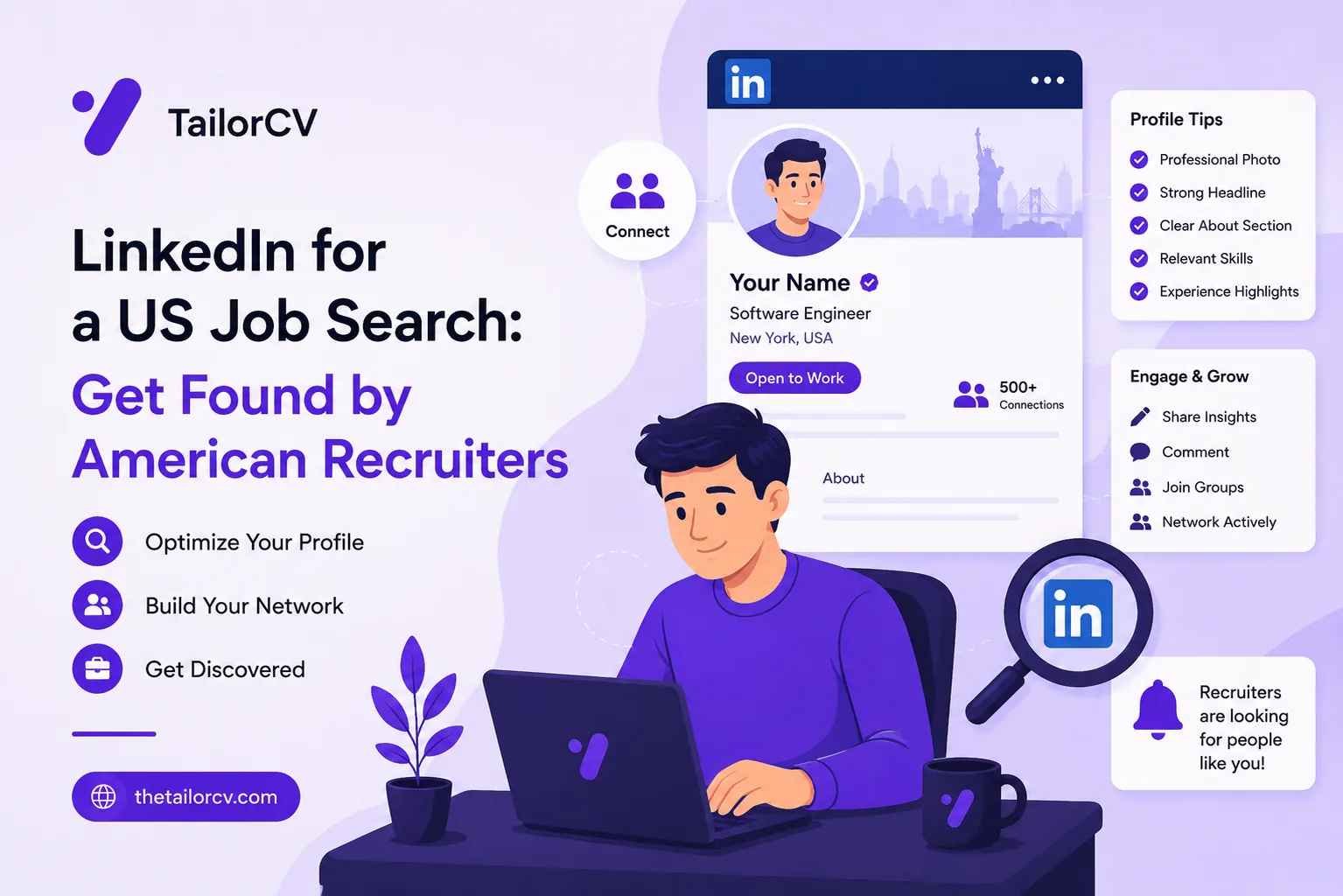
- LinkedIn for a US Job Search: Get Found by American Recruiters
- Executive LinkedIn Summary Examples for Senior Leaders
- LinkedIn Headline Examples for Job Seekers in 2026
- How to Write a Two Weeks Notice in 2026 - Templates and Examples
You can also check your resume's ATS score for free, generate a tailored cover letter, or build a portfolio website in minutes.
Frequently Asked Questions
1. How do I improve my LinkedIn profile for Canadian job searches?
To improve your LinkedIn profile, ensure it reflects Canadian resume norms, including a professional photo, a clear headline, and a compelling summary. Use keywords relevant to your industry and engage with content to stay visible.
2. What should I include in my LinkedIn summary?
Your LinkedIn summary should include your career journey, key skills, and what makes you unique. Aim for a personal touch while remaining professional. For more tips, check our guide on LinkedIn for job search.
3. How can I network effectively on LinkedIn?
To network effectively, connect with industry professionals, join relevant groups, and engage with content. Personalize your connection requests and participate in discussions to increase your visibility.
4. Are there specific job search tips for international students in Canada?
International students should focus on highlighting their multicultural skills and any relevant Canadian experience. Leveraging networks and attending career fairs can also be beneficial. For more details, visit our guide on how international students can get jobs in Canada.
5. How can TailorCV help with my job search?
TailorCV offers a range of tools, including a free ATS score checker to optimize your resume, an AI cover letter generator to create compelling cover letters, and templates to streamline your job application process.
What is your resume scoring right now?
Scan it against a job description and get your ATS match score in about a minute.
Drop your resume here or choose a file
PDF only. Max 2 MB.
We never share your data or use it to train AI models.

Was this guide useful?
Be the first to rate it.