 SS
SS
Key Takeaways
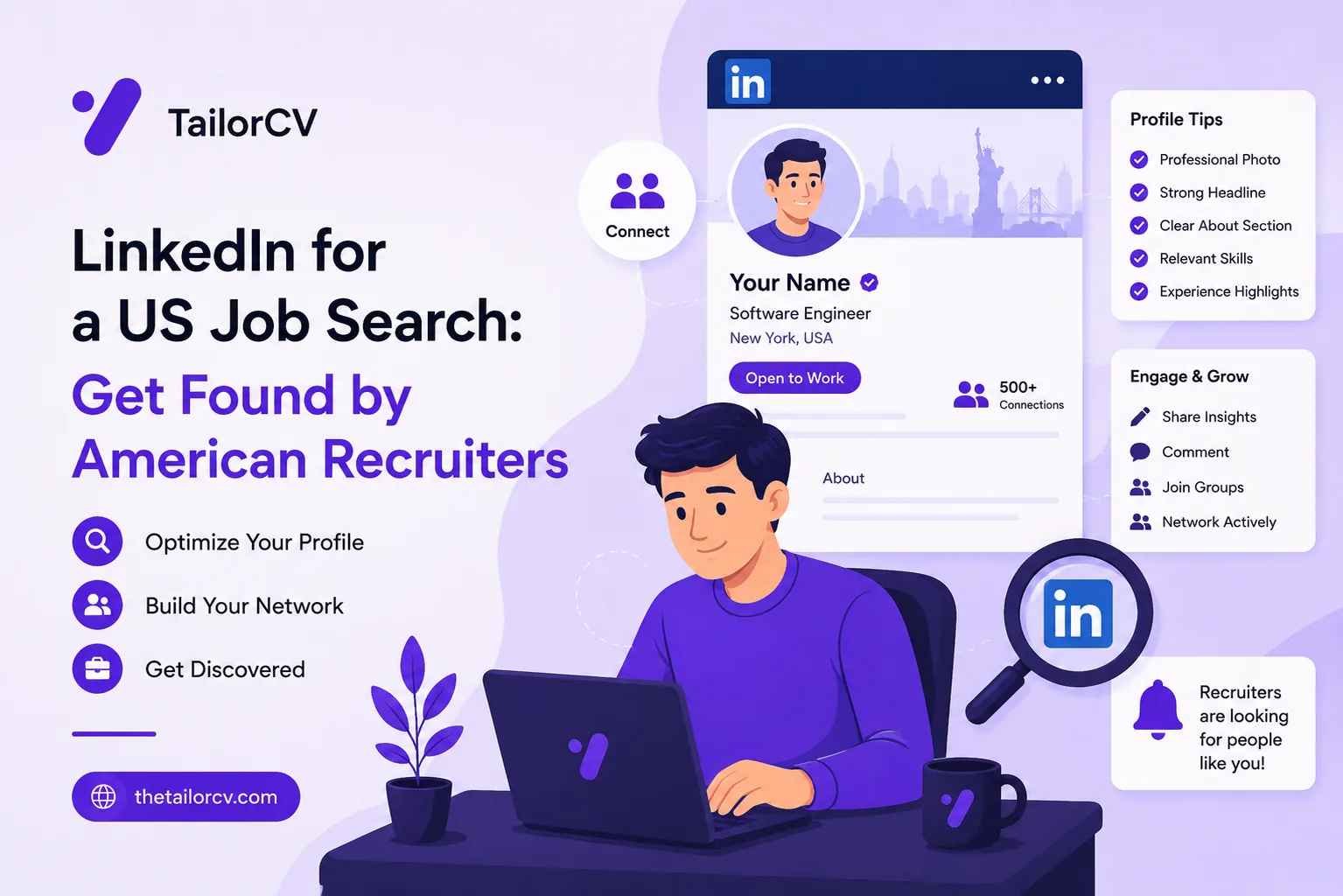
- Optimize your LinkedIn profile by using a specific professional headline that includes industry keywords relevant to your desired position.
- Craft a compelling summary that highlights your passion and experiences, using bullet points for clarity on your skills.
- Build a strong network by connecting strategically with recruiters and industry professionals, and by joining relevant LinkedIn groups.
- Engage with content by sharing insights and commenting thoughtfully on posts to increase your visibility within your network.
- Tailor your LinkedIn profile for ATS by incorporating relevant keywords from job descriptions to enhance your chances of being noticed by recruiters.
Navigating the job market in the United States can be challenging, especially for job seekers who are new graduates, international candidates, or those seeking visa sponsorship. With the increasing importance of online networking, having a strong LinkedIn profile is crucial for making connections and getting noticed by American recruiters. This article will provide you with practical strategies to optimize your LinkedIn presence, ensuring you increase your visibility and improve your chances of landing a job in the U.S.
Optimize Your LinkedIn Profile
Your LinkedIn profile serves as a digital resume and often acts as the first impression recruiters have of you. Here are key elements to focus on:
Professional Headline
- Be Specific: Instead of a generic title, include your desired position and key skills. For example, “Aspiring Software Engineer | Python & Java Enthusiast” is better than just “Software Engineer.”
- Include Keywords: Use industry-specific keywords that recruiters might search for. This helps in appearing in relevant searches.
Summary Section
- Craft a Compelling Narrative: Use this section to tell your story. Highlight your passion, experiences, and what you bring to the table. Aim for 3-5 short paragraphs.
- Use Bullet Points: Break down your skills and experiences using bullet points for easier readability. For example:
- Proficient in programming languages: Python, Java, and C++.
- Strong analytical and problem-solving skills.
- Experience with Agile methodologies.
Experience and Education
- Detail Your Experiences: List your relevant work experiences, internships, and volunteer work. Use action verbs and quantify your achievements. For instance:
- Developed a web application that improved customer engagement by 30%.
- Collaborated with a team of five to launch a new product, resulting in a 15% increase in sales.
- Education: Include your degrees, institutions, and any relevant coursework or honors. If you are a new grad, consider mentioning relevant projects or internships.
Skills and Endorsements
- Select Relevant Skills: Choose skills that align with your career goals. Be mindful of the skills that are in demand in your industry.
- Get Endorsements: Reach out to peers and mentors to endorse your skills, which adds credibility to your profile.
Build a Strong Network
Networking is essential in the U.S. job market. Here’s how to effectively expand your connections on LinkedIn:
Connect Strategically
- Target Recruiters and Industry Professionals: Send personalized connection requests to recruiters in your field and professionals you admire. Mention why you wish to connect.
- Join Relevant Groups: Participate in LinkedIn groups related to your industry. This can help you meet like-minded professionals and learn about job openings.
Engage with Content
- Share Insights: Post articles or insights related to your field. This can showcase your knowledge and keep you visible in your network.
- Comment Thoughtfully: Engage with posts from your network by leaving thoughtful comments. This can lead to more connections and visibility.
Leverage LinkedIn Features
Take advantage of LinkedIn’s features to enhance your job search.
Job Alerts
- Set Up Alerts: Use LinkedIn’s job alert feature to receive notifications about job postings that match your criteria. This ensures you don’t miss out on opportunities.
- Follow Companies: Follow companies you’re interested in to stay updated on their job openings and company news.
Recommendations
- Request Recommendations: Ask former employers, professors, or colleagues for recommendations on your profile. A strong recommendation can make a significant difference in attracting recruiters.
Tailor Your LinkedIn for ATS
Many U.S. companies use Applicant Tracking Systems (ATS) to screen candidates. Your LinkedIn profile can help you be ATS-ready:
Use Keywords
- Identify Relevant Keywords: Analyze job descriptions for the roles you’re interested in and incorporate those keywords into your profile.
- Match Your Resume: Ensure your LinkedIn profile aligns with your resume. Consistent terminology and phrasing can improve your ATS score. You can check your ATS score using our free ATS score checker.
Showcase Your Work
If applicable, consider creating a portfolio to showcase your work. This is particularly useful for fields like design, writing, and software development.
Portfolio Website
- Build a Portfolio: Use a portfolio website builder to create an online presence where you can showcase your projects and achievements. Link to it in your LinkedIn profile.
- Include Projects: Highlight specific projects that demonstrate your skills and capabilities.
Engage in Continuous Learning
The job market is always evolving. To stay competitive, consider:
Online Courses
- Take Relevant Courses: Platforms like Coursera, edX, and LinkedIn Learning offer courses that can enhance your skills. Add these certifications to your LinkedIn profile.
- Stay Updated: Follow industry trends and news to keep your knowledge current. Sharing relevant articles can also position you as an informed candidate.
Common Mistakes to Avoid on LinkedIn
When optimizing your LinkedIn profile for a US job search, it's crucial to steer clear of common pitfalls that could hinder your visibility and appeal to recruiters. Here are some frequent mistakes to avoid:
Tailoring without leaving LinkedIn
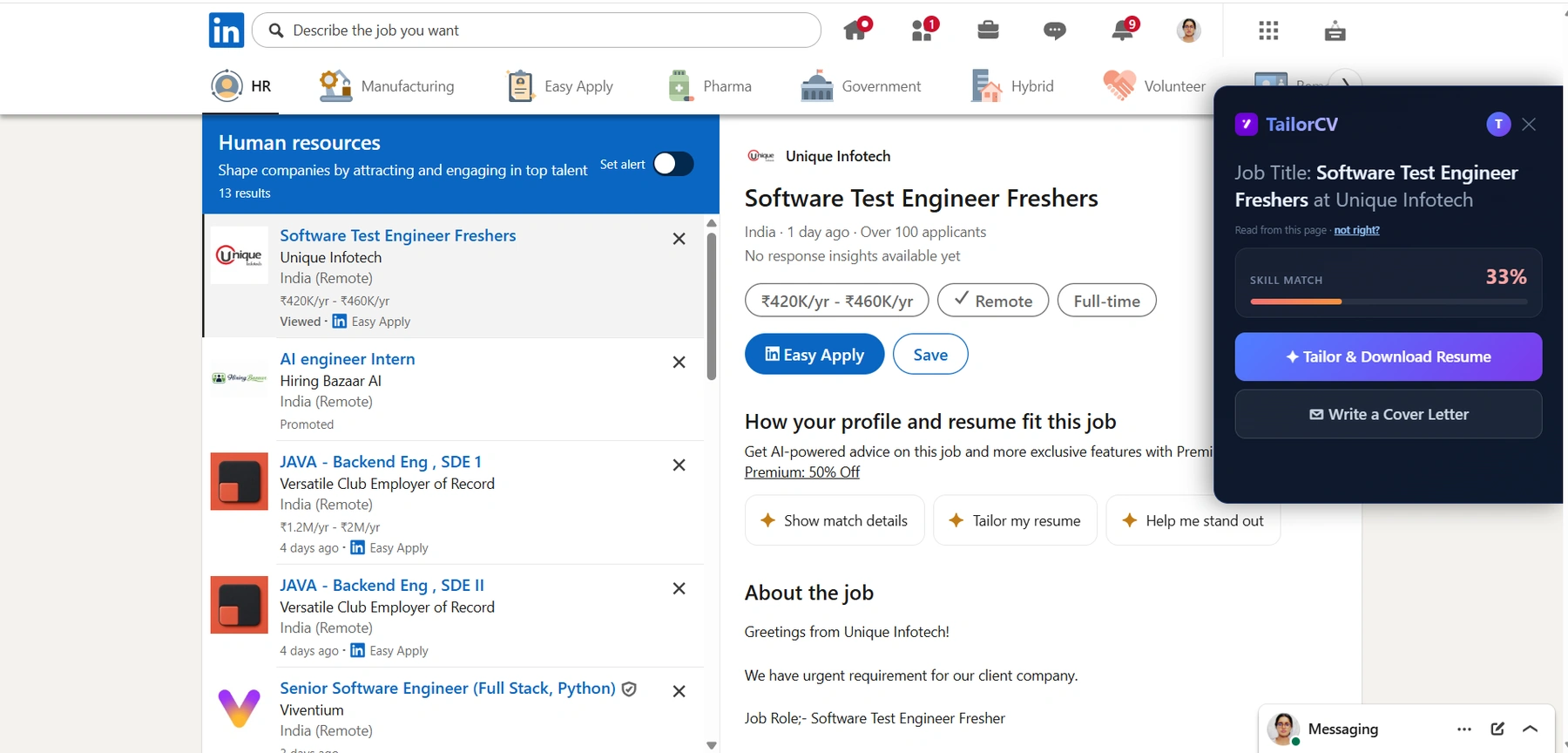
The panel reads the description straight off the listing you are already on and scores your resume against that role, so tailoring per application is a click rather than a detour.
-
Neglecting the Profile Photo: A professional photo is essential. Avoid using casual or unprofessional images. A clear headshot in professional attire helps establish credibility.
-
Using Jargon or Buzzwords: While it’s important to showcase your skills, overusing industry jargon can alienate some recruiters. Aim for clarity and simplicity without sacrificing professionalism.
-
Ignoring Privacy Settings: Ensure your profile is public so recruiters can find you. Adjust your privacy settings to allow visibility while still controlling who can see your connections.
-
Underutilizing the Summary Section: Many users skip this vital section. Craft a compelling summary that highlights your career goals, skills, and unique value proposition. Executive LinkedIn Summary Examples for Senior Leaders can provide inspiration.
-
Infrequent Engagement: Don’t just set it and forget it. Regularly update your profile and engage with content to remain visible in your network.
-
Lack of Customization: Avoid using the generic LinkedIn URL. Customize it to include your name or profession, making it easier to share and enhancing your personal brand.
Step-by-Step Guide to Networking on LinkedIn
Networking is a key component of a successful job search on LinkedIn. Here’s a structured approach to building and nurturing your network:
-
Identify Your Target Audience: Determine who you want to connect with—recruiters, industry leaders, or peers in your field.
-
Personalize Connection Requests: When sending connection requests, include a brief message explaining why you want to connect. This increases the likelihood of acceptance.
-
Engage with Content: Regularly comment on and share posts from your connections. This demonstrates your interest and keeps you on their radar.
-
Join Relevant Groups: Participate in LinkedIn groups related to your industry or interests. Engage in discussions to showcase your expertise and connect with like-minded professionals.
-
Follow Up: After connecting, send a thank-you message or follow up with a question or comment about their work. This can help solidify the relationship.
-
Maintain Relationships: Periodically check in with your connections, share useful resources, or offer assistance. This keeps the relationship active and beneficial for both parties.
Mini Checklist for Optimizing Your LinkedIn Profile
Use this concise checklist to ensure your LinkedIn profile is fully optimized for attracting US recruiters:
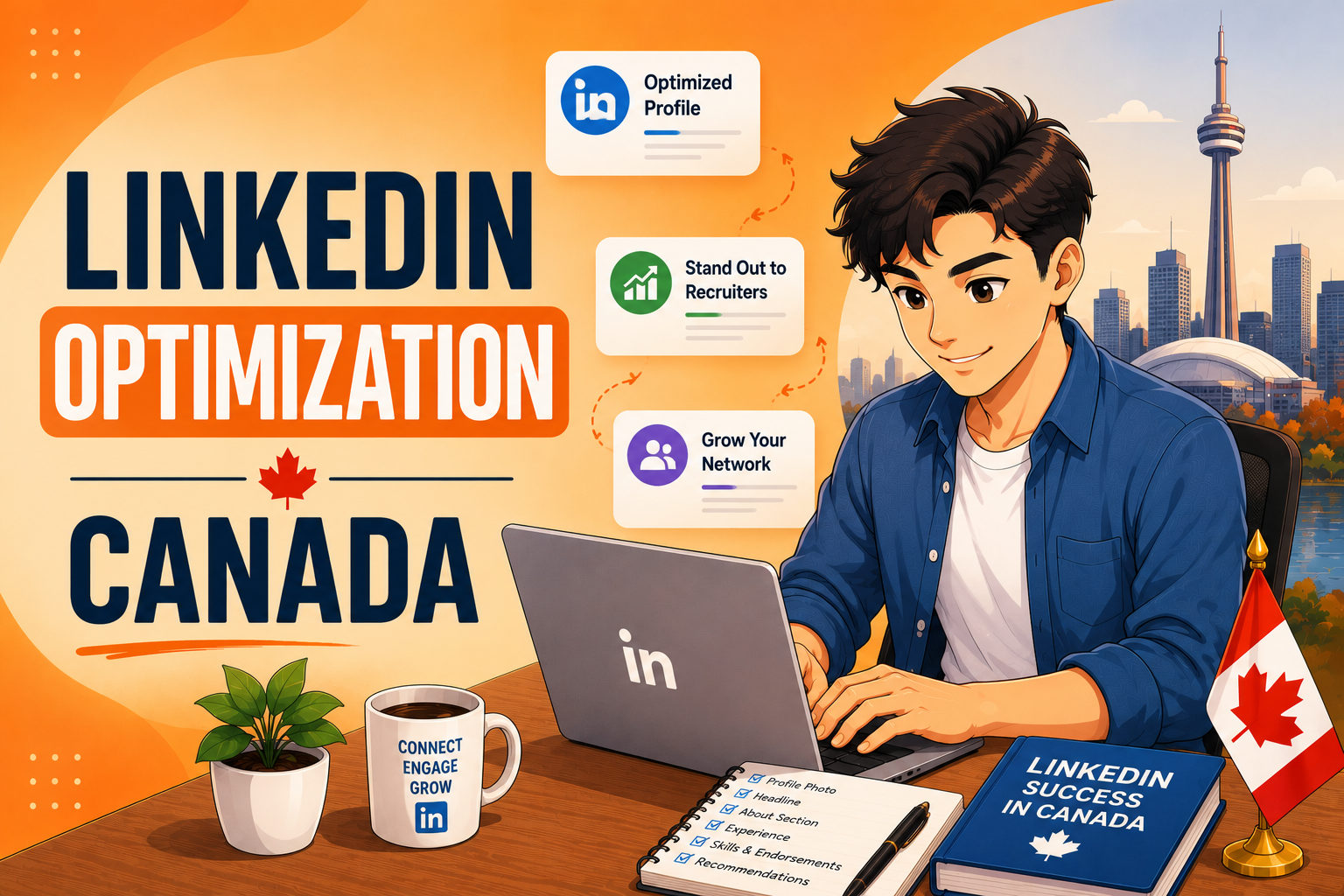
- unchecked: Profile Photo: Professional headshot uploaded.
- unchecked: Custom URL: Unique LinkedIn URL created.
- unchecked: Headline: Clear and keyword-rich headline written.
- unchecked: Summary: Compelling summary that outlines your skills and career goals.
- unchecked: Experience: Detailed descriptions of past roles and achievements.
- unchecked: Skills: At least 5-10 relevant skills added and endorsed.
- unchecked: Recommendations: At least 2-3 recommendations received from colleagues or supervisors.
- unchecked: Volunteer Experience: Relevant volunteer work included (if applicable).
- unchecked: Engagement: Regular posts or shares of industry-related content.
- unchecked: Connections: At least 100 relevant connections established.
Do's and Don'ts for Job Seekers on LinkedIn
To maximize your effectiveness on LinkedIn, keep these do's and don'ts in mind:
Do's:
- Do keep your profile updated with new experiences, skills, and achievements.
- Do use keywords relevant to your industry to improve searchability.
- Do actively engage with your network by liking and commenting on their posts.
- Do showcase your portfolio or work samples in the featured section if applicable.
- Do follow companies you’re interested in to stay updated on their job postings.
Don'ts:
- Don't leave your profile incomplete; a fully filled-out profile is more appealing.
- Don't use a generic connection request message; personalize your outreach.
- Don't oversell yourself; be genuine about your skills and experiences.
- Don't ignore messages from recruiters; even if you're not interested, a polite response is courteous.
- Don't forget to proofread your profile for grammar and spelling errors.
Scenario: Crafting a Targeted Job Search Strategy
Imagine you’re a software developer looking for a job in the US. Here’s how to apply the principles discussed:
-
Profile Optimization: Update your LinkedIn profile with a strong headline like "Full-Stack Developer | React & Node.js Expert." Write a summary that highlights your passion for coding and your unique projects.
-
Networking: Connect with recruiters who specialize in tech placements. Personalize your requests by mentioning a recent post they made about industry trends.
-
Engagement: Share a recent project on LinkedIn, detailing your process and inviting feedback. This showcases your skills and invites engagement.
-
Job Alerts: Set job alerts for software development positions in your desired location. This will keep you informed about new opportunities.
-
Continuous Learning: Enroll in relevant online courses and add these certifications to your profile, demonstrating your commitment to professional growth.
By following this structured approach and avoiding common pitfalls, you can enhance your LinkedIn presence and significantly boost your chances of being found by American recruiters. For further insights, check out our LinkedIn Profile Optimization Guide 2026.
Related Guides
Keep building your US job search with these related TailorCV guides:
- US Resume Format Guide (2026): How to Write a Resume for American Jobs
- How to Get a Job in the USA in 2026: A Step-by-Step Guide
- Resume for H-1B Visa Sponsorship Jobs: How to Stand Out
- How ATS Works in the USA: Beating Applicant Tracking Systems for US Jobs
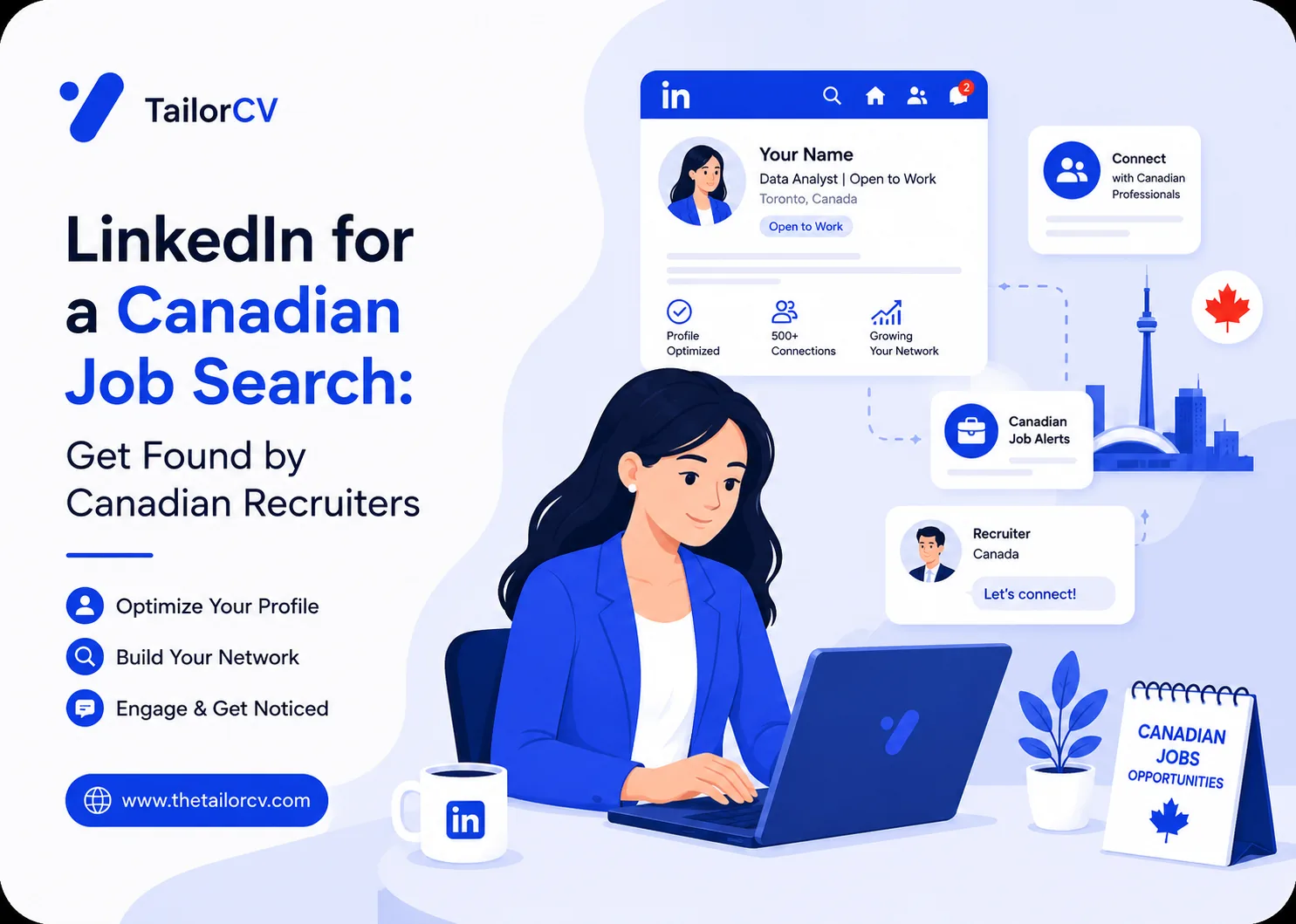
- LinkedIn for a Canadian Job Search: Get Found by Canadian Recruiters
- LinkedIn Headline Examples for Job Seekers in 2026
- Executive LinkedIn Summary Examples for Senior Leaders
- React Developer Resume 2026 - Complete Guide with Examples
You can also check your resume's ATS score for free, generate a tailored cover letter, or build a portfolio website in minutes.
Frequently Asked Questions
How do I optimize my LinkedIn profile for ATS?
To optimize your LinkedIn profile for ATS, use industry-specific keywords from job descriptions, align your profile with your resume, and ensure consistency in terminology. This can improve your visibility to recruiters and ATS systems.
Should I include my photo on LinkedIn?
While including a photo on LinkedIn is common in many countries, in the U.S., it's not mandatory. Focus on a professional profile that highlights your skills and experiences instead.
How often should I update my LinkedIn profile?
You should update your LinkedIn profile whenever you gain new skills, complete new projects, or change jobs. Regular updates keep your profile fresh and relevant, making it more attractive to recruiters.
Can I use LinkedIn to search for remote jobs?
Absolutely! LinkedIn has a dedicated section for remote job listings. You can also use filters to specify your search preferences, making it easier to find remote roles that suit your skills.
How do I connect with recruiters on LinkedIn?
To connect with recruiters, send personalized connection requests that mention your interest in their work or the roles they recruit for. Building a rapport can significantly increase your chances of being noticed for job opportunities.
By following these strategies, you can enhance your LinkedIn profile, build a strong network, and improve your visibility to American recruiters. Leveraging LinkedIn effectively will set you on the right path to achieving your career goals in the U.S.
What is your resume scoring right now?
Scan it against a job description and get your ATS match score in about a minute.
Drop your resume here or choose a file
PDF only. Max 2 MB.
We never share your data or use it to train AI models.

Was this guide useful?
Be the first to rate it.